
Tabelog Bronze #90
Our verdict
Sumiyaki Hamburger Steak Gyusen puts Saga’s yoshoku tradition into a compact, charcoal-focused format, with hamburger steak and steak treated as destination cooking rather than casual filler. Its Tabelog Award 2026 Bronze recognition and Tabelog Yoshoku WEST 100 selection place it in a serious regional conversation, while the Tosu setting keeps the experience grounded in everyday Japanese dining culture.

Pearl is the En Primeur Club membership app — saves, bookings, and concierge access live there. Same editors, same standards.
- Address
- 2 Chome-121 Kuranoue, Tosu, Saga 841-0056, Japan
- Phone
- +81 942-84-4175
- Hours
- Mon ClosedTue–Fri 11 AM–2 PM, 5:30–8:40 PMSat–Sun 11 AM–2 PM
- Website
- tabelog.com
- Directions
- Get directions
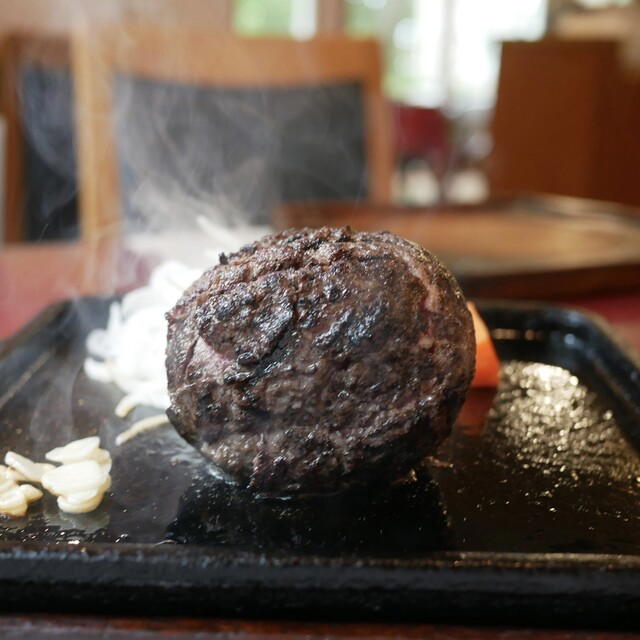
Approaching a house-style restaurant in Tosu changes a meal’s rhythm before the first plate. Saga does not announce dining ambition through spectacle; its stronger restaurants work through restraint, local confidence, and practical ties to beef, rice, vegetables, and weekday appetite. In that setting, Sumiyaki Hamburger Steak Gyusen reads less like fashionable yoshoku and more like a regional argument: hamburger steak can be treated with the seriousness usually reserved for wagyu counters and kappo rooms.
Yoshoku, Japan’s adapted Western cooking, is often misread by visitors as comfort food alone. Hamburg steak, cutlets, omurice, stews, grills, and sauces became Japanese through repetition, disciplined portions, and a sharp sense of what belongs with rice. In Kyushu, where beef culture has weight and grill cooking its own grammar, hamburger steak is not a compromise order. It tests sourcing, grind, heat, fat, timing, and sauce restraint.
Charcoal puts the hamburger steak into Saga's beef conversation
The word “sumiyaki” matters. Charcoal grilling moves hamburger steak away from the soft, sauce-led family-restaurant version and toward a more ingredient-dependent style. Smoke and heat expose flaws quickly, asking more from the beef mix. That also explains why a restaurant built around hamburger steak and steak can belong on the same regional dining map as more obviously premium beef rooms.
Sumiyaki Hamburger Steak Gyusen has the credentials to make that argument credible: The Tabelog Award 2026 Bronze, a Tabelog score listed at 3.78 for the 2026 award entry, and selection for Tabelog’s Yoshoku WEST 100 in 2025, with earlier Yoshoku 100 recognition in 2023. These signals are not decorative. In Japan’s user-review ecosystem, yoshoku recognition rewards consistency and repeat appeal as much as ceremony. For a hamburger steak restaurant in Tosu, that matters more than theatrical rarity.
Ingredient sourcing is the cleanest way to understand the appeal. Steak and hamburger steak sit next to each other on the category line, suggesting a kitchen judged by beef handling rather than menu breadth. In a lesser room, hamburger steak becomes a vehicle for sweetness, demi-glace, and nostalgia. Here, the better question is how the grind, fat ratio, charcoal contact, and finishing sauce keep the beef legible. The format rewards diners who care about meat texture without needing the ritual expense of a full steakhouse meal.
Saga’s broader food culture helps. The prefecture is often discussed through beef, nori, sake, ceramics, and understated rural produce rather than urban restaurant glamour. A yoshoku grill in Tosu can feel more regionally specific than a luxury room imitating Tokyo. The plate borrows from Western form, but the hierarchy is Japanese: rice compatibility, controlled seasoning, and a short distance between everyday appetite and serious technique.
A compact room, a regional audience, and a narrow promise
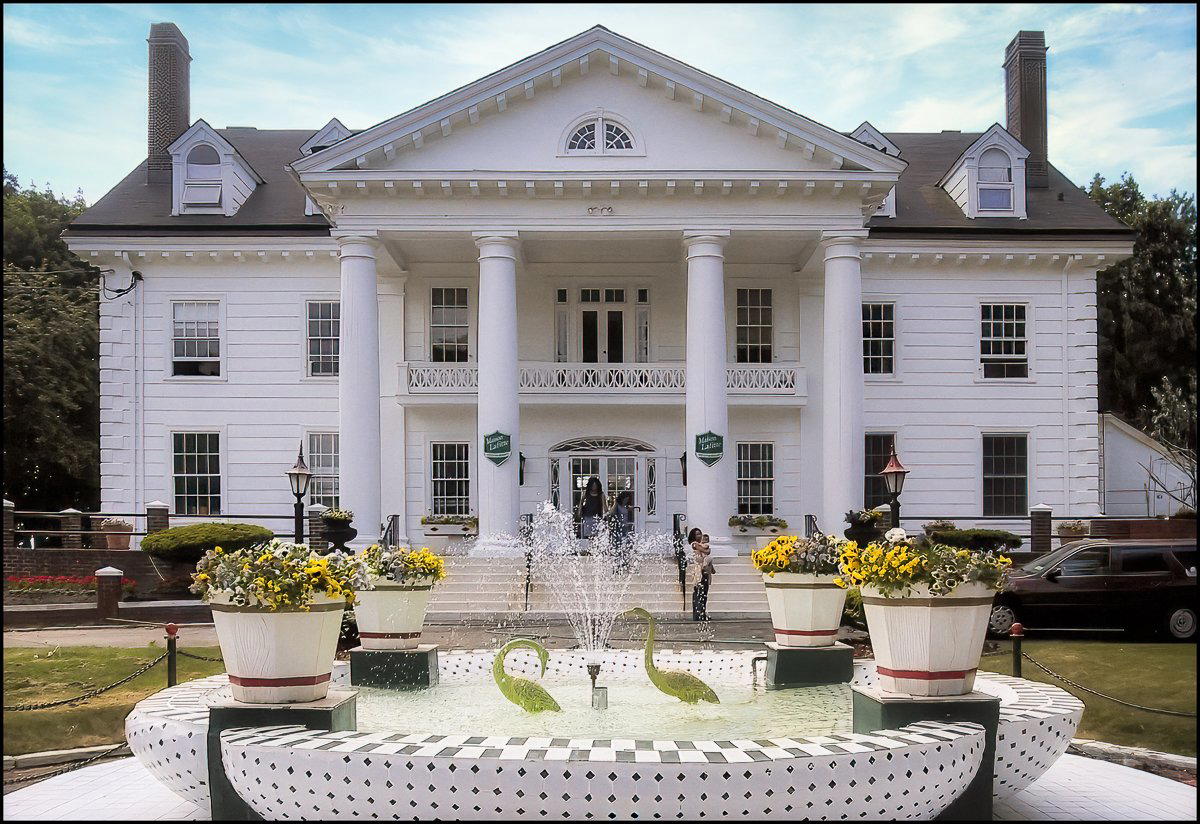
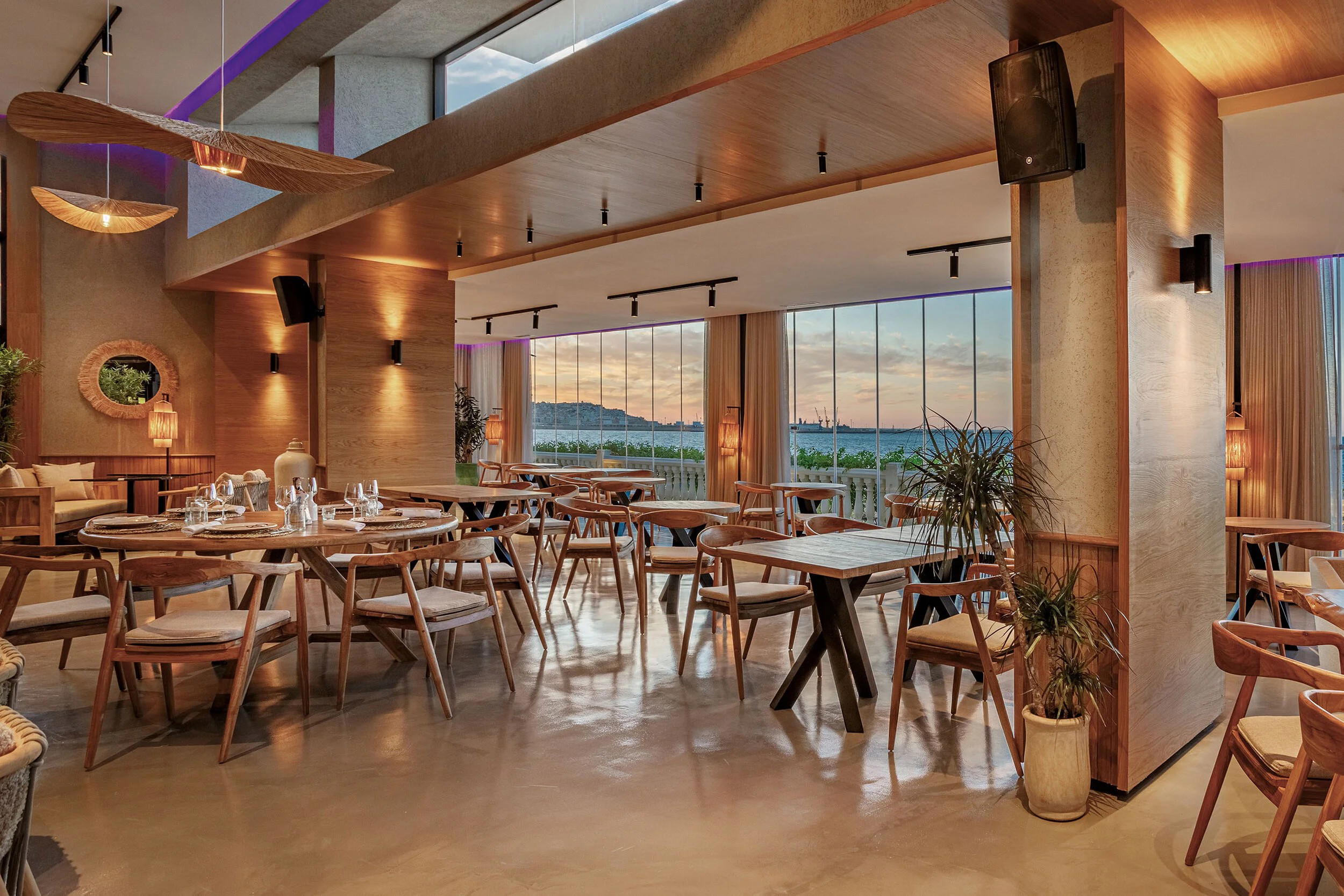
The dining room is listed at 40 seats, non-smoking, with a house-restaurant feel rather than a formal hotel-restaurant register. That scale suits the genre. Hamburger steak needs turnover and rhythm, but loses force when treated as assembly-line food. A room this size can serve regulars, small groups, and travelers without detaching the cooking from the neighbourhood that supports it.
There is a practical cultural point too: Japan’s strongest casual-specialist restaurants often rest on a narrow promise. Ramen shops, tonkatsu counters, tempura rooms, curry specialists, and yoshoku grills earn attention by repeating a small set of tasks until diners stop treating the category as ordinary. Sumiyaki Hamburger Steak Gyusen belongs to that specialist lineage. The draw is not a long menu; it is confidence that a familiar dish has received enough focus to justify a Saga detour.
For travelers mapping the prefecture, the restaurant fits a useful middle register. Saga’s dining scene should not be reduced to beef alone, and a broader itinerary can place this grill beside seafood-led meals such as Amegen (Seafood), meat-focused addresses such as Kira Honten, casual local cooking at Momoya, contemporary dining at Restaurant 5, and noodle culture at Saga Ramen Ichigen.. The value is contrast: Saga becomes clearer when beef, seafood, ramen, and yoshoku are read as parallel traditions rather than ranked experiences.
How to use it in a Saga food itinerary
The strongest case is lunch or an early, focused meal rather than a long celebratory evening. The price band sits in Japan’s accessible specialist range, making it sharp for travelers wanting craft without the budget or time of tasting-menu dining. Check payment and reservation expectations before going, because smaller Japanese restaurants can remain operationally old-school even when awards attract out-of-town diners.
Tosu is useful geographically. It sits within Saga Prefecture but connects easily into wider Kyushu travel patterns, so a meal here can be a purposeful stop rather than a full-day detour. That matters for travelers pairing dining with ceramics towns, countryside drives, or rail movement through northern Kyushu. The restaurant’s recognition makes the stop rational; the format keeps it relaxed.
Readers planning beyond one meal should use Our full Saga restaurants guide for the dining map, then widen the trip with Our full Saga hotels guide, Our full Saga bars guide, Our full Saga wineries guide, and Our full Saga experiences guide. For a wider Japan-and-beyond reading list, compare category specialists and casual formats through -Grilled beef Sukiyaki- KAMAKURA TANUKIAN 鎌倉 たぬき庵 in Kamakura. 鮪と炭火焼き うお炭 秋葉原店 in Tokyo.cafe in Osaka.know in Kumamoto, (Shoku) Vietnam in Kawasaki, [Curry Senmon Ten] Maruyama Kyoju. in Sapporo, Jōdo Saké Bar in Los Angeles, and Onigiri Time in Pasadena.
The editorial verdict is simple: treat Sumiyaki Hamburger Steak Gyusen as a serious yoshoku specialist, not a casual fallback. Its importance lies in reframing a familiar dish through charcoal, beef discipline, and Saga’s regional food character. That is enough reason to put it on a tightly planned northern Kyushu itinerary.
Frequently asked questions
Can I bring kids to Sumiyaki Hamburger Steak Gyusen?
The 40-seat, non-smoking room in Tosu makes it practical for family lunch, and parking is available on-site. The house-restaurant setting keeps the experience informal rather than polished hotel dining.
What should I expect atmosphere-wise at Sumiyaki Hamburger Steak Gyusen?
Expect a compact, non-smoking room with 40 seats and a house-restaurant feel rather than a formal dining room. The Tabelog 2026 Bronze award and Tabelog 100 selection point to a place with serious local standing, but the setup stays low-key.
What should I expect cuisine-wise at Sumiyaki Hamburger Steak Gyusen?
Sumiyaki Hamburger Steak Gyusen serves Hamburger steak, Steak cuisine.
What is Sumiyaki Hamburger Steak Gyusen known for?
Sumiyaki Hamburger Steak Gyusen is primarily known for Hamburger steak, Steak in Saga.
Cuisine and Recognition
Comparable venues nearby, for context on price, style, and recognition.
| Venue | Cuisine | Price | Awards | Notes |
|---|---|---|---|---|
| Sumiyaki Hamburger Steak GyusenThis venue — the venue you are viewing | Charcoal-Grilled Japanese Hamburger Steak | $20–30 | Tabelog Bronze #90 | Not listed |
| Tsukuta | Karatsu-mae Edomae Sushi Omakase | $150–200 | Tabelog 100 #89 | Karatsu |
| Restaurant 5 | Seasonal Creative Japanese (Improvisational Course Menu) | $50–100 | Tabelog 100 #52 | .null |
| Saga Ramen Ichigen. | Saga-style Tonkotsu Ramen Shop | $10–20 | Tabelog 100 #4 | Kawazoe-cho |
| Momoya | Japanese yoshoku hamburger steak & dumplings | $10–20 | Tabelog 100 #37 | Karatsu |
| Amegen | Traditional Japanese River Cuisine | $50–100 | Tabelog Bronze #17 | Hamasaki |
Recognition history
Dated appearances from independent guides and award organizations, with the underlying list record or original source where available.
Tabelog Bronze #90
Tabelog
Full recognition history (2 entries)
Tabelog 100 #65 · No. 65
Tabelog · Tabelog 100 - Yoshoku - WEST - 2025
Details
- Cozy
- Casual Hangout
- Open Kitchen
- Sake Program
- A La Carte
Current opening hours
- Monday
- Closed
- Tuesday
- 11 AM–2 PM, 5:30–8:40 PM
- Wednesday
- 11 AM–2 PM, 5:30–8:40 PM
- Thursday
- 11 AM–2 PM, 5:30–8:40 PM
- Friday
- 11 AM–2 PM, 5:30–8:40 PM
- Saturday
- 11 AM–2 PM
- Sunday
- 11 AM–2 PM
Hours can change for holidays and private events. Last verified .
Relaxing space described as a cozy hideout house restaurant.