
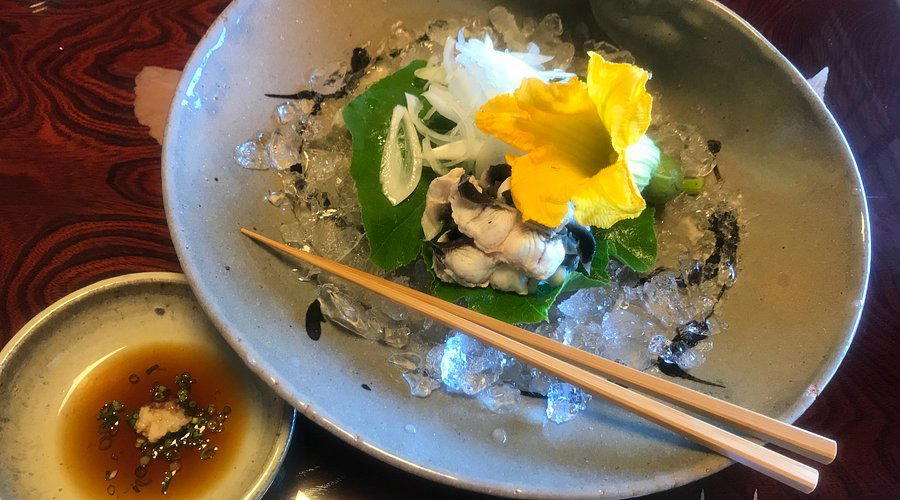
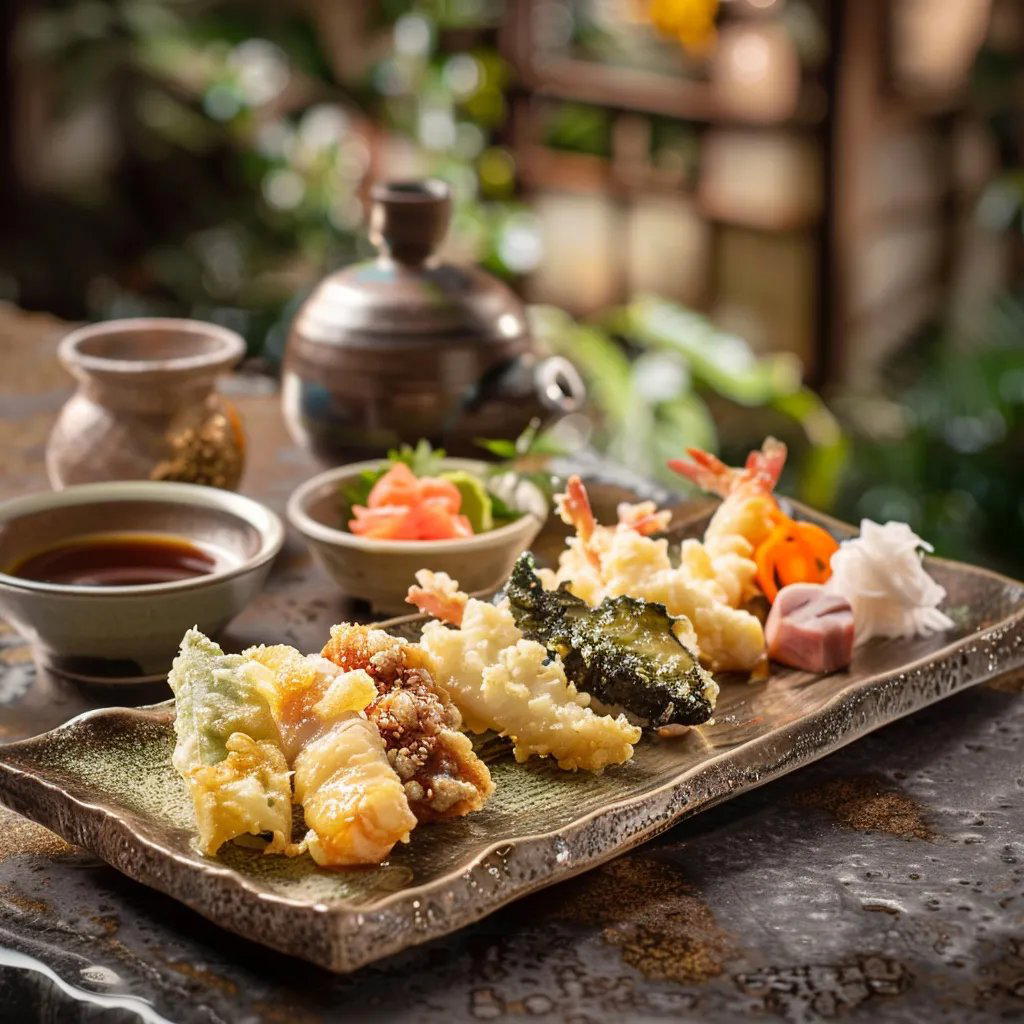
Restaurant 5 puts Saga’s creative Japanese cooking into a higher-spend, ingredient-led frame rather than the city’s more familiar casual dining lane. Its 2025 selection for Tabelog 100 in Innovative / Creative cuisine gives it a clear trust signal, while the cooking category points toward a meal built around local produce, Japanese technique, and a more composed format than a standard regional restaurant stop.
Pearl is the En Primeur Club membership app — saves, bookings, and concierge access live there. Same editors, same standards.
- Address
- 佐賀県佐賀市神野西4-21-5
- Website
- tabelog.com
- Directions
- Get directions
 Saves & bookings on Pearl
Approaching Saga’s more serious dining rooms, the city feels different from Japan’s metropolitan restaurant corridors. The rhythm is lower, the supply lines are shorter, and the value of a meal often sits in how closely it understands Kyushu produce rather than how loudly it signals ambition. Restaurant 5 belongs to that quieter register: creative Japanese cooking in a city better known to many travelers for beef, ramen, seafood, and ceramics-side detours than for destination tasting formats.
Creative Japanese cooking with Saga as the supply logic
Saga rewards restaurants that pay attention to origin. The prefecture has a strong agricultural identity, access to Ariake Sea seafood, and a dining culture where provenance can carry as much weight as technique. In that context, creative Japanese cuisine is not simply a label for modern plating. It is a way of moving between local ingredients, kaiseki-adjacent pacing, and a contemporary restaurant grammar without abandoning the regional pantry.
That makes Restaurant 5 a useful marker for where Saga’s dining scene is heading. Its selection for Tabelog 100 in Innovative / Creative cuisine 2025 places it in a national conversation normally dominated by larger cities, yet the appeal is not scale. The stronger argument is that regional Japan can support ambitious, ingredient-led restaurants without copying Tokyo’s luxury codes. For travelers building a food itinerary around Saga, it sits in a different lane from Kira Honten, where Saga beef anchors the decision, or Saga Ramen Ichigen., where the draw is a casual local bowl rather than a longer-form meal.
The category also matters because “creative” dining in Japan can split in two directions. Some rooms lean heavily on international technique; others treat innovation as a matter of sequencing, sourcing, temperature, and restraint within Japanese cooking. Restaurant 5 is listed under Creative and Japanese Cuisine, which points toward the second reading: a meal where the framework remains Japanese, even when the expression is less formal than orthodox kaiseki. That distinction is useful for diners who want regional specificity rather than a generic tasting-menu language.
Where it fits among Saga's food map
Saga is not short on clear food identities. Beef houses, ramen counters, seafood restaurants, and traditional Japanese dining rooms each claim a practical place in the city. Amegen (Seafood) and Souan Nabeshima point toward more familiar regional categories, while Momoya broadens the local circuit for repeat visitors. Against that field, a creative Japanese restaurant asks for a different kind of evening: less about checking off a single famous product, more about seeing how a kitchen organizes Saga’s raw materials into a composed progression.
The spend level reinforces that positioning. Within the comparison set, casual names such as Wakayanagi Shokudo and Saga Ramen Ichigen. occupy a far lower everyday bracket, while Ganso Motoyoshiya Honten sits in a mid-range out-of-metro lane. The restaurant belongs to the higher-commitment end of Saga dining, so the choice should be intentional. It makes the strongest sense when the meal is the main event of the day, not an add-on between sightseeing stops.
That does not make it detached from the city. If anything, the address outside Japan’s largest restaurant markets sharpens the point. Creative dining in Saga has to justify itself through ingredients and control rather than spectacle. A national award listing and a 3.92 Tabelog score give the restaurant measurable recognition, but the editorial reason to care is broader: it shows how regional Japanese cities are producing serious contemporary restaurants without needing the density, media machinery, or tourist traffic of Tokyo, Kyoto, or Osaka.
Travelers comparing Japan itineraries should read the category carefully. A meal here will not serve the same purpose as a casual curry stop such as [Curry Senmon Ten] Maruyama Kyoju. in Sapporo, a café entry like.cafe in Osaka, or a drinking-led address such as Jōdo Saké Bar in Los Angeles. It is closer to the kind of dining decision where format, pacing, and ingredient sourcing define the value of the reservation.
Planning the meal around a wider Saga itinerary
For a short Saga stay, the practical question is sequencing. A higher-spend creative Japanese meal pairs better with a light lunch and a slow afternoon than with a day already built around heavy regional staples. Visitors looking to compare the city’s range can use our full Saga restaurants guide to balance one composed dinner with more casual meals across the trip. For the broader stay, our full Saga hotels guide, our full Saga bars guide, our full Saga wineries guide, and our full Saga experiences guide help keep the evening from becoming isolated from the city around it.
Payment logistics deserve attention because the restaurant is listed with cash-oriented restrictions rather than broad card acceptance. Private rooms and private use are listed, non-smoking is listed, and parking is available, all of which make the room more flexible than many small-format Japanese restaurants. Saga Station is the nearest station, so travelers without a car should plan the final approach rather than assume a central big-city walk-up pattern.
Seen in a national frame, the restaurant is not trying to solve the same problem as a specialist sukiyaki meal at -Grilled beef Sukiyaki- KAMAKURA TANUKIAN 鎌倉 たぬき庵 in Kamakura, a casual Tokyo grill such as. 鮪と炭火焼き うお炭 秋葉原店 in Tokyo, a Kumamoto contemporary address like.know in Kumamoto, a Vietnamese specialist such as (Shoku) Vietnam in Kawasaki, or a Japanese comfort-food counter abroad such as Onigiri Time in Pasadena. Its value is narrower and more place-specific: Saga ingredients, Japanese structure, and enough national recognition to justify building an evening around it.
At-a-Glance Comparison
Comparable venues by cuisine and price in the same metro.
| Venue | Cuisine | Price | Notes |
|---|---|---|---|
| Restaurant 5 | Seasonal Creative Japanese (Improvisational Course Menu) | $$$ | .null |
| Saga Ramen Ichigen. | Saga-style Tonkotsu Ramen Shop | $$ | Kawazoe-cho |
| Souan Nabeshima | Seasonal Japanese Kaiseki with Sake Pairing | $$$$ | Hizen Hamashuku, Kashima City |
| Kira Honten | Saga Beef Teppanyaki | $$$ | Otakara |
| Momoya | Japanese yoshoku hamburger steak & dumplings | $$ | Karatsu |
| Tsukuta | Karatsu-mae Edomae Sushi Omakase | $$$ | Karatsu |
Recognition history
Dated appearances from independent guides and award organizations, with the underlying list record or original source where available.
Tabelog 100 #52 · No. 52
Tabelog · Tabelog 100 - Innovative / Creative cuisine - 2025

At a Glance
- Elegant
- Intimate
- Cozy
- Date Night
- Special Occasion
- Celebration
- Business Dinner
- Solo
- Standalone
- Design Destination
- Sake Program
- Local Sourcing
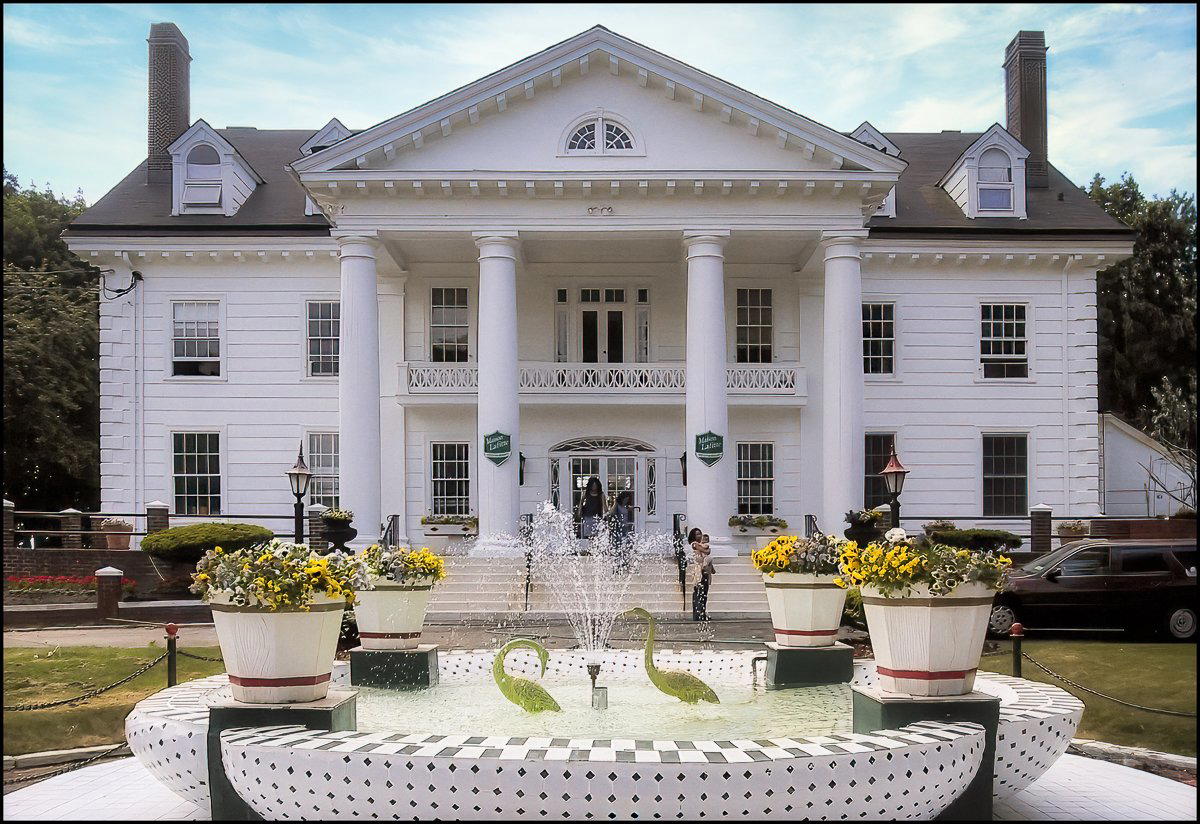
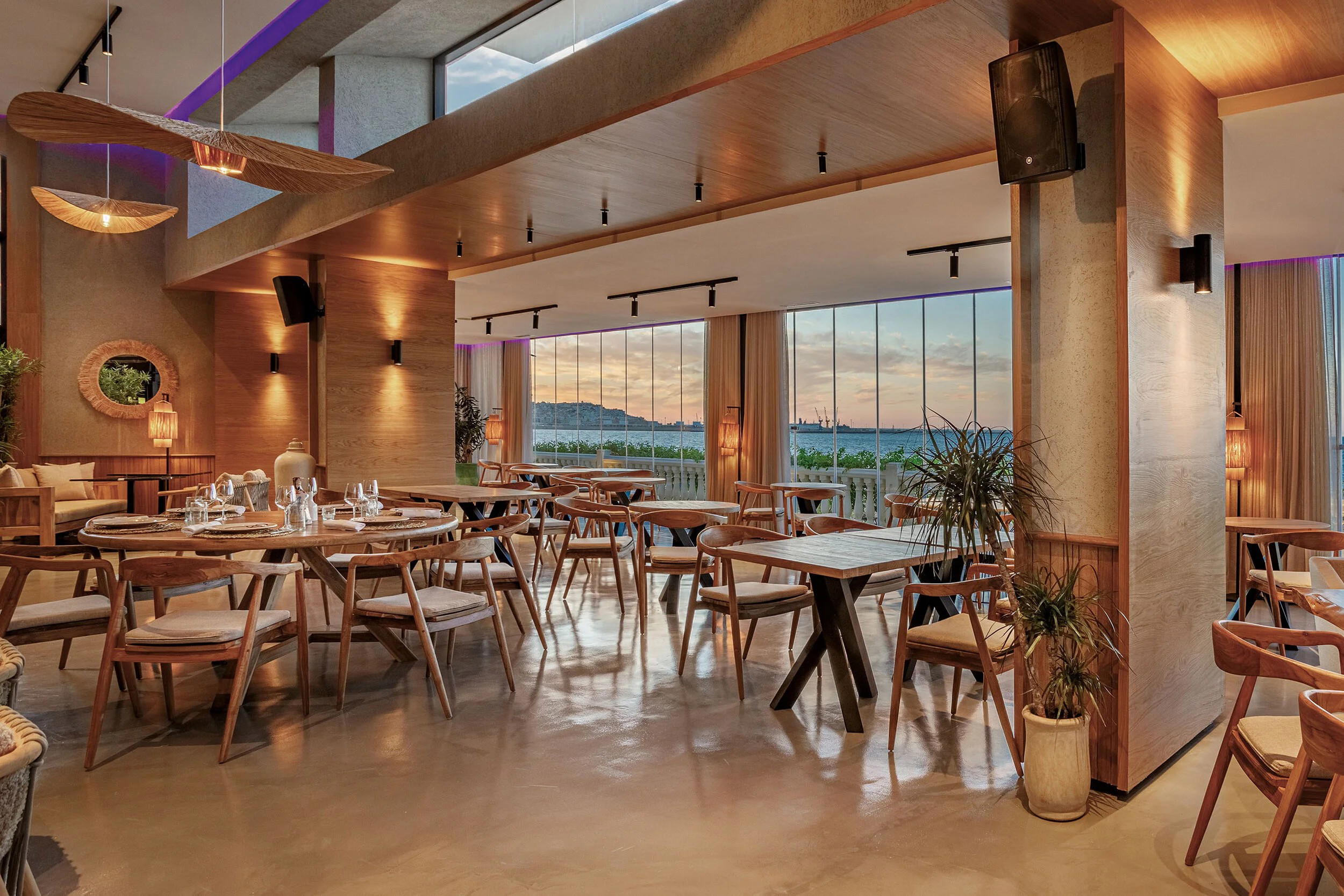
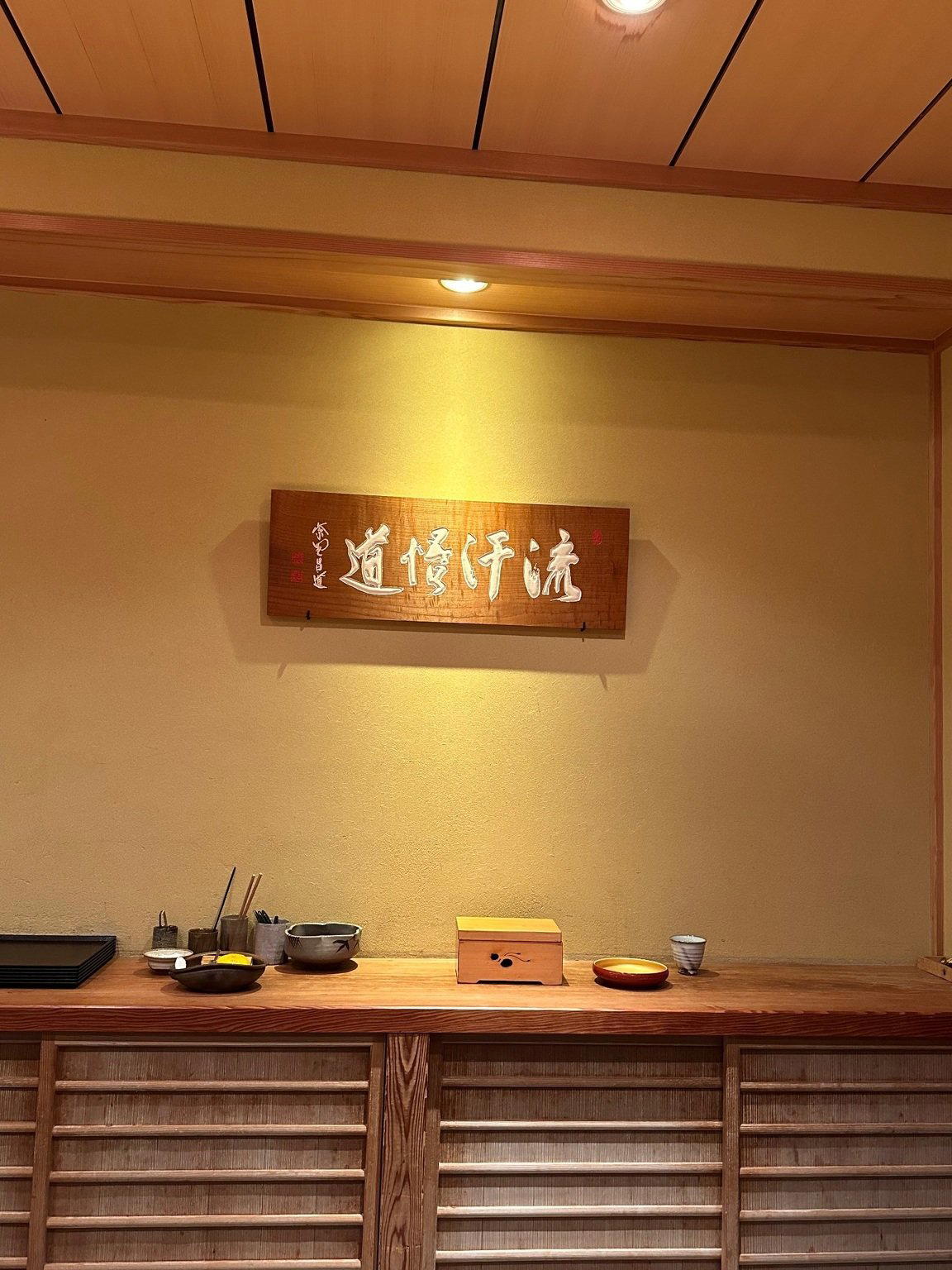
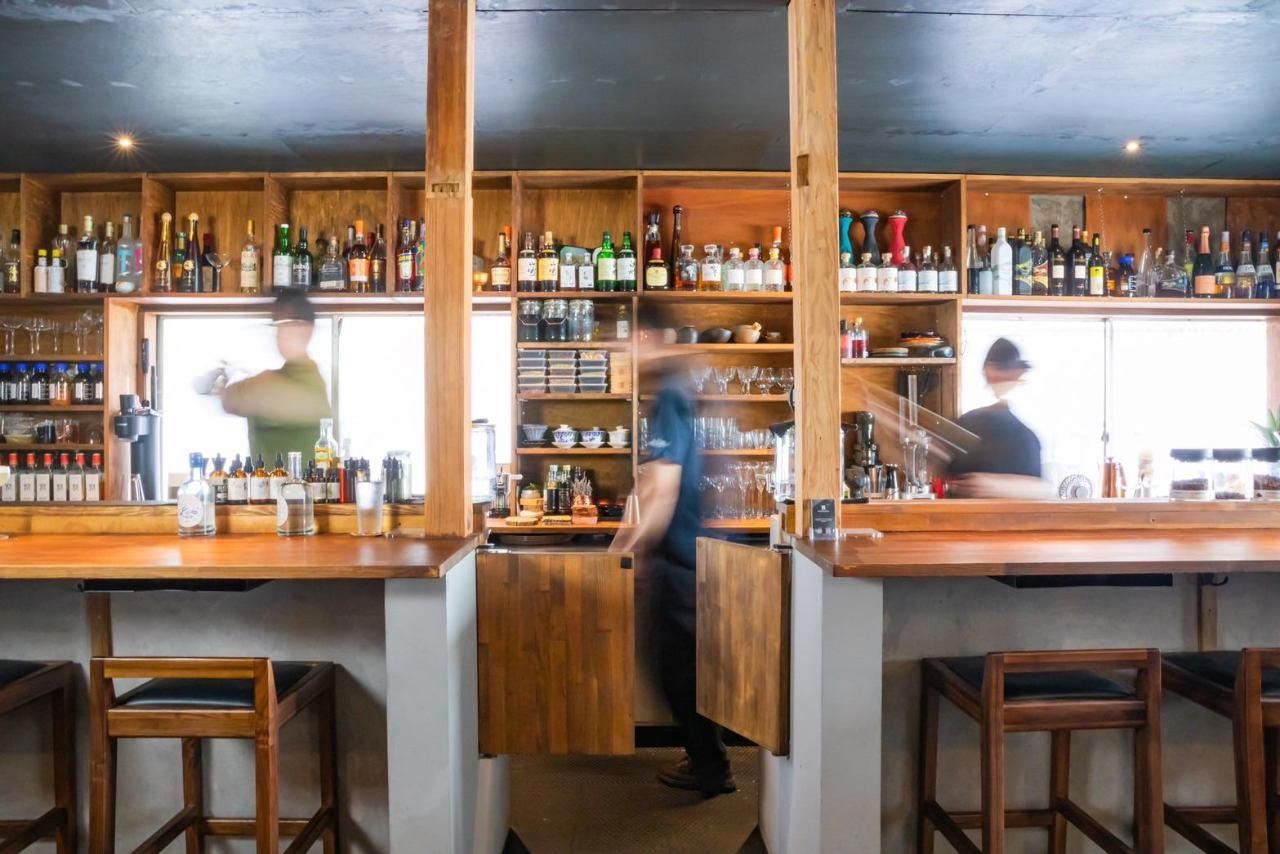
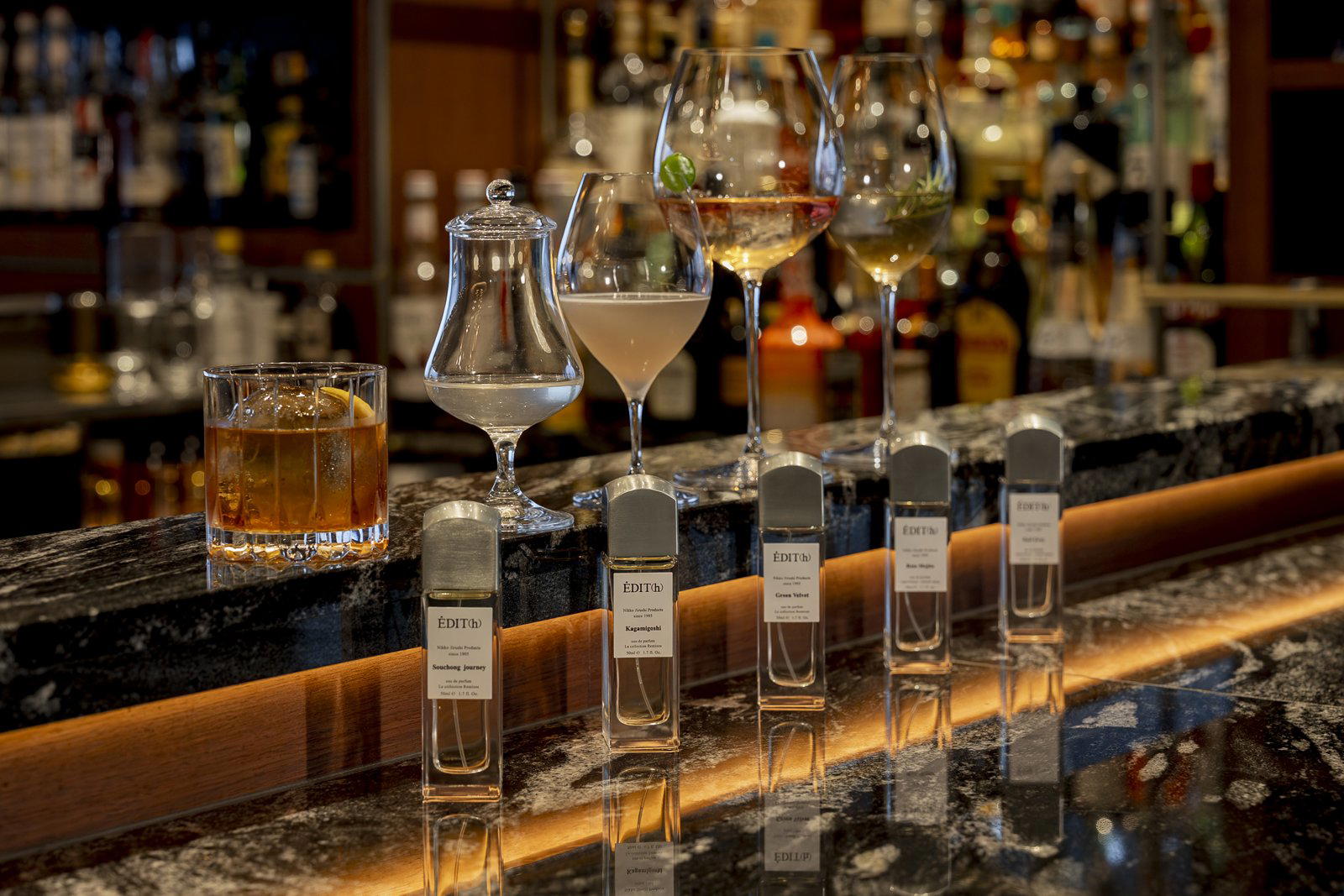
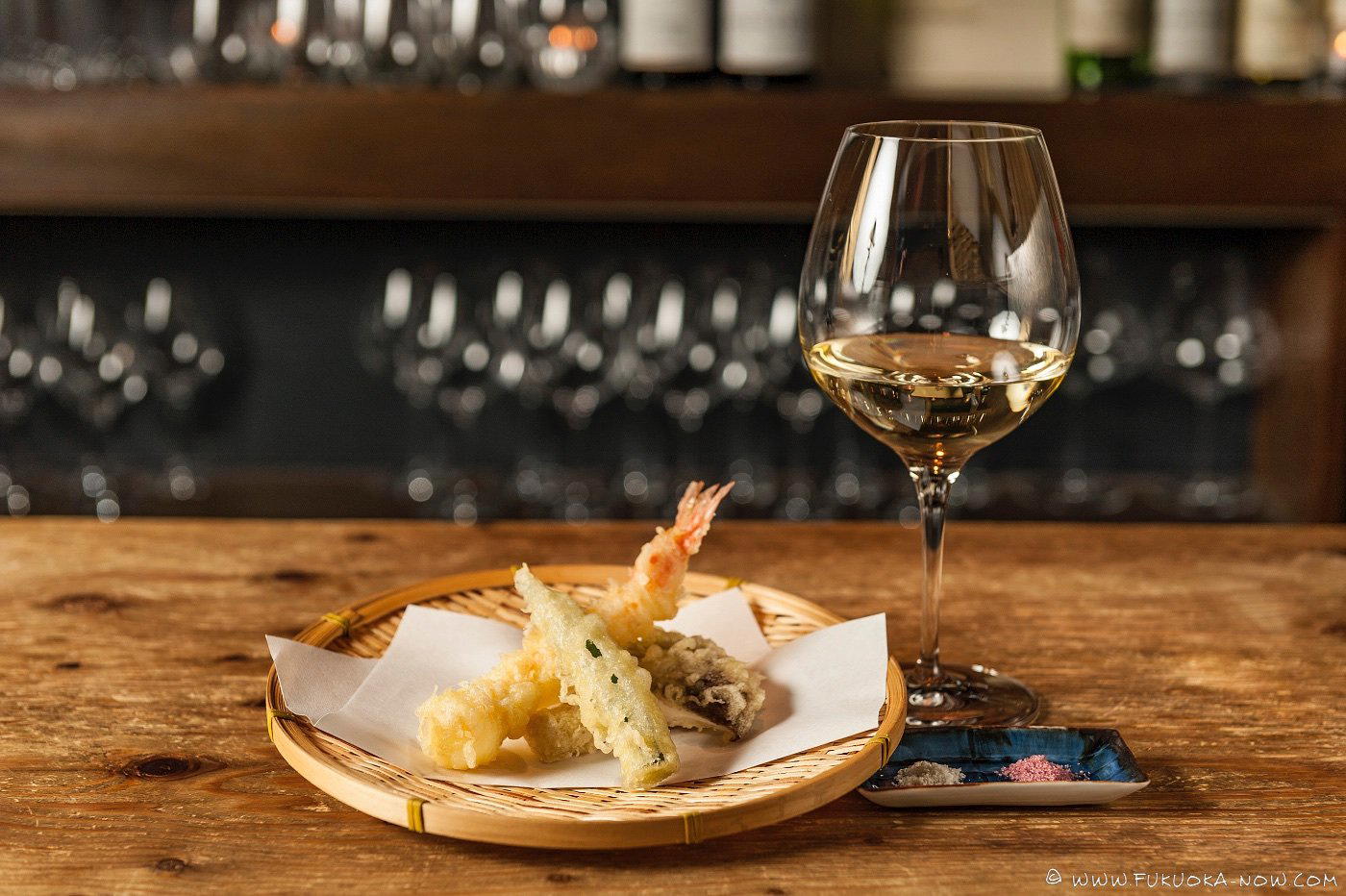
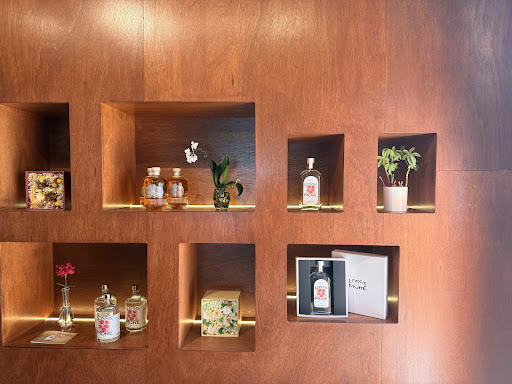
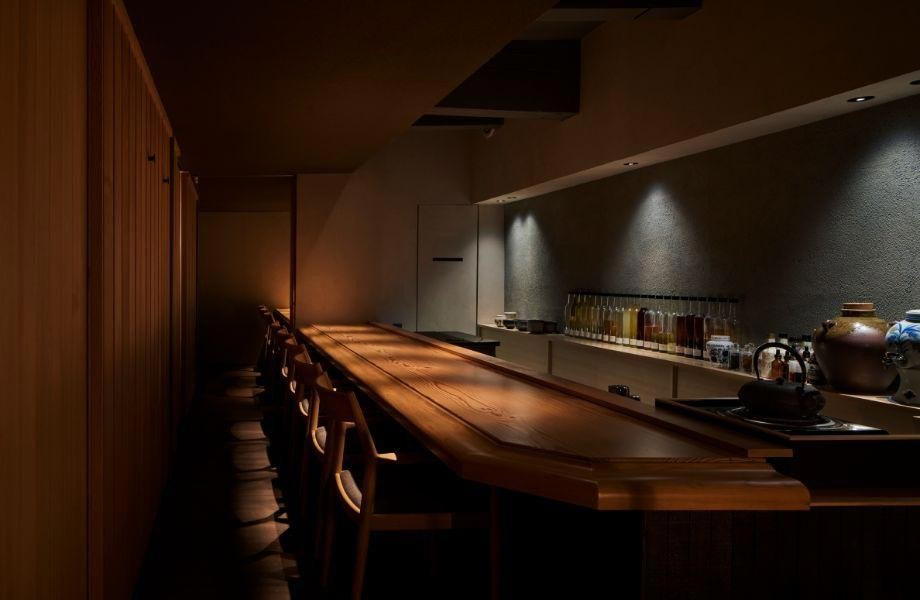
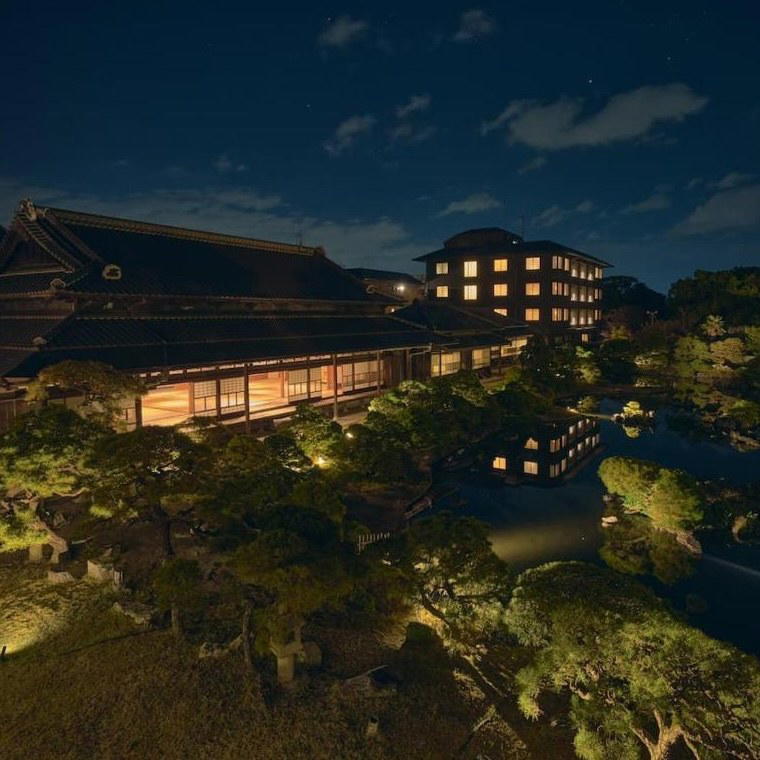
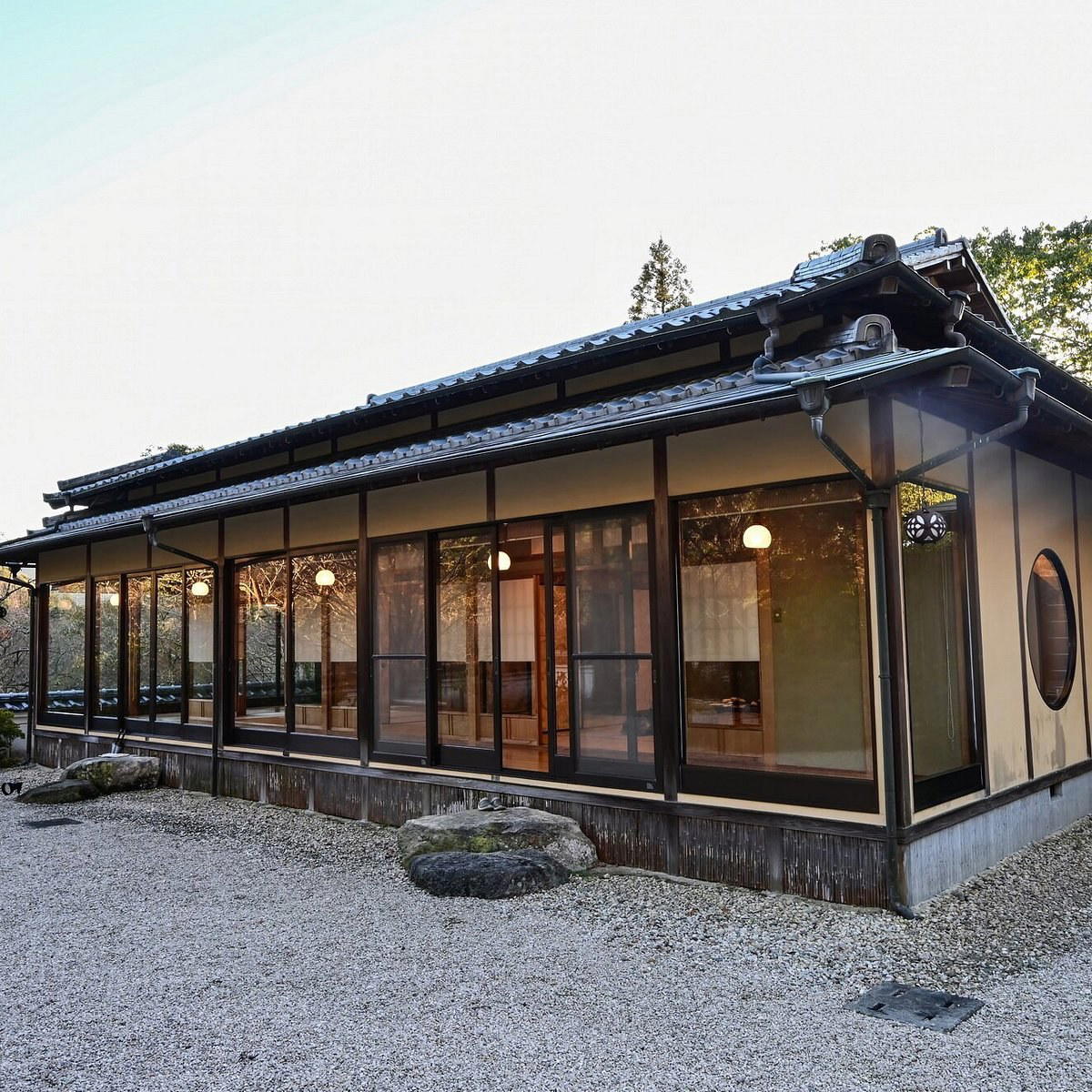
A small, reservation-only dining room with simple, refined decor and soft lighting, creating a quiet, almost meditative atmosphere where the focus is on the chef’s creative courses and the purity of local ingredients.