

Tabelog 100 #89
Our verdict
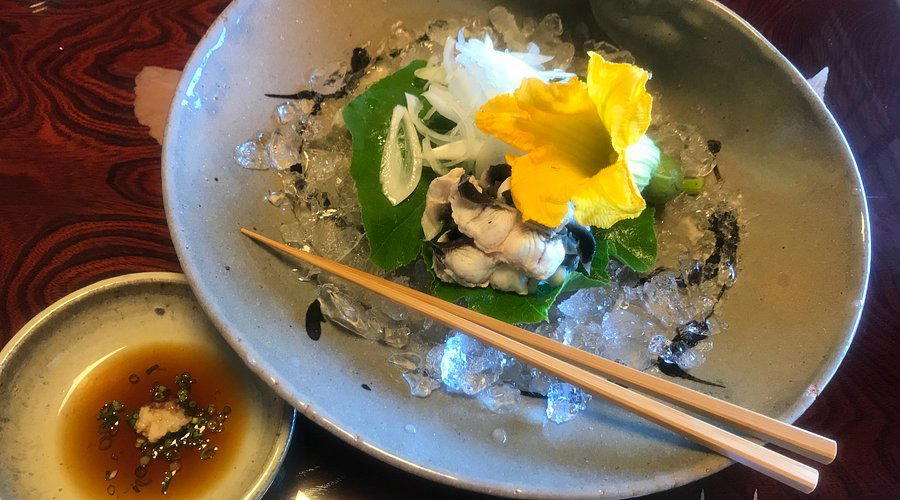
Tsukuta in Karatsu, Saga presents Karatsu-mae style sushi at an intimate seven-seat hinoki counter. Must-try dishes include poisonous stonefish sashimi, sea urchin roll and grilled eel, each showcasing local Karatsu seafood and gently seasoned Karatsu rice. The father-son team led by chef Yuji Matsuo blends Edomae technique with regional ingredients, offering a seasonal omakase and a lunch nigiri course. Twice recognized with Michelin stars, Tsukuta focuses on purity of flavor, careful rice seasoning with sake lees vinegar, and direct dialogue with chefs. Expect warm service, clear explanations in English, and a compact tasting that emphasizes local fisheries, texture, and clean, focused umami in every bite.

Pearl is the En Primeur Club membership app — saves, bookings, and concierge access live there. Same editors, same standards.
- Address
- 1879-1 Nakamachi, Karatsu, Saga 847-0051, Japan
- Phone
- +81 955-74-6665
- Hours
- Mon–Tue ClosedWed–Sat 12–2 p.m., 5:30–9 p.m.Sun Closed
- Website
- tsukuta.9syoku.com
- Directions
- Get directions
The menu
What to order
- Karatsu Aka Uni Maki
- Okoze sashimi
- Tokishirazu nigiri
- Kuruma Ebi kobujime
Karatsu and the Sourcing Advantage
Karatsu sits on the northwestern coast of Saga Prefecture, where Matsuura Bay opens into the Genkai Sea. That geography is not incidental to the sushi served here. The Genkai Sea is one of the most productive cold-water fishing grounds in western Japan, feeding into the broader Kyushu seafood economy that supplies restaurants from Fukuoka down to Nagasaki. A sushi counter operating in Karatsu has direct access to day-boat fish that a Tokyo omakase would source through Toyosu, adding at least one overnight transit to the supply chain. The difference in cellular structure in certain pelagic fish is measurable. This is the foundational argument for why regional sushi, practised seriously, can compete on ingredient terms with metropolitan counters.
Tsukuta operates inside that argument. Located at 1879-1 Nakamachi in central Karatsu, it serves lunch sessions from noon to 2 pm and dinner from 5:30 to 9 pm, Wednesday through Saturday. The closure from Sunday to Tuesday is typical of high-commitment counter operations in Japan, where the kitchen's rhythm aligns with market schedules and preparation cycles rather than maximising weekly covers.
Where Tsukuta Sits in the Japan Sushi Ranking
The Opinionated About Dining guide, which tracks diner and critic consensus across Japanese restaurants with particular rigour in the sushi and kaiseki categories, listed Tsukuta at number 239 among all restaurants in Japan in 2025. That follows a number 262 ranking in 2024 and a Highly Recommended designation in 2023. The trajectory is a climb of 23 positions in a single year, across a field that includes the densest concentration of serious dining on earth.
For context, that ranking places Tsukuta ahead of many Tokyo counters that benefit from higher footfall and better name recognition simply by location. The OAD list draws on verified diner experiences rather than purely inspector visits, which makes it a useful signal for how a restaurant performs across a range of informed guests rather than a single snapshot. Chef Yuji Matsuo's counter in Karatsu is, on that evidence, operating at a level that sits comfortably within the national sushi conversation, not merely the regional one.
The sushi category within OAD Japan is competitive at this tier. Counters ranked in the 200-300 range are typically operating with fully formed omakase programs, seasonal ingredient rotation, and the kind of rice technique that separates serious sushi from competent sushi.
The Genkai Sea on the Plate
The sourcing logic of Kyushu sushi differs from Kanto in one structural way. Tokyo's great sushi houses draw on Toyosu's aggregated national supply, which means access to fish from Hokkaido, the Sanriku coast, and the Sea of Japan all in one market. That breadth is a genuine advantage for variety. What it cannot replicate is the hyperlocal relationship between a counter and its regional fishermen, where the chef's specifications feed directly back into what boats target and how catch is handled on deck.
Genkai Sea supplies golden sea bream, squid varieties specific to the region, and seasonal migratory fish that pass through on different schedules than the Pacific routes familiar to eastern Japanese sushi. Karatsu has historically been a port city, and that maritime infrastructure supports the kind of direct sourcing relationship that defines the Kyushu counter model. At a restaurant like Tsukuta, the sourcing radius is short enough that the fish on the counter in the evening may have been in the water the same morning. That is not a guarantee of quality in itself, but it removes several variables that metropolitan sourcing cannot.
Reading the Format
Wednesday-to-Saturday schedule, split between lunch and dinner service, points to a counter built around preparation intensity rather than volume. Sushi at this level requires daily rice adjustment, daily fish assessment, and in many cases overnight marination or curing of specific cuts. The four-day window allows the kitchen to work at a pace that serves the ingredient rather than the booking calendar.
Karatsu itself sits roughly an hour from Fukuoka by train or car, which makes Tsukuta accessible as a day-trip destination from Fukuoka without requiring an overnight stay. For visitors already in the region, it also pairs naturally with Karatsu's other draws: the castle, the pottery tradition, and the broader Saga cultural offer. Those planning a wider Saga visit can cross-reference the full Saga restaurants guide, and supplement with the Saga hotels guide, bars guide, wineries guide, and experiences guide for full trip architecture.
The Saga Dining Context
Saga Prefecture does not occupy the same dining profile as Fukuoka or Kyoto, which means that serious restaurants here operate without the diner traffic those cities generate. That changes the dynamics of discovery. Venues like Amegen, a seafood-focused counter in the region, and Souan Nabeshima represent the breadth of the Saga dining offer, while Sumiyaki Hamburger Steak Gyusen points to the prefecture's strong local beef culture operating in a more accessible price bracket. Tsukuta anchors the premium sushi end of that spectrum.
The broader Japan sushi tier that Tsukuta competes within includes counters like Harutaka in Tokyo, and the regional expansion of serious Japanese dining is tracked through venues like Goh in Fukuoka, Gion Sasaki in Kyoto, and HAJIME in Osaka. Further afield, the Japanese sushi model has been exported with varying fidelity to Sushi Shikon in Hong Kong and Shoukouwa in Singapore, both of which operate at the upper end of the regional sushi tier outside Japan. Other notable Japanese dining destinations worth considering include akordu in Nara, 1000 in Yokohama, 6 in Okinawa, and Abon in Ashiya.
Planning Your Visit
Tsukuta opens Wednesday through Saturday, with lunch from noon to 2 pm and dinner from 5:30 to 9 pm. There is no website or phone number in the current public record, which at this category of Japanese counter typically means reservations are made through a third-party booking platform or by direct contact once a local introduction is established. For counters ranked in the OAD 200s, expect lead times of several weeks minimum for prime evening slots, particularly on Fridays and Saturdays. The address is 1879-1 Nakamachi, Karatsu, Saga 847-0051. Karatsu is reachable from Fukuoka Tenjin by the Showa Bus or by rail via the Chikuhi and Karatsu Lines, with journey times of approximately 90 minutes depending on the route.
Frequently asked questions
Can I bring kids to Tsukuta?
Tsukuta is not suited to young children. The counter format, the preparation-focused Wednesday-to-Saturday schedule, and its ranking in the OAD Top 250 in Japan all point to a setting built around concentrated attention — from both kitchen and diner. Adults with a serious interest in sushi are the target audience.
What's the vibe at Tsukuta?
Expect the focused, low-distraction atmosphere typical of a dedicated sushi counter — conversation follows the rhythm of service rather than running parallel to it. Tsukuta has placed in the OAD Top 250 in Japan for two consecutive years (2024–2025), which signals the level of deliberateness you will find in the room. Karatsu itself is a quieter city than Fukuoka, and that context carries into the experience.
Does Tsukuta have a Michelin star or similar recognition?
Tsukuta has received recognition including: Opinionated About Dining Top Restaurants in Japan Ranked #239 (2025); Opinionated About Dining Top Restaurants in Japan Ranked #262 (2024); Opinionated About Dining Top Restaurants in Japan Highly Recommended (2023).
What dish is Tsukuta famous for?
Yuji Matsuo's sourcing from Kyushu coastal waters is the structural logic behind the menu, rather than any single named dish.
The Quick Read
| Venue | Cuisine | Price | Awards | Notes |
|---|---|---|---|---|
| TsukutaThis venue — the venue you are viewing | Karatsu-mae Edomae Sushi Omakase | $150–200 | Tabelog 100 #89 | Not listed |
| Amegen | Traditional Japanese River Cuisine | $50–100 | Tabelog Bronze #17 | Seafood |
| Souan Nabeshima | Seasonal Japanese Kaiseki with Sake Pairing | $300–500 | Tabelog Bronze #420 | Not listed |
| Sumiyaki Hamburger Steak Gyusen | Charcoal-Grilled Japanese Hamburger Steak | $20–30 | Tabelog Bronze #90 | Hamburger steak, Steak, JPY 2,000 - JPY 2,999 JPY 2,000 - JPY 2,999 View spending breakdown |
Recognition history
Dated appearances from independent guides and award organizations, with the underlying list record or original source where available.
Opinionated About Dining Top Restaurants in Japan Recommended
Opinionated About Dining
Tabelog 100 #89 · No. 89
Tabelog · Tabelog 100 - Sushi - WEST - 2025
Full recognition history (5 entries)
Opinionated About Dining Top Restaurants in Japan Ranked #239
Opinionated About Dining
Opinionated About Dining Top Restaurants in Japan Ranked #262
Opinionated About Dining
Opinionated About Dining Top Restaurants in Japan Highly Recommended
Opinionated About Dining
Details
- Intimate
- Elegant
- Quiet
- Sophisticated
- Special Occasion
- Date Night
- Chefs Counter
- Open Kitchen
- Sake Program
- Local Sourcing
- Omakase
- Counter Dining
Current opening hours
- Monday
- Closed
- Tuesday
- Closed
- Wednesday
- 12–2 p.m., 5:30–9 p.m.
- Thursday
- 12–2 p.m., 5:30–9 p.m.
- Friday
- 12–2 p.m., 5:30–9 p.m.
- Saturday
- 12–2 p.m., 5:30–9 p.m.
- Sunday
- Closed
Hours can change for holidays and private events. Last verified .
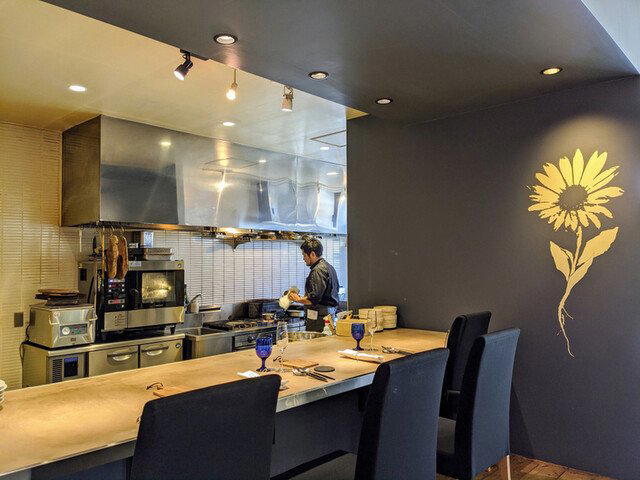
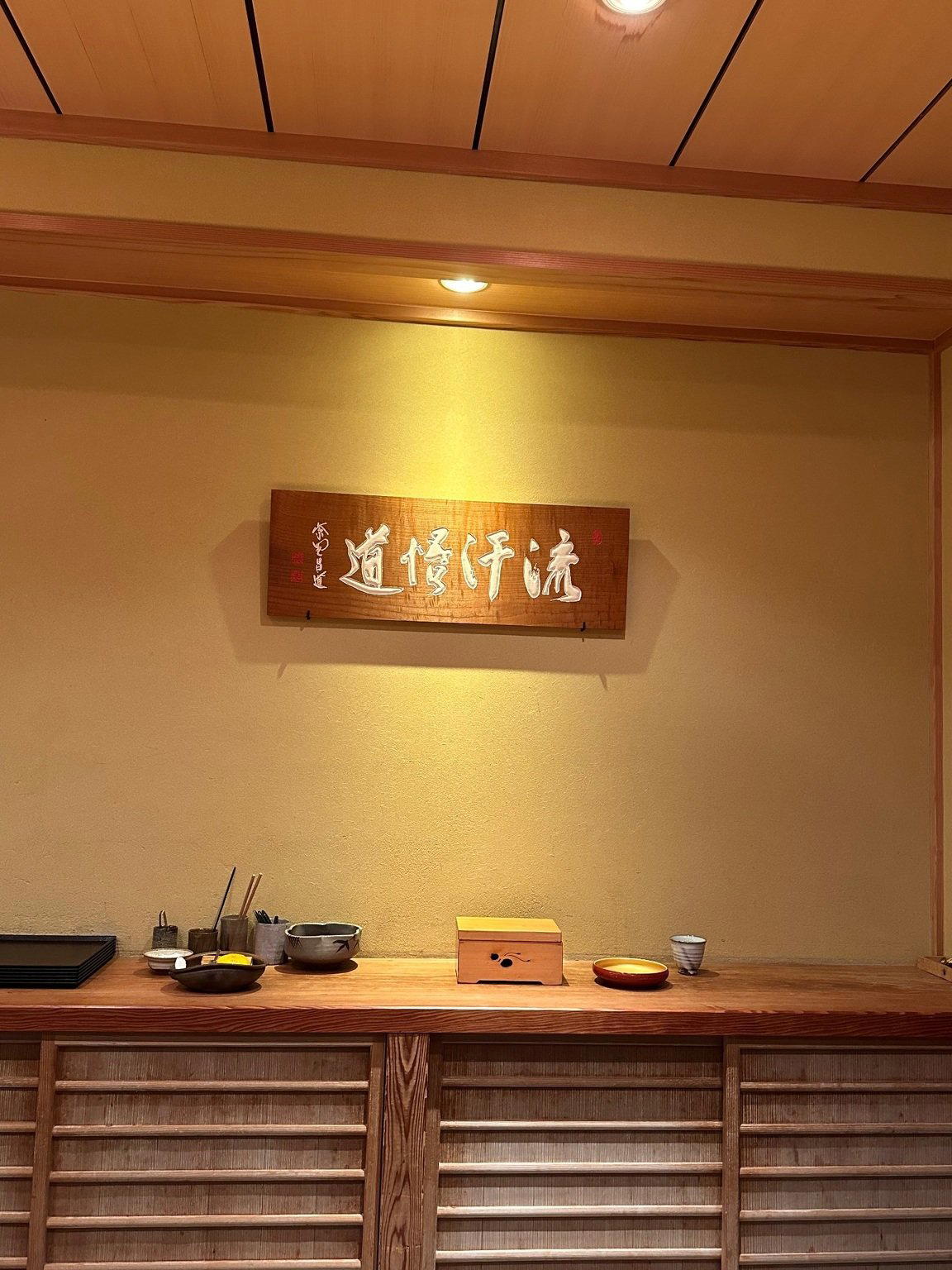
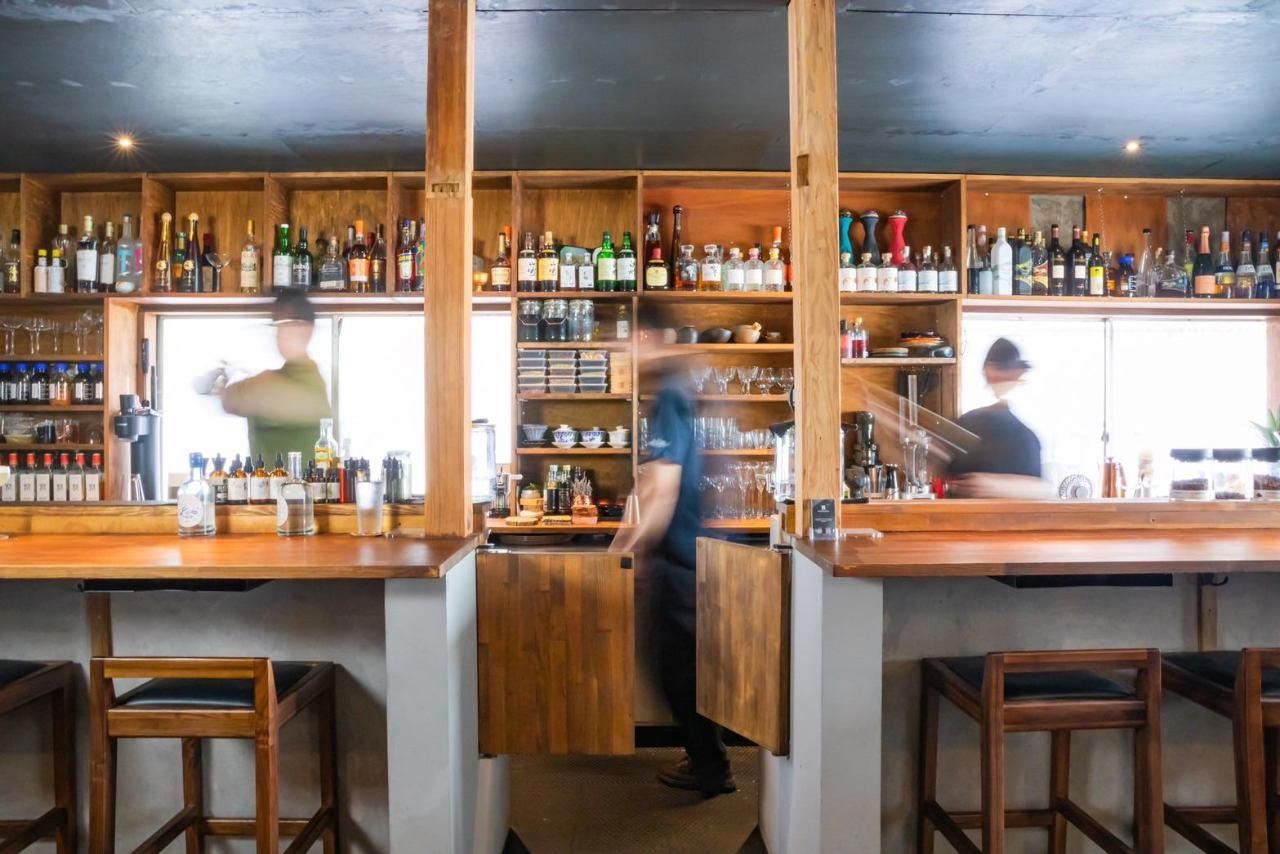
Quiet, black-themed room with soft lighting, plain hinoki counter, and Karatsu ware ceramics focusing attention on the food and personal chef interaction.