1 Michelin Star
Our verdict
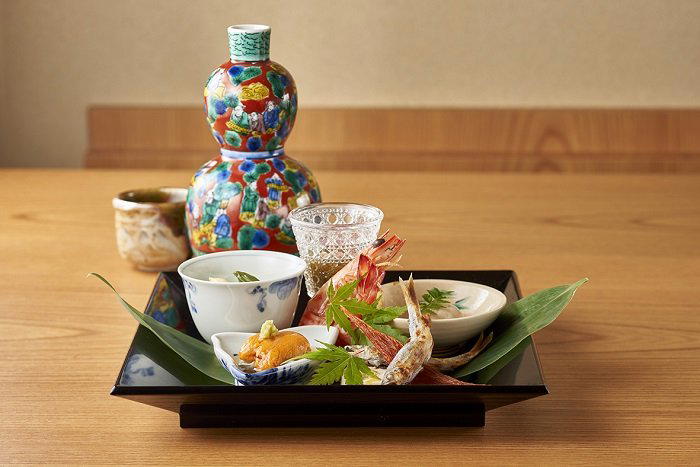
At Kinobu, Kyoto’s poetic spirit finds exquisite expression in kaiseki that honors the season with graceful restraint and quiet splendor. Tucked away from the city’s bustle, this intimate sanctuary marries centuries-old technique with a modern sensitivity, revealing flavors that are unhurried, nuanced, and deeply evocative. From lacquered trays bearing jewel-like courses to the gentle warmth of artisanal ceramics, each moment is choreographed to heighten anticipation and reward reflection. Kinobu’s culinary philosophy is one of reverence—for time, terroir, and tradition—resulting in dishes that feel both inevitable and impossible to forget. The experience is not simply a meal, but a meditation on balance, texture, and harmony, designed for those who value discretion, craftsmanship, and the subtle luxury of impeccable calm.

Pearl is the En Primeur Club membership app, where members save venues, book tables and use the concierge.
Where Kyoto Kaiseki Looks Forward
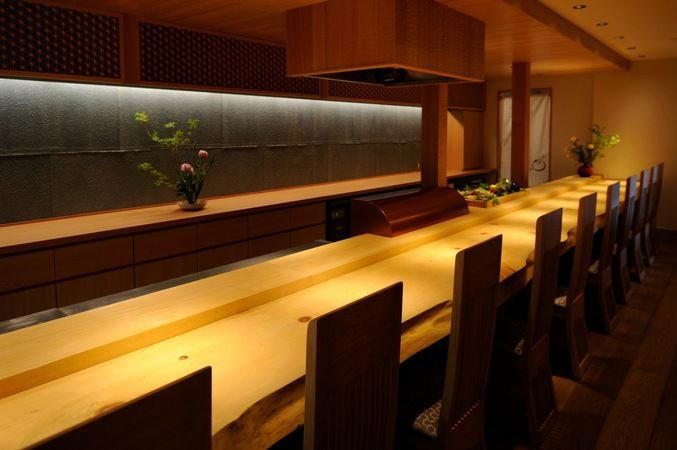
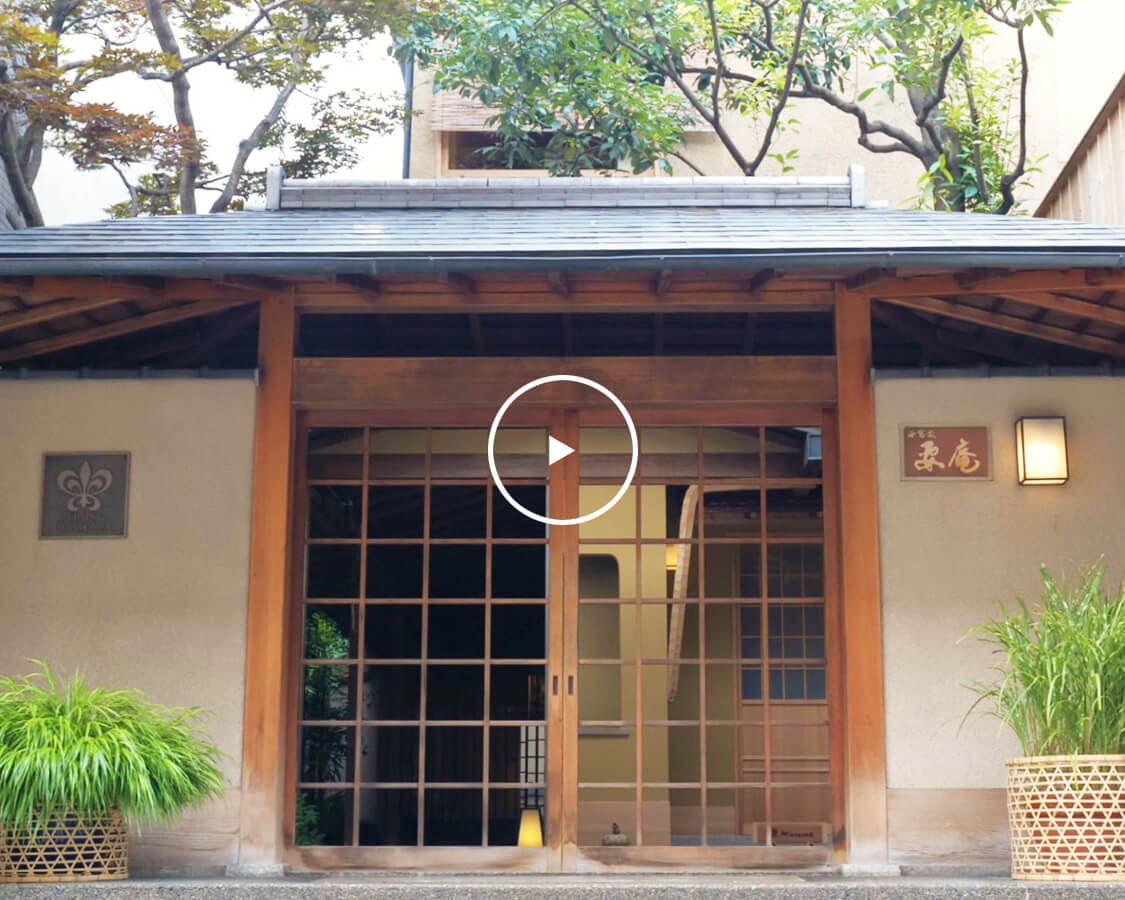
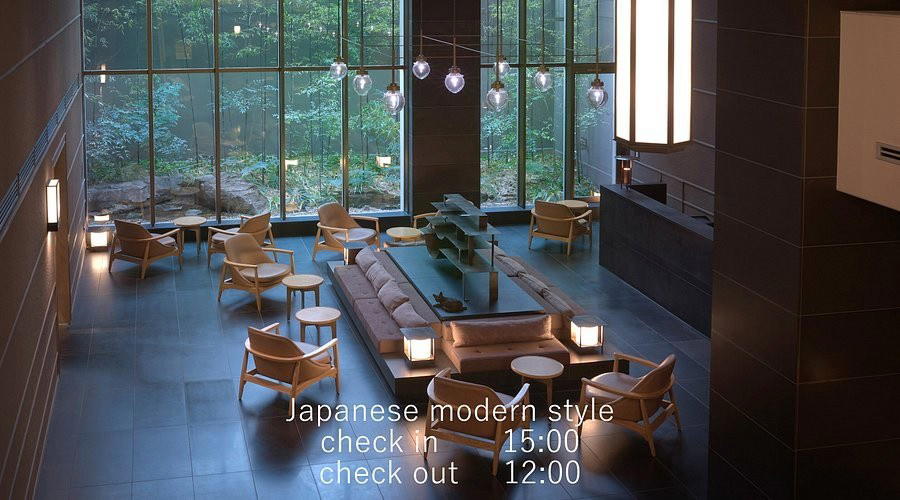
Shimogyo Ward sits south of Kyoto's historic centre, away from the pilgrimage circuits of Gion and Higashiyama. The streets here are quieter, the crowd thinner. Arriving at Kinobu, you are not met by lantern-lit alleys or the theatre of tourist kaiseki. The entrance is composed, deliberate, the kind of restraint that signals a kitchen focused on the plate rather than the approach.
That restraint is contextual. Kyoto kaiseki is one of the most codified dining traditions in the world: courses mapped to season, ingredient sourced to place, presentation governed by centuries of aesthetic convention. The restaurants that endure within that tradition are not those that ignore it, but those that find room inside it.
The Logic of a Loyal Table
Regulars at traditional Kyoto ryotei develop their relationship with a restaurant across seasons, not visits. The kaiseki format is structured to reward this kind of return: the menu rotates with the agricultural and ceremonial calendar, so a guest who has sat at the same table in March and October has, in effect, eaten at two different restaurants. That temporal layering is what keeps serious diners coming back to Kinobu specifically. The kitchen does not simply rotate ingredients on a fixed template. It connects the menu to yearly events, not as decoration, but as genuine editorial logic behind the food.
This is a meaningful distinction inside Kyoto's three-star-and-below tier, where Ifuki and Kyokaiseki Kichisen operate at ¥¥¥¥ price points with deep classical authority. Kinobu sits at ¥¥¥, which positions it as an accessible entry into serious Kyoto kaiseki without the full commitment of the city's top-tier ryotei pricing. For regulars, that pricing is part of the calculus: enough to take seriously, possible to return to across a year.
The other element that builds loyalty is curiosity made visible. The chef's practice of corresponding with overseas chefs is not framed here as biography but as evidence of something rarer in highly traditional formats: an active effort to expand the reference set without departing from the core discipline. Guests who follow the restaurant closely over time will notice that curiosity surfacing in the menu, not as fusion, but as refinement informed by wider conversation.
The Wine Menu as Structural Innovation
One of the more concrete departures Kinobu has made from conventional kaiseki structure is the development of a wine-pairing menu, a selection of dishes specifically designed to work with wine rather than sake or tea. This is not a small adjustment. Kaiseki sequence, flavour intensity, and umami architecture are calibrated around Japanese fermented and brewed accompaniments. Redesigning dishes to pair with wine requires rethinking acidity, fat, and finish at a course-by-course level.
The broader trend here is relevant. Across Kyoto's kaiseki tier, international diners now represent a significant proportion of bookings, and the traditional beverage framework does not always translate. Restaurants at the ¥¥¥ and ¥¥¥¥ level have responded to this in different ways: some simply offer wine lists alongside unchanged food; others, like Kinobu, build the pairing into the dish logic itself. That second approach is the more demanding one, and it explains part of why Kinobu draws a repeat audience that includes guests comfortable in both Japanese and European dining traditions.
For diners exploring kaiseki across the region, the contrast is instructive. Gion Matayoshi and Isshisoden Nakamura represent more classically anchored approaches. Kodaiji Jugyuan sits in a different experiential register. Kinobu's innovation is quieter than any of these but more structurally embedded: it is changing the way the meal functions, not just how it looks.
From Caterer to Ryotei: What the Origin Tells You
Kinobu began as a catering operation before transforming into a full ryotei. That trajectory matters not as biography but as structural explanation. Caterers who convert into restaurant formats bring a different set of instincts to hospitality: an attention to logistics and timing that dining-room-only operations rarely develop, and a habit of reading the occasion rather than imposing a fixed format on it. In Kyoto's ryotei tradition, reading the occasion is half the art. The meal is supposed to fit the moment, the guest, and the season simultaneously. A background in catering makes that sensitivity habitual rather than aspirational.
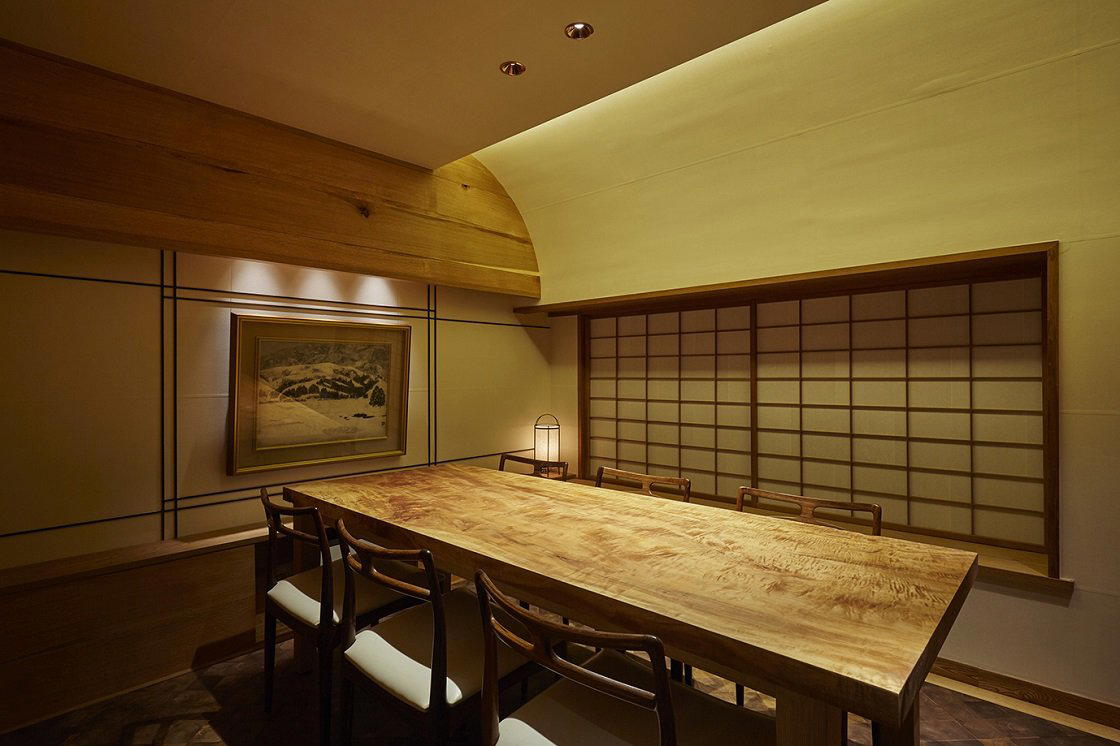
That origin also explains a certain ease around private dining and event formats that more rigidly defined restaurants can find awkward. The ryotei model in Kyoto has always been partly about hosting rather than just feeding, and Kinobu's DNA lends itself to that.
Kinobu Inside Kyoto's Kaiseki Tier
Kyoto's Michelin-starred kaiseki market divides roughly into three bands. At the leading, three-star operations like Gion Sasaki hold international reference status and price accordingly at ¥¥¥¥. In the middle, two-star houses like Ifuki represent deep classical authority with a significant price commitment. Then comes a ¥¥¥ tier of one-star restaurants where the question is not prestige but character: what specific argument does each kitchen make about what kaiseki can be?
Kinobu's argument is contemporary continuity, the tradition held intact, then extended. The seasonal and ceremonial anchoring of the menu is classical; the wine program and the active dialogue with international cuisine are not. Neither element cancels the other. The result is a kaiseki that long-term Kyoto visitors find both legible and surprising across multiple visits, which is precisely the condition that produces loyalty rather than simply satisfaction.
For those building a broader Japan itinerary, the kaiseki conversation extends well beyond Kyoto. HAJIME in Osaka operates in a different register entirely. Harutaka in Tokyo and Myojaku in Tokyo address Japanese culinary tradition through different formats. akordu in Nara, Goh in Fukuoka, 1000 in Yokohama, 6 in Okinawa, and Azabu Kadowaki in Tokyo each represent distinct regional and stylistic positions. Kinobu's place in that map is specific: it is a Kyoto kaiseki house, rooted in place, but built with an outward-facing curiosity that distinguishes it from more closed interpretations of the tradition.
See our full Kyoto restaurants guide for broader context across the city's dining tiers, or explore Kyoto hotels, Kyoto bars, Kyoto wineries, and Kyoto experiences to complete your planning.
Know Before You Go
- Address: 416 Iwatoyamacho, Shimogyo Ward, Kyoto, 600-8445, Japan
- Cuisine: Kaiseki (Japanese)
- Price range: ¥¥¥
- Awards: Michelin 1 Star (2024)
- Origin: Former catering operation, now a full ryotei
- Notable format: Wine-pairing menu available alongside traditional kaiseki
Frequently asked questions
Is Kinobu okay with children?
Kinobu is a Michelin-starred ryotei operating at the ¥¥¥ price tier, with a kaiseki format built around quiet attention to seasonal progression. That structure suits adults engaging deliberately with each course rather than younger diners unfamiliar with the pace. Families with older, engaged children may find it manageable, but it is not a format designed around flexibility for young guests.
Is Kinobu better for a quiet night or a lively one?
Kinobu is firmly a quiet-night restaurant. The ryotei setting in Shimogyo Ward, away from the tourist circuits of Gion and Higashiyama, reinforces that register, and the kaiseki format rewards focused attention rather than animated table conversation. Kinobu's Michelin recognition is built on precision and seasonal coherence, not atmosphere built for a crowd.
What awards or recognition does Kinobu have?
Kinobu has received recognition including: Flexible and creative while revering the classics, Kinobu adds new twists to the way Kyoto cuisine reflects yearly events and the changing of the seasons. At the heart of the chef’s approach is a restless curiosity. He corresponds regularly….
What should I order at Kinobu?
Kinobu operates as a kaiseki ryotei, meaning the menu is set and courses are determined by the chef in response to the season and yearly events, there is no à la carte selection to navigate. The concrete decision you can make in advance is whether to request the wine-pairing menu, a structural innovation Kinobu developed to pair dishes with wine rather than sake, which broadens the kaiseki experience meaningfully.
What kind of cuisine does Kinobu serve?
How much does it cost to eat at Kinobu?
Pricing at Kinobu is listed as ¥¥¥.
Where do I go for Kinobu?
Kinobu is located at 416 Iwatoyamacho, Shimogyo Ward, Kyoto, 600-8445, Japan, Kyoto.
Recognition Snapshot
| Venue | Cuisine | Price | Awards | Notes |
|---|---|---|---|---|
| KinobuThis venue (the venue you are viewing) | Modern Kyoto Kaiseki | $150–200 | 1 Michelin Star | Not listed |
| Gion Sasaki | Modern Kaiseki | $300–500 | 3 Michelin Stars · La Liste Top Restaurants | Kaiseki, Japanese |
| cenci | Innovative Italian-Japanese Fusion | $100–150 | 1 Michelin Star · World's 50 Best #76 | Italian |
| Ifuki | Sumibi Kappo Kaiseki | $200–300 | 2 Michelin Stars · La Liste Top Restaurants | Kaiseki |
| Kyokaiseki Kichisen | Kyoto Kaiseki | $200–300 | 2 Michelin Stars · La Liste Top Restaurants | Japanese |
| Kyo Seika | Modern Chinese Fine Dining | $150–200 | 1 Michelin Star · Tabelog Bronze #216 | Chinese |
Recognition history
Dated appearances from independent guides and award organizations, with the underlying list record or original source where available.
Michelin 1 Star
Michelin
Full recognition history (2 entries)
Michelin 1 Star
Michelin