Old Town sits at the physical and cultural core of Tbilisi's historic district, where medieval architecture, Georgian wine culture, and a rapidly evolving dining scene converge along the Kura River. The address at 9 Vakhtang Gorgasali Street places it within walking distance of the Metekhi cliff and the sulfurous bathhouses of Abanotubani, context that shapes what visitors find here as much as any menu does.
Pearl is the En Primeur Club membership app — saves, bookings, and concierge access live there. Same editors, same standards.
- Address
- 9 Vakhtang Gorgasali St, Tbilisi 0105, Georgia
- Phone
- +995322006060
- Website
- facebook.com
- Directions
- Get directions
 Saves & bookings on Pearl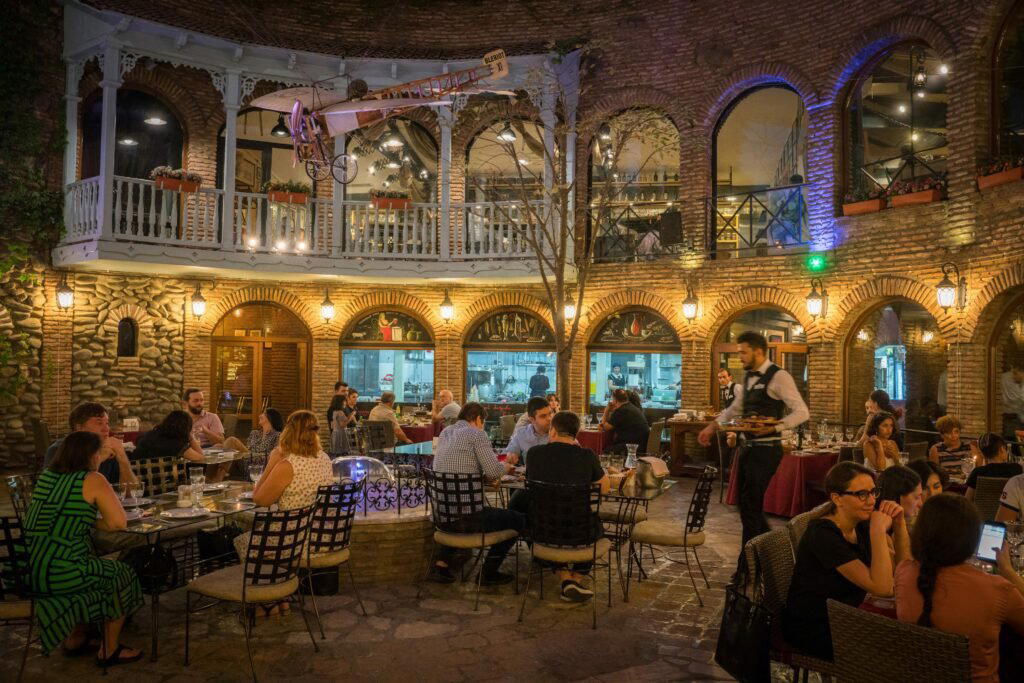
Arriving in the Quarter That Defines the City
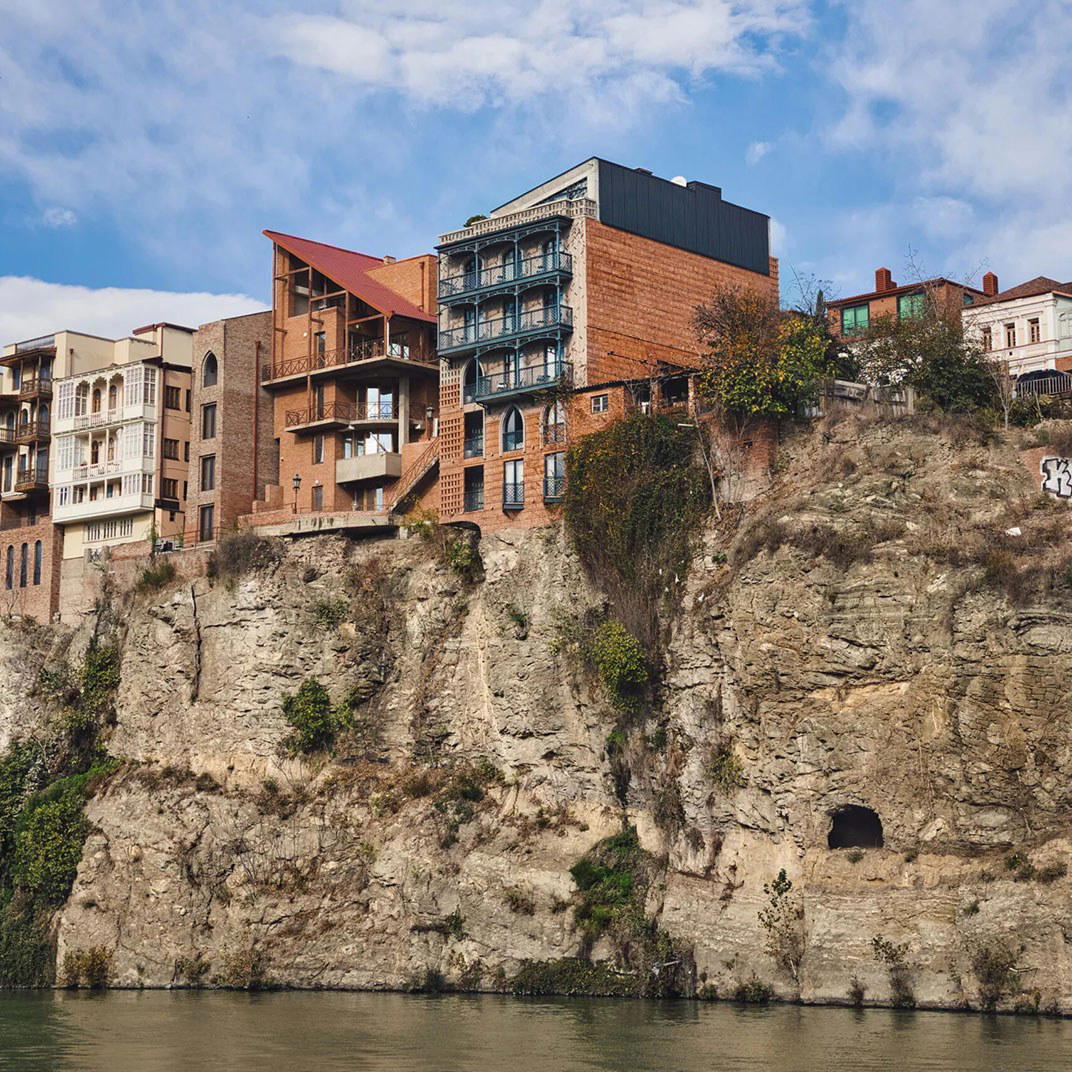
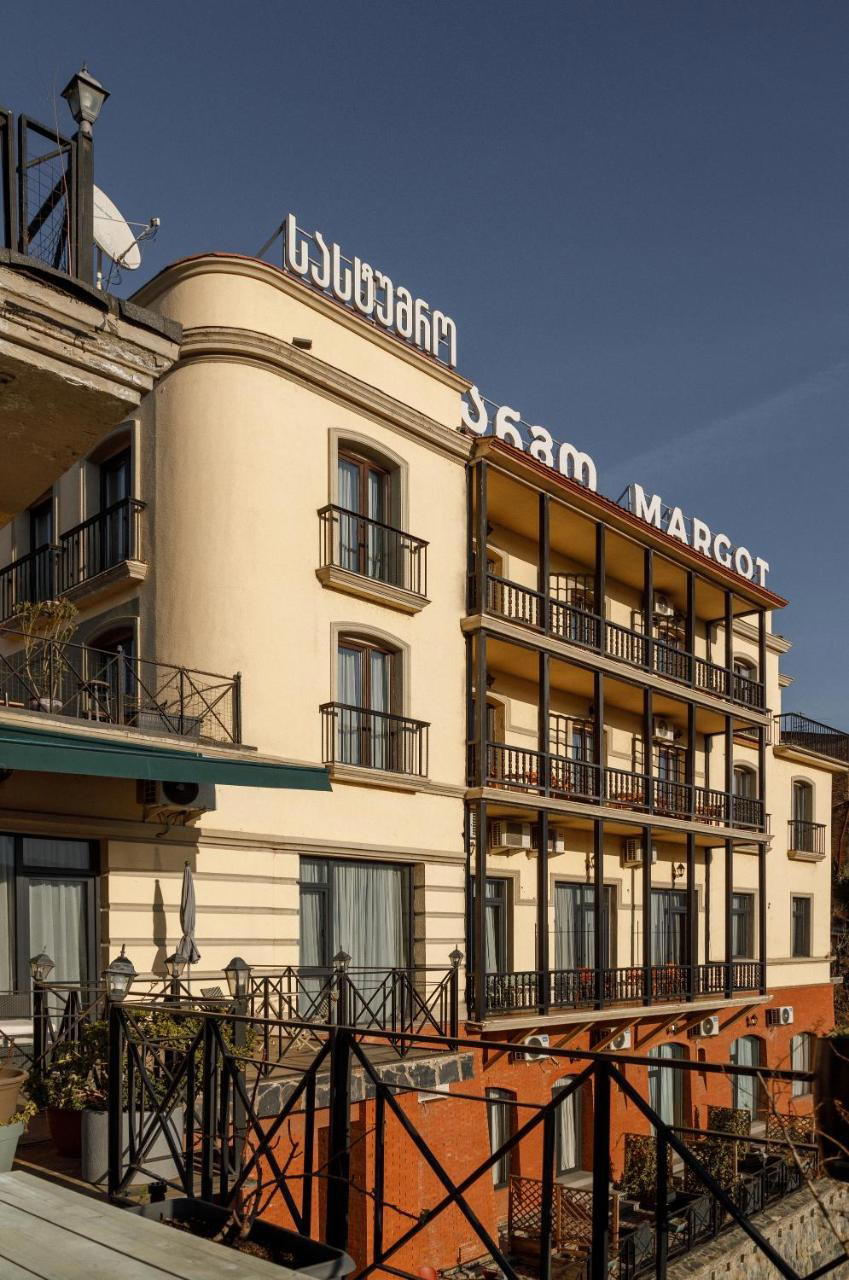
Vakhtang Gorgasali Street runs along the eastern bank of the Kura River in a district that has served as Tbilisi's cultural core since the fifth century. The facades here are layered, carved wooden balconies cantilevered over narrow lanes, Orthodox churches sharing walls with Persian-era caravanserais, sulfurous steam rising from the domed bathhouses of Abanotubani a few hundred metres south. It is a neighbourhood where the built environment functions as an argument: that this city has absorbed Persian, Ottoman, Russian, and Soviet pressures without losing a coherent identity. Any dining or hospitality address in this quarter operates inside that argument, for better or worse.
Old Town at 9 Vakhtang Gorgasali Street sits at the point where the historic district faces the river, a location that carries significant foot traffic from tourists moving between the Metekhi Church cliff and the Narikala fortress above. That positioning matters when assessing what the address offers and what kind of visitor it serves. Tbilisi's serious dining scene has fragmented sharply over the past decade into neighbourhood-specific tiers, and the Old Town district hosts a wide range of formats, from high-volume tourist restaurants to genuinely research-worthy tables that happen to share the same postcode.
The Booking Question: What Planning Actually Looks Like Here
Tbilisi's premium dining tier has developed a booking culture that sits somewhere between Caucasian informality and the advance-reservation discipline now expected at comparable European addresses. At the serious end of the local market, tables at places like Barbarestan, which operates from a 19th-century cookbook and draws a reservation list weeks deep in high season, require planning that would not look out of place at a Parisian bistro with a similar profile. Azarphesha and Alubali operate in a similar register, where walk-in optimism is a gamble rather than a strategy, particularly between May and October when visitor numbers push the city's capacity hard.
For the Old Town district specifically, the advice shifts depending on format. The river-facing stretch of Vakhtang Gorgasali and the lanes feeding off it include addresses that take bookings seriously and others that function on a first-come basis.
Georgian Food Culture in the Historic Quarter
The cuisine tradition this neighbourhood sits inside is worth understanding before any booking decision. Georgian food operates on a logic distinct from most European or Central Asian frameworks: fermented dairy, walnut-based sauces, and slow-braised meats appear alongside churchkhela and tkemali plum condiments in combinations that reflect the country's position at the intersection of Silk Road trade routes. The qvevri winemaking tradition, in which wine ferments in clay vessels buried underground, produces amber-coloured whites with tannin structures closer to red wine than to anything produced in conventional European winemaking. That wine culture is inseparable from the table culture, in the leading Georgian dining rooms, the two are considered a single subject.
The restaurant district has historically been where visitors encounter this cuisine for the first time, often in diluted form aimed at tourists moving quickly between sights. The more serious iteration of Georgian food culture requires seeking out restaurants that treat the cookbook tradition as a living document rather than a backdrop. ATI and Akura San represent different responses to that challenge within the city, while further afield, Pheasant's Tears Winery in Signagi demonstrates what the wine-and-table tradition looks like when grounded in a wine-producing village rather than an urban address.
Placing the Address in the Broader Georgia Context
A trip structured around Tbilisi's the restaurant benefits from understanding what the city sits inside regionally. Georgia's dining and hospitality offer has expanded well beyond the capital: Doli in Telavi anchors a Kakheti wine-region itinerary, Palaty in Kutaisi operates in Georgia's second city with a distinct western-Georgian culinary identity, and Crowne Plaza Borjomi provides a resort-adjacent base for visitors combining the spa town with a Tbilisi stay. Umami at Clouds in Batumi signals how far the Black Sea city has moved toward a more international hospitality offer. For visitors with time to leave Tbilisi, Schuchman Wines Chateau and Gazaphkhuli in Chiatura cover the wine-country and industrial-heritage corners of a broader Georgian itinerary. Chiko in Aspindza rounds out a southern route.
Within the capital, our full Tbilisi restaurants guide maps the city's dining geography by neighbourhood and tier. The comparison between the restaurant's tourist-facing strip and the more resident-oriented addresses in Vera, Vake, or Saburtalo is one the guide addresses directly. The gap between those tiers is real and worth factoring into any planning decision.
Practical Notes for Visiting This Address
The address at 9 Vakhtang Gorgasali sits inside a walking corridor that connects the Peace Bridge to the Metekhi overlook, making it accessible on foot from most central accommodation. Tbilisi's metro system stops at Avlabari station, roughly ten minutes' walk uphill from the river. The restaurant district is most navigable between April and June, and again in September and October, when temperatures sit below the mid-summer heat that makes the stone-paved lanes and south-facing terraces less comfortable for an unhurried meal.
Fast Comparison
Comparable venues nearby, for context on price, style, and recognition.
| Venue | Cuisine | Price | Notes |
|---|---|---|---|
| Old TownThis venue — the venue you are viewing | Traditional Georgian | $$ | Not listed |
| Ghumeli | Traditional Georgian | $$ | Tbilisi |
| Kharcho | Modern Georgian Fusion | $$ | Tbilisi |
| Sirajkhana | Georgian-Persian Fusion | $$ | Tbilisi |
| BIOLI HALL | Georgian Wellness | $$$ | Gardabani |
| Shemomechama old Tbilisi | Traditional Georgian Khinkali House | $$ | Tbilisi |
Continue exploring
More in Tbilisi
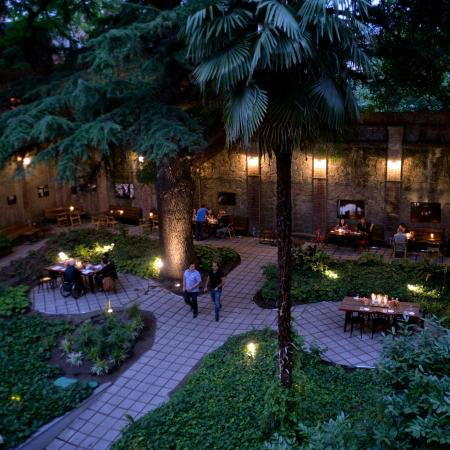
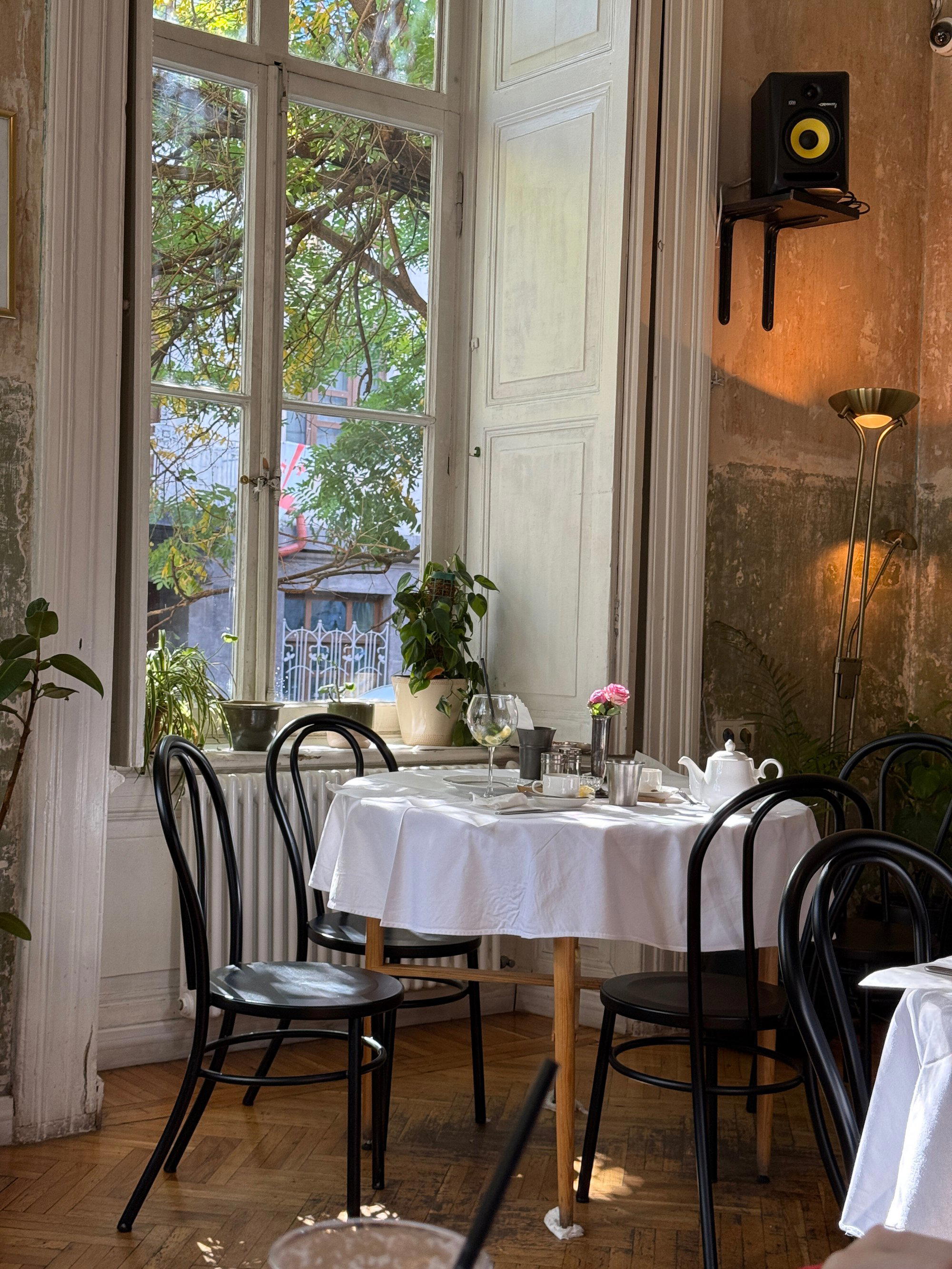
Restaurants in Tbilisi
Browse all →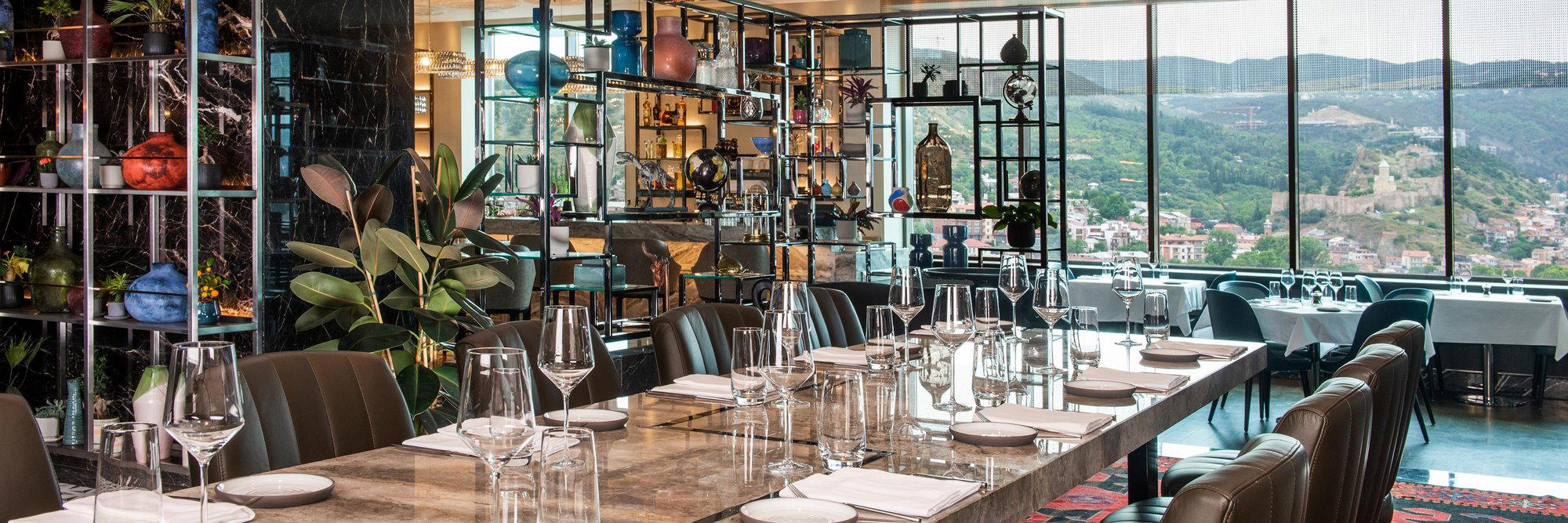
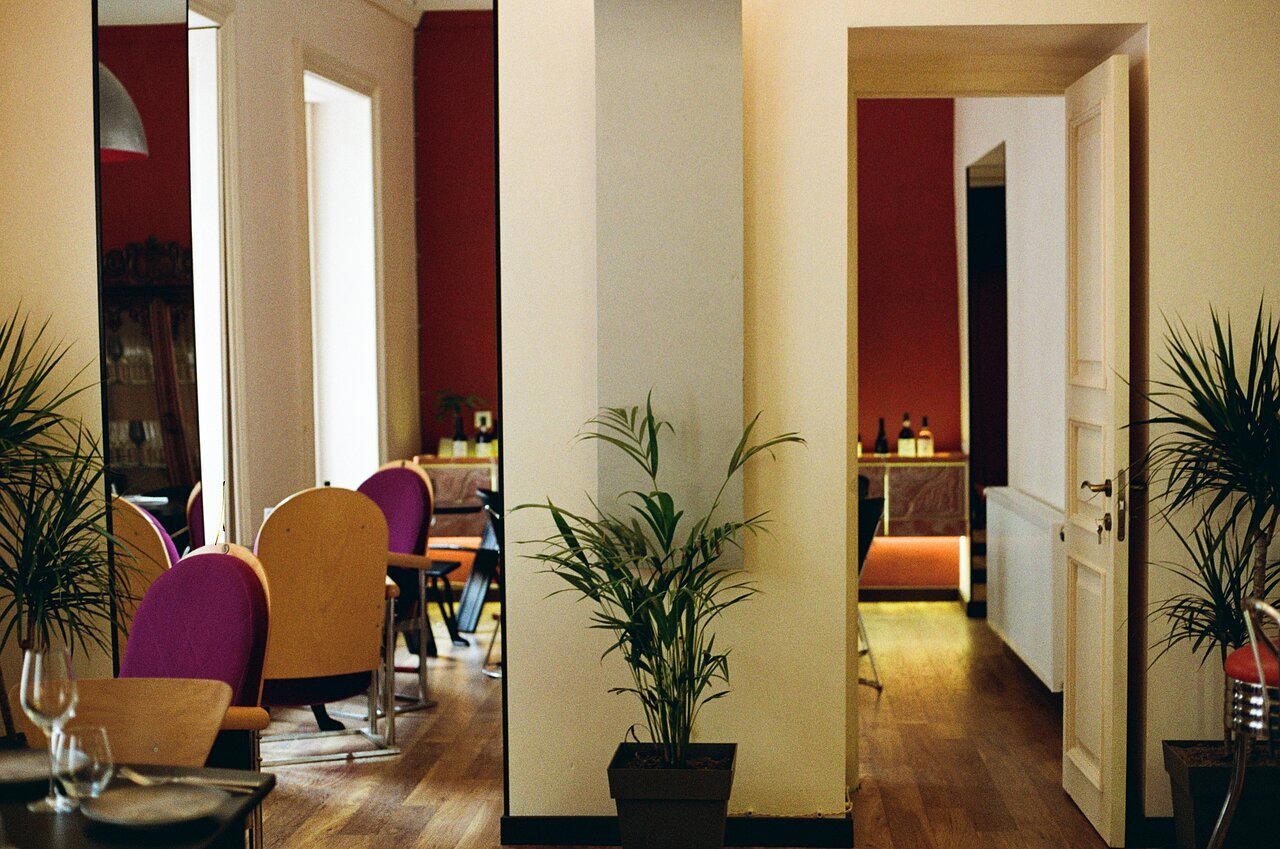
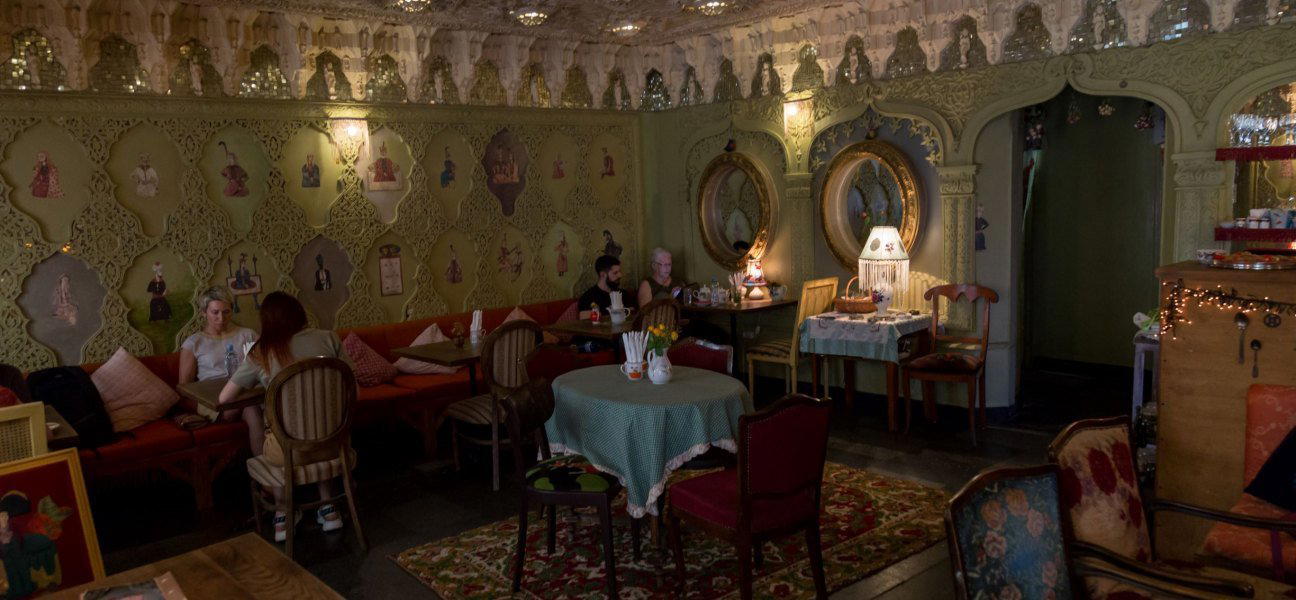
Bars in Tbilisi
Browse all →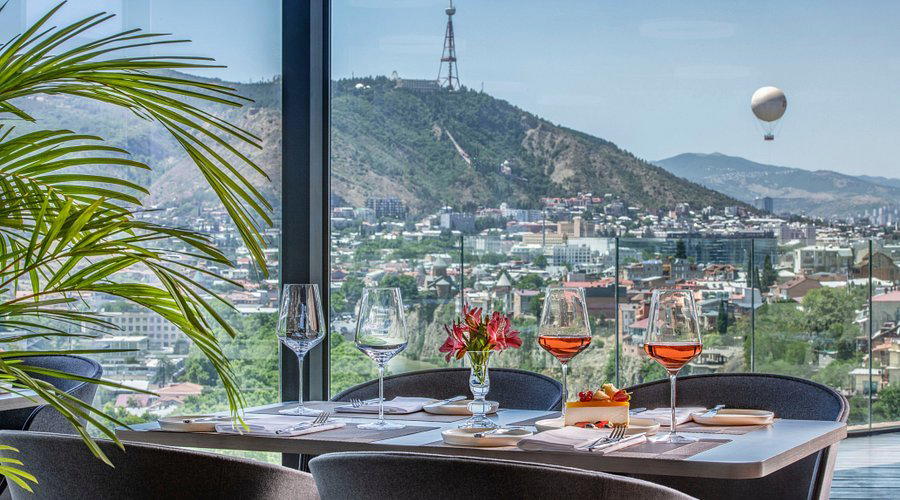
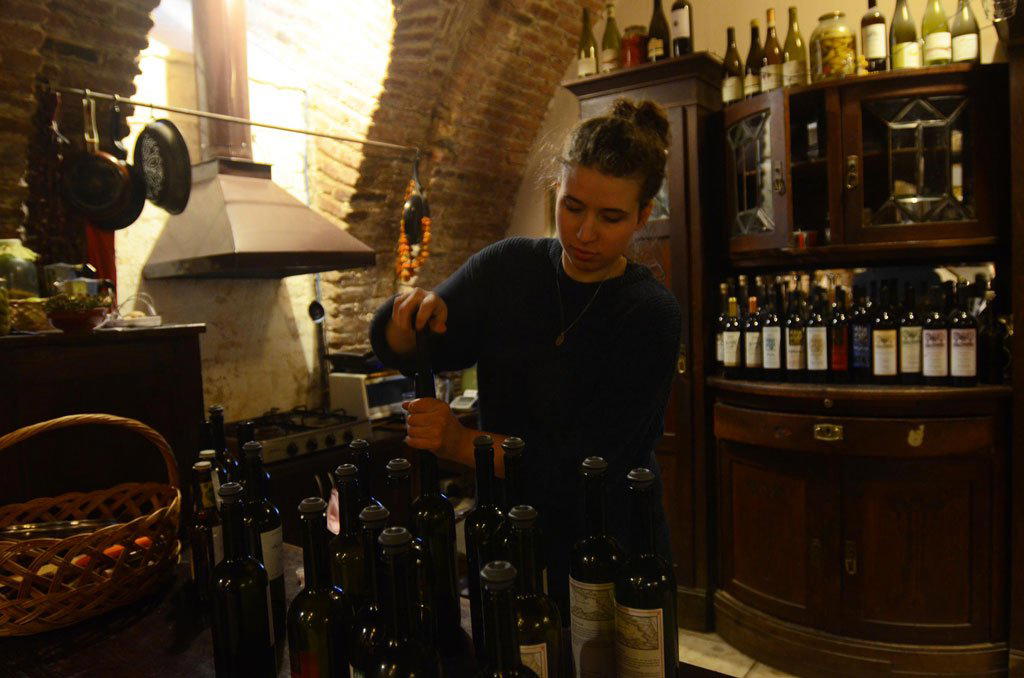
Hotels in Tbilisi
Browse all →

At a Glance
- Rustic
- Classic
- Cozy
- Bohemian
- Group Dining
- Casual Hangout
- Family
- Historic Building
- Courtyard
- Natural Wine
- Local Sourcing
- Street Scene
Current opening hours
- Monday
- 10 AM–12 AM
- Tuesday
- 10 AM–12 AM
- Wednesday
- 10 AM–12 AM
- Thursday
- 10 AM–12 AM
- Friday
- 10 AM–12 AM
- Saturday
- 10 AM–12 AM
- Sunday
- 10 AM–12 AM
Hours can change for holidays and private events. Last verified .