
Ferment Wine Bistro occupies the ground floor of a 19th-century building on Lermontovi Street, anchoring its identity in Georgia's fermented-beverage tradition. The format sits between casual wine bar and full bistro, making it a practical entry point into Tbilisi's natural wine scene. For visitors tracing the country's qvevri culture through its capital, Ferment delivers accessible depth without the formality of a tasting-room appointment.
Pearl is the En Primeur Club membership app — saves, bookings, and concierge access live there. Same editors, same standards.
- Address
- 1/9 Mikheil Lermontovi St, Tbilisi 0108, Georgia
- Phone
- +995 595 54 66 99
- Website
- instagram.com
- Directions
- Get directions
 Saves & bookings on Pearl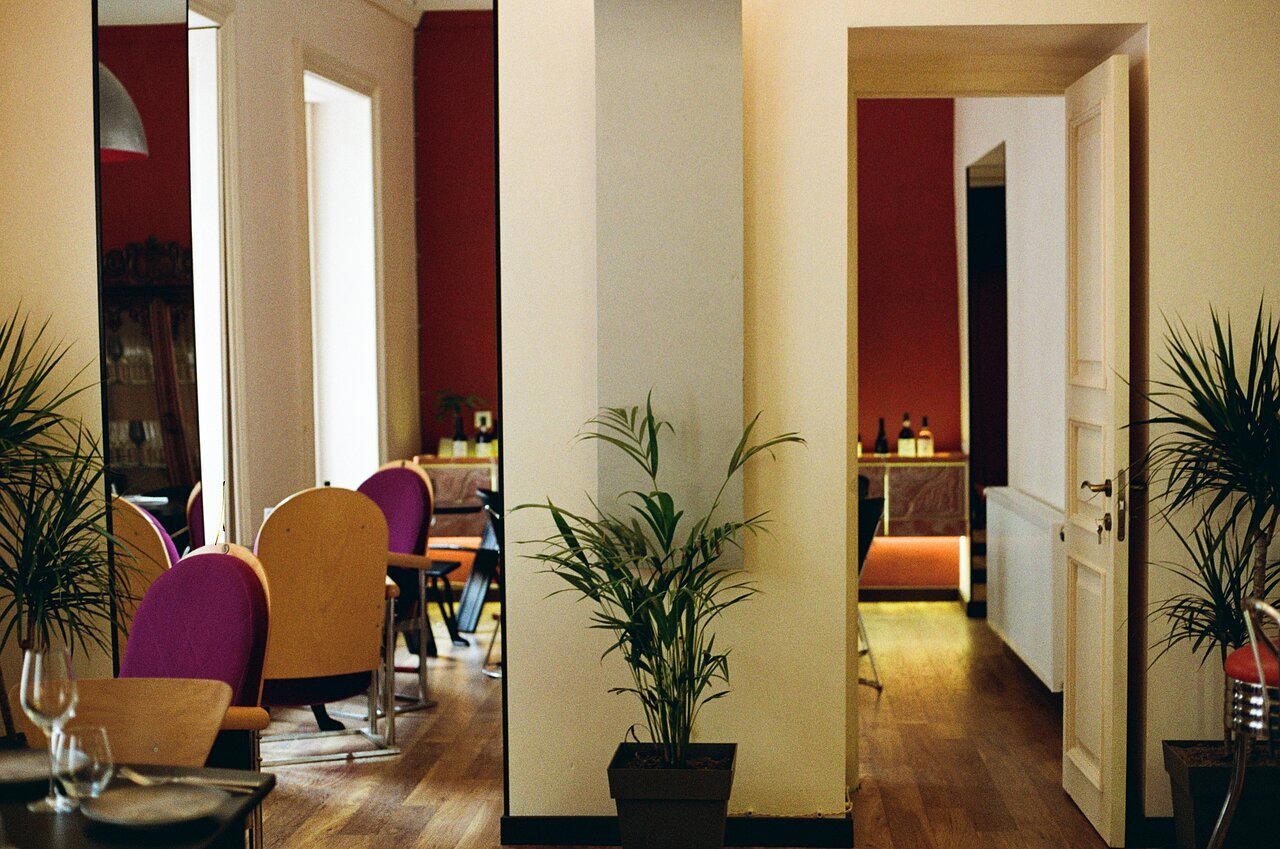
Where Fermentation Is the Argument
Lermontovi Street sits in the older residential fabric of central Tbilisi, where 19th-century facades line narrow pavements and ground-floor commercial spaces shift between neighbourhood bakeries, small galleries, and the occasional wine bar that takes the city's fermentation culture seriously. Ferment Wine Bistro occupies one of those ground-floor rooms, inside a building old enough that the walls carry the specific density of a place that has absorbed a century of the city's weather. The setting is not incidental. In a country where wine has been made in buried clay vessels for eight millennia, the physical context of where you drink matters as much as what you drink.
Georgia's claim on wine history is specific and verifiable: the South Caucasus is widely regarded by archaeologists and ampelographers as among the earliest sites of Vitis vinifera cultivation, with ceramic evidence of winemaking dating to around 6,000 BCE. That history is what gives Tbilisi's wine bar scene its particular weight. Unlike cities where natural wine is a recent import from Paris or Copenhagen, here the tradition of skin-contact fermentation in qvevri (large buried clay amphorae) predates Roman viticulture by millennia. Venues like Ferment sit within that lineage rather than borrowing from it.
The Fermentation Premise
The concept at Ferment is organised around fermented beverages as a category, which places it in a specific position within Tbilisi's drinking options. The city has moved steadily from tourist-facing wine shops selling bottles of Rkatsiteli alongside souvenir churchkhela, toward a more differentiated set of bars and bistros that treat qvevri wine, natural ferments, and local spirits as subjects worth sustained attention. Ferment sits in the more considered tier of that shift, where the programme is shaped by the logic of the ferment rather than the demands of a broad tourist menu.
This positions it differently from, say, Craft Wine Restaurant, which extends the wine focus into a fuller dining proposition, or Café Littera (Georgian Fusion), which operates from a heritage literary setting with a menu built on historic recipe research. Ferment's format is closer to a European wine bistro model, where the wine list is the editorial and the food exists to support it, rather than the reverse. Within Tbilisi's current scene, that distinction is meaningful.
Georgia's Wine Tradition in the Glass
Understanding what makes the wine programme here coherent requires some knowledge of how Georgian wine works outside the international mainstream. The country's grape varieties, many of them found nowhere else, include Rkatsiteli and Mtsvane in the east and Tsolikouri and Krakhuna in the west. Kakhetian amber wines, fermented on skins for months in qvevri, produce textures and tannin structures that have no direct equivalent in European traditions. They are not orange wines in the contemporary natural wine sense, though they share some surface characteristics. They are, more accurately, a distinct category that the global wine conversation has only recently started to address properly.
For visitors arriving from cities like New York, Hong Kong, or Monte Carlo, where restaurants such as Le Bernardin, 8 1/2 Otto e Mezzo Bombana, or Alain Ducasse at Louis XV define the benchmark for wine programming, Tbilisi operates on entirely different coordinates. The prestige here is not in the Burgundy or Bordeaux cellar depth. It is in access to small-production Kakhetian and Kartlian qvevri wines that are functionally unavailable outside the country in any meaningful volume. A bar like Ferment, oriented around fermented beverages as its organising principle, is the correct format for that kind of access.
Food as Context, Not Destination
In the bistro format Ferment operates, the food functions as counterpoint to the wine rather than as a draw in its own right. Georgian drinking culture has always paired ferments with food, and the traditional supra table, laden with cold dishes, pickles, and bread, reflects the logic of building a platform for extended drinking. A wine bistro that honours that tradition will weight its kitchen toward the kind of dishes that sit alongside rather than compete with what is in the glass.
This is a different brief from what drives the kitchens at Barbarestan, where the menu is reconstructed from a 19th-century cookbook and the cooking is explicitly the main event, or at Alubali and Azarphesha, which operate with distinct culinary identities of their own. At Ferment, the kitchen supports the cellar. Visitors who want a venue where the food carries equal weight should look at those alternatives. Visitors who want to use a meal as a framework for working through a serious fermented-beverage list will find the format here well-suited to that purpose.
Tbilisi's Wine Bar Moment
The wine bar format has expanded significantly in Tbilisi over the past decade as international interest in Georgian natural wine grew from a niche curiosity to a recognised category. That growth has created a spectrum: at one end, tourist-facing spots that stock a few qvevri bottles alongside conventional Georgian dishes; at the other, focused programmes built around the logic of the ferment, serious about provenance and about the specific regional expressions of Kakhetian, Kartlian, Imeretian, and Racha viticulture.
Ferment occupies the more considered end of that spectrum, not as a formal institution, but as a neighbourhood-scale venue where the premise is coherent. For anyone building a week in the country that extends beyond the capital, the comparison with Doli in Telavi or Sisters in Kutaisi is instructive: the drinking culture adapts to its geography, and Tbilisi's version is more urban, more varied, and more accessible to the first-time visitor than what you encounter in the wine regions proper. The capital's wine bar scene functions as an introduction to a tradition that becomes considerably more complex when you follow it to its source.
Planning Your Visit
Ferment Wine Bistro is at 1/9 Mikheil Lermontovi Street in central Tbilisi. The address is walkable from the main hotel areas along Rustaveli Avenue and from the Old Town. For visitors building a broader programme in the city, EP Club's full Tbilisi restaurants guide covers the range of dining options, while the Tbilisi bars guide maps the wider drinking scene. Those planning to trace Georgian wine beyond the capital will find the Tbilisi wineries guide and the experiences guide useful for building out the itinerary. The Tbilisi hotels guide covers the full range of accommodation options across the city's different neighbourhoods.
Cost Snapshot
Comparable venues nearby, for context on price, style, and recognition.
| Venue | Cuisine | Price | Notes |
|---|---|---|---|
| Ferment Wine BistroThis venue — the venue you are viewing | Not listed | $$ | Not listed |
| Kharcho | Tbilisi, Modern Georgian Fusion | $$ | Not listed |
| Beer Square | Not listed | $$ | Tbilisi, Georgian Pub with Grill and European Beers |
| Alubali | Tbilisi, Authentic Megrelian Georgian | $$ | Not listed |
| Chops By The River - Restaurant & Grill | Not listed | $$$ | Tbilisi, Georgian, European & Caucasian Grill |
| L'Éclair de Génie | Tbilisi, French Pastry and Cafe | $$ | Not listed |
Recognition history
Dated appearances from independent guides and award organizations, with the underlying list record or original source where available.
Star Wine List
Star Wine List
Continue exploring
More in Tbilisi
Restaurants in Tbilisi
Browse all →
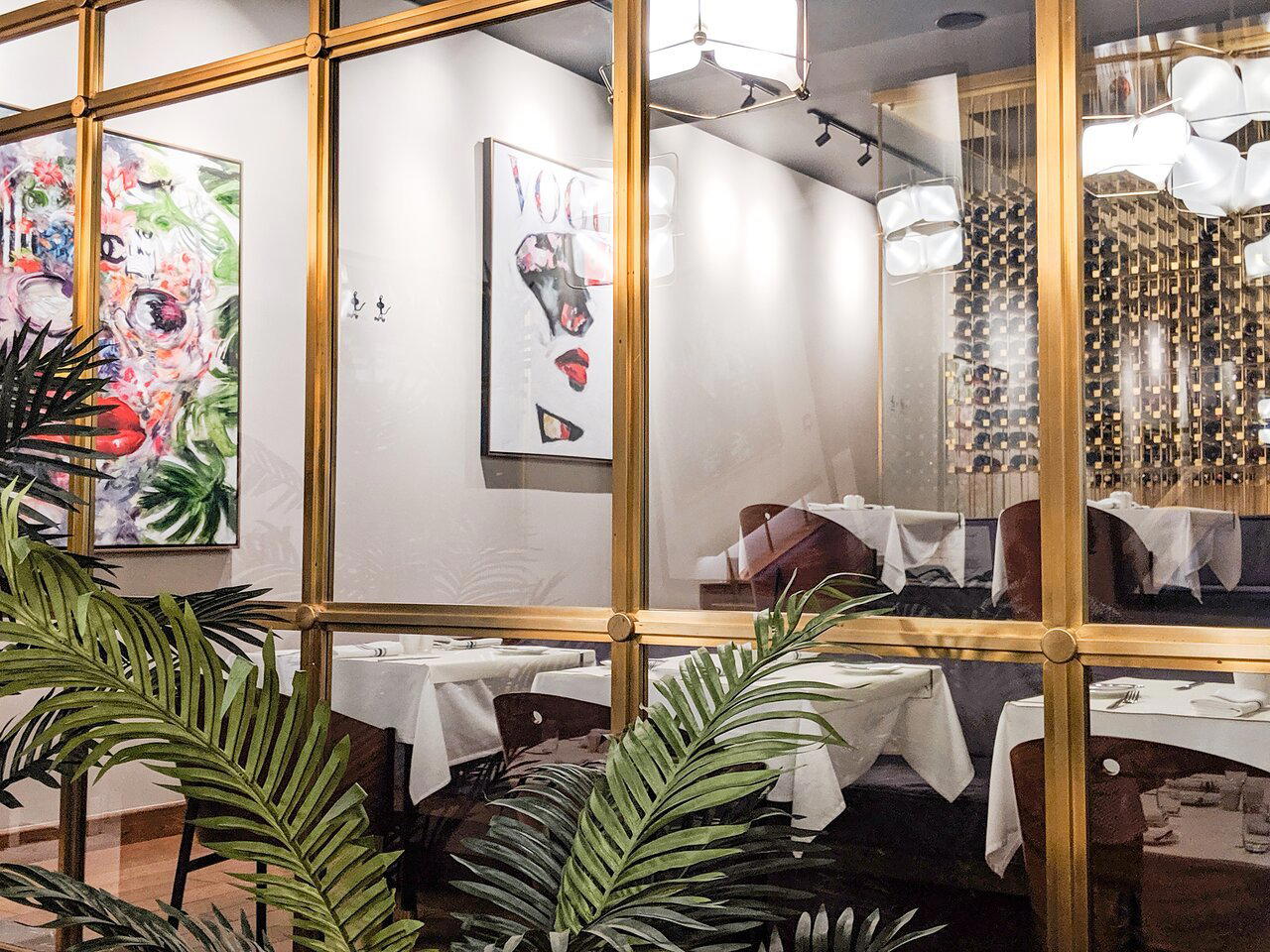
Bars in Tbilisi
Browse all →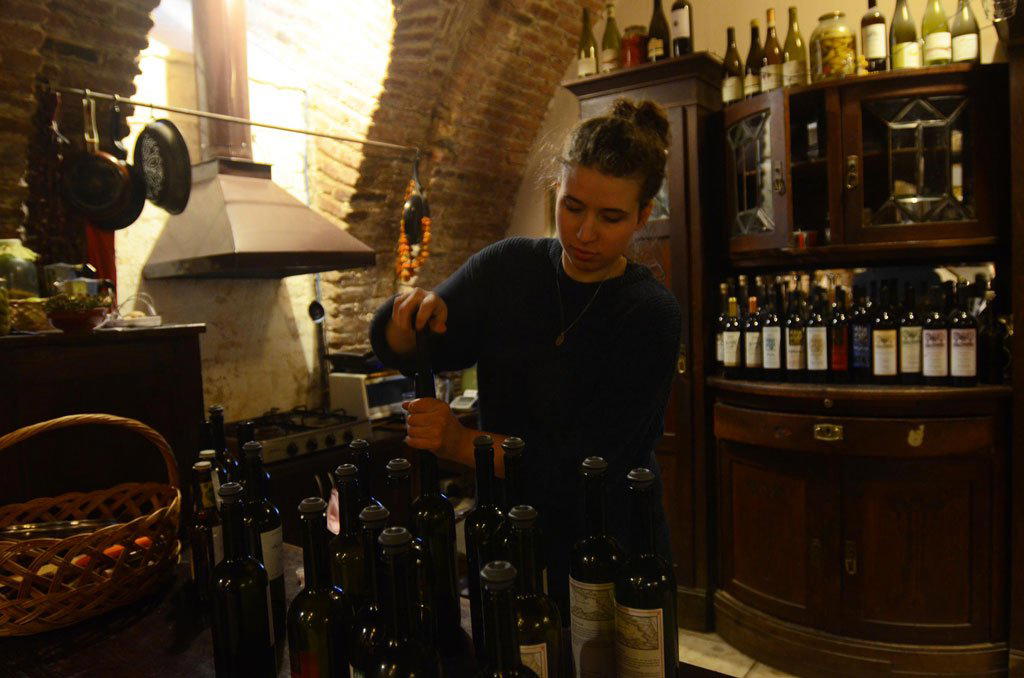
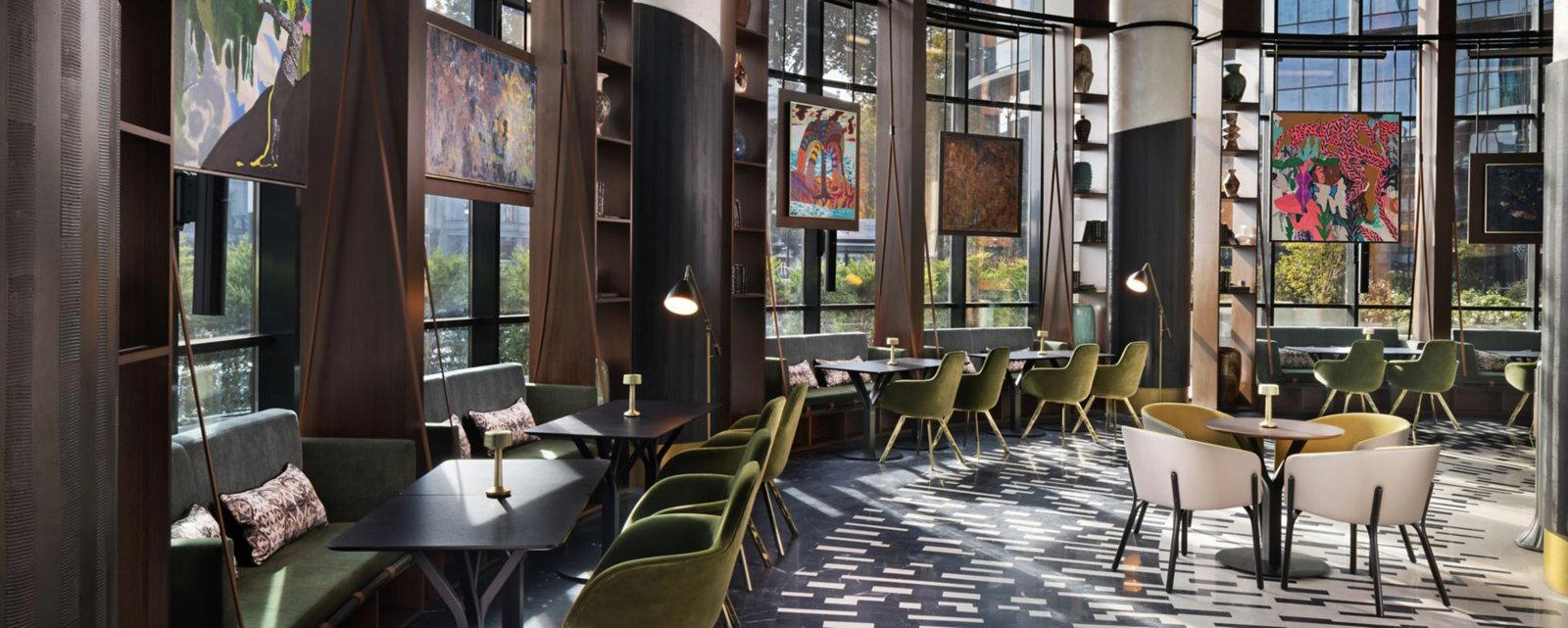
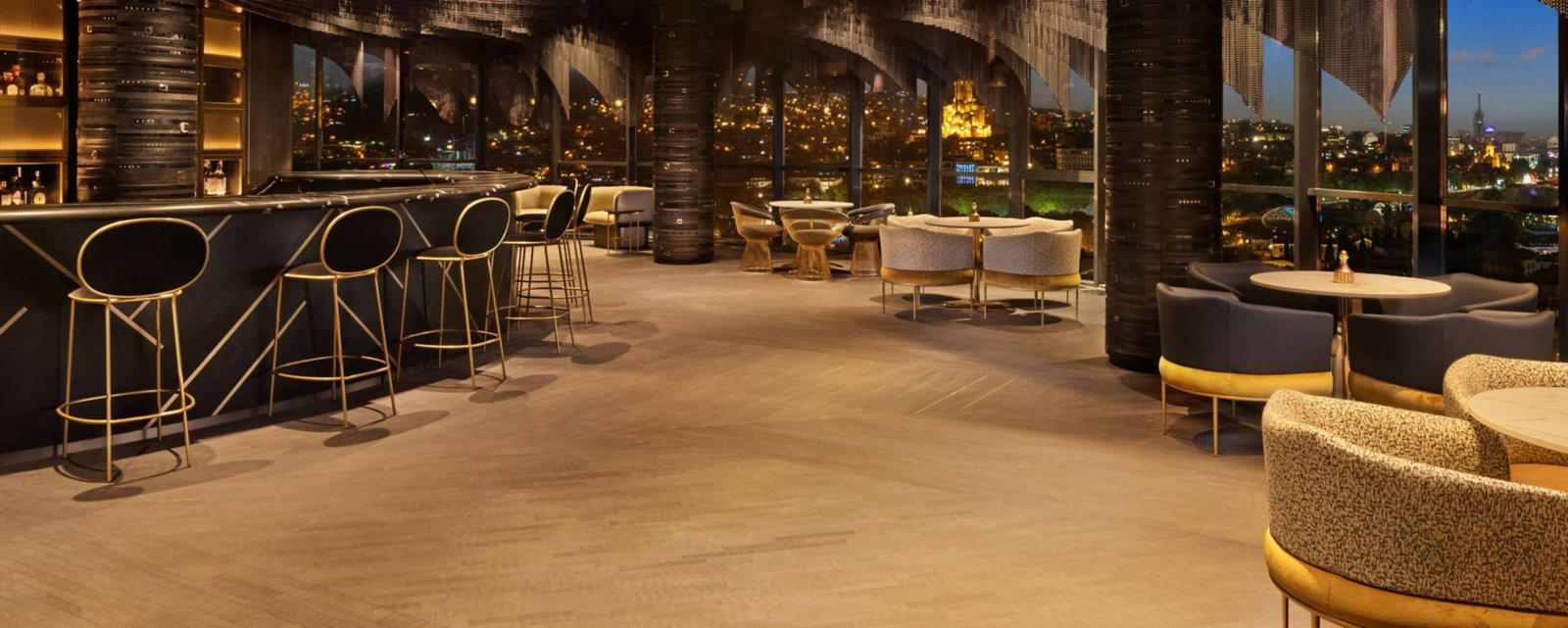
Hotels in Tbilisi
Browse all →


At a Glance
- Cozy
- Intimate
- Modern
- Date Night
- Casual Hangout
- Open Kitchen
- Wine Cellar
- Natural Wine
- Sommelier Led
- Natural Wine
Cosy atmosphere with open kitchen allowing guest interaction with the chef.