

A sympathetically restored period mansion on Chakhrukhadze Street in Tbilisi's Old Town, The Blue Fox Hotel positions itself at the intersection of local art and hospitality. Seventeen rooms feature hand-painted murals by Tbilisi-born artist Musya Qeburia, while the inner courtyard serves as a gathering point for drinks, live music, and a restaurant grounded in Georgian-inflected international cooking. Rates from $76 per night.
Pearl is the En Primeur Club membership app — saves, bookings, and concierge access live there. Same editors, same standards.
- Address
- 15 Chakhrukhadze St, T'bilisi 0105
- Phone
- +995 595 98 65 98
- Website
- marriott.com
- Directions
- Get directions
 Saves & bookings on Pearl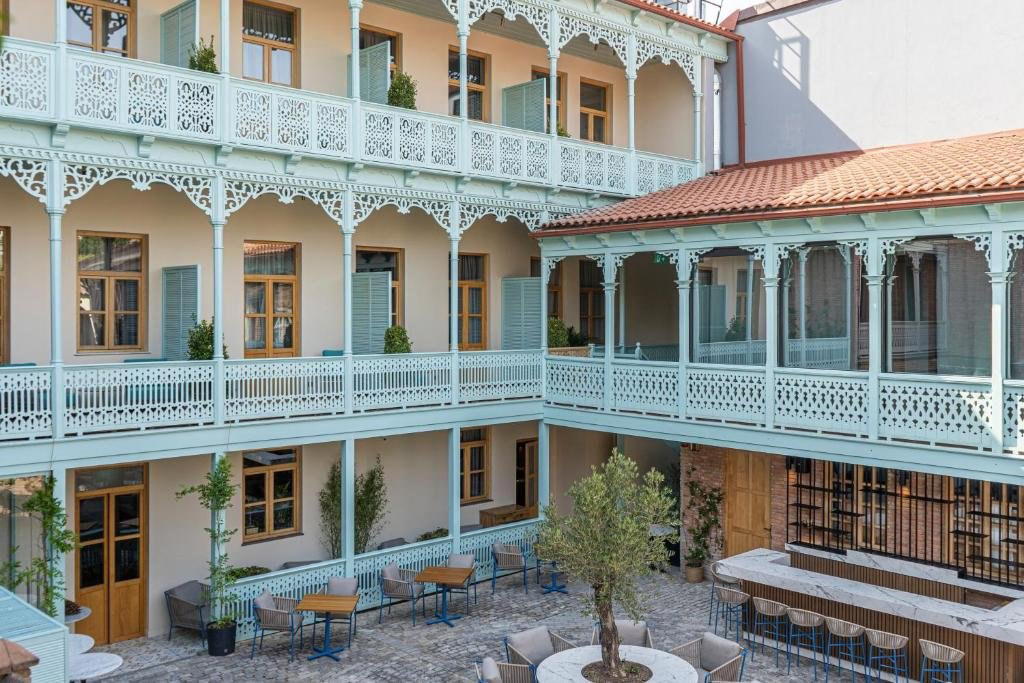
Old Town Tbilisi's Smaller, Art-Driven Hotel Tier
Tbilisi's accommodation market has pulled apart into recognizable camps over the past decade. On one side sit the large international-affiliated properties: The Biltmore Hotel Tbilisi, Paragraph Freedom Square, a Luxury Collection Hotel, and Golden Tulip Design Tbilisi, which offer standardized comfort and brand reassurance. On the other sit a smaller cohort of independently run, design-conscious properties that treat the city's creative output as the primary material of a stay rather than decoration applied after the fact. The Blue Fox Hotel, at 15 Chakhrukhadze Street in the Old Town, belongs to the second group. At 17 rooms and rates from $76, it occupies a price and scale position that sits well below the city's full-service luxury tier but above the anonymous guesthouses that fill the district's narrower lanes. Its closest peer in spirit, though not in format, is Communal Sololaki Hotel, which similarly bets on neighbourhood character over branded amenity stacks.
The Building as Editorial Statement
Arriving on Chakhrukhadze Street, the property reads immediately as a period structure: the proportions of a classic Tbilisi mansion, with the layered ornamental woodwork and balcony geometry that defines the Old Town's surviving 19th-century residential stock. The restoration has been handled with restraint, keeping the exterior legible as architecture rather than theme park. That approach to material honesty is worth noting in a neighbourhood where renovation often means covering original fabric with fresh render and calling it boutique. Inside, the 17 rooms vary in configuration, with some opening onto balconies that face the courtyard or the street. What distinguishes the interiors from comparable small properties in the same district is the presence of hand-painted murals by Musya Qeburia, a Tbilisi-born artist. Rather than sourcing generic art to fill wall space, the hotel commissioned original work from a local practitioner, which is a meaningful distinction. The murals function as permanent site-specific installations, giving each room a visual identity that cannot be replicated by the next property to open on the same street.
The Courtyard: Where the Hotel Actually Lives
Small hotels in historic urban settings often struggle to provide a convincing social space; the room count rarely justifies a full lobby bar, and the building footprint leaves little room for anything more. The Blue Fox solves this through its inner courtyard, which operates as the hotel's primary communal space. This is where drinks are served, where live music takes place, and where the restaurant's international menu with Georgian inflection can be experienced in an open-air setting during the warmer months. In a city that produces some of the world's oldest wine traditions and has a deeply social food culture, a functioning courtyard is not a minor amenity. It is the difference between a hotel that guests leave immediately after check-in and one that holds them in place for a second glass and an evening they had not planned.
The courtyard model is particularly well-suited to Tbilisi's climate, which rewards outdoor sitting from late spring through early autumn. Properties that have built around interior-only formats, including several along the Mtkvari riverbank, miss the rhythm of how the city actually socializes. Stamba Hotel and Rooms Hotel Tbilisi have built their own versions of communal programming, but at larger scale and higher price points. The Blue Fox makes a similar cultural argument at a fraction of the room rate.
The Restaurant and the Local-Flavor Argument
The restaurant's positioning as international cuisine with a local flavour is a formula that can mean very little or quite a lot depending on execution. In Tbilisi's Old Town, the baseline expectation for food that references Georgian tradition is high: the city has a dense, confident restaurant culture rooted in khinkali, churchkhela, mtsvadi, and the natural wine producers of Kakheti and Kartli. A hotel kitchen that engages with this material, even partially, is making a different claim than one that defaults to club sandwiches and pasta. The courtyard setting reinforces that positioning, placing meals in an environment that is unmistakably Georgian in architectural character even when the plate takes a wider view. For those who want to move further into the city's restaurant scene, our full Tbilisi restaurants guide maps the broader options by neighbourhood and format.
Community and Local Creative Engagement
Hotel's decision to commission murals from Musya Qeburia rather than import decorative art or use generic prints sits within a broader set of choices that small independent properties in post-Soviet cities have been making with increasing intentionality. Properties like Fabrika Tbilisi have taken a different route, converting Soviet-era industrial infrastructure into a mixed-use creative campus that draws a younger, more transient crowd. The Blue Fox is quieter in its method: a restored mansion, local art, live music in the courtyard, a kitchen that acknowledges the surrounding food culture. The community impact is embedded in the model rather than announced as a programme. For travellers who treat their accommodation choices as a form of local economic participation, that distinction matters. Spending $76 a night at a 17-room independently run hotel in the Old Town routes money through a different channel than a comparable rate at an international chain, and the creative commissions involved in the murals and live music programming extend that reach further into the local economy.
Georgia Beyond Tbilisi: Placing the Property in a Wider Travel Arc
Tbilisi functions as the entry and exit point for most Georgia itineraries, which means a property in the Old Town is likely to be used at the beginning or end of a broader journey rather than as a destination in itself. The country's accommodation offer extends considerably beyond the capital: Rooms Kazbegi in Stepantsminda addresses the high-altitude Caucasus north, Lopota Lake Resort & Spa in Napareuli sits in the wine country of the Alazani Valley, and Vazisubani Estate in Gurjaani Municipality offers a wine-estate alternative in Kakheti. Tsinandali Estate, A Radisson Collection Hotel anchors the upper end of Kakheti accommodation. For mountain access with a different character, Mtserlebi Mountain Resort By Graz covers the Kvishkheti area. On the Black Sea coast, ApartHotels Collection By ELT in Batumi and Orbi Palace Hotel in Bakuriani represent the resort-town tier.
Planning a Stay: Practical Notes
The hotel sits at 15 Chakhrukhadze Street in Tbilisi's Old Town, a walkable neighbourhood anchored by the Narikala fortress, the Metekhi church, and the dense grid of narrow streets that constitute the Abanotubani sulphur bath district. Room rates from $76 place the property within reach of travellers who want Old Town character without committing to the higher-tariff properties further from the historic core. The 17-room count means availability tightens during the main travel season, which runs from May through September. Booking several weeks in advance is advisable for summer stays. Contact and booking details are best confirmed through the property directly; phone and website data were not available at the time of publication. The Telegraph Hotel is a nearby alternative if the Blue Fox is full, and Communal Sololaki Hotel offers a comparable independent-hotel sensibility in the adjacent Sololaki district.
Cost Snapshot
| Venue | Price |
|---|---|
| The Blue Fox HotelThis venue — the venue you are viewing | This venue |
Recognition history
Dated appearances from independent guides and award organizations, with the underlying list record or original source where available.
Design Hotels Member
Design Hotels
Michelin 1 Key
Michelin
Continue exploring
More in Tbilisi
Hotels in Tbilisi
Browse all →
Bars in Tbilisi
Browse all →
Restaurants in Tbilisi
Browse all →

At a Glance
- Cozy
- Elegant
- Modern
- Intimate
- Scenic
- Romantic Getaway
- Weekend Escape
- Terrace
- Historic Building
- Wi Fi
- Restaurant
- Bar
- Room Service
- Concierge
- Elevator
- Street Scene
- Wi Fi
- Restaurant
- Bar
- Room Service
- Concierge
- Elevator
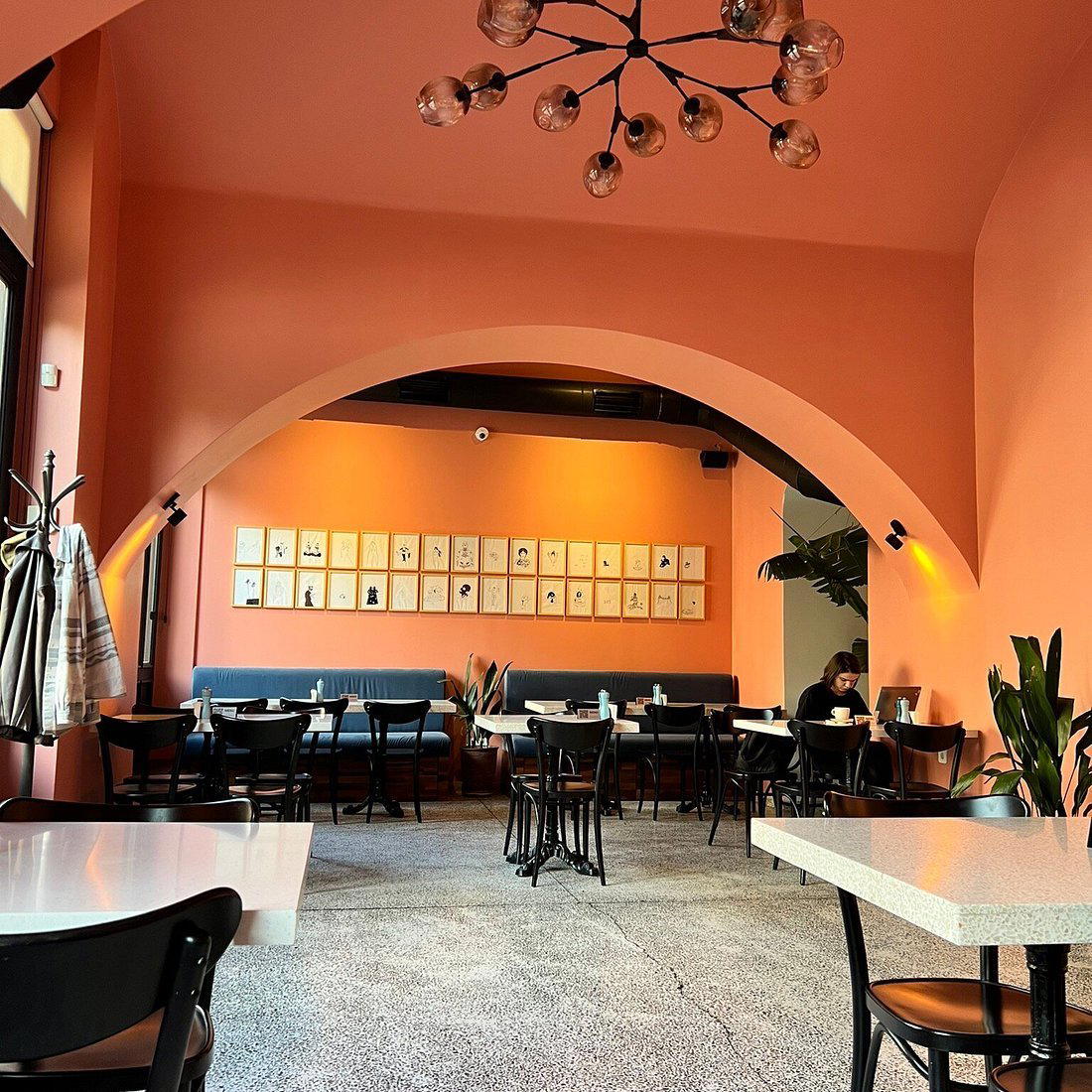
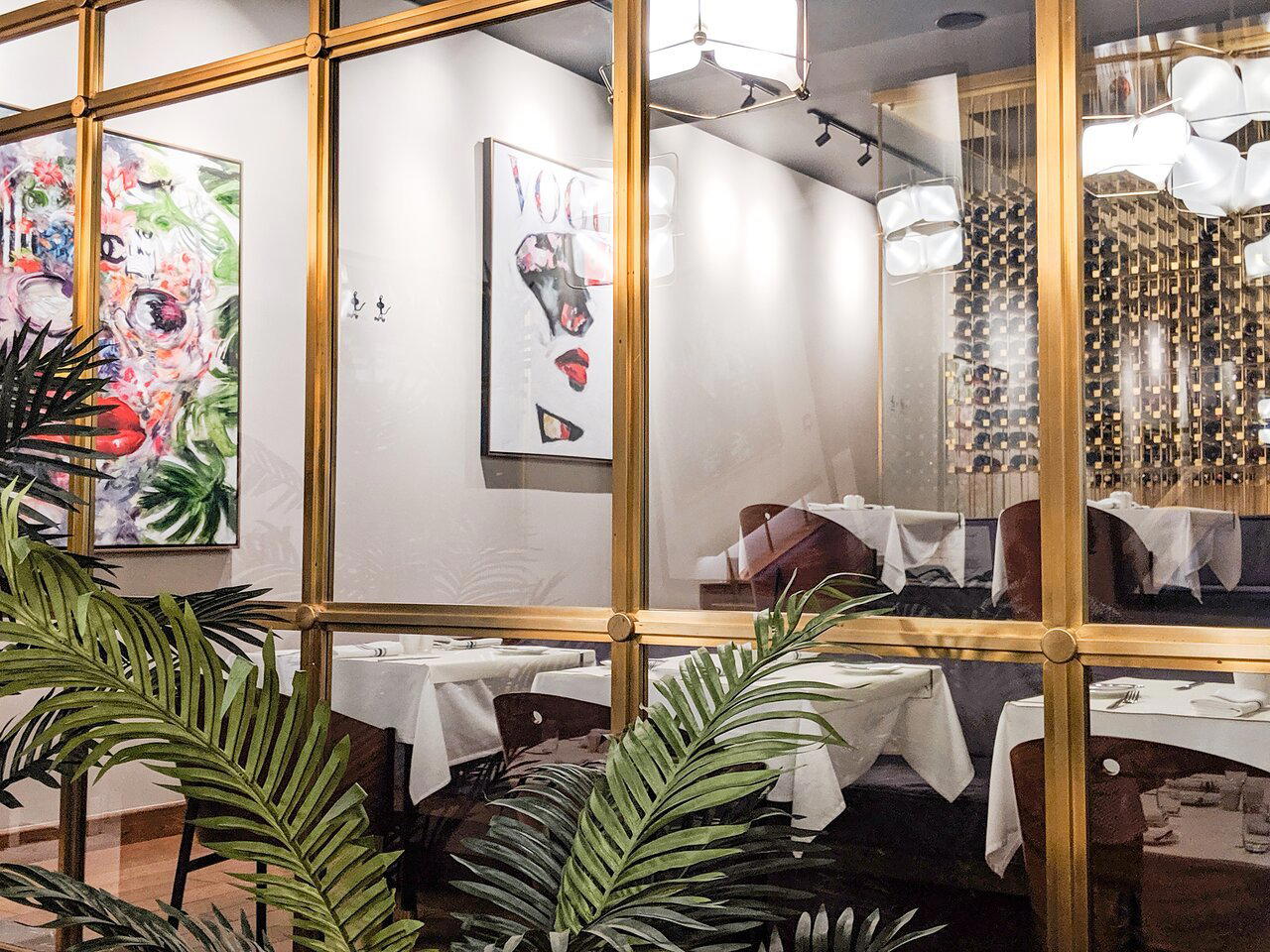
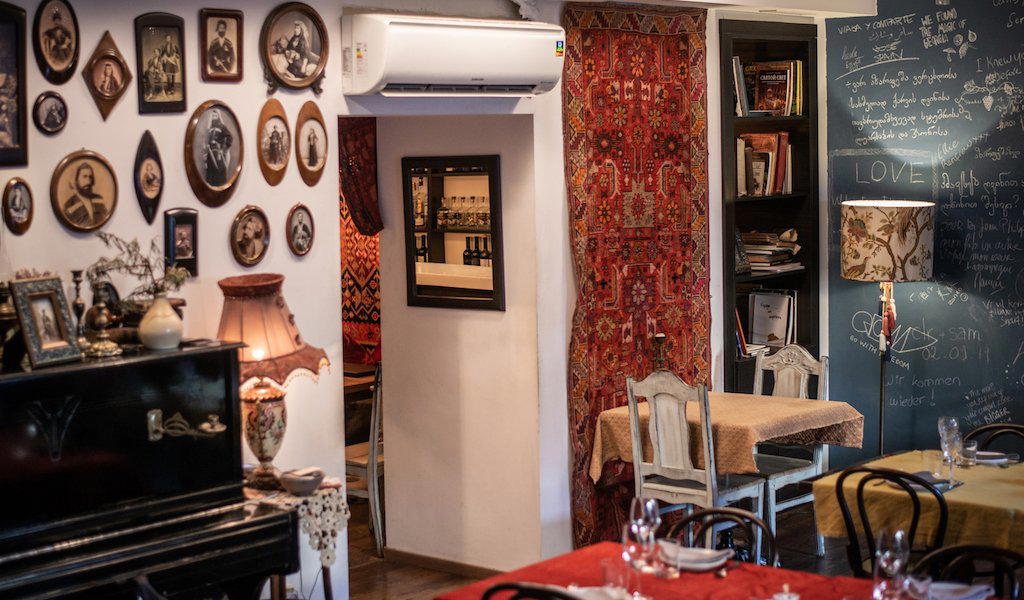
Calm and tranquil courtyard with warm lighting, blending old-world Georgian charm with modern design elements.
Know Before You Go
- Getting there
- 15 Chakhrukhadze St, T'bilisi 0105