

1 Michelin Star · Tabelog 100 #44
Our verdict
A Michelin-starred Japanese restaurant in Nishiazabu, Kasumicho Yamagami occupies the third floor of a quiet residential building in one of Tokyo's most low-key fine dining corridors. Earning its first Michelin star in the 2024 guide, it sits in the tier of smaller, newer recognitions that have quietly reshaped how the city's kaiseki-adjacent dining scene is mapped by critics and regulars alike.

Pearl is the En Primeur Club membership app, where members save venues, book tables and use the concierge.
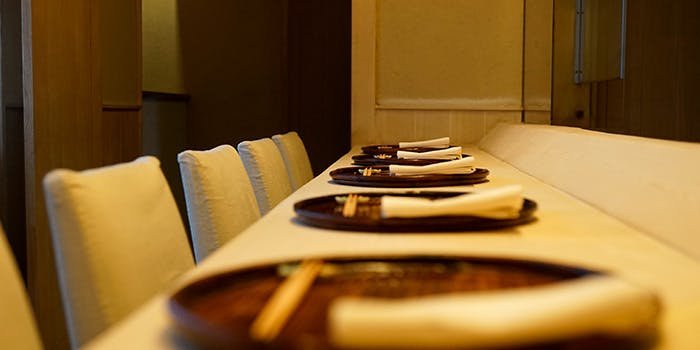
Where Nishiazabu's Quieter Fine Dining Corridor Earns Its Stars
The approach to Kasumicho Yamagami requires attention. The address on a mid-block building in Nishiazabu's residential stretch, third floor, no signage visible from the street, places it firmly in a category of Tokyo restaurants that treat discretion as a prerequisite rather than a marketing device. This part of Minato-ku, technically within the Nishiazabu neighborhood but close enough to Hiroo and Azabu-Juban to share their character, has accumulated a quiet density of serious Japanese restaurants over the past two decades, operating well below the visibility of Ginza or Roppongi's more polished circuits.
That physical context matters when reading Kasumicho Yamagami's 2024 Michelin star. Tokyo's Michelin ecosystem now spans over 200 starred restaurants, the highest concentration of any city in the guide's history. Within that system, a first star in 2024 signals something specific: an inspector finding consistent technical execution and a coherent identity in a city where those qualities are, frankly, assumed at the top of the market. The recognition lands at the point where a restaurant transitions from local specialist to a place that international visitors with serious itineraries should be tracking.
The Critical Reception and What It Places Yamagami Against
The 2024 edition of the Michelin Guide Tokyo is the relevant benchmark here. Kasumicho Yamagami's entry into the starred tier follows a pattern visible across the city's Japanese dining scene: smaller, neighborhood-anchored restaurants earning first stars while the three-star bracket, held by names like Harutaka in Ginza, RyuGin in Roppongi, and L'Effervescence in Nishi-Azabu itself, maintains a comparatively stable, hard-to-penetrate upper ceiling. This compression means a one-star designation in Tokyo now carries more critical weight than in many other cities, because the guide has raised its own baseline expectations over successive editions.
At ¥¥¥¥ pricing, Yamagami operates at the same tier as its three-star neighbors. That price positioning is itself an editorial statement: the kitchen is not trying to compete on accessibility or volume. It is pricing against the top tier of the market, which means the expectation, from guest and from inspector, is calibrated accordingly.
For a useful peer comparison within the one-star Nishiazabu and broader Minato-ku bracket, Azabu Kadowaki offers a reference point at the kaiseki end of the spectrum, while Myojaku represents a different formal approach within the city's Japanese fine dining tier. The two-star Innovative Japanese counter Den in Jimbocho sits further up the recognition ladder, and the gap between that designation and a first star in 2024 Tokyo is narrower in prestige than it once was.
Japanese Dining in Nishiazabu: What the Neighborhood Says About the Restaurant
Nishiazabu's restaurant scene operates differently from Tokyo's more curated fine dining districts. It doesn't have Ginza's concentration of flagship counters or the tourist visibility of Shibuya's main drags. What it has instead is a residential permanence: the restaurants here serve people who live nearby, who return regularly, and who treat the neighborhood's leading addresses as extensions of a personal dining calendar rather than occasion-specific destinations. When a restaurant in this part of the city earns a Michelin star, it typically means it has already passed a more important test, sustained local loyalty, before the inspector arrives.
That context shapes how Kasumicho Yamagami should be understood. The third-floor address on a building in the 4-chome section of Nishiazabu is a location that doesn't perform for passersby. It requires a reservation, intent, and the small effort of finding the right building and floor. That filtering mechanism is common across Tokyo's leading Japanese restaurants, and it tends to produce a room composed entirely of guests who have chosen to be there deliberately, which changes the atmosphere in ways that are hard to quantify but easy to feel once you've experienced both kinds of dining room.
For further context on how this part of Tokyo fits into a wider itinerary, our full Tokyo restaurants guide maps the full spectrum of the city's dining, from Ginza counter culture to neighborhood specialists. Those planning around accommodation can consult our full Tokyo hotels guide, and for a broader picture of the city's after-dinner options, our full Tokyo bars guide covers the cocktail and whisky circuit that operates in parallel to the fine dining tier.
Placing Yamagami in the Broader Japan Fine Dining Map
Tokyo dominates Japan's Michelin count, but the country's fine dining circuit extends well beyond the capital. Gion Sasaki in Kyoto and Isshisoden Nakamura in Kyoto represent Kyoto's kaiseki tradition at its most formally entrenched. HAJIME in Osaka and Kashiwaya Osaka Senriyama in Osaka anchor the Osaka end of the Kansai circuit. Outside the main urban triangle, Goh in Fukuoka, akordu in Nara, 1000 in Yokohama, and 6 in Okinawa each represent how Japan's starred tier has dispersed geographically over the past decade.
Within Tokyo, two other one-star Japanese addresses worth cross-referencing when building an itinerary are Kagurazaka Ishikawa, whose kaiseki approach in the Kagurazaka neighborhood occupies a similar discretion-first format, and Ginza Fukuju, which operates inside the higher-visibility Ginza corridor. Both provide useful calibration points for what a focused Japanese kitchen can do within the star system at different price and location profiles. Jingumae Higuchi in the Jingumae area adds another neighborhood-anchored data point for comparison.
The city's winery and experience programming around these restaurant visits is covered in our full Tokyo wineries guide and our full Tokyo experiences guide, both useful for building out a multi-day itinerary that treats the dining as one component of a wider cultural sequence rather than the sole agenda.
Planning a Visit
Kasumicho Yamagami is located at 4-chome-2-13 Nishiazabu, Minato City, Tokyo, third floor. Pricing runs at the ¥¥¥¥ tier, consistent with the city's top-end Japanese restaurants. Given the pricing tier and Michelin recognition, advance booking is advisable, particularly for weekend evenings and during peak autumn and spring seasons, when demand across Tokyo's fine dining circuit compresses. Specific booking method, hours, and seasonal menu details are not published publicly.
Quick Reference
- Address: 4-chome-2-13 Nishiazabu, Minato City, Tokyo, 3rd Floor
- Price tier: ¥¥¥¥
- Recognition: Michelin 1 Star (2024)
- Cuisine: Japanese
Frequently asked questions
Does Kasumicho Yamagami have a Michelin star or similar recognition?
Kasumicho Yamagami has received recognition including: Michelin 1 Star (2024).
What's the must-try dish at Kasumicho Yamagami?
No dish-level detail is documented in public records for Kasumicho Yamagami. What the 2024 Michelin recognition does confirm is consistent kitchen execution across the menu at the ¥¥¥¥ tier. The safest approach is to rely on the full course as the kitchen structures it, rather than arriving with a specific dish in mind.
What's the price range at Kasumicho Yamagami?
Pricing at Kasumicho Yamagami is listed as ¥¥¥¥.
Peers in This Market
A quick snapshot of similar venues for side-by-side context.
| Venue | Cuisine | Price | Awards | Notes |
|---|---|---|---|---|
| Kasumicho YamagamiThis venue (the venue you are viewing) | Seasonal Japanese Kaiseki Omakase | $300–500 | 1 Michelin Star · Tabelog 100 #44 | Not listed |
| Harutaka | Edo-Style Omakase Sushi | $200–300 | 3 Michelin Stars · World's 50 Best #76 | Sushi |
| RyuGin | Modern Kaiseki | $500+ | 3 Michelin Stars · World's 50 Best #41 | Kaiseki, Japanese |
| L'Effervescence | Modern French with Japanese Influences | $200–300 | 3 Michelin Stars · World's 50 Best #69 | French |
| HOMMAGE | Modern French with Japanese Influences | $150–200 | 2 Michelin Stars · World's 50 Best #78 | Innovtive French, French |
| MAZ | Innovative Peruvian-Japanese Fusion | $150–200 | 2 Michelin Stars · World's 50 Best #28 | Innovative |
Recognition history
Dated appearances from independent guides and award organizations, with the underlying list record or original source where available.
Michelin 1 Star
Michelin
Tabelog 100 #44 · No. 44
Tabelog · Tabelog 100 - Japanese cuisine - TOKYO - 2025
Continue exploring
More in Tokyo
Restaurants in Tokyo
All restaurants in Tokyo →



Bars in Tokyo
All bars in Tokyo →






Details
- Elegant
- Intimate
- Sophisticated
- Quiet
- Special Occasion
- Date Night
- Business Dinner
- Solo
- Chefs Counter
- Standalone
- Omakase
- Counter Dining
- Tasting Menu
- Set Menu
Current opening hours
- Monday
- Closed
- Tuesday
- 6–11 PM
- Wednesday
- 6–11 PM
- Thursday
- 6–11 PM
- Friday
- 6–11 PM
- Saturday
- 6–11 PM
- Sunday
- 6–11 PM
Hours can change for holidays and private events. Hours as of .
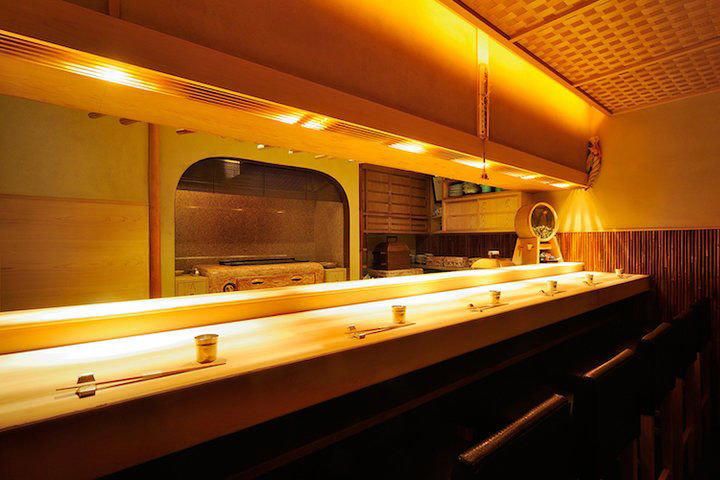
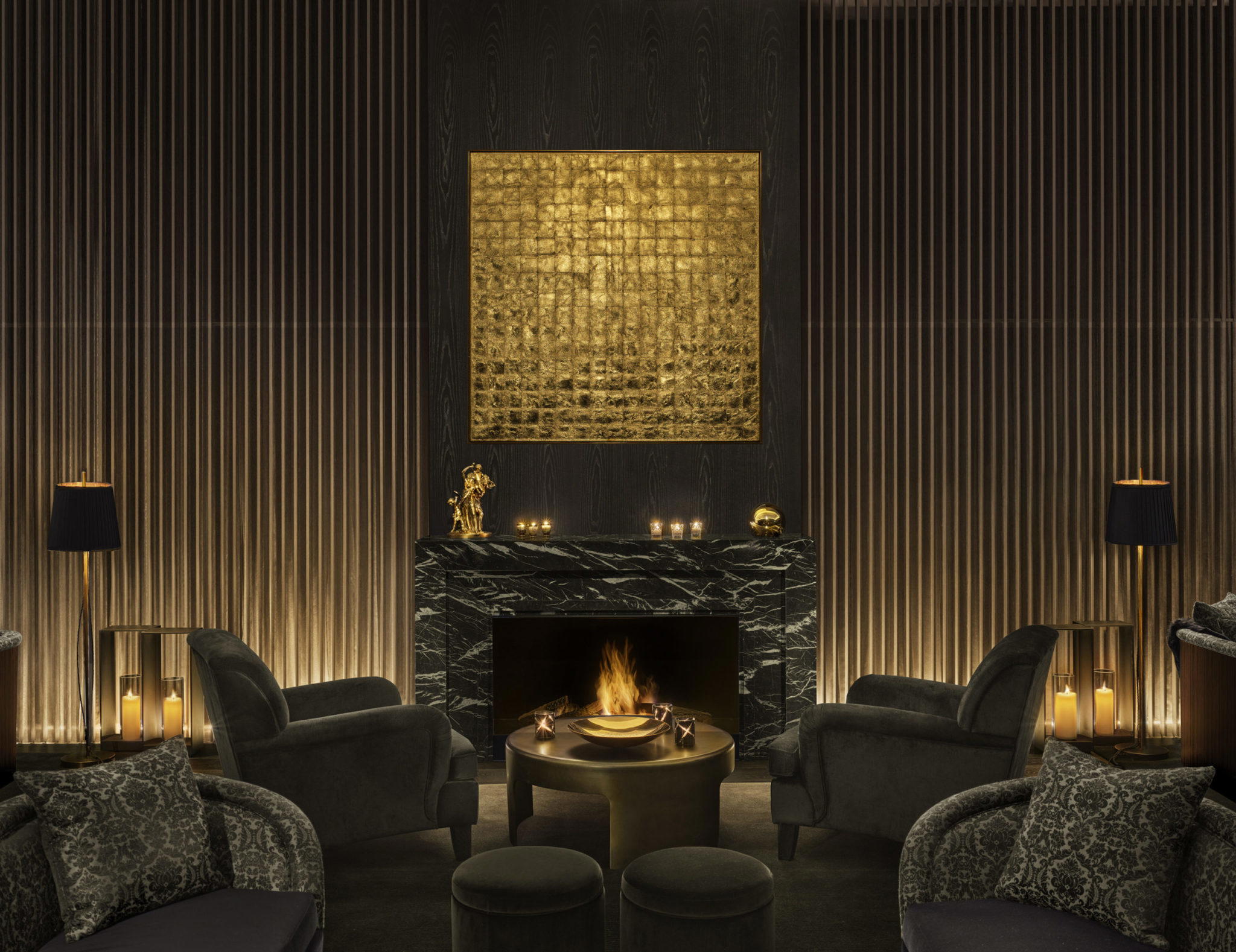
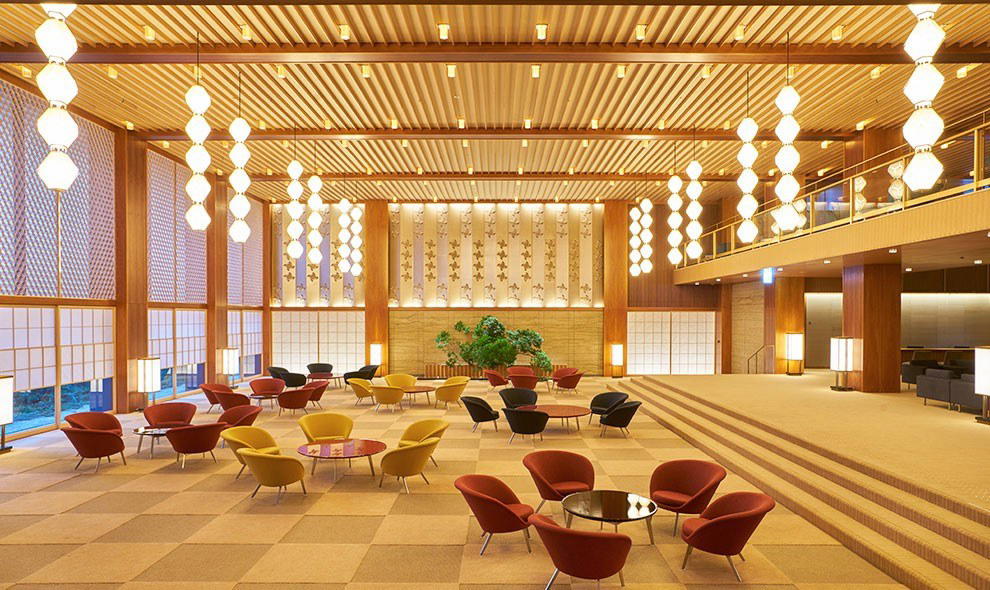
Austere, refined, and intimate, with a polished cypress counter as the focal point and a quiet hidden-away feel on the third floor of a small alley building.