Our verdict
Trattoria Mari e Monti occupies a residential address in Nishiazabu, one of Tokyo's quieter upscale neighbourhoods, placing Italian trattoria tradition inside a city that has reshaped European dining on its own terms. The name — sea and mountains — signals a kitchen that moves between coastal and highland Italian registers, a combination that Tokyo diners have absorbed with particular seriousness over the past two decades.

Pearl is the En Primeur Club membership app — saves, bookings, and concierge access live there. Same editors, same standards.
- Address
- Comforia Nishiazabu, 4 Chome-1-10 Nishiazabu, Minato City, Tokyo 106-0031, Japan
- Phone
- +81364187072
- Hours
- Mon–Sat 5–10 PMSun Closed
- Website
- mariemonti.jp
- Directions
- Get directions
- Booking
- Book on TableCheck
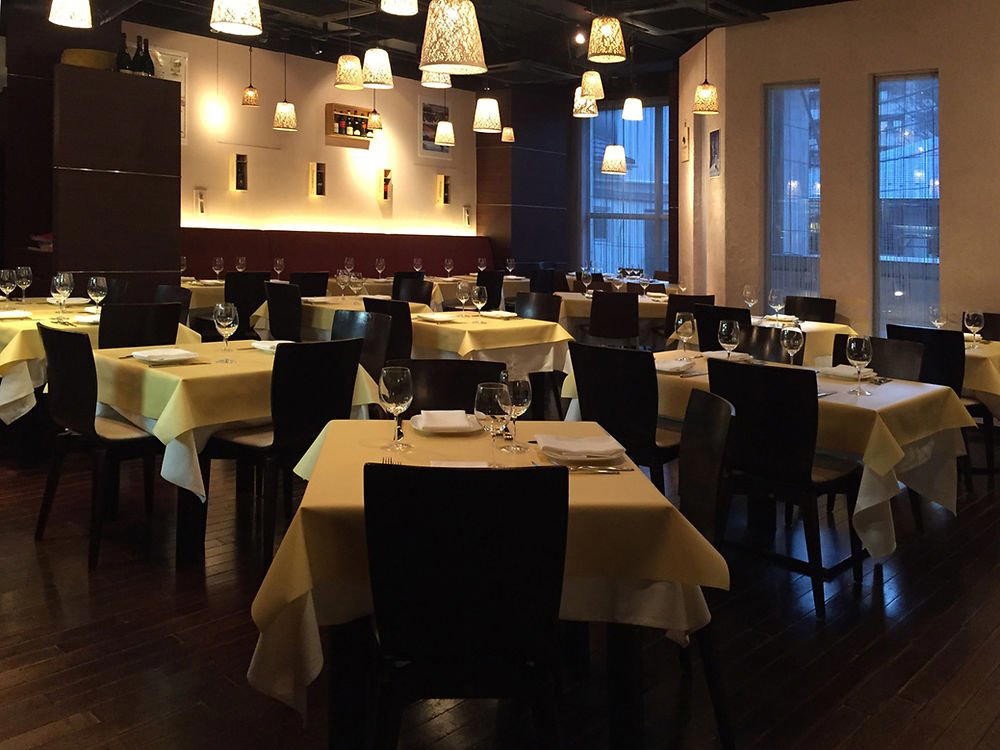
Italian Trattoria in Tokyo: A Different Kind of European Dining
Tokyo's relationship with Italian cuisine is longer and more considered than most Western diners expect. The city awarded Michelin stars to Italian restaurants before many European capitals did, and the trattoria format — less formal than ristorante, more ingredient-driven than osteria — has found a specific and loyal audience in neighbourhoods like Nishiazabu, where residents expect European cooking to be taken seriously without ceremony. Trattoria Mari e Monti sits inside this tradition, operating from a residential address in Minato City that keeps it at a remove from the conspicuous dining corridors of Ginza or Roppongi Hills.
The name translates directly as "sea and mountains," a framing that maps onto Italy's own regional logic: the coastline producing fish, cured seafood, and lighter sauces; the interior highlands contributing cured meats, aged cheeses, hearty ragù, and earthy fungi. Kitchens that commit to both registers are working within a genuinely demanding Italian tradition, one that resists the reduction to a single regional identity. In Tokyo, where Italian restaurants frequently anchor themselves to a specific Italian region, Piemonte, Campania, Sicilia, a sea-and-mountains approach positions this address as something more laterally Italian.
Nishiazabu and the Geography of Serious Eating
Nishiazabu is not where Tokyo's restaurant tourists go first. That relative quietness is precisely its character. The neighbourhood sits between Roppongi and Hiroo, drawing a residential population of diplomats, creative professionals, and long-term foreign residents who have shaped its dining scene into something less performance-driven than central Tokyo. Restaurants here tend to rely on repeat custom rather than destination traffic, which filters the market toward kitchens that prioritise consistency over spectacle. Trattoria Mari e Monti's address in Comforia Nishiazabu, on 4 Chome-1-10 Nishiazabu, places it within walking distance of that quiet professional density.
For context on the broader Tokyo dining terrain, our full Tokyo restaurants guide maps the city's major dining neighbourhoods and the restaurants that define each tier. Nishiazabu sits in a mid-register zone: not the hyper-formal world of counters like Harutaka, and not the studied French modernism of places like L'Effervescence or Sézanne. It occupies a register where the trattoria's essential informality is an asset rather than a liability.
The Wine Dimension: How Tokyo Italians Handle the Cellar
Italian restaurants in Tokyo have, over the past decade, developed wine programs that frequently outpace their European counterparts in depth and curation rigour. The explanation is partly structural: Japanese importers have maintained strong relationships with small Italian producers since the 1980s, and Tokyo sommeliers have access to a distribution network that reaches natural wine producers in Friuli, aged Barolo from private cellars, and obscure southern Italian varietals that rarely surface in London or New York. The trattoria format, which in Italy often pairs house wine with simple food, has been reinterpreted in Tokyo as an opportunity to match serious Italian regional cooking with a cellar that reflects genuine research.
For a kitchen named after the sea-and-mountain duality, the wine logic follows naturally. Coastal Italian whites, Vermentino from Sardinia, Greco di Tufo from Campania, Etna Bianco from the volcanic flanks of Sicily, pair with the maritime half of the menu. The mountain register opens the field to Nebbiolo-based reds from Piemonte, Sagrantino from Umbria, and the structured Aglianico wines of Basilicata and Campania. A well-considered cellar for this kind of kitchen needs to hold both registers with equal confidence, which is a more demanding editorial brief than restaurants that commit to a single Italian region. Tokyo's better Italian programs have learned to make that case through the bottle list itself, using the wine selections as a map of the menu's geography.
This approach to Italian wine curation has parallels in Tokyo's French-leaning rooms. Crony and RyuGin both operate programs that treat the cellar as a statement about the kitchen's ambitions. The difference at an Italian trattoria is that the wine list often carries more of the restaurant's identity than the room itself, the informality of the setting makes the depth of the cellar the primary signal of seriousness.
Italian Cooking in Japan: A Longer History Than It Looks
Italy and Japan formalised trade relations in the 1860s, and Italian culinary influence in Japan accelerated through the postwar decades as pasta and pizza were absorbed into the domestic food culture before most Japanese had access to Italian produce. By the 1990s, Tokyo had a functioning Italian restaurant scene sophisticated enough to distinguish between regional Italian traditions. The trattoria format specifically gained ground in the 2000s as Japanese diners developed an appetite for European cooking in a less formal register than the white-tablecloth ristorante.
This long acclimatisation period matters for understanding what a Tokyo trattoria is and is not. It is not a recreation of an Italian neighbourhood restaurant. It is a Japanese interpretation of that format, operating with Japanese precision around service timing, produce sourcing, and kitchen cleanliness, while maintaining Italian structural logic in the menu. Restaurants at this intersection rarely announce themselves through awards or guides in the way that Japan's kaiseki or sushi counters do, they accumulate their audience through word of mouth and neighbourhood loyalty. For comparison, the awarded end of Tokyo's Italian spectrum tends to be formal enough that it no longer reads as trattoria at all.
Across Japan, regional cooking traditions at the serious end of the market carry a similar logic of quiet accumulation: Gion Sasaki in Kyoto and HAJIME in Osaka both occupy niches where the restaurant's identity is inseparable from its city's culinary character. Akordu in Nara makes a similar case for European cooking in a Japanese cultural context. Goh in Fukuoka shows how even Japan's secondary cities have developed serious European-inflected rooms. The pattern holds: European cooking in Japan earns its audience through consistency and specificity, not spectacle.
Further afield, the trattoria's position in a competitive dining city finds parallels in New York, where Le Bernardin and Atomix represent the formal end of European and Korean-influenced fine dining respectively, a reminder that informal formats like the trattoria occupy a distinct and deliberately maintained position in any serious dining city's hierarchy. Other Japanese addresses worth noting in regional context include restaurants in Nanao, Sapporo, Takashima, Nishikawa Machi, and Sakai, each operating within Japan's broader tradition of serious eating at the regional level. Bistro Ange in Toyohashi offers another data point for European-influenced cooking operating at a remove from Japan's major urban centres.
Planning Your Visit
Trattoria Mari e Monti is located at Comforia Nishiazabu, 4 Chome-1-10 Nishiazabu, Minato City, Tokyo. The nearest major reference points are Roppongi and Hiroo, both served by Tokyo Metro lines. Given the residential address and trattoria format, advance contact to confirm hours and reservation availability is advisable before making the journey, as smaller neighbourhood restaurants in Tokyo frequently operate limited seatings and may close on short notice for private bookings.
Frequently asked questions
How would you describe the vibe at Trattoria Mari e Monti?
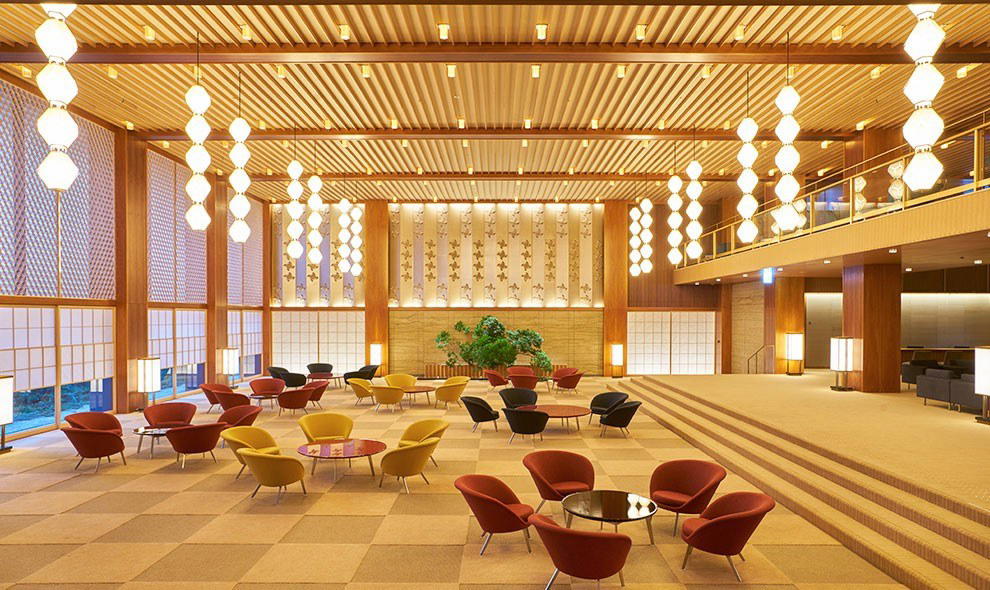
Nishiazabu sets the tone: residential, unhurried, and removed from the foot traffic of central Tokyo dining corridors like Ginza or Shinjuku. The trattoria format reinforces that register — this is a sit-down, table-service environment rather than a counter or tasting-menu production. Diners here tend to be neighbourhood regulars or people who sought the address out deliberately.
Where is Trattoria Mari e Monti located?
Trattoria Mari e Monti is located at Comforia Nishiazabu, 4 Chome-1-10 Nishiazabu, Minato City, Tokyo 106-0031, Japan, Tokyo.
Why is Trattoria Mari e Monti located in Nishiazabu rather than a more central Tokyo dining district?
Nishiazabu sits between Roppongi and Hiroo in Minato City — close enough to central Tokyo to draw serious diners, but residential enough to avoid the destination-tourism dynamic that shapes venues in Ginza or Shinjuku. Italian trattorias in Tokyo that locate in quieter neighbourhoods tend to build a regular local clientele, which aligns with the format's Italian origins as an everyday dining institution rather than an occasion restaurant.
What is Trattoria Mari e Monti known for?
The sea-and-mountains concept positions the kitchen within a cross-regional Italian tradition, covering both coastal and inland cooking rather than anchoring to a single province. Tokyo has a longer relationship with Italian cuisine than most visitors expect — the city holds Michelin-starred Italian restaurants and has developed serious Italian wine programs over the past two decades — and Nishiazabu's quieter character attracts restaurants oriented toward the food itself rather than destination traffic.
Can Trattoria Mari e Monti accommodate dietary restrictions?
The trattoria format, with its range of preparations across seafood and land-based dishes, generally allows more flexibility than a fixed tasting-menu counter. Communicating requirements at the time of booking is the standard approach at Tokyo restaurants in this category.
A Tight Comparison
Comparable venues nearby, for context on price, style, and recognition.
| Venue | Cuisine | Price | Awards | Notes |
|---|---|---|---|---|
| Trattoria Mari e MontiThis venue — the venue you are viewing | Authentic Italian Trattoria | Not listed | Not listed | Not listed |
| Kurodino | Modern Italian Fine Dining | $150–200 | Star Wine List · Wine Spectator Best of Award of Excellence | Chūō, Italian-Japanese Fusion Fine Dining |
| Sicilia Ya | Traditional Sicilian restaurant | $50–100 | Tabelog 100 #31 | Bunkyō, Traditional Sicilian restaurant |
| unito | Italian Fusion | $50–100 | Tabelog 100 #89 | Meguro, Italian Fusion |
| タヴェルナマルコポーロ | Italian Trattoria | $50–100 | Not listed | Chūō, Italian Trattoria |
| Don Ciccio | Authentic Sicilian Trattoria | $100–150 | Michelin Plate | Minato, Sicilian Trattoria |











Details
- Cozy
- Intimate
- Rustic
- Date Night
- Business Dinner
- Special Occasion
- Open Kitchen
- Extensive Wine List
- Local Sourcing
- A La Carte
- Vegetarian Friendly
- Vegan Options
Current opening hours
- Monday
- 5–10 PM
- Tuesday
- 5–10 PM
- Wednesday
- 5–10 PM
- Thursday
- 5–10 PM
- Friday
- 5–10 PM
- Saturday
- 5–10 PM
- Sunday
- Closed
Hours can change for holidays and private events. Last verified .
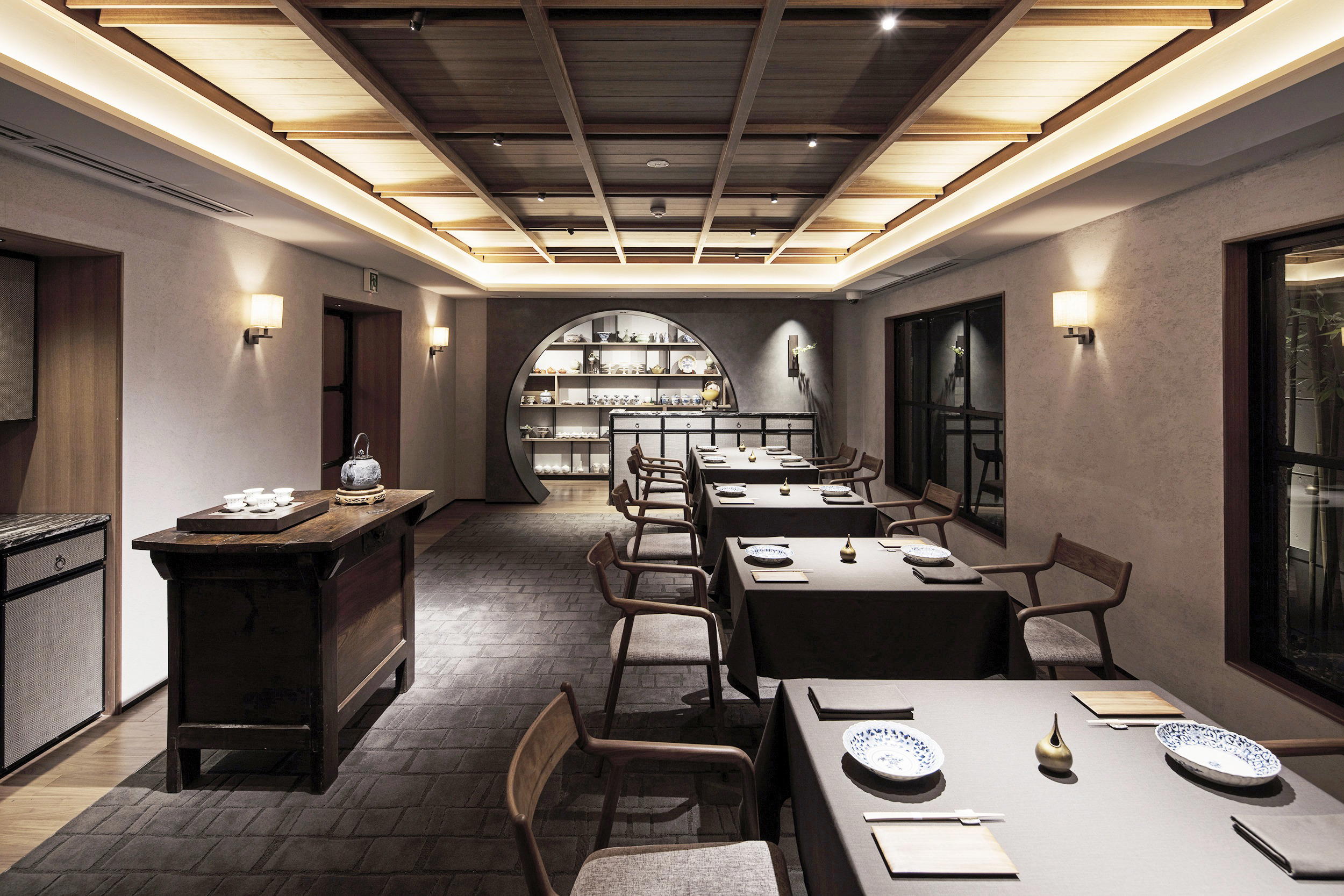
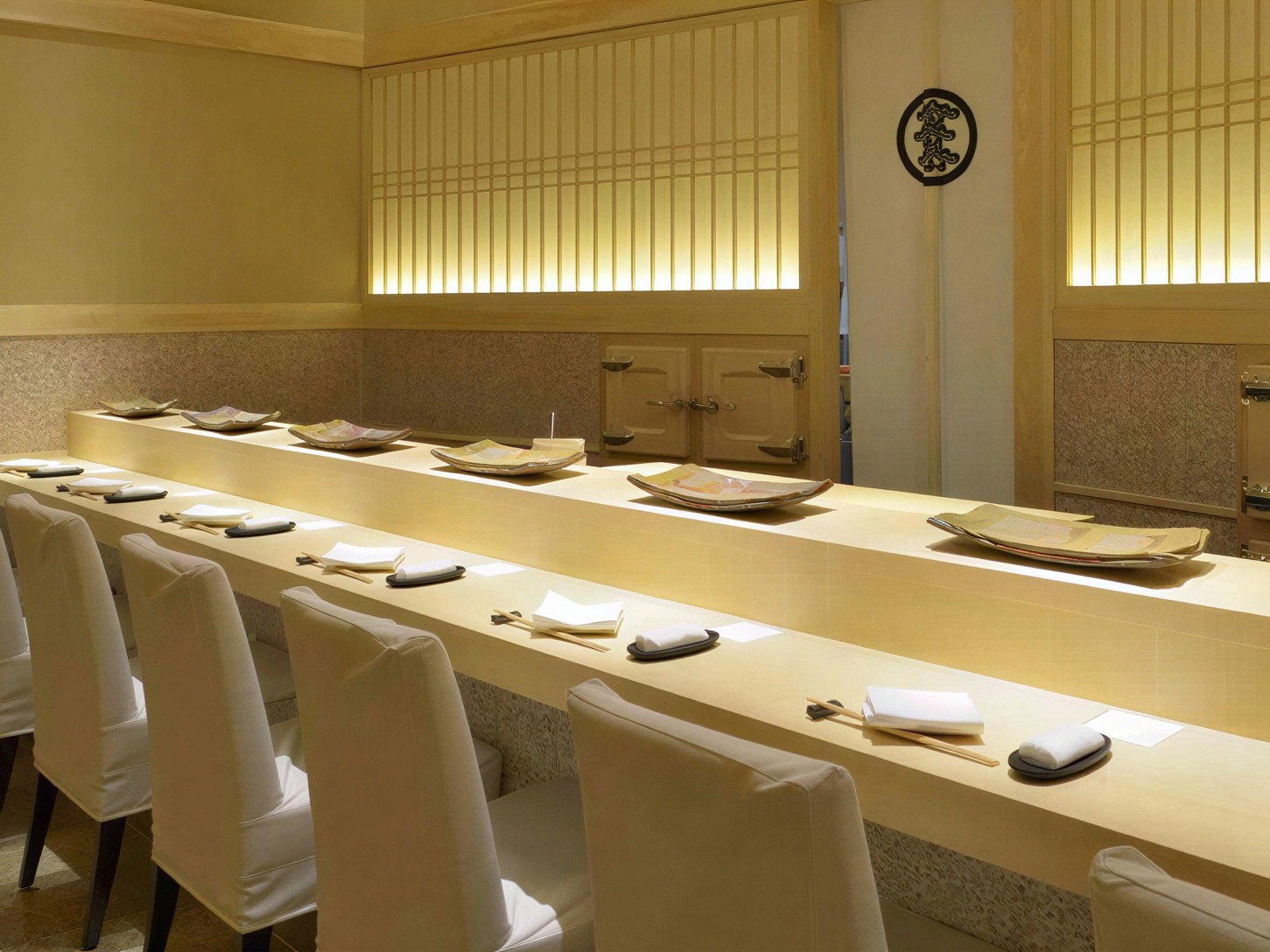
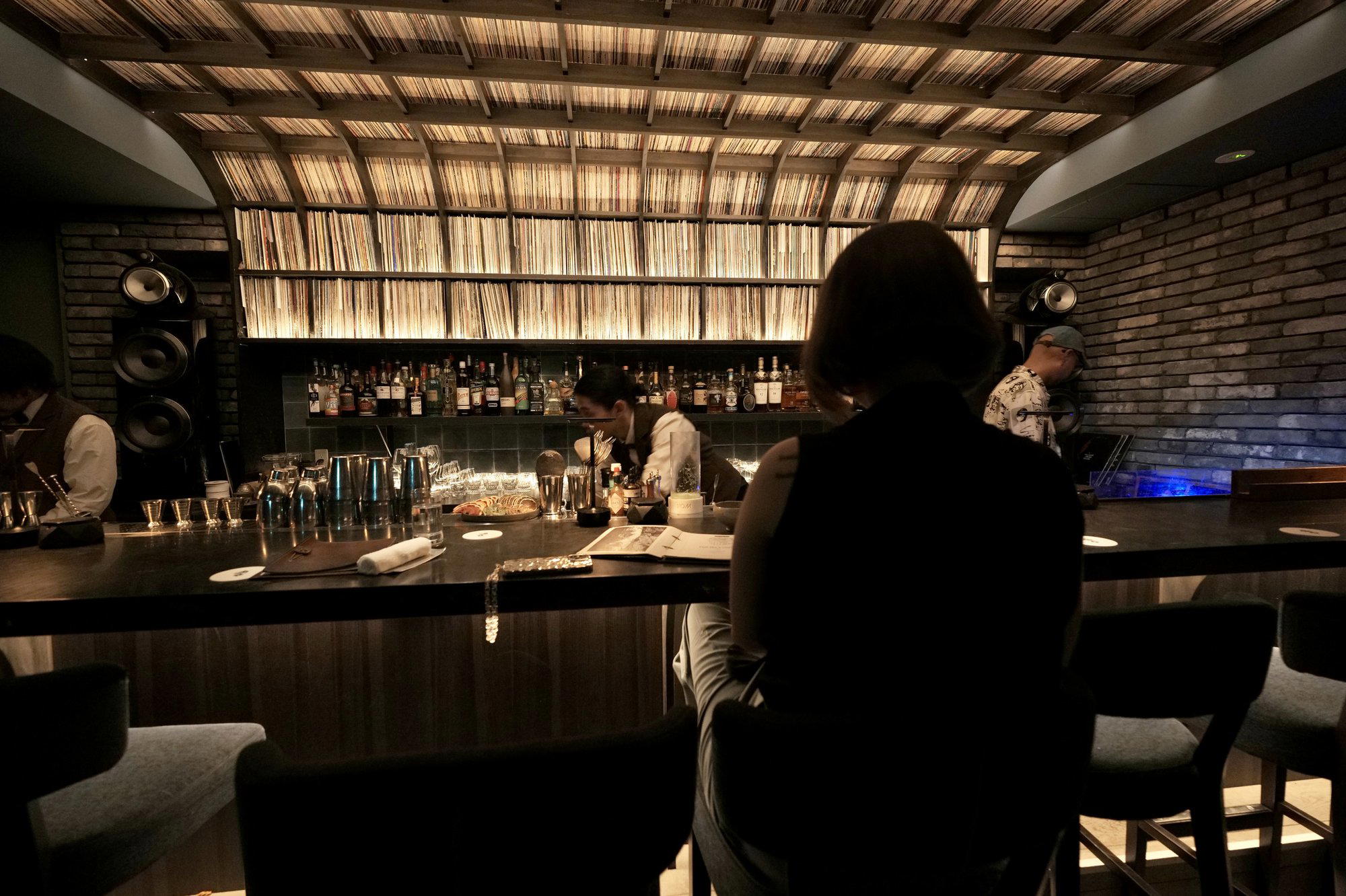
Charming and lovely atmosphere with warm welcoming service that makes diners feel like family, featuring an open kitchen.