
Pretty Pork Factory & Katsu Puripo brings pork shabu-shabu, tonkatsu and Korean-leaning grill culture into Harajuku’s new-wave dining circuit. The appeal is less about formality than sequencing: hot pot, cutlet and drinking food can move through a meal with unusual range, backed by Tabelog 100 Hot Pot 2024 recognition and a price band that puts dinner in serious-casual Tokyo territory.
Pearl is the En Primeur Club membership app — saves, bookings, and concierge access live there. Same editors, same standards.
- Address
- Japan, 〒150-0001 Tokyo, Shibuya, Jingumae, 6 Chome−31−21 東急プラザ原宿 ハラカド 5階 506区画
- Phone
- +81 3-6805-0290
- Website
- prettyporkfactory.com
 Saves & bookings on Pearl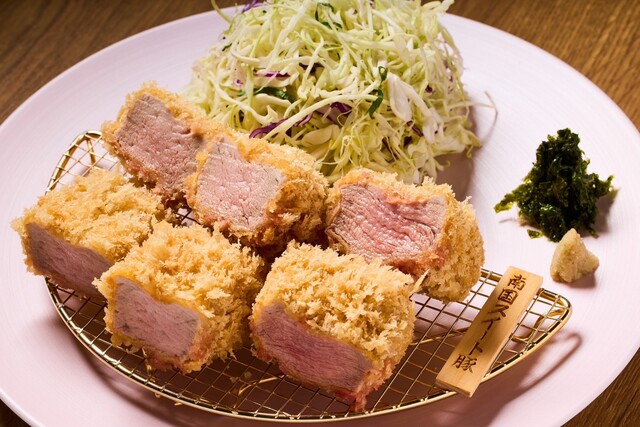
Harajuku’s newer restaurant floors have a particular rhythm: escalators opening onto polished corridors, groups checking reservation screens, the city’s streetwear energy giving way to tables built for longer meals. Pretty Pork Factory & Katsu Puripo fits that setting by treating pork not as a single speciality but as a sequence. Shabu-shabu, tonkatsu and Korean categories sit under one roof, which makes the meal feel closer to a progression than a fixed genre exercise.
That matters in Tokyo, where pork restaurants often choose one lane and defend it hard. Tonkatsu counters tend to focus on frying discipline and rice-set clarity. Shabu-shabu rooms lean into broth, slicing and pacing. Korean-style pork meals bring a more social register. Combining those threads can become unfocused; here, the stronger reading is a restaurant aimed at diners who want the arc of a longer pork meal without moving between addresses.
Pork as a multi-act meal, not a single-dish stop
The Tabelog 100 Hot Pot 2024 selection places the restaurant inside a category where Tokyo diners judge detail sharply. Hot pot is not just comfort food in Japan; it is a test of sourcing, slicing, heat control and how a table is paced. In that context, a place that also operates in tonkatsu territory has to manage two opposing demands: the patience of simmered food and the precision of frying.
The tonkatsu side gives the clearest signal of that pacing. Each cutlet is fried after the order is placed, with preparation taking at least 30 minutes and potentially up to 60 minutes when orders are ahead. That is not a minor footnote; it changes how the meal should be read. This is poor planning for a rushed Harajuku lunch between shops, but sound planning for a table that treats the wait as part of the sequence rather than an inconvenience.
Tokyo has plenty of faster pork meals, from compact gyoza counters such as Gyoza Lou to inexpensive neighbourhood set-meal stops in the mode of Mizuho. Pretty Pork Factory & Katsu Puripo is playing a different game: larger format, wider menu logic, more tolerance for groups, and a rhythm closer to a shared dinner than a solo counter meal. Noda, in the contemporary dining lane, belongs to another price and format conversation entirely; the useful comparison is that Harajuku can now hold both quick specialist stops and broader destination-style restaurant floors within a short walk.
Why Harajuku is the right stage for this format
Jingumae has become unusually good at hybrid dining. The neighbourhood absorbs tourists, shoppers, local office traffic and families without requiring one fixed dining code. A 70-seat pork restaurant with semi-private rooms, counter seating, sofa seating and a non-smoking room policy makes sense here because the audience changes by hour. Lunch can run practical; dinner can stretch into shabu-shabu, cutlet timing and drinks.
The drink list also points to a broader table culture rather than a narrow tonkatsu shop. Shochu, wine, cocktails and sake give the meal several directions, from a casual group order to a more deliberate pairing mindset. The restaurant accepts BYO drinks and offers take-out, but the room’s strength is in-house pacing. Hot pot and freshly fried cutlet reward timing, and this format asks diners to sit with that timing instead of compressing it.
For families, the details are unusually functional for central Tokyo: children are welcome, strollers are welcome, and semi-private rooms cover small parties through groups of 10 to 20. That does not make the room informal in a throwaway sense. It makes it useful. Harajuku dining often splits between youth-driven novelty and high-design seriousness; this address lands in the middle, with enough structure for a planned meal and enough flexibility for mixed-age tables.
How to plan the meal around pacing
The smart approach is to treat the restaurant as a timed progression. Start from the assumption that fried items may require a long lead, then build the table around shabu-shabu or Korean-leaning pork dishes while that timing unfolds. The budget band also supports that reading: lunch sits in a more accessible range, while dinner moves into the level where diners should expect a fuller meal rather than a quick plate.
The opening in April 2024 and the Tabelog recognition later that year make the restaurant a recent arrival with early category traction. That combination is worth noting in Tokyo, where long-established specialists often dominate food rankings. A newer Harajuku address entering a hot pot list suggests the category is not frozen around old rooms and inherited regulars; diners are making space for modern, mixed-format pork restaurants when the fundamentals hold.
For nearby and citywide context, see Our full Tokyo restaurants guide, plus adjacent planning rails for Our full Tokyo hotels guide, Our full Tokyo bars guide, Our full Tokyo wineries guide and Our full Tokyo experiences guide. For other restaurant notes across Tokyo and beyond, compare the city’s range through. 鮪と炭火焼き うお炭 秋葉原店, 12/10 Shinjuku ten, 124. KAGURAZAKA (Yakitori), 2D Cafe, 3 Chome no Curry Ya San, -Grilled beef Sukiyaki- KAMAKURA TANUKIAN 鎌倉 たぬき庵 in Kamakura.cafe in Osaka.know in Kumamoto, (Shoku) Vietnam in Kawasaki, [Curry Senmon Ten] Maruyama Kyoju. in Sapporo, [ki:] in Kyoto, Jōdo Saké Bar in Los Angeles and Onigiri Time in Pasadena.
Price and Positioning
Comparable venues at a similar level for quick context.
| Venue | Cuisine | Price | Notes |
|---|---|---|---|
| Pretty Pork Factory & Katsu PuripoThis venue — the venue you are viewing | Not listed | $$$ | Not listed |
| Teppanyaki Takami | Shibuya, Traditional Japanese Teppanyaki | $$$ | Not listed |
| EUREKA! | Minato, Modern sake-focused izakaya | $$$ | Not listed |
| Akasaka Gosen | Minato, Kaiseki with Soft-Shelled Turtle | $$$ | Not listed |
| Rokkasen Otakibashi Street store | Not listed | $$$ | Shinjuku, Premium Wagyu Yakiniku All-You-Can-Eat |
| かぶん | Not listed | $$$ | Minato, Yakiniku (Japanese BBQ) |
Recognition history
Dated appearances from independent guides and award organizations, with the underlying list record or original source where available.
Tabelog 100 #80 · No. 80
Tabelog · Tabelog 100 - Hot Pot - 2024













At a Glance
- Lively
- Modern
- Trendy
- Cozy
- Group Dining
- Family
- Date Night
- Casual Hangout
- Celebration
- Late Night
- Standalone
- Design Destination
- Local Sourcing
Current opening hours
- Monday
- 11 AM–11 PM
- Tuesday
- 11 AM–11 PM
- Wednesday
- 11 AM–11 PM
- Thursday
- 11 AM–11 PM
- Friday
- 11 AM–11 PM
- Saturday
- 11 AM–11 PM
- Sunday
- 11 AM–11 PM
Hours can change for holidays and private events. Last verified .
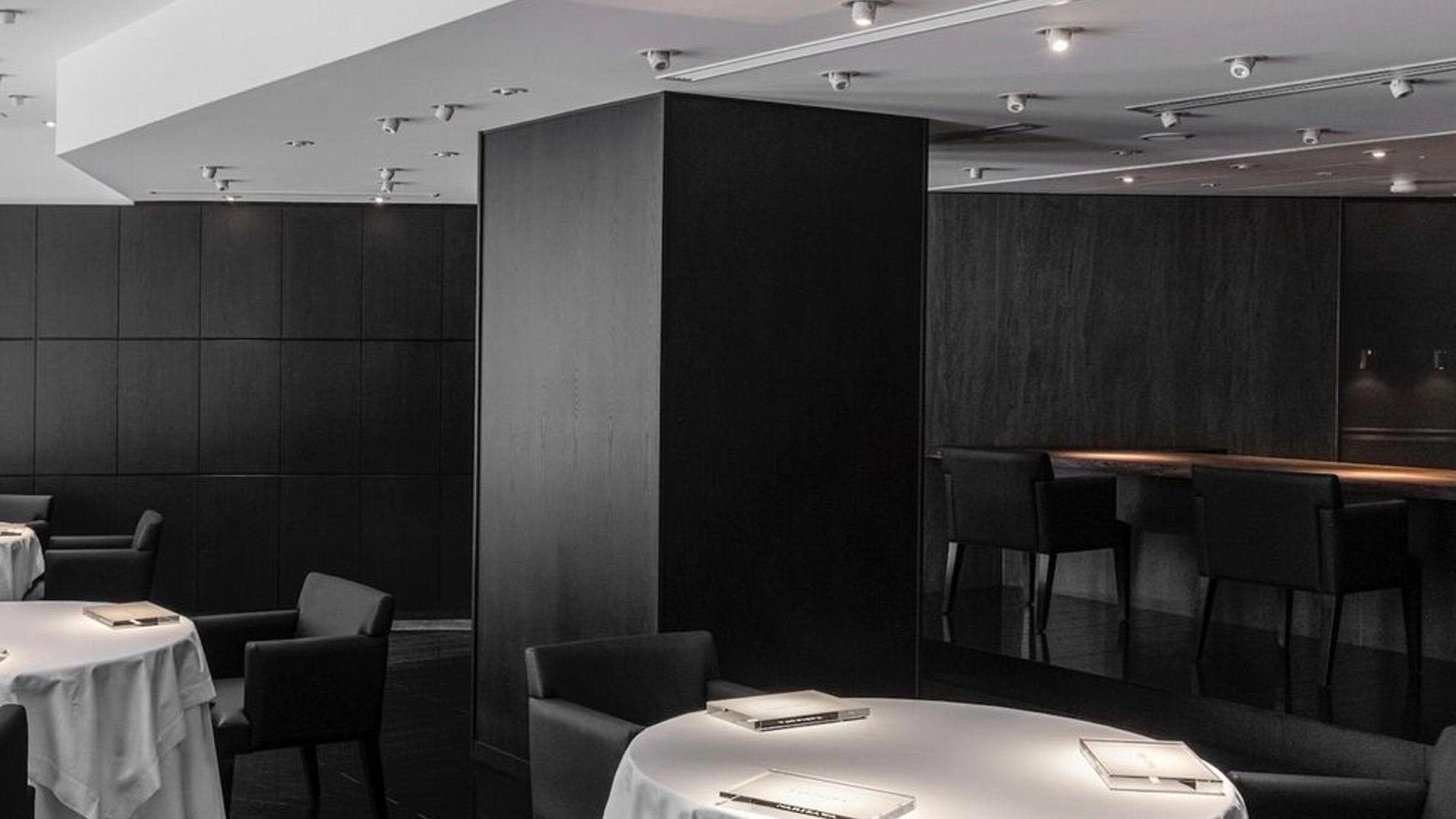
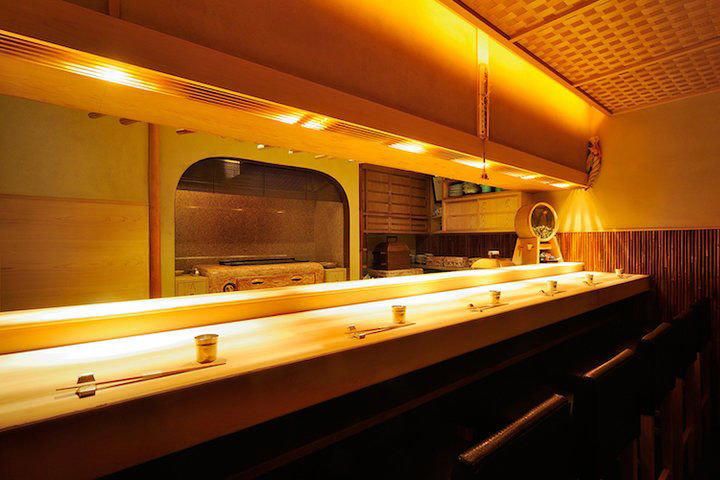
Casual but polished shabu-shabu and tonkatsu houses with modern interiors, bright lighting, and a bustling, energetic atmosphere suited to dates, friends, and family gatherings rather than quiet dining.