뜨락
뜨락 sits in Cheongdam-dong, one of Seoul's most considered dining districts, where the conversation around Korean cuisine has long moved past tradition-versus-modernity. The address places it alongside restaurants working at the intersection of indigenous ingredients and imported culinary method — a productive tension that defines much of contemporary Seoul dining at this tier.
Pearl is the En Primeur Club membership app — saves, bookings, and concierge access live there. Same editors, same standards.
- Address
- 강남구 영동대로142길 13-3, 청담동, 강남구, 서울특별시, 06075
- Directions
- Get directions
 Saves & bookings on Pearl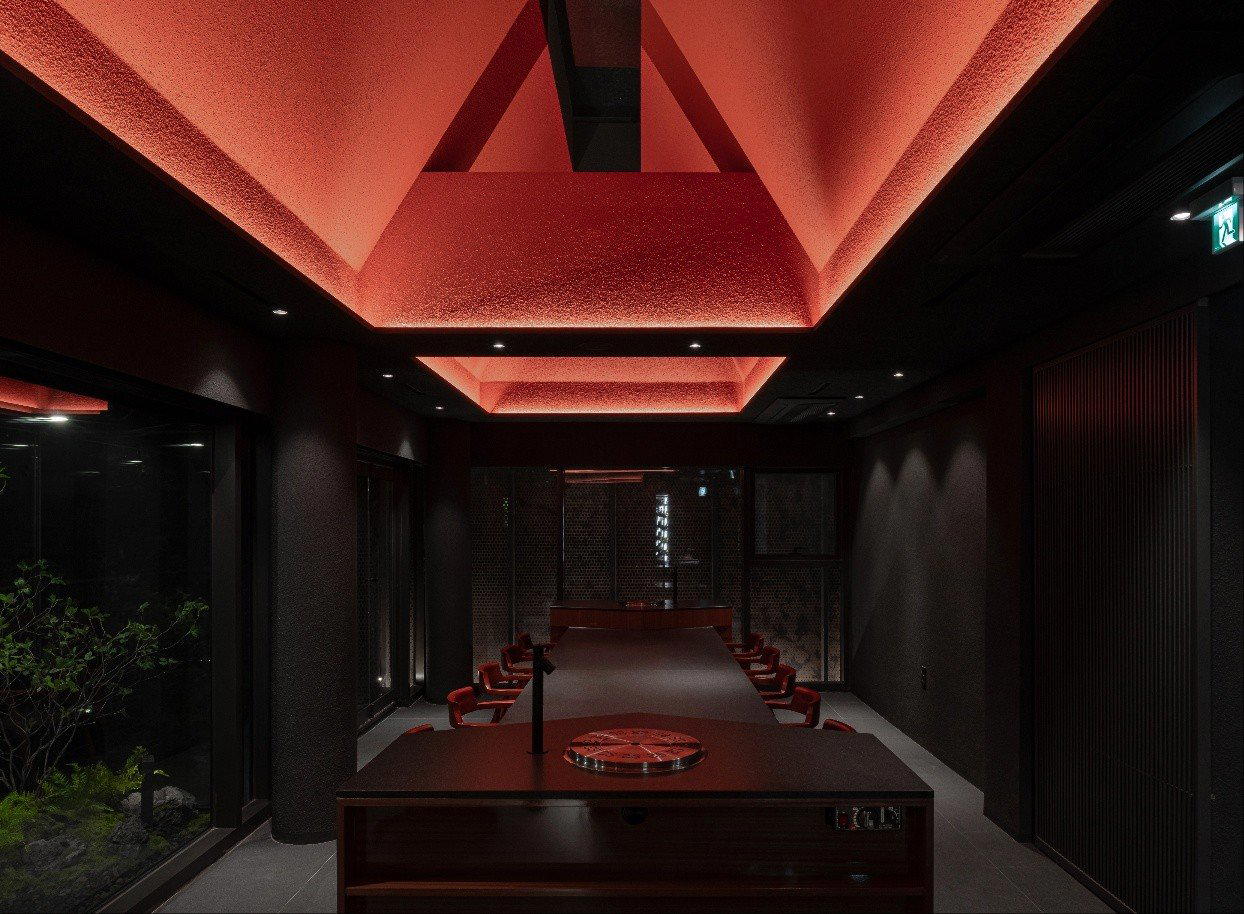
Cheongdam-dong and the Productive Tension of Korean Fine Dining
Cheongdam-dong does not announce itself the way Insadong or Bukchon do. There are no lanterns, no hanbok-rental shops, no tourist maps taped to telephone poles. What the neighbourhood offers instead is density: a concentration of restaurants, galleries, and concept stores operating at a register that assumes the visitor already knows what they are looking for. The address for 뜨락 — along Yeongdong-daero 142-gil in Gangnam-gu — drops you into that milieu, a pocket of the district where the built environment is quieter than the main commercial strips but the culinary ambition tends to run higher.
That physical restraint is not incidental. In Seoul's upper dining tier, the venues that have generated the most sustained critical attention over the past decade have largely moved away from theatrical interiors toward spaces where the room steps back and the plate is asked to do the talking. Mingles and Jungsik both operate on versions of this logic, a considered, pared-back environment that frames the food rather than competing with it. 뜨락's Cheongdam-dong location positions it within that same gravitational field, where the neighbourhood's ambient seriousness does part of the contextual work before a guest even sits down.
Where Technique Meets the Korean Pantry
The most generative argument in contemporary Korean fine dining is not whether Western technique belongs on Korean ingredients, that debate was effectively settled in the 2010s, but how fluently those techniques serve the products rather than overwriting them. Soigné and alla prima have both staked positions on this question, as has Kwonsooksoo from the opposite direction, foregrounding classical Korean form while absorbing selective international influence. The editorial angle that matters for 뜨락, given its Cheongdam-dong address and positioning in this district, is the same one shaping the category broadly: how does a kitchen use imported culinary grammar to make Korean ingredients more legible to a globally literate audience without diluting what makes those ingredients worth the attention?
Korea's pantry is not easily summarised. Fermentation sits at the structural centre, ganjang, doenjang, gochujang in their aged and regional variants, but so do fresh mountain vegetables (namul), coastal seafood from both coasts, and a beef culture that has its own geography, with Gobojeong Galbi in Suwon representing the galbi tradition and producers in South Gyeongsan supplying the Hanwoo that Seoul's leading kitchens increasingly specify by farm. The technique question, then, is really a sourcing question in disguise: what does a kitchen choose to work with, and what does its method say about how seriously it takes the provenance of those materials?
Restaurants working at this intersection, applying French sauce logic, Japanese knife discipline, or Scandinavian fermentation frameworks to Korean base ingredients, have produced Seoul's most discussed new openings for several consecutive years. Comparable addresses in the district, including venues in the ₩₩₩₩ bracket like Soigné and Zero Complex, are benchmarking against international fine dining standards while anchoring their identity in Korean product specificity. That dual accountability, to the Korean pantry and to global technique standards, is what separates this tier from both casual Korean dining and from fusion restaurants that treat origin as aesthetic rather than substance.
Cheongdam-dong in the Wider Seoul Dining Map
Seoul's restaurant geography has become meaningfully stratified. Itaewon retains its international density. Seongsu-gu attracts the newer wave of concept-driven openings. But Cheongdam-dong and the surrounding Gangnam-gu pocket remain where the serious omakase counters, the tasting-menu rooms, and the chef-driven Korean-contemporary venues have the most established footing. The infrastructure matters: proximity to the Dosan Park corridor, access to the clientele that sustains multi-course tasting menus as a regular habit rather than an occasion, and a landlord market that has historically accommodated the kind of buildout that fine dining interiors require.
For context on how this district's dining culture compares to other parts of Korea, the contrast is instructive. Busan's Mori and the Dining Room operate within a port city that brings its own ingredient logic, coastal and industrial in different registers. Jeju's Badang Lounge and 88돼지 draw on the island's black pork and haenyeo seafood traditions. Gyeongju's Gyeongju Wonjo Kongguk and Hwangnam Bread work within a heritage register entirely. Cheongdam-dong's dining identity is none of these things: it is metropolitan, internationally referenced, and oriented toward a clientele that has eaten at Le Bernardin and Atomix and returns to Seoul with calibrated expectations.
That guest profile shapes everything from plate format to pacing. Tasting menus in this district typically run eight to twelve courses, with fermented elements appearing as seasoning rather than as centrepiece, and wine pairings that now often include Korean natural wines alongside European selections. The guest who walks into a Cheongdam-dong dining room in 2024 is not being introduced to Korean cuisine; they are being offered a perspective on it.
For a broader survey of where Seoul's restaurant scene is directing its energy right now, our full Seoul restaurants guide maps the current landscape by neighbourhood and format. Elsewhere in the region, Black Pork BBQ in Seogwipo, Hinode in Seogwipo, and Doosoogobang in Suwon each illustrate how Korea's regional dining traditions maintain their own integrity outside the capital's fine-dining frame.
Know Before You Go
Know Before You Go
- Address: 강남구 영동대로142길 13-3, 청담동, 강남구, 서울특별시, 06075
- District: Cheongdam-dong, Gangnam-gu, Seoul
- Phone: Not publicly listed, check current booking channels directly
- Website: Not publicly listed at time of writing
- Hours: Confirm directly before visiting; hours not available in current records
- Price range: Not confirmed; comparable Cheongdam-dong venues in the contemporary Korean tier range from ₩₩₩ to ₩₩₩₩
- Booking: Approach via local reservation platforms (Catch Table, Naver Reservation) or direct contact
- Getting there: Cheongdam-dong is accessible from Apgujeong Rodeo station (Bundang Line) or Cheongdam station (7 Line); taxi from either is under ten minutes
Category Peers
Comparable venues nearby, for context on price, style, and recognition.
| Venue | Cuisine | Price | Notes |
|---|---|---|---|
| 뜨락This venue — the venue you are viewing | Premium Hanwoo Grill | $$$ | Not listed |
| 우정양곱창 | Korean Beef Intestines (Yang Gopchang) | $$$ | 논현동 |
| 우텐더 (Wootender) (우텐더) | Premium Korean Hanwoo BBQ | $$$ | Apgujeong |
| MOYEON Korean Beef Dining | Korean Beef Dining | $$$ | 노고산동 |
| Mongvely 2 Myeongdong Korean BBQ restaurant kbbq Beef All You Can Eat | All-You-Can-Eat Korean BBQ | $$ | Sajik-dong |
| Hongdae Restaurant GIT TTEUL | Korean Pork BBQ | $$ | 연남동 |
Continue exploring
More in Seoul
Restaurants in Seoul
Browse all →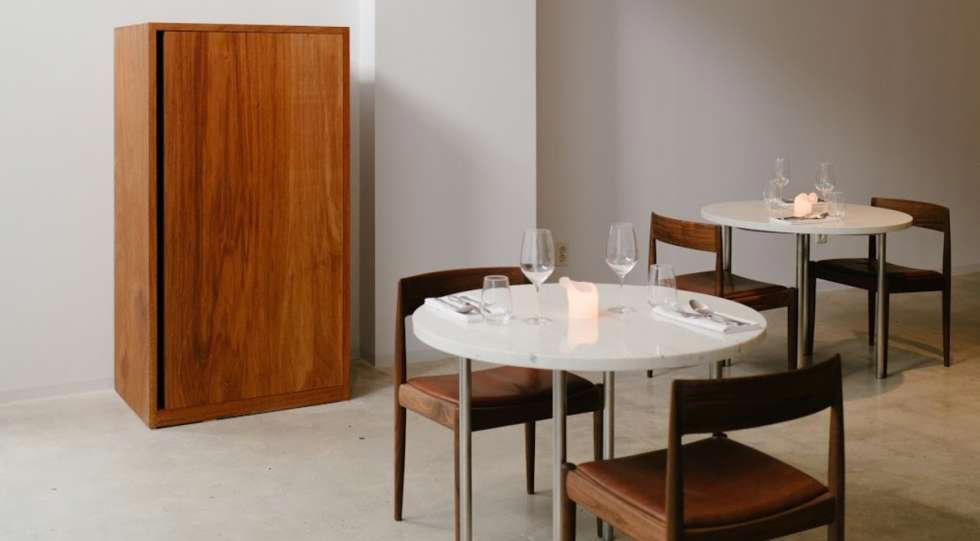
At a Glance
- Elegant
- Cozy
- Date Night
- Special Occasion
- Family
- Celebration
- Open Kitchen
- Terrace
- Private Dining
- Sake Program
- Garden
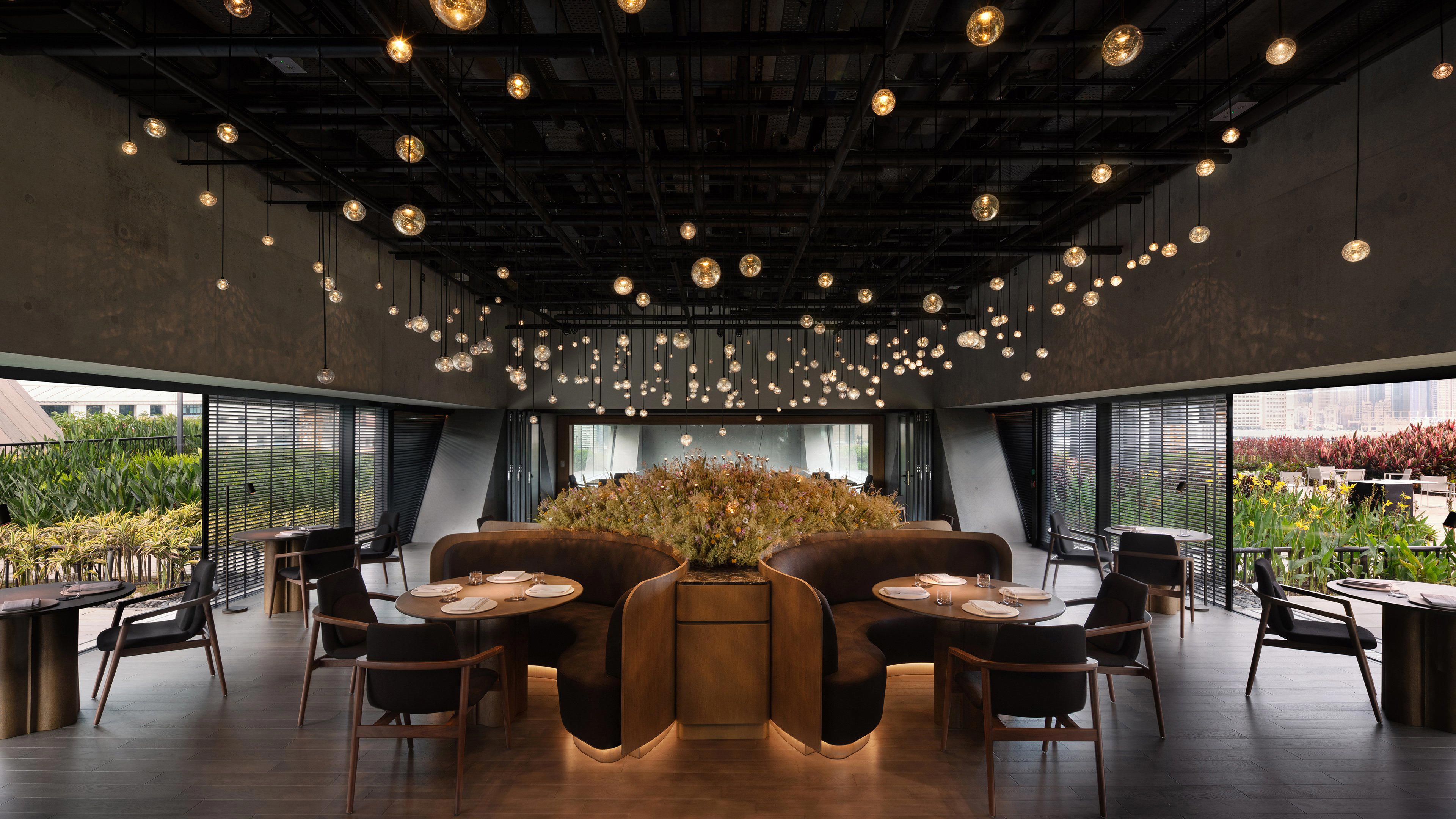
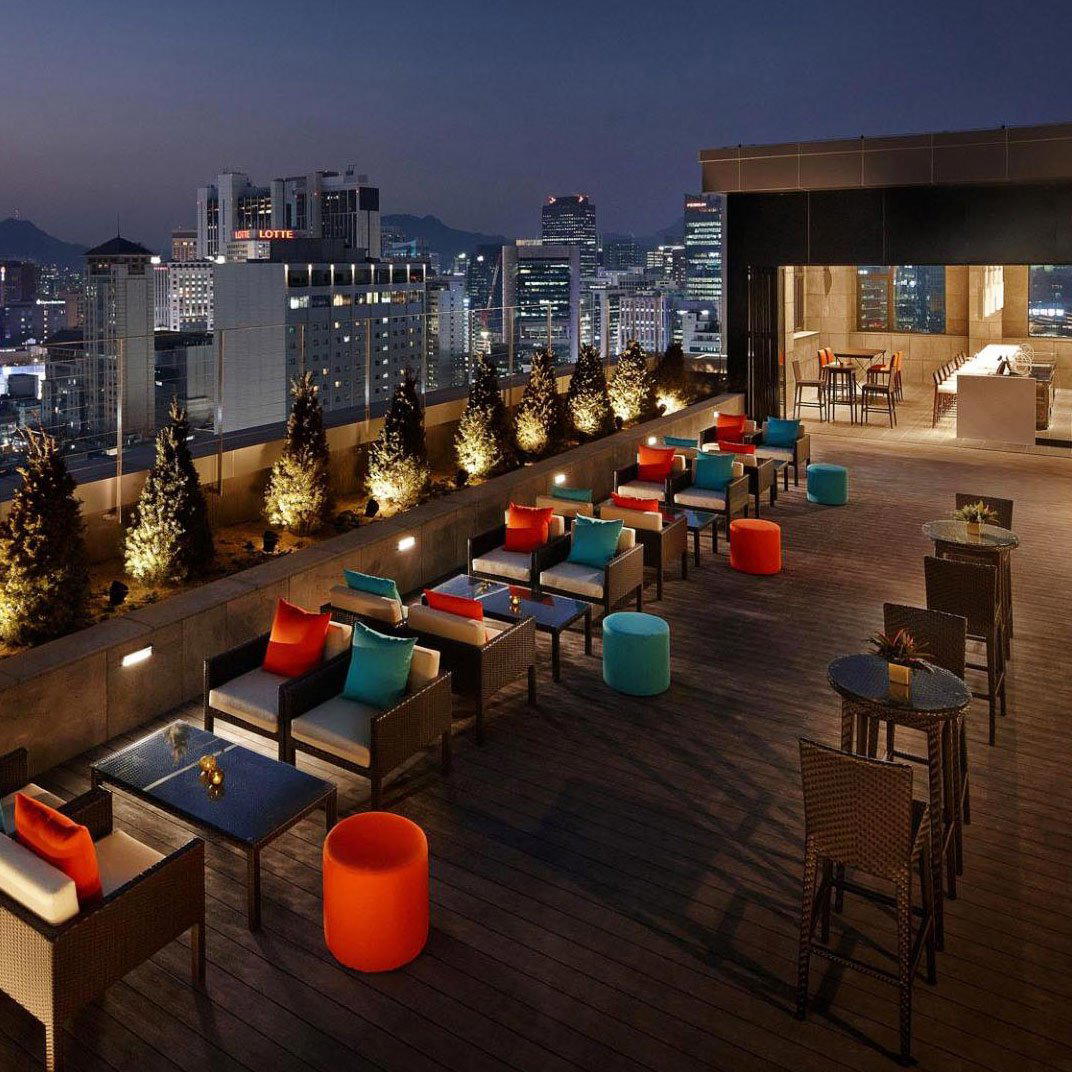
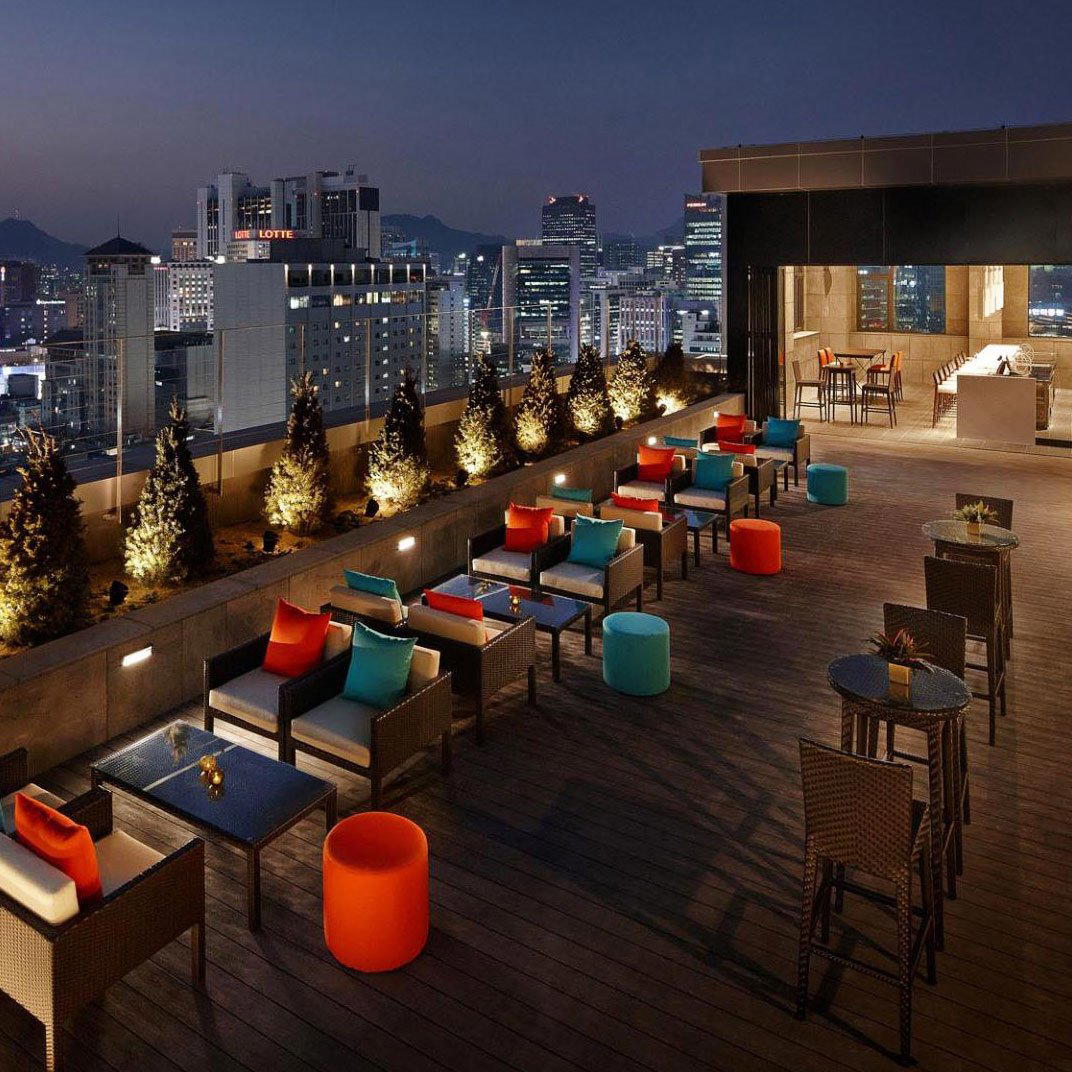
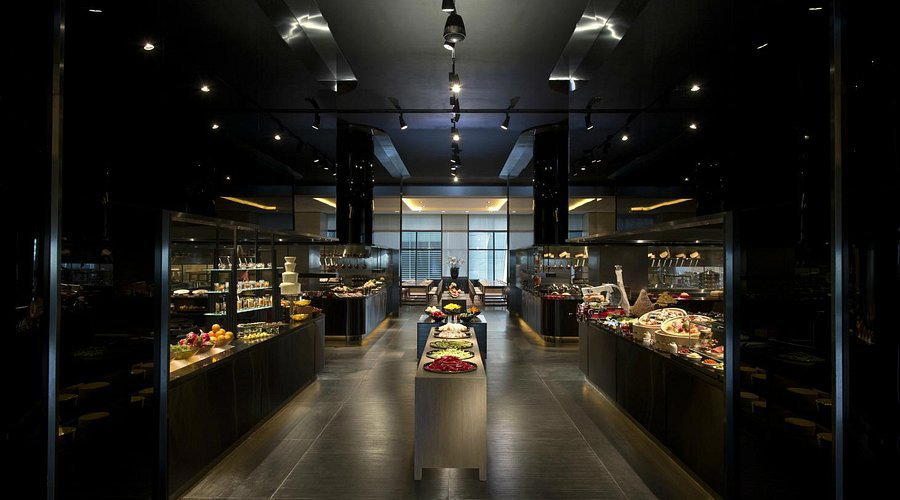
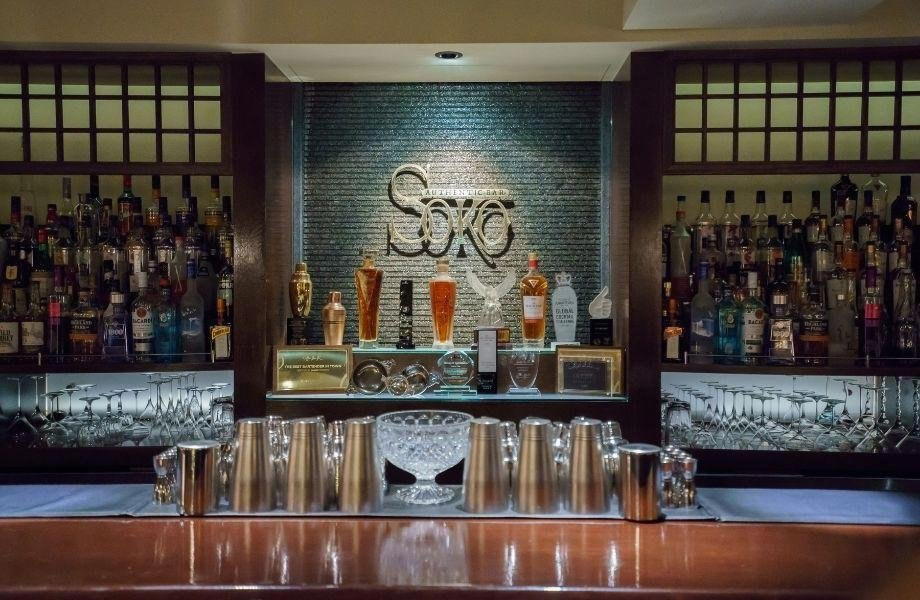
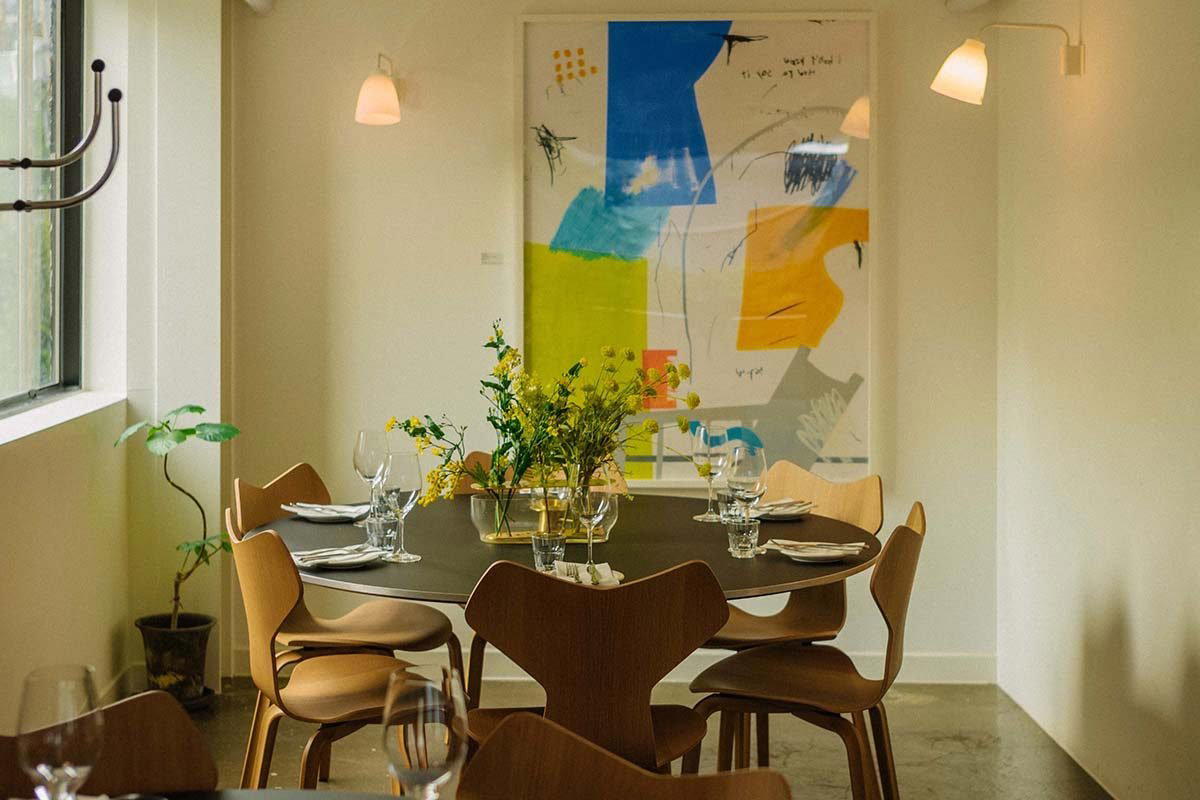
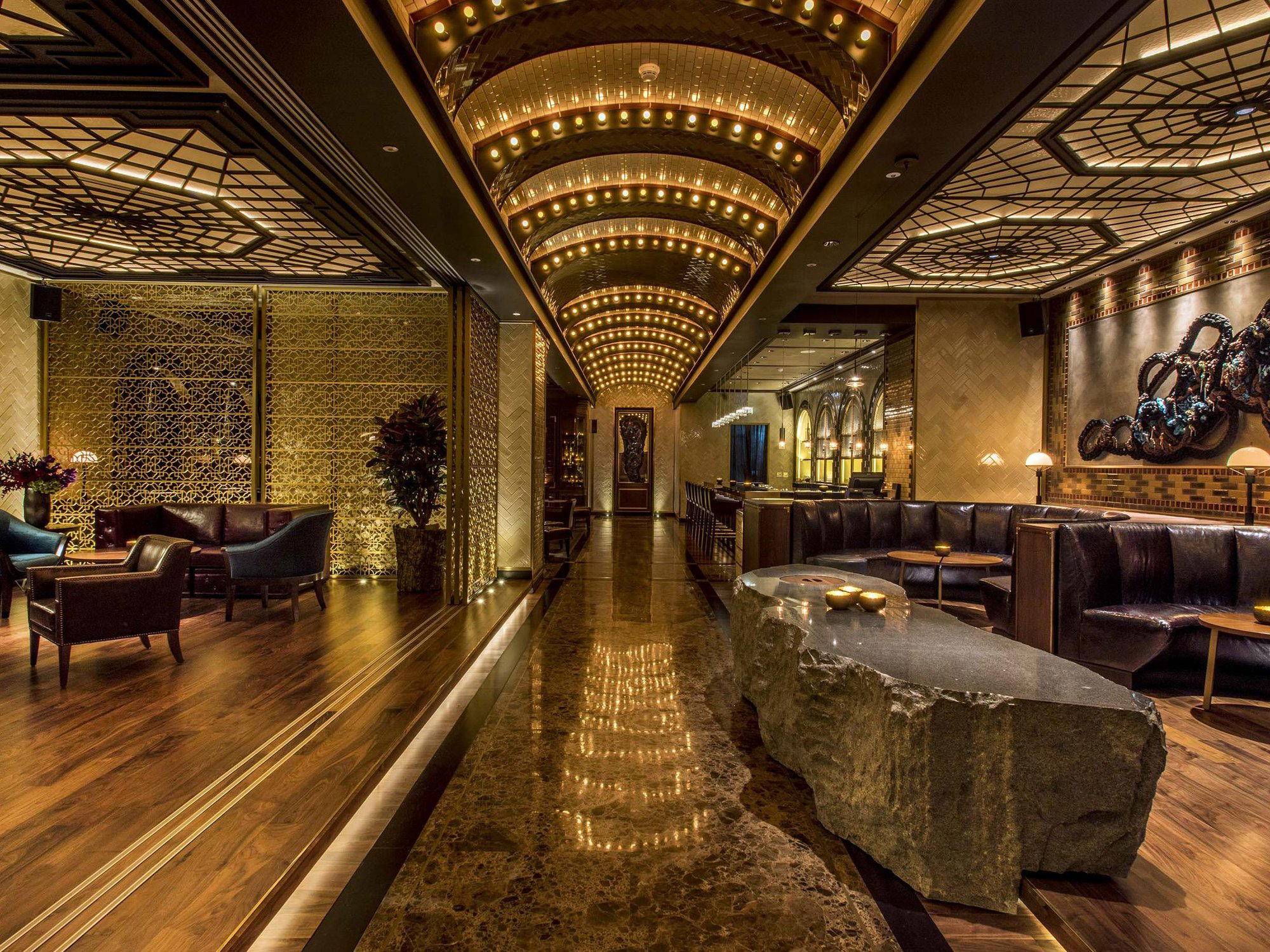
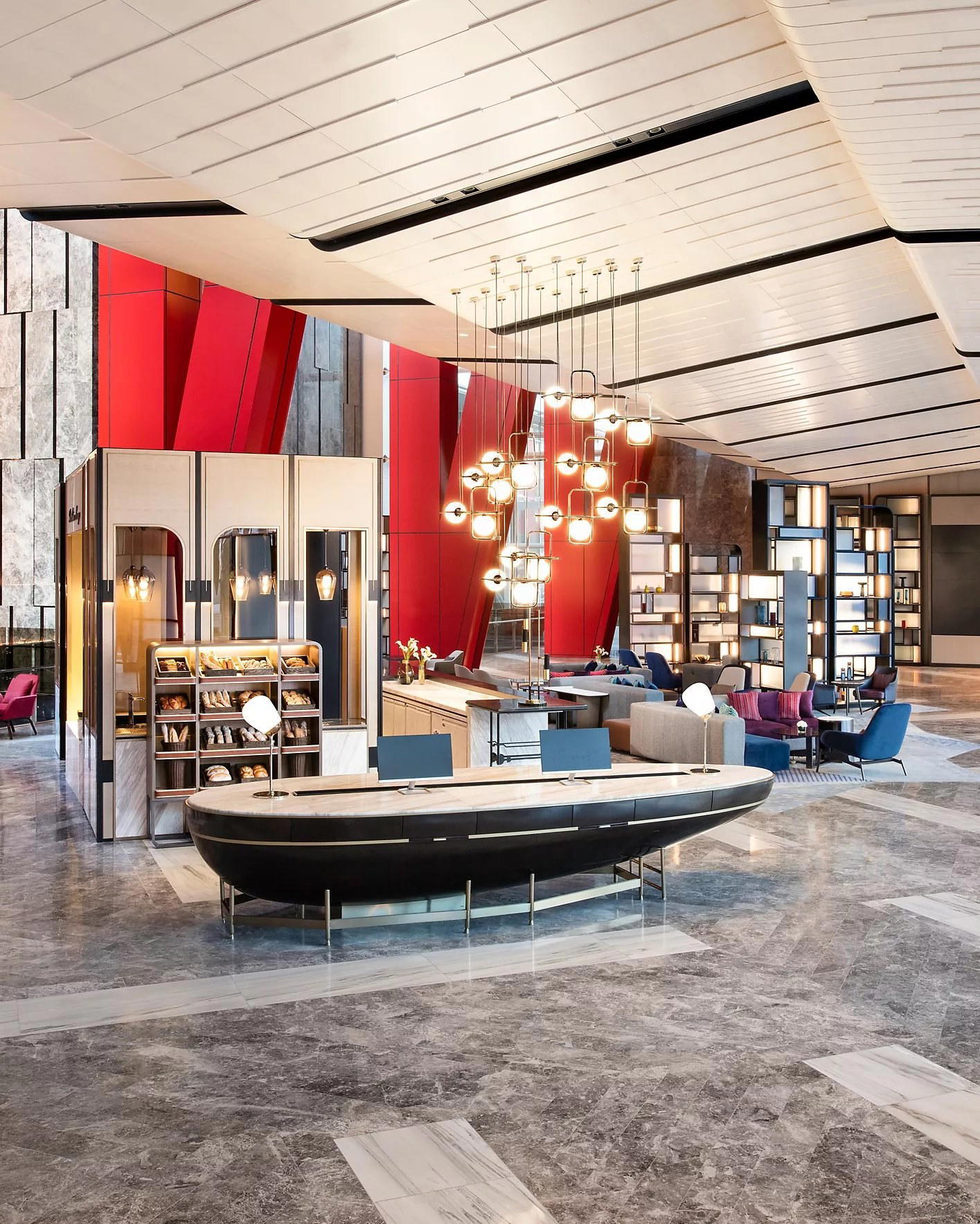
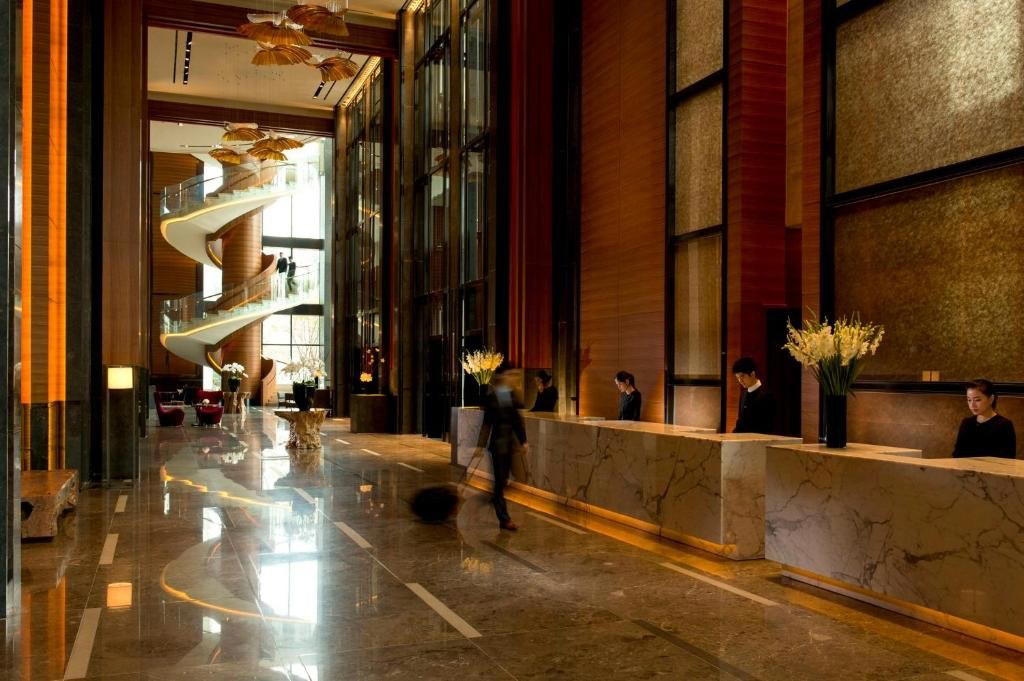
Refined and calm interior with private rooms, complemented by a charming garden terrace for outdoor dining.
Know Before You Go
- Getting there
- 강남구 영동대로142길 13-3, 청담동, 강남구, 서울특별시, 06075