
Tabelog 100 #1
Our verdict
Joe's Kitchen in Nagoya serves Traditional Chinese at a Marunouchi address in Japan, with a sake program and a casual, conversational setup for dinner.

Pearl is the En Primeur Club membership app, where members save venues, book tables and use the concierge.
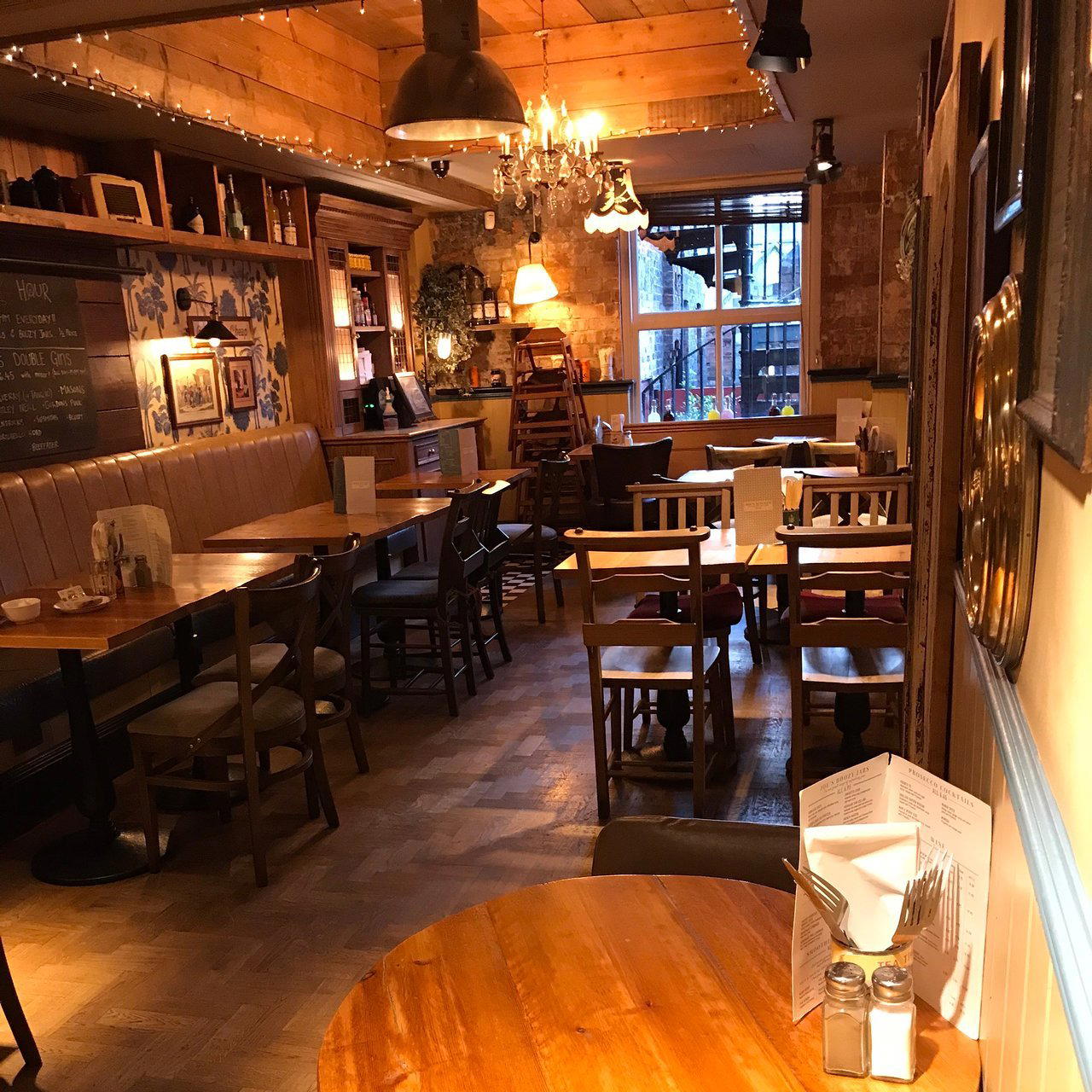
Marunouchi After Dark: The Ritual of Eating Simply in Nagoya
In the backstreets of Naka Ward, Nagoya's commercial core thins out into quieter residential corridors where the restaurants that survive do so on regulars, not tourists. The Marunouchi district has long operated this way: salaryman crowds at lunch, a slower, more deliberate rhythm in the evenings. It is in this context that a name like Joe's Kitchen carries weight precisely because it doesn't announce itself loudly. The address, a ground-floor space in a low-rise building at 3-chome in Marunouchi, is the kind of location that rewards people who are already paying attention to a neighbourhood rather than following a list.
Nagoya occupies a particular position in Japan's dining conversation. It sits between Tokyo's density of Michelin recognition and Osaka's street-level abundance, and it has developed a regional food culture that insists on its own terms: miso-braised dishes, kishimen noodles, tebasaki chicken wings, and a general preference for flavours with weight and backbone. The city's mid-tier restaurant scene, particularly around Sakae and Marunouchi, tends toward loyalty over novelty. Diners here return to the same counter or the same table because the ritual of the meal, not its spectacle, is the point.
The Dining Rhythm That Defines This Corner of the City
Across Japan's regional cities, the most durable neighbourhood restaurants share a common structural quality: they organise the meal around a pace the kitchen controls, not a pace the diner imposes. This is distinct from the high-formality omakase tradition, where the chef's authority is explicit and theatrical. In quieter mid-city venues like those that populate Marunouchi, the same principle applies more quietly. Food arrives when it's ready. Conversation fills the gaps. The environment discourages rushing because nothing in it signals that rushing is an option.
Joe's Kitchen sits within that pattern. Venues that operate without heavy booking infrastructure in Japan tend to draw neighbourhood regulars who already know what they're ordering.
That dynamic sits at the heart of how dining rituals function in Japan's secondary cities. Nagoya's restaurant culture has never placed the same premium on discoverability as Tokyo's. Compare the approach at counter-led restaurants elsewhere in the Chubu region, where guests often arrive knowing the house rhythm before they sit down, and the contrast with Tokyo's information-saturated dining culture becomes clear. For comparison, a venue like Harutaka in Tokyo operates within a tier where press coverage and booking competition define the guest experience before the meal begins. In Marunouchi, the ritual starts more quietly.
Nagoya in the Wider Context of Japan's Regional Dining
Japan's regional dining tier has attracted serious critical attention in recent years, partly because the concentration of Michelin recognition in Tokyo and Kyoto has pushed writers to look elsewhere. Gion Sasaki in Kyoto and HAJIME in Osaka represent the upper bracket of that regional recognition, where awards serve as the primary trust signal. Further afield, Goh in Fukuoka and akordu in Nara have drawn attention to cities that were previously treated as secondary stops on a Kyoto-Tokyo axis.
Nagoya has not broken through in the same way at the top tier, but its mid-level restaurant culture is coherent and deeply localised. The city's well-documented preference for miso katsu, hitsumabushi eel over rice, and thick-cut udon reflects a regional palate that has not adjusted itself to appeal outward. Restaurants like Atsuta Horaiken, one of the city's most documented institutions, demonstrate how Nagoya's dining culture rewards specialisation and longevity over breadth. The broader Nagoya restaurant scene, detailed in our full Nagoya restaurants guide, reflects that same orientation.
Joe's Kitchen occupies a less documented position in that scene. Its Marunouchi location connects it to a district that functions more as a working neighbourhood than a dining destination, which typically means lower tourist footfall and higher repeat-visitor concentration. Whether the kitchen aligns with Nagoya's regional food identity or operates as something more hybrid is not confirmed.
Peer Context: Where Joe's Kitchen Sits in Nagoya's Mid-Range Scene
Nagoya's mid-range restaurant tier includes venues with distinct cuisine identities. Bacio and cucina Wada represent the Italian thread in Nagoya's dining fabric, while Cucina Italiana Gallura occupies an unusual position as a venue that crosses sushi and Italian formats. Chez Kobe anchors the French-influenced side of the mid-market. These venues cluster around similar price positions and share the characteristic of operating without significant international press attention, drawing instead on Nagoya's loyal local dining base.
What can be observed is that the Marunouchi location places it in proximity to a professional lunch crowd during the day and a neighbourhood dinner trade in the evenings, a dual rhythm common to this part of Naka Ward.
For reference points further afield, Le Bernardin in New York City and Atomix in New York City represent the kind of award-dense, high-documentation tier that Nagoya's mid-market operates entirely outside. The comparison is useful because it frames what Joe's Kitchen is not: it is not operating in an information-rich environment where booking systems, press coverage, and awards data define the guest relationship before arrival. Venues in other Japanese cities, from Nanao to Sapporo and Takashima, operate with similarly low digital profiles and similarly high repeat-visitor rates. Nishikawa Machi and Birdland in Sakai follow the same pattern of local embeddedness over outward-facing promotion.
Planning a Visit
Joe's Kitchen is located at 3-9-19 Marunouchi, Naka Ward, Nagoya, on the first floor of the Shoki Building. Visitors planning to go should account for the possibility of walk-in only access, and should arrive with the flexibility that comes with treating the meal as a neighbourhood experience rather than a confirmed reservation. Marunouchi sits within easy walking distance of Nagoya's central subway network, with Marunouchi Station on the Tsurumai and Sakura-dori lines providing the most direct access. Evening visits during the working week tend to reflect the district's professional character most clearly.
Frequently asked questions
Where exactly is Joe's Kitchen?
Joe's Kitchen is located at Japan, 〒460-0002 Aichi, Nagoya, Naka Ward, Marunouchi, 3 Chome−9−19 正起ビル 1F, Nagoya.
Is Joe's Kitchen a good option for dinner in central Nagoya?
Joe's Kitchen is located on the first floor of the Shoki Building at 3-9-19 Marunouchi, placing it within Naka Ward, Nagoya's commercial core. That address puts it close to the business district's quieter residential edges, where neighbourhood restaurants in Japan tend to draw a consistent local crowd rather than passing foot traffic. No hours are currently confirmed, so timing a visit in advance is advisable.
What dish is Joe's Kitchen famous for?
No specific signature dish is currently documented for Joe's Kitchen. The restaurant sits in Nagoya's Marunouchi district, where neighbourhood venues of this type tend to build their following on a short, consistent menu rather than a single headline item. Visiting and asking the staff directly is the most reliable way to find out what regulars order.
Can I walk in to Joe's Kitchen?
No phone number or website is currently listed for Joe's Kitchen at 3-9-19 Marunouchi, Naka Ward, making advance reservations difficult to confirm remotely. Showing up at the Shoki Building first floor during service hours is the most practical approach. Smaller neighbourhood restaurants in Nagoya's commercial backstreets often accommodate walk-ins during off-peak periods.
What's the standout thing about Joe's Kitchen?
Joe's Kitchen occupies a specific slot in Nagoya's Naka Ward dining scene: a ground-floor neighbourhood restaurant in the Shoki Building on Marunouchi, positioned away from the city's main tourist corridors. In a city where serious regional dining has drawn growing critical attention as Michelin concentration shifts beyond Tokyo, that kind of durable local presence carries its own authority.
What if I have allergies at Joe's Kitchen?
No menu or cuisine type is currently documented for Joe's Kitchen, which makes it impossible to assess allergen exposure in advance. Given the absence of a listed phone number or website, the most direct option is to visit the Shoki Building location on Marunouchi and speak with staff in person before being seated.
Where It Fits
Comparable venues nearby, for context on price, style, and recognition.
| Venue | Cuisine | Price | Awards | Notes |
|---|---|---|---|---|
| Joe's KitchenThis venue (the venue you are viewing) | Traditional Chinese | Not listed | Tabelog 100 #1 | Not listed |
| Nanohana | Cozy Neighborhood Chinese | $20–30 | Tabelog 100 #47 | Chikusa |
| Manchin Ken | Nagoya egg-drop ramen & Chinese | $10–20 | Tabelog 100 #50 | Nakamura |
| Koran | Seasonal Chinese Counter Dining | $100–150 | Tabelog 100 #48 | Naka |
| Yaba Misen | Spicy Taiwan Ramen & Taiwanese-Chinese | $20–30 | Tabelog 100 #96 | Naka |
| Le Chinois SANO Nagoya | Nouvelle Chinese (Modern Cantonese) | Not listed | Tabelog 100 #95 | Naka |
Recognition history
Dated appearances from independent guides and award organizations, with the underlying list record or original source where available.
Tabelog 100 #1 · No. 1
Tabelog · Tabelog 100 - Chinese cuisine - EAST - 2026
Continue exploring
More in Nagoya
Details
- Cozy
- Intimate
- Date Night
- Casual Hangout
- Sake Program
- A La Carte
Current opening hours
- Monday
- 6–9:30 PM
- Tuesday
- 6–9:30 PM
- Wednesday
- 6–9:30 PM
- Thursday
- 6–9:30 PM
- Friday
- 6–9:30 PM
- Saturday
- 6–9 PM
- Sunday
- Closed
Hours can change for holidays and private events. Hours as of .
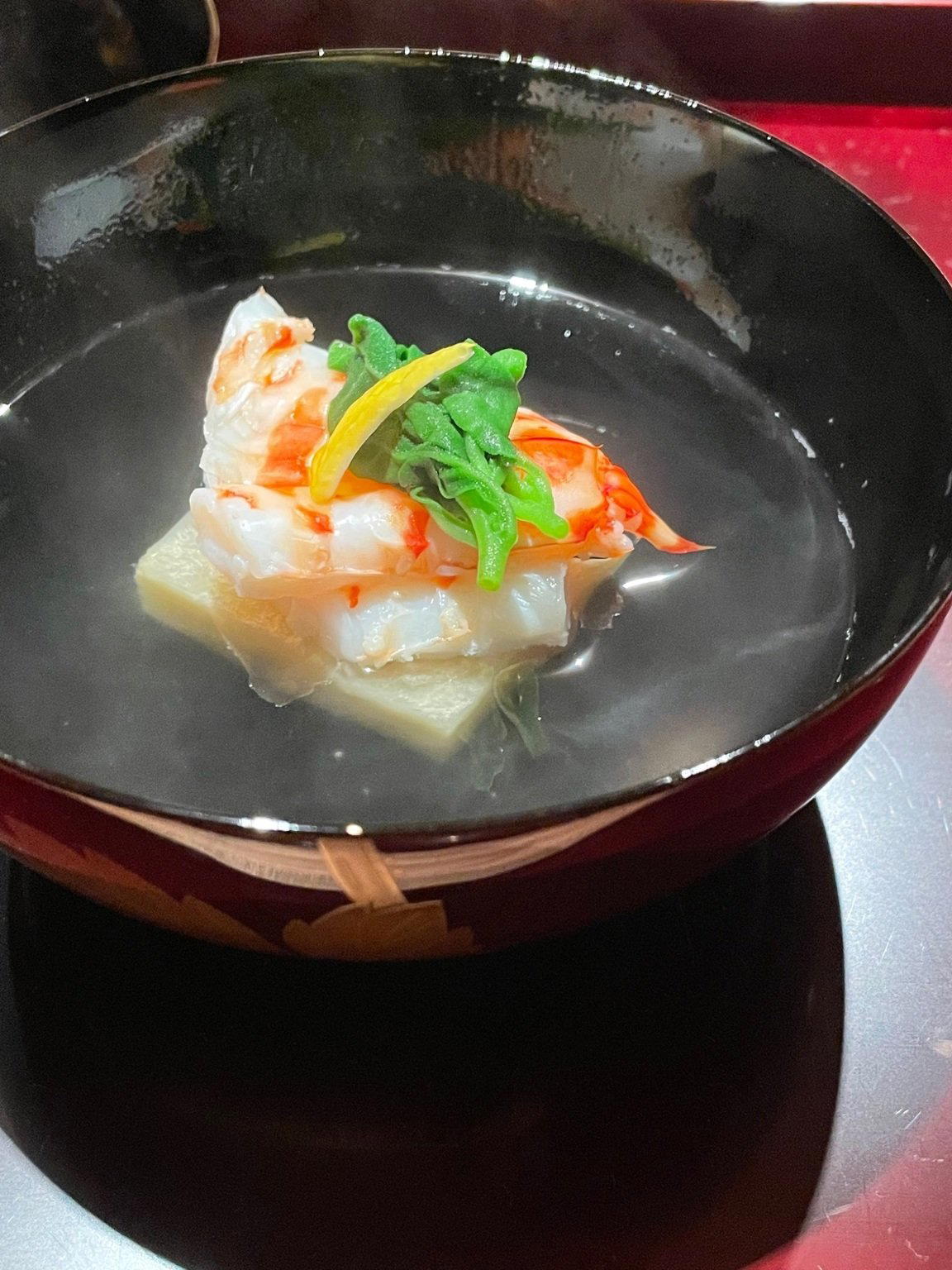
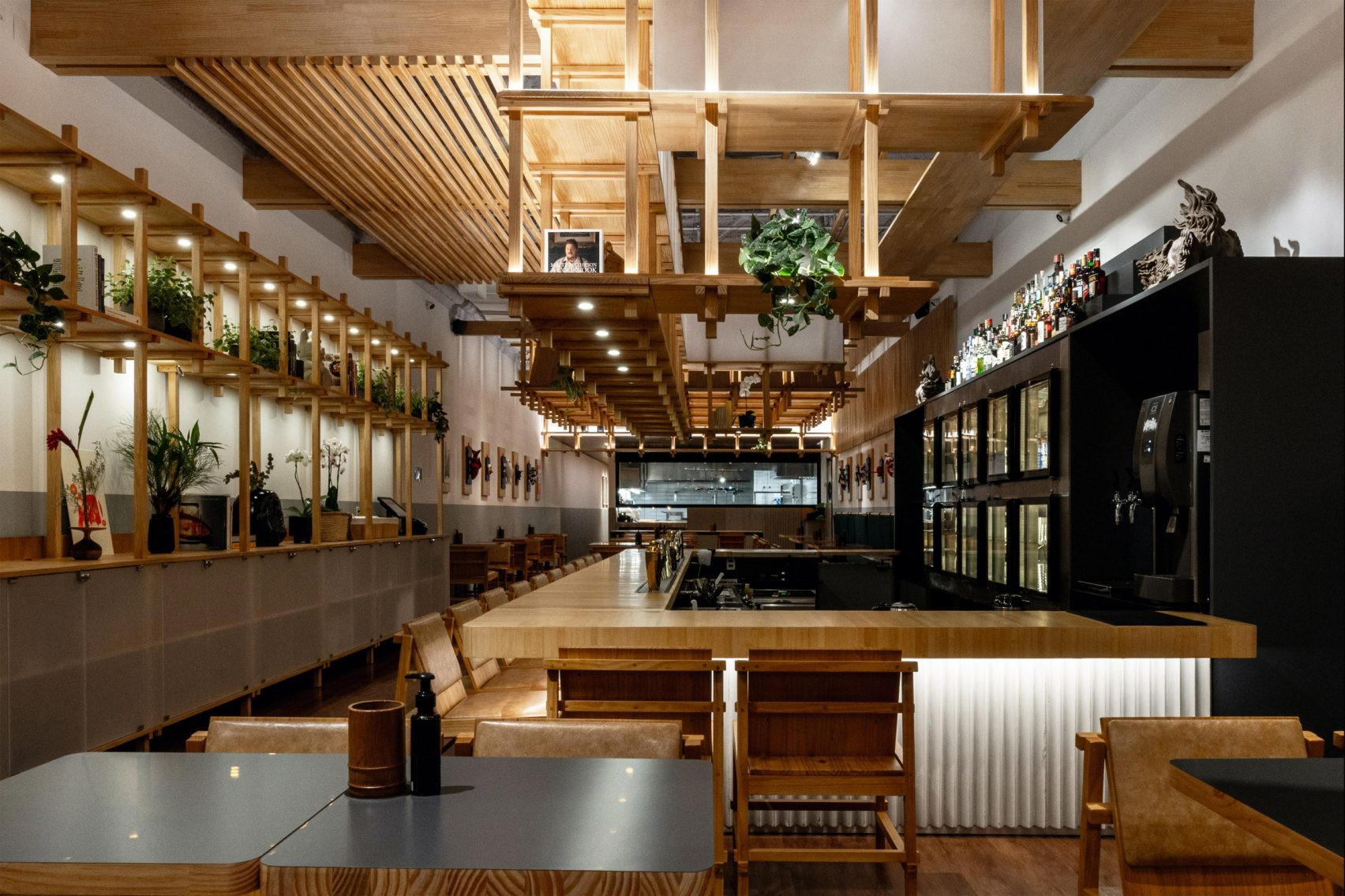
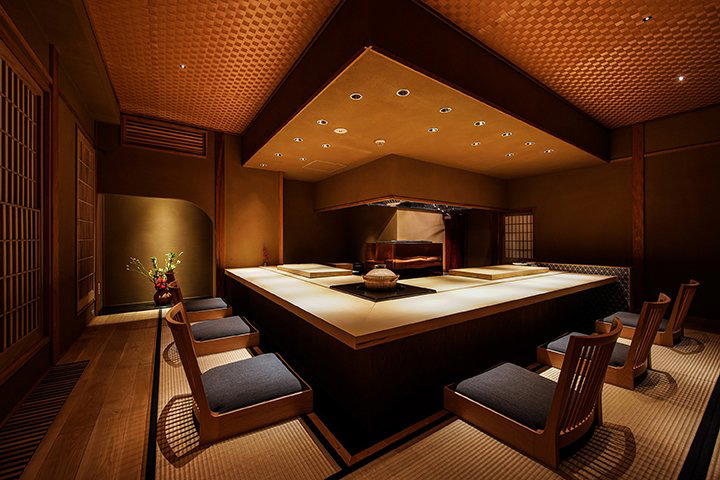
Warm and inviting with a cozy, hideout-like atmosphere.