

In Minami Aoyama, Chef Yoshinaga Jinbo applies French and Italian technique to Japanese farm produce, holding a Michelin Plate in both 2024 and 2025. His sourcing extends across Japan's agricultural regions, with Ibaraki produce given particular prominence. The result is a mid-range Italian-inflected counter where vegetables occupy the centre of the plate rather than the margin, rated 4.8 on Google across 44 reviews.
Pearl is the En Primeur Club membership app — saves, bookings, and concierge access live there. Same editors, same standards.
- Address
- Japan, 〒107-0062 Tokyo, Minato City, Minamiaoyama, 4 Chome−11−13 サンライトヒル青山
- Phone
- +81 3-6804-5955
- Website
- jinbo-ma.jp
- Directions
- Get directions
 Saves & bookings on Pearl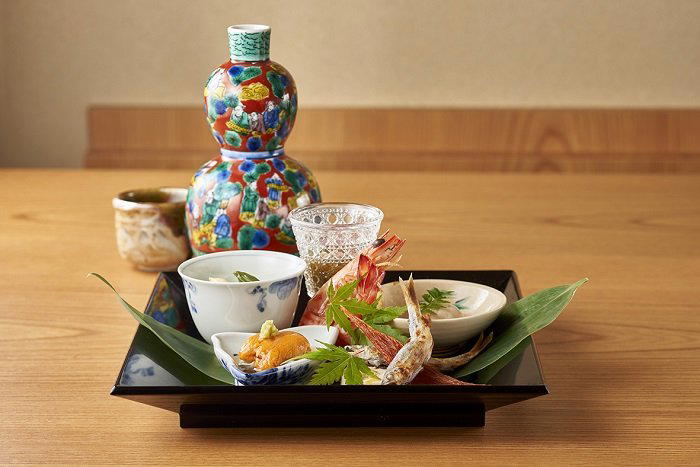
Where Italian Structure Meets Japanese Field
Minami Aoyama has quietly become one of Tokyo's more interesting testing grounds for European cuisine reimagined through Japanese agricultural logic. The neighbourhood sits south of Omotesando, a district better known for its fashion houses and gallery-fronted side streets than for destination dining, which means restaurants here tend to earn their clientele on merit rather than foot traffic. The Italian restaurants in this tier of Tokyo occupy a specific category: not the grand-occasion dining rooms of Marunouchi, not the casual trattorias of Nakameguro, but mid-range counters and small dining rooms where the food carries clear technical lineage from Europe while the ingredients come emphatically from Japan. Aroma Fresca and Principio both operate in a similar register, placing Japanese produce inside Italian structural frameworks.
The Aperitivo Moment in a Japanese Context
Italian aperitivo culture has never translated cleanly into Tokyo dining. The northern Italian ritual of pre-dinner drinks accompanied by small, vegetable-forward plates assumes a pace and sociality that sits awkwardly against Tokyo's more structured reservation culture. What some kitchens here have done instead is absorb the spirit of aperitivo into the early courses of a set menu: light, acidic preparations that read as amuse or antipasto but carry the sensibility of something designed to open the palate and set a seasonal register. At JINBO, that early-course logic draws heavily on the bagna càuda tradition, a Piedmontese preparation built around warm anchovy and garlic dip served with raw and cooked vegetables. In the chef's hands, the dish becomes a direct expression of whatever is arriving from farms that season, a format that rewards visiting across different months rather than treating any single visit as definitive.
The broader Italian aperitivo tradition prizes vegetables not as accompaniment but as primary material, which aligns with how this kitchen approaches sourcing. Vegetables appear throughout the menu with the same intentionality that a Piedmontese or Venetian kitchen might apply to its cured meats or seafood. This is a different proposition from most of Tokyo's Italian scene, where protein tends to anchor the tasting progression and greens function as garnish or intermezzo. For a city that produces some of the world's most carefully cultivated produce, it is a positioning that makes agricultural sense.
Farm Sourcing as the Menu's Architecture
Chef Yoshinaga Jinbo holds the designation of Ibaraki Food Ambassador, a role that signals an active working relationship with producers in that prefecture rather than a marketing alignment. Ibaraki, roughly 60 to 100 kilometres northeast of Tokyo depending on the specific town, runs a significant share of the Kanto region's vegetable and dairy production, and its farms supply a number of Tokyo's ingredient-focused restaurants. The ambassador designation here implies a degree of direct sourcing access that affects what arrives on the plate and when. His travels to farms across Japan add a broader sourcing map beyond Ibaraki, meaning the menu's raw material shifts with geography and season rather than following a fixed supplier list.
For the diner, this translates into a kitchen where the seasonal calendar is genuinely operational, not decorative. Tokyo's Italian restaurants vary considerably on this point. Some maintain menus that shift quarterly with ingredient substitutions; others operate with a fixed tasting structure that absorbs whatever is current at the margins. A kitchen built around direct farm relationships tends to move faster and with more granularity, which is why early autumn or the peak of winter brassica season often produces one coherent menus at this type of restaurant. Timing a visit to align with a specific regional harvest is a meaningful consideration. For context on how farm-sourcing logic plays out across Japan's Italian scene, cenci in Kyoto offers a useful regional comparison.
Placing JINBO in Tokyo's Italian Tier
Tokyo's Italian dining scene segments into distinct tiers more clearly than most cities. At the leading, three-Michelin-star operations like Aroma Fresca set the technical benchmark, while high-concept crossover formats such as Gucci Osteria da Massimo Bottura Tokyo operate in a different register entirely, where cultural cachet and brand alignment shape as much of the experience as the cooking does. Below that, a middle tier of Michelin-recognised restaurants at ¥¥¥ price points serves a local professional clientele that returns regularly rather than treating the meal as a special occasion. JINBO sits in this second category alongside operations like AlCeppo and PRISMA.
9 across 47 reviews is a small sample but a consistent one, suggesting a tight, loyal clientele rather than a high-volume operation drawing broad tourist traffic. This is the profile of a restaurant where regulars eat frequently and know the menu's seasonal progression, which in turn makes the aperitivo-style opening courses function as a seasonal check-in rather than a fixed introduction. Across Asia, 8 1/2 Otto e Mezzo Bombana in Hong Kong represents the higher-end bracket of Italian cooking in the region; JINBO operates with far less ceremony and at a lower price point, but the underlying commitment to produce sourcing shares some structural logic.
Italian in Japan: The Broader Pattern
Italy and Japan have maintained one of the more durable culinary cross-pollinations of the past four decades. Japanese chefs trained in Italian kitchens and returned to apply European structure to domestic ingredients at a moment when Japanese agriculture was producing increasingly specialised produce. The resulting cuisine often sits closer to Italian regionalism than to generic Mediterranean cooking: specific preparation traditions (bagna càuda, pasta fresca, risotto) applied to ingredients that happen to come from Ibaraki or Hokkaido rather than Piedmont or Lombardy. For readers exploring this pattern across Japan, HAJIME in Osaka, Gion Sasaki in Kyoto, akordu in Nara, Goh in Fukuoka, 1000 in Yokohama, and 6 in Okinawa each represent different regional approaches to European technique and Japanese ingredients.
Planning Your Visit
JINBO MINAMI AOYAMA is located at 4 Chome-11-13 Minamiaoyama, Minato City, Tokyo, in the Sunlight Hill Aoyama building. The ¥¥¥ price positioning sits in the middle band of Tokyo Italian dining. the restaurant draws a repeat local clientele, and advance reservation is advisable. Reservations are essential, and the dress code is smart casual. The restaurant is open Tuesday through Saturday for lunch and dinner, and closed Monday and Sunday.
Quick reference: Minami Aoyama, Minato City, Tokyo | Italian | ¥¥¥ | Michelin Plate 2024 and 2025 | Google 4.8 (44 reviews)
Same-City Peers
Comparable venues nearby, for context on price, style, and recognition.
| Venue | Cuisine | Price | Notes |
|---|---|---|---|
| JINBO MINAMI AOYAMAThis venue — the venue you are viewing | Modern Italian with Japanese Seasonal Ingredients | $$$$ | Not listed |
| sio AOYAMA | Modern Italian with Japanese influences | $$$$ | Minato |
| farsi largo! | Italian Seafood Cuisine | $$$$ | Chūō |
| DepTH brianza | Innovative Italian with Japanese Ingredients | $$$$ | Minato |
| malca | Modern Italian with Japanese Seasonal Ingredients | $$$ | Minato |
| Filemone | Seasonal Italian with Japanese influences | $$$ | Minato |
Recognition history
Dated appearances from independent guides and award organizations, with the underlying list record or original source where available.
Michelin Plate
Michelin
Michelin Plate
Michelin
We're Smart World 3 Radishes
We're Smart World
Michelin Plate
Michelin











At a Glance
- Elegant
- Sophisticated
- Modern
- Intimate
- Date Night
- Special Occasion
- Business Dinner
- Private Dining
- Chefs Counter
- Extensive Wine List
- Sake Program
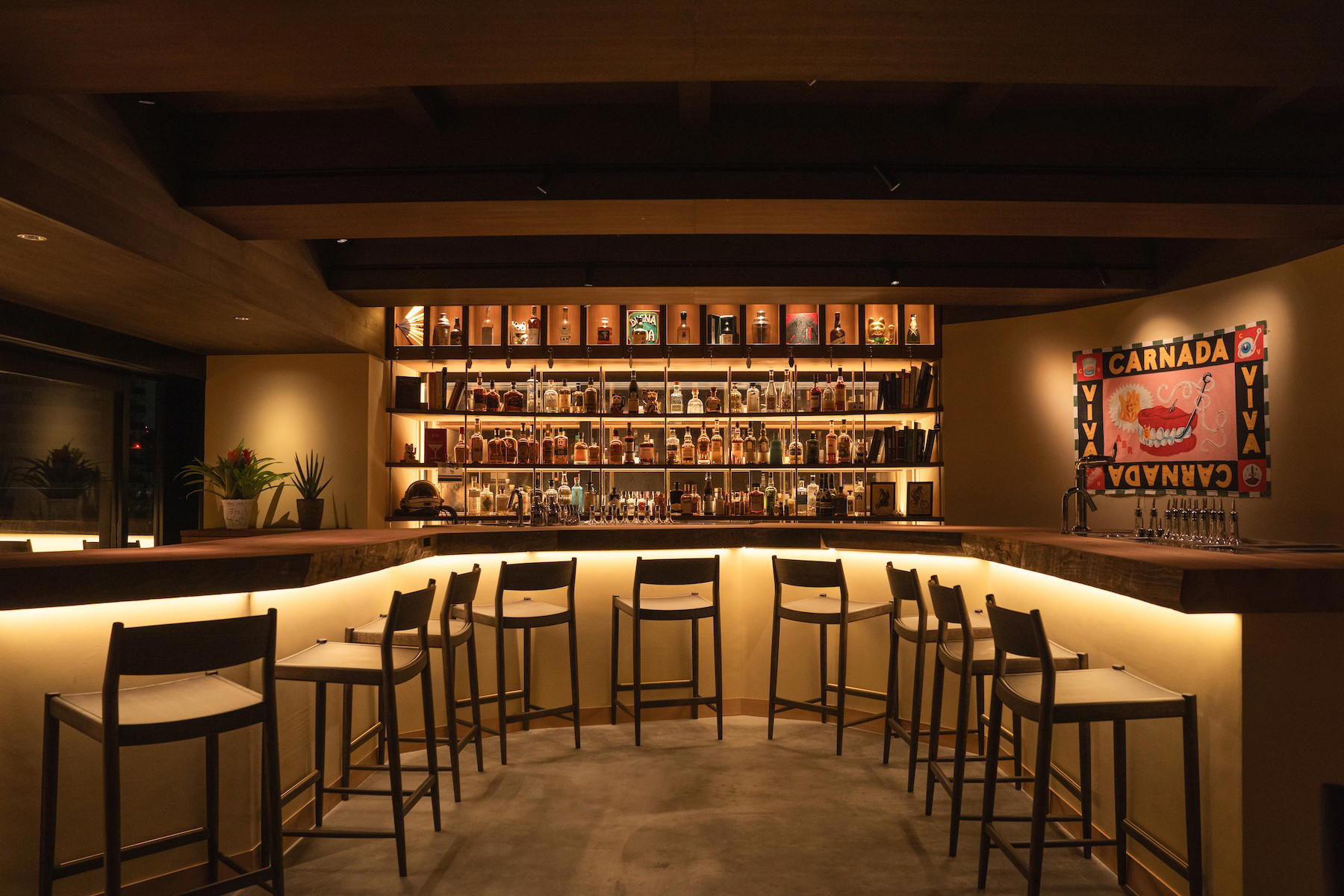
- Craft Cocktails
- Local Sourcing
Current opening hours
- Monday
- Closed
- Tuesday
- 11:30 AM–3 PM, 5:30–10 PM
- Wednesday
- 11:30 AM–3 PM, 5:30–10 PM
- Thursday
- 11:30 AM–3 PM, 5:30–10 PM
- Friday
- 11:30 AM–3 PM, 5:30–10 PM
- Saturday
- 11:30 AM–3 PM, 5:30–10 PM
- Sunday
- Closed
Hours can change for holidays and private events. Last verified .
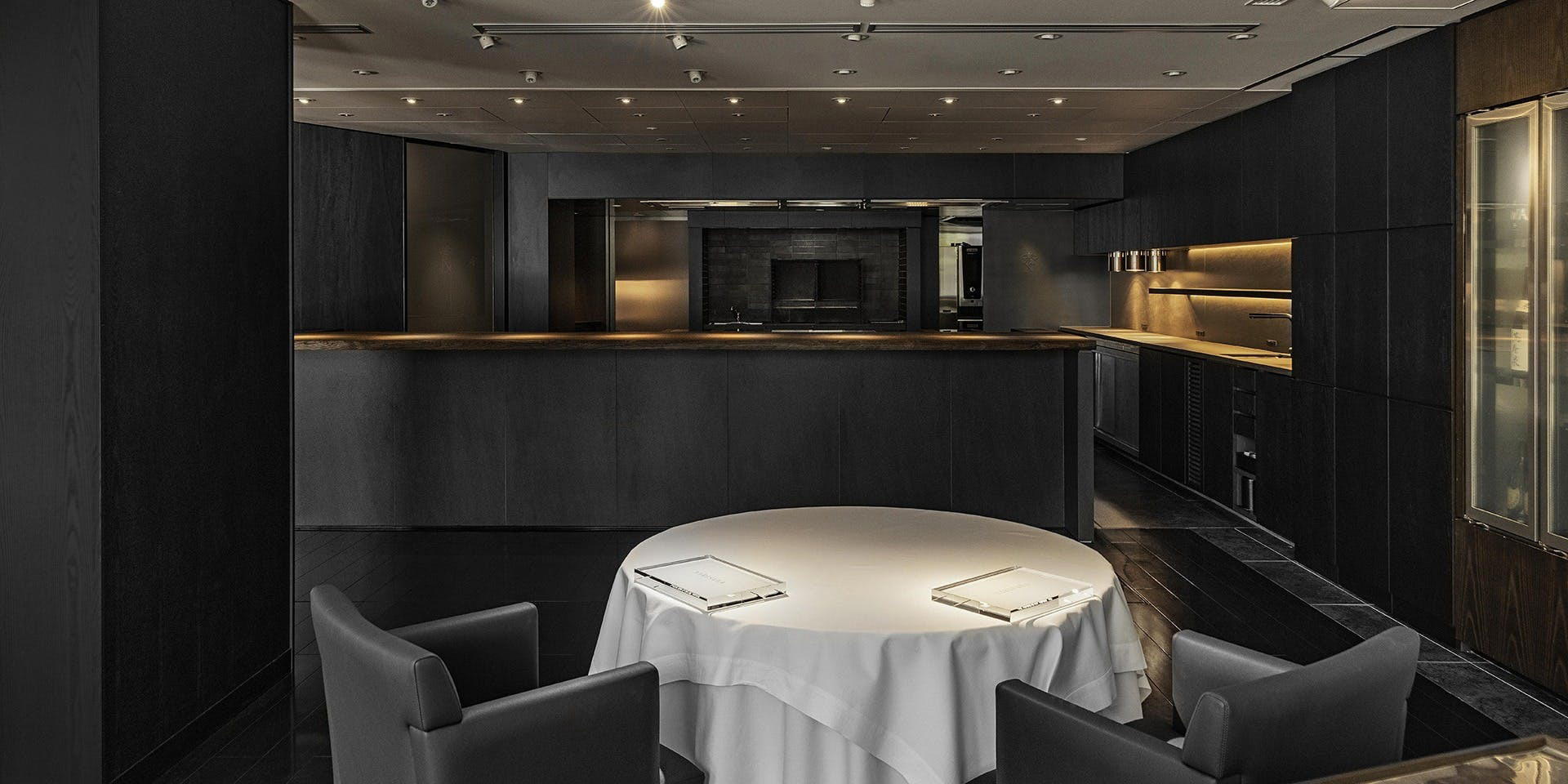
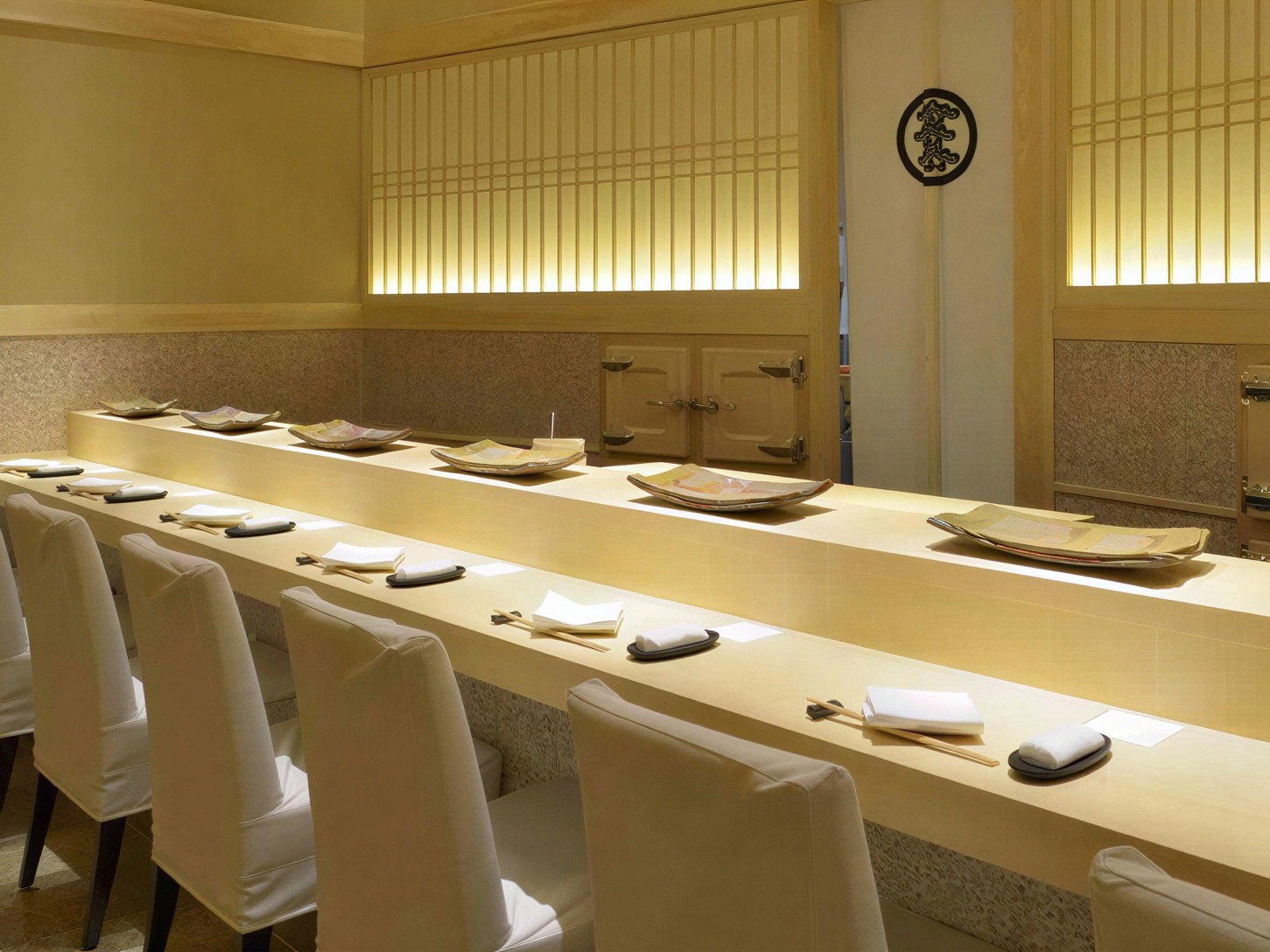
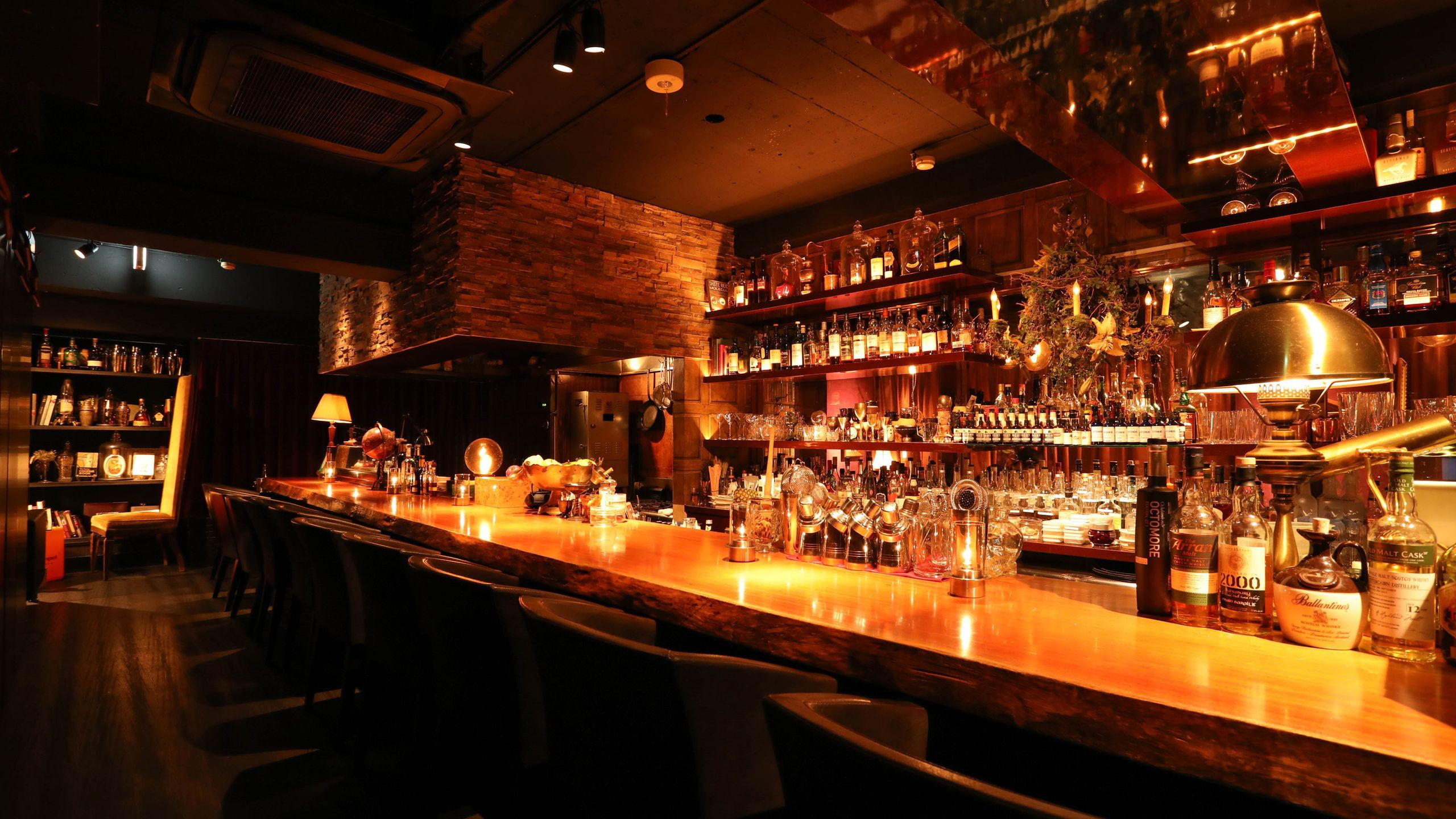
Stylish, relaxing, and serene atmosphere with tasteful decor and polished, attentive service.