Our verdict
In Nakamura Ward, Ito occupies a position within Nagoya's quieter but increasingly recognised dining tier, away from the tourist circuits of Sakae and closer to the everyday rhythms of a working district. The venue operates in a city that rewards patient discovery, and its address in Daimoncho places it among neighbourhood establishments that serve both occasion dining and regular local custom.

Pearl is the En Primeur Club membership app, where members save venues, book tables and use the concierge.
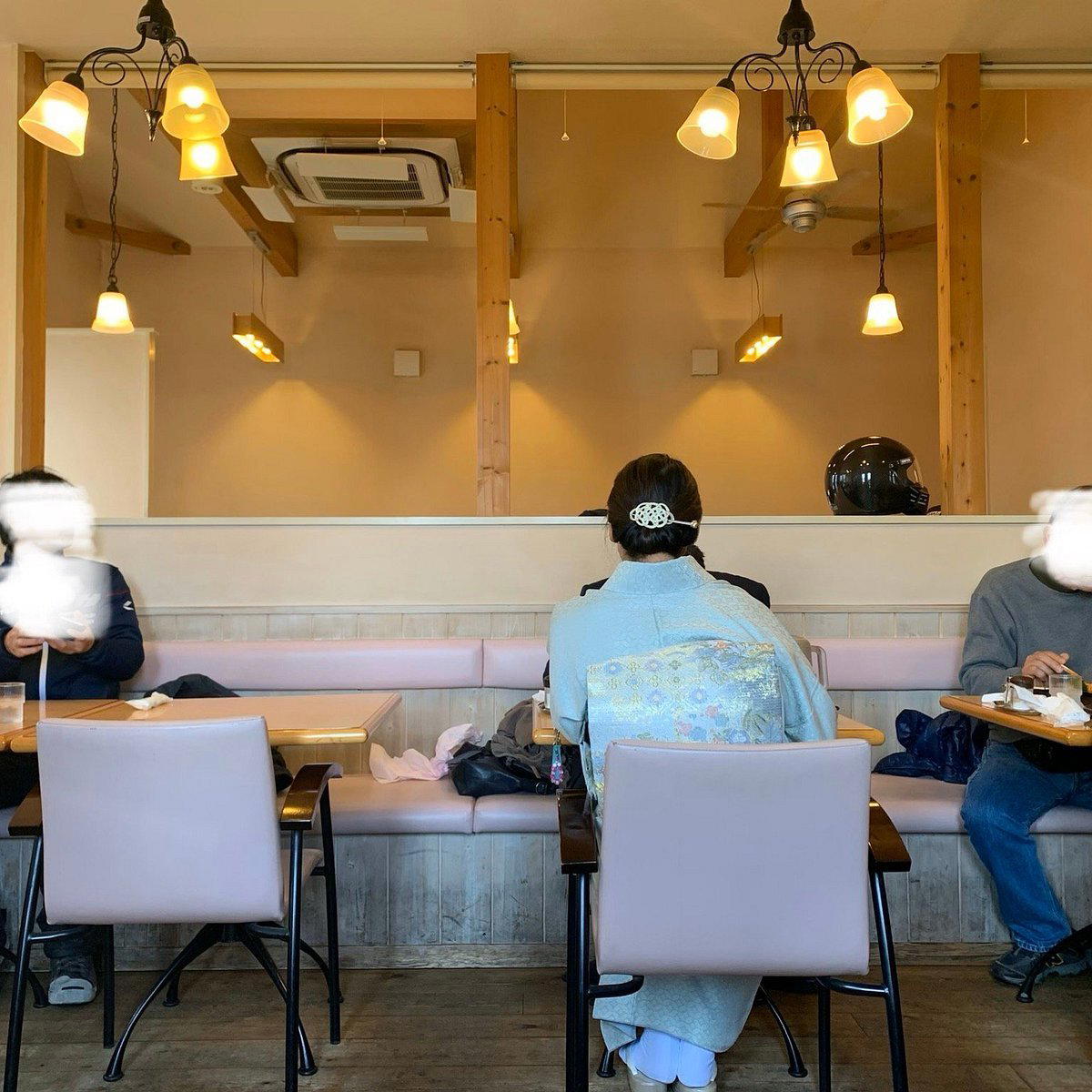
Nakamura Ward and the Quiet Side of Nagoya's Dining Map
Nagoya's reputation in Japan's food conversation tends to arrive with caveats. The city is known for its own culinary vernacular, miso katsu, hitsumabushi eel, morning coffee sets, but the more considered tier of its restaurant scene, the places that attract the kind of attention that spills across prefectural lines, operates mostly below national radar. That is partly geography: Nagoya sits between Osaka and Tokyo, close enough to both that visitors often skip through rather than stay. It is also a matter of local character. The city's dining culture skews toward the regular and the reliable over the spectacular and the showpiece. Establishments in districts like Nakamura Ward, where Ito is located at 13 Daimoncho, tend to draw neighbourhood regulars first and destination diners second.
That dynamic shapes how a venue like Ito functions within the city. Nakamura Ward is not a district you arrive in by accident. It sits west of Nagoya Station, close enough to the main transit hub to be accessible but removed from the dining concentration of Sakae or the heritage pull of Atsuta Shrine, where Atsuta Horaiken (あつた蓬莱軒 本店) draws pilgrims for hitsumabushi. That separation is not a liability. Venues in this tier of the city typically hold a different kind of loyalty from their clientele, one built on consistency over novelty.
The Lunch and Dinner Split in Nagoya's Mid-Tier Scene
Across Japan's regional cities, the gap between lunch and dinner service is rarely cosmetic. Pricing structures, menu scope, and the social composition of the room often differ substantially between the two sessions, and that split is particularly legible in a city like Nagoya, where the lunch trade draws office workers and local families alongside occasional visitors. The evening service tends to attract a slower, more deliberate dining pace, smaller parties, longer reservations, and a greater proportion of occasion dining.
For venues operating in Nakamura Ward, this divide carries practical weight. The proximity to Nagoya Station means the lunchtime room can shift quickly, pulling from commuter traffic and the working population of the surrounding blocks. The dinner room, by contrast, tends to be quieter in atmosphere and more settled in tempo.
This lunch-versus-dinner dynamic is not unique to Nagoya. At higher-profile venues across Japan, from the kaiseki rooms of Kyoto to the counter-driven dinner formats at places like Gion Sasaki in Kyoto or Harutaka in Tokyo, daytime service often functions as a more accessible point of entry into a kitchen's range, with evening menus representing the fuller or more formal statement. In regional cities like Nagoya, this architecture plays out across price tiers rather than just at the leading end. For more on how this pattern maps across the city's restaurants, see our full Nagoya restaurants guide.
Nagoya in Context: Where the City Sits in Japan's Dining Conversation
Japan's regional dining scene has developed considerably over the past decade, and the conversation has expanded beyond the axis of Tokyo and Osaka. Cities like Fukuoka, Kyoto, Nara, and Sapporo now carry distinct culinary identities that attract dedicated food travel. Goh in Fukuoka, akordu in Nara, and HAJIME in Osaka represent the kind of named, recognised venues that anchor their respective cities in the national and international dining map. Nagoya's equivalent tier exists, but it remains less systematically documented, the city's restaurants are less frequently cited in international food media, and the local Michelin footprint, while present, does not carry the same volume of starred restaurants as Osaka or Tokyo.
That gap between quality and recognition is, for some visitors, the point. Nagoya operates at a price-to-experience ratio that is difficult to match in the more aggressively visited cities. Restaurants here are not pricing against international tourism demand in the way that equivalents in Tokyo's Ginza or Kyoto's Gion are obliged to. The Italian-influenced dining at Bacio and cucina Wada, or the Franco-Japanese positioning at Chez Kobe, illustrates how Nagoya's better dining tier draws from multiple traditions without the premium anchoring that marks the same register in larger cities. Cucina Italiana Gallura adds a further layer to the city's cross-cultural dining range.
For comparison across Japan's broader regional spectrum, venues like 三本木 和川料理 in Nanao, 夕方山乃 in Sapporo, 湖畔荘宿 in Takashima, and 庭羽屋 in Nishikawa Machi each represent the kind of locally embedded dining that characterises Japan's non-metropolitan food culture. Birdland in Sakai offers another example of the specialist, single-focus format that regional Japan executes with a consistency that rivals its city counterparts. For a wider international frame, the technical rigour at Le Bernardin in New York City or the cross-cultural depth at Atomix in New York City reflects how fine dining ambition takes shape far outside Japan's own borders.
Planning a Visit: What to Know Before You Go
Ito's address in Nakamura Ward places it within direct reach of Nagoya Station, which is the central transit point for the city and connects to the Shinkansen network for visitors arriving from Tokyo, Osaka, or Kyoto. The station is one of Japan's most navigated rail hubs, and the walk or short taxi ride to Daimoncho requires minimal routing effort from the central platforms.
Contacting the venue directly or consulting current local listings is the most reliable method for confirming session availability and reservation requirements. For venues at this address tier in Nakamura Ward, reservations for evening service are generally advisable, particularly on weekends, when neighbourhood dining in the area draws a more consistent local crowd.
Frequently asked questions
Is Ito better for a quiet night or a lively one?
Nakamura Ward sits away from Nagoya's central entertainment corridors, and the address on Daimoncho reflects that. Ito draws a neighbourhood crowd rather than a touring one, which tends to keep the room composed rather than charged. Those looking for a lively, high-energy setting will find more of that closer to Sakae or the station's east side.
How do I find Ito?
Ito is located at 13 Daimoncho, Nakamura Ward, Nagoya, Aichi 453-0027, Japan, Nagoya.
What kind of dining experience does Ito offer compared to other Nagoya Station-area restaurants?
Ito's address at 13 Daimoncho places it in Nakamura Ward, within reach of Nagoya Station but outside the dense cluster of chain and tourist-oriented venues that surround the station directly. That positioning tends to attract a more regular, local clientele rather than transient visitors.
What do people recommend at Ito?
What the Nakamura Ward context does suggest is a menu oriented toward the kind of regional Nagoya cooking, miso-based preparations, grilled proteins, rice dishes, that defines the city's mid-tier dining identity. Checking directly with the restaurant before visiting is advisable. Check the venue's official channels for the latest details.
How far ahead should I plan for Ito?
For a Nakamura Ward address that draws a consistent local following rather than tourist foot traffic, a few days' notice is typically sufficient, though arriving without a reservation on a weekend carries some risk.
What has Ito built its reputation on?
Ito operates in Nakamura Ward, a part of Nagoya that sits outside the city's more publicised dining zones. Restaurants in this area tend to earn standing through repeat local custom rather than awards coverage or media attention, and Ito fits that pattern.
Can Ito accommodate dietary restrictions?
Japan's regional restaurant kitchens vary considerably in how they handle dietary requests, some are flexible, others are not. Contacting the venue directly before visiting is the only reliable way to confirm what can be accommodated, and doing so in Japanese will generally produce a more complete answer.
Cuisine and Credentials
Comparable venues nearby, for context on price, style, and recognition.
| Venue | Cuisine | Price | Awards | Notes |
|---|---|---|---|---|
| ItoThis venue (the venue you are viewing) | Traditional Tonkatsu | $10–20 | Not listed | Not listed |
| Menya Shishimaru | Modern lobster-focused ramen | $10–20 | Tabelog 100 #51 | Nakamura |
| Obanzai Anko | Traditional Japanese Obanzai Izakaya | $30–50 | Tabelog 100 #70 | Nakamura |
| 右江田 | Traditional Sushi Omakase | $150–200 | Not listed | Nakagawa |
| Kitchen Beniy | Classic Yoshoku (Japanese-style Western) & Steak | $20–30 | Tabelog 100 #92 | Naka |
| takumi | Charcoal-grilled Yakiniku & Izakaya | $30–50 | Tabelog 100 #14 | Naka |
Continue exploring
More in Nagoya
Restaurants in Nagoya
All restaurants in Nagoya →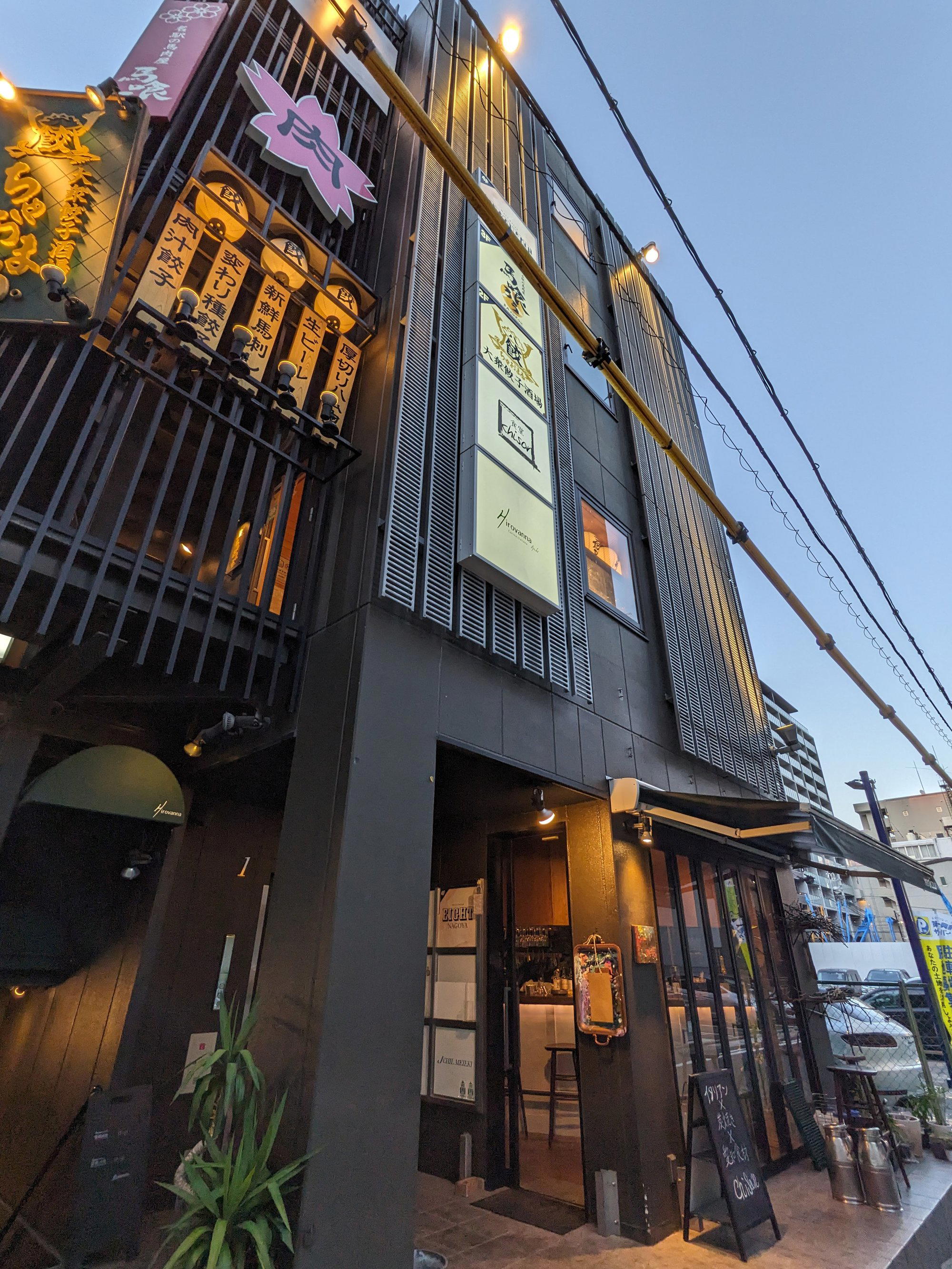



Details
- Cozy
- Classic
- Quiet
- Casual Hangout
- A La Carte
Current opening hours
- Monday
- Closed
- Tuesday
- 11:30 AM–2:30 PM, 5:30–9 PM
- Wednesday
- 11:30 AM–2:30 PM, 5:30–9 PM
- Thursday
- 11:30 AM–2:30 PM, 5:30–9 PM
- Friday
- 11:30 AM–2:30 PM, 5:30–9 PM
- Saturday
- 11:30 AM–2:30 PM, 5:30–9 PM
- Sunday
- 11:30 AM–2:30 PM, 5:30–9 PM
Hours can change for holidays and private events. Last verified .
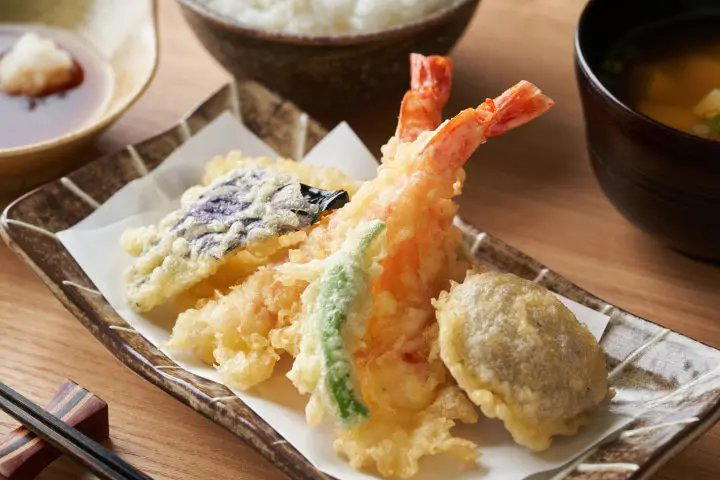
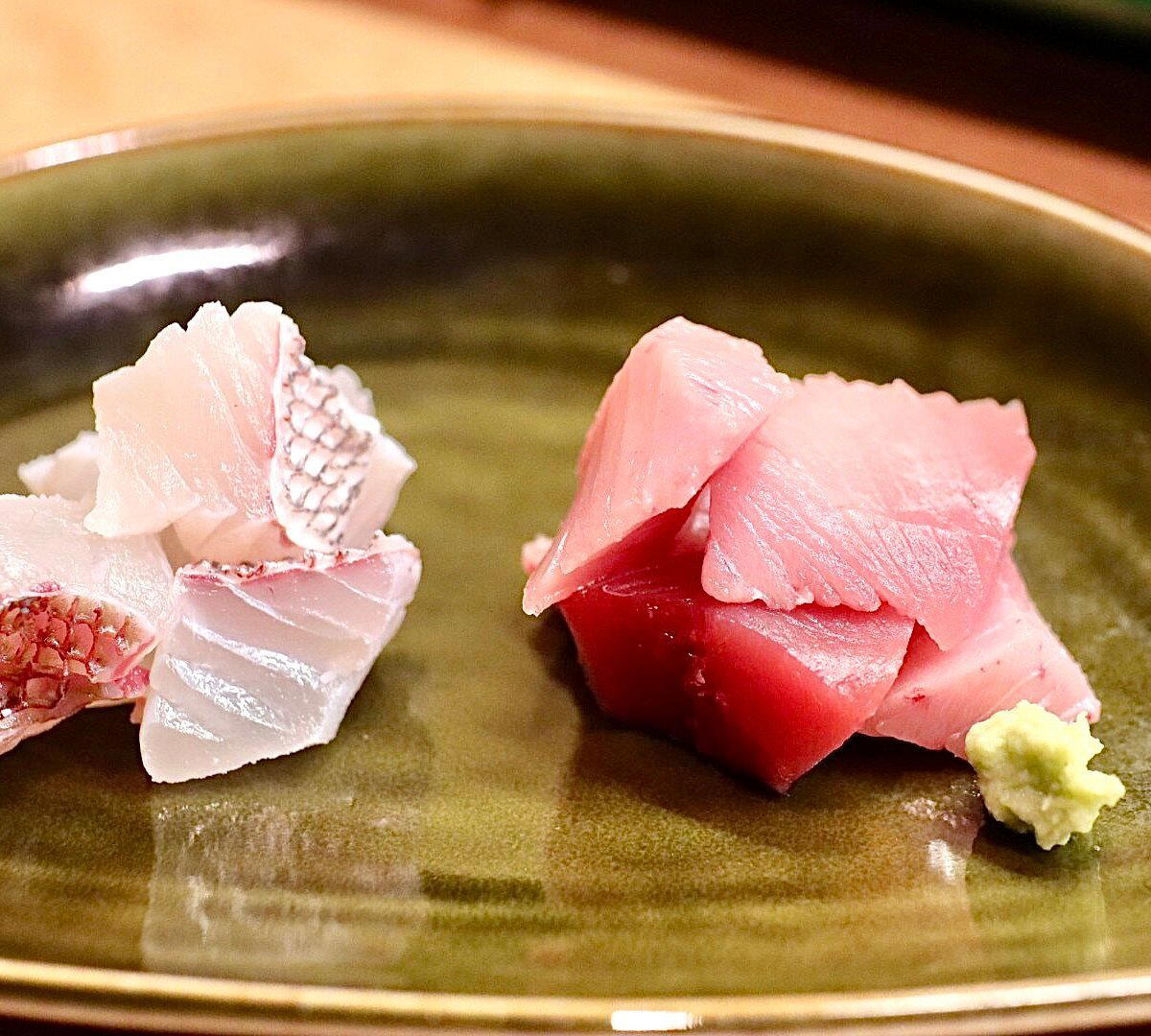
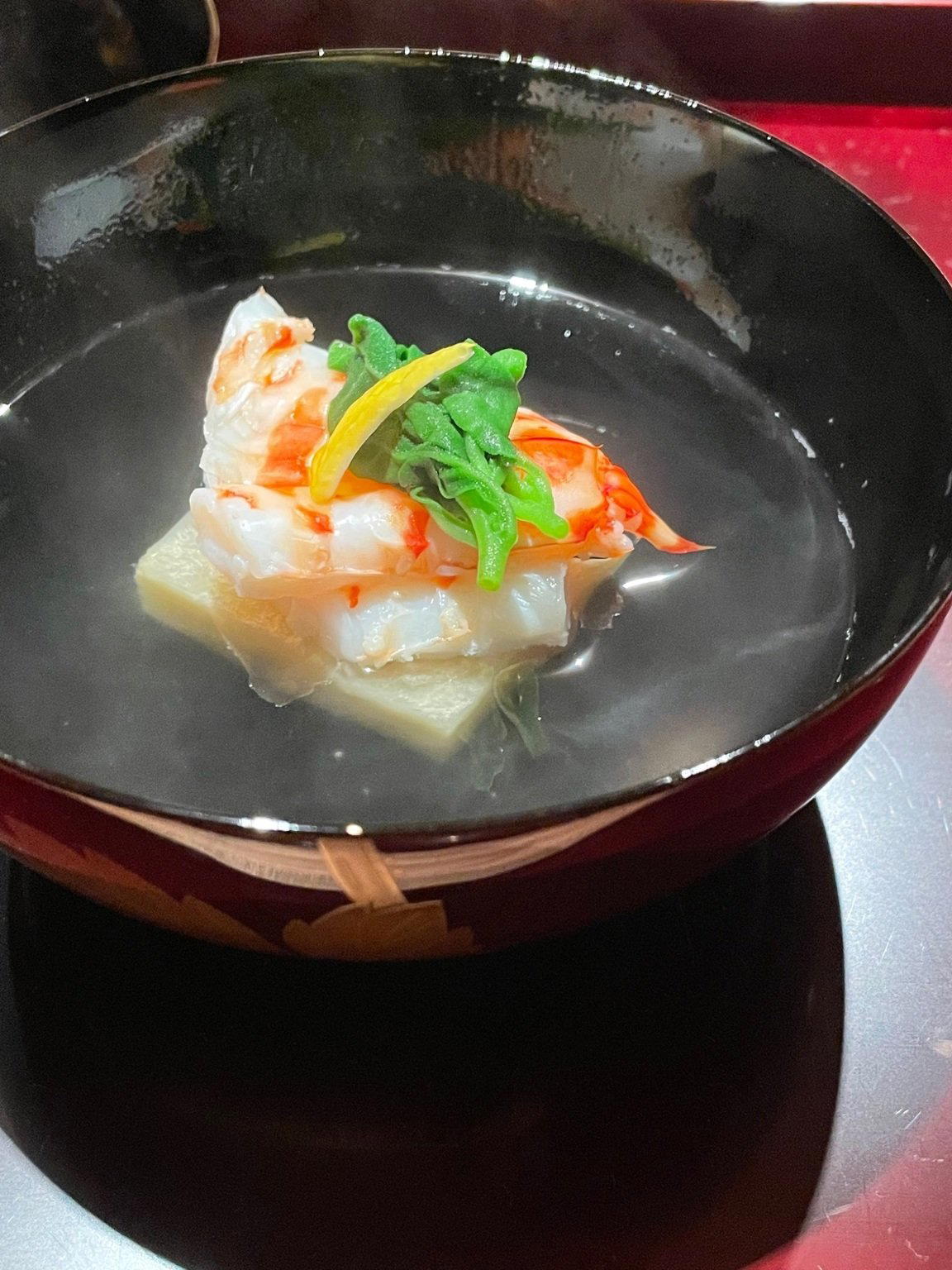
Casual dining space with counter seating and traditional Japanese restaurant atmosphere.