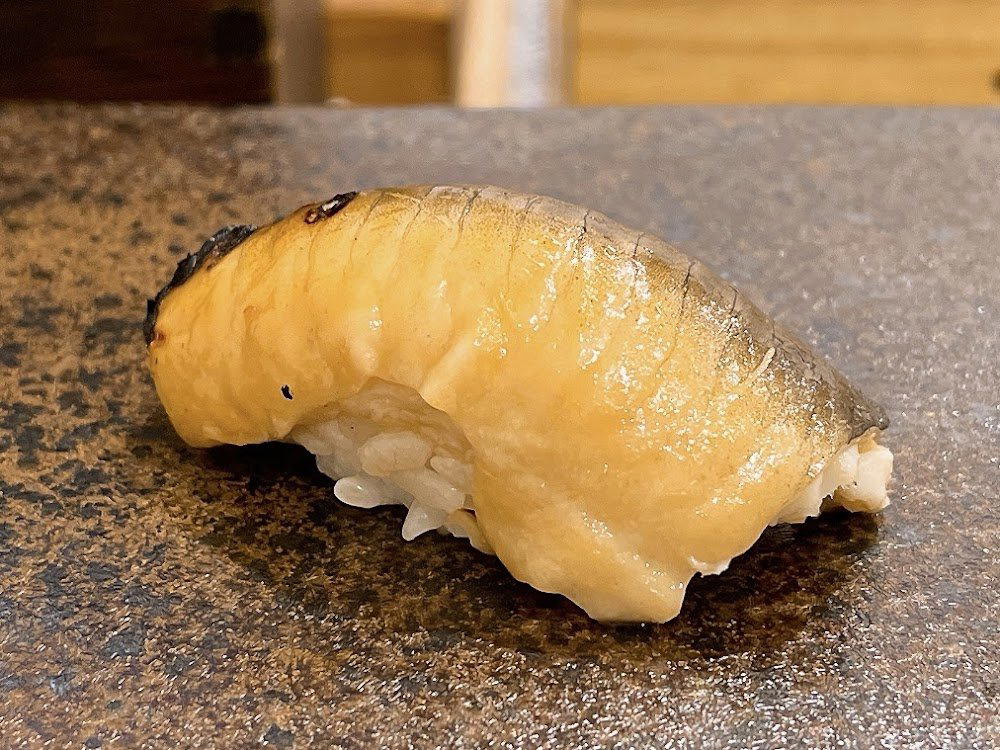
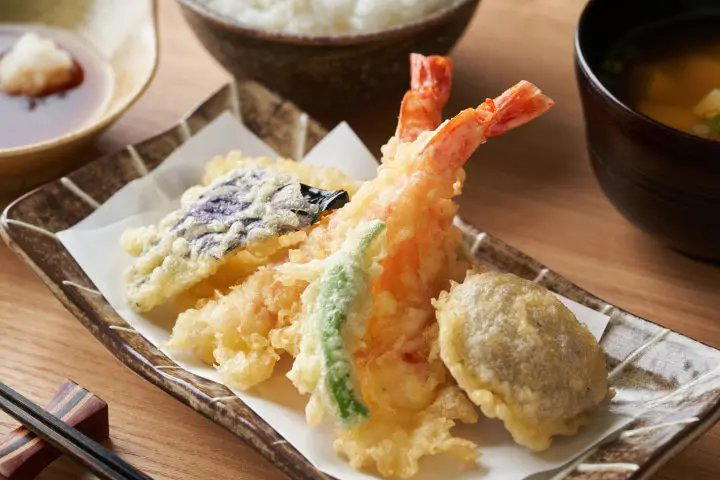
右江田 serves Nagoya-style unagi hitsumabushi in Nakagawa Ward, with a sake program and smart-casual, conversational service that fits lunch or dinner.
Pearl is the En Primeur Club membership app — saves, bookings, and concierge access live there. Same editors, same standards.
- Address
- Japan, 〒454-0031 Aichi, Nagoya, Nakagawa Ward, Yahatahontori, 2 Chome−20
- Phone
- +81523536005
- Directions
- Get directions
 Saves & bookings on Pearl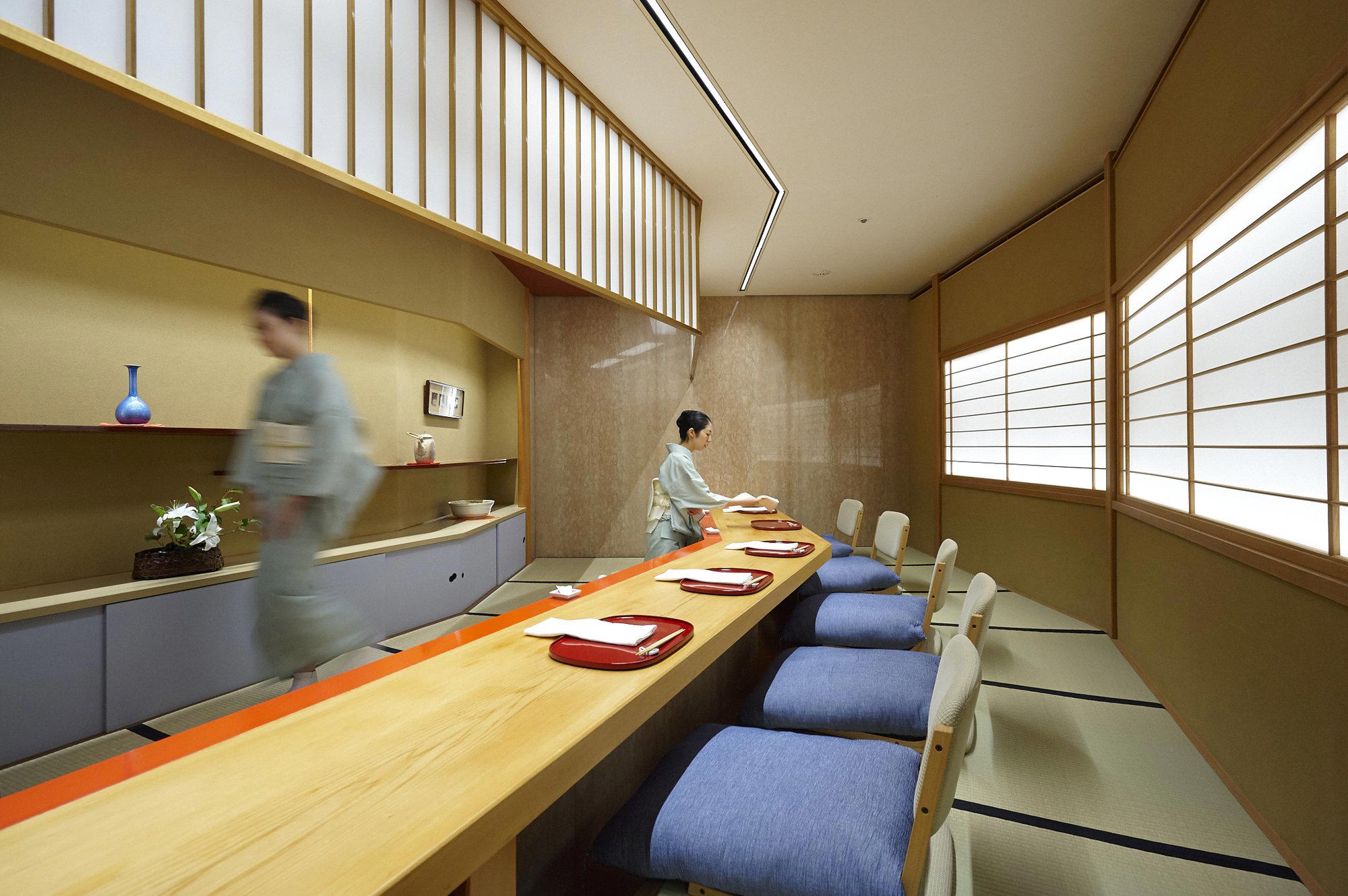
Nakagawa Ward's Quiet Register
Nagoya's dining reputation travels on a handful of well-worn reference points: hitsumabushi at Atsuta Horaiken (あつた蓬莱軒 本店), miso katsu, morning coffee culture. What gets less attention is the city's mid-residential dining tier, where smaller, neighbourhood-rooted restaurants operate without the promotional machinery of the central entertainment districts. Nakagawa Ward sits west of Nagoya Station in a part of the city that locals use rather than visitors discover, and 右江田 at 2-chome Yahatahontori belongs to that stratum: a place whose address tells you something about its orientation before you ever see a menu.
Menu Architecture as a Signal
In Japan, the structure of a menu is rarely arbitrary. The sequence of dishes, the balance between seasonal and fixed items, and the decision about how much choice to offer a guest all carry meaning about the kitchen's philosophy and its read of the local clientele. Restaurants in Nagoya's residential wards have historically calibrated their menus differently from those in Sakae or Nishiki: less performance, more repetition of reliable technique, portions and pacing that suit a neighbourhood that returns rather than passes through.
This contrasts with the format discipline you find at destination-tier restaurants elsewhere in the Chubu region. The grand kaiseki arc of a Kyoto specialist like Gion Sasaki in Kyoto or the precision tasting formats at HAJIME in Osaka are built for guests who travel specifically to sit at that counter. A neighbourhood restaurant in Nakagawa Ward answers a different brief: it has to earn loyalty from people who live five minutes away and could cook at home. The menu architecture that results from that brief tends to be more direct, less theatrical, and frequently more honest about what the kitchen is actually good at.
Right now, the clearest read is its Nagoya-style unagi hitsumabushi focus, which suits the neighborhood context. What the address and ward context suggest, though, is a format aligned with this residential-district pattern: accessibility that doesn't mean compromise, and a focus on technique over spectacle. The comparison venues active in Nagoya's specialist dining tier, including the Italian work at Bacio and cucina Wada, illustrate how the city supports focused, cuisine-specific restaurants across multiple neighbourhoods, not just its central core.
Where 峯東田 Sits in Nagoya's Dining Structure
Nagoya has a dining ecosystem that outsiders often underread. The city's Michelin coverage has expanded since the guide first arrived in the region, and the broader Aichi prefecture now carries a meaningful number of starred addresses. That recognition has mostly concentrated in central Nagoya, particularly in Higashi Ward and around Sakae, but the residential wards have their own gravitational pull for locals who know where to look.
The comparison venues listed alongside 右江田 in the Nagoya tier include Cucina Italiana Gallura, which operates across a sushi format despite its Italian name, and Chez Kobe. These are restaurants that serve specific, committed regulars rather than the broadest possible audience. 峯東田 fits that cohort by geography alone, positioned in a ward where the dining decision is personal rather than promotional.
For context on how Nagoya's dining tier compares to other Japanese cities, the gap between destination-category restaurants and neighbourhood specialists is narrower in Nagoya than in Tokyo or Osaka. A city like Tokyo supports enormous vertical stratification, from the three-Michelin-star omakase counters documented at places like Harutaka in Tokyo down through hundreds of anonymous lunch spots. Nagoya's scale produces a more compressed version of that hierarchy, which means neighbourhood restaurants here sometimes carry more relative weight in the city's culinary conversation than equivalent addresses would in a larger market.
The Nakagawa Ward Setting
Approaching Yahatahontori in Nakagawa Ward, the built environment is typical of Nagoya's western residential stretches: low-rise, mixed-use blocks with a practical rather than scenic character. This is not the Higashiyama area with its temple-adjacent lanes, nor the reclaimed waterfront developments that have drawn investment in recent years. It is a working part of the city, which in Japan often means the food is being done for reasons other than foot traffic.
Japanese restaurants in residential settings like this one tend to operate with a clearer sense of their actual audience. The absence of tourist infrastructure nearby removes a variable that distorts menus in more central locations: the need to be legible to someone who has never been before and will likely never return. A restaurant that relies on its neighbourhood has to earn the same guest back on a Tuesday in February as on a Saturday in October. That constraint, when it works, produces cooking that is calibrated and consistent rather than seasonally performative.
For visitors who want to understand Nagoya beyond its central dining corridor, the residential ward tier is where that understanding starts.
Planning a Visit
Nakagawa Ward is accessible from Nagoya Station by subway on the Kintetsu Nagoya Line or via local bus routes, putting Yahatahontori within practical range of the city centre. For a restaurant at this address, reservations are recommended. Neighbourhood restaurants in this tier often have limited seats and operate on a reservation-preferred basis even when walk-ins are technically possible.
For reference across the wider region, the dining formats at akordu in Nara, Goh in Fukuoka, and regional specialists like 一本木 川尻制 in Nanao and 冬仕込乃 in Sapporo illustrate the range of neighbourhood-oriented dining across Japan's secondary and tertiary cities. Closer to Nagoya, the ryokan-adjacent dining at 湖畔荘 in Takashima and the traditional format at 羽根屋 in Nishikawa Machi give a sense of how the Chubu and Hokuriku regions sustain restaurant culture outside major city centres. And for those who want a point of international comparison, the precision tasting formats at Le Bernardin in New York City or Atomix in New York City represent a different register of restaurant architecture, one where the menu structure is itself the primary communication to the guest.
Also of note in the broader yakitori and grill category across the region: Birdland in Sakai demonstrates how a focused, product-led format can sustain a dedicated following outside the major metropolitan centres.
Awards and Standing
Comparable venues nearby, for context on price, style, and recognition.
| Venue | Cuisine | Price | Notes |
|---|---|---|---|
| 右江田This venue — the venue you are viewing | Nagoya-style Unagi Hitsumabushi | $$ | Not listed |
| Gyoza Sakaba Issei Ichidai Honten | Gyoza-focused Japanese Izakaya | $$ | Naka |
| Nishimura | Japanese | $$ | Naka |
| Yoshimitsu | Japanese Traditional Sweets | $$ | Higashi |
| Ito | Traditional Tonkatsu | $$ | Nakamura |
| Yaki Tonkatsu Taira | Japanese Tonkatsu | $$ | Chikusa |
At a Glance
- Cozy
- Classic
- Intimate
- Date Night
- Special Occasion
- Celebration
- Business Dinner
- Historic Building
- Standalone
- Sake Program
- Local Sourcing
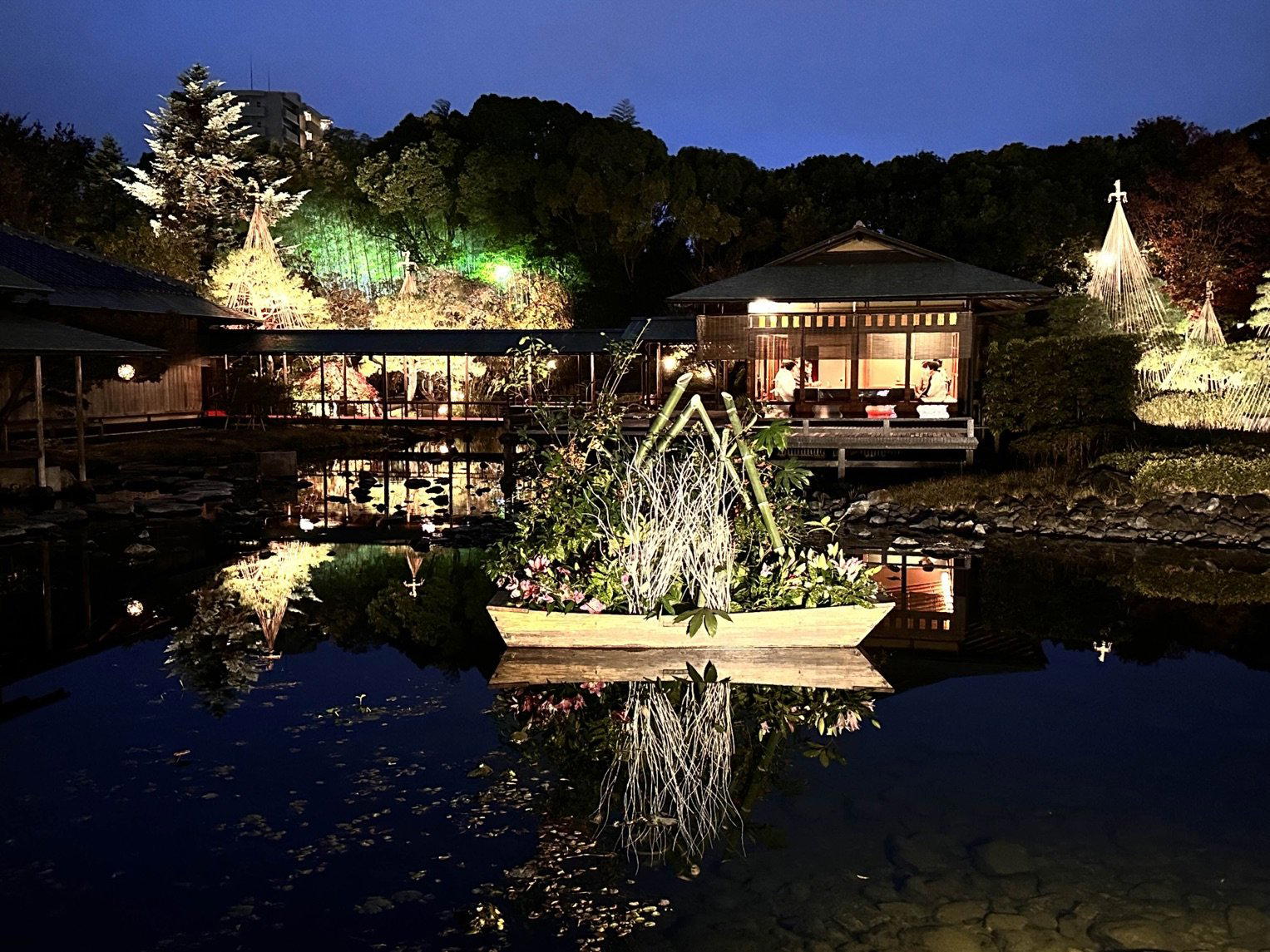
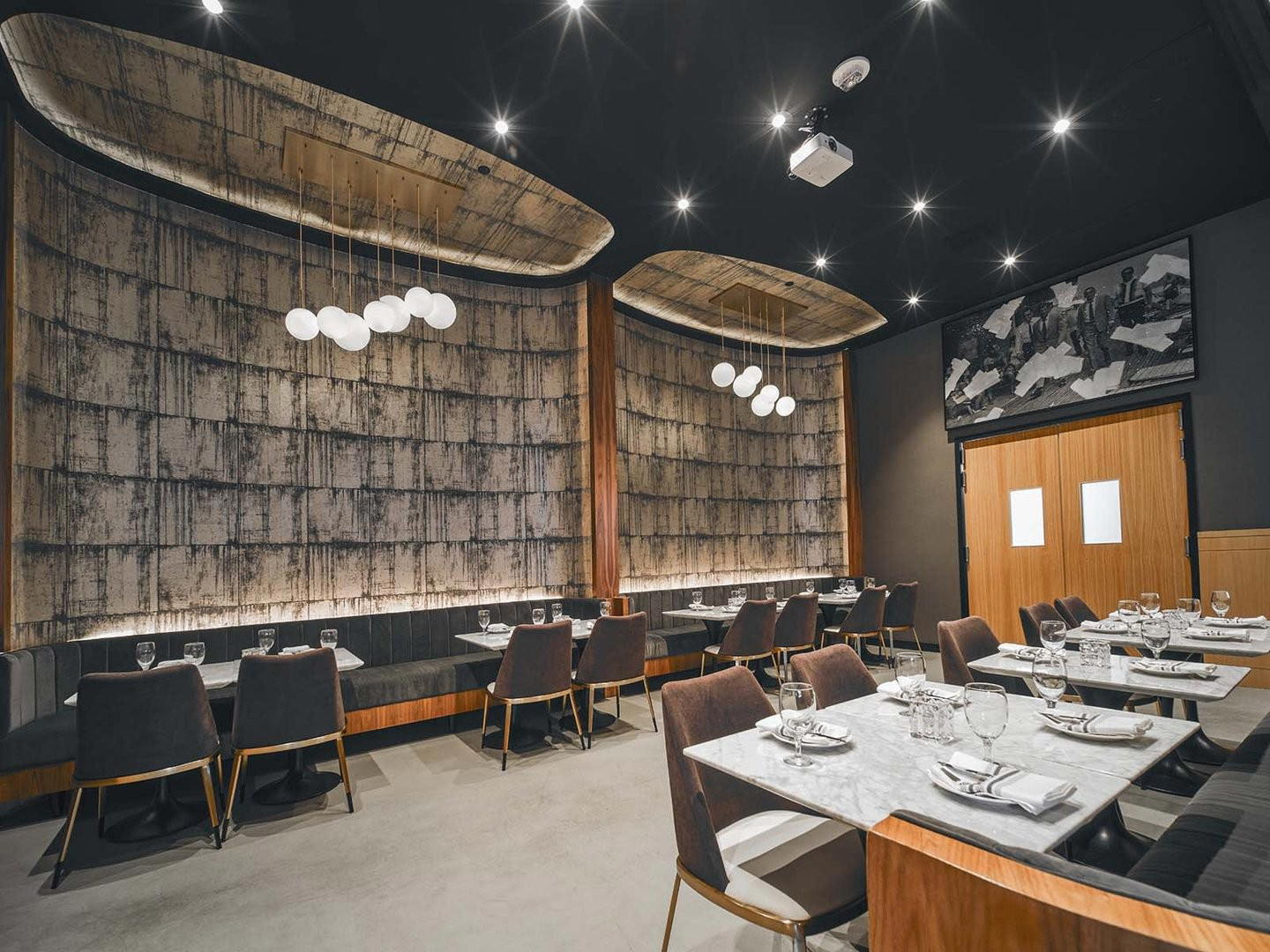
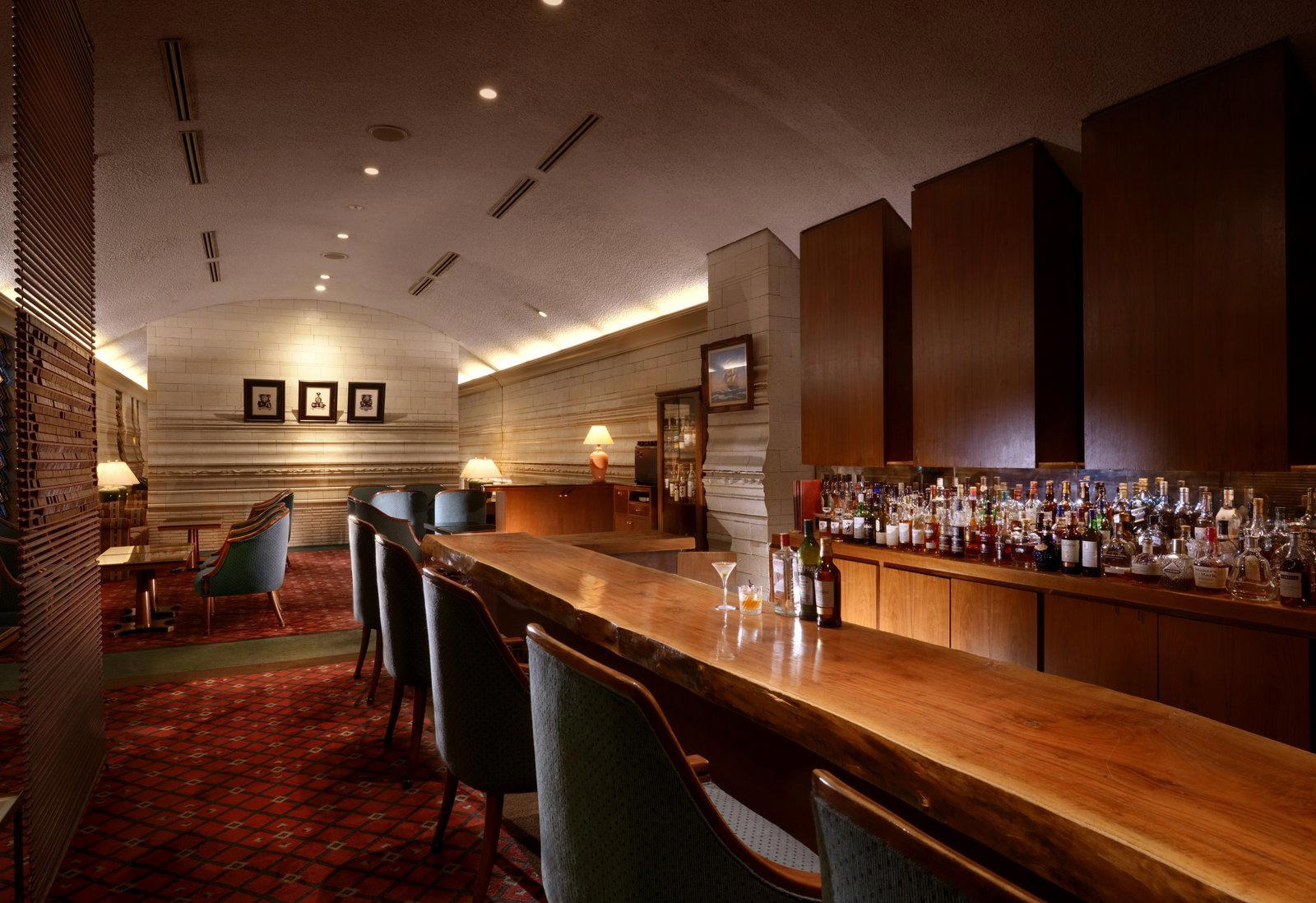
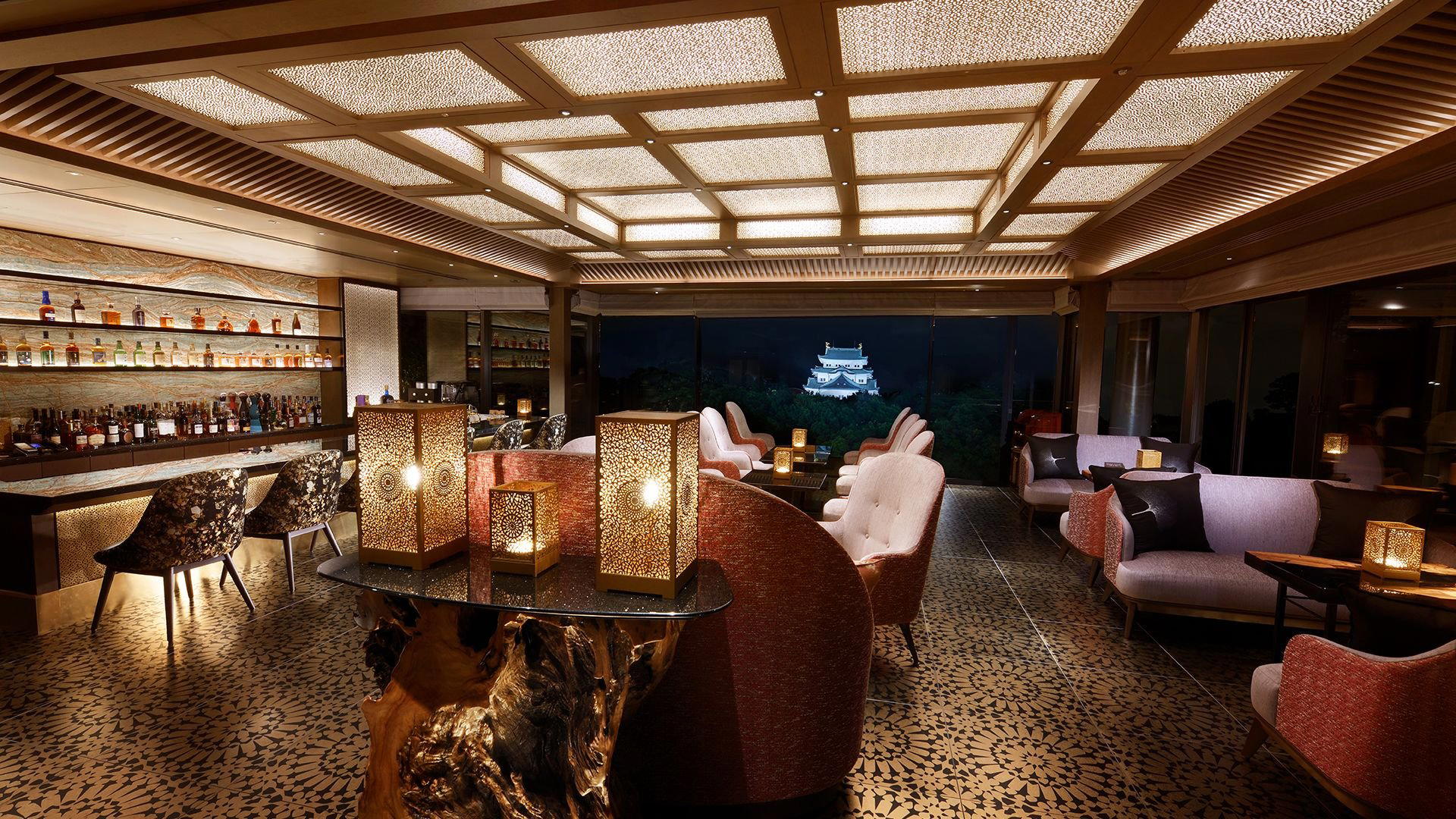
Dimly lit, cozy, and nostalgic, with a warm traditional atmosphere that feels intimate despite its fine-dining reputation.