
Menya Shishimaru puts Nagoya ramen in a compact counter format near the station district, with a menu spanning ramen, tsukemen, abura-soba, and maze-soba. Its repeated Tabelog 100 selections from 2019 through 2025 place it in Aichi’s serious ramen conversation while keeping the spend in the everyday noodle-shop bracket.
Pearl is the En Primeur Club membership app — saves, bookings, and concierge access live there. Same editors, same standards.
- Address
- 2 Chome-1-1 Kamejima, Nakamura Ward, Nagoya, Aichi 453-0013, Japan
- Phone
- +81 52-453-0440
- Website
- menya-hanzo.com
 Saves & bookings on Pearl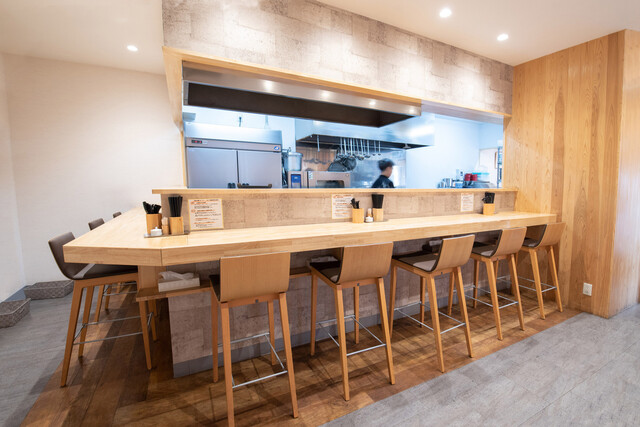
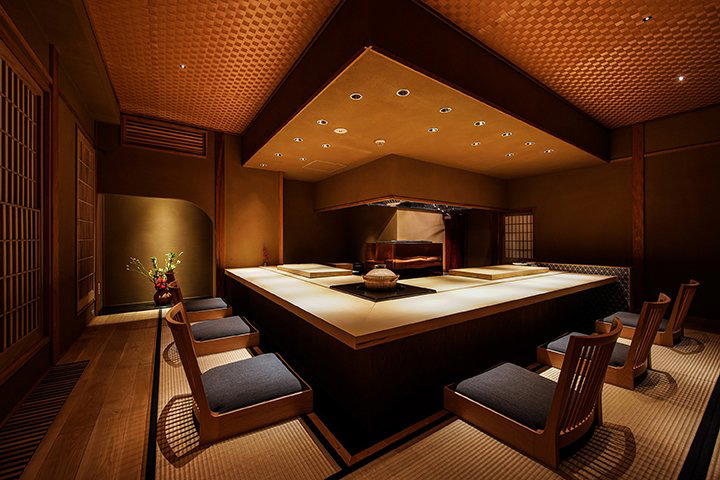
Approaching a 14-seat ramen counter on the Kamejima side of Nagoya, the cue is scale, not theatre. The room is built for turnover, concentration, and the direct exchange of noodles, broth, and toppings, fitting a city where serious eating often happens without tasting-menu ceremony. Menya Shishimaru is a station-area ramen shop with enough recognition to justify a detour, yet still grounded in lunch, dinner, and repeat local use.
Nagoya’s food identity is often told through miso katsu, hitsumabushi, kishimen, and tebasaki, but its ramen scene follows its own logic. Stronger addresses compete on broth clarity, noodle texture, and how far seasoning can be pushed without losing speed or accessibility. Here, the listed categories matter: ramen, tsukemen, abura-soba, and maze-soba signal a kitchen working across soup, dipping, and mixed-noodle formats rather than one narrow style. That breadth is not automatically a virtue, but in a small counter it gives the room a clear position inside Nagoya’s noodle culture.
Western inflection inside Nagoya's counter-ramen economy
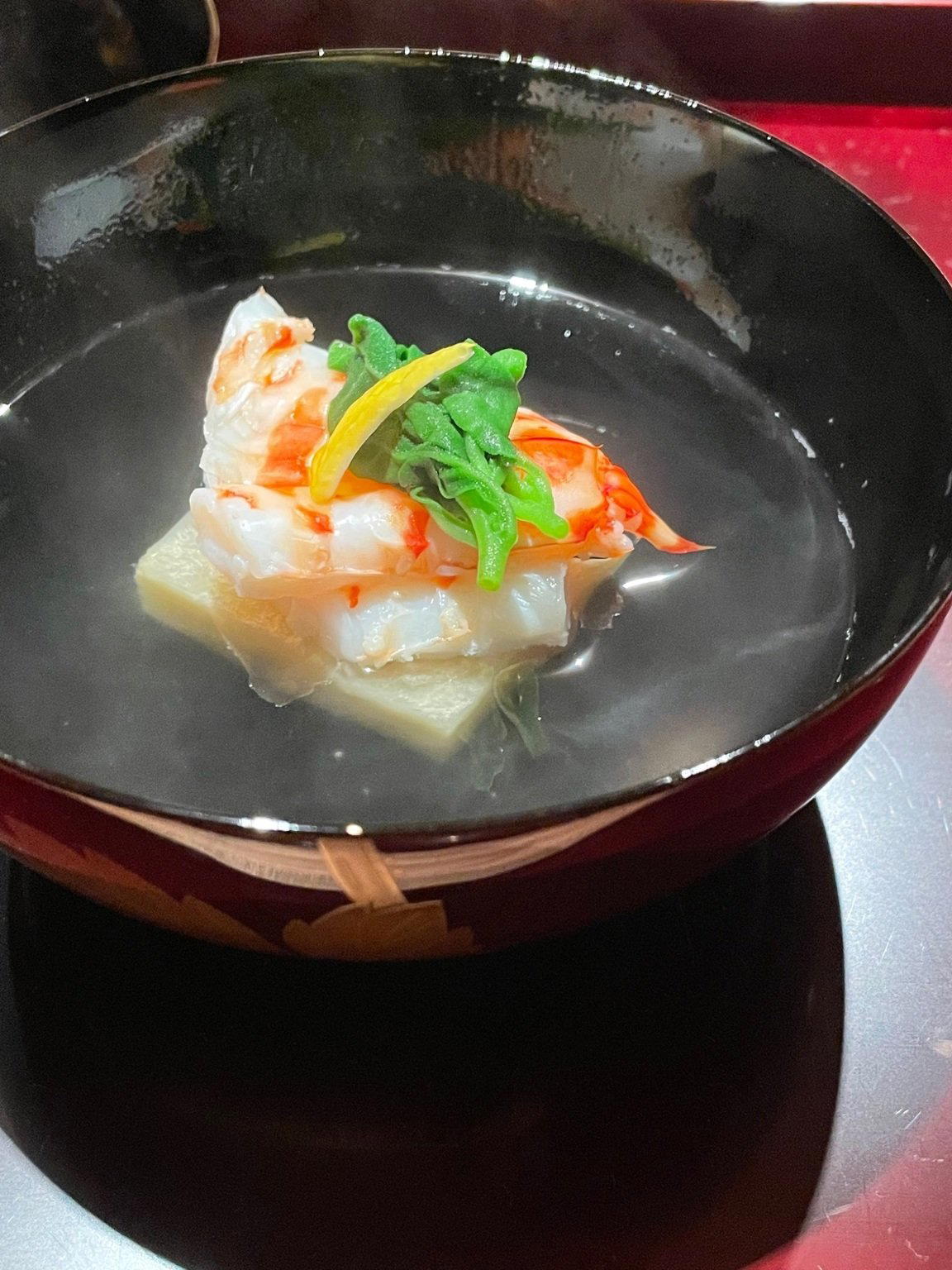
The useful reading is sourcing and construction, not romance. Its public description points to a ramen shop with a Western twist and seasonal creations, placing it in a modern Japanese ramen lineage where broth technique and topping composition borrow beyond standard chashu-and-menma grammar. That matters because ramen is one of Japan’s clearest price-to-craft categories: a bowl can stay everyday-priced while asking higher-restaurant questions about stock, fat, wheat, and garnish.
Tabelog’s Ramen Aichi “Tabelog 100” 2025 selection gives the shop a clear external credential, with recognition history running through Ramen EAST selections from 2019 to 2024. That sequence is more useful than one badge, because ramen rankings move quickly as new openings gather attention. A shop visible across several cycles suggests consistency in a category where lines, local loyalty, and online ratings can be volatile. Its Tabelog score of 3.75 adds another public signal, though Japanese review culture makes high averages harder to accumulate than many international diners expect.
Compared with nearby Nagoya options in the same broad radius, the position is sharp. CALA CARMEN and Saitobi Hida Gyu Shabusuki Ya Bakuro Ichidai Nagoya WEST sit in higher spend bands, while ERICK SOUTH KITTE nagoya ten overlaps at lunch but rises at dinner. Betokon Ramen Shinkyo Meieki nishiguchi ten occupies a lower ramen bracket. Menya Shishimaru sits in the middle: casual enough for a direct noodle stop, credentialed enough for travellers who do not want their only Nagoya meal near the station to be generic.
Why the format matters more than ceremony
Counter ramen compresses the restaurant experience. There is little room for elaborate pacing, so ingredients carry more pressure: broth must carry the meal, noodles must hold structure, and toppings need to justify themselves quickly. Tsukemen, abura-soba, and maze-soba broaden the kitchen’s relationship with noodles. Tsukemen emphasizes dipping concentration and chew; abura-soba and maze-soba shift attention to seasoning, fat, and mixing rather than broth volume. For technical ramen diners, that range gives a better view of balance.
Location also shapes judgment. Kamejima and the Nagoya Station fringe are practical eating zones, not hushed dining districts. A good counter here must serve commuters, families, solo diners, and travellers with luggage expectations, without losing identity. The children-welcome note and family-friendly signal are useful because not every compact ramen counter suits younger diners. Here the room is small, but the category is not pitched only at specialists.
There is also a broader Nagoya point. The city’s premium dining scene includes beef, Spanish, South Indian, and hotel-adjacent formats, but ramen serves a different civic function: craft without advance planning or high spend. The shop belongs beside Nagoya’s serious casual addresses rather than beneath them. Recognition does not make it a formal destination restaurant; it clarifies that this is one of the city’s ramen counters worth fitting into a tighter itinerary.
How to place it in a Nagoya food day
The strongest use case is a focused noodle meal around the station side, especially when the day is built around trains, hotels, or short transfers. With reservations unavailable and a 14-seat room, timing matters more than planning apparatus. The listed service pattern covers lunch and dinner, adding flexibility, but the compact format means a concise stop rather than a long meal. Payment is practical for Japan in 2026: credit cards are not accepted, while electronic money and QR payments are listed, including transit IC cards and several major mobile payment systems.
For broader planning, Our full Nagoya restaurants guide is the natural companion, especially when comparing ramen with higher-spend meals across the city. Travellers building a fuller itinerary can also cross-check Our full Nagoya hotels guide, Our full Nagoya bars guide, Our full Nagoya wineries guide, and Our full Nagoya experiences guide. Nearby restaurant research can extend through 1022, 451, Aaron, Alan., and All Day Dining Montmartre.
For readers mapping Japanese casual dining beyond Nagoya, the comparison is less identical cuisine than format discipline. -Grilled beef Sukiyaki- KAMAKURA TANUKIAN 鎌倉 たぬき庵 in Kamakura. 鮪と炭火焼き うお炭 秋葉原店 in Tokyo.cafe in Osaka.know in Kumamoto, (Shoku) Vietnam in Kawasaki, and [Curry Senmon Ten] Maruyama Kyoju. in Sapporo all show how focused casual formats can define a meal. For overseas contrasts in Japanese drinking and rice-ball culture, Jōdo Saké Bar in Los Angeles and Onigiri Time in Pasadena widen the frame without blurring the core point: the strongest casual Japanese addresses are often built on restraint, repetition, and narrow command of ingredients.
A Quick Peer Check
Comparable venues by cuisine and category.
| Venue | Cuisine | Price | Notes |
|---|---|---|---|
| Menya ShishimaruThis venue — the venue you are viewing | Modern lobster-focused ramen | $$ | Not listed |
| tonkatsu joni | Tonkatsu (Japanese pork cutlet) specialist | $$ | Nakamura |
| Ito | Traditional Tonkatsu | $$ | Nakamura |
| Don Hyara | Traditional Japanese Izakaya & Tempura | $$ | Nishi |
| Taniya | Handmade Soba & Izakaya | $$ | Nishi |
| Murasakiya | Traditional Japanese Wagashi Cafe | $$ | Naka |
Recognition history
Dated appearances from independent guides and award organizations, with the underlying list record or original source where available.
Tabelog 100 #51 · No. 51
Tabelog · Tabelog 100 - Ramen - AICHI - 2025
Continue exploring
More in Nagoya
Restaurants in Nagoya
Browse all →
At a Glance
- Modern
- Cozy
- Lively
- Trendy
- Solo
- Casual Hangout
- After Work
- Family
- Standalone
- Local Sourcing
Current opening hours
- Monday
- 11 AM–2:30 PM, 5–9 PM
- Tuesday
- 11 AM–2:30 PM, 5–9 PM
- Wednesday
- 11 AM–2:30 PM, 5–9 PM
- Thursday
- 11 AM–2:30 PM, 5–9 PM
- Friday
- 11 AM–2:30 PM, 5–9 PM
- Saturday
- 11 AM–2:30 PM, 5–9 PM
- Sunday
- 11 AM–2:30 PM, 5–9 PM
Hours can change for holidays and private events. Last verified .
Compact and modern counter-focused ramen shop with a casual, lively atmosphere and bright, functional lighting suited to quick but high-quality meals.