


1 Michelin Star · La Liste Top Restaurants · Black Pearl 1 Diamond
Our verdict
Daigo has held a Michelin star since 2024 and a La Liste score of 84 points, serving shojin ryori, the Buddhist temple vegetable cuisine, from its Atago address in Minato. Fourth-generation owner Daisuke Nomura operates within the kaiseki tradition, using dried bonito broth as a structural base, which places the kitchen in an informed middle ground between strict vegetarianism and classical Japanese technique.

Pearl is the En Primeur Club membership app, where members save venues, book tables and use the concierge.
The menu
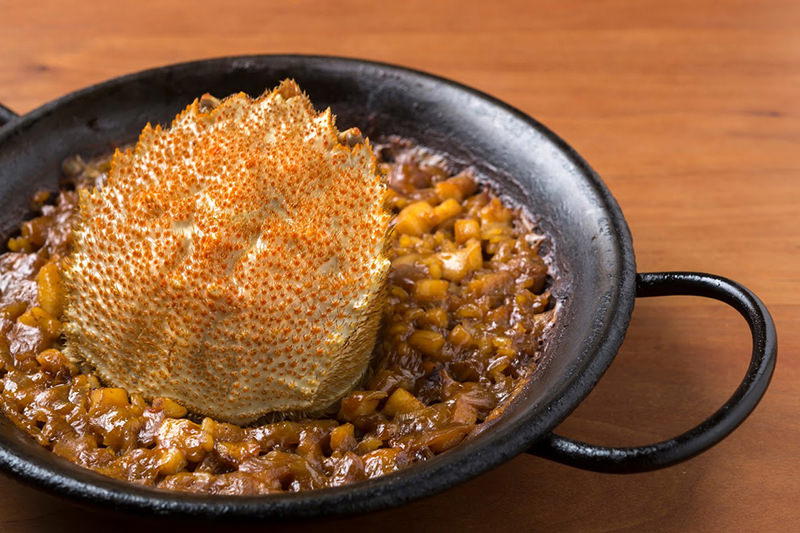
What to order
- Kaburamushi
- Shyoujin-age tempura
- Nameko Zousui
Where Monastic Discipline Meets the Kaiseki Table
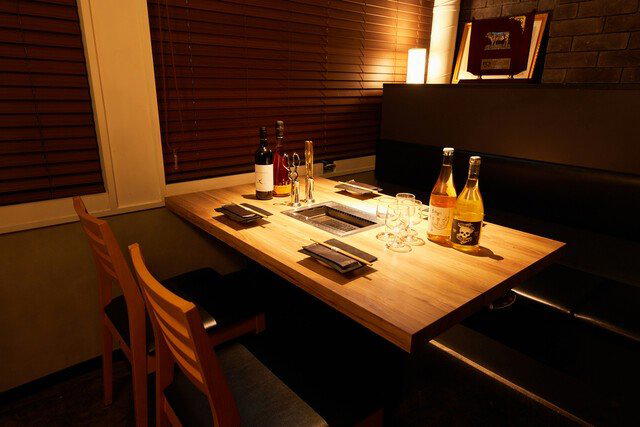
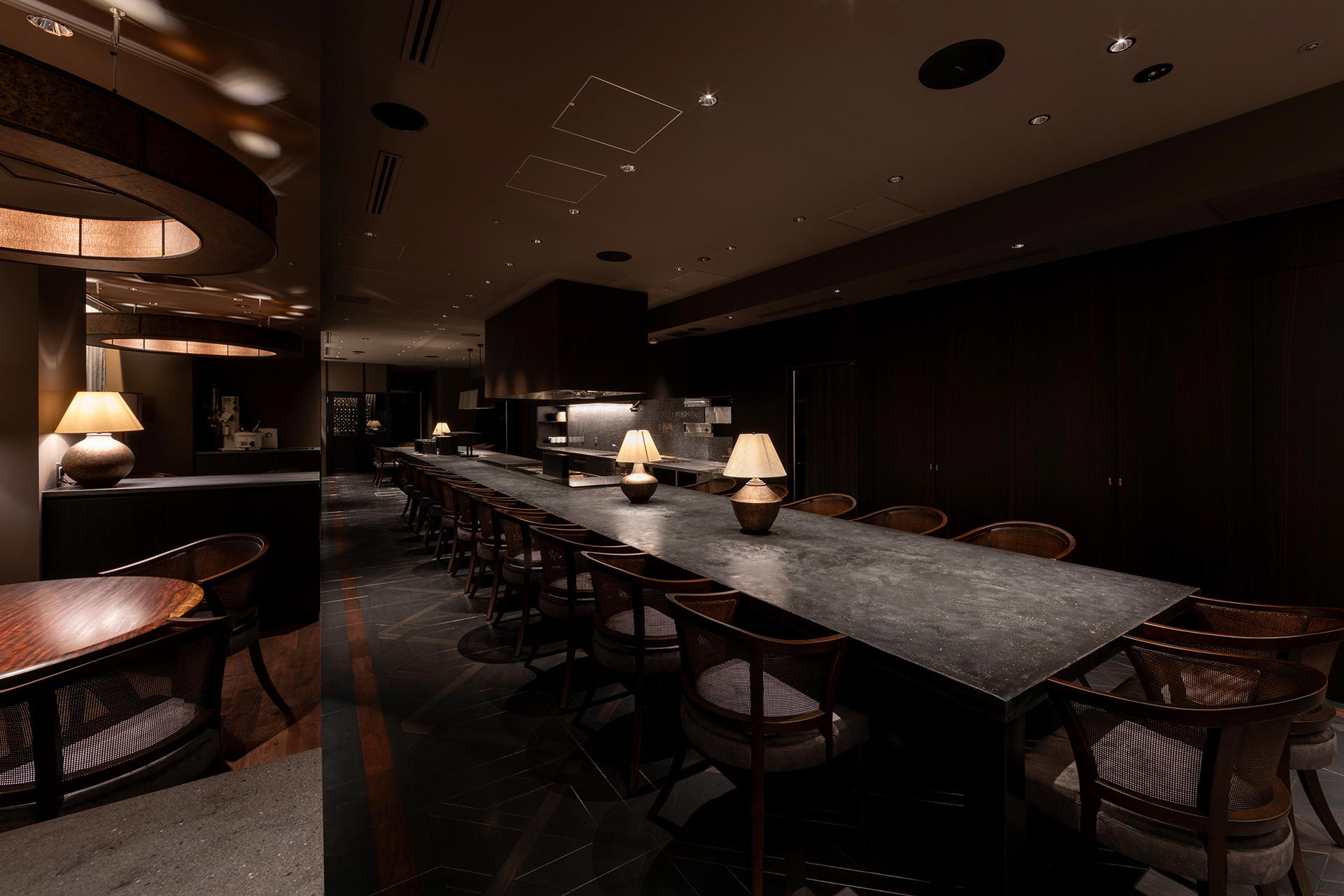
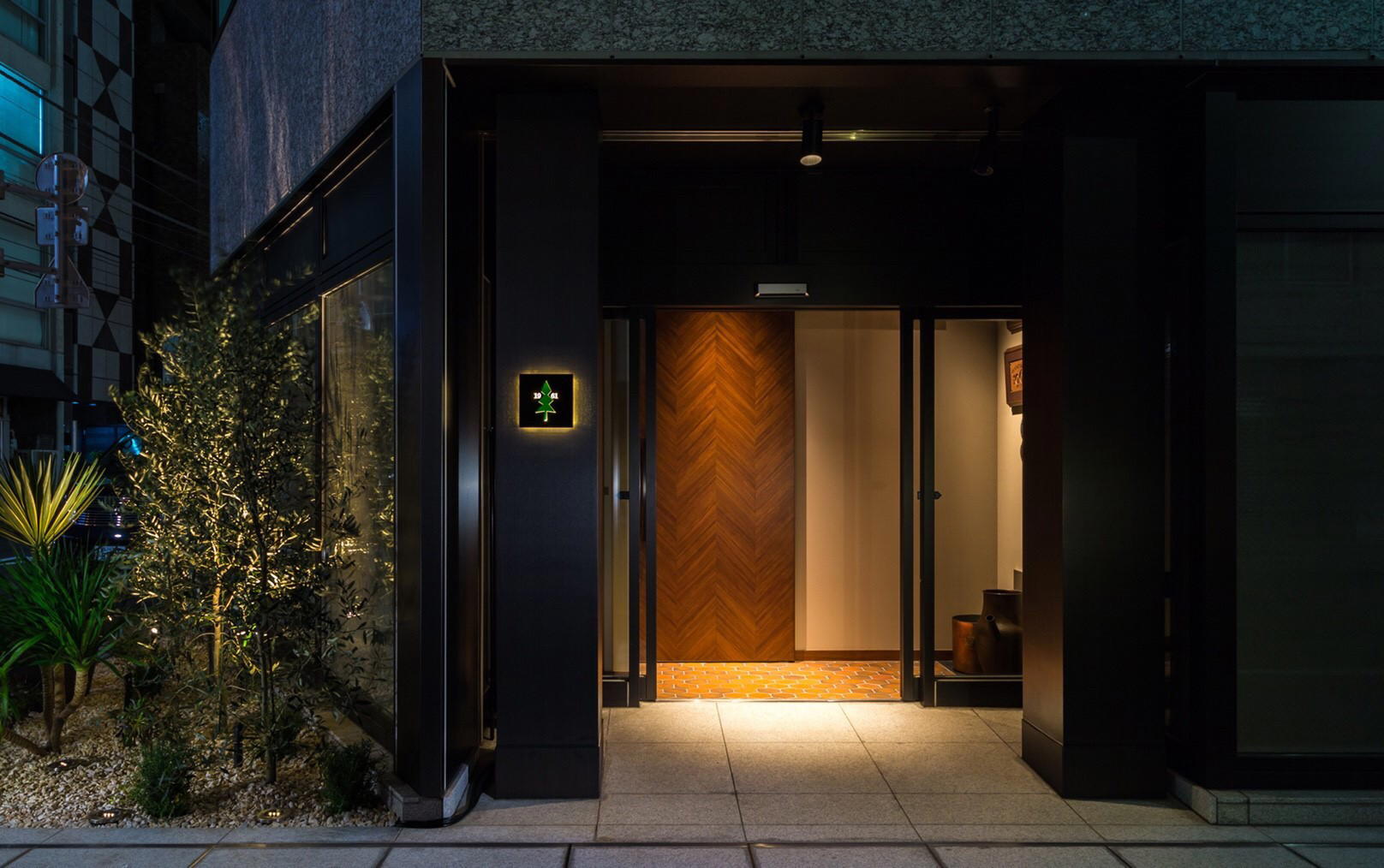
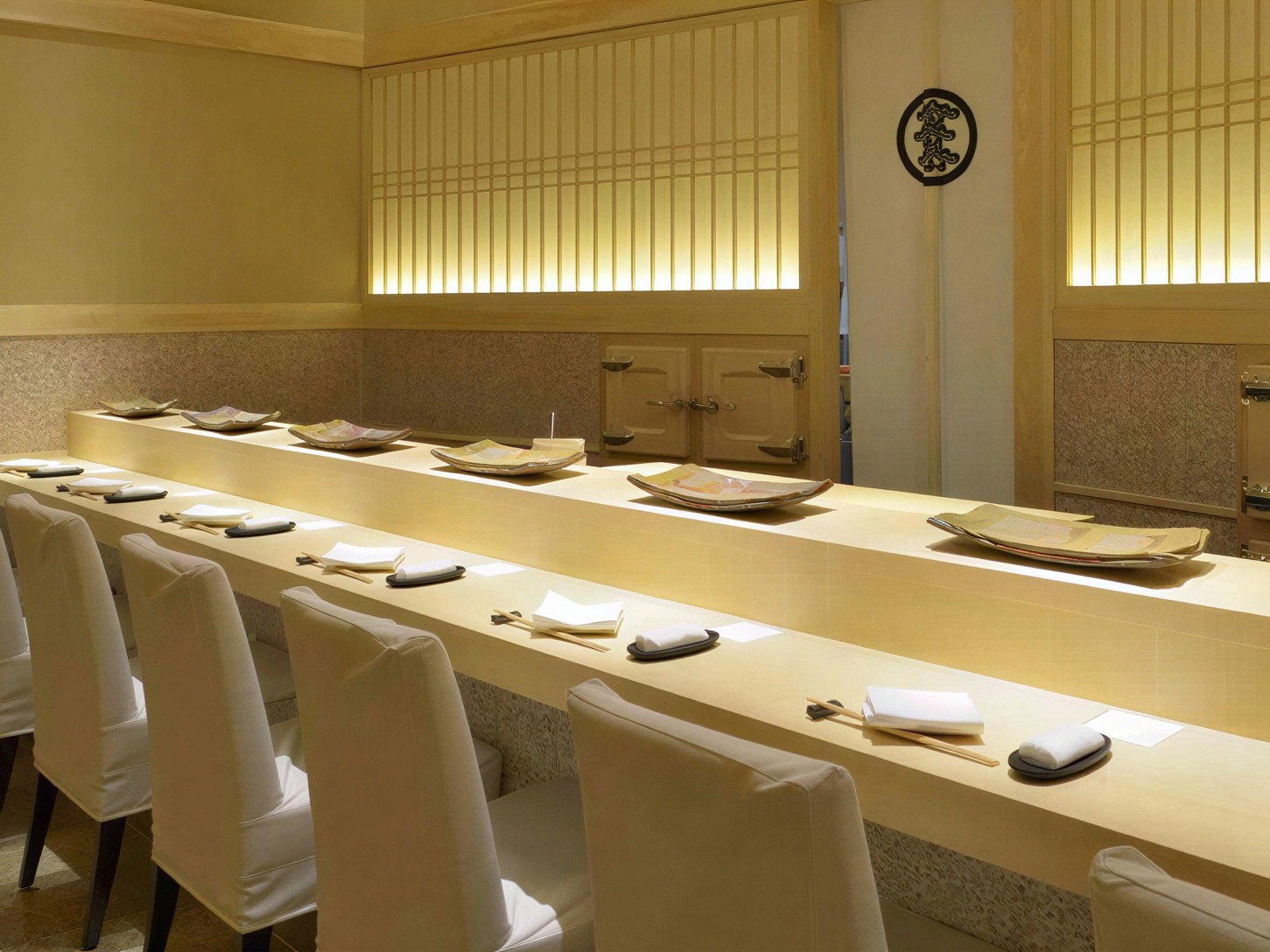
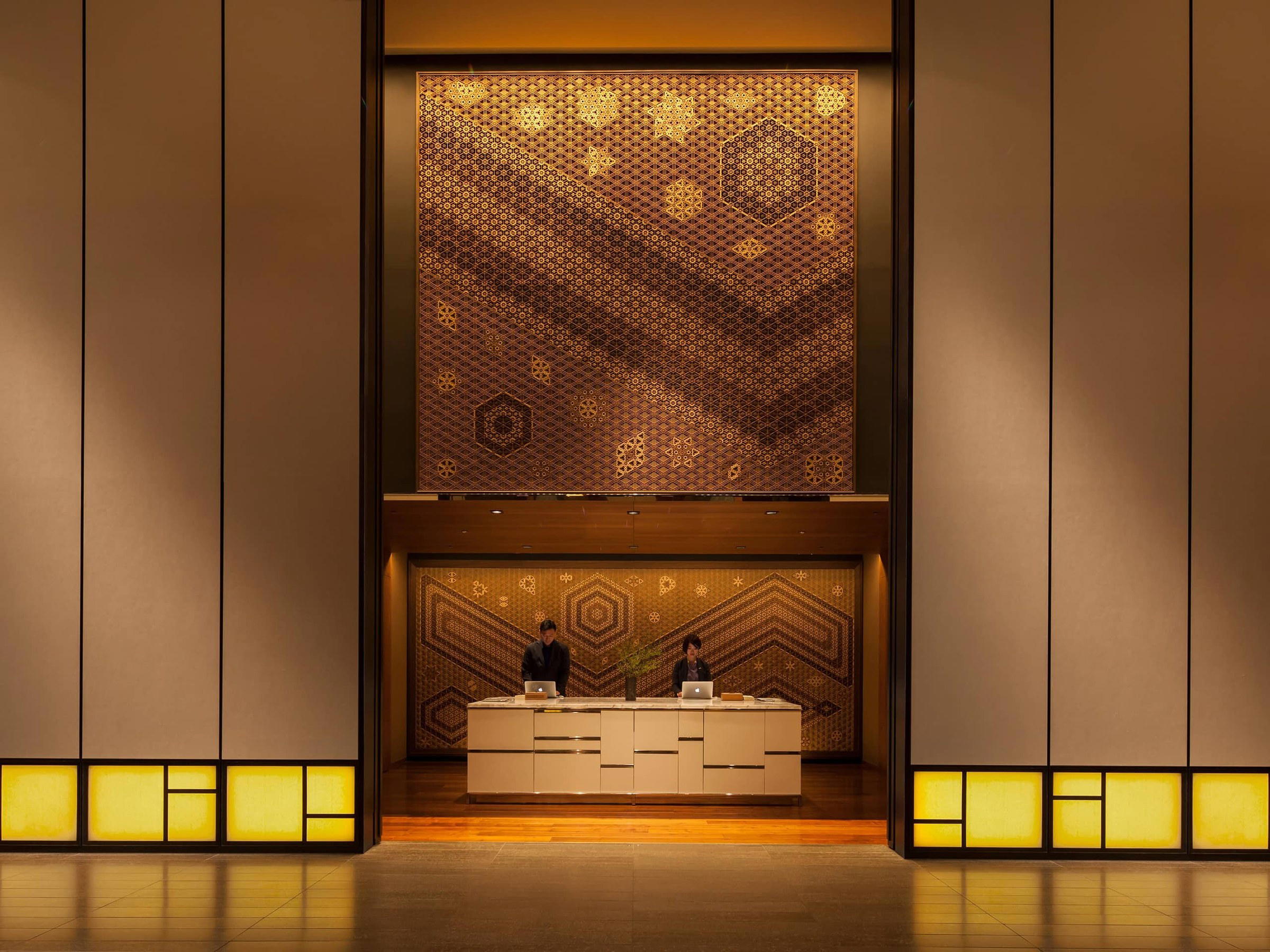
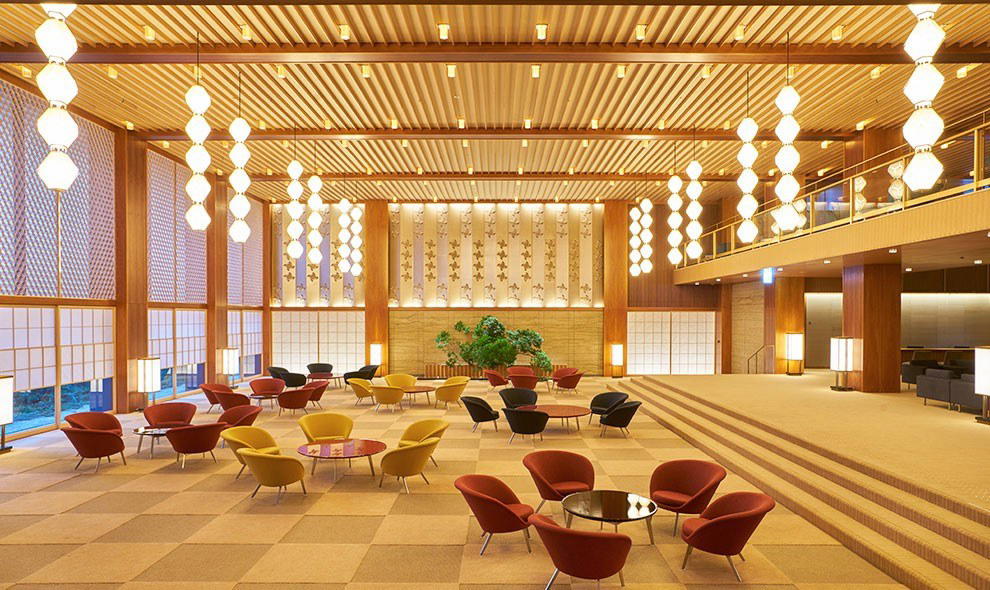
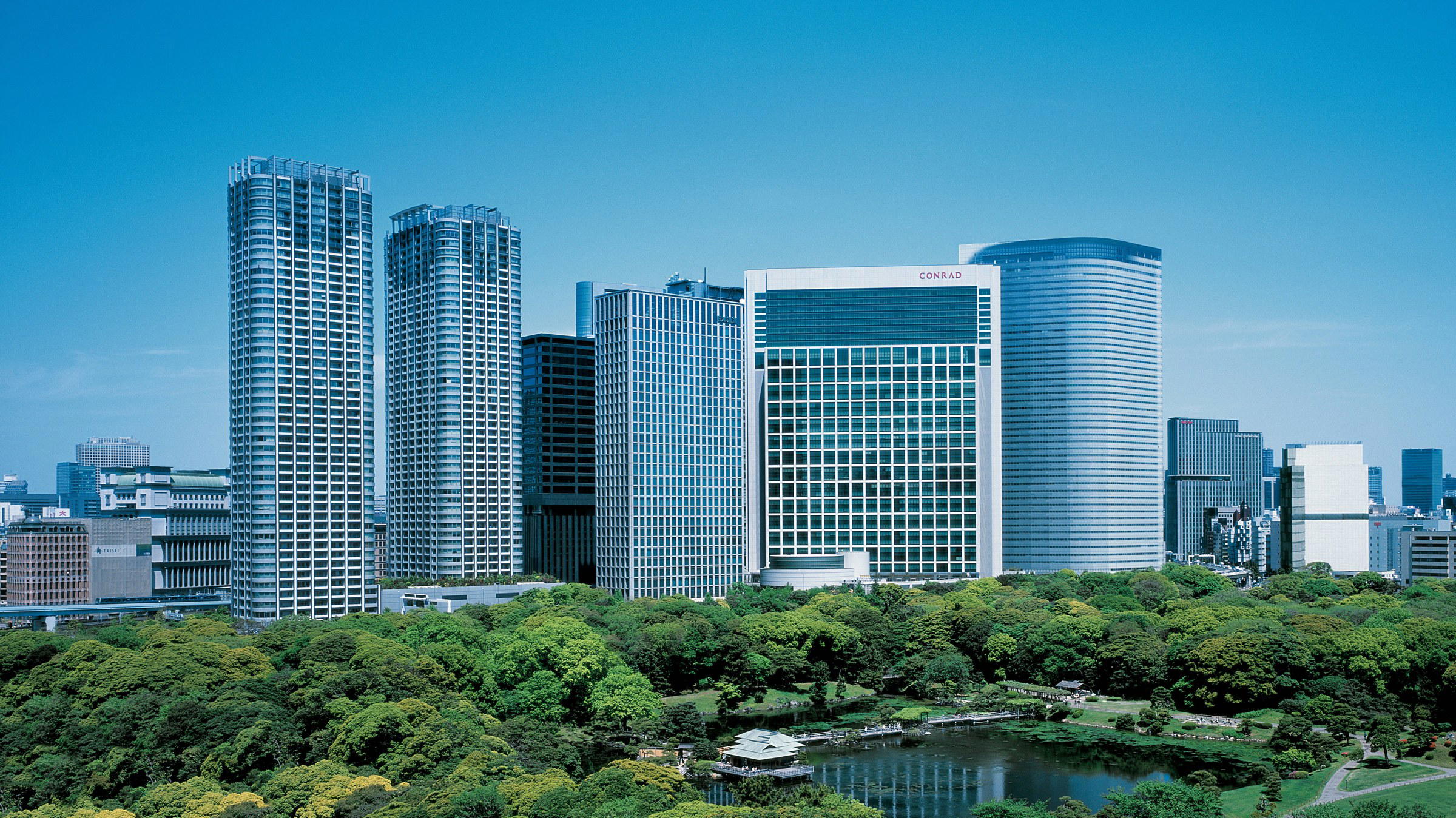
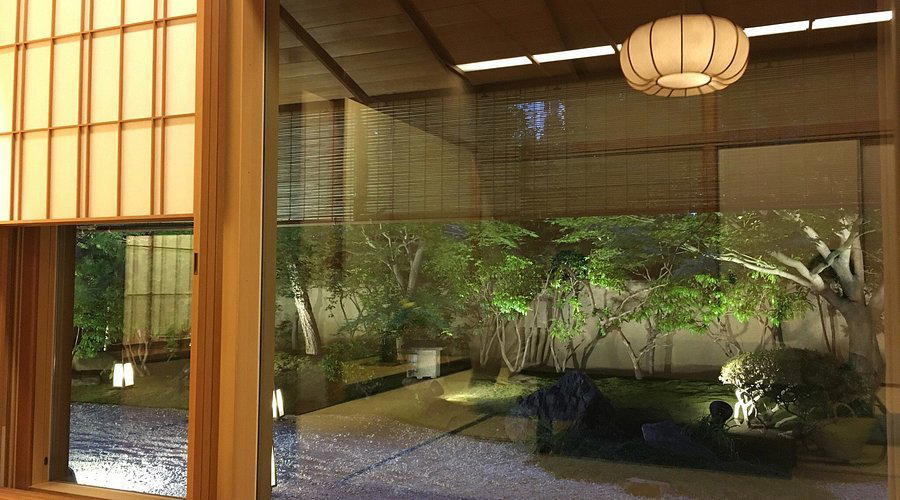
The approach to Atago from central Minato sets a particular kind of expectation. Atago Green Hills Forest Tower rises above a neighbourhood that still carries traces of the old temple district around Seishoji, the very ground from which Daigo draws its culinary lineage. Inside, the sukiya architectural style does what that aesthetic has always done in Japan: it turns attention inward, toward proportion and material, away from spectacle. Exposed timber joinery, tatami adjacency, and views into controlled greenery produce the sensory conditions in which shojin ryori makes most sense. The food was never meant to excite; it was meant to clarify.
Shojin ryori, the vegetable-centred cooking developed in Zen Buddhist monasteries, has existed on the periphery of Tokyo's serious dining conversation for decades, partly because the category sits at an awkward distance from the prestige formats the city is renowned for internationally. The leading omakase counters at this price level, from Harutaka to the kaiseki rooms at RyuGin, compete on protein sourcing, aging, and seasonal animal-product luxury. Daigo competes on an entirely different axis: the integrity of vegetable preparation across multiple courses, the logic of a kaiseki sequence applied to ingredients that offer far less margin for error when undercooked or mishandled.
The Shojin Tradition and What Daigo Inherits
Shojin ryori began as a monastic practice, codified around the prohibition on taking animal life. The discipline it produced, cooking that extracts maximum flavour and nutrition from seasonal vegetables, tofu, fu (wheat gluten), and mountain plants, is distinct from modern plant-based cuisine in one important respect: it predates any counterculture framing. There is no political argument being made at the table. The form simply is what it is, shaped over centuries rather than decades.
Daigo's connection to Seishoji Temple is not incidental branding; it explains the restaurant's existence. The kitchen began serving shojin ryori because the temple setting demanded it, and the kaiseki structure that organises the meal today grew around those monastic roots. What Daisuke Nomura inherits as the fourth-generation owner is a living format rather than a revival project, and that distinction matters when assessing what separates Daigo from the newer generation of Japanese vegetable-focused restaurants that have emerged in Tokyo, Kyoto, and Osaka over the past ten years.
One technical note that shapes how the kitchen should be understood: dried bonito flakes are used in the broth. This places Daigo inside classical Japanese dashi logic rather than strict vegetarian practice. The umami infrastructure of the meal depends on katsuobushi in the conventional way; what is absent is animal flesh and seafood in any solid form. For guests arriving with dietary requirements rather than culinary curiosity, that distinction matters. For guests arriving as diners, it signals a kitchen interested in Japanese flavour tradition rather than a categorical exercise.
Reading the Awards in Context
A single Michelin star, held since 2024, positions Daigo at a credentialed but not rarefied tier within Tokyo's recognition hierarchy. The city currently has more starred addresses than any other in the world, which means a single star here carries strong institutional weight without implying the kind of scarcity or spectacle associated with two- or three-star counters. La Liste's 84-point score for 2025 adds a secondary credential from a different evaluative framework, one that weights guest experience and cultural distinctiveness alongside pure technique. Opinionated About Dining ranked Daigo at 178th among Japanese restaurants in 2024 and 241st in 2025 in their annual assessment, and awarded a Highly Recommended designation in 2023. A Black Pearl 1 Diamond for 2025 rounds out the recognition picture.
Taken together, these signals describe a kitchen that multiple professional evaluation systems treat as a consistent, serious address rather than a trend entry. The year-over-year presence across different ranking methodologies is a more reliable indicator than any single award in isolation. Compared to the institutions operating at ¥¥¥¥ price points, L'Effervescence in Nishi-Azabu or Sézanne in the Four Seasons, Daigo operates at a lower price tier while carrying institutional recognition that tracks those rooms in terms of critical seriousness. The trade-off is format: there is no tasting menu innovation or cross-cultural synthesis in play at Daigo. The kitchen's ambition runs in a different direction entirely.
How the Beverage Program Fits the Shojin Framework
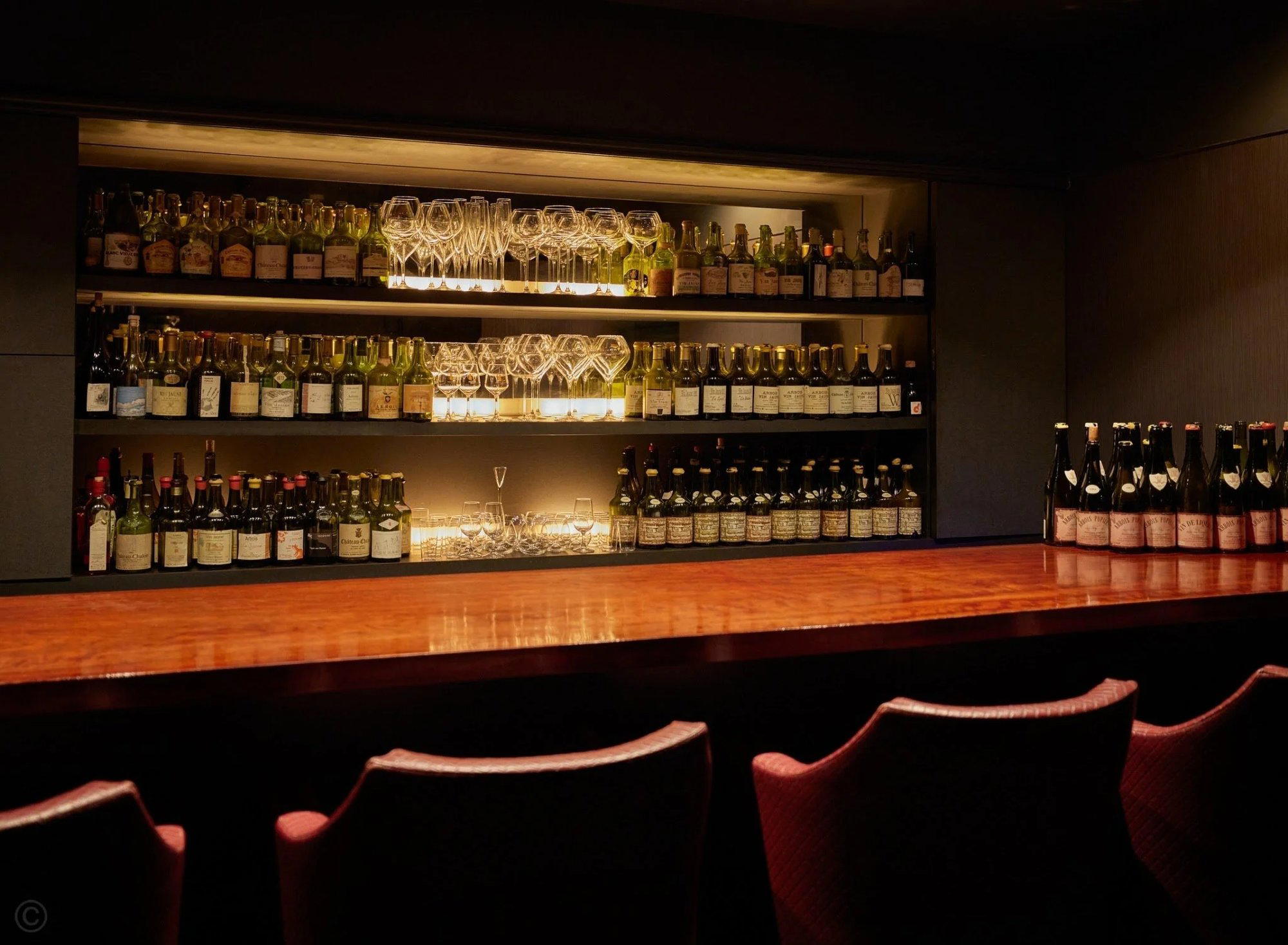
This is where Daigo's editorial angle requires some honest framing. What can be said with confidence is structural. Shojin ryori and sake share a Buddhist institutional history in Japan; some of the country's most historically significant sake producers developed alongside temple culture, and the pairing logic between restrained vegetable cooking and lower-alcohol, mineral-driven sake is well established.
What the beverage context does tell a planning reader is this: at shojin ryori addresses in Japan, the correct pairing instinct usually runs toward subtlety. The cooking does not beg for intervention. A heavily oaked wine or a cocktail with pronounced bitterness would pull against the grain of the meal in ways that might not at a French kitchen like Crony, where the flavour architecture is built to absorb contrast. Guests with a specific pairing agenda should raise it before arrival rather than assuming standard fine-dining beverage conventions apply.
Daigo in the Wider Japanese Fine Dining Map
Tokyo is the obvious reference point, but Japan's vegetable-focused fine dining operates across multiple cities, each with its own interpretive tradition. HAJIME in Osaka applies a modernist vegetable-forward framework that represents a fundamentally different philosophy from Daigo's classical fidelity. Gion Sasaki in Kyoto operates within kaiseki tradition but with a seasonal seafood emphasis that positions it differently. akordu in Nara, Goh in Fukuoka, and the more recent 1000 in Yokohama and 6 in Okinawa each reflect different regional relationships to the vegetable-forward Japanese table. None of them operate within the shojin lineage in the same direct institutional sense that Daigo does. That generational continuity, four owners, temple origins, unchanged conceptual frame, is rare enough to function as a differentiating credential even within Japan's deeply tradition-conscious dining culture.
International comparisons are instructive mainly by contrast. Le Bernardin in New York City has demonstrated that a rigidly category-defined kitchen (in its case, fish) can sustain peak recognition across decades without diversification. Atomix, also in New York, represents the Korean fine dining tradition applied to an omakase format. Both illustrate different models of categorical discipline. Daigo's mode is older and less ostentatiously constructed, but the underlying logic, commit completely to the category, refuse shortcuts, is shared.
Planning the Visit
Know Before You Go
- Address: Atago Green Hills Forest Tower, 2-3-1 Atago, Minato, Tokyo
- Price range: ¥¥¥ (mid-high for Tokyo fine dining; below the ¥¥¥¥ tier of comparable kaiseki rooms)
- Awards: Michelin 1 Star (2024), La Liste 84pts (2025), Black Pearl 1 Diamond (2025), Opinionated About Dining Ranked #241 in Japan (2025)
- Cuisine: Shojin ryori within a kaiseki structure; dried bonito broth is used, making the meal not strictly vegetarian
- Booking: Contact the restaurant directly; specific booking window not documented
- Nearest access: Kamiyacho Station (Hibiya Line) or Onarimon Station (Mita Line) serve the Atago area
For a fuller sense of where Daigo sits within Tokyo's dining options across all categories, see our full Tokyo restaurants guide. Planning around accommodation or evening programming can also draw on our Tokyo hotels guide, our Tokyo bars guide, and our Tokyo experiences guide. Wine-focused travellers can cross-reference our Tokyo wineries guide for the broader cellar picture in the city.
Frequently asked questions
What's the address for Daigo?
Daigo is located at Japan, 〒105-0002 Tokyo, Minato City, Atago, 2 Chome−3−1 愛宕グリーンヒルズフォレストタワー, Tokyo.
What's the pricing like at Daigo?
Pricing at Daigo is listed as ¥¥¥.
What's Daigo known for in terms of accolades?
Daigo has received recognition including: Being originally located in the grounds of Seishoji Temple is why Daigo began serving shojin ryori. What Nomura inherits as the restaurant’s fourth-generation owner is shojin ryori for gracious service. Note that dried bonito flakes are use….
What's the best thing to order at Daigo?
Daigo does not operate à la carte in the conventional sense, the kitchen works within the shojin ryori kaiseki framework, meaning the meal is a structured sequence built around seasonal vegetables. The documented awards, including a 2024 Michelin star and an OAD ranking of #178 in Japan for the same year, point to consistent execution across the full course rather than any single standout dish. Note that the broth uses dried bonito flakes, so the menu is not fully vegan despite the vegetarian framing. Arriving without specific dish expectations and committing to the kaiseki progression is how this format is designed to be read.
Is Daigo focused on a specific cuisine style?
What are the opening hours for Daigo?
Hours at Daigo: Location.
Is there a head chef associated with Daigo?
The chef associated with Daigo is Daisuke Nomura.
Booking and Cost Snapshot
| Venue | Cuisine | Price | Awards | Notes |
|---|---|---|---|---|
| DaigoThis venue (the venue you are viewing) | Shojin Ryori Kaiseki | $150–200 | 1 Michelin Star · La Liste Top Restaurants | Not listed |
| Harutaka | Edo-Style Omakase Sushi | $200–300 | 3 Michelin Stars · World's 50 Best #76 | Sushi |
| RyuGin | Modern Kaiseki | $500+ | 3 Michelin Stars · World's 50 Best #41 | Kaiseki, Japanese |
| L'Effervescence | Modern French with Japanese Influences | $200–300 | 3 Michelin Stars · World's 50 Best #69 | French |
| HOMMAGE | Modern French with Japanese Influences | $150–200 | 2 Michelin Stars · World's 50 Best #78 | Innovtive French, French |
| MAZ | Innovative Peruvian-Japanese Fusion | $150–200 | 2 Michelin Stars · World's 50 Best #28 | Innovative |
Recognition history
Dated appearances from independent guides and award organizations, with the underlying list record or original source where available.
Michelin 1 Star
Michelin
La Liste Top Restaurants
La Liste
Black Pearl 1 Diamond
Black Pearl
Opinionated About Dining Top Restaurants in Japan Recommended
Opinionated About Dining
We're Smart World 4 Radishes
We're Smart World
Full recognition history (10 entries)
Black Pearl 1 Diamond
Black Pearl
Opinionated About Dining Top Restaurants in Japan Ranked #241
Opinionated About Dining
Michelin 1 Star
Michelin
Opinionated About Dining Top Restaurants in Japan Ranked #178
Opinionated About Dining
Opinionated About Dining Top Restaurants in Japan Highly Recommended
Opinionated About Dining