HUNI occupies a quiet address in Kanazawa's Zaimokucho district, positioning itself within a city that has built a serious reputation for refined, ingredient-led dining outside the Tokyo-Kyoto axis. The restaurant sits in a local scene shaped by kaiseki tradition, proximity to the Sea of Japan, and producers who supply some of Japan's most exacting kitchens.
Pearl is the En Primeur Club membership app — saves, bookings, and concierge access live there. Same editors, same standards.
- Address
- 29-13 Zaimokucho, Kanazawa, Ishikawa 920-0921, Japan
- Phone
- +81762258012
- Website
- instagram.com
- Directions
- Get directions
 Saves & bookings on Pearl
A City That Takes Its Kitchens Seriously
Kanazawa has spent decades accumulating a dining reputation that punches well above its population size. The city sits at the intersection of mountain produce and Sea of Japan seafood, and its culinary institutions have long drawn chefs and critics who might otherwise default to Tokyo or Kyoto. That context matters when placing HUNI, located at 29-13 Zaimokucho in the older residential fabric of the city, away from the tourist concentration around Higashi Chaya and Kenroku-en. In a city where Dokkan and Amanatto Kawamura represent distinct points on the local dining spectrum, and where kaiseki houses like Zeniya and Kataori set the formal upper register, a name like HUNI earns attention by existing in a scene where standards are applied with genuine seriousness.
Kanazawa's dining culture differs from Kyoto's in one important structural way: it is less dependent on the formal kaiseki hierarchy as the singular mark of quality. Restaurants here tend to draw from a wider set of references, including French technique, contemporary Japanese formats, and ingredient-forward approaches that sit somewhere between these traditions. Budoonomori Les Tonnelles represents the French-inflected side of that conversation. HUNI's address in Zaimokucho places it in a quieter, less trafficked part of the city, the kind of location that in Japan often signals a place built for regulars and deliberate visitors rather than passing trade.
The Lunch and Dinner Question
Across Japan's more serious dining establishments, lunch and dinner have become genuinely distinct propositions rather than variations on the same service. This divide has sharpened in provincial cities like Kanazawa, where a growing cohort of restaurants uses daytime service to offer an accessible entry point into a kitchen's approach, while the evening format carries more weight, more courses, and a different price architecture.
This structure has real implications for how a first visit should be planned. Lunch at comparable Kanazawa addresses tends to offer a condensed but representative version of the kitchen's priorities, often at a price point that makes the experience accessible without the full commitment of a dinner reservation. Evening service at restaurants in this tier typically involves longer menus, more elaborate sequencing, and the expectation of a complete evening rather than a meal with a defined endpoint. For visitors coming from outside Kanazawa, dinner makes geographic sense since it removes the pressure of arriving in time from Osaka, Kyoto, or Tokyo via the Hokuriku Shinkansen. For those already based in the city, lunch offers the better value-to-quality ratio without sacrificing the kitchen's intentions.
The broader pattern across Japan's regional fine-dining scene, visible in places like Goh in Fukuoka and akordu in Nara, is that evening service has become the format where kitchens invest most heavily in expression. Lunch, by contrast, is where regulars return without the formality, and where the kitchen sometimes takes liberties with format that the dinner menu would not allow. Whether HUNI follows this pattern in detail is worth confirming directly, given the limited public documentation around its current service structure.
Zaimokucho and the Logic of Location
The Zaimokucho address is not a disadvantage. In Japanese dining culture, restaurants that sit outside the obvious tourist geography often operate with a different kind of confidence: they are not positioned to capture foot traffic, which means the audience is self-selecting and the atmosphere tends toward focused rather than performative. This mirrors the logic seen at quieter addresses in Kyoto's Fushimi or certain backstreet counters in Osaka's Fukushima district, where proximity to convenience is traded for a certain atmospheric density.
For visitors arriving by shinkansen, Kanazawa Station is the natural entry point, and the Zaimokucho district is reachable by taxi or local bus in a short journey. The city is compact enough that most dining destinations, including Hakuichi and the cluster of yakitori and casual options around central Kanazawa, are navigable without significant planning. Booking ahead is the operative assumption at any Kanazawa restaurant operating at this level. Walk-in availability is unlikely given the format signals the address implies, though confirming this directly through the restaurant is advisable given the absence of a published booking system in current records.
Where HUNI Sits in the Regional Picture
Kanazawa functions as a useful comparison point for understanding how Japan's regional cities have developed dining cultures that are neither derivative of Tokyo nor simply local-traditional. The city's produce access, including Noto Peninsula seafood, mountain vegetables from the surrounding Ishikawa prefecture, and proximity to rice and sake production, gives kitchens a natural material advantage that restaurants in more urban settings often have to construct through supply chain relationships.
Regionally, the comparable conversation includes Gion Sasaki in Kyoto, which operates at the formal upper end of kaiseki, and HAJIME in Osaka, which approaches the contemporary Japanese format from a more conceptual direction. HUNI occupies a different tier in terms of public documentation, but the city it inhabits has the ingredient infrastructure and the dining culture to support serious work. Restaurants in smaller regional Japanese cities, such as those in nearby Nanao or further north in places like Sapporo, often develop a loyalty-first model where documentation lags reputation by several years. HUNI may well sit in that category.
For a broader orientation to what Kanazawa's dining scene offers across price points and formats, including everything from counter kaiseki to casual options like Go! Go! Curry, see our full Kanazawa restaurants guide. Comparable restaurant formats in other contexts, such as Harutaka in Tokyo or Atomix in New York City, illustrate how ingredient-led, counter-format dining has evolved across different markets. Le Bernardin in New York City offers a useful Western reference point for how a kitchen's commitment to a single ingredient category, in that case seafood, can define an institution over decades. Kanazawa, with its Sea of Japan access, produces kitchens with a similar potential orientation.
Planning a Visit
Current public records for HUNI do not include phone numbers, a website, or a listed booking platform, which suggests that reservations likely operate through direct contact or third-party Japanese reservation systems such as Tableall or Omakase. Visitors are advised to confirm current service hours, lunch availability, and reservation requirements before travelling specifically for this address. The Zaimokucho location is leading reached by taxi from Kanazawa Station. Dress expectations at this level of Kanazawa dining tend toward smart casual at a minimum, with evening service usually carrying slightly more formal expectations. Additional regional options for itinerary planning include restaurants in Takashima and Nishikawa Machi for those building a broader Hokuriku dining itinerary. Birdland in Sakai provides a useful point of reference for how Japanese yakitori has developed as a serious format in parallel to kaiseki and contemporary omakase.
How HUNI Kanazawa compares with similar nearby venues.
| Venue | Cuisine | Price |
|---|---|---|
| Kataori | Kaiseki | Not listed |
| Rokkaku Do | Not listed | JPY 10,000 - JPY 14,999 JPY 5,000 - JPY 5,999 |
| Cliente Kawabata | Not listed | JPY 20,000 - JPY 29,999 JPY 10,000 - JPY 14,999 |
| Kisanuki | Japanese Cuisine | JPY 50,000 - JPY 59,999 View spending breakdown |
Continue exploring
More in Kanazawa
Restaurants in Kanazawa
Browse all →
Bars in Kanazawa
Browse all →
Hotels in Kanazawa
Browse all →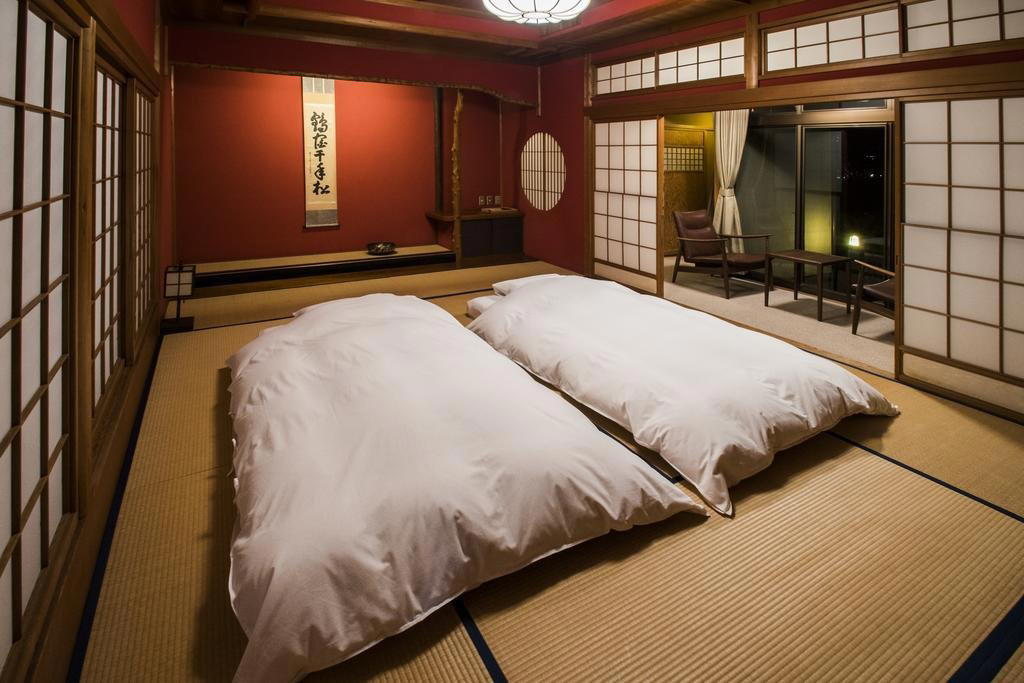
Wineries in Kanazawa
Browse all →
At a Glance
- Modern
- Trendy
- Cozy
- Sophisticated
- Date Night
- Special Occasion
- Open Kitchen
- Sake Program
- Local Sourcing
- Street Scene
- Waterfront
Current opening hours
- Monday
- Closed
- Tuesday
- Closed
- Wednesday
- 6–11 PM
- Thursday
- 6–11 PM
- Friday
- 6–11 PM
- Saturday
- 6–11 PM
- Sunday
- 6–11 PM
Hours can change for holidays and private events. Last verified .
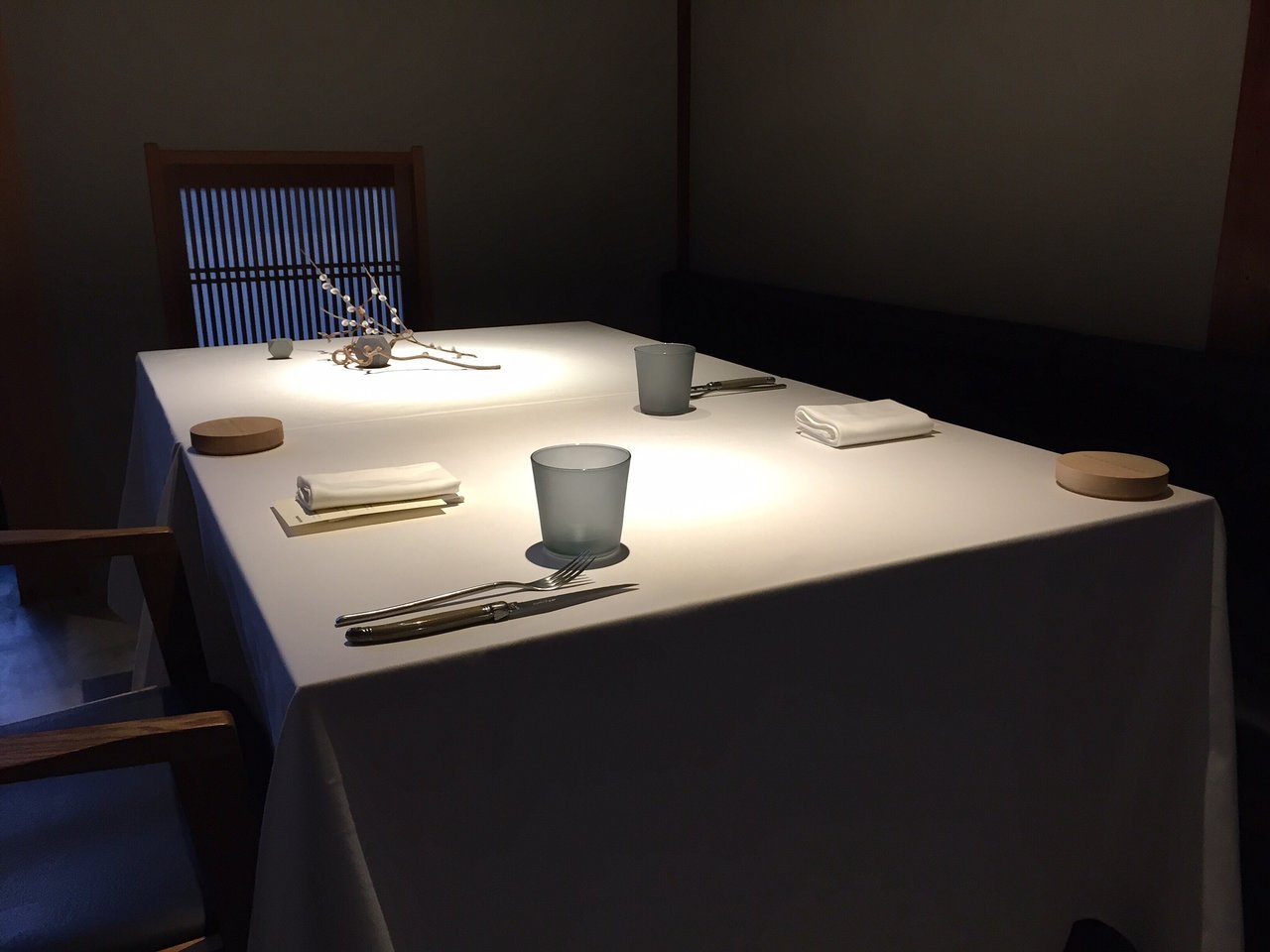
Sophisticated and cultural atmosphere with modern design, river views, open kitchen counter, tatami room, and artistic Buddhist space upstairs.
Know Before You Go
- Getting there
- 29-13 Zaimokucho, Kanazawa, Ishikawa 920-0921, Japan