In Kanazawa's Katamachi entertainment district, 京祇園ねぎ焼 粉 specialises in negiyaki, the Kyoto-style green onion pancake that sits in a distinct register from Osaka-style okonomiyaki. The format suits the neighbourhood's late-evening rhythm, where counter seating and a focused menu encourage repeat visits rather than one-off dining. A practical anchor for those exploring Katamachi's izakaya circuit.
Pearl is the En Primeur Club membership app — saves, bookings, and concierge access live there. Same editors, same standards.
- Address
- 2 Chome-7-21 Katamachi, Kanazawa, Ishikawa 920-0981, Japan
- Phone
- +81762615033
- Directions
- Get directions
 Saves & bookings on Pearl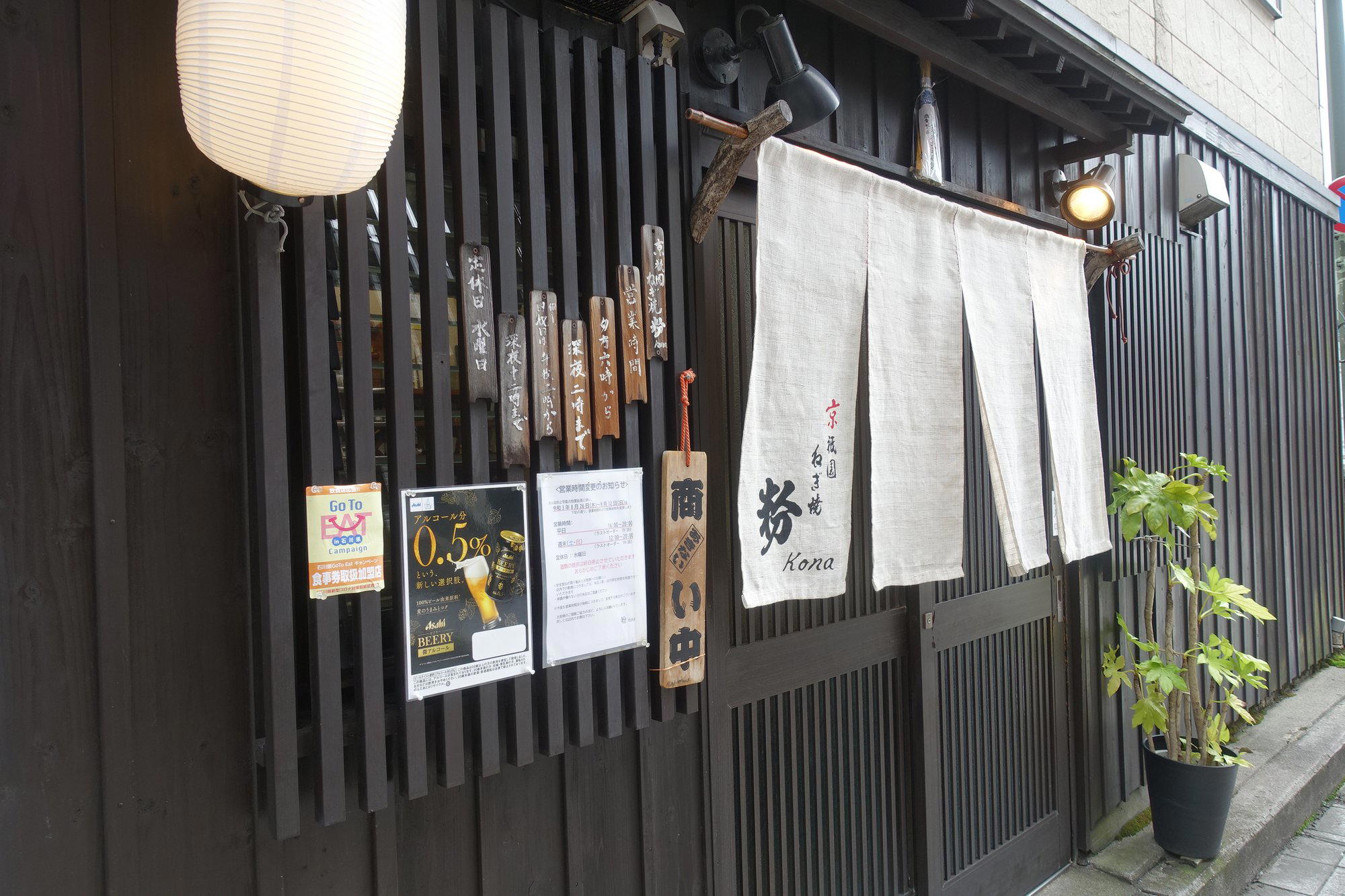
Katamachi After Dark and the Case for Negiyaki
京祇園ねぎ焼 粉 is a casual Kyoto-style negiyaki restaurant in Kanazawa's Katamachi district, priced at about $25 per person. By the time the Higashi Chaya teahouses have closed their sliding doors and the Kenroku-en gardens have emptied, Katamachi's narrow streets shift into a denser, more local register: izakaya signs flickering on, the smell of teppan grills carrying through pedestrian alleys, groups moving between small counters with practiced ease. It is into this evening economy that 京祇園ねぎ焼 粉 fits, occupying an address at 2 Chome-7-21 Katamachi that places it in the heart of the district's drinking-and-eating corridor.
Negiyaki is worth understanding before you arrive. It belongs to the broader family of Japanese flour-based griddle dishes, but it is not okonomiyaki. Where Osaka-style okonomiyaki builds around cabbage and a variety of proteins under a thick batter, negiyaki is built around green onion as the primary ingredient, producing a thinner, more delicate pancake with a pronounced allium sweetness and a crispier finish. The Kyoto lineage is embedded in the venue's name itself: 京 (Kyō) signals the Kyoto connection, while 祇園 (Gion) references Kyoto's Gion district. Framing negiyaki as a Kyoto product and situating it in Kanazawa's most active nightlife ward is a deliberate positioning move, one that separates this from the broader okonomiyaki category.
The Arc of the Meal
At a negiyaki counter, the sequencing of a meal follows the logic of the griddle rather than a kitchen brigade. Early orders tend to be simple: drinks arrive fast, and the first pancakes come quickly, functioning as the kind of opener that lets a table settle into the evening. The thin batter crisps at the edges while the centre remains tender, and the green onion softens without losing its character. This is not elaborate cooking, but it is precise cooking, and the difference matters at the counter level where guests can watch the preparation directly.
As the session extends, the ordering pattern at this type of venue typically shifts toward additional proteins or toppings layered into the negiyaki format, along with side dishes that suit the Katamachi izakaya rhythm. The format rewards slower eating and more drinks rather than a fast turn-and-out, which positions 京祇園ねぎ焼 粉 in the category of venues where the second or third visit feels more comfortable than the first. Regular customers develop a shorthand with the menu that first-timers take a round or two to acquire.
That progression, from first tentative order to settled familiarity, is a defining feature of specialist counter dining. It is present in yakitori, kaiseki, and sushi counters across Japan. The principle is the same even when the price tier and formality differ: the meal has a shape, and learning that shape is part of the experience.
Kanazawa's Broader Dining Register
Kanazawa occupies an unusual position in Japan's restaurant geography. It has a high density of premium kaiseki dining relative to its population, driven by the quality of local seafood from the Sea of Japan and a preserved craft culture that makes presentation standards across all price tiers higher than in many comparable cities. That culture filters down: even casual counter restaurants in Katamachi operate with a care for ingredient quality that reflects the city's overall dining standards.
The city's restaurants divide broadly into three registers. At the upper end sits formal kaiseki, with venues like Zeniya and Kataori working within a rigorous seasonal framework. In the middle sits a range of specialist counters covering everything from innovative Spanish cooking at Respiracion to the Chinese-influenced seafood approach at Sushi Kibatani. At the accessible end, places like Go! Go! Curry, the chain with Kanazawa origins, handle the fast-casual demand. The restaurant sits in the specialist counter category, a step below the kaiseki tier in price and formality but operating within a specific culinary tradition rather than offering a generic izakaya menu.
For visitors who have spent time at heavier kaiseki tables, the negiyaki counter offers a useful counterpoint: flour, onion, and griddle heat rather than dashi, lacquer, and restraint. Both approaches are expressions of Japanese cooking precision; they simply apply it at different registers. Visitors building a Kanazawa itinerary around food will find the contrast useful. This broader picture spans neighborhood and price tier.
Kanazawa's position on Japan's culinary circuit also benefits from proximity to other strong regional destinations. Venues like HAJIME in Osaka, Goh in Fukuoka, and akordu in Nara sit within a broader Kansai and Western Honshu food corridor that rewards multi-city itineraries. The contrast between Kanazawa's local seafood emphasis and the more cosmopolitan cooking styles of Osaka or Fukuoka is one of the more interesting comparisons available to serious food travellers in Japan.
Katamachi Logistics and What to Expect
The Katamachi address places the restaurant within walking distance of Kanazawa's main hotel cluster and the central Korinbo area, making it a practical evening option without requiring transport. The district's layout rewards walking: most of the action is concentrated across a few blocks, and the density of small restaurants means that an evening in Katamachi can involve more than one stop. Other venues in the broader Katamachi and Kanazawa area include Amanatto Kawamura, Hakuichi, Dokkan, and Budoonomori Les Tonnelles.
Reservations are recommended. Walk-in availability may be better on quieter weeknights, though weekend evenings in the district tend to be busier. Arriving before peak dinner service, typically before 7:30pm, improves the odds of securing a seat without advance planning. For those with dietary restrictions, allergy queries are best raised directly with staff on arrival; the specialist flour-based format means gluten is a structural ingredient rather than an optional one.
What It’s Closest To
Comparable venues nearby, for context on price, style, and recognition.
| Venue | Cuisine | Price | Notes |
|---|---|---|---|
| 京祇園ねぎ焼 粉This venue — the venue you are viewing | Kyoto-Style Negiyaki | $$ | Not listed |
| Omicho Ichibazushi (近江町市場寿し) | Market Conveyor Belt Sushi | $$ | Omicho Market |
| のとめぐり | Hokuriku Conveyor Belt Sushi | $$ | Hirooka |
| Shizenha Ramen Kagura | Natural additive‑free ramen | $$ | Kanazawa |
| Go! Go! Curry (ゴーゴーカレー) | Kanazawa Katsu Curry | $$ | Kanazawa Station |
| Sumi Sakana Sakana Wanaka | Seafood-focused Japanese Izakaya | $$ | Kanazawa |
Continue exploring
More in Kanazawa
Restaurants in Kanazawa
Browse all →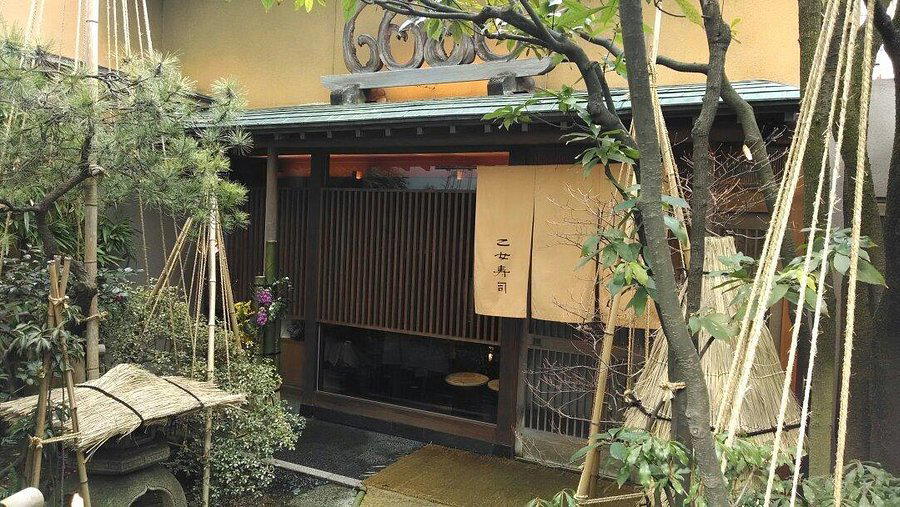
Hotels in Kanazawa
Browse all →
Wineries in Kanazawa
Browse all →
At a Glance
- Lively
- Cozy
- Casual Hangout
- Late Night
- Open Kitchen
- Sake Program
Current opening hours
- Monday
- 6 PM–1 AM
- Tuesday
- 6 PM–1 AM
- Wednesday
- Closed
- Thursday
- 6 PM–1 AM
- Friday
- 6 PM–1 AM
- Saturday
- 6 PM–1 AM
- Sunday
- 12–10 PM
Hours can change for holidays and private events. Last verified .
Bustling teppanyaki atmosphere filled with sizzle sounds, aromas, and friendly chef interactions in a lively, always-full setting.