Located in Kanazawa's Saiwaimachi district, 松魚小松 occupies a corner of a city whose reputation for Kaga cuisine and premium seafood has long drawn serious diners from across Japan. Booking intelligence and local context matter here: this is a neighbourhood where knowing what to expect, and how to plan, separates a worthwhile visit from a missed opportunity.
Pearl is the En Primeur Club membership app — saves, bookings, and concierge access live there. Same editors, same standards.
- Address
- 11-29 Saiwaimachi, Kanazawa, Ishikawa 920-0968, Japan
- Phone
- +81 76-224-0118
- Website
- m.facebook.com
- Directions
- Get directions
 Saves & bookings on Pearl
Arriving in Saiwaimachi: What the Address Tells You
料理 小松 is a Traditional Kaiseki restaurant in Kanazawa, Ishikawa, at 11-29 Saiwaimachi, Kanazawa, Ishikawa 920-0968, Japan. The Saiwaimachi address of 松魚小松 places it in a residential-commercial pocket southeast of the city centre, away from the tourist corridors of Higashi Chaya and Omicho Market. In Kanazawa's dining geography, that kind of address typically signals a room that expects you to come with purpose rather than stumbling in from a sightseeing circuit. The city's most serious eating, whether Kaiseki counters like Dokkan or traditional sweets specialists like Amanatto Kawamura, tends to operate on reservation logic, not foot traffic, and Saiwaimachi fits that pattern.
The physical approach to a room in this part of the city is rarely dramatic. Kanazawa's older residential lanes are narrow and low-lit in the evenings, with minimal exterior signage on many of its neighbourhood establishments. That restraint is not accident: it reflects a regional dining culture shaped by centuries of Kaga domain patronage, where discretion and regularity of custom mattered more than visible display. Visitors arriving for the first time should plan for the address to be the primary navigation tool, and should allow time to locate the entrance correctly.
Planning the Visit: What the Booking Picture Looks Like
The venue calls for advance reservations. In Kanazawa, neighbourhood restaurants operating at any level of seriousness above casual dining typically accept reservations through one of three channels: direct telephone booking in Japanese, a third-party reservation platform such as Tabelog or Omakase, or, in fewer cases, hotel concierge mediation for guests staying at properties with strong local connections.
Advance booking is one practical approach. Kanazawa's dining scene, compared to Tokyo or Osaka, is smaller and more relationship-dependent: a well-placed introduction from a trusted local contact can matter more here than in a larger city where reservation systems are more formalised. Restaurants in peer cities like Kyoto operate similarly, Gion Sasaki in Kyoto, for example, is another room where concierge mediation smooths access considerably for non-Japanese speakers.
Visitors planning a broader Japan itinerary that touches multiple serious dining rooms should note that Kanazawa sits on the Hokuriku Shinkansen line, making it a viable stop between Tokyo and the Kansai region. The journey from Tokyo to Kanazawa takes roughly two and a half hours. For those building a sequence of comparable experiences, Harutaka in Tokyo, HAJIME in Osaka, or Goh in Fukuoka represent the kind of peer-tier rooms against which Kanazawa's more serious neighbourhood establishments should be contextualised.
The Kanazawa Seafood Context
The name suggests a reference to bonito traditions within Ishikawa cuisine.
Kanazawa's access to the Sea of Japan coastline gives the city's fish-forward restaurants a supply position that distinguishes them from their Pacific-coast equivalents. The Noto Peninsula to the north and the Omicho Market in the city centre have historically anchored a seafood supply chain that runs through Kanazawa's serious dining rooms. Restaurants in this tradition, from yakitori-adjacent fish specialists to full kaiseki counters, share a product orientation that prioritises seasonality and sourcing specificity over technical novelty. In that sense, 松魚小松 sits within a culinary tradition where the raw material, its provenance, its season, its treatment, carries more editorial weight than any particular cooking method. For a sense of how other regions handle similar product-first commitments, Le Bernardin in New York City offers a useful parallel in the fish-focused format, even if the cultural context differs entirely.
How 松魚小松 Fits the Kanazawa Dining Map
Kanazawa's restaurant scene in 2024 and 2025 has attracted increasing international attention, partly through Michelin coverage of the broader Hokuriku region and partly through a growing recognition that the city offers serious dining at a lower price threshold than Tokyo or Kyoto. The result has been a modest but measurable increase in international bookings at neighbourhood-level establishments that previously operated almost entirely for local clientele.
Within that context, 松魚小松 at Saiwaimachi 11-29 occupies a position consistent with Kanazawa's mid-to-upper neighbourhood dining tier: the address suggests a room serving a regular local clientele rather than a destination-dining crowd, while the specificity of the name signals product focus rather than format experimentation. Comparison venues operating in adjacent categories in Kanazawa include kaiseki-oriented rooms like Zeniya and Kataori, which represent the more formalised end of the city's dining spectrum. 松魚小松, by address and name logic, reads closer to a neighbourhood specialist than to those ceremonial kaiseki formats. For those interested in Kanazawa's French-influenced dining, Budoonomori Les Tonnelles represents a different register entirely. Gold-leaf cultural experiences nearby, such as Hakuichi, round out the city's offering for visitors building a multi-day programme.
For a broader orientation to what Kanazawa's dining scene offers across formats and price points, the Kanazawa restaurants guide maps the range. Those looking to extend their Japan itinerary into other regional dining scenes might also consider akordu in Nara, 一本杉川嶋 in Nanao (also in Ishikawa Prefecture), or 湖畔荘 in Takashima for comparable regional depth. Those seeking contrast through entirely different formats might look at Go! Go! Curry for Kanazawa's celebrated curry culture, or Atomix in New York City for a sense of how Korean fine dining in the West handles comparable product-and-season thinking.
A Quick Peer Check
Comparable venues nearby, for context on price, style, and recognition.
| Venue | Cuisine | Price | Notes |
|---|---|---|---|
| 料理 小松This venue — the venue you are viewing | Traditional Kaiseki | Not listed | Not listed |
| Hakuichi | Kanazawa Gold Leaf Ice Cream Cafe | $$ | Higashiyama |
| ちくわ | Modern Kanazawa Oden | $$ | Kanazawa |
| Amanatto Kawamura | Traditional Japanese Sweets and Amanatto | $$ | Kanazawa |
| Plat Home | Modern Creative Japanese | $$ | Kanazawa |
| 京祇園ねぎ焼 粉 | Kyoto-Style Negiyaki | $$ | Kanazawa |
Continue exploring
More in Kanazawa
Restaurants in Kanazawa
Browse all →
Hotels in Kanazawa
Browse all →
Wineries in Kanazawa
Browse all →
At a Glance
- Special Occasion
- Sake Program
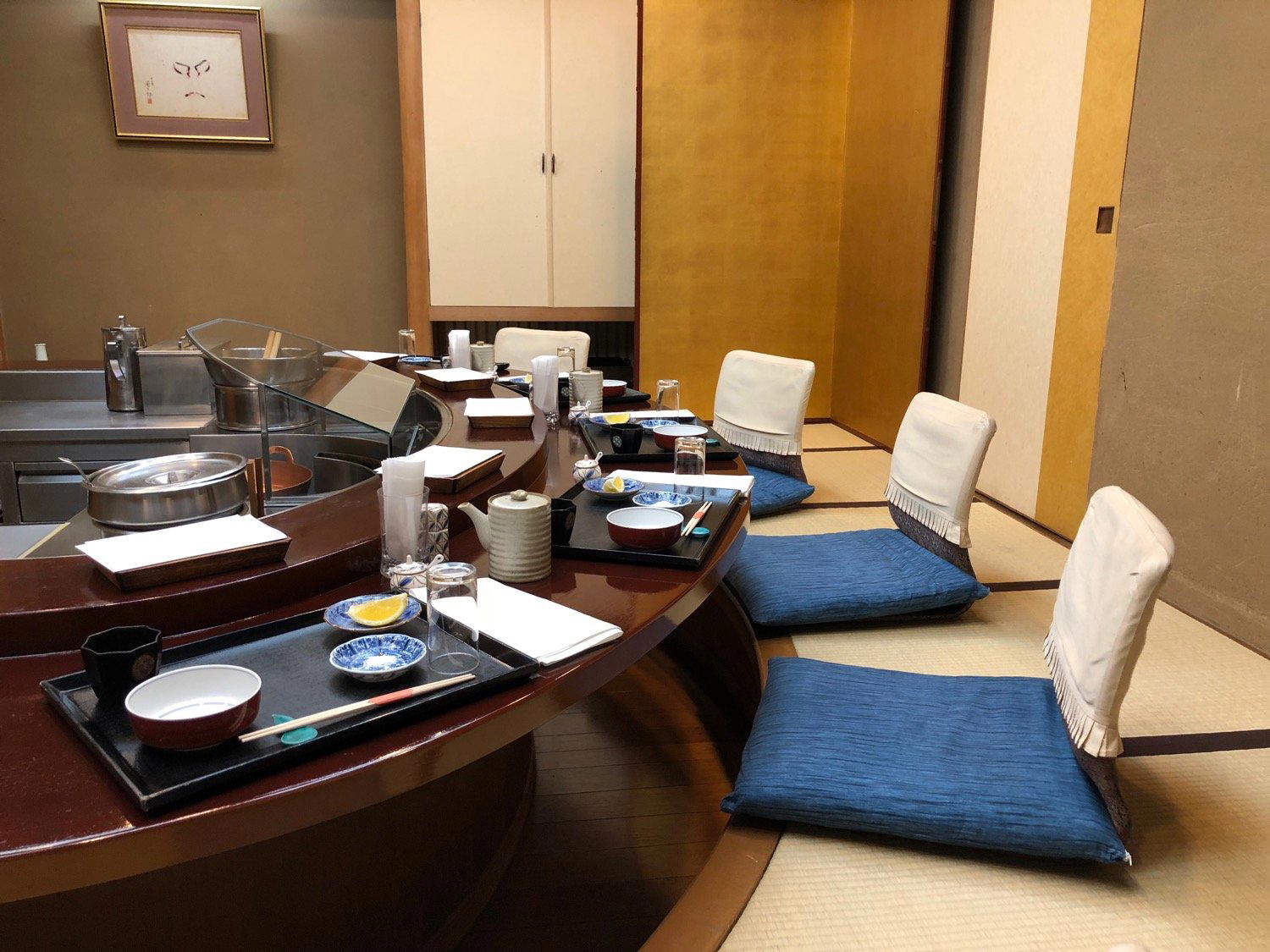
Elegant and serene traditional Japanese setting.