Our verdict
Huang Cheng Old Beef Restaurant occupies a specific lane in Chengdu's dining culture: the slow, deliberate ritual of beef-centred Sichuan cooking, where the cuts, the broth, and the pacing of service carry as much meaning as the seasoning. It sits within a city where spice-forward traditions run deep, offering a format built around communal eating and the accumulated knowledge of a kitchen focused on one protein.

Pearl is the En Primeur Club membership app, where members save venues, book tables and use the concierge.
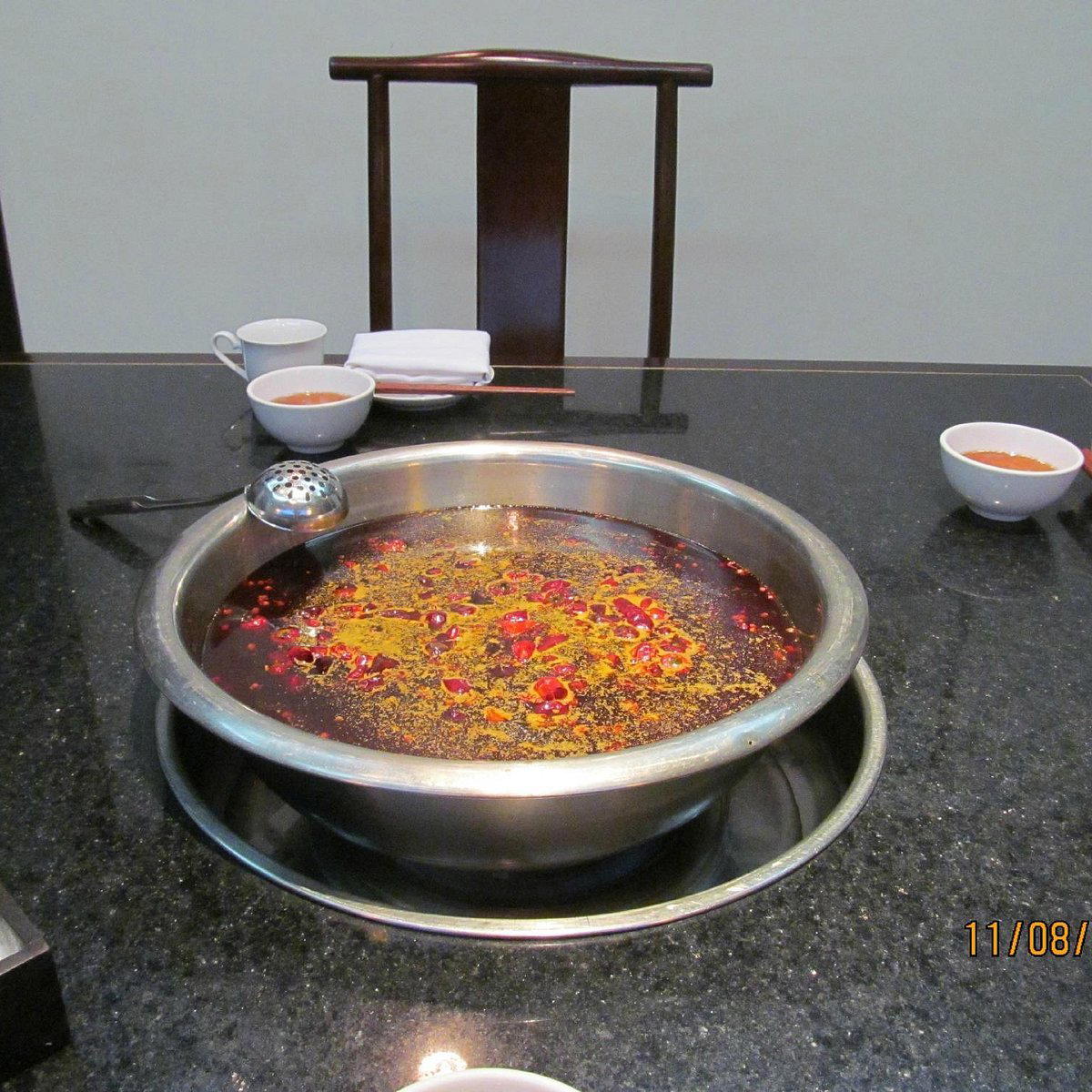
The Ritual of the Beef Table in Chengdu
Chengdu's dining culture operates on a different clock to most Chinese cities. Meals here are not transactions. They are events with structure: rounds of small dishes arriving before mains, communal vessels passed without ceremony, and a pace calibrated to conversation rather than turnover. Huang Cheng Old Beef Restaurant sits inside that tradition, belonging to a category of Chengdu establishments where a single protein, prepared across multiple cuts and techniques, becomes the organising principle of the entire meal. Beef-specialist restaurants of this kind represent a distinct sub-genre in Sichuan dining, one that rewards visitors who know what they are ordering and why.
The name itself carries register. "Huang Cheng" references the old imperial city, a marker of heritage positioning common among Chengdu's longer-running restaurants. "Old" in this context functions less as a description of age and more as a claim on authenticity, signalling that the kitchen's approach predates the city's recent wave of trend-driven openings. Whether that claim is borne out in the cooking is something each table must assess for itself.
What a Beef-Centred Format Actually Means at the Table
In cities like Beijing or Shanghai, multi-course beef meals tend to borrow from hotpot conventions or lean toward grilled formats. Chengdu's beef specialists occupy different territory. The Sichuan approach layers aromatics, dried chillies, and Sichuan peppercorn into preparations that let the fat content and cut structure of the beef do most of the work. Braised tripe, cold-dressed tendon, slow-cooked shank, and bone broth are recurring elements across the city's beef restaurants, and the sequencing of these dishes follows a logic that mirrors how Sichuanese cooking is taught: cold preparations arrive first to prime the palate, hot dishes build in intensity, and the soup anchor at the end of the meal is not an afterthought but a deliberate act of closure.
Visitors unfamiliar with this structure sometimes read the pace as slow service. It is not. The gaps between courses are built in. A table that rushes through the cold starters misses the point of the format. Chengdu's beef restaurants, including this one, are better understood as places where the meal has a grammar, and the reader who skips the early chapters will find the ending less coherent. For context on the wider range of dining formats the city supports, our full Chengdu restaurants guide maps the major traditions and price tiers across the city's neighbourhoods.
Where Huang Cheng Old Beef Sits in Chengdu's Dining Tiers
Chengdu's restaurant spectrum runs from street-level noodle counters at ¥ to formal Sichuan fine dining at ¥¥¥¥. At the leading end, Yu Zhi Lan operates as the city's most internationally recognised fine dining address, while Xin Rong Ji brings a Taizhou-inflected formality to an otherwise Sichuan-dominant scene. Beef-specialist restaurants like Huang Cheng Old Beef occupy the mid-tier of that spectrum: more structured than a noodle house, less formally staged than a tasting-menu operation. The format is designed for groups of three to six, where dishes are shared and the table constructs its own progression through the menu.
That mid-tier positioning in Chengdu comes with its own set of peer comparisons. Fang Xiang Jing and Fu Rong Huang represent the category of Sichuan restaurants that foreground regional identity without crossing into fine-dining pricing. Hokkien Cuisine in Chengdu, by contrast, occupies a different tradition entirely, demonstrating how the city has expanded beyond its Sichuan core to absorb coastal Chinese cooking styles. Huang Cheng Old Beef, within that broader context, is a venue committed to a narrower, more specific expression: Sichuan beef, prepared according to established technique, without the drift toward fusion or spectacle.
Etiquette, Ordering, and the Logic of the Meal
First-time visitors to Chengdu's beef specialists often arrive without a clear ordering strategy, and the menu at restaurants of this type can feel disorienting if you approach it expecting a conventional Western structure of starter, main, and dessert. The practical approach is to anchor the table with one bone broth or slow-braised preparation as the centrepiece, then build outward with two or three cold dishes and a vegetable preparation to balance the richness. Sichuan peppercorn heat accumulates across a meal, so the sequencing of spice intensity matters.
The etiquette of sharing is not optional at a table like this: dishes arrive when they are ready, not all at once, and the expectation is that the table manages its own pace rather than deferring to a set menu. This is a different discipline from the tasting-menu format practised at addresses like Atomix in New York City, where the kitchen controls every variable, or the seafood precision at Le Bernardin, where each course is a complete and independent statement. At a Chengdu beef table, the meal is collaborative. The kitchen provides the components; the table assembles the experience.
Across China's broader fine-dining circuit, the contrast is instructive. Chef Tam's Seasons in Macau and Imperial Treasure Fine Chinese Cuisine in Guangzhou represent the formal, service-heavy tier of Chinese dining, where the kitchen's sequence is non-negotiable. Ru Yuan in Hangzhou and 102 House in Shanghai operate within different regional traditions, each reinforcing how varied the grammar of a Chinese meal can be depending on city, cuisine type, and price point. Chengdu's beef specialists belong to a tradition that prioritises informality of service while maintaining rigour in preparation, a combination that takes some visitors a meal or two to calibrate to.
Planning a Visit
Chengdu's mid-tier restaurants of this kind typically do not require advance booking for weekday lunches, but weekend evening tables at well-regarded beef specialists fill through walk-ins and same-day calls. Given that no direct booking link or phone number is publicly confirmed for Huang Cheng Old Beef Restaurant, arriving early in the dinner window, before 6:30pm, is the most reliable strategy for securing a table without a wait. The restaurant's format suits groups more naturally than solo diners, given the sharing structure of the menu.
For visitors building a broader Chengdu itinerary, it is worth comparing the beef-specialist experience against other regional formats the city supports. Xin Rong Ji on Xinyuan South Road in Beijing demonstrates how Taizhou-style seafood translates to a northern Chinese context, while Dai Yuet Heen in Nanjing, Dingshan·Jiangyan in Suzhou, Fleurs Et Festin in Xiamen, Jiangnan Wok·Rong in Fuzhou, and Shang Palace in Yangzhou each illustrate how deeply Chinese dining identity is rooted in geography and ingredient tradition. Against that national context, Chengdu's beef specialists read as a concentrated, city-specific expression of what it means to build an entire dining culture around a single protein and the techniques that unlock it.
Frequently asked questions
How does Huang Cheng Old Beef Restaurant differ from Chengdu's hotpot venues?
Where Chengdu's hotpot culture puts the cooking process at the table, Huang Cheng Old Beef Restaurant represents a distinct tradition: kitchen-prepared beef served across structured rounds. This format, rooted in Sichuan beef specialist dining, means cuts arrive braised, cold-sliced, or in broth rather than raw for self-cooking. The distinction matters for first-time visitors expecting the participatory hotpot experience Chengdu is broadly associated with.
What should I eat at Huang Cheng Old Beef Restaurant?
Huang Cheng Old Beef Restaurant is built around a beef-centred format, so the ordering logic runs through cuts and preparations rather than a broad Sichuan menu. At restaurants of this type in Chengdu, the table typically progresses through cold beef starters, braised cuts, and soup-based finishes. Follow the sequence the menu implies rather than ordering à la carte at random, it reflects the house structure.
What's the best way to book Huang Cheng Old Beef Restaurant?
No booking platform or phone number is publicly listed for Huang Cheng Old Beef Restaurant. For Chengdu's mid-tier beef specialists of this standing, walk-in works on weekday lunches, but weekend evenings at well-regarded addresses fill early. Arriving before the 11:30 or 17:30 service openings is the practical approach if you cannot confirm a reservation in advance.
What has Huang Cheng Old Beef Restaurant built its reputation on?
The restaurant's name signals its positioning directly: old-style beef preparation in a city where the category has deep roots. Chengdu's beef dining tradition sits apart from hotpot conventions, relying instead on braising, cold-cut technique, and soup-based service. Huang Cheng Old Beef draws a regular local crowd on the strength of that format rather than on any single dish or chef profile.
Do they accommodate allergies at Huang Cheng Old Beef Restaurant?
No allergy or dietary accommodation policy is documented for Huang Cheng Old Beef Restaurant. Sichuan beef kitchens of this style rely heavily on chilli oil, Sichuan peppercorn, fermented pastes, and soy-based sauces as structural components rather than garnishes, which limits substitution. Guests with serious allergies should communicate directly with the kitchen before ordering.
Is Huang Cheng Old Beef Restaurant overpriced or worth every penny?
No published price range is available for Huang Cheng Old Beef Restaurant. Within Chengdu's dining tiers, beef specialists of this type typically sit in the mid-range bracket, well below formal Sichuan fine dining venues like Yu Zhi Lan but above street-level noodle counters. The value proposition at addresses like this is the format and the kitchen's command of it, not the décor or service theatrics.
Category Peers
| Venue | Cuisine | Price | Awards | Notes |
|---|---|---|---|---|
| Huang Cheng Old Beef RestaurantThis venue (the venue you are viewing) | Sichuan Muslim Beef | Not listed | Not listed | Not listed |
| Xin Rong Ji | Chinese | Not listed | 2 Michelin Stars · World's 50 Best #56 | Taizhou |
| Yu Zhi Lan | Modern Sichuan Fine Dining | $200–300 | 2 Michelin Stars · La Liste Top Restaurants | Sichuan |
| Mi Xun Teahouse | Modern Vegetarian Sichuan Chinese | $30–50 | 1 Michelin Star | Vegetarian |
| Chen Mapo Tofu (Qinghua Road) | Authentic Sichuan Mapo Tofu | $10–20 | Michelin Bib Gourmand | Not listed |
| Gan Ji Fei Chang Fen (Jinniu) | Sichuan Pork Intestines Glass Noodles | $1–10 | Michelin Bib Gourmand | Not listed |
Continue exploring
More in Chengdu
Restaurants in Chengdu
All restaurants in Chengdu →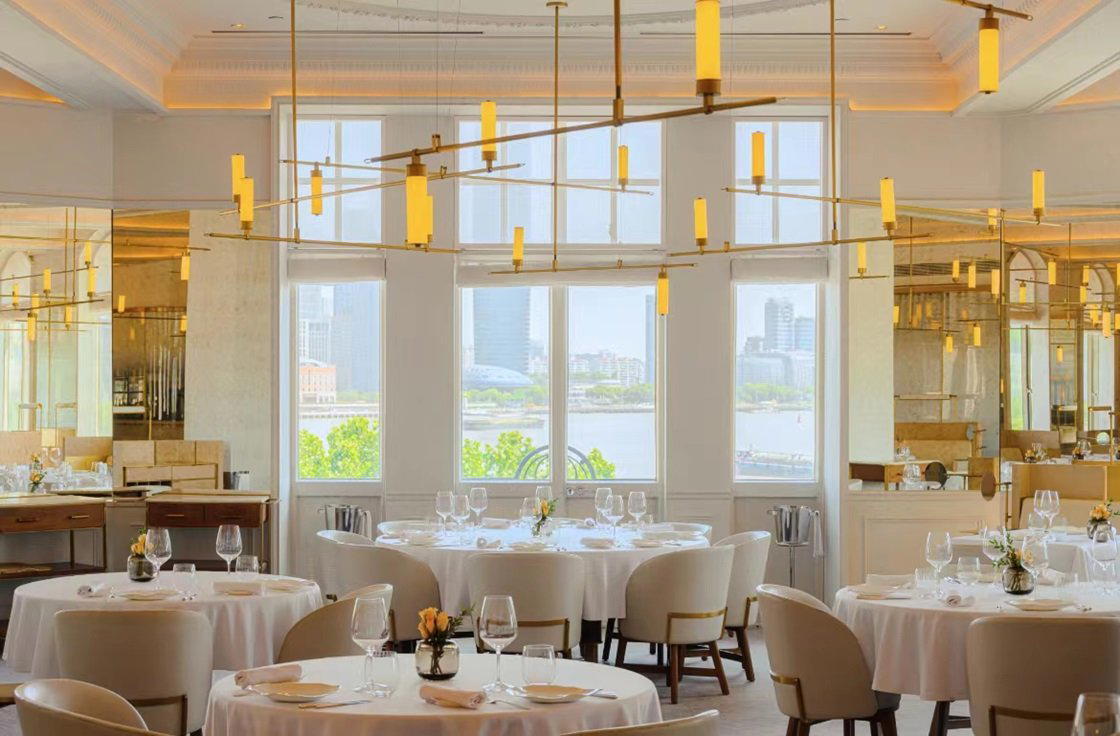
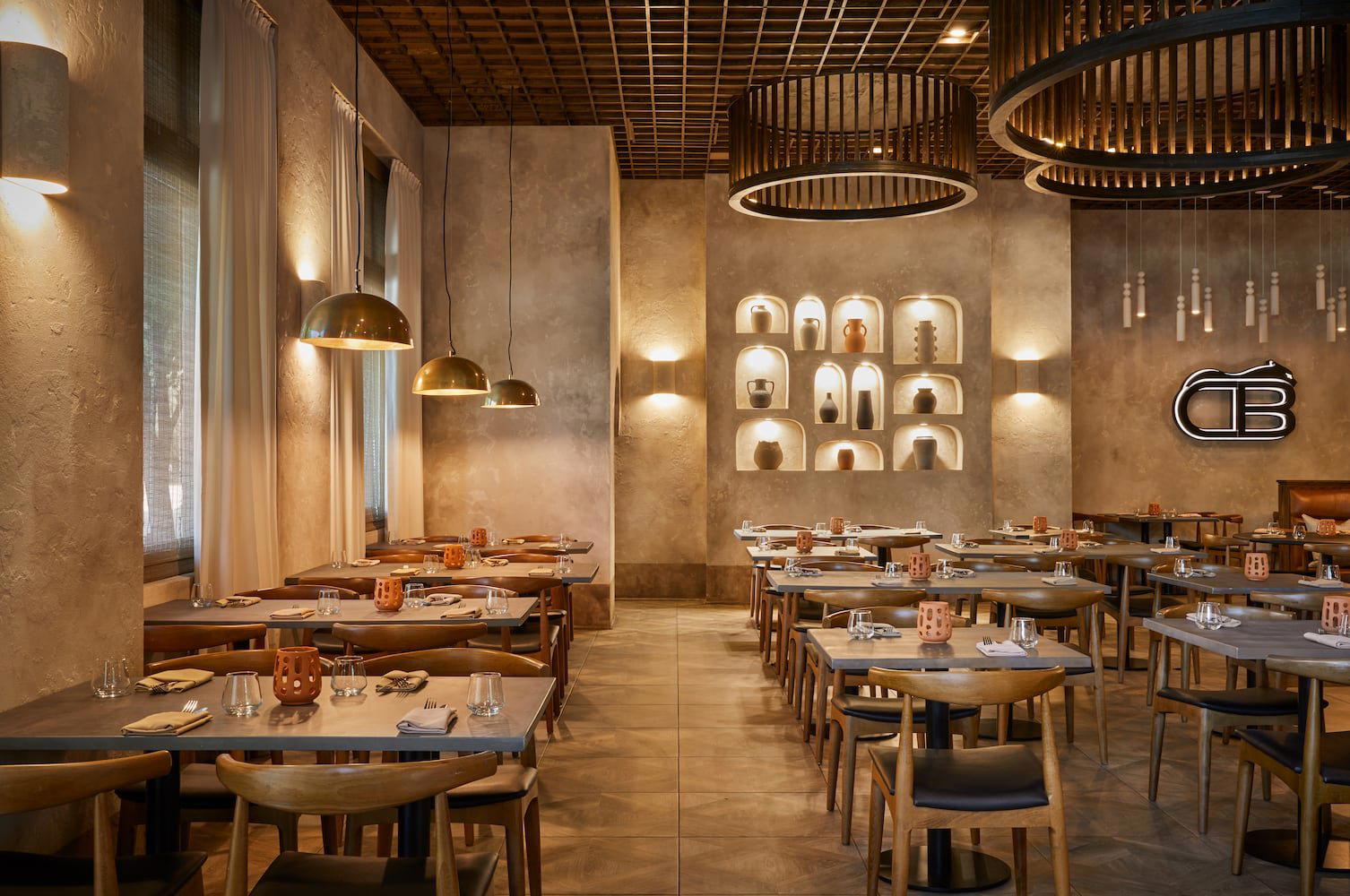
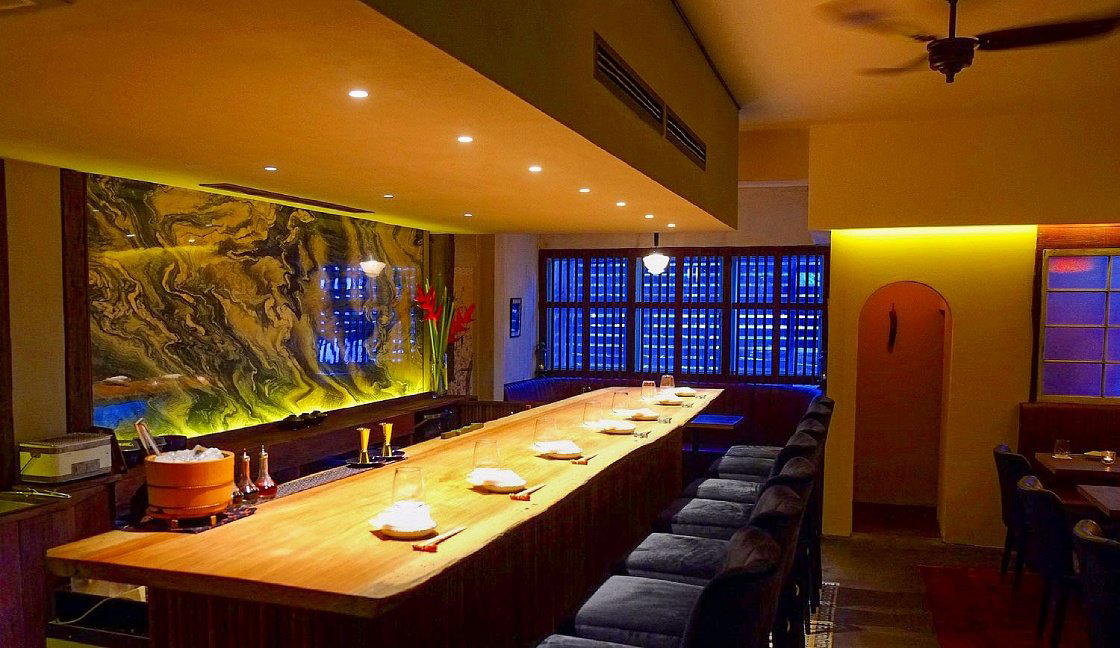
Bars in Chengdu
All bars in Chengdu →
Details
- Rustic
- Classic
- Family
- Group Dining
- Historic Building
- A La Carte
- Halal
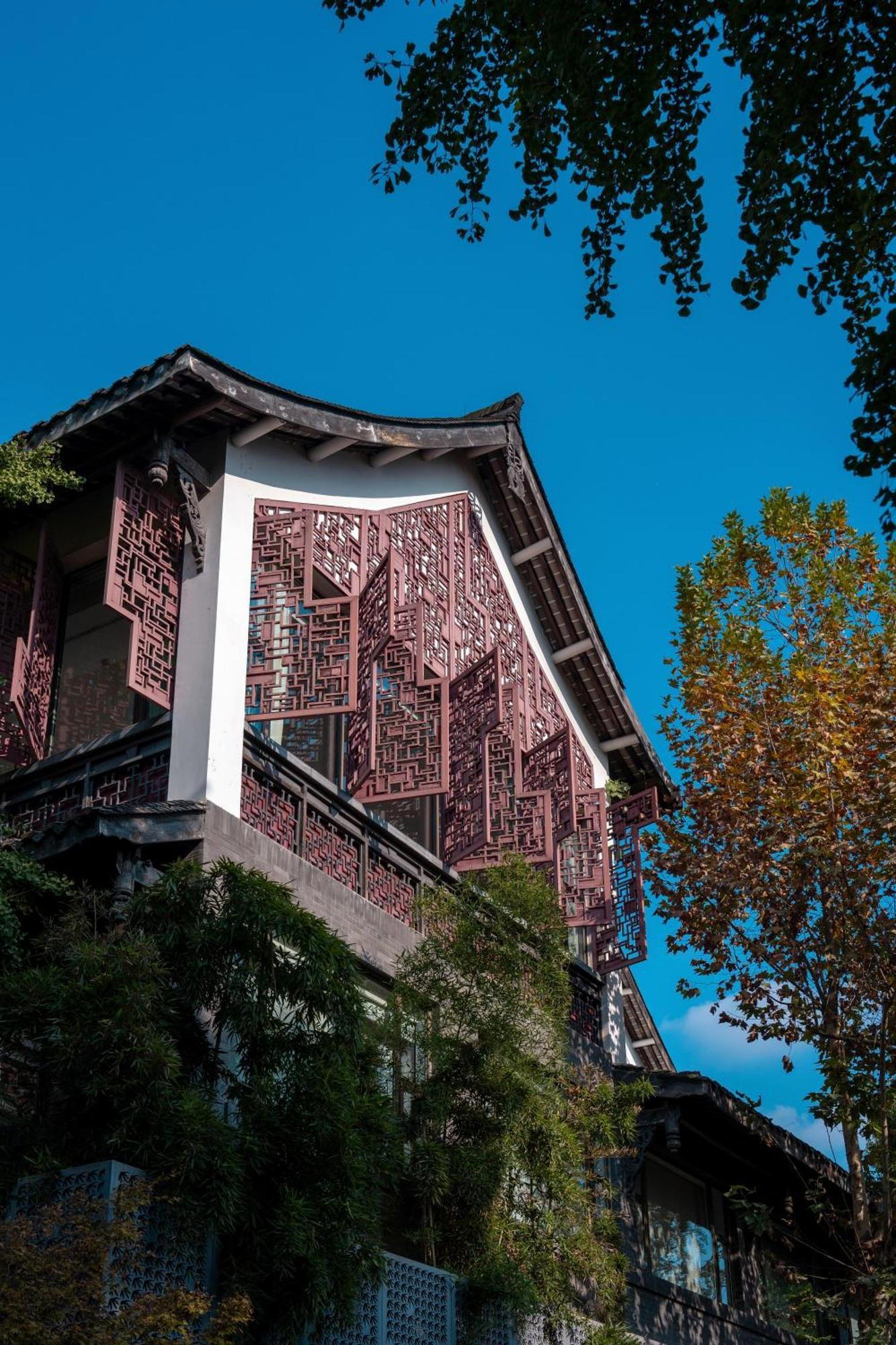
Traditional and authentic atmosphere in a historic setting.