


1 Michelin Star · La Liste Top Restaurants · Black Pearl 1 Diamond
Our verdict
Young Art · Yong Ya He Xian on Tongzilin East Road holds a Michelin star, a Black Pearl Diamond, and back-to-back La Liste placements for its riverine Sichuan cooking. The flagship location built its reputation around live specialty fish sourced from an owner-operated farm, cooked in a duo hot pot format that sets a spicy chilli-and-pickle base against a bright Xinjiangese tomato broth. Price range ¥¥¥ positions it as a serious mid-to-upper choice within Chengdu's competitive Sichuan dining scene.

Pearl is the En Primeur Club membership app — saves, bookings, and concierge access live there. Same editors, same standards.
The menu
What to order
- Red Tomato Yuan Yang Pot
- Wild Yellow Catfish
- House-pickled bamboo shoots
Where the Hot Pot Meets the River
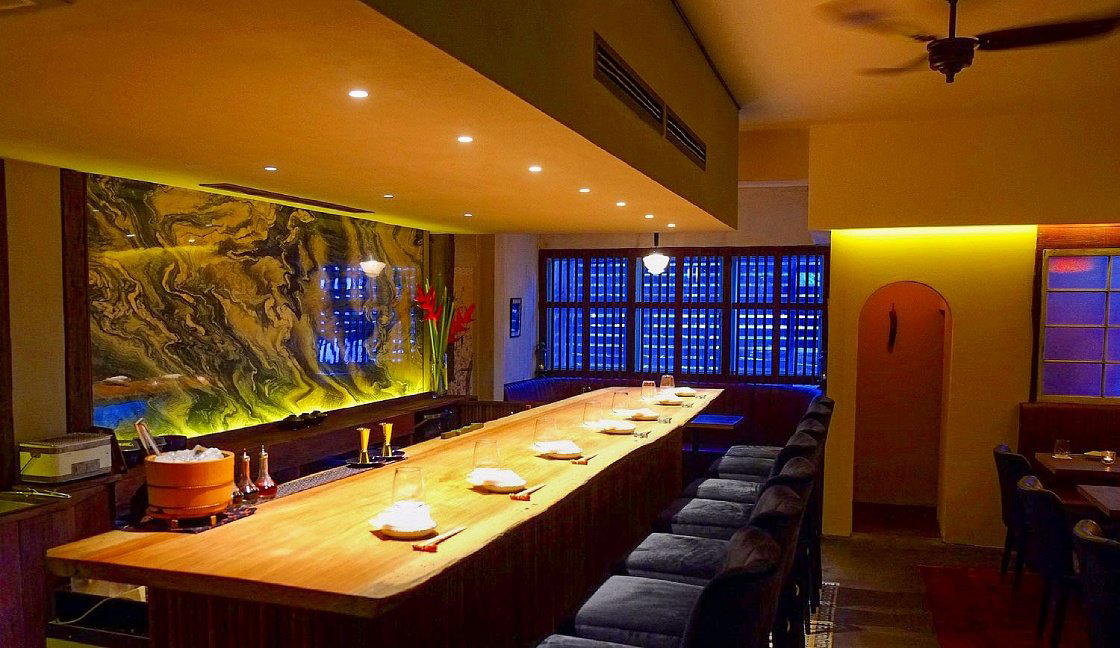
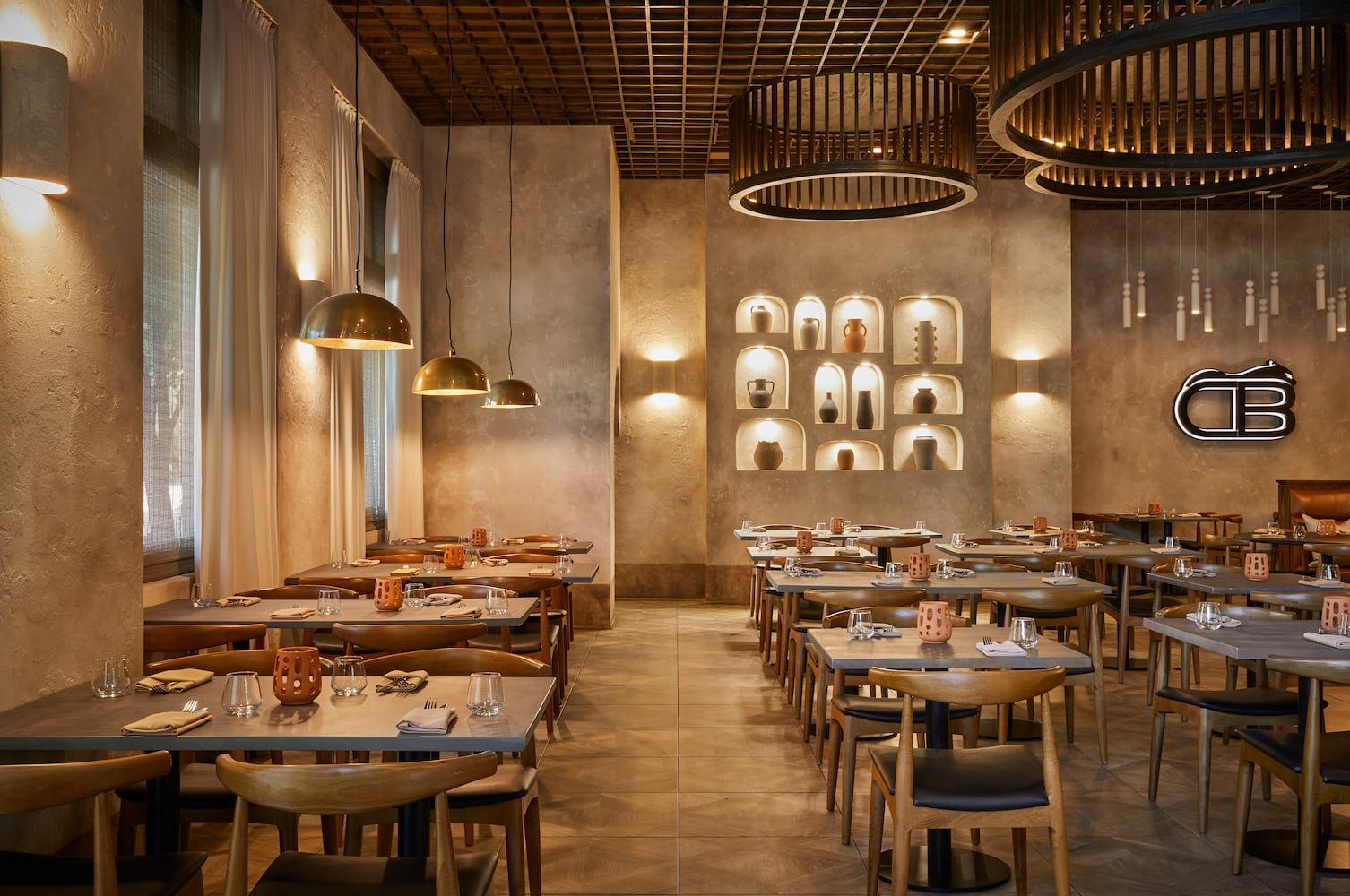
Along Tongzilin East Road in Wuhou District, the restaurant frontage of Young Art · Yong Ya He Xian fits into a neighbourhood that has become one of Chengdu's denser concentrations of credentialed dining. The address sits in a part of the city where the dining room is not a casual walk-in proposition: the calibre of the cooking, confirmed by a Michelin star (2024), a Black Pearl 1 Diamond (2025), and consecutive La Liste placements (80.5 points in 2025, 78 points in 2026), signals a room that rewards advance planning. What greets you inside is the atmosphere that defines a certain strand of contemporary Sichuan hospitality: the sound of simmering broth, the sharp fragrance of dried chillies blooming in hot oil, and the visual presence of live fish tanks that are integral to the kitchen's supply chain, not decorative props.
The Logic of the Fish Tank
Chengdu's relationship with freshwater fish runs deep into Sichuan's culinary geography. The province sits at the confluence of river systems that have historically supplied kitchens with cavefish, long snout catfish, and yellow head catfish, species that rarely appear on menus outside the region because their quality degrades quickly once removed from running water. Most restaurants that feature these fish rely on supply chains they cannot fully control. Young Art took a different approach: the owner acquired a dedicated fish farm, giving the kitchen direct oversight of the live stock that reaches the table. This matters in ways that are immediately perceptible. The texture of a fish cooked within hours of leaving clear water is categorically different from one that has spent days in a holding tank with compromised conditions. At the ¥¥¥ price point, that sourcing decision is not just an operational detail; it is the central editorial argument of the menu.
The fish are prepared either in classic Sichuanese style or as the centrepiece of the restaurant's signature duo hot pot. The format itself reflects a broader trend across Chinese premium dining: the move away from single-base hot pots toward divided formats that allow the diner to read two distinct flavour philosophies in a single sitting. Here, one side carries a spicy base built from chicken, pork bones, chillies, and pickles, a broth that arrives at the table already carrying the deep, fermented heat of a slow-developed Sichuan stock. The other side holds a tomato broth made from Xinjiangese tomatoes, a detail worth registering: Xinjiang's arid growing conditions produce tomatoes with concentrated acidity and natural sweetness that behave differently in a long broth than standard greenhouse varieties. The result is a base that is tart, bright, and clean rather than the sweet-heavy tomato stocks found elsewhere.
The Pickled Dimension
Alongside the broths, the house-pickled bamboo shoots from Mount Tianmu arrive as a condiment and a signal. Pickling in Sichuan cooking is not a garnish tradition; it is a full flavour technology that shapes the sourness and depth of a dish at a structural level. Tianmu mountain bamboo, harvested young and fermented in-house, introduces a particular crunch and a layered acidity that cuts through the richness of the hot pot fat. In a dining room that emphasises live fish and house-made stocks, the inclusion of a house pickle program is consistent with an ethos of controlled provenance rather than incidental.
Within Chengdu's Sichuan dining tier, Young Art occupies a different position than the city's most rarefied tasting-menu addresses. Yu Zhi Lan and Fang Xiang Jing operate at the ¥¥¥¥ ceiling, with multi-course formats designed around individual composed dishes. Young Art's hot pot framework is more communal, more tactile, and more rooted in the participatory culture of Sichuan eating. Fu Rong Huang, Ma's Kitchen, and Silver Pot represent other angles on the mid-to-upper tier of Chengdu's scene, but none combine the live-fish sourcing infrastructure with dual-base hot pot in the same format. The awards alignment confirms peer positioning closer to serious regional dining than to the casual hot pot chains that dominate volume in the city.
The Sensory Environment
Hot pot dining in China operates through a specific set of sensory registers that distinguish it from other restaurant formats. At Young Art, those registers are sharpened by the presence of the live fish system. There is a particular stillness in a tank of cavefish before service that contrasts with the heat and movement of the dining room once it begins. The sensory arc of a meal here runs from the visual calm of the live stock through the aromatic build of the broths to the textural contrast of fresh fish against fermented pickle, a sequence that unfolds over the course of the meal rather than arriving fully formed in a composed dish.
The ¥¥¥ price positioning places Young Art in a bracket where the room and the service infrastructure are expected to carry their weight alongside the kitchen. For context, this is the chain's flagship location, which means it functions as the reference point against which other branches are calibrated. Flagship positioning typically concentrates the most attentive sourcing and the most experienced floor staff in one address, which matters when live fish logistics and dual-broth management are part of the operational model.
Where This Sits in a Wider Chinese Dining Map
The approach to regional fish sourcing and hot pot refinement visible at Young Art has parallels across China's premium dining scene. Xin Rong Ji (Xinyuan South Road) in Beijing and 102 House in Shanghai both occupy the space where regional Chinese cooking meets serious award recognition. Ru Yuan in Hangzhou, Chef Tam's Seasons in Macau, and Imperial Treasure Fine Chinese Cuisine in Guangzhou demonstrate that this tier of Chinese dining now operates with consistent award-body engagement across multiple cities. Within Sichuan cuisine specifically, Song in Guangzhou and Yong in Guangzhou represent how the tradition travels geographically, while Dai Yuet Heen in Nanjing illustrates the broader appetite for regional Chinese cooking in premium formats. Young Art's position in Chengdu, where the cuisine is native rather than transplanted, gives it an authenticity of context that out-of-province Sichuan restaurants cannot replicate.
Planning a Visit
Young Art · Yong Ya He Xian is located at 1 Tongzilin East Road in Wuhou District, one of Chengdu's more accessible restaurant neighbourhoods by taxi or metro from the city centre. At the ¥¥¥ tier with a Michelin star and Black Pearl recognition, this is a table that warrants a reservation rather than a walk-in attempt, particularly for evening service. The live fish component means menu availability can vary with stock; arriving with flexibility on which fish species to cook is advisable. For those building a broader Chengdu itinerary, our full Chengdu restaurants guide maps the city's dining tier in detail, and our full Chengdu hotels guide, bars guide, wineries guide, and experiences guide cover the rest of the city's premium offer.
What to Order at Young Art · Yong Ya He Xian
What should I eat at Young Art · Yong Ya He Xian (Tongzilin East Road)?
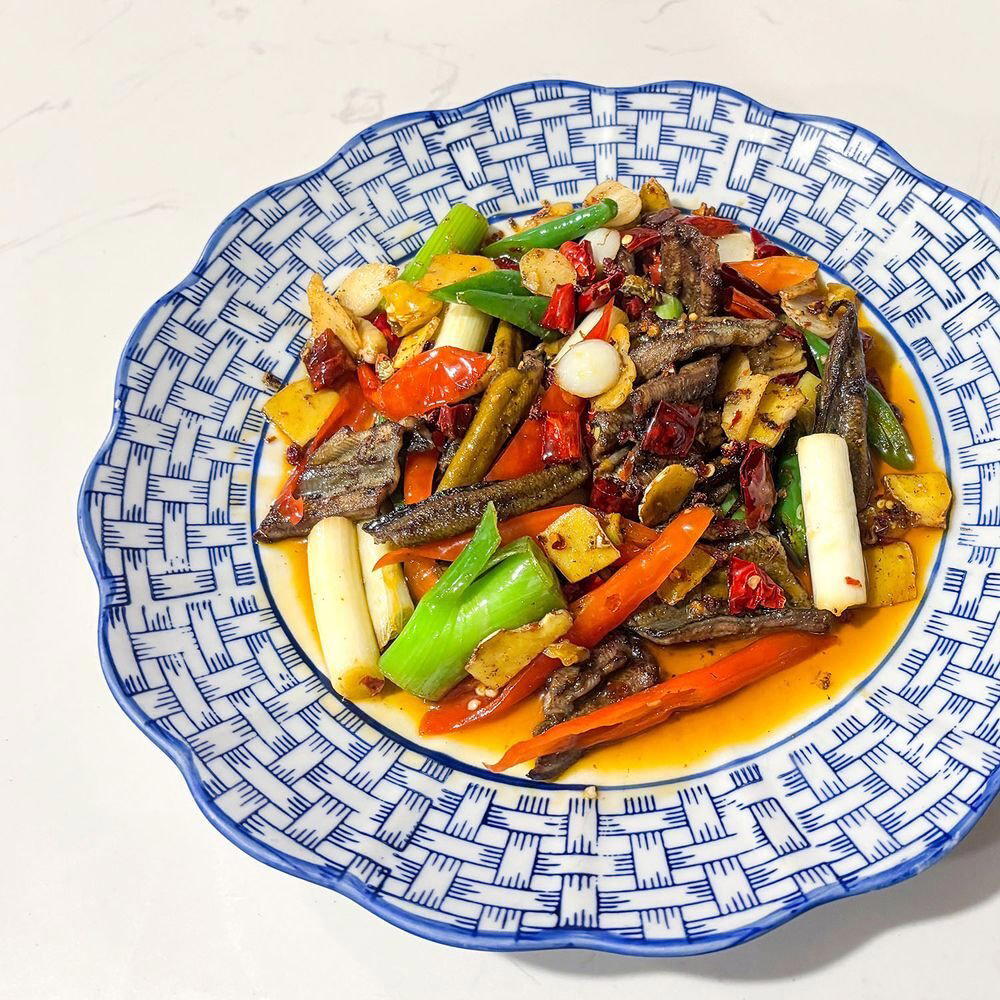
The core of any visit is the signature duo hot pot: a divided pot with the spicy base built from chicken stock, pork bones, chillies, and pickles on one side, and the Xinjiangese tomato broth on the other. The live river fish, including long snout catfish, cavefish, and yellow head catfish sourced from the owner's fish farm, are the primary proteins and the main reason the restaurant holds its Michelin star and Black Pearl Diamond. The house-pickled bamboo shoots from Mount Tianmu are listed as a must-order condiment by La Liste and should be treated as structural to the meal rather than optional. The ¥¥¥ format rewards ordering across both broths to understand how the same fish reads differently through spicy-fermented versus bright-acidic bases. For reference on how this compares to the wider Sichuan tier in Chengdu, see Yu Zhi Lan and Fang Xiang Jing at the ¥¥¥¥ level above it.
Style and Standing
| Venue | Cuisine | Price | Awards | Notes |
|---|---|---|---|---|
| Young Art · Yong Ya He Xian (Tongzilin East Road)This venue (the venue you are viewing) | Sichuan River Seafood | $50–100 | 1 Michelin Star · La Liste Top Restaurants | Not listed |
| Xin Rong Ji | Taizhou | Not listed | Michelin 2 Star | Not listed |
| Yu Zhi Lan | Modern Sichuan Fine Dining | $200–300 | 2 Michelin Stars · La Liste Top Restaurants | Sichuan |
| Mi Xun Teahouse | Modern Vegetarian Sichuan Chinese | $30–50 | 1 Michelin Star | Vegetarian |
| Chen Mapo Tofu (Qinghua Road) | Authentic Sichuan Mapo Tofu | $10–20 | Michelin Bib Gourmand | Not listed |
| Co- | Modern French Tasting Menu | $150–200 | 1 Michelin Star · World's 50 Best #69 | Not listed |
Recognition history
Dated appearances from independent guides and award organizations, with the underlying list record or original source where available.
Michelin 1 Star
Michelin
La Liste Top Restaurants
La Liste
Black Pearl 1 Diamond
Black Pearl
Full recognition history (5 entries)
La Liste Top Restaurants
La Liste
Michelin 1 Star
Michelin
Continue exploring
More in Chengdu
Restaurants in Chengdu
All restaurants in Chengdu →

Details
- Elegant
- Cozy
- Sophisticated
- Business Dinner
- Family
- Celebration
- Private Dining
- Local Sourcing
- A La Carte
- Small Plates
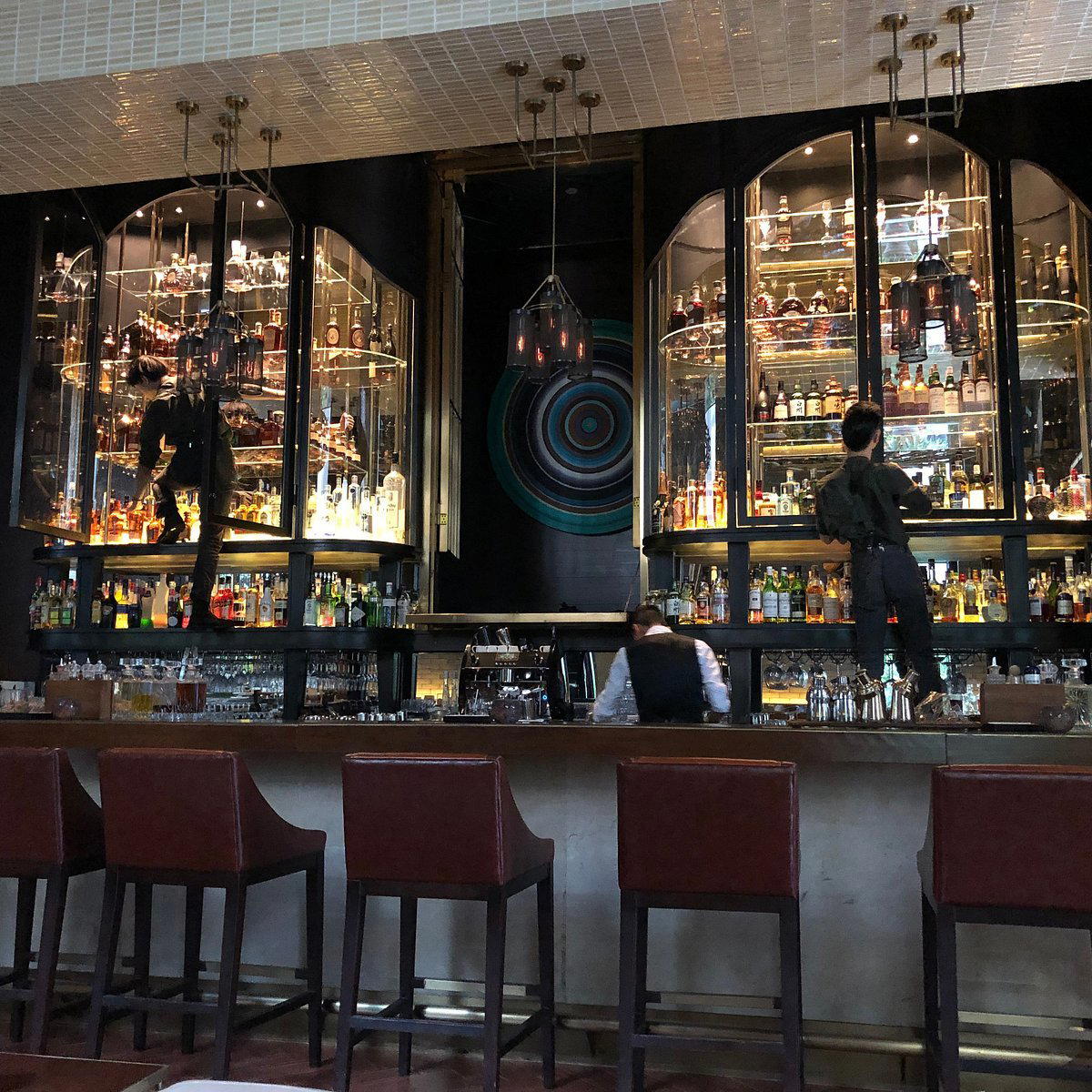
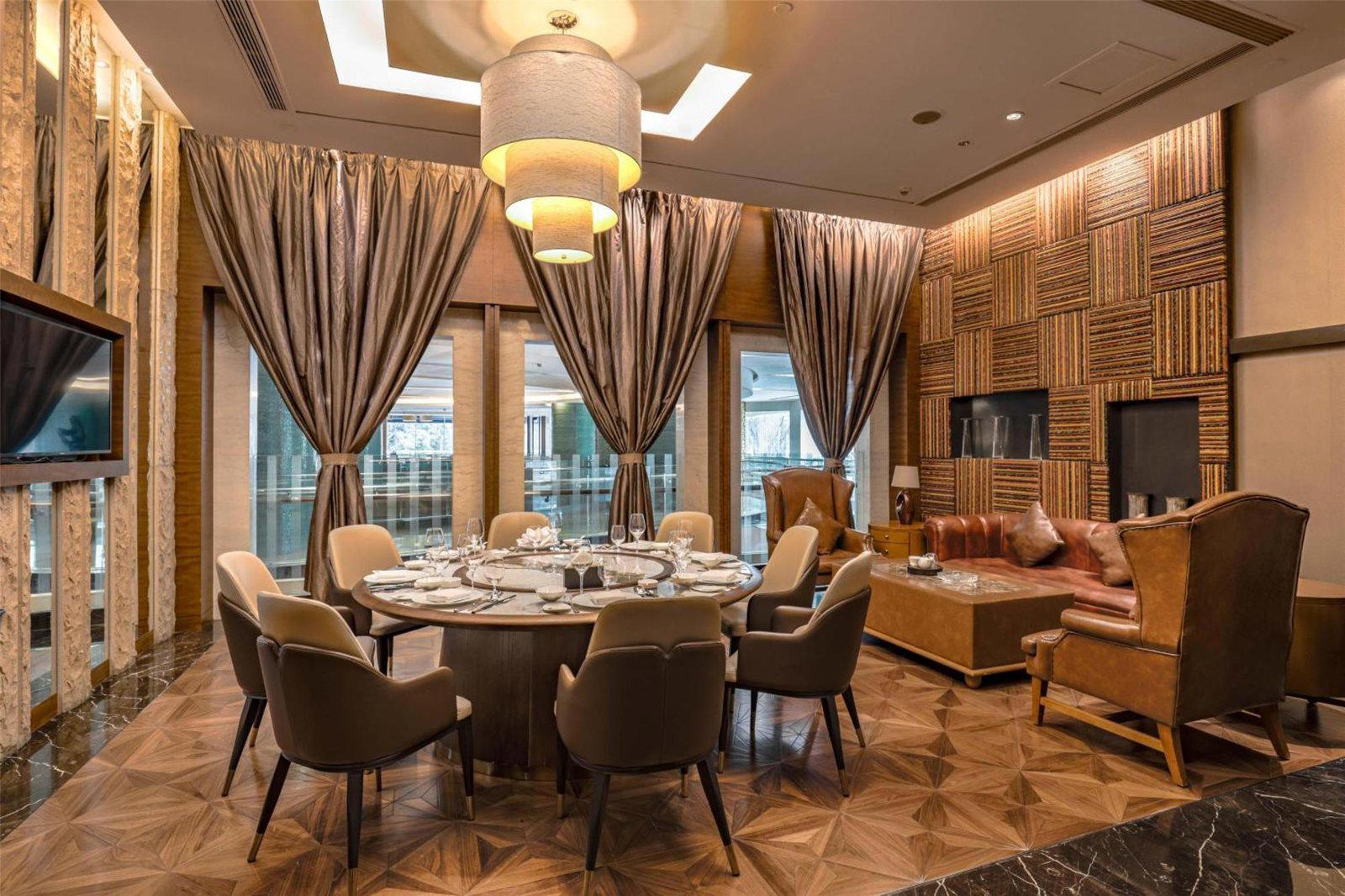
Refined and calm atmosphere with warm woods, muted lighting, comfortable seating, and clear acoustics for conversation.