


The St. Regis Chengdu occupies a central position in the city's business district, earning 96 points in the La Liste Top Hotels 2026 rankings. Rooms starting at 700 square feet rank among the largest in the city, with butler service, bespoke Sichuan dining at Yun Fu, and a rooftop bar operating seasonally from May to October. The nearest metro stop is a ten-minute walk from the property.
Pearl is the En Primeur Club membership app — saves, bookings, and concierge access live there. Same editors, same standards.
- Address
- 88 Ti Du Jie, Luomashi, Qing Yang Qu, Cheng Du Shi, Si Chuan Sheng, 610016
- Phone
- +86 28 6287 6666
- Website
- starwoodhotels.com
- Directions
- Get directions
 Saves & bookings on Pearl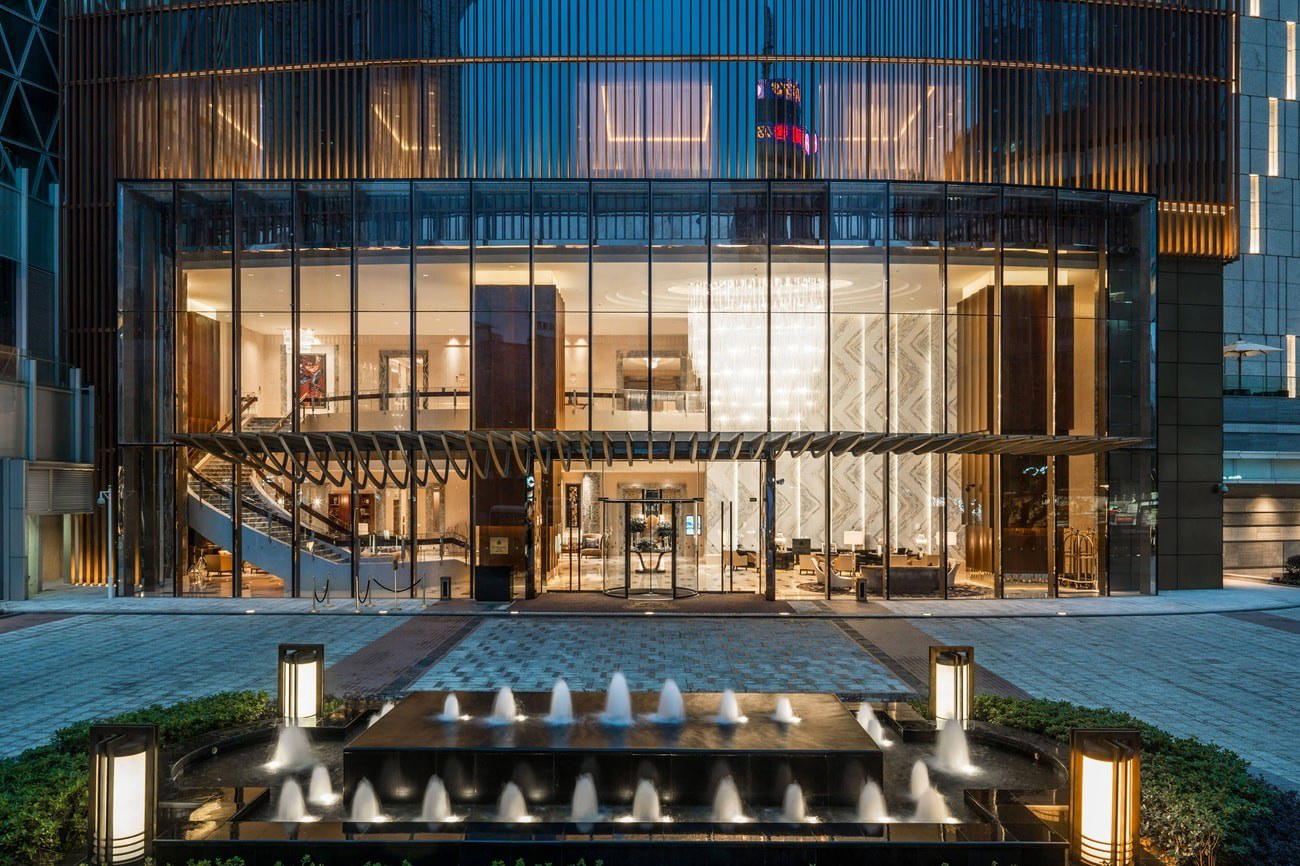
Where Chengdu's Business District Meets the St. Regis Standard
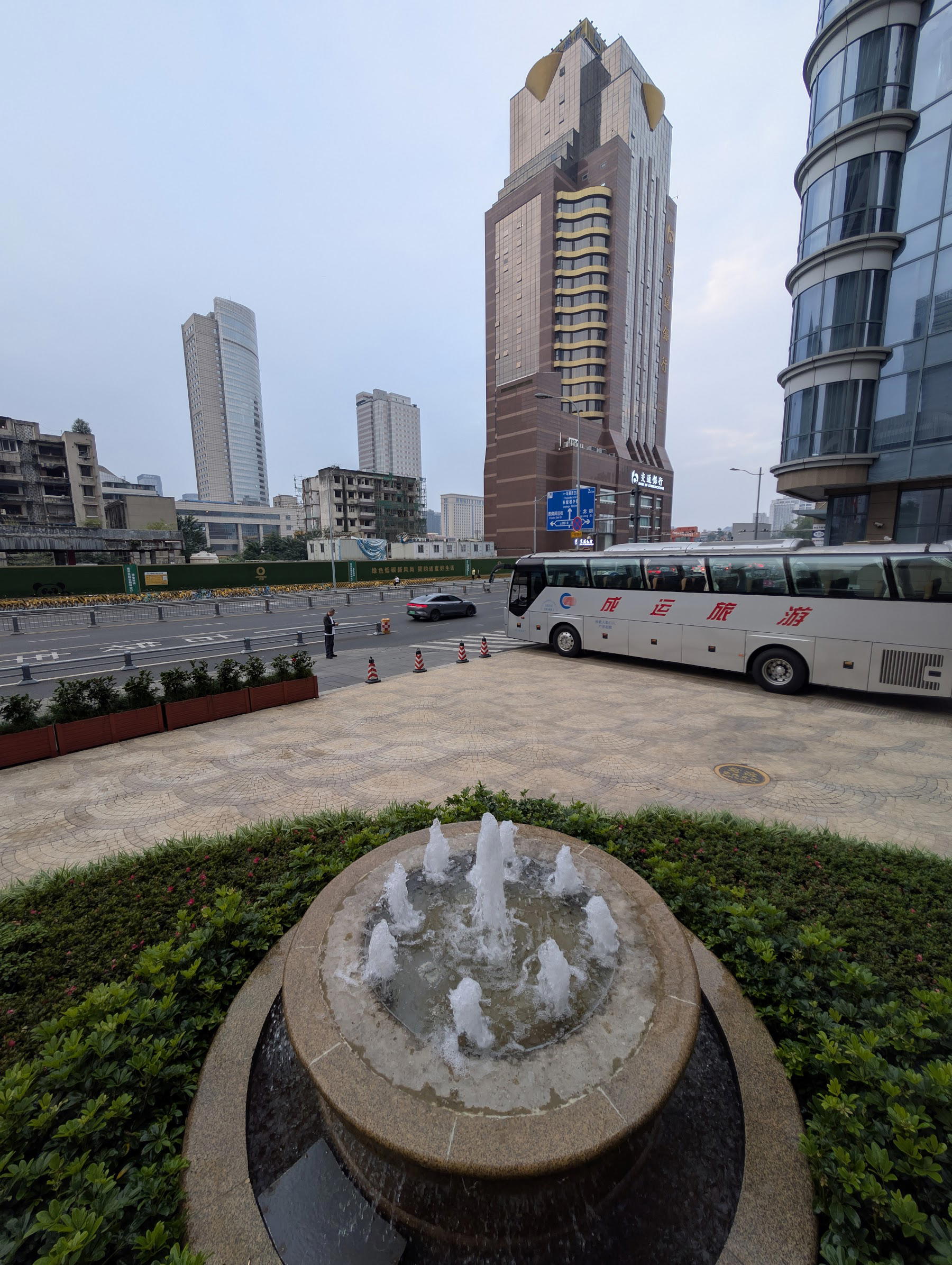
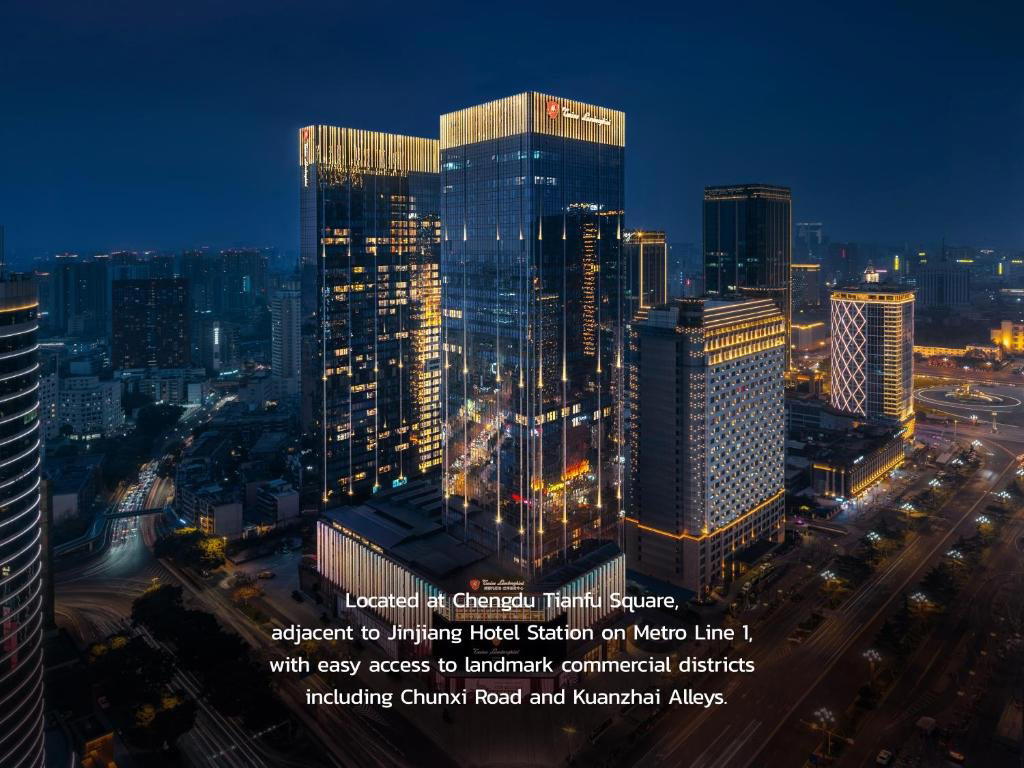
The steel-and-glass façade of the St. Regis on Ti Du Jie gives little away from the street. Step inside, and the marble-clad lobby resets the register immediately — a deliberate architectural shift that the brand deploys consistently across its upper-tier properties in Asia. In Chengdu, that transition carries particular weight. The city has grown into one of inland China's most consequential addresses for luxury hospitality, and the upper bracket of that market — anchored by properties like the Waldorf Astoria Chengdu, the The Ritz-Carlton, Chengdu, and the Niccolo Chengdu, competes seriously for the same international and domestic traveller. The St. Regis holds its place in that set through a combination of location, service infrastructure, and a La Liste Leading Hotels score of 96 points in 2026, which positions it among the stronger-performing luxury addresses in western China.
The Sourcing Logic Behind Yun Fu
Sichuan cuisine is one of the most ingredient-defined food cultures in China. The region's climate produces a specific spectrum of aromatics, most notably the Sichuan peppercorn, whose hydroxy-alpha-sanshool compound creates the distinctive má (numbing) sensation that separates Sichuan cooking from every other regional tradition. Bean pastes fermented in Pixian, just outside Chengdu, are another ingredient with genuine geographic specificity: the most respected versions are aged for three or more years and carry a depth that commercially distributed alternatives cannot replicate. This is the sourcing environment in which Yun Fu, the property's fine-dining restaurant, operates.
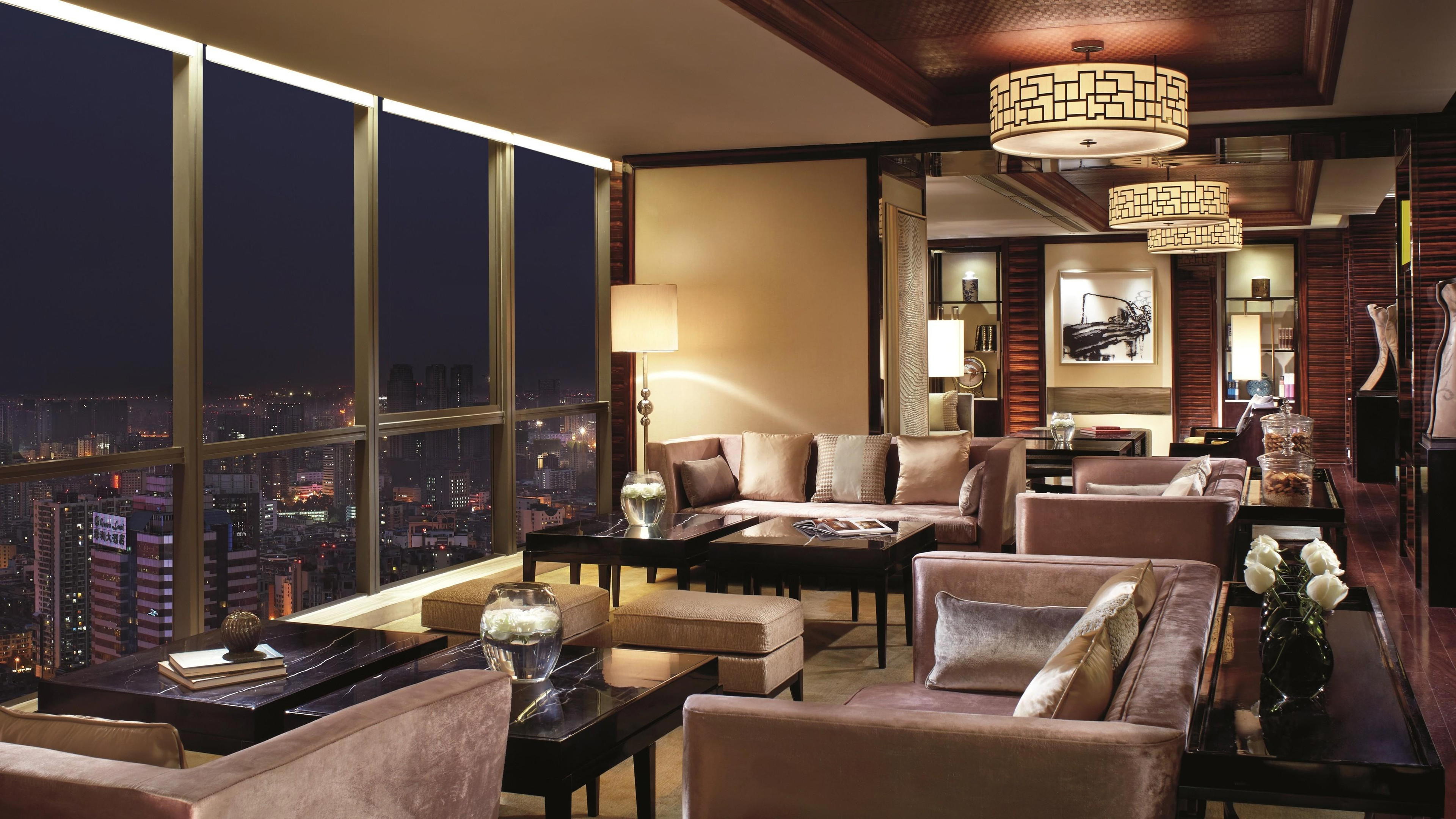
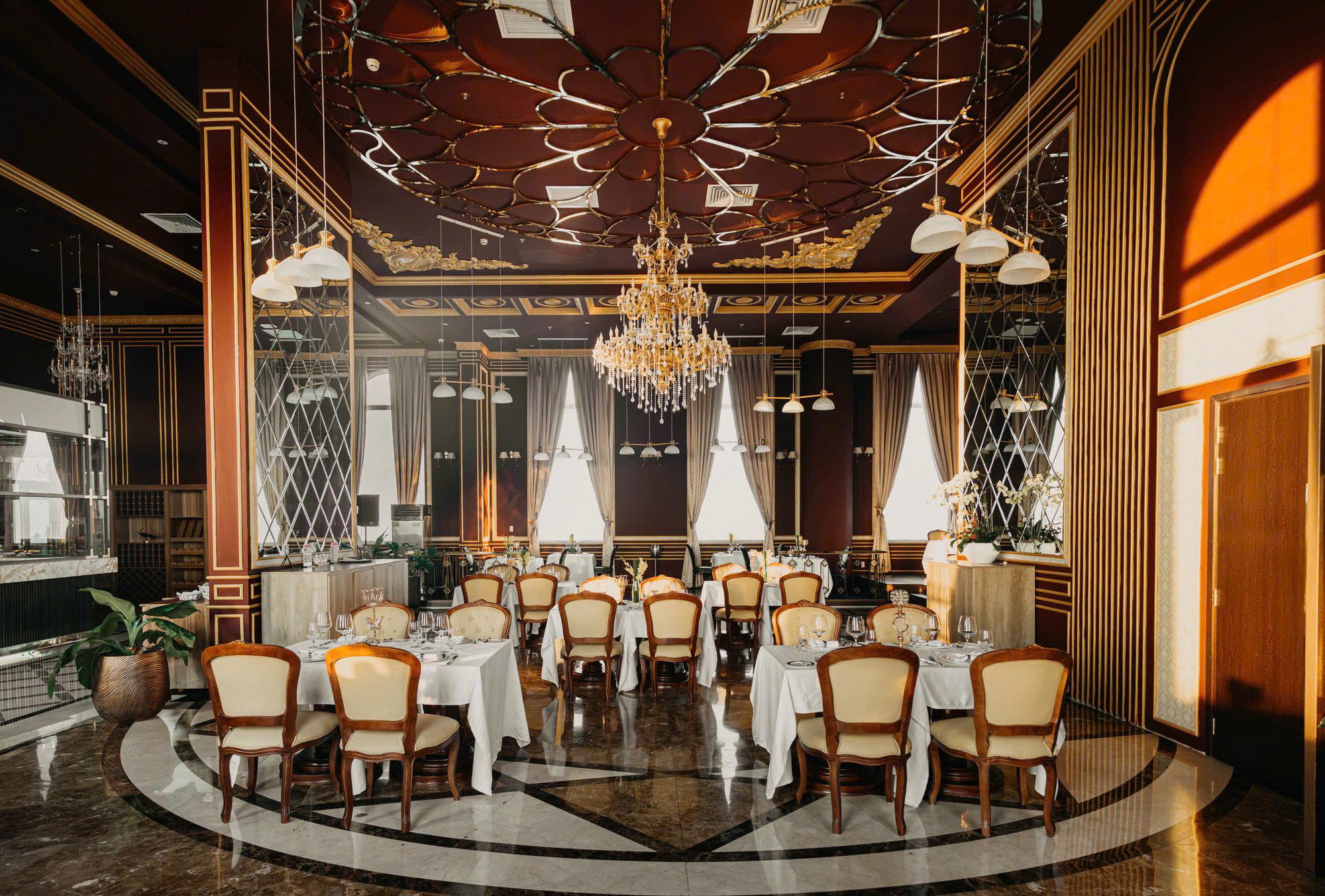
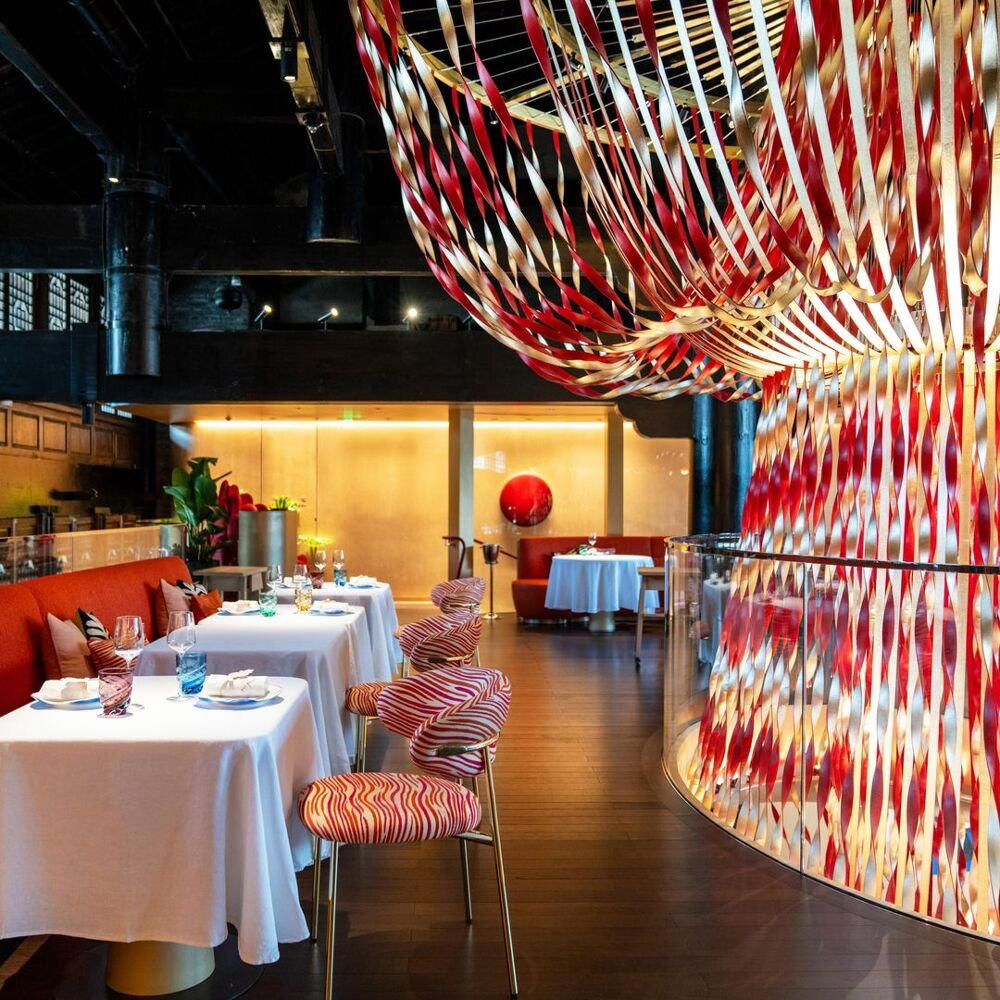
At Yun Fu, the format tilts toward the bespoke. Guests can design their own Sichuan-inspired menus and specify room layouts before the meal, which positions the restaurant inside the broader trend of high-end Sichuan dining moving away from fixed-menu formats toward hyper-personalised experiences. The dining room pairs this culinary framework with European aesthetics and floor-to-ceiling windows that frame Chengdu's skyline. That visual context matters more than it might seem: Chengdu's urban growth has been rapid enough that skyline dining reads as a genuine luxury differentiator here, not merely a decorative one. The combination of sourcing depth, customised format, and refined setting places Yun Fu in a narrower competitive tier than most hotel restaurants in the city. For a broader read of where Chengdu's dining scene sits as a whole, see our full Chengdu restaurants guide.
Decanter and Vantage XXVII: Two Different Registers
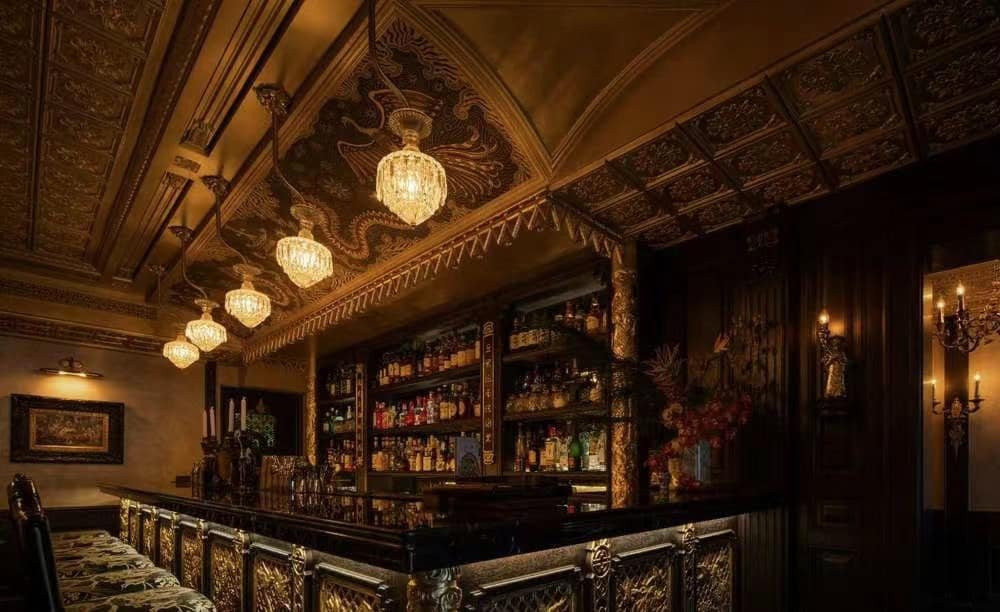
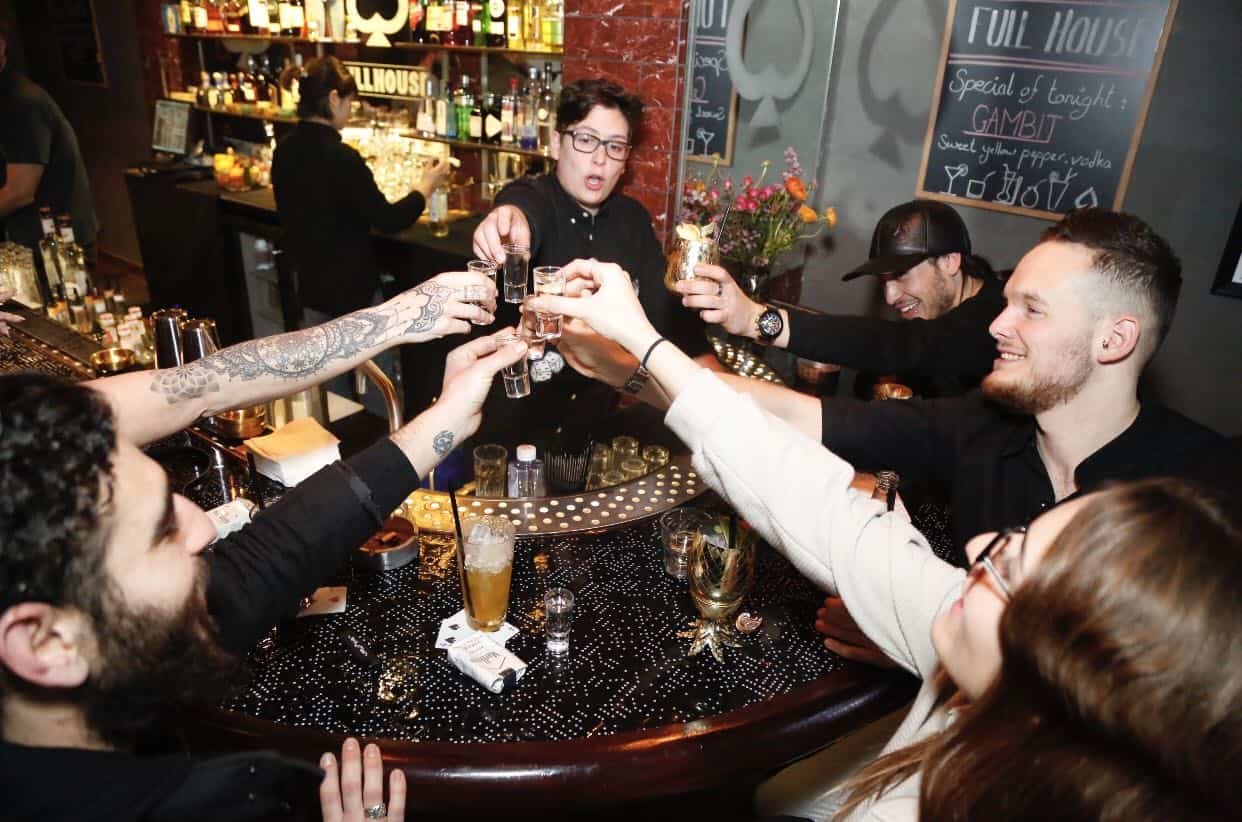
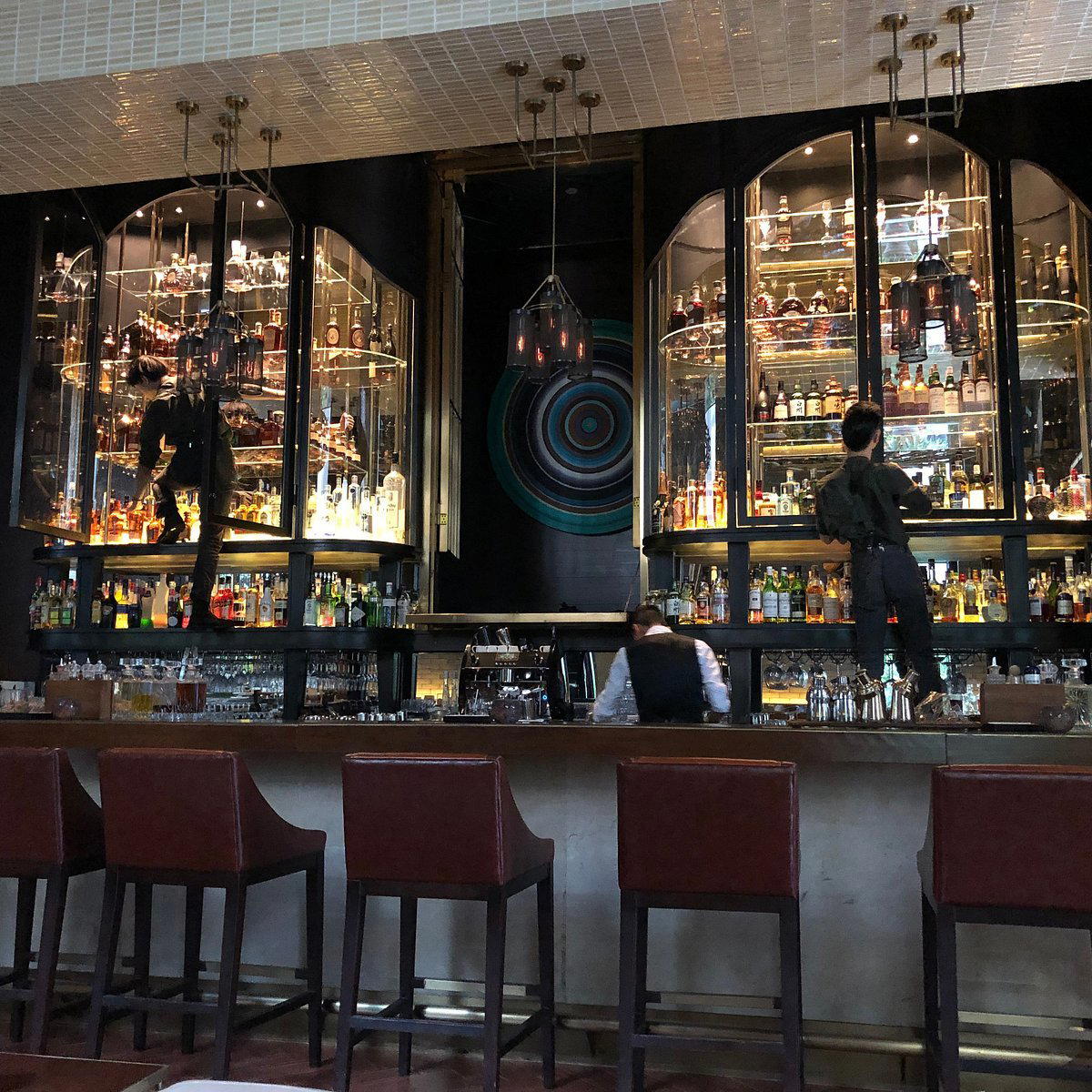
The property's bar programme runs across two distinct formats. Decanter operates at ground level, centred on an oversized communal table and anchored visually by a mural from Brazilian artist Chris Buissa. The signature drink here is the Chuan Mary, the St. Regis Bloody Mary format adapted to Sichuan flavour registers, with spice levels that reference the local palate rather than approximating a generic version of the classic. It is a confident editorial gesture: a globally recognised cocktail rewritten for a specific regional ingredient tradition.
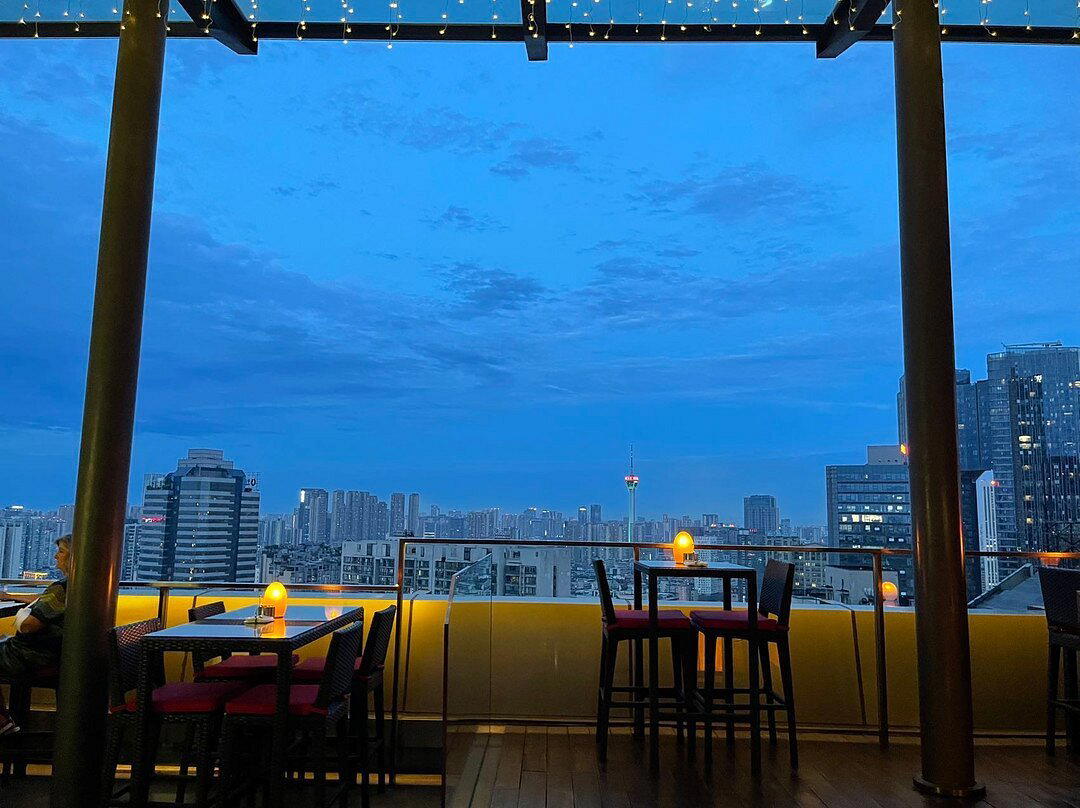
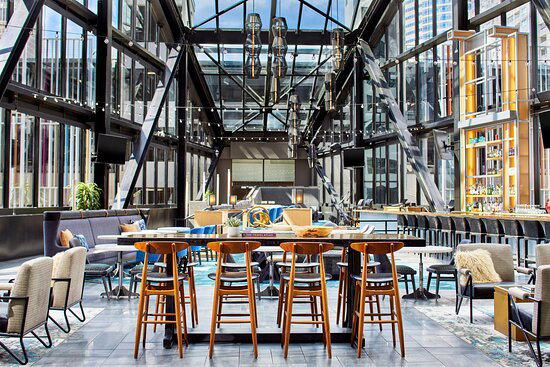
Vantage XXVII sits at the top of the building and operates only between May and October. The seasonal constraint is worth factoring into trip planning: Chengdu's spring and early autumn months fall within the operating window, but the city's characteristically overcast winters, combined with the bar's closure, make the high-floor panoramas a warm-season proposition. Happy hours run during the season, and craft cocktails anchor the menu. The distinction between Decanter and Vantage XXVII reflects a pattern seen increasingly at top-tier urban hotels across China: ground-floor bars calibrated for all-year resident use, and rooftop formats that function as seasonal destination experiences.
Rooms Built for Extended Stays
Guest rooms at the St. Regis Chengdu start at 700 square feet, which places them among the more generously proportioned in the city's luxury tier. That scale matters functionally: the hotel draws significant occupancy during major trade events, the China Food and Drinks Fair and the Chengdu Motor Show both bring extended stays, higher rates, and constrained check-in and check-out flexibility. Rooms sized for productivity rather than overnight stops make logistical sense against that demand pattern.
Technology integration is thorough. Automated curtains, Toto mechanised toilets, and Bose surround sound are standard across the room category. Bathrooms carry heated floors, deep soaking tubs, and Remède amenities. The turndown service includes a certificate redeemable at the lobby shop, a small detail, but one that signals the degree of programme specificity that the St. Regis format sustains at the room level. All rooms face either the city or Tianfu Square, and corner rooms on upper floors offer the widest sightlines. The indoor pool, which operates year-round with coloured lighting and skyline views, sees lower occupancy than the outdoor alternative, a logistical note worth having in advance.
Butler Service as a Functional Layer
The St. Regis Butler Service is the most discussed operational feature of the brand globally, and at the Chengdu property it functions as a genuine guest infrastructure layer rather than a decorative one. Clothes pressing, luggage packing, local SIM card procurement, the concierge and butler team handles requests that range from the routine to the logistically complex. For first-time visitors to Chengdu, where connectivity and local transit can both require navigation, having that intermediary layer is practically useful: the nearest metro stop is a ten-minute walk from the hotel, and the team can arrange taxis when required. Chunxi Road, Chengdu's central shopping corridor, is within walking distance.
The Iridium Spa extends the service logic into recovery programming. Treatments combine Chinese and Western healing methods, with the Sichuan Tea Bathing Ritual as the signature offering. The spa interior runs through silver, pink, and purple tones, with dry-to-wet massage tables and sensory chaise lounges. It is a considered environment, and the tea ritual specifically draws on Sichuan's deep relationship with tea culture, the city's teahouse tradition is centuries old, and framing a spa treatment around that regional material gives the offering more specificity than generic luxury wellness programming.
Chengdu's Hotel Market and Where the St. Regis Sits
Chengdu's luxury hotel market has expanded substantially over the past decade, driven by the city's emergence as a technology, finance, and cultural hub in western China. The upper tier now includes several properties with distinct positioning: the The Temple House and Guanyin Yiyuntai Hotel occupy the heritage and design-led niche, while the Six Senses Qing Cheng Mountain and the Upper House Chengdu sit outside the city core. The St. Regis, as part of Marriott International's portfolio, competes primarily in the central business district bracket, where location, service scale, and brand recognition drive decisions for corporate and high-net-worth leisure travellers equally.
The 96-point La Liste score reflects where the property lands in that competitive frame: not at the intimate boutique end of the market, but among the larger, full-service luxury hotels where operational consistency across food, wellness, and accommodation is the primary value proposition. Comparable properties in other Chinese cities, the Mandarin Oriental Qianmen in Beijing, for instance, or the Amanfayun in Hangzhou, illustrate the range within premium Chinese luxury hospitality; the St. Regis Chengdu anchors the full-service, high-footprint position in that spectrum.
Planning Your Stay
The hotel's proximity to the China Food and Drinks Fair and the Chengdu Motor Show creates predictable demand spikes, so booking well in advance of those events is advisable. The seasonal bar Vantage XXVII operates May through October only, which is worth aligning with if rooftop access matters. For connectivity, the concierge and butler can arrange local SIM cards in the lobby. Chunxi Road is walkable; the metro is a ten-minute walk and covers the broader city efficiently. Corner rooms on high floors provide the fullest city sightlines, and the heated indoor pool is generally less crowded than the outdoor option. The St. Regis Chengdu sits at 88 Ti Du Jie, Luomashi, Qing Yang Qu, centrally positioned for both business and leisure use of the city.
- Waldorf Astoria Chengdu
- The Ritz-Carlton, Chengdu
- Niccolo Chengdu
- The Temple House
- Guanyin Yiyuntai Hotel
- Six Senses Qing Cheng Mountain
- Upper House Chengdu
- Xiamen Yunding Resort in Xiamen
- Amandayan in Lijiang
- 1 Hotel Haitang Bay, Sanya
- Altira Macau
- Aman New York
- Aman Venice
- The Fifth Avenue Hotel, New York City
- Vanke Lake Songhua Yunlu Hotel in Jilin
- Green Lake Hotel Kunming
- Beidahu Asian Games Village
- Huyi District, Xi'an
- Mohe Youran Mountain Residence
- Hyatt Place Nanjing Xuanwu
Recognition history
Dated appearances from independent guides and award organizations, with the underlying list record or original source where available.
Forbes 4-Star
Forbes
La Liste Top Hotels
La Liste
Forbes 4-Star
Forbes
Michelin Selected
Michelin
At a Glance
- Elegant
- Sophisticated
- Ornate
- Business Trip
- Romantic Getaway
- Anniversary
- Rooftop Pool
- Butler Service
- Panoramic View
- Pool
- Spa
- Fitness Center
- Room Service
- Concierge
- Business Center
- Valet Parking
- Wi Fi
- Skyline
- Street Scene
- Pool
- Spa
- Fitness Center
- Room Service
- Concierge
- Business Center
- Valet Parking
- Wi Fi
Elegant atmosphere with calming spa décor in soft purple, silver, and pastel hues, spacious rooms featuring chandeliers and floor-to-ceiling windows.
Know Before You Go
- Getting there
- 88 Ti Du Jie, Luomashi, Qing Yang Qu, Cheng Du Shi, Si Chuan Sheng, 610016