

1 Michelin Star · Black Pearl 1 Diamond
Our verdict
One of very few Fujian-focused restaurants operating at recognised fine-dining level in Chengdu, Hokkien Cuisine holds a 2024 Michelin star and a 2025 Black Pearl Diamond. The Fujian-born kitchen team brings coastal China's lighter, sweeter register to a city defined by chilli heat, with signature preparations like lychee meatballs and crispy tofu skin rolls anchoring the menu in Quanzhou tradition.

Pearl is the En Primeur Club membership app, where members save venues, book tables and use the concierge.
A Different Register in Qingyang
Chengdu's dining identity is so thoroughly built around Sichuan flavour, the numbing heat of huajiao, the depth of doubanjiang, the char of a wok running at full heat, that a restaurant operating in a completely different culinary grammar demands attention. Fujian cuisine works from the coast rather than the interior: lighter broths, sweeter marinades, seafood-forward thinking, and a preference for technique over spice. In Kuixinglou Street, Qingyang District, Hokkien Cuisine occupies that position: a Fujian counter in a Sichuan city, holding a 2024 Michelin star and a 2025 Black Pearl Diamond, and drawing a clientele that comes specifically for the contrast.
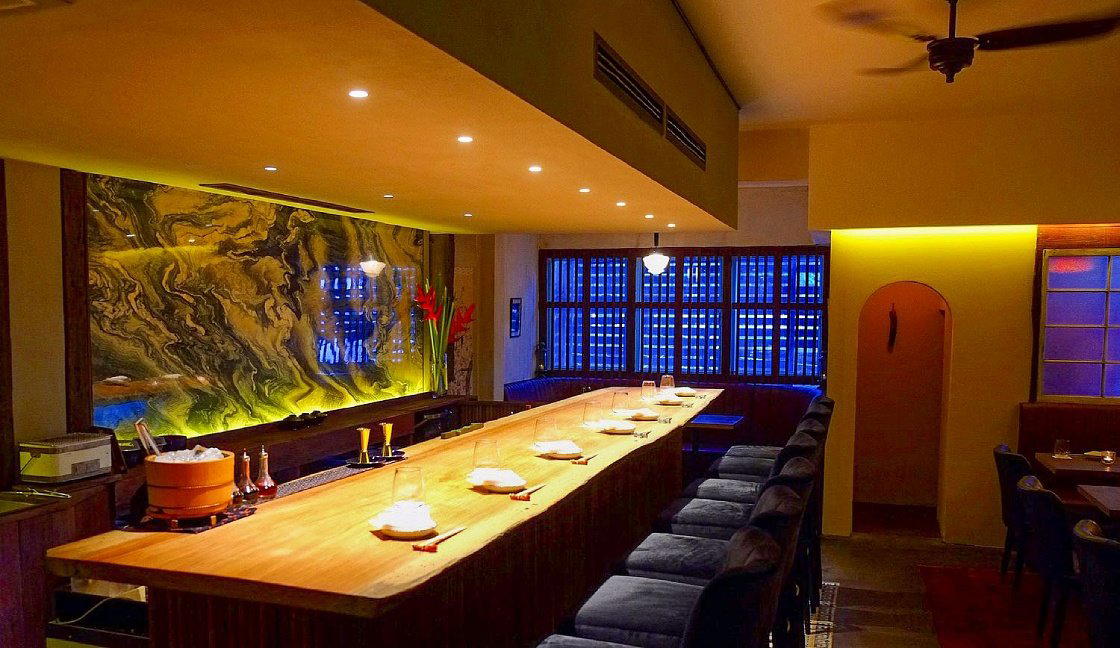
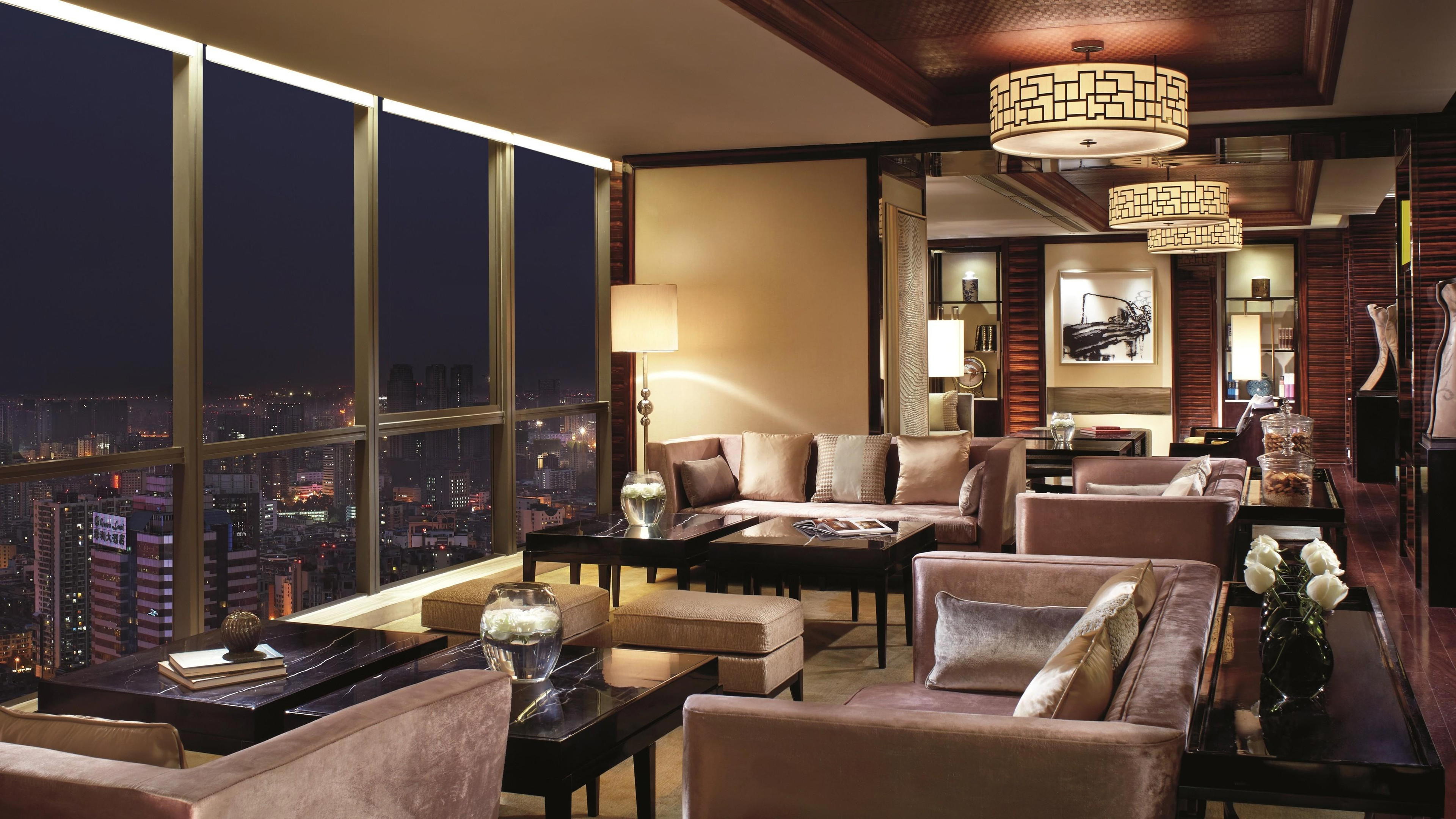
The room signals its intent before the food arrives. Full-length windows run along the dining space, pulling daylight in and giving the interior an airy quality that stands apart from the darker, more enclosed formats typical of upscale Sichuan restaurants. Booth seating runs alongside private rooms for larger parties, a configuration common at this price tier in Chinese fine dining, the ¥¥¥ bracket positions it below the city's highest-spend counters like Xin Rong Ji (Taizhou) and Yu Zhi Lan (Sichuan), both of which carry Michelin 2 Stars and occupy the ¥¥¥¥ level, but above the casual end of the market.
The Meal's Opening Logic
Fujian cooking rewards patience in the reading. The early stages of a meal here tend to establish the kitchen's tonal range: delicate cold preparations, clear broths, and snack-format dishes that introduce the pantry before the kitchen commits to heavier centrepieces. This sequencing is a departure from the Sichuan model, where bold flavour arrives early and the meal sustains that intensity. The Fujian approach builds more gradually, and the room's bright, calm aesthetic reinforces that pacing.
This style of cooking has found serious recognition beyond Fujian's home ground. At Hokklo in Xiamen and Wenru No.9 in Fuzhou, the cuisine operates in its native context, drawing on immediate access to coastal produce. Transporting that approach to an inland city changes the supply logic, the kitchen here works from a Fujian-born team whose credentials are embedded in the awards record rather than geography.
The Dishes That Define the Middle Sequence
Two preparations have attracted consistent attention and appear in the venue's awards documentation. The lychee meatballs are the more theatrical: deep-fried pork stuffed with chopped water chestnuts, the water chestnut providing structural contrast to the meat, the exterior crust giving way to the softer interior. The name references the lychee's knobbly appearance, a Fujian visual metaphor rendered in pork. It is a dish that communicates technique and regional identity simultaneously, the kind of preparation that justifies a kitchen's provenance claim.
The crispy tofu skin rolls with five-spice pork filling represent a different register of the same thinking. Tofu skin as a wrapper is common across southern Chinese cooking, but the Quanzhou execution brings scallion aromatics and five-spice as the dominant flavour framework. The result, noted in the Black Pearl citation, is a dish defined by contrast: the crispness of the skin against the softness of the filling, the warm spice of five-spice against the clean savouriness of pork. Both dishes function as evidence for why this kitchen specifically claims Quanzhou lineage rather than generic Fujian attribution, they are dishes with a specific city's fingerprint, not a province's.
These preparations sit in productive comparison with what other coastal Chinese kitchens are doing at equivalent recognition levels elsewhere in China. Ru Yuan in Hangzhou works from a Zhejiang register with some tonal overlap, and 102 House in Shanghai operates in the premium Chinese cooking space with different regional anchors. The Fujian commitment here is narrower and more specific, which is both a restriction and a strength.
How the Meal Closes
Fujian banquet tradition tends to close with sweeter, gentler preparations, often a rice-based dessert or a light sweet soup, as a counterweight to the richer middle courses. This ending logic contrasts with the Sichuan model, where a meal at a restaurant like Fang Xiang Jing might conclude with mala-inflected savoury dishes or preserved vegetables. The difference in closing grammar is one of the clearest markers of how thoroughly the two cuisines operate from different first principles.
For diners accustomed to Chengdu's dominant flavour vocabulary, the arc of a meal here requires recalibration. The payoff is access to a culinary tradition that rarely operates at this recognition level outside its home province. Certified Chinese fine dining operating in a regional register other than Cantonese or Sichuan remains relatively rare at the Michelin tier, Chef Tam's Seasons in Macau and Imperial Treasure Fine Chinese Cuisine in Guangzhou point toward the breadth of Chinese regional cooking at award level, but Fujian representation in that tier is notably thin.
Placement in Chengdu's Broader Scene
Among Chengdu's current Michelin-starred restaurants, most operate from Sichuan, Cantonese, or innovative frameworks. Chuanpu and Yanyu each work from different angles on the city's premium dining spectrum, but neither operates in the Fujian register. Xin Rong Ji in Beijing provides a useful reference point: a restaurant from coastal China's culinary tradition that has established itself in a northern city at Michelin level. The dynamics are different, Beijing and Chengdu attract different dining publics, but the positioning logic has parallels.
The dual-award status, with the Black Pearl Diamond arriving in 2025 following the 2024 Michelin star, is consistent with a kitchen that was already operating at recognition level and has held that standard across consecutive award cycles. The Black Pearl Guide, which runs its own independent assessment process from Michelin, has become a meaningful second signal in Chinese fine dining specifically, and the two awards arriving in consecutive years on the same kitchen strengthens the credibility case. Dai Yuet Heen in Nanjing represents another point of comparison for Chinese regional fine dining transplanted to a different city context.
Planning the Visit
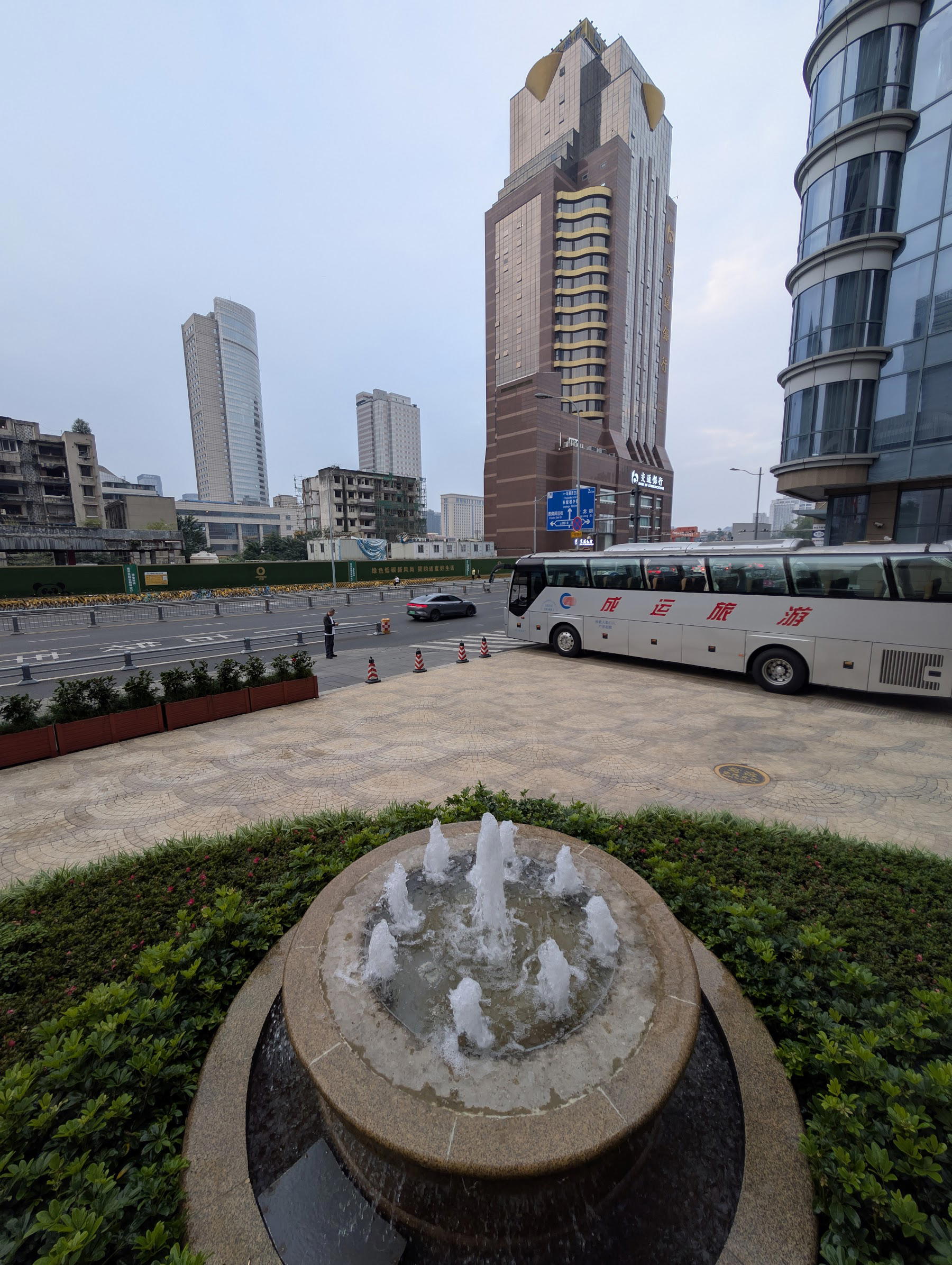
The restaurant sits on Kuixinglou Street in Qingyang District, one of Chengdu's more accessible central areas. The ¥¥¥ price tier means a meal here costs meaningfully more than the city's casual Sichuan dining but less than the city's highest-spend counters, a positioning that makes it accessible to visitors already oriented toward mid-to-upper-level dining. Private rooms are available for groups, which at this cuisine type often means the full table can experience the meal as a shared progression rather than individual ordering. For a fuller picture of what Chengdu's dining, drinking, and hotel options look like across price tiers, see our full Chengdu restaurants guide, our full Chengdu hotels guide, our full Chengdu bars guide, our full Chengdu wineries guide, and our full Chengdu experiences guide.
What Do People Recommend at Hokkien Cuisine?
Two preparations cited most consistently in the restaurant's awards documentation are the lychee meatballs and the crispy tofu skin rolls. The lychee meatballs are deep-fried pork stuffed with chopped water chestnuts, the chestnut adding texture contrast, the exterior providing crunch, and are named for their resemblance to the lychee fruit's surface. The crispy tofu skin rolls carry a five-spice pork filling with prominent scallion aromatics and are noted specifically as a Quanzhou regional speciality. Both dishes are recorded in the Black Pearl citation and represent the kitchen's strongest argument for its Fujian-born credentials. The restaurant holds a 2024 Michelin star and a 2025 Black Pearl Diamond, which collectively identify it as operating at the top of what Fujian cuisine achieves at fine-dining level in mainland China outside the home province.
Frequently asked questions
Where is Hokkien Cuisine in Chengdu?
Hokkien Cuisine is located at M394+42Q, Kuixinglou St, Qingyang District, Chengdu, Sichuan, China, 610014, Chengdu.
Is Hokkien Cuisine Michelin-listed?
Hokkien Cuisine has received recognition including: Black Pearl 1 Diamond (2025); The elegant room with full-length windows feels airy and bright. In addition to booth seats, there are alsoprivate rooms for parties. The Fujian-born kitchen team ensures the authenticity of each dish. The must….
What do people recommend at Hokkien Cuisine?
The two preparations cited in the restaurant's awards documentation are the lychee meatballs and the crispy tofu skin rolls. The lychee meatballs are deep-fried pork stuffed with chopped water chestnuts, and the tofu skin rolls carry a five-spice pork filling, both are Quanzhou-rooted dishes that reflect the Fujian-born kitchen team's regional focus. These are the starting points for first-time visitors at this Michelin 1 Star, Black Pearl 1 Diamond venue.
Reputation First
| Venue | Cuisine | Price | Awards | Notes |
|---|---|---|---|---|
| Hokkien CuisineThis venue (the venue you are viewing) | Modern Fujian Cuisine | $50–100 | 1 Michelin Star · Black Pearl 1 Diamond | Not listed |
| Xin Rong Ji | Taizhou | Not listed | Michelin 2 Star | Not listed |
| Yu Zhi Lan | Modern Sichuan Fine Dining | $200–300 | 2 Michelin Stars · La Liste Top Restaurants | Sichuan |
| Mi Xun Teahouse | Modern Vegetarian Sichuan Chinese | $30–50 | 1 Michelin Star | Vegetarian |
| Chen Mapo Tofu (Qinghua Road) | Authentic Sichuan Mapo Tofu | $10–20 | Michelin Bib Gourmand | Not listed |
| Co- | Modern French Tasting Menu | $150–200 | 1 Michelin Star · World's 50 Best #69 | Not listed |
Recognition history
Dated appearances from independent guides and award organizations, with the underlying list record or original source where available.
Michelin 1 Star
Michelin
Black Pearl 1 Diamond
Black Pearl
Full recognition history (4 entries)
Black Pearl 1 Diamond
Black Pearl
Michelin 1 Star
Michelin
Continue exploring
More in Chengdu
Restaurants in Chengdu
All restaurants in Chengdu →
Bars in Chengdu
All bars in Chengdu →
Details
- Elegant
- Sophisticated
- Intimate
- Cozy
- Date Night
- Special Occasion
- Business Dinner
- Private Dining
- Street Scene
- A La Carte
Current opening hours
- Monday
- 10 AM–10 PM
- Tuesday
- 10 AM–10 PM
- Wednesday
- 10 AM–10 PM
- Thursday
- 10 AM–10 PM
- Friday
- 10 AM–10 PM
- Saturday
- 10 AM–10 PM
- Sunday
- 10 AM–10 PM
Hours can change for holidays and private events. Hours as of .
Sunlit dining room with full-length windows, plush booth seating, quietly ornate and refined atmosphere blending contemporary elegance with traditional warmth.