

Chaimen Hui holds a Black Pearl 1 Diamond (2025) and operates at the premium end of Chengdu's Sichuan dining scene, where creative interpretations of regional classics meet seasonal, globally sourced ingredients. The kitchen reframes familiar flavours, from mapo tofu enriched with diced Angus beef to kung pao short ribs brightened with dried tangerine peel, across a menu that accommodates individual-portion ordering. Private dining rooms are available for groups seeking a more enclosed setting.
Pearl is the En Primeur Club membership app — saves, bookings, and concierge access live there. Same editors, same standards.
- Address
- 7 Qinghua Rd, 青羊宫商圈 Qingyang District, Chengdu, Sichuan, China, 610072
- Phone
- +86 28 8732 3222
- Directions
- Get directions
 Saves & bookings on Pearl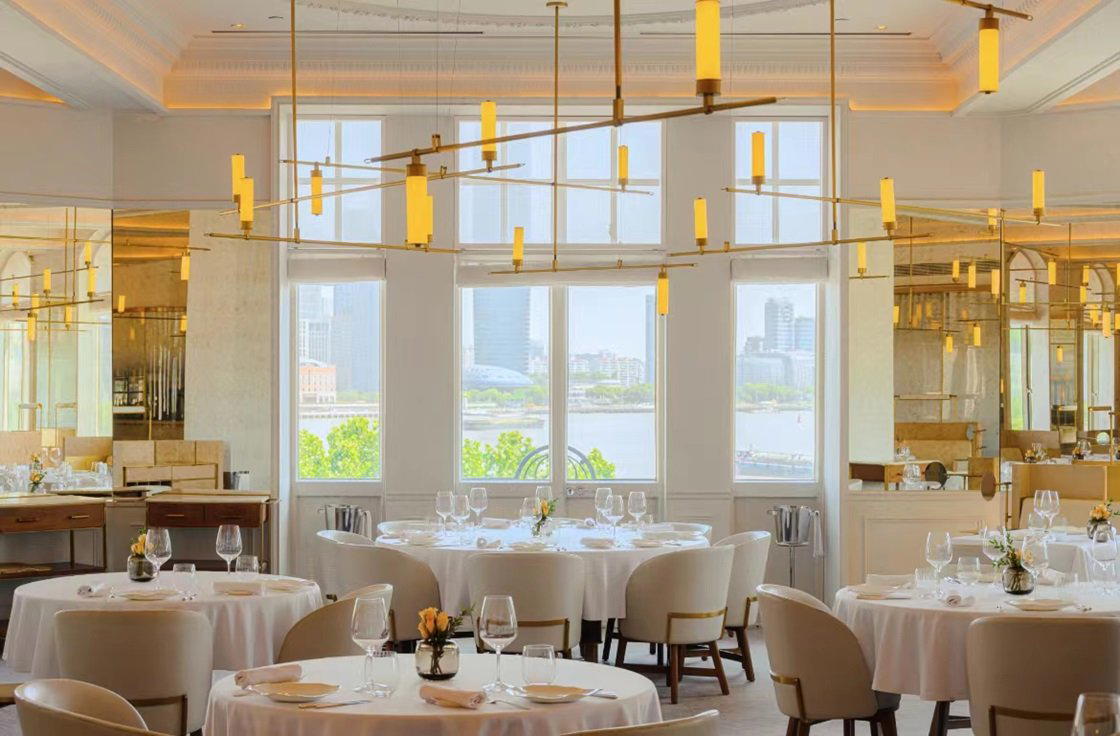
Where Chengdu's Premium Sichuan Tier Holds Its Ground
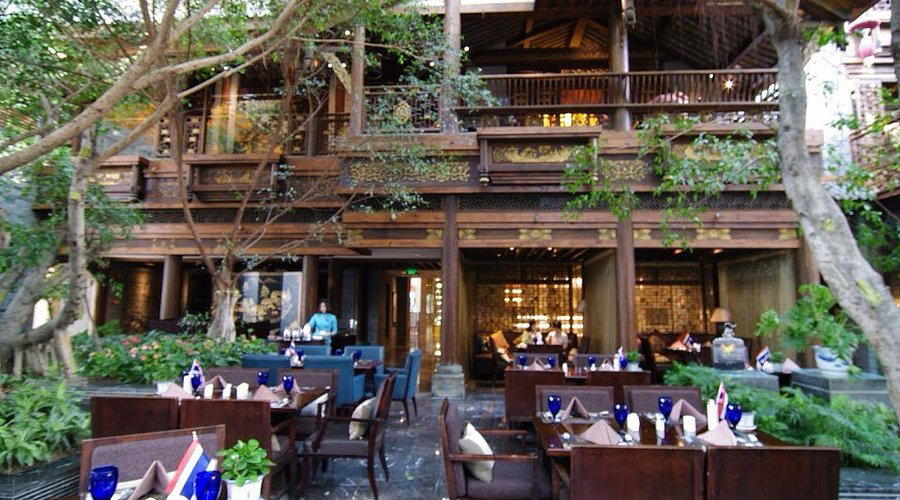
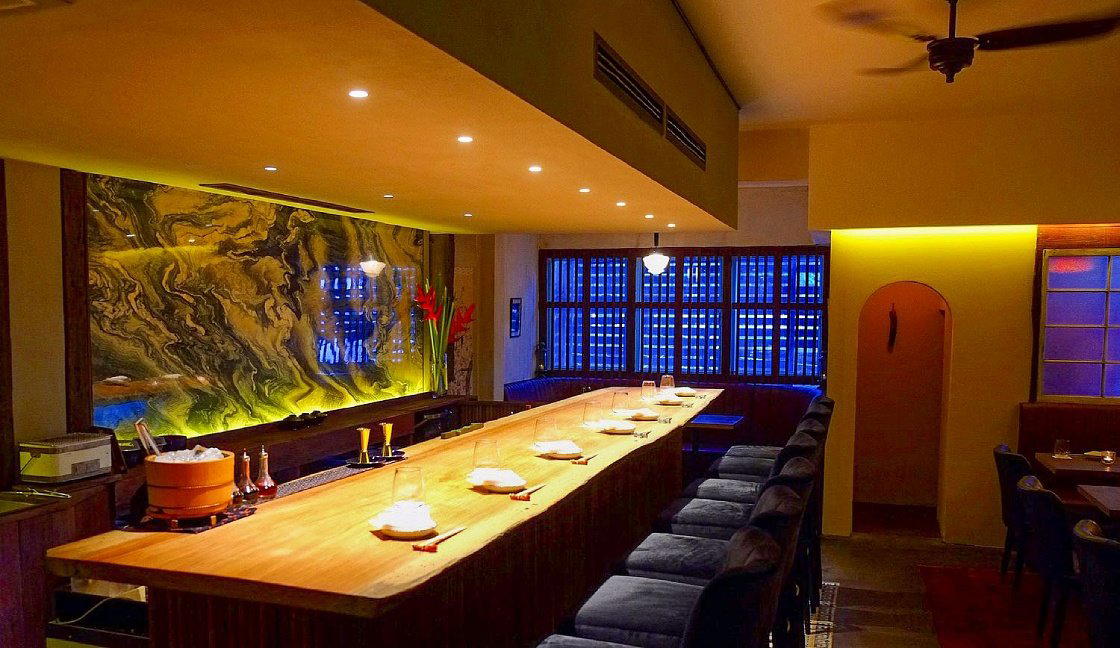
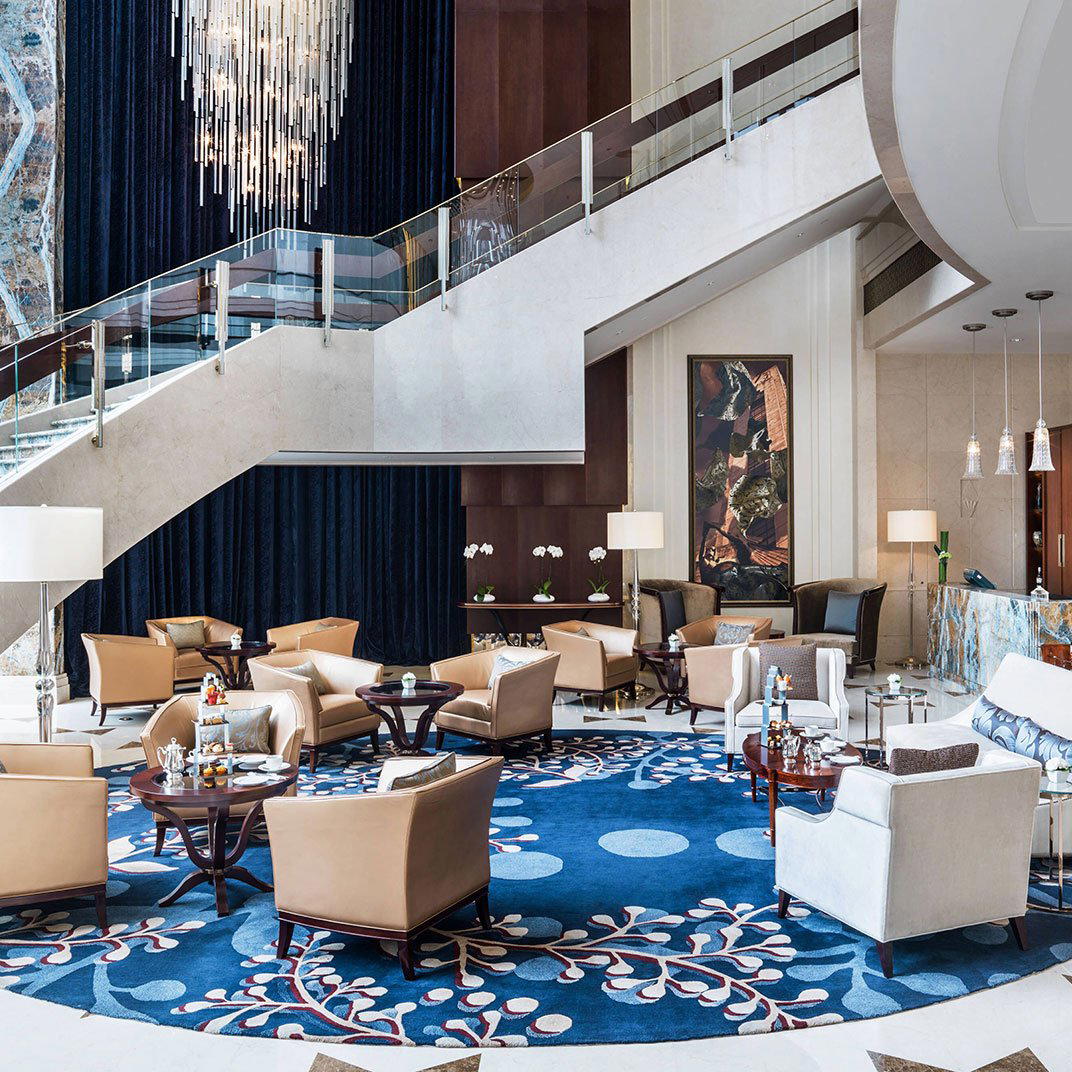
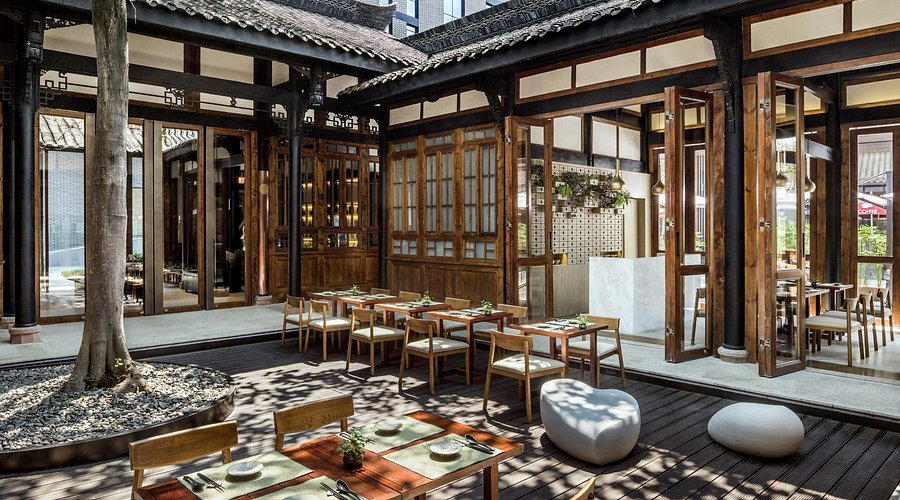
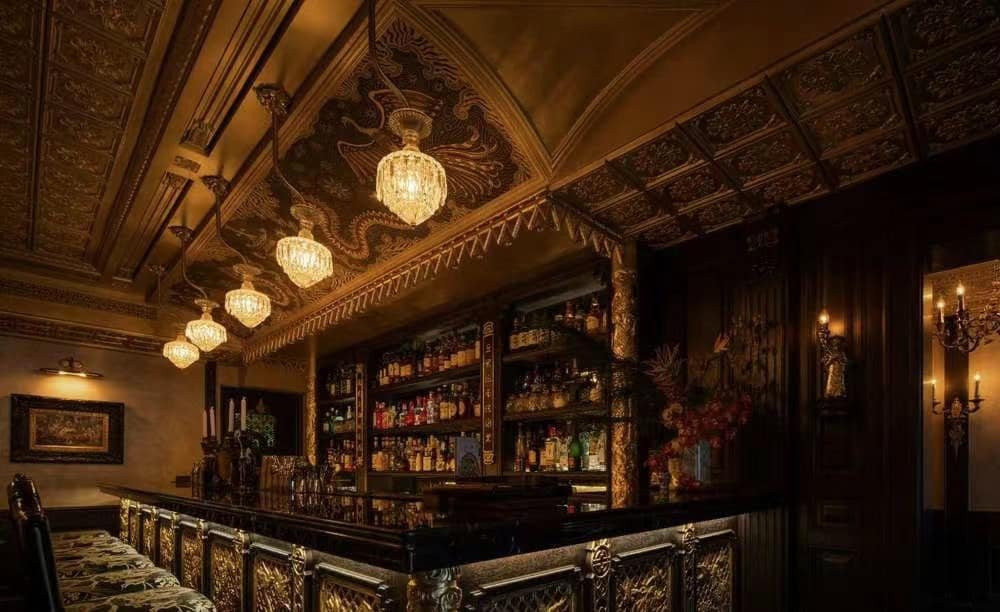
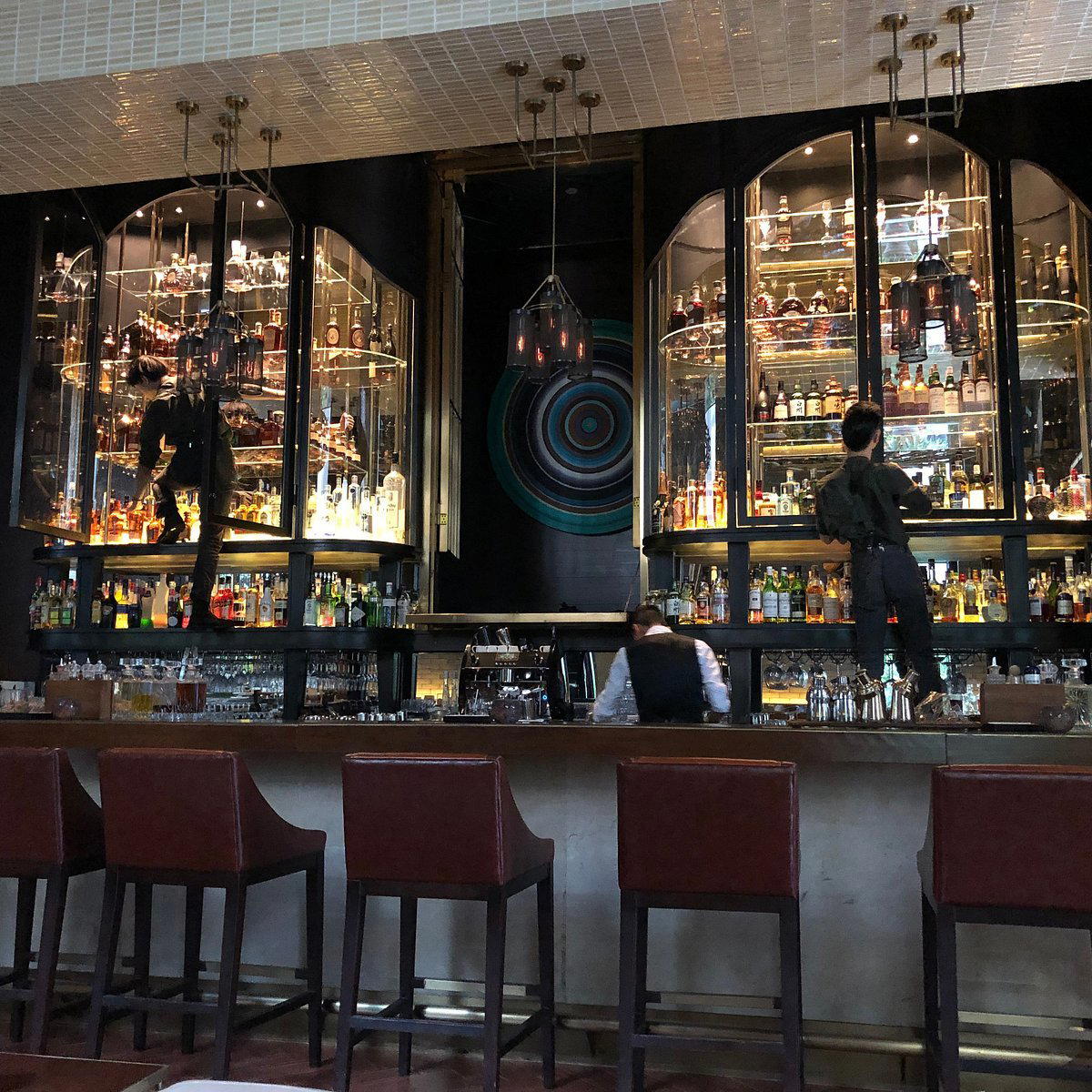
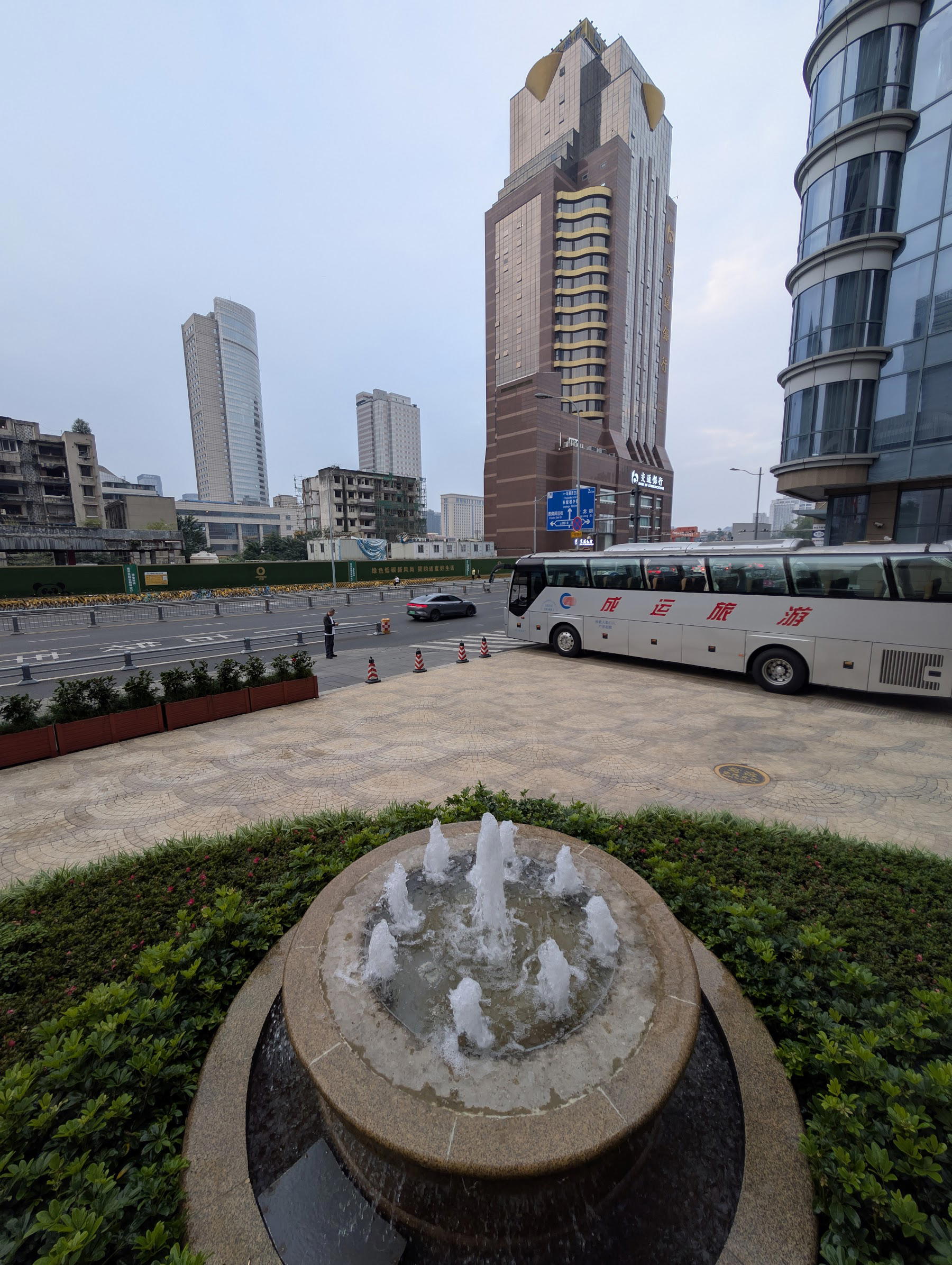
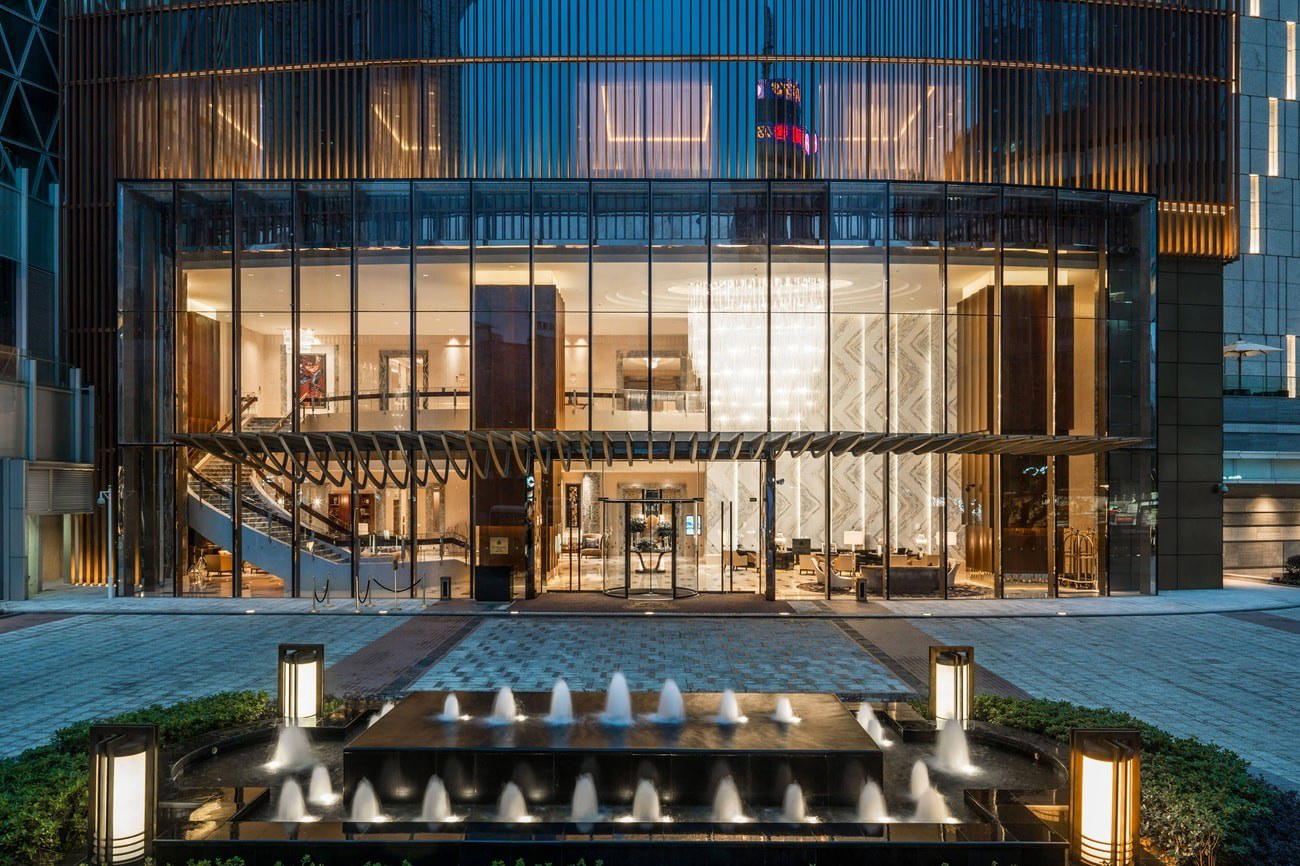
The physical approach to Chaimen Hui signals its position in Chengdu's dining hierarchy before a dish arrives. The interior reads deliberately restrained: no theatrical red lanterns, no street-market clamour. The aesthetic is closer to a private members' space than to the more exuberant dining rooms that define the mid-market Sichuan scene, and that calibration is intentional. In a city where Sichuan food exists at every price point, from a bowl of dan dan mian for a few yuan outside the Qingyang District metro to the omakase-adjacent counter at Yu Zhi Lan, Chaimen Hui sits at the formal upper tier, trading on composed restraint rather than spectacle.
The Ma-La Spectrum Redrawn
Sichuan cooking is most often framed internationally through the lens of heat, but practitioners inside the tradition apply a far more precise taxonomy. The ma-la principle, the pairing of ma (the electric, mouth-numbing quality of Sichuan peppercorn) with la (the direct burn of chilli), is less a style than a tool, one that shifts dramatically depending on ratio, technique, and the base flavours it is meant to illuminate. At the casual end of the Chengdu market, both elements are deployed loudly. At the premium tier where Chaimen Hui operates, the same framework is used with more precision: the numbing quality is present but controlled, the heat is layered rather than frontal, and the function of both is to lift the underlying ingredient rather than define the dish.
The kitchen's treatment of mapo tofu, one of Chengdu's most scrutinised reference dishes, illustrates this approach. The version here introduces diced Angus beef, which reads as a deliberate textural and flavour amplifier, the fat content of the beef binds with the fermented doubanjiang base and softens the peppercorn charge. The result is a dish that sits clearly within the Sichuan canon while signalling an intention to work beyond its conventional parameters. Kung pao beef short ribs with dried tangerine peel push further: the tangerine peel introduces a botanical bitterness that absorbs heat and creates a finish that registers as tangy and sweet rather than simply spiced. This is the kind of layered construction that distinguishes creative Sichuanese cooking from the broadly spiced vernacular that has spread internationally.
The ji dou hua, minced chicken silken tofu served in an amber-coloured broth, moves away from heat entirely. It is a dish built around umami depth and texture, the silken tofu delivering a velvety consistency that reads more mineral than rich. That the kitchen positions this alongside the bolder dishes on the menu reflects an understanding that the ma-la spectrum is only one register available to Sichuan cooking, and that restraint can carry as much authority as intensity.
Seasonal Sourcing at the summit of the Sichuan Market
Chengdu's high-end Sichuan restaurants have moved, over the past decade, toward a sourcing argument: the logic that premium regional cooking requires premium ingredients, some of which arrive from outside the province or indeed outside China. Chaimen Hui operates within that framework, drawing on seasonal ingredients from international suppliers alongside local Sichuan produce. The grain-fed beef short ribs represent one visible expression of that sourcing logic, as does the use of Angus beef in the mapo tofu. The approach places the kitchen in a comparable set that includes Chengdu venues like Fang Xiang Jing and Fu Rong Huang, where the sourcing conversation is as central as the cooking technique.
Across Chinese cities, the same premium Sichuan positioning is being tested in different contexts: Five Foot Road in Macau and Song in Guangzhou both carry the Sichuan identity into markets where it operates as a transplant cuisine, requiring the kitchen to anchor authenticity through technique and provenance rather than geography. The restaurant, operating in the city where the cooking originates, faces a different credibility test: it must justify its price tier to diners who can eat well in Chengdu for a fraction of the cost.
The Format and What It Costs You
The individual-portion ordering option is a structural differentiator in the high-end Sichuan format, where the default has historically been large-format shared dishes that require a group to unlock the menu properly. At the restaurant, solo diners and couples can access the full range without the social arithmetic that usually governs premium Chinese dining. This makes the restaurant accessible to a broader range of visit types than its price tier would suggest. The Black Pearl 1 Diamond (2025) recognition confirms its standing within the Chinese fine-dining recognition system. For comparison, Yu Zhi Lan holds two Michelin stars at the same ¥¥¥¥ price tier, while Silver Pot and Ma's Kitchen represent lower-commitment entry points into serious Sichuan cooking in the city.
The premium Sichuan format visible in Chengdu has counterparts elsewhere in the Chinese dining circuit. Xin Rong Ji in Beijing applies comparable sourcing discipline to Taizhou cuisine at the same price bracket, while 102 House in Shanghai, Chef Tam's Seasons in Macau, Ru Yuan in Hangzhou, Imperial Treasure Fine Chinese Cuisine in Guangzhou, and Dai Yuet Heen in Nanjing each occupy the formal fine-dining tier in their respective cities, each making a similar argument about sourcing, technique, and the elevation of a regional culinary tradition into a controlled, high-end setting.
Planning Your Visit
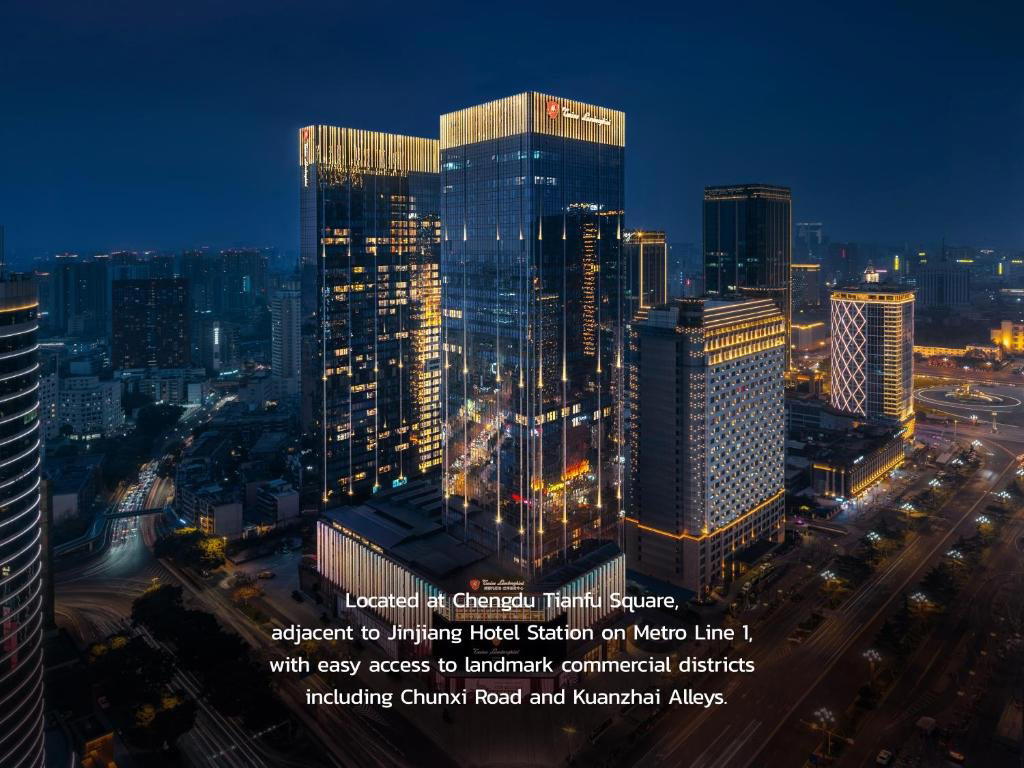
The restaurant is located at 7 Qinghua Road in Chengdu's Qingyang District, placing it within the Qingyang Palace commercial zone, a well-connected part of central Chengdu with easy access via the metro network. The ¥¥¥¥ price classification puts it at the summit end of the Chengdu market; expect to spend accordingly. Private rooms are available for a fee, making the venue suitable for business dinners or group meals requiring separation from the main dining room. Given the recognition and the price tier, advance reservations are advisable, particularly for private rooms on weekend evenings. For a broader sweep of where to eat, drink, and stay in the city, see our full Chengdu restaurants guide, our full Chengdu hotels guide, our full Chengdu bars guide, our full Chengdu wineries guide, and our full Chengdu experiences guide.
Where the Accolades Land
Comparable venues nearby, for context on price, style, and recognition.
| Venue | Cuisine | Price | Awards | Notes |
|---|---|---|---|---|
| Chaimen HuiThis venue — the venue you are viewing | Creative Sichuan Cuisine | $$$ | Michelin 1 Star | Not listed |
| Ma's Kitchen (Jinjiang) | Authentic Sichuan | $$ | Michelin 1 Star | Chengdushi |
| S Kitchen | Sichuan | $$$ | Michelin 1 Star | Chengdushi |
| Mi Xun Teahouse | Modern Vegetarian Sichuan Chinese | $$$ | Michelin 1 Star | Chengdushi |
| Fu Rong Huang | Traditional Sichuan | $$ | Michelin 1 Star | Chengdushi |
| Silver Pot | Modern Sichuan Fine Dining | $$$$ | Michelin 1 Star | Chengdushi |
Recognition history
Dated appearances from independent guides and award organizations, with the underlying list record or original source where available.
Black Pearl 1 Diamond
Black Pearl
Black Pearl 1 Diamond
Black Pearl
Michelin 1 Star
Michelin
Michelin 1 Star
Michelin
At a Glance
- Elegant
- Sophisticated
- Modern
- Intimate
- Business Dinner
- Special Occasion
- Date Night
- Private Dining
- Farm To Table
- Local Sourcing
- Street Scene
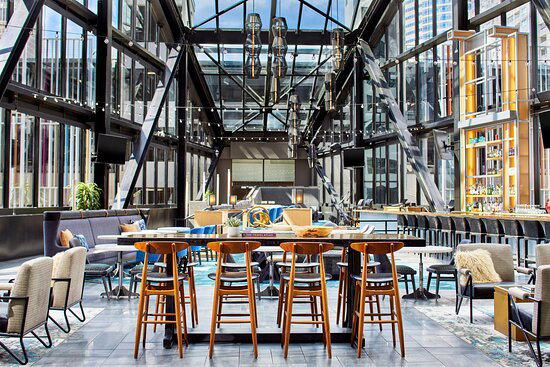
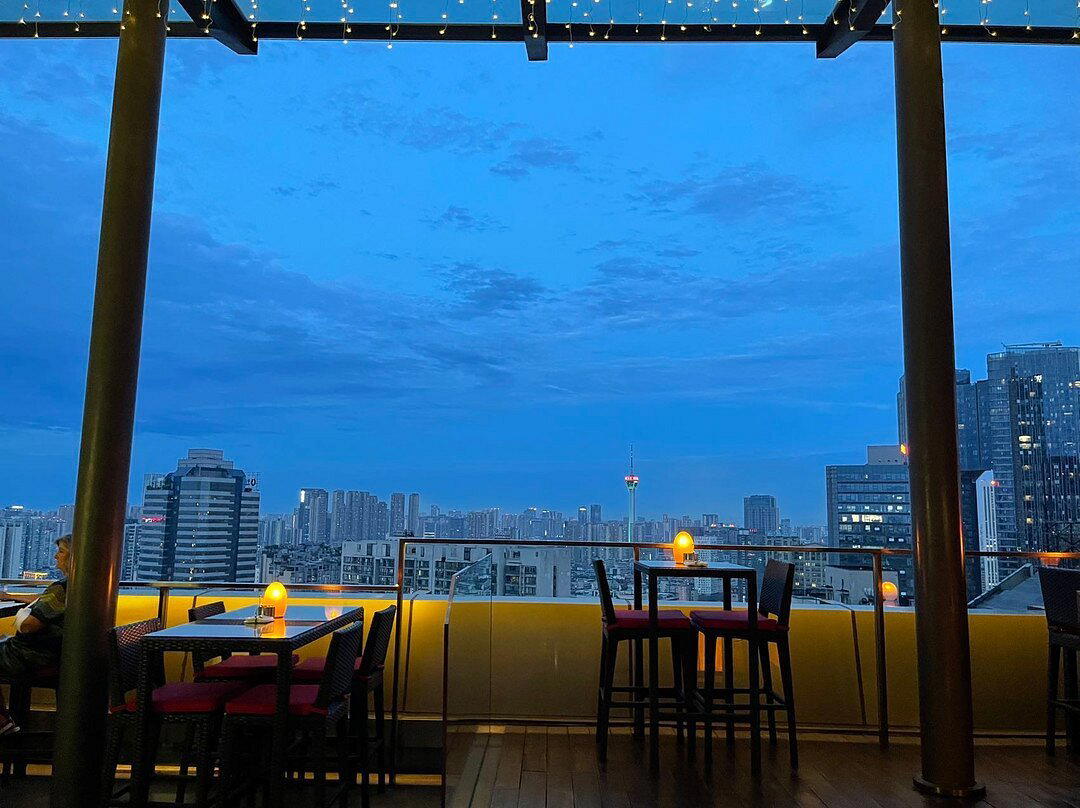
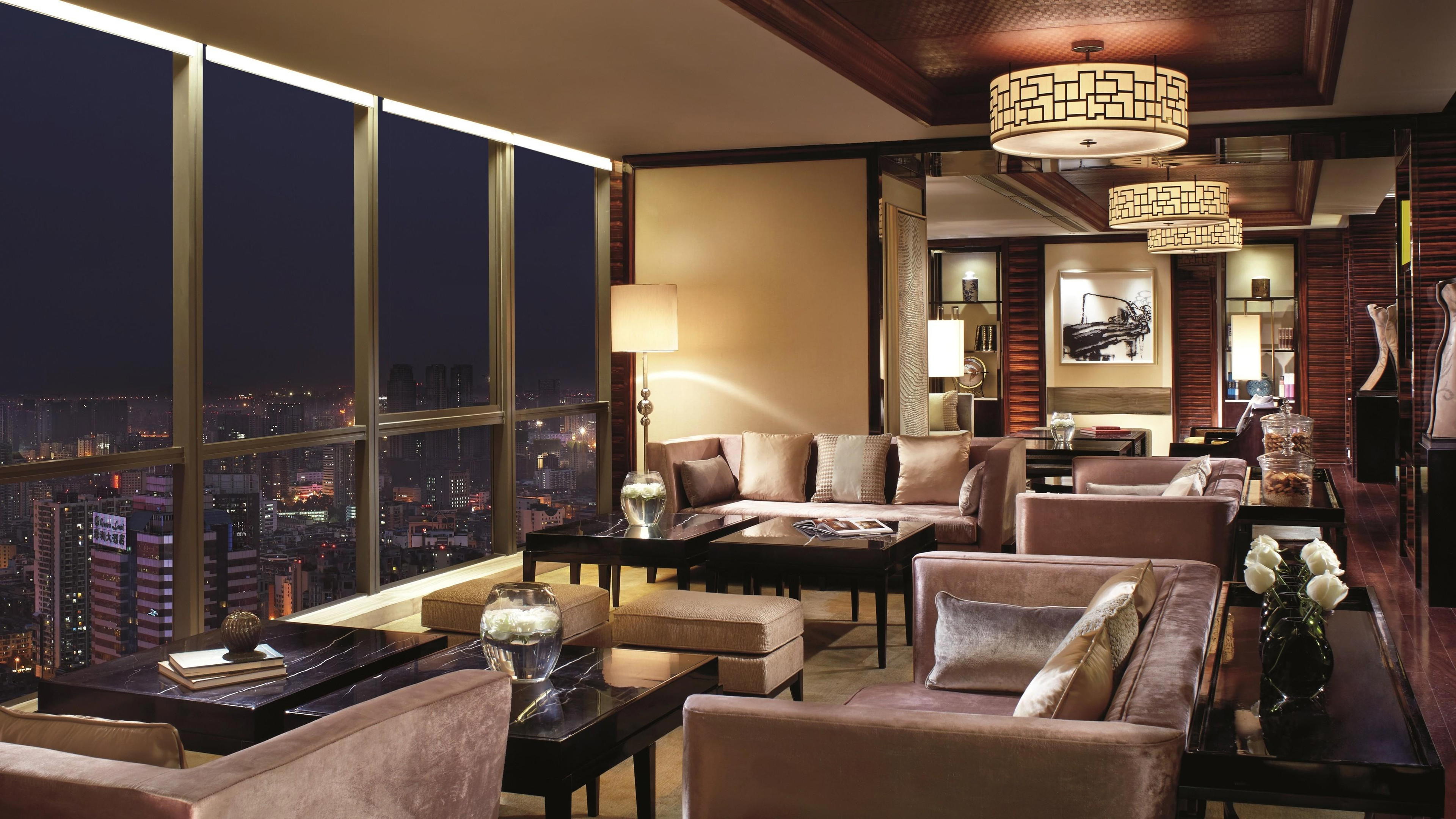
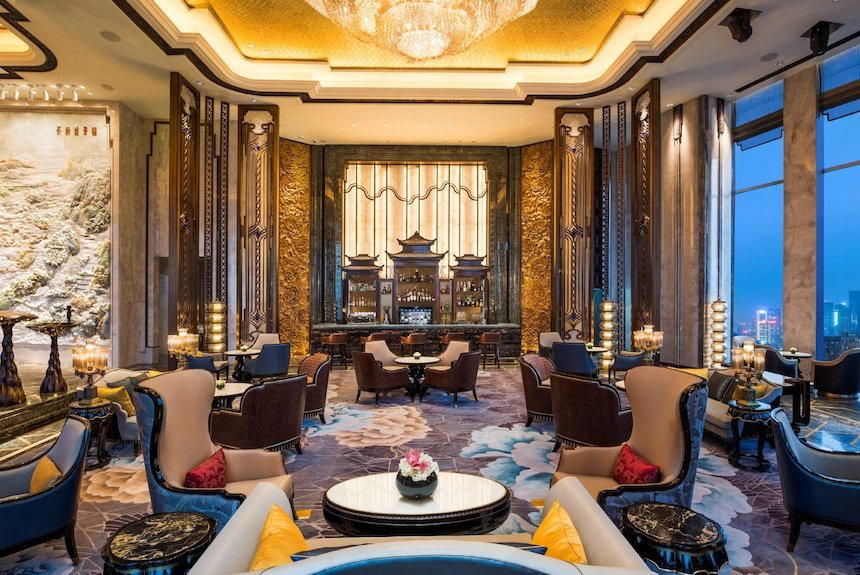
Understated luxurious vibe with modern minimalist design, hushed tones, and tactile textures.