
Six Senses Qing Cheng Mountain sits an hour from Chengdu near the UNESCO-listed Dujiangyan irrigation system and the Taoist sacred ground of Mount Qing Cheng. Rates from $276 per night across 122 rooms and suites, with a spa program rooted in classical Chinese treatments, three restaurants drawing on organic garden produce, and a design language that references traditional Sichuan architecture without pastiche.
Pearl is the En Primeur Club membership app — saves, bookings, and concierge access live there. Same editors, same standards.
- Address
- 2 Dong Ruan Da Dao, Du Jiang Yan Shi, Cheng Du Shi, Si Chuan Sheng, 611844
- Phone
- +86 28 8728 9871
- Website
- cn.sixsenses.com
- Directions
- Get directions
 Saves & bookings on Pearl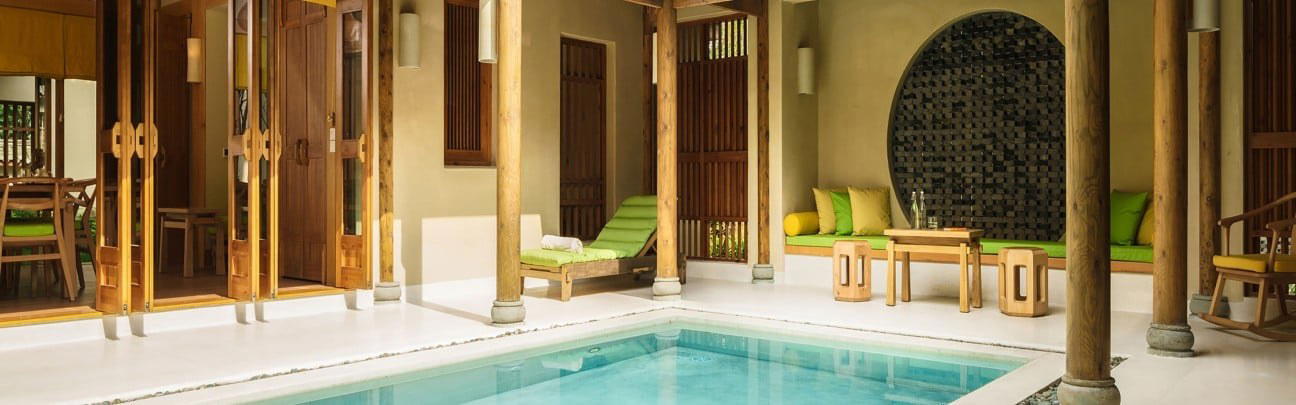
Mountain Altitude, Ground-Level Calm
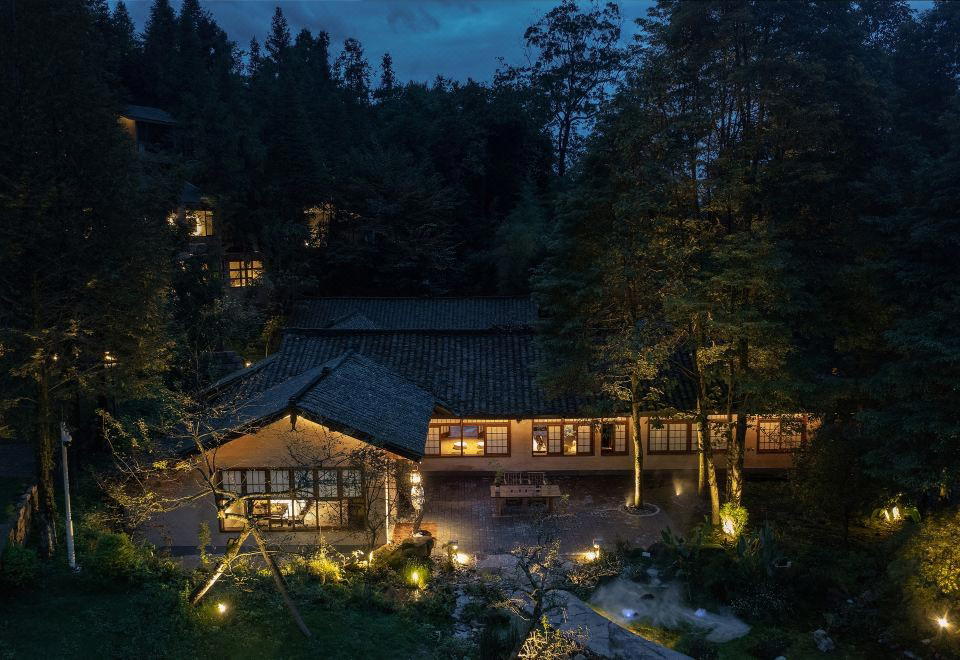
Six Senses Qing Cheng Mountain is a 5-star hotel in Chengdu's Dujiangyan area, set by Mount Qing Cheng and the UNESCO-listed Dujiangyan irrigation system. Six Senses Qing Cheng Mountain, the brand's first China property, follows that model with more geographical conviction than most. The resort sits outside Du Jiang Yan, roughly an hour's drive from Chengdu Shuangliu International Airport, at the edge of a landscape shaped by 36 mountain peaks and a 2,000-year-old hydraulic engineering system that the UNESCO World Heritage Committee placed on its list for reasons that go beyond the engineering itself. Mount Qing Cheng, visible from the property, is recognised in Chinese religious history as the place where Taoism took organised form. The cultural weight here is not incidental, it shapes the whole logic of the resort's positioning.
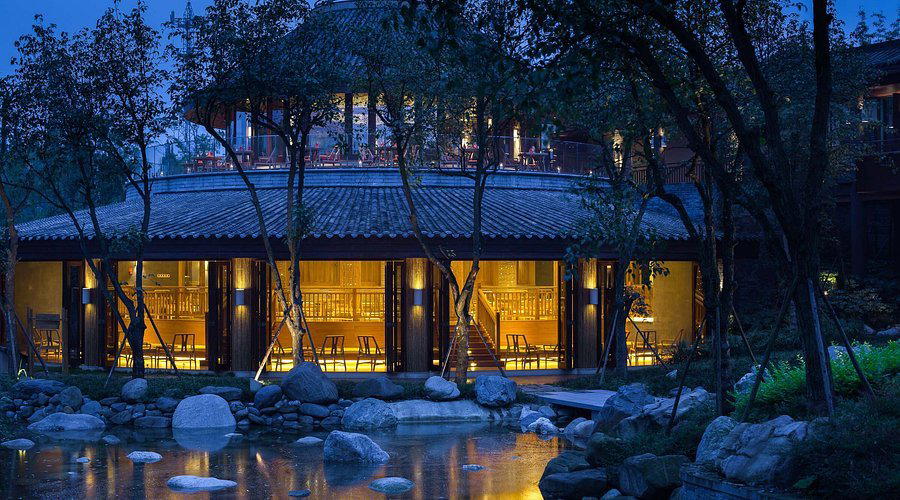
In China's premium resort segment, properties have generally split between large-scale conference-oriented complexes in peri-urban zones and a smaller cohort of design-led retreats that treat landscape access as the core amenity. Six Senses Qing Cheng Mountain belongs to the second category, with 122 keys, a land plan that prioritises ponds, water lily gardens, timber pergolas, and planted terraces over commercial square footage, and a guest-facing ethos oriented around responsible construction and traditional material choices.
What the Room Actually Does
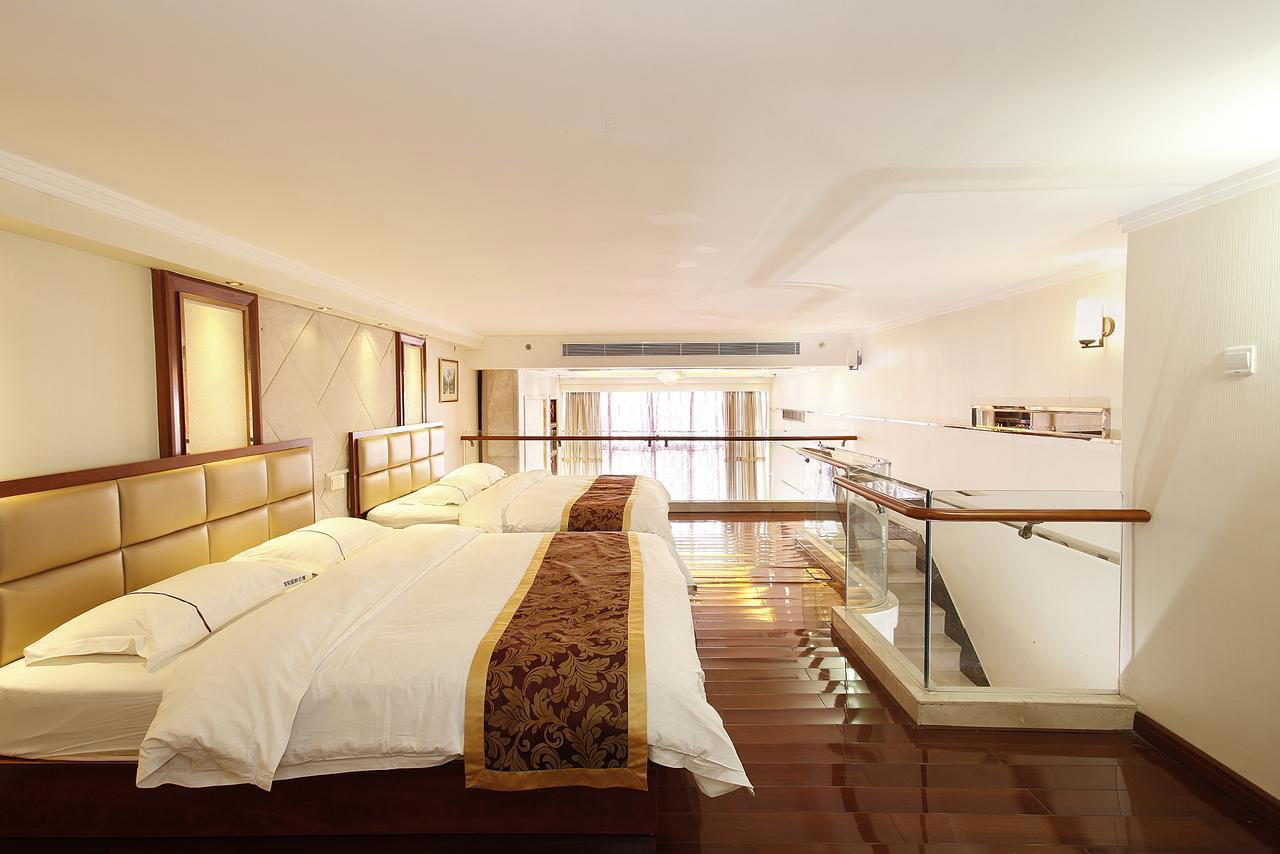
Six Senses Qing Cheng Mountain's entry-level suites begin at 850 square feet, a floor area that in practice means a genuine separation between sleeping and living zones, high ceilings that prevent the enclosure typical of mountain lodges, and a bathroom proportion that allows both a rain shower and a freestanding bathtub with garden sightlines to coexist without compromise. The private balcony or veranda, fitted with a daybed, resolves the question of where to actually spend time during the day, a design decision that many resort rooms notionally promise but structurally fail to deliver.
Room controls run through a smartphone application, which means the traditional panel of switches, thermostats, and curtain levers that interrupts the visual calm of high-design interiors is absent. Chinese antique-inspired furniture and natural wood finishes in the bathrooms carry the aesthetic register without the room feeling like a heritage reconstruction. Organic cotton bedding, in-room tea stations, and custom bath products arrive as standard across the suite inventory. At a rate from $276 per night, the value proposition sits in what the room withholds as much as what it provides: noise, visual clutter, and the operational friction that undermines sleep quality in urban hotels.
Properties like Xiamen Yunding Resort and 1 Hotel Haitang Bay, Sanya have tested versions of the nature-integrated luxury room, each with different relationships to local material culture. The hotel's version anchors the room experience specifically to Taoist landscape aesthetics, which produces a coherence that more generic eco-luxury formats lack.
The Property Beyond the Room
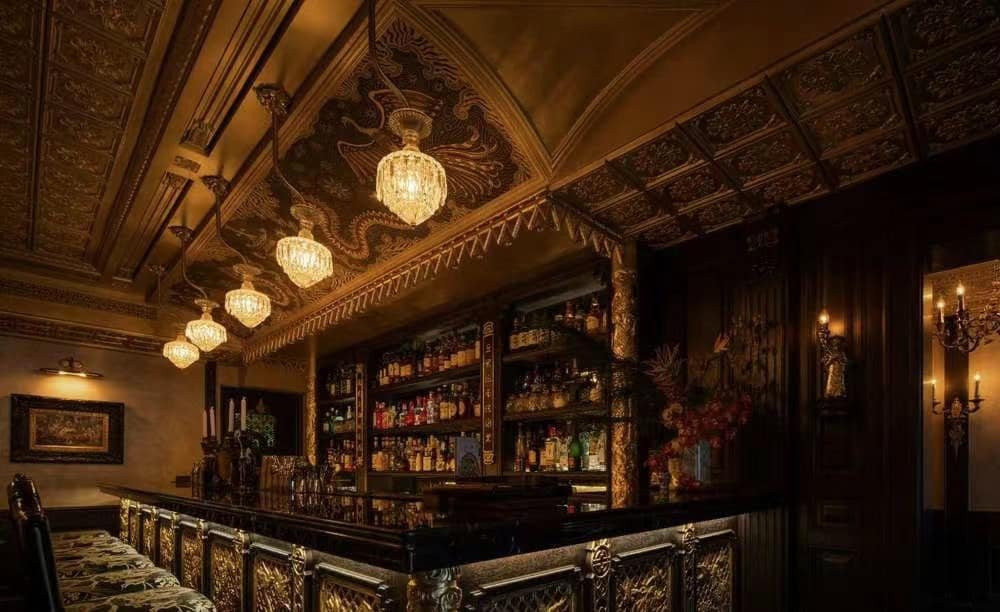
Three restaurants orient their sourcing around local ingredients, with a portion drawn from the resort's own organic gardens. Two swimming pools and two cocktail bars round out the amenity stack, along with an old-fashioned teahouse that functions as a counterpoint to the more global-format bar programming. The Six Senses Spa specialises in Chinese treatments updated for contemporary application, a category in Chinese resort hospitality that varies widely in depth, ranging from superficial decoration with traditional names to programs with genuine technical grounding in classical Chinese medicine.
The Dujiangyan irrigation system, built during the Qin dynasty and still operational, is a working piece of infrastructure as much as a heritage site, its continued function as a water management system for the Chengdu Plain makes it a different kind of attraction from static archaeological sites. Mount Qing Cheng's 36 peaks and temple network represent a hiking and cultural itinerary that the resort's location makes genuinely accessible rather than aspirationally adjacent.
How Six Senses Qing Cheng Mountain Fits the Broader China Travel Picture
Chengdu's hotel market has matured significantly in the past decade, with the urban luxury segment now anchored by multiple international flagships. Properties like The Temple House, which operates in a restored historic district, and InterContinental Century City Chengdu represent the city-centre cohort. Guanyin Yiyuntai Hotel occupies a different register again. The hotel operates outside that competition entirely, which is the point. Choosing it means choosing to leave Chengdu's restaurant culture, nightlife, and urban density behind for at least two nights, the drive time makes day-tripping impractical as a primary strategy.
Within Six Senses' Asia-Pacific portfolio, the Qing Cheng Mountain property represents a particular application of the brand formula: a site where the cultural legitimacy of the location (UNESCO-designated irrigation system, Taoist sacred mountain) does substantive work, rather than landscape beauty alone carrying the positioning. Comparable logic applies at properties like Mandarin Oriental Qianmen in Beijing, where historical neighbourhood context frames the luxury offer, or JW Marriott Hotel Shanghai at Tomorrow Square, where urban verticality is the proposition. Each is legible as a luxury hotel; what differs is the type of premium experience the location authorises.
For travellers extending into broader Sichuan or southwest China itineraries, the property works as a natural transitional point between Chengdu's urban offer and more remote highland destinations. Vanke Lake Songhua Yunlu Hotel, Mohe Youran Mountain Residence, and Green Lake Hotel Kunming each serve analogous functions in their respective regions, sitting at the edge of accessible nature rather than deep within it.
Planning Your Stay
The hotel is located at 2 Dong Ruan Da Dao, Du Jiang Yan Shi, Cheng Du Shi, Si Chuan Sheng, 611844. At 122 keys, availability is finite during domestic holiday periods, including Golden Week in October and the May Day break, when both Mount Qing Cheng and Dujiangyan draw significant visitor numbers. Rates begin at $276 per night. The resort's position outside the city means restaurant alternatives are limited to those on the property; the three dining venues and two bar formats represent the complete evening programming unless guests arrange transportation into Du Jiang Yan town. The drive time from central Chengdu is similar to the airport journey, making it a genuine resort stay rather than a hotel-adjacent day trip.
Comparable Venues
Comparable venues nearby, for context on price, style, and recognition.
| Venue | Cuisine | Price | Awards | Notes |
|---|---|---|---|---|
| Six Senses Qing Cheng MountainThis venue — the venue you are viewing | Eco-conscious luxury mountain resort with Chinese-inspired contemporary design | $$$$ | Michelin 1 Key | Not listed |
| The Temple House | Heritage-contemporary urban boutique blending Qing Dynasty architecture with modern luxury | $$$$ | Michelin 1 Key | Chengdushi |
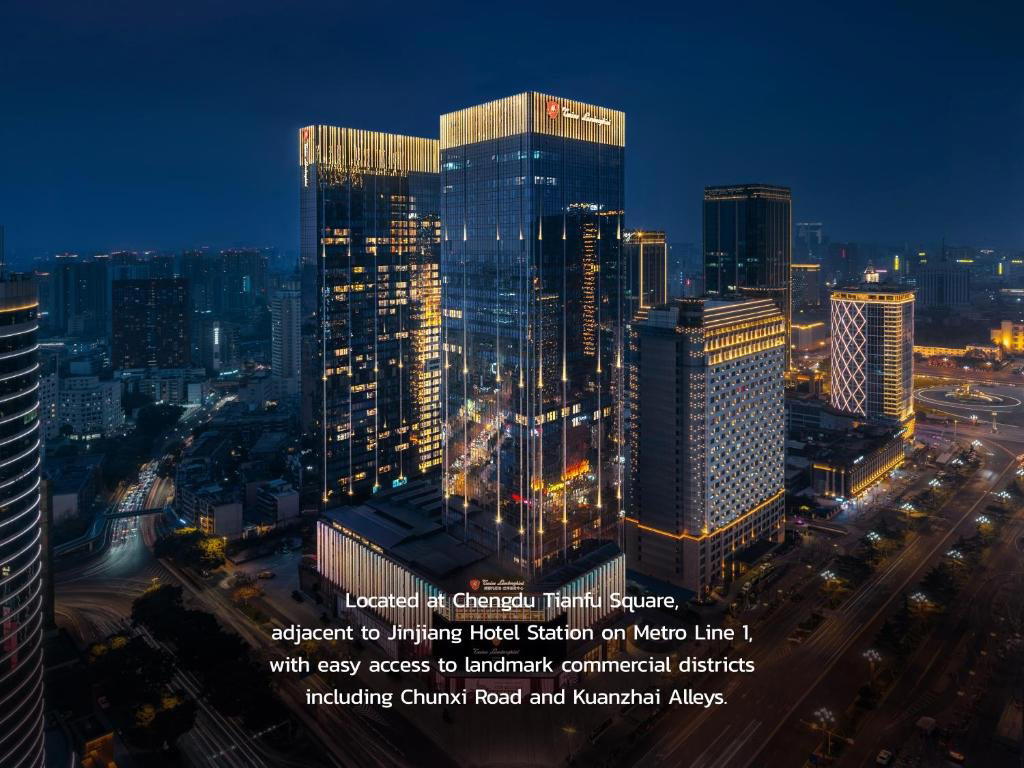
| Niccolo Chengdu | Contemporary luxury hotel in the heart of Chengdu's business and retail district. | $$$$ | 5-Star | Chengdushi |
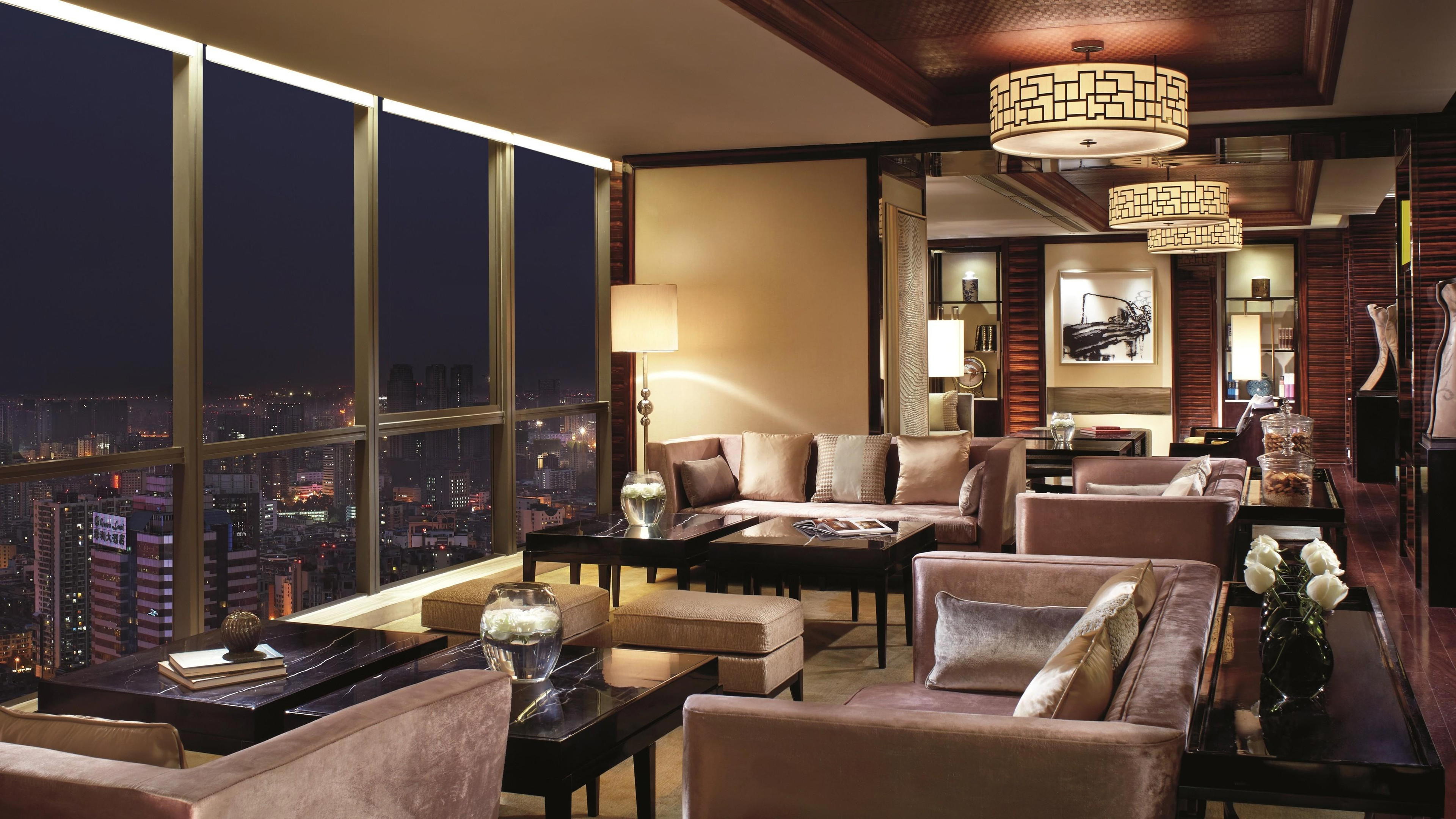
| The Ritz-Carlton, Chengdu | Contemporary luxury tower with interiors inspired by traditional Chinese courtyard architecture, occupying floors 23-41 with commanding views of Tianfu Square. | $$$$ | 5-Star | Chengdushi |
| Wanda Reign Chengdu | Luxury skyscraper with sky lobby on 41st floor | $$$$ | 5-Star | Chengdushi |
| InterContinental Century City Chengdu | Luxury urban landmark blending European elegance and Chinese hospitality | $$$$ | 5-Star | Chengdushi |
Recognition history
Dated appearances from independent guides and award organizations, with the underlying list record or original source where available.
Mr & Mrs Smith Smith Seal of Approval
Mr & Mrs Smith
Michelin 1 Key
Michelin
At a Glance
- Scenic
- Elegant
- Sophisticated
- Quiet
- Cozy
- Wellness Retreat
- Romantic Getaway
- Family Vacation
- Weekend Escape
- Panoramic View
- Garden
- Destination Spa
- Wi Fi
- Pool
- Spa
- Fitness Center
- Room Service
- Concierge
- Kids Club
- Tennis
- Sauna
- Restaurant
- Mountain
- Garden
- Wi Fi
- Pool
- Spa
- Fitness Center
- Room Service
- Concierge
- Kids Club
- Tennis
- Sauna
- Restaurant
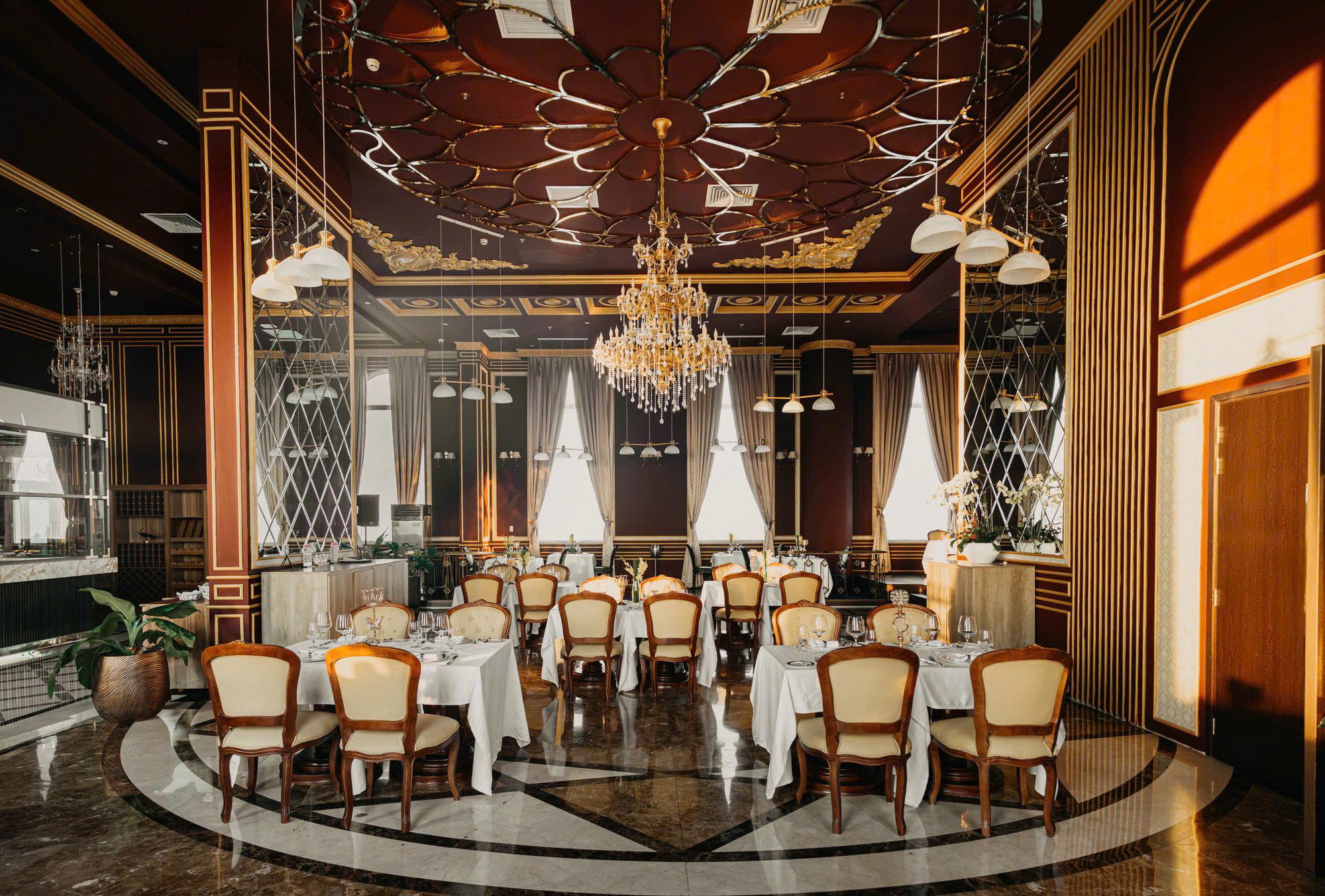
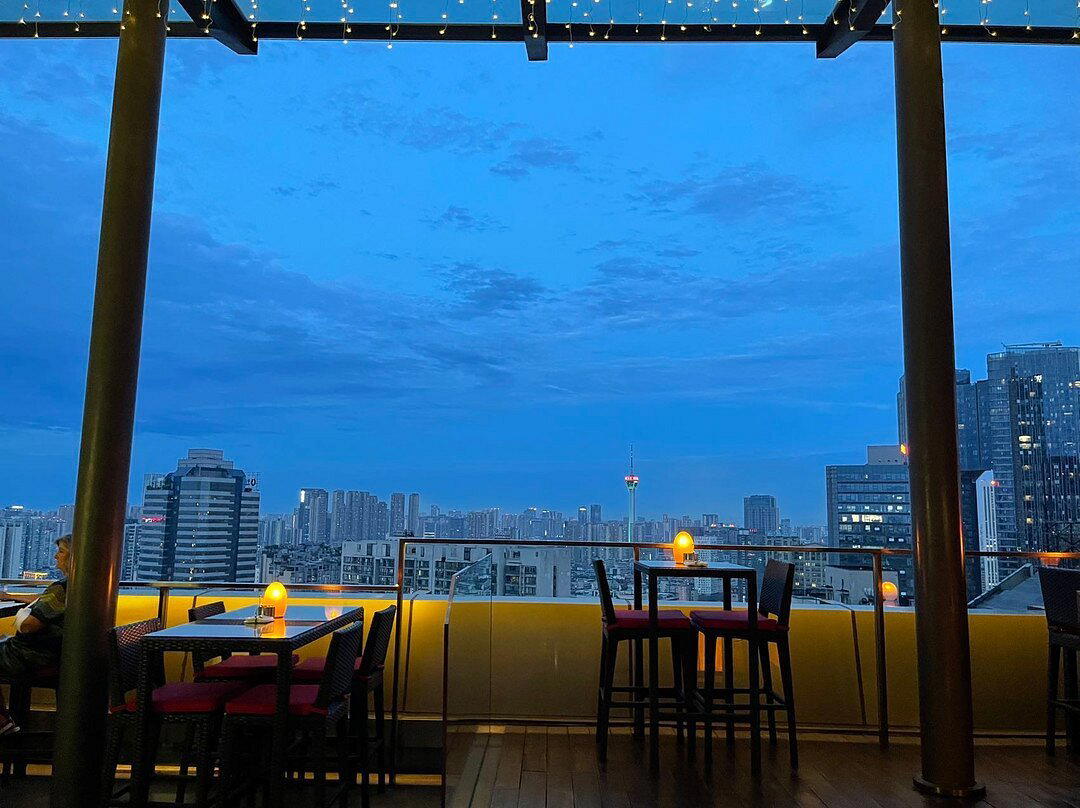
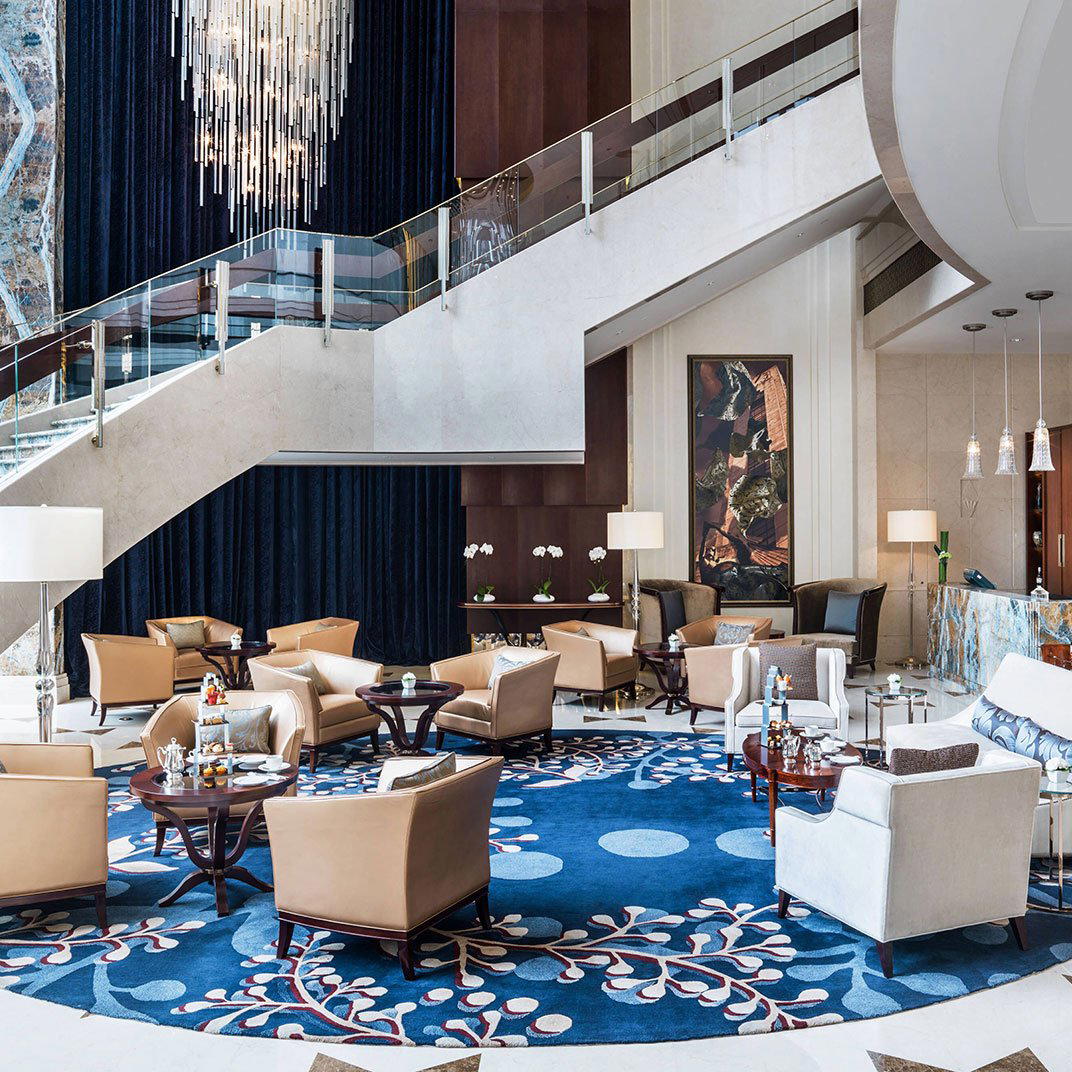
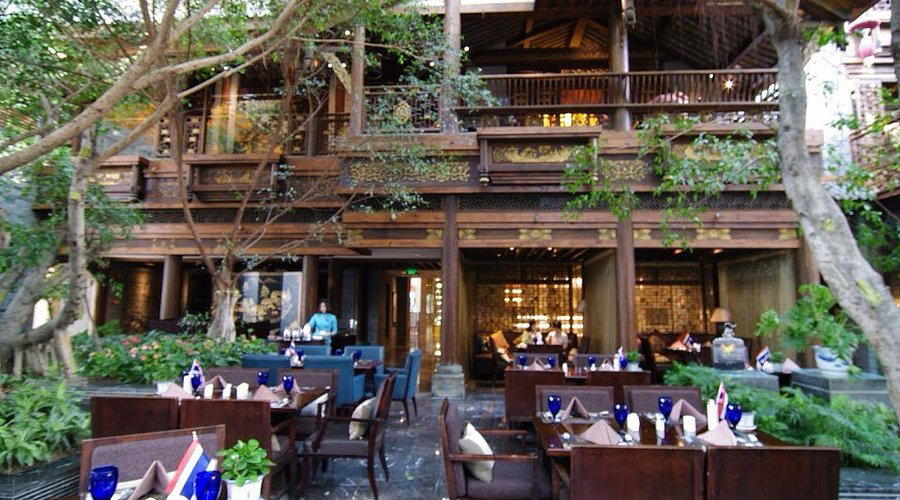
Serene and calming with natural light, landscaped gardens, water features, and a peaceful mountain atmosphere promoting relaxation.