On Jinfeng Road in Chengdu's Qingyang District, Zengniurou occupies a address that places it inside one of the city's most active dining corridors. The restaurant operates within a Chengdu dining scene where beef-forward cooking has its own distinct grammar, separate from the pork-dominated mainstream of Sichuan cuisine. For visitors tracking the city's specialist dining culture, it represents a focused local proposition worth understanding on its own terms.
Pearl is the En Primeur Club membership app — saves, bookings, and concierge access live there. Same editors, same standards.
- Address
- 17 Jinfeng Rd, 金沙商圈 Qingyang District, Chengdu, Sichuan, China, 610036
- Phone
- +862888082375
- Directions
- Get directions
 Saves & bookings on Pearl
Jinfeng Road and the Geography of Chengdu's Specialist Dining
Qingyang District functions as one of Chengdu's more layered dining territories. The area holds both the city's older residential fabric and a concentration of specialist restaurants that operate outside the high-visibility circuits of Jinli or Taikoo Li. On Jinfeng Road specifically, the dining register tends toward the local and the precise: kitchens that have built a neighbourhood following around a single product category or cooking method rather than broad-menu ambition. Zengniurou sits at 17 Jinfeng Rd in Chengdu's Qingyang District, serving Sichuan beef specialties in a casual, recommended-reservation setting.
That distinction matters for how you approach the room. Chengdu's premium tier, which includes destinations covered in our full Chengdu restaurants guide, operates on reservation lead times, curated wine lists, and tasting-menu formats that align the city with comparable fine-dining ecosystems in Shanghai or Macau. Venues like Chef Tam's Seasons in Macau or 102 House in Shanghai represent that upper register. Zengniurou operates in a different register entirely, one defined by product specificity and the logic of the single-ingredient specialist.
Beef Cooking in Chengdu: A Tradition Outside the Pork Mainstream
Sichuan cuisine's public identity runs heavily on pork, tofu, and the numbing heat of huajiao. Mapo tofu, twice-cooked pork, and dan dan noodles dominate the export version of the cuisine. But Chengdu has a parallel beef culture that gets considerably less international attention, rooted partly in the city's Muslim communities and partly in the broader Sichuan tradition of using beef offal, shank, and tendon in cold preparations and slow braises. That tradition produces a cooking vocabulary quite different from the quick-wok techniques associated with Sichuan's most-replicated dishes.
The name Zengniurou translates directly to beef, signalling a kitchen organised around that single protein. In Chengdu's dining taxonomy, this places it alongside a cohort of specialists that prioritise depth in one ingredient category over breadth across a menu. The approach has parallels elsewhere in China's specialist restaurant culture: the commitment to a single protein or format that allows a kitchen to develop real expertise rather than covering every base. Compared to the broad regional ambition of Fang Xiang Jing (Sichuan) or Fu Rong Huang (Sichuan), Zengniurou's focus is deliberately narrower.
The broader Chengdu beef specialist category sits in an interesting position relative to the city's fine-dining scene. Venues at the summit of the market, such as Ru Yuan in Hangzhou or Imperial Treasure Fine Chinese Cuisine in Guangzhou, demonstrate how traditional Chinese protein-focused cooking can be repositioned for premium audiences when paired with formal service and curated beverage programs. The question for any Chengdu beef specialist is whether it operates within that refined frame or within the more direct, less ceremonialized idiom of the neighbourhood expert.
The Wine and Beverage Question in Chengdu's Mid-Market
Chengdu's relationship with wine has evolved considerably in the past decade. The city's upper-tier restaurants now maintain cellars that can stand comparison with comparable venues in Beijing or Shanghai: Xin Rong Ji (Xinyuan South Road) in Beijing exemplifies how a Chinese fine-dining house can build a wine program that functions as a genuine editorial statement rather than a functional add-on. In Chengdu, the premium tier has followed a similar logic.
For specialist restaurants in the mid-market, the beverage picture is different. Baijiu remains the dominant spirit pairing with Sichuan beef preparations, particularly those built on cold-spiced or heavily seasoned profiles where wine struggles to find a foothold. Tea service, particularly green and flower-scented varieties from surrounding Sichuan province, provides an alternative that local diners often prefer with lighter cuts. The question of what to drink with a Chengdu beef specialist kitchen is shaped by the restaurant's casual format and modest price point. Venues without a formal wine program are not making a deficit choice in this context: they are reflecting a dining culture where baijiu and tea carry more cultural weight than a Burgundy cellar would.
For comparison, venues with formally curated wine lists in China's broader fine-dining circuit, such as Dai Yuet Heen in Nanjing or Dingshan·Jiangyan (Xiangcheng) in Suzhou, tend to pair that investment with a broader dining format: multi-course structures, longer dining times, and price points that justify sommelier-led service. Specialist beef restaurants in Chengdu's Qingyang District rarely operate within that format, and the absence of a formal wine program at venues like Zengniurou should be read as a category signal rather than a shortcoming.
Where Zengniurou Sits in the comparable set
Placing Zengniurou accurately requires stepping back from both the city's fine-dining tier and the ¥-category Sichuan staples. The single-protein specialist occupies a middle ground that is common across Chinese city dining but underrepresented in international coverage, which tends to focus on either street-level staples or Michelin-aspiring kitchens. Venues at the bottom of the Chengdu price range, like Chen Mapo Tofu on Qinghua Road or the noodle specialists in Jinniu, operate on volume and speed. Venues at the leading operate on ceremony and curation. Zengniurou's address and concept suggest it operates in the space between those poles: committed enough to its category to attract repeat local visitors, but without the pricing or format signals of the city's premium tier.
That positioning has analogues elsewhere. Hokkien Cuisine (Fujian) in Chengdu represents a similar logic applied to regional specificity rather than single-protein focus. Both operate on a premise that depth in one area, whether a regional tradition or a single ingredient, builds a more defensible dining proposition than broad-menu coverage. For context on how that specialist approach plays out in other Chinese cities, Fleurs Et Festin in Xiamen, Jiangnan Wok・Rong in Fuzhou, and Shang Palace in Yangzhou each demonstrate different ways the specialist premise gets applied at different price tiers.
For readers calibrating against international fine-dining benchmarks, the frame shifts considerably. Precision-driven tasting menus at venues like Le Bernardin in New York City or Atomix in New York City represent one end of the single-focus specialist spectrum, where ingredient discipline is matched with formal culinary architecture. Chengdu's beef specialists operate with the same ingredient discipline but without the surrounding apparatus of formal service, curated pairings, and tasting-menu structure. Both are legitimate expressions of the specialist premise.
Planning a Visit
Zengniurou is located at 17 Jinfeng Road in Qingyang District, Chengdu. The Qingyang District address is accessible from central Chengdu, though specific transit routing depends on your starting point within the city. Given the restaurant's neighbourhood positioning, reservations are recommended.
At-a-Glance Comparison
Comparable venues nearby, for context on price, style, and recognition.
| Venue | Cuisine | Price | Notes |
|---|---|---|---|
| ZengniurouThis venue — the venue you are viewing | Sichuan Beef Specialties | $$ | Not listed |
| Kuanzuo | Traditional Sichuan Hotpot | $$ | Chengdushi |
| Cloud Restaurant | Sichuan Cuisine | $$ | Business District/The area around the Twin Towers |
| 武侯首席 | Traditional Sichuan Cuisine | $$ | 武侯区 |
| Longsenyuan | Authentic Chengdu Hotpot | $$ | Chengdushi |
| Nantangguan Sichuan Cuisine Cultural Restaurant | Sichuan Cuisine | $$$ | Wuhou District |
Continue exploring
More in Chengdu
Restaurants in Chengdu
Browse all →
At a Glance
- Cozy
- Modern
- Casual Hangout
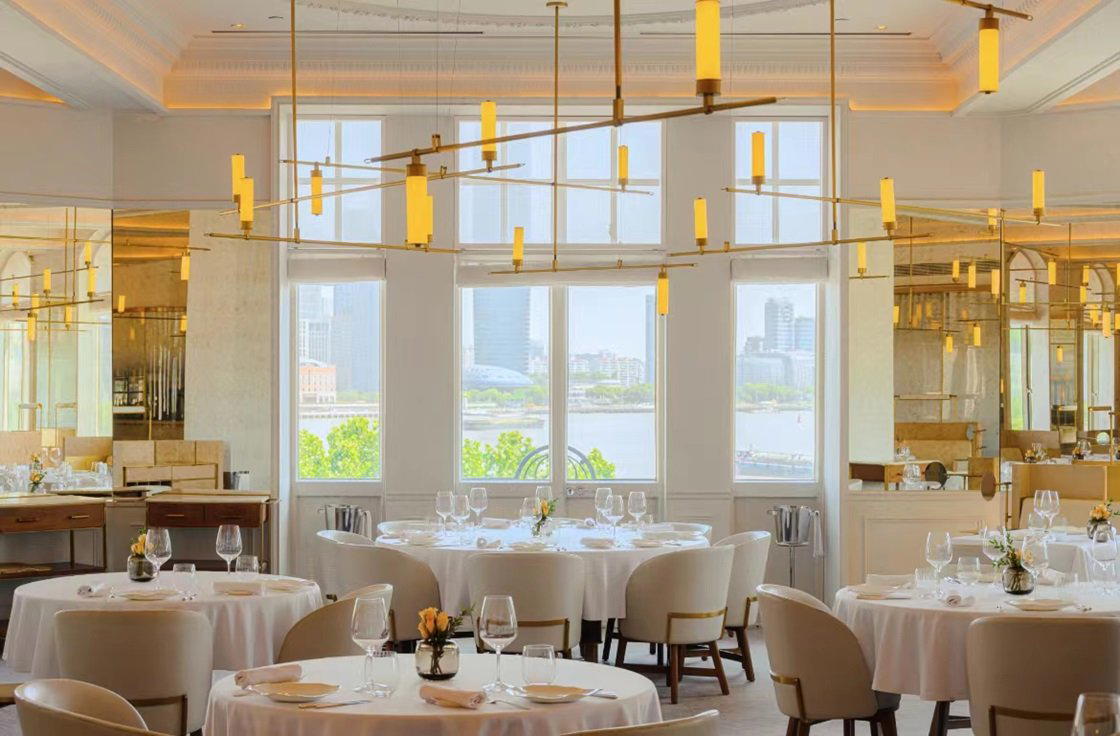
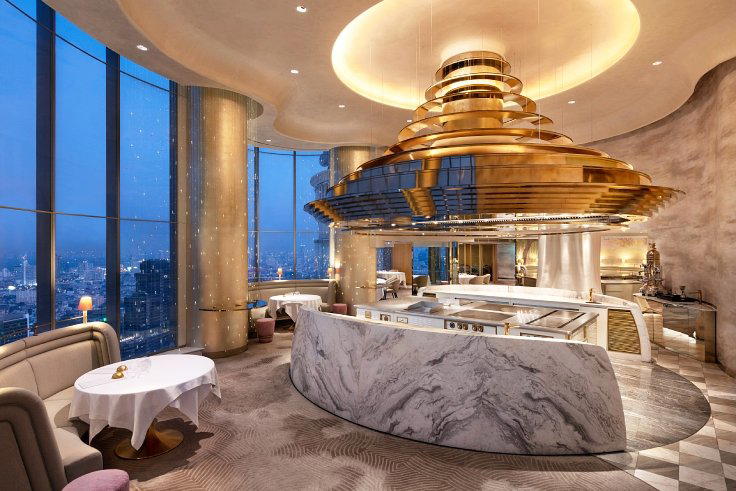
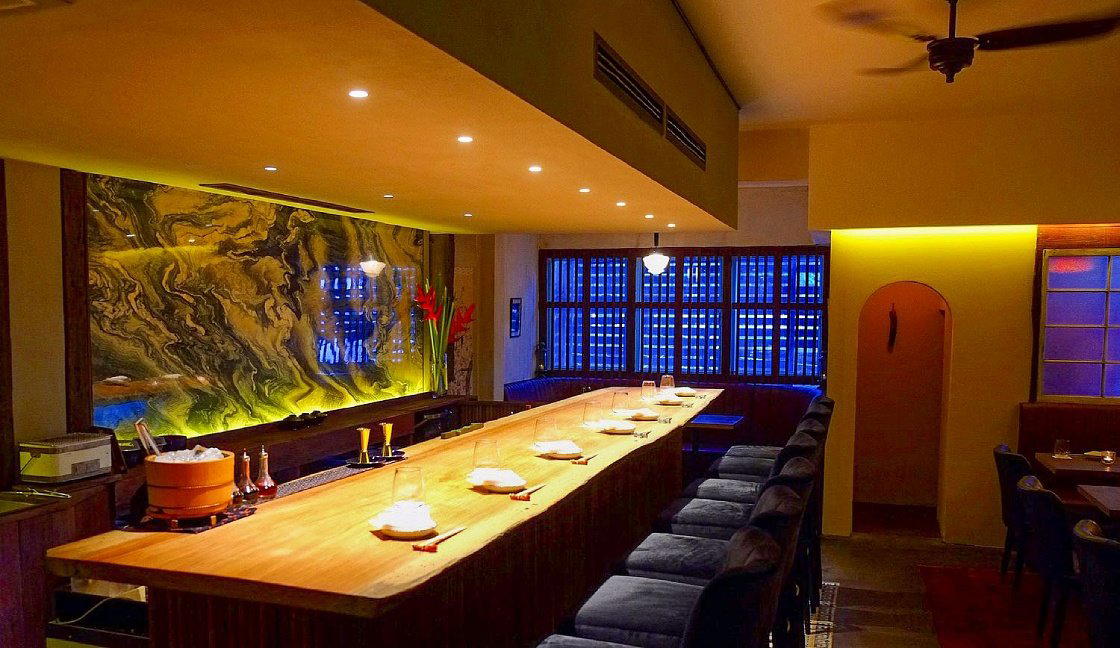
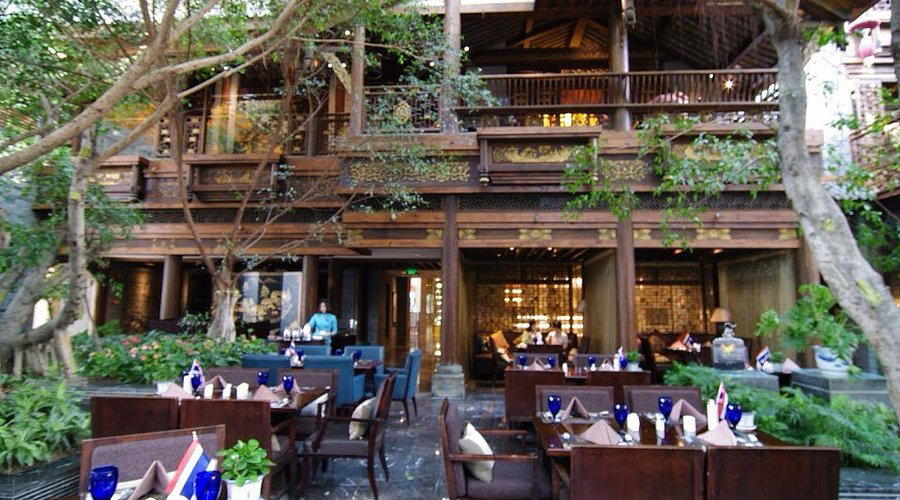
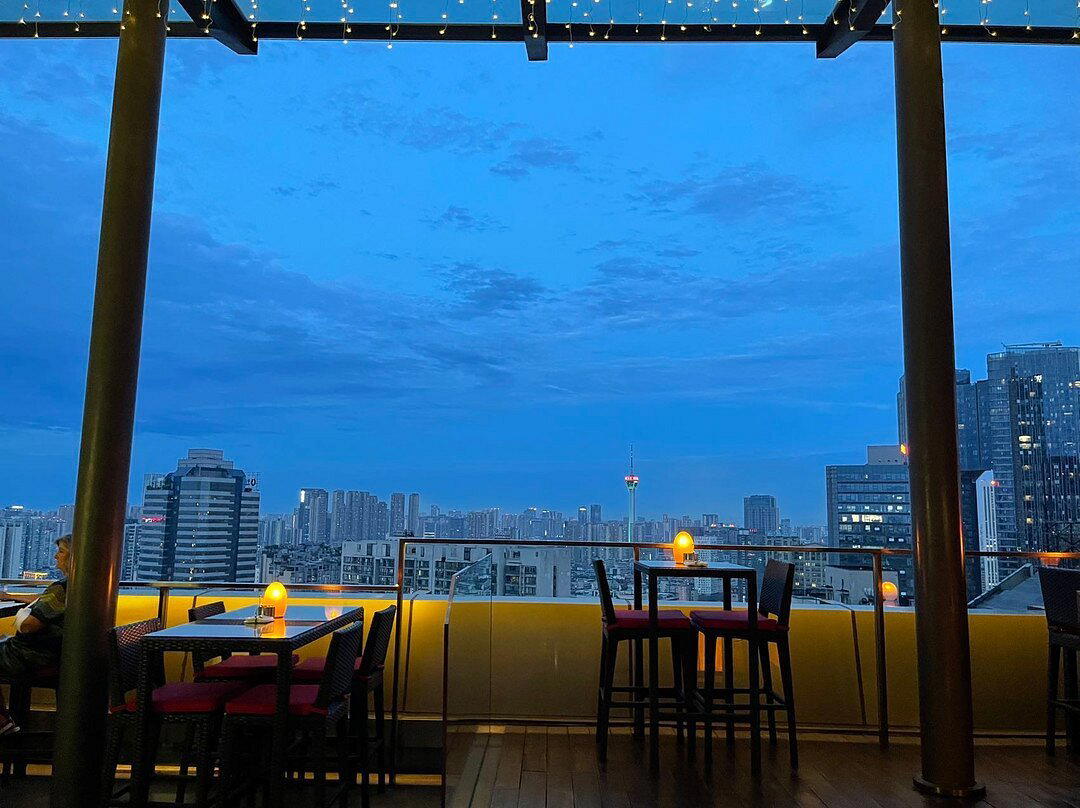
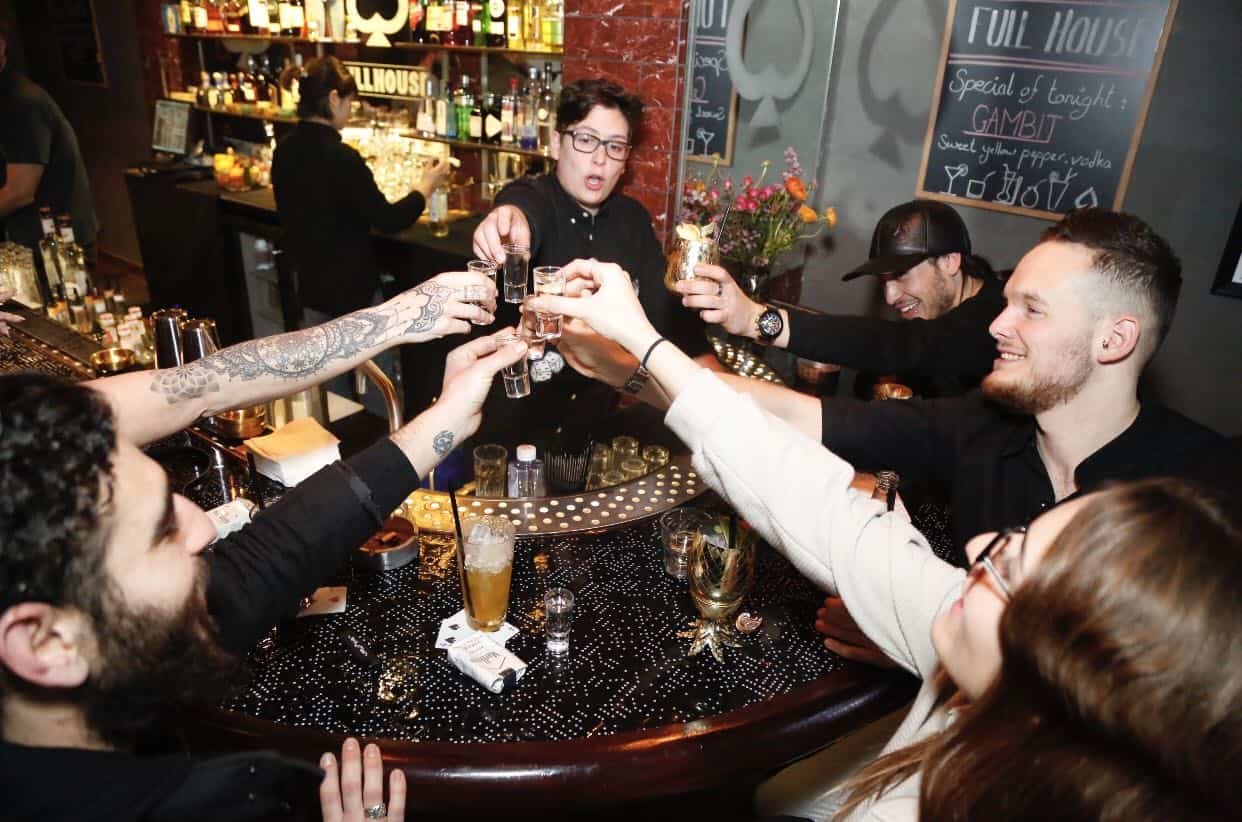
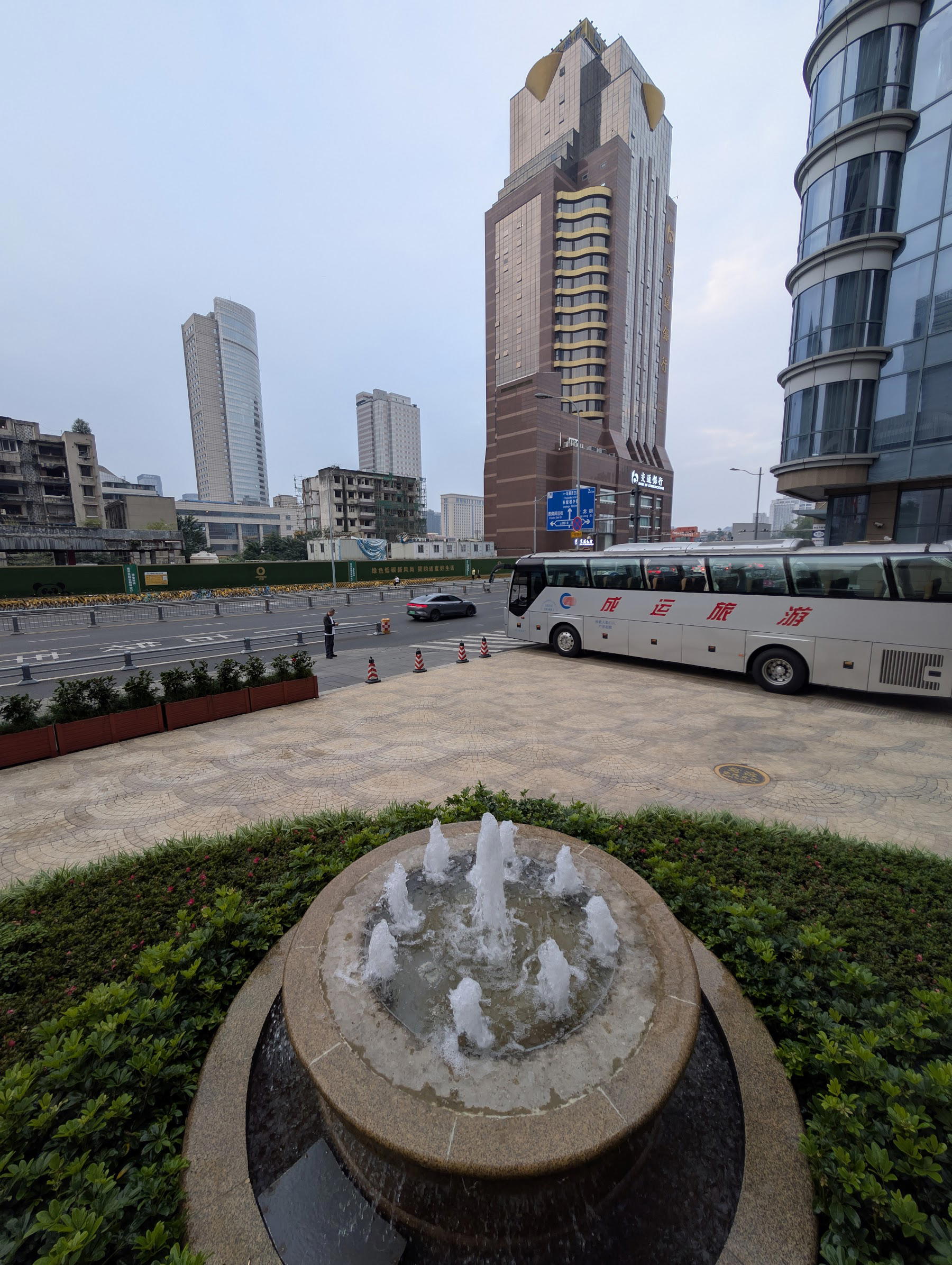
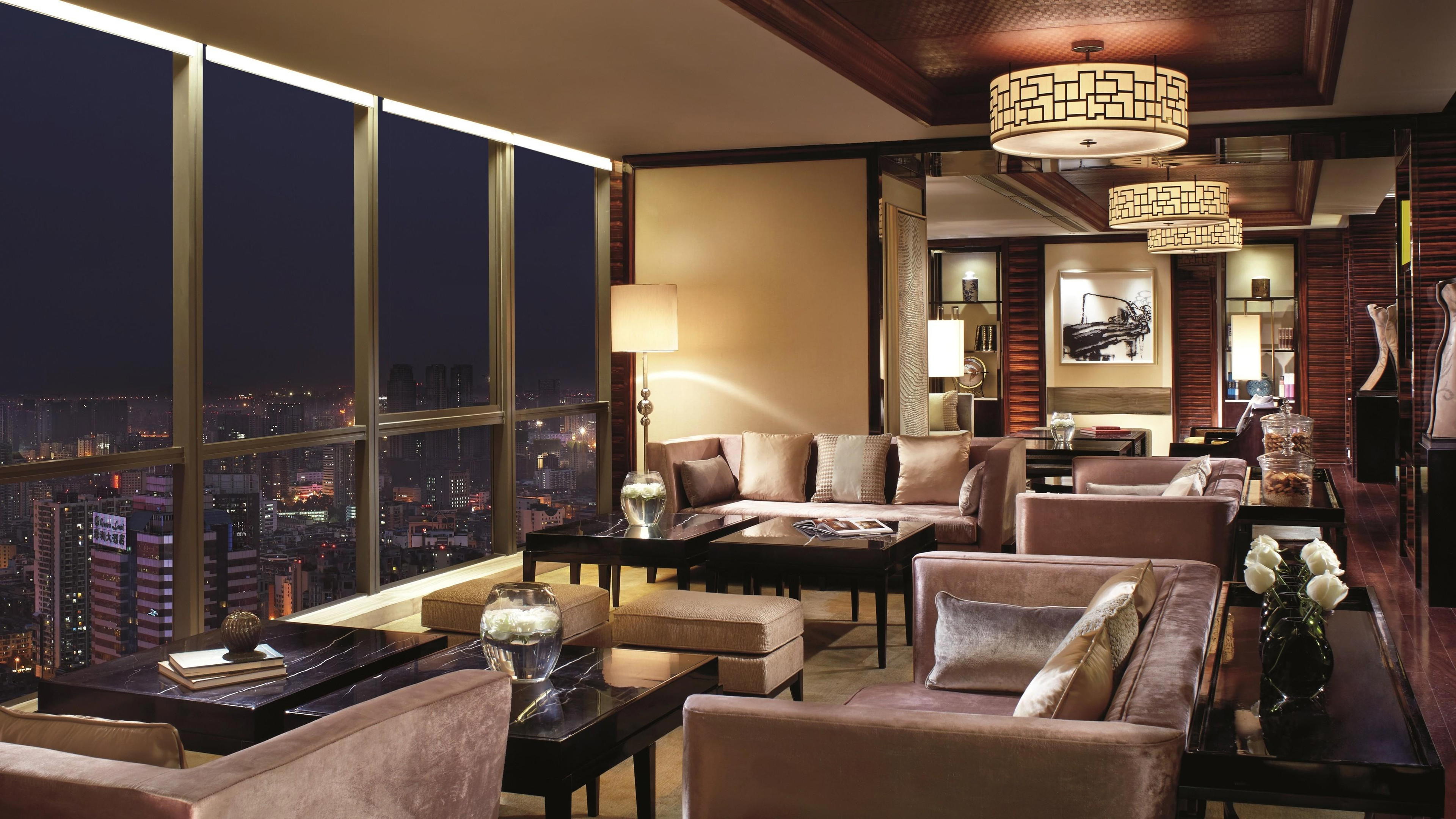
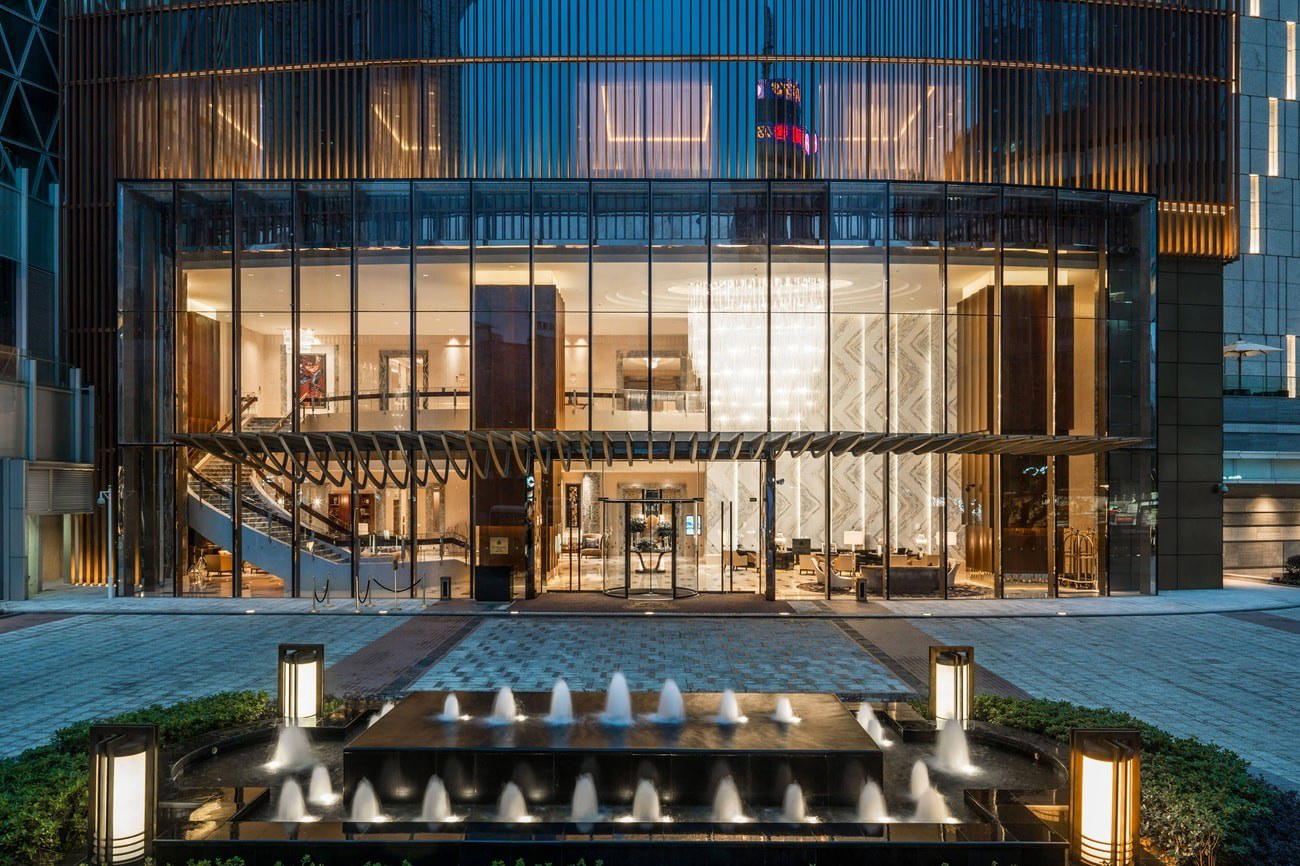
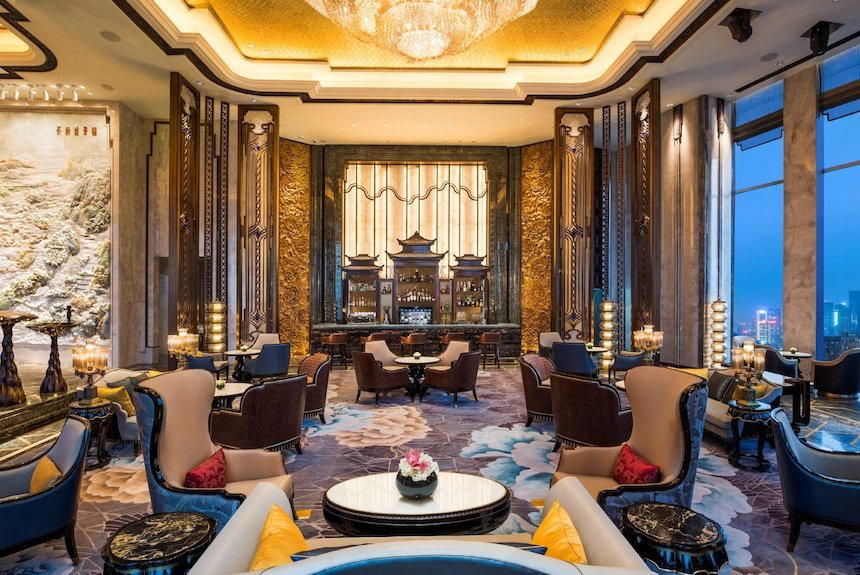
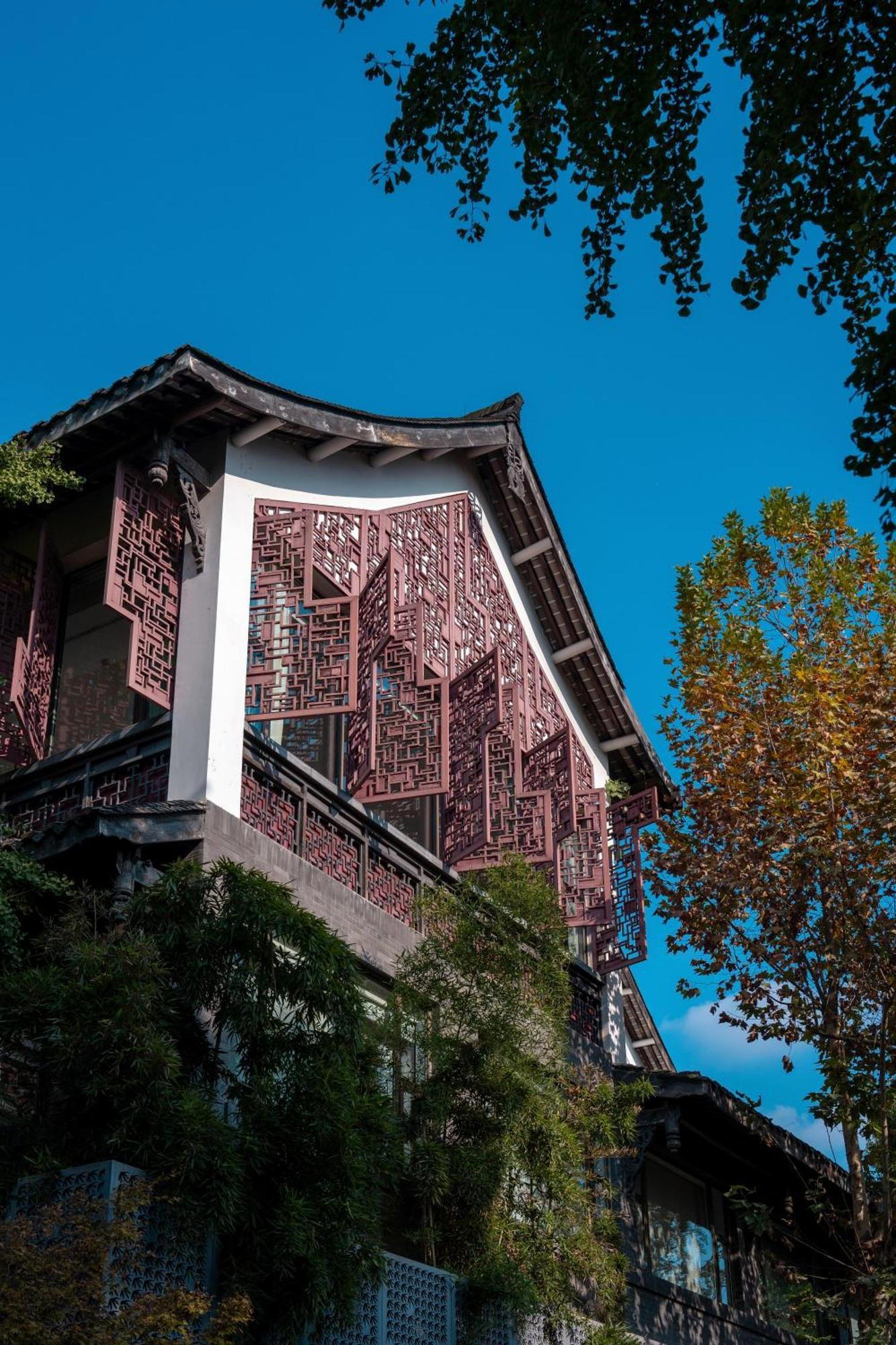
Modern and cosy interior following recent renovation.