武侯首席 sits in Chengdu's Wuhou District, one of the city's most historically layered neighbourhoods and a reliable indicator of where Sichuan cooking traditions and contemporary dining ambitions converge. The venue operates within a city that has reshaped how China's broader restaurant culture understands spice, fermentation, and regional identity. For visitors mapping Chengdu's dining scene, it represents one entry point into the neighbourhood's character.
 Discover on Pearl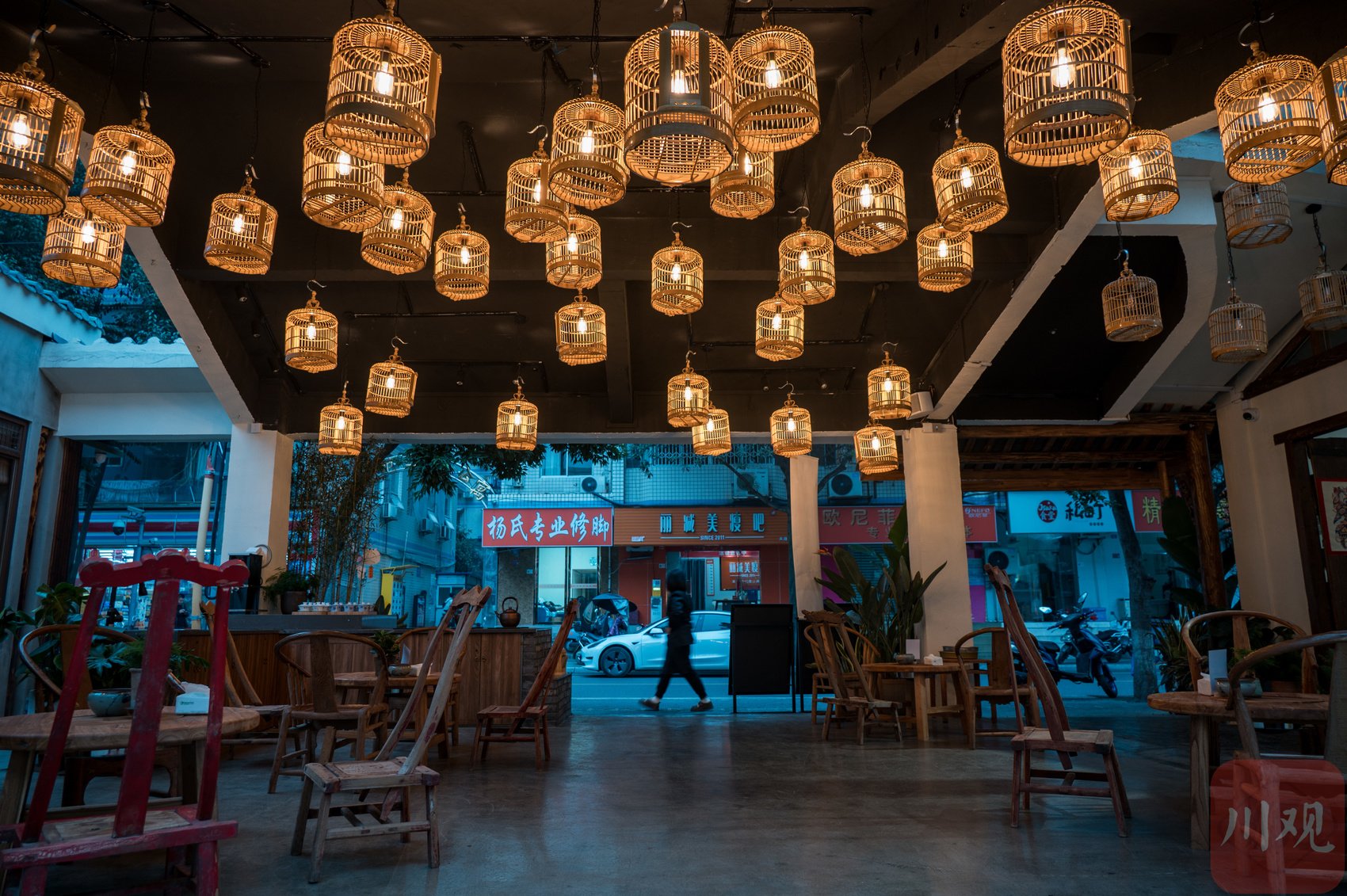
Wuhou and the Weight of Sichuan Culinary Identity
Few Chinese cities carry as much cultural freight around their food as Chengdu. The Wuhou District, named for the Wuhou Shrine that commemorates the Three Kingdoms-era strategist Zhuge Liang, has long operated as one of the city's most historically dense quarters. That density is not merely architectural. The neighbourhood's food culture reflects centuries of Sichuan cooking logic: the use of doubanjiang fermented at Pixian, the layered deployment of Sichuan peppercorn for its numbing mala effect rather than heat alone, and a preserved-vegetable tradition that speaks to the region's agricultural cycles as much as its taste preferences.
武侯首席 operates within this context, positioned in the 610000 postal zone that covers the Wuhou area's commercial and residential core. The name itself, translating roughly as "Wuhou Premier" or "Wuhou First," signals an orientation toward the district's identity rather than a break from it. In a city where restaurant naming often draws on neighbourhood geography and historical reference, this kind of positioning is deliberate. It places the venue inside a conversation about what Sichuan cooking means in its home territory, at a moment when that conversation has grown considerably more complicated.
The shortlist, unlocked.
Hard-to-book tables, cellar releases, and concierge-planned trips.
Get Exclusive Access →Chengdu's Dining Scene: Where Sichuan Tradition Meets National Ambition
Chengdu's status as a UNESCO Creative City of Gastronomy, designated in 2010, formalised something that local diners already understood: the city's food culture is not regional in a provincial sense but influential at a national and international scale. The decade since has seen the city's dining environment split along recognisable lines. On one side, there are the heritage institutions that function as custodians of classical Sichuan technique, places like Chen's Mapo Doufu (陈麻婆豆腐), where the dish itself carries the weight of documented culinary history. On another, there are the newer format venues that use Sichuan ingredients and techniques as a starting point for more contemporary expressions.
Then there is a middle tier: neighbourhood-anchored restaurants that serve a local clientele without the heritage brand recognition of the city's famous names but with the kind of cooking consistency that repeat customers demand. This is the competitive set most relevant to understanding where 武侯首席 likely sits. Venues in this bracket are measured less by international recognition and more by how well they interpret the district's eating culture for the people who live and work within it. Nearby options like Chun Yang Guan (纯阳馆) and 十二桥包子店 represent the breadth of that neighbourhood tier, from sit-down dining to street-adjacent formats.
The Sichuan Cooking Logic That Any Serious Wuhou Venue Inherits
Understanding what distinguishes serious Sichuan cooking from its approximations requires some grounding in the region's actual technique. The mala combination, often reduced in popular discourse to a simple description of numbness and spice, is in practice a question of ratio, sequencing, and ingredient sourcing. Pixian doubanjiang, aged for at least one year and often two or three, produces a depth of fermented umami that fresh chili paste cannot replicate. Sichuan peppercorn varies significantly by harvest and origin, with Hanyuan county peppercorn occupying a premium position in the regional hierarchy. Dishes built on these foundations involve timing decisions that reward accumulated kitchen experience.
This is the cooking tradition that any restaurant operating under a name invoking Wuhou's identity must engage with, at least implicitly. The neighbourhood carries that expectation. Diners in this part of Chengdu are not primarily tourists encountering Sichuan food for the first time. They are residents with formed preferences and calibrated palates, the kind of audience that notices when fermentation shortcuts are taken or when the peppercorn is of inconsistent quality. That local accountability shapes what neighbourhood restaurants in this bracket can and cannot get away with.
For visitors approaching Chengdu's dining scene from outside, this broader context matters more than any single venue's specifics. Our full 成都市 restaurants guide maps the city's dining environment across categories, price tiers, and neighbourhoods, which is the more reliable starting point for trip planning than any individual venue page in isolation.
Chengdu in the Context of China's Premium Dining Conversation
Chengdu's restaurant scene has attracted national attention partly because it demonstrates that premium dining credentials are not exclusive to Beijing and Shanghai. Cities like Chengdu have produced cooking that holds up against the formal restaurant culture of the east coast, though the formats differ. Where venues like Xin Rong Ji in Chengdu operate in the upper bracket of refined Chinese cooking with clear national positioning, neighbourhood-tier restaurants in Wuhou operate within a different logic: depth of local knowledge rather than breadth of recognition.
Across China's major cities, there is a consistent pattern of neighbourhood-rooted venues that carry genuine cooking credibility without the Michelin or Black Pearl markers that signal fine dining to an international audience. Imperial Treasure Fine Chinese Cuisine in Guangzhou and Dai Yuet Heen in Nanjing represent the formally recognised end of that spectrum. But the neighbourhood tier, where 武侯首席 appears to operate, is where most of China's actual daily dining culture lives, and where culinary traditions are maintained with less ceremony and more regularity.
Planning a Visit: What to Know Before You Go
Wuhou is well-connected within Chengdu's metro network, and the district's main commercial corridors are walkable once you arrive. The neighbourhood around the Wuhou Shrine draws significant visitor traffic, which means that restaurants in the 610000 zone operate in an environment of mixed local and tourist demand. For dining purposes, arriving outside peak meal hours, typically before noon for lunch or before 6:30pm for dinner, tends to reduce wait times at popular neighbourhood spots.
Because detailed operational data for 武侯首席, including hours, booking method, and pricing, is not currently available in our records, we recommend verifying current details directly through local booking platforms or on-site before visiting. In Chengdu's neighbourhood dining tier, walk-in service is common, but popular venues in the Wuhou area can fill quickly on weekend evenings. Cross-referencing with platforms that aggregate current Chengdu restaurant data will give you the most accurate operational picture.
For those building a broader Chengdu itinerary that extends beyond the city, the regional dining conversation connects outward to venues like Ru Yuan in Hangzhou and, at the fine dining end of the national spectrum, to places like Chef Tam's Seasons in Macau, which represents how refined Chinese cooking formats are evolving at the highest price tier. Internationally, the conversation about serious Chinese culinary technique increasingly surfaces at venues like 102 House in Shanghai and, in cross-cultural comparison, even against the precision-cooking frameworks of venues like Atomix in New York City.
Frequently Asked Questions
- Would 武侯首席 be comfortable with kids?
- Neighbourhood restaurants in Chengdu's Wuhou District generally accommodate families, and the area's dining culture is not formal in the way that, say, a tasting-menu restaurant in central Shanghai might be. That said, Sichuan cooking at its most traditional involves significant spice and mala heat, which younger children may find difficult. If you are visiting with children, it is worth clarifying the menu's heat levels in advance. The Wuhou area has a range of options across heat intensities, so family dining is manageable with some planning.
- How would you describe the vibe at 武侯首席?
- Without verified firsthand or sourced descriptions of the interior, we cannot reliably characterise the specific atmosphere. What can be said with confidence is that the Wuhou District sets a particular tone: historically grounded, locally oriented, and not oriented toward the kind of international-visitor spectacle you find closer to Chengdu's tourist hotspots. Restaurants in this part of the city tend toward the practical and the neighbourhood-social rather than the formal or theatrical. Pricing at the neighbourhood tier in Chengdu is typically accessible relative to comparable dining in Beijing or Shanghai.
- What should I eat at 武侯首席?
- Specific menu details are not available in our current records, so we cannot responsibly recommend particular dishes. In the broader context of Wuhou-area Sichuan cooking, the classics of the regional tradition, dishes built on fermented bean paste, layered chili oil, and Sichuan peppercorn, are the logical starting point at any serious neighbourhood venue. Cross-referencing with recent local reviews on Chinese platforms such as Dianping will give you the most current and accurate picture of what the kitchen is doing well.
- Should I book 武侯首席 in advance?
- Booking data is not available in our records. In Chengdu's neighbourhood dining tier, walk-in service is the norm at many venues, but popular spots in the Wuhou area fill quickly on Friday and Saturday evenings and during public holidays. If your schedule is fixed, attempting to reserve ahead via local platforms is advisable. The absence of an internationally known award profile suggests the booking pressure is locally driven rather than tourism-fuelled, which generally means weekday visits carry less timing risk.
- Is 武侯首席 representative of traditional Sichuan cooking, or does it take a more contemporary approach?
- The venue's name and Wuhou District positioning suggest an orientation toward the neighbourhood's established culinary identity rather than a departure from it, but without menu or chef data we cannot confirm the kitchen's specific approach. In Chengdu's dining environment, the distinction between traditional and contemporary Sichuan is meaningful: traditional formats prioritise fermented ingredients, long-cooked bases, and classical dish structures, while contemporary venues may use those foundations more selectively alongside other influences. For context on how the more formally recognised end of Chengdu's dining scene handles this question, Xin Rong Ji in Chengdu provides a useful reference point at the premium tier.
Price Lens
A fast peer set for context, pulled from similar venues in our database.
| Venue | Price | Awards | Notes |
|---|---|---|---|
| 武侯首席 | This venue | ||
| Chun Yang Guan (纯阳馆) | |||
| Chen's Mapo Doufu (陈麻婆豆腐) | |||
| 十二桥包子店 |
Need a table?
Our members enjoy priority alerts and concierge-led booking support for the world's most difficult tables.
Get Exclusive AccessThe shortlist, unlocked.
Hard-to-book tables, cellar releases, and concierge-planned trips.
Get Exclusive Access →