

Positioned opposite Tianfu Square in Chengdu's business district, the Ritz-Carlton earned 97 points in La Liste's 2026 Top Hotels ranking and houses 353 rooms among the city's largest, starting at 538 square feet. The hotel's design references Chengdu's Silk Road heritage through wood, silk, marble, and metal, while Li Xuan restaurant draws consistent recognition for its Sichuanese and Cantonese cooking.
Pearl is the En Primeur Club membership app — saves, bookings, and concierge access live there. Same editors, same standards.
- Address
- 269 Shun Cheng Da Jie, Luomashi, Qing Yang Qu, Cheng Du Shi, Si Chuan Sheng, 610017
- Phone
- +86 28 8358 8888
- Website
- ritzcarltonchengdu.cn
- Directions
- Get directions
 Saves & bookings on Pearl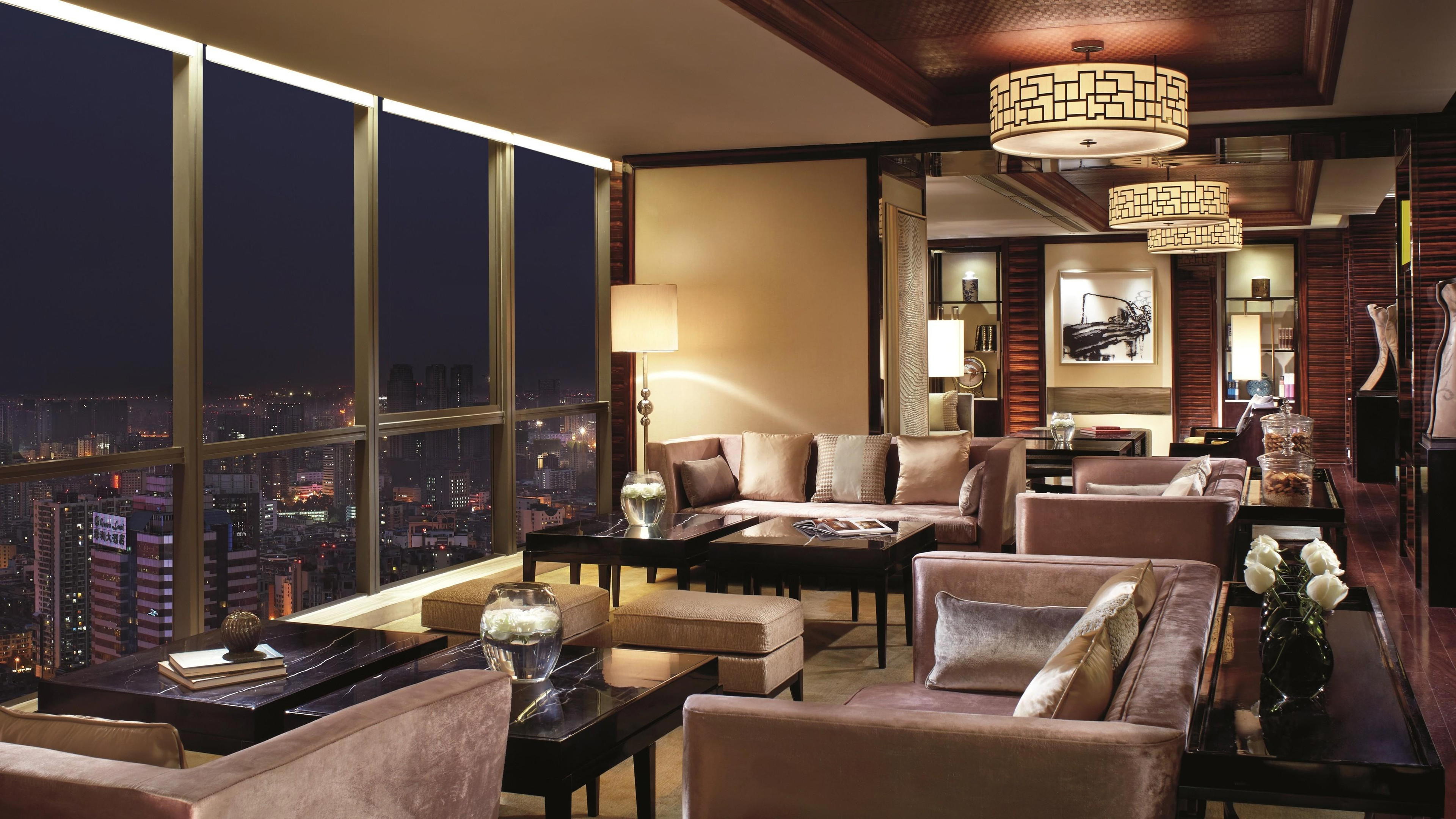
Where the Silk Road Comes Indoors
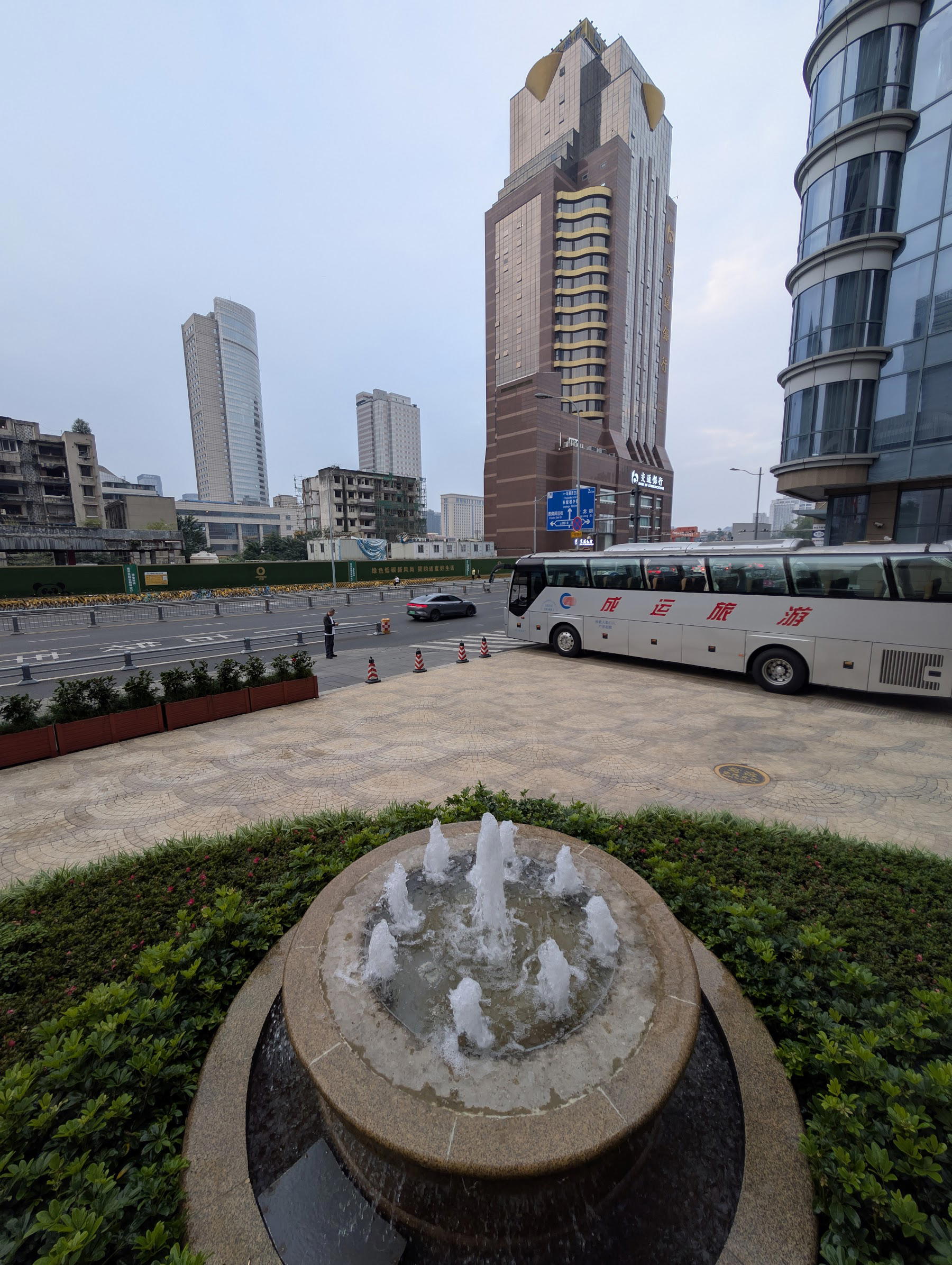
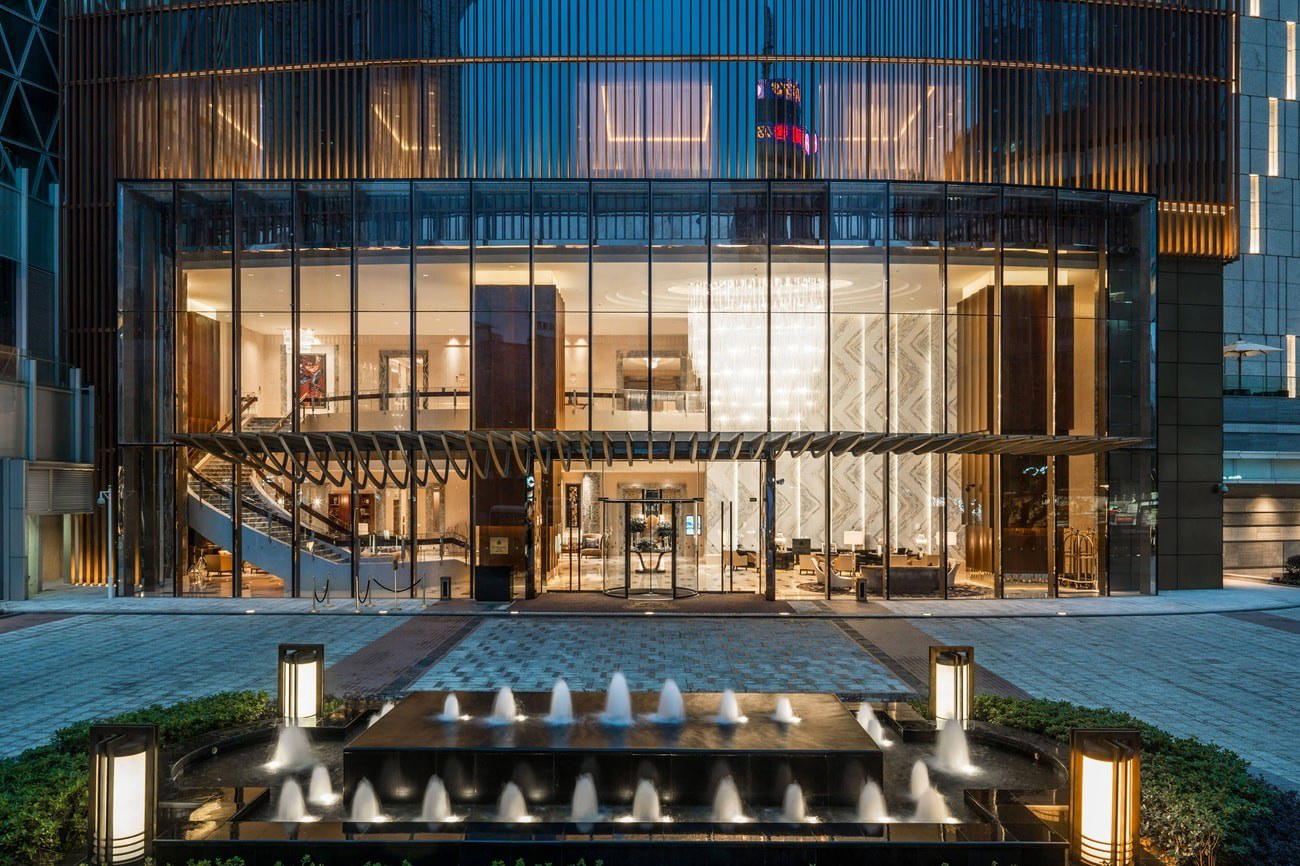
Crossing Shuncheng Avenue toward Tianfu Square, the geometry of central Chengdu shifts: government buildings and commercial towers compete for skyline space, and the plaza below hums with the low-frequency energy of a city that has never slowed down. The Ritz-Carlton sits directly across from the square, and from the lobby the relationship between interior and city is immediately legible. Wood panelling, silk detailing, and metal inlays reference Chengdu's centuries-long role as a Silk Road trading post, not as decoration, but as a design argument about where the hotel stands in relation to the city's history. Marble floors carry the weight of a building that takes its address seriously.
That sense of deliberate placement matters in a city like Chengdu, which was formally designated a UNESCO City of Gastronomy and has been a significant node of Chinese cultural and commercial life since at least the second century B.C. Hotels in this tier, the Waldorf Astoria Chengdu, the St. Regis Chengdu, the Niccolo Chengdu, all compete on location, food programming, and the quality of the wellness offer. The Ritz-Carlton's 97-point score in the La Liste 2026 ranking places it among a select cohort of properties where these three pillars are consistently executed.
Rooms Built for the Long Stay
At 538 square feet as the entry point, the Ritz-Carlton's 350 rooms rank among the more generously proportioned in the city's luxury tier. The spatial logic follows a contemporary take on the traditional Chinese courtyard residence: rooms feel enclosed and considered rather than open and panoramic, with wood details and curated Chinese artwork reinforcing a sense of place that generic luxury properties rarely manage. Each room includes a selection of local teas, a gesture that doubles as an orientation to Sichuan's agricultural identity, the province produces some of China's most sought-after tea varieties, and the act of brewing in-room shifts the experience from transaction to context.
Club Room guests access a dedicated lounge on the 38th floor, with city panoramas that reframe Chengdu's scale. The package includes complimentary city transportation and around-the-clock butler service, practical advantages in a city where business schedules and cultural itineraries often overlap in unpredictable ways. At the apex of the room hierarchy, the Presidential Suite on the 41st floor covers 3,477 square feet, with 270-degree views, an indoor Jacuzzi, a private study, and walk-in closets. At that scale, a hotel room stops functioning as accommodation and starts functioning as a base of operations.
Li Xuan and the Sichuan-Cantonese Divide
Sichuan cuisine and Cantonese cuisine represent opposite poles of the Chinese culinary spectrum: one built on chilli, Sichuan peppercorn, and the numbing-hot sensation known as mala; the other on restraint, freshness, and the precise calibration of natural flavour. Bringing both under one roof requires a kitchen capable of operating in genuinely different registers, and Li Xuan, the hotel's flagship restaurant, has drawn consistent recognition for managing that range. For a property competing against dedicated dining destinations across Chengdu, the restaurant's reputation functions as a trust signal in the same way an award does: it tells you something about the seriousness of the operation before you order.
Chengdu's dining scene rewards specificity. The city's teahouse culture, its street-food density, and its role as the administrative centre of Sichuan province all feed into a food environment where locals hold high expectations and where hotel restaurants are often bypassed in favour of neighbourhood institutions. That Li Xuan has earned applause in this context, rather than surviving on captive hotel guests, says something about the kitchen's positioning.
The 23rd Floor: Wellness as Altitude
The spa and wellness tier at Chengdu's leading hotels has become a differentiator in a market where room quality has largely converged. The Ritz-Carlton's spa occupies the 23rd floor, ten treatment rooms, a programme built around tea- and herb-infused treatments, and a product partnership with Swiss skincare brand Valmont. The Valmont alignment signals a particular clientele: the brand's approach emphasises cellular biology and ingredient precision, which sits in the same register as the hotel's overall design seriousness.
The 82-foot indoor pool on the same floor includes underwater music, a specific sensory choice that shifts the experience of length-swimming from exercise into something closer to immersion. A large fitness centre completes the floor's offer. Properties like Six Senses Qing Cheng Mountain take a more nature-integrated approach to wellness outside the city, and The Temple House leans into heritage architecture as a form of restorative environment. The Ritz-Carlton's wellness offer is city-hotel in character: vertical, controlled, and technically delivered rather than landscape-dependent.
A Private Tea Estate, 62 Miles Away
Sustainability and community dimension of the Ritz-Carlton's Chengdu operation is most clearly expressed through its private tea estate, approximately 62 miles southeast of the hotel near Mount Men Ding. The estate is available for private visits by arrangement, a programme that connects guests directly to one of Sichuan's defining agricultural traditions. Mount Men Ding carries historical weight in Chinese tea culture: the area has been associated with tea cultivation for over a thousand years, and the cultivars grown there include varieties with documented imperial history.
Estate visit isn't a spa add-on or a branding exercise. It functions as a supply-chain transparency mechanism: guests who visit understand where the in-room teas come from, what the cultivation environment looks like, and how the harvest connects to the treatments offered upstairs on the 23rd floor. In the context of responsible luxury, where provenance and traceability are increasingly the metrics by which premium properties are evaluated, the tea estate represents a more coherent approach than most urban luxury hotels manage. Properties with similar philosophies elsewhere in China, such as Amanfayun in Hangzhou and Amandayan in Lijiang, pursue comparable strategies of anchoring the guest experience in regional agricultural and cultural practice.
Chengdu Beyond the Hotel
Ritz-Carlton's address positions it as a staging point for western China rather than a terminus. Chengdu's efficient metro system and affordable taxis make the city itself easy to cover, and the hotel's proximity to cultural sites, historic teahouses, and the Jinli commercial district means most itineraries start on foot. Beyond the city, the Chengdu Research Base of Giant Panda Breeding, the Jiuzhai Valley National Park, and Mount Qingcheng represent different registers of the region's appeal: urban ecology, high-altitude wilderness, and Taoist heritage respectively.
For guests building a broader China itinerary around western China as a gateway, the Ritz-Carlton's position within the Marriott International portfolio. Comparably positioned Marriott properties in other Chinese cities, including the JW Marriott Hotel Shanghai at Tomorrow Square and the Mandarin Oriental Qianmen in Beijing, offer reference points for the tier, though each city's hotel market has its own logic. Within Chengdu's comparable set, the Upper House Chengdu, the Guanyin Yiyuntai Hotel, and the InterContinental Century City Chengdu each occupy different price and style positions, worth comparing depending on whether the priority is design, loyalty points, or dining.
Planning a Stay
Club Room bookings unlock the 38th-floor lounge, city transportation, and butler services, practical for business travel or for guests who prefer a more structured hotel experience. Those interested in the tea estate visit near Mount Men Ding should arrange this in advance, as private access requires coordination with the hotel.
Cost and Credentials
Comparable venues nearby, for context on price, style, and recognition.
| Venue | Price | Awards | Notes |
|---|---|---|---|
| The Ritz-Carlton, ChengduThis venue — the venue you are viewing | $$$$ | 5-Star | Not listed |
| Wanda Reign Chengdu | $$$$ | 5-Star | Chengdushi, Luxury skyscraper with sky lobby on 41st floor |
| Niccolo Chengdu | $$$$ | 5-Star | Chengdushi, Contemporary luxury hotel in the heart of Chengdu's business and retail district. |
| Kempinski Hotel Chengdu-City Center | $$$ | 5-Star | Wuhou District, Large international luxury city hotel catering to both corporate and leisure guests with extensive meeting space and full resort‑style facilities. |
| The St. Regis Chengdu | $$$$ | 5-Star | Chengdushi, Landmark luxury hotel defining elegance in Chengdu's business district |
| Shangri-La Hotel Chengdu | $$$$ | 5-Star | Chengdushi, Contemporary luxury tower blending modern elegance with Sichuan cultural influences |
Recognition history
Dated appearances from independent guides and award organizations, with the underlying list record or original source where available.
Forbes 5-Star
Forbes
La Liste Top Hotels
La Liste
Forbes 5-Star
Forbes
At a Glance
- Elegant
- Sophisticated
- Modern
- Scenic
- Business Trip
- Romantic Getaway
- Anniversary
- Celebration
- Butler Service
- Rooftop Pool
- Destination Spa
- Panoramic View
- Private Dining
- Garden
- Wi Fi
- Pool
- Spa
- Fitness Center
- Room Service
- Concierge
- Business Center
- Valet Parking
- EV Charging
- Kids Club
- Restaurant
- Bar
- Skyline
- Wi Fi
- Pool
- Spa
- Fitness Center
- Room Service
- Concierge
- Business Center
- Valet Parking
- EV Charging
- Kids Club
- Restaurant
- Bar
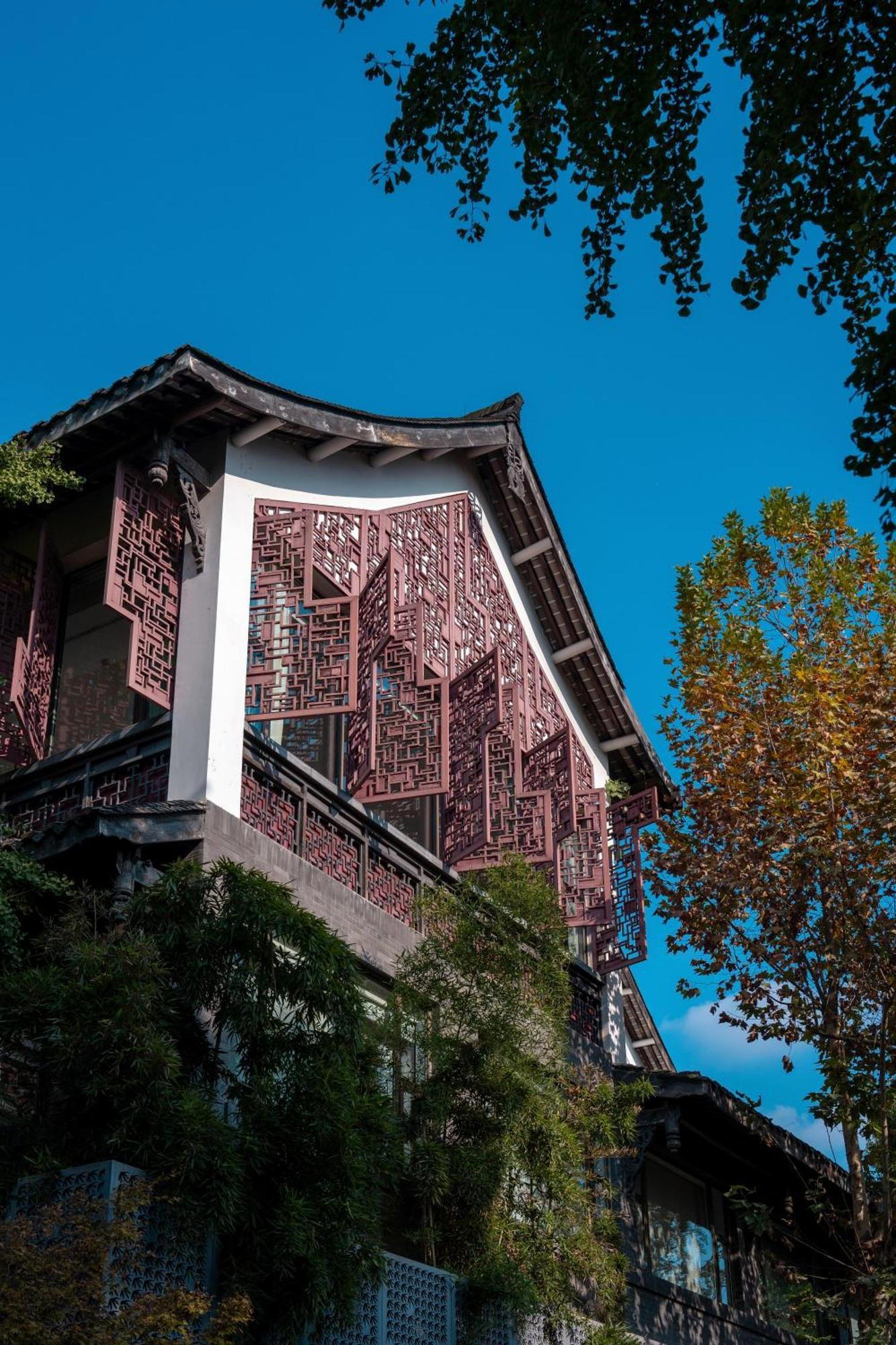
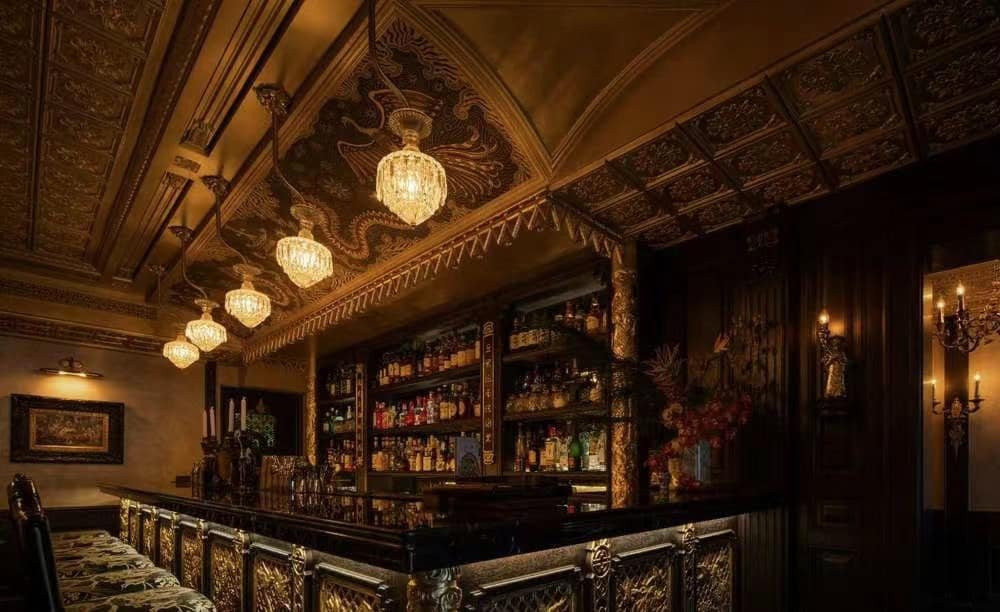
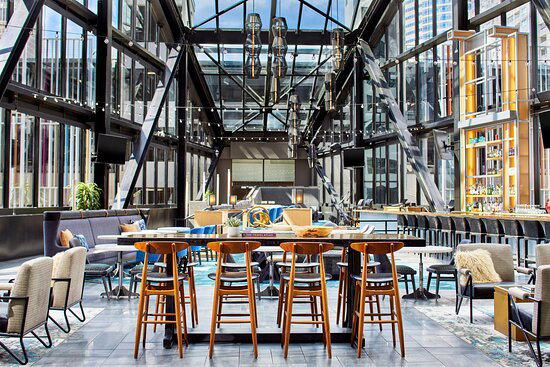
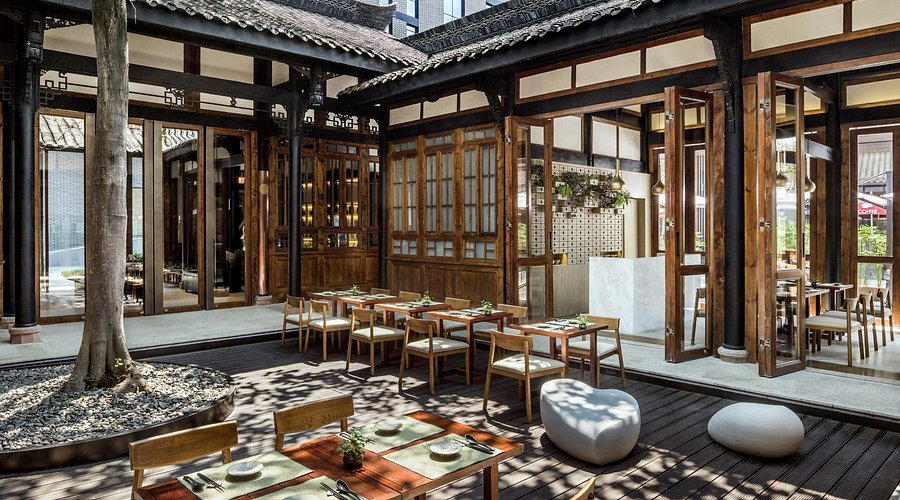
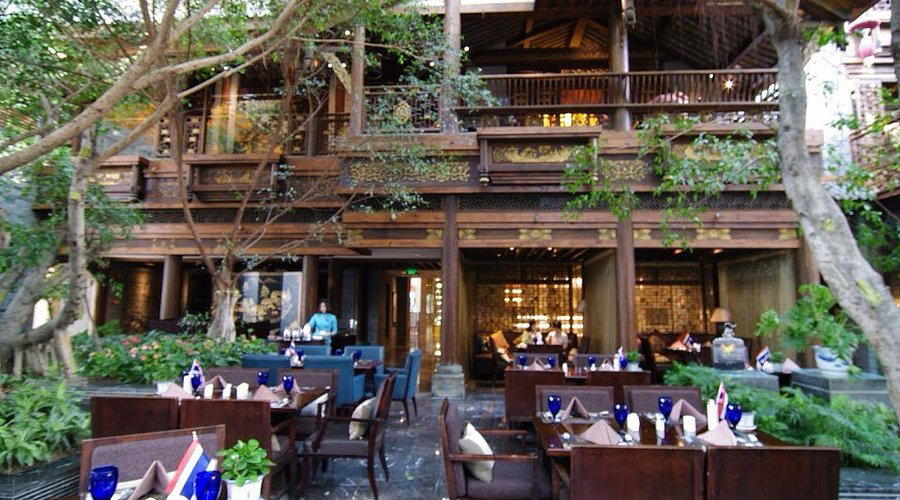
Elegant and refined with contemporary luxury interiors inspired by traditional Chinese courtyard homes, featuring floor-to-ceiling windows with sweeping city views and sophisticated lighting throughout.