






Part of a 1,000-year-old temple complex in central Chengdu, The Temple House pairs Qing Dynasty courtyards with a sleek 142-room tower designed by Make Architects. Awarded 92.5 points in the 2026 La Liste Top Hotels ranking, it positions itself against city-centre peers like The Ritz-Carlton and Waldorf Astoria through its heritage setting and Swire Hotels' established design sensibility.
Pearl is the En Primeur Club membership app — saves, bookings, and concierge access live there. Same editors, same standards.
- Address
- 邮编号, 81 Bi Tie Shi Jie, Jin Jiang Qu, Cheng Du Shi, Si Chuan Sheng, 610021
- Phone
- +86 28 6636 9999
- Website
- upperhouse.com
- Directions
- Get directions
 Saves & bookings on Pearl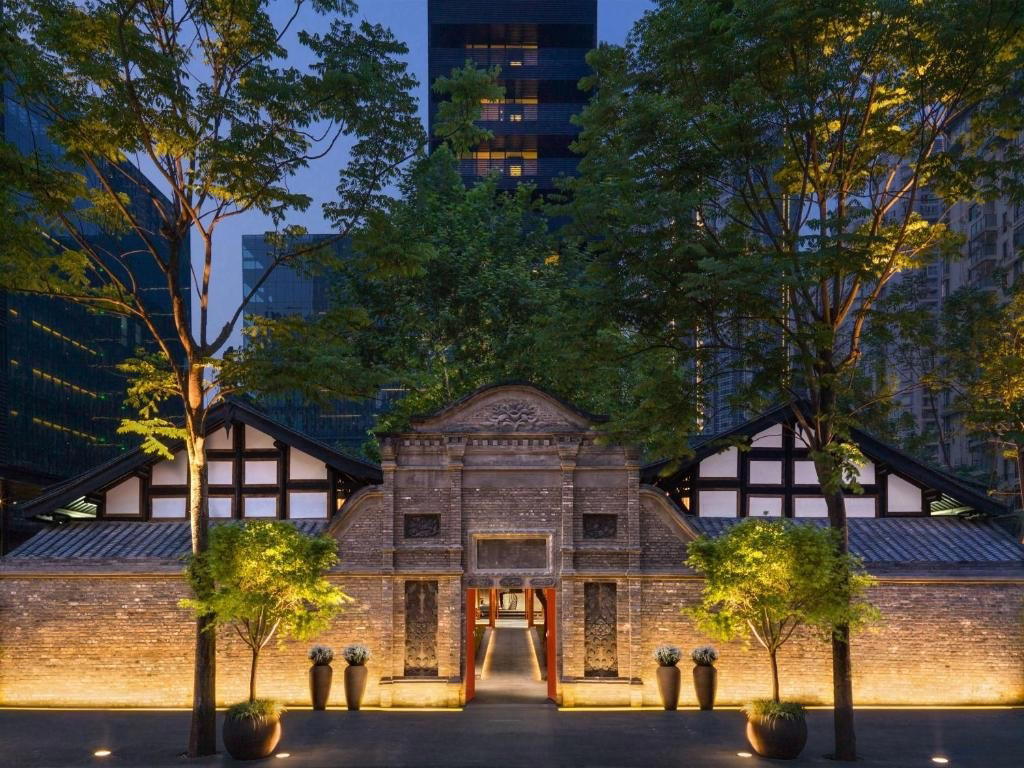
Where a Monastery Once Stood
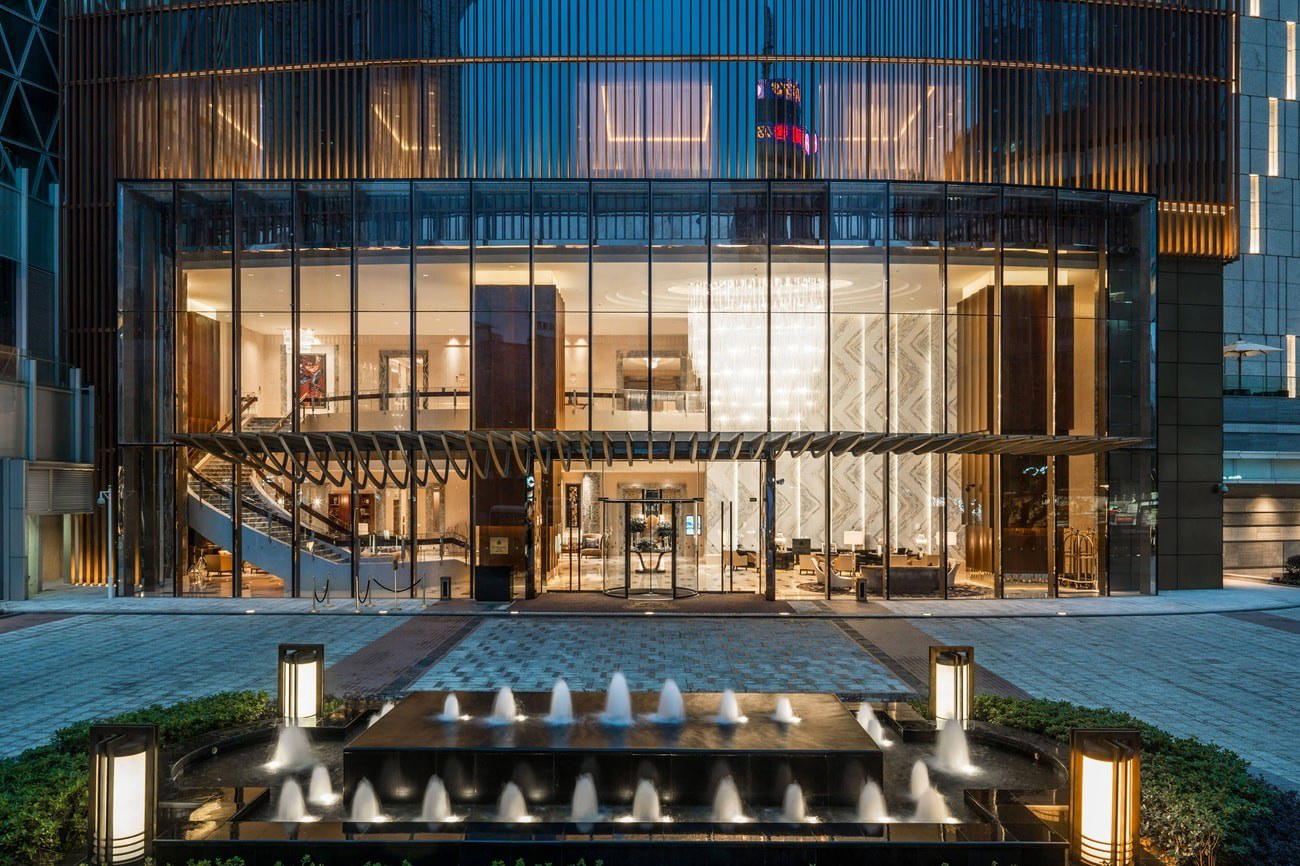
Walking into The Temple House means passing through a century-old Qing Dynasty courtyard before the architecture pivots sharply into the present. That contrast is not incidental, it is the hotel's structural premise. The property sits within the Chengdu Daci Temple Cultural and Commercial Complex, a conservation and development project built around a monastery with more than a thousand years of history. The adjacent Daci Temple remains active and visitable, which means the boundary between hotel guest and city pilgrim is genuinely porous in ways that most urban luxury hotels cannot replicate.
Chengdu has historically been China's cultural capital in the southwest: a city built on Sichuan cuisine, calligraphy traditions, tea culture, and an ease of living that resists the relentless pace of Beijing or Shanghai. Hotels that set up here have to decide whether to acknowledge that character or simply overlay an international luxury template on top of it. Make Architects, the firm commissioned for The Temple House, chose to work with the existing grain, designing additions that defer to the heritage buildings rather than compete with them. The result is a property that feels of its location without resorting to kitsch.
The Swire Tier in China
The Temple House sits within Swire Hotels' small portfolio alongside the Opposite House in Beijing and the Upper House in Hong Kong, a sibling also represented in Chengdu under the Upper House Chengdu. That family places it in a specific competitive tier: design-led, relatively intimate by Chinese luxury standards, and more architecturally self-conscious than flag-carrier brands like The Ritz-Carlton, Chengdu or The St. Regis Chengdu. The 2026 La Liste Leading Hotels ranking awarded The Temple House 92.5 points, positioning it clearly within the upper bracket of Chengdu's hotel market and in direct conversation with properties like the Waldorf Astoria Chengdu and Niccolo Chengdu.
What separates the Swire model from those larger-footprint competitors is a deliberate restraint in scale. At 142 rooms, The Temple House operates at a size where service texture is easier to maintain than in the sprawling conference-oriented properties that also compete at this price point. Suites begin at just under 1,000 square feet, and the wider guest room design, white, black, and taupe palettes, 46-inch IP televisions compatible with Android and Apple streaming, electronic light and shade controls, reflects a calculation about what a design-literate, internationally mobile guest actually needs rather than what impresses on a spec sheet.
The Cultural Layer
Chengdu's civic identity is inseparable from its material culture: the food, the written arts, the pace of the teahouse. The Temple House threads those references through its programming in ways that go beyond decoration. On Friday afternoons, the hotel's Teahouse hosts calligraphy classes, an engagement with one of Chengdu's most deeply rooted artistic traditions, offered not as a one-off novelty but as a scheduled recurring event. For those more interested in exploring the city's streets, bicycles are available to rent from the hotel, putting the surrounding Jinjiang District within easy reach on its own terms. This part of central Chengdu rewards slow movement: the neighbourhood around Bitieshi Street carries a density of old shopfront architecture and local commerce that a taxi or rideshare would pass through too quickly to register.
The cultural conversation that defines the city is, of course, anchored in Sichuan cuisine. Chengdu holds UNESCO Creative City of Gastronomy status, and the food scene that surrounds the hotel operates at every register from street-level dan dan noodles to more formal presentations of mapo tofu and bang bang chicken. For a full account of where to eat around the city, our full Chengdu restaurants guide maps the dining options across neighbourhoods and price points.
Spa, Pool, and the Hidden Rooms Beneath the Lawn
The Mi Xun Spa occupies a Qing-era courtyard, which means the sense of removal from the city arrives architecturally before any treatment begins. The spa operates with Natura Bissé and Mesoestetic product lines, and includes a single-seat barbershop stocked with Refinery products for wet shaves and trims, an amenity that reflects the detail-oriented approach characteristic of the Swire portfolio. The spa format here is less destination wellness resort and more precise urban refuge, which suits a hotel at this location and price point.
Central courtyard's rolling lawn is a piece of landscape misdirection: beneath it sit the hotel's meeting rooms, gym, and a sky-lit indoor pool. The pool is significant enough that skipping it would be a clear planning error. Above it, the lawn reads as open green space within a dense city centre, a compression trick that the property's architects executed with some confidence.
Jing Bar and the Punch Bowl Logic
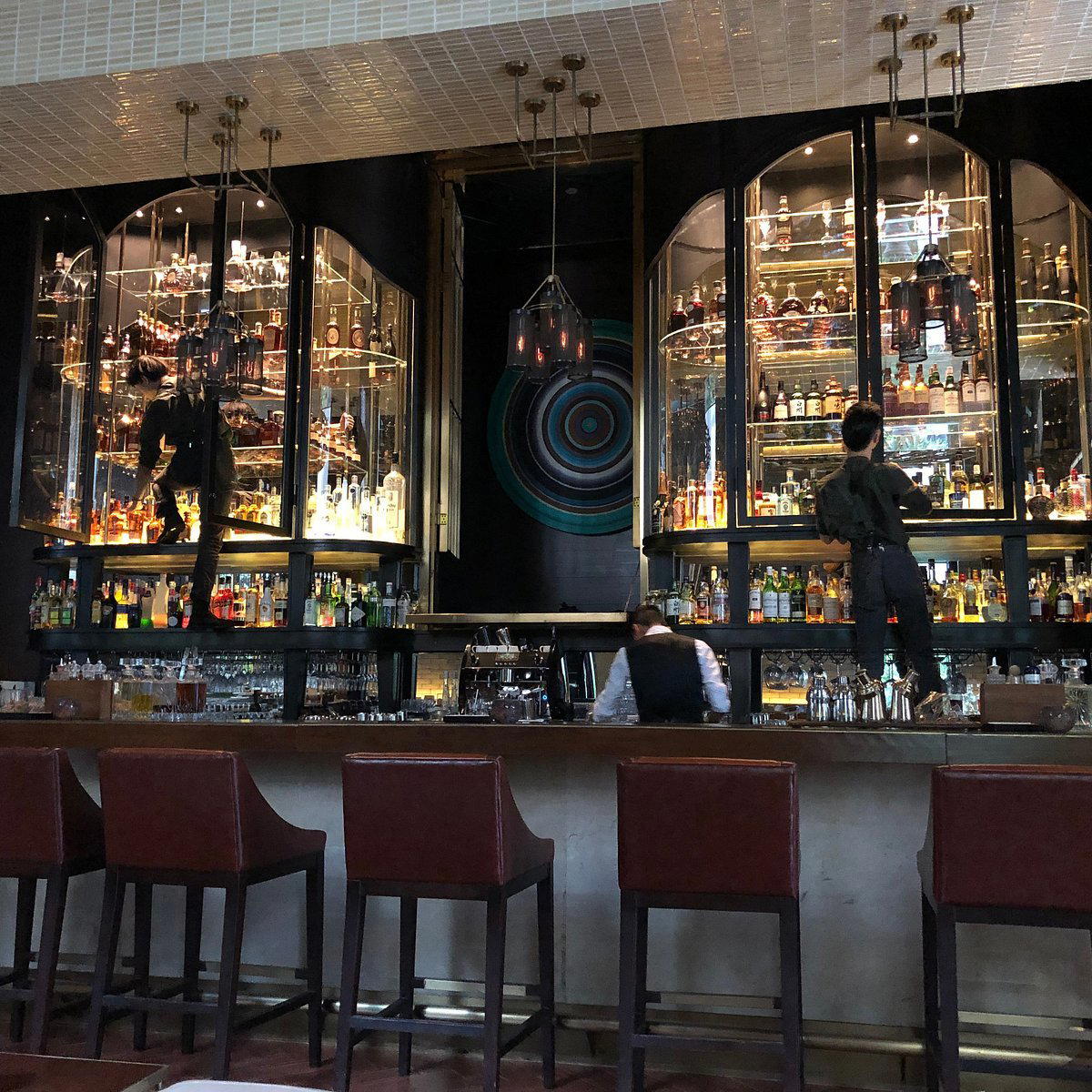
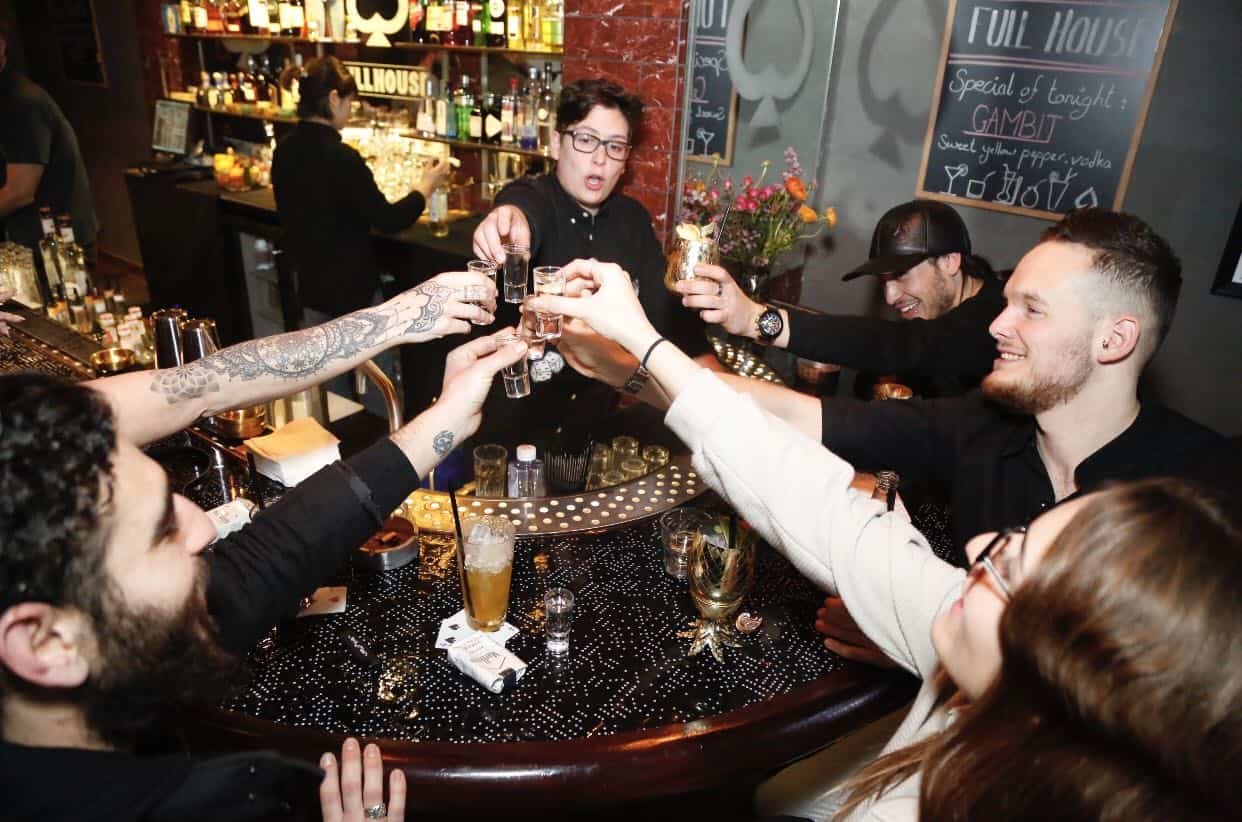
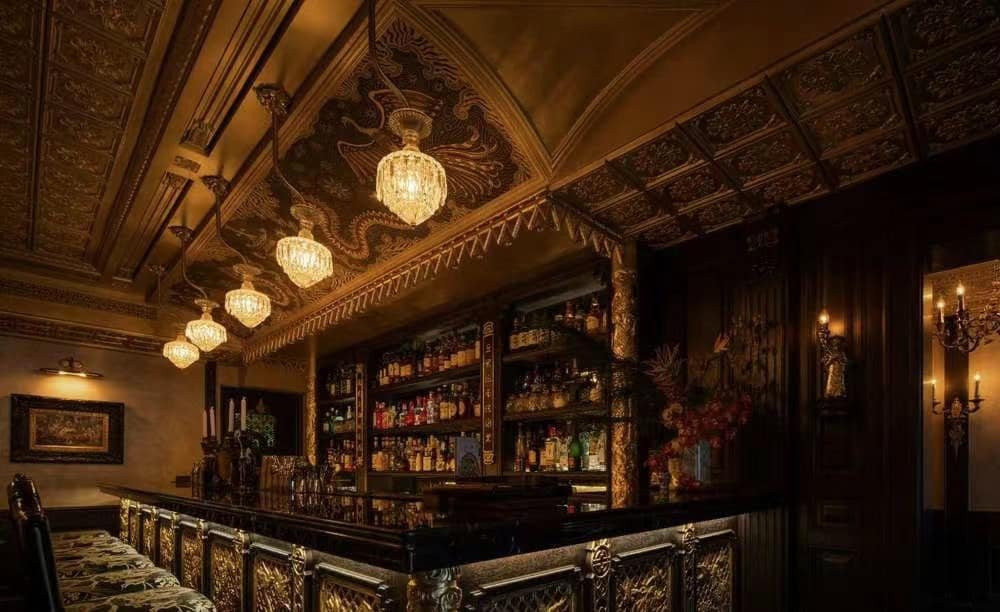
Jing Bar handles the hotel's social drinking function with a menu oriented around group formats. The Pimm's Punch Royal, Pimm's No. 1, ginger shrub, cucumber, orange, lemon, pineapple, strawberry, mint, and sparkling wine, is the bar's best-known signature, built for sharing across a table rather than for solitary consumption. In a city where social eating and drinking carry as much cultural weight as the food itself, a bar program structured around communal vessels makes reasonable local sense. The punch bowl format also sidesteps the individual cocktail arms race that has inflated bar menus across China's tier-one hotel market.
Planning Your Stay
The Temple House is located at 81 Bitieshi Street in Chengdu's Jinjiang District, with rates starting at approximately $336 per night at the entry room tier. Most minibar items, coffee, tea, water, juice, beer, and light snacks, are complimentary, which meaningfully reduces incidental costs at a price point where those charges typically accumulate. Guest rooms are supplied with Appelles amenity kits that guests may take on departure. Suites extend to separate dining and living areas with Bowers and Wilkins sound systems.
For comparison across Chengdu's wider hotel market, the Six Senses Qing Cheng Mountain offers a retreat-oriented alternative outside the city, and the Guanyin Yiyuntai Hotel represents the locally rooted boutique end of the market. Those planning a broader China itinerary might also consider the Mandarin Oriental Qianmen in Beijing, which operates a comparable heritage-meets-contemporary format in a similarly layered historical neighbourhood, or the Amanfayun in Hangzhou and Amandayan in Lijiang for properties where cultural setting is the primary architectural and editorial logic. For international reference points in the design-led segment, Aman New York and Aman Venice occupy the same appetite for historically charged buildings repurposed as precision hotels.
Additional China properties worth cross-referencing for different trip profiles include the JW Marriott Hotel Shanghai at Tomorrow Square, the 1 Hotel Haitang Bay in Sanya, the Xiamen Yunding Resort, and Altira Macau. For travellers extending into less-visited Chinese destinations, Vanke Lake Songhua Yunlu Hotel in Jilin, Green Lake Hotel Kunming, and Mohe Youran Mountain Residence each occupy distinct regional contexts with their own logic for the right traveller.
The Minimal Set
Comparable venues nearby, for context on price, style, and recognition.
| Venue | Price | Notes |
|---|---|---|
| The Temple HouseThis venue — the venue you are viewing | $$$$ | Not listed |
| Six Senses Qing Cheng Mountain | $$$$ | Dujiangyanshi, Eco-conscious luxury mountain resort with Chinese-inspired contemporary design |
| InterContinental Century City Chengdu | $$$$ | Chengdushi, Luxury urban landmark blending European elegance and Chinese hospitality |
| Upper House Chengdu | $$$$ | Chengdushi, Heritage-modern boutique blending restored Qing Dynasty courtyards with contemporary architecture. |
| The St. Regis Chengdu | $$$$ | Chengdushi, Landmark luxury hotel defining elegance in Chengdu's business district |
| Rhombus Park Aura Chengdu Hotel | $$$ | Chengdushi, Urban all‑suite luxury hotel combining understated elegance with contemporary comforts in the heart of Chengdu’s main shopping and business district. |
Recognition history
Dated appearances from independent guides and award organizations, with the underlying list record or original source where available.
Forbes 4-Star
Forbes
La Liste Top Hotels
La Liste
Mr & Mrs Smith Smith Seal of Approval
Mr & Mrs Smith
Star Wine List
Star Wine List
Tablet Hotels Best New Hotel Designs (Asia)
Tablet Hotels · Tablet Hotels Design Awards 2026: Best New Hotel Designs (Asia)
Virtuoso Luxury Hotel Partner
Virtuoso
Forbes 4-Star
Forbes
Michelin 1 Key
Michelin
Tatler Listed in Best Hotels Asia-Pacific
Tatler
At a Glance
- Elegant
- Sophisticated
- Quiet
- Modern
- Scenic
- Romantic Getaway
- Honeymoon
- Business Trip
- Anniversary
- Historic Building
- Garden
- Terrace
- Wi Fi
- Pool
- Spa
- Fitness Center
- Room Service
- Concierge
- Business Center
- Indoor Pool
- Sauna
- Garden
- Skyline
- Wi Fi
- Pool
- Spa
- Fitness Center
- Room Service
- Concierge
- Business Center
- Indoor Pool
- Sauna
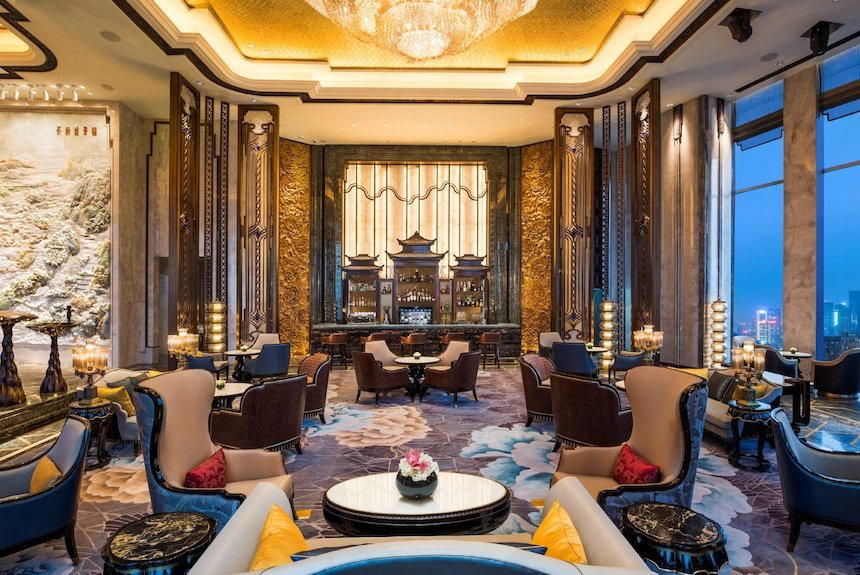
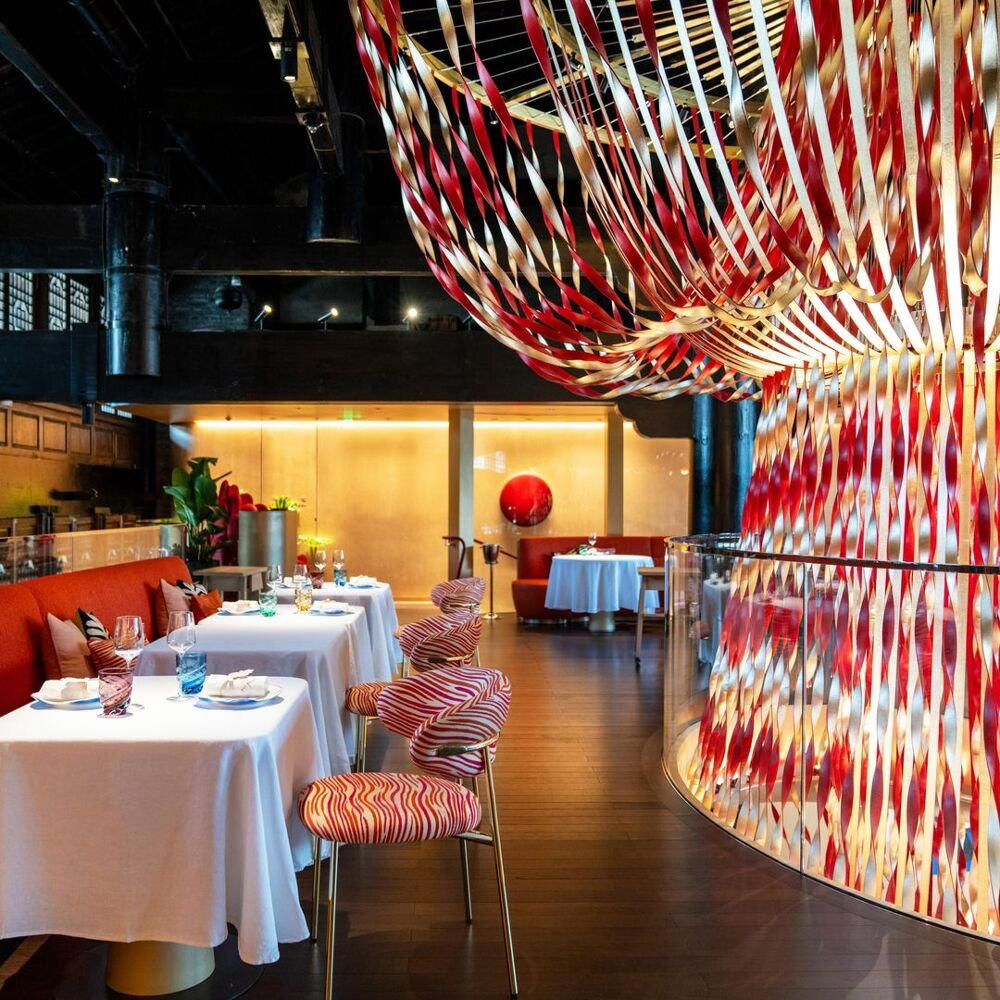
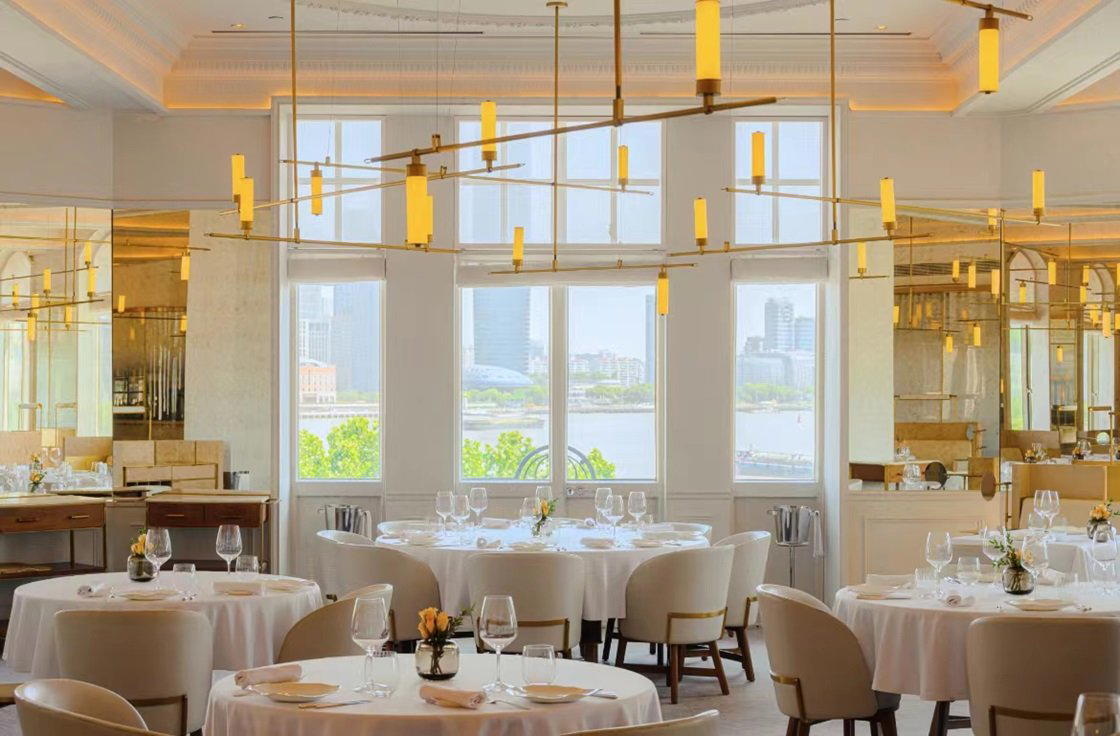
Serene and tranquil atmosphere with natural light in heritage courtyards, soundproofed rooms, and a quiet refuge from the city, enhanced by subtle modern lighting and historical elements.