
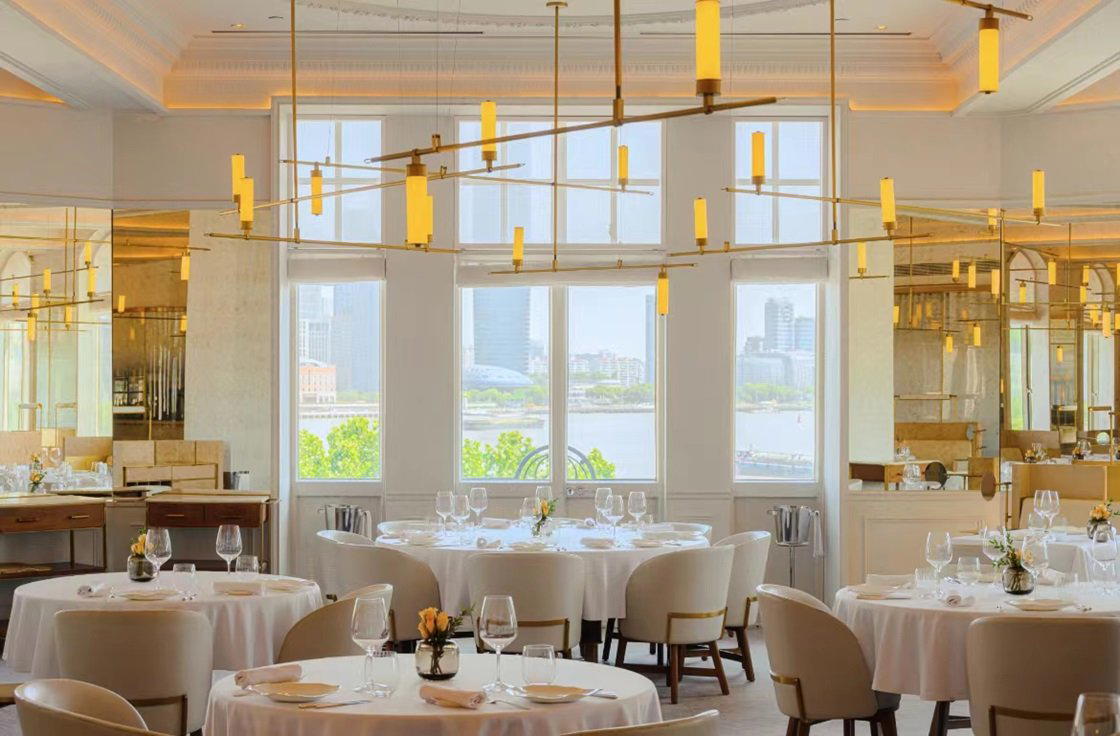
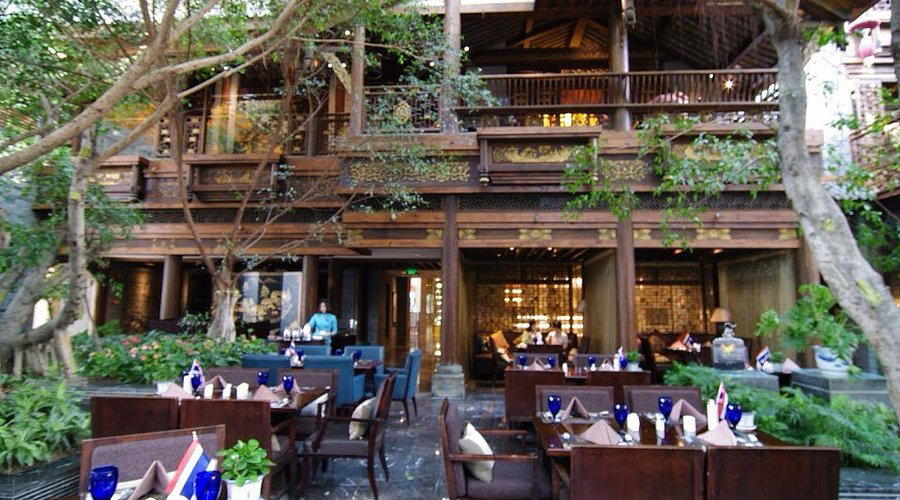
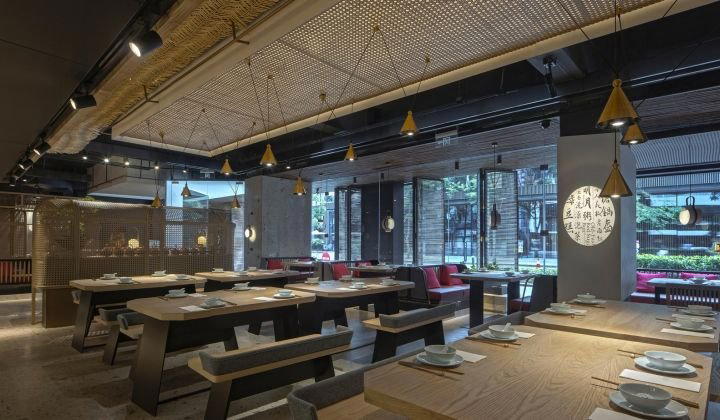
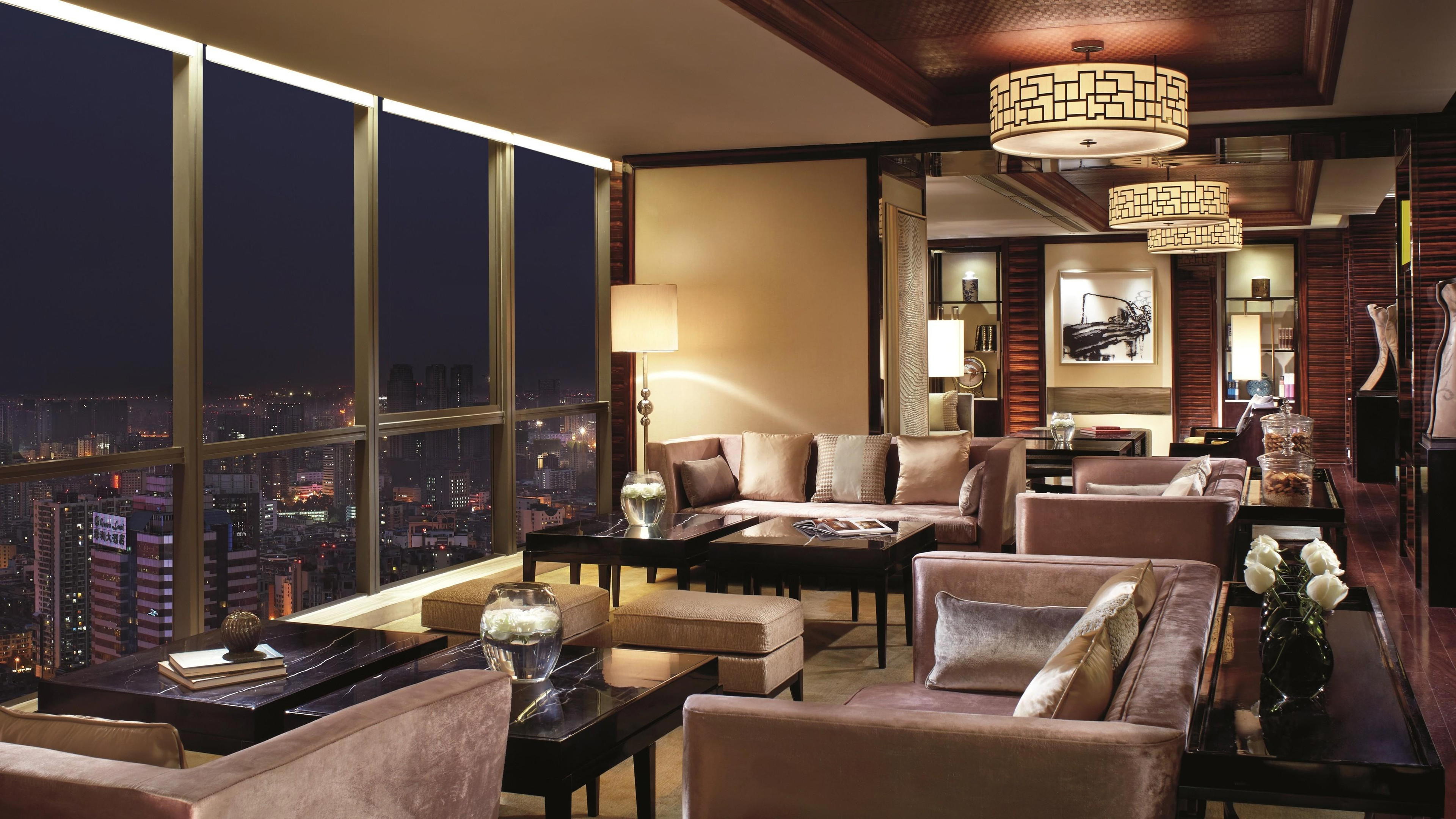
Fu Rong Huang holds a Michelin one-star rating in Chengdu's Qingyang District, recognised for its veteran kitchen team and commitment to technically demanding Sichuan classics. Wooden slatted partitions divide the dining room into semi-private zones, with dedicated private rooms available. The mid-range pricing makes it one of the more accessible starred addresses in the city.
Pearl is the En Primeur Club membership app — saves, bookings, and concierge access live there. Same editors, same standards.
- Address
- M275+VWG, Guanghuacun St, Qingyang District, Chengdu, Sichuan, China, 610074
- Phone
- +86 28 8734 6868
- Directions
- Get directions
 Saves & bookings on Pearl
Where Michelin Recognition Meets Mid-Range Sichuan Tradition
Chengdu's starred restaurant tier has expanded considerably over the past decade, but it remains split along a clear fault line: the high-spend contemporary addresses and the mid-range houses that win recognition on the strength of technical execution alone. Fu Rong Huang, holding a Michelin one star as of the 2024 guide, belongs firmly to the second group. Located in the Qingyang District on Guanghuacun Street, it occupies a quieter residential-commercial corridor away from the more tourist-oriented dining strips of Jinli and Kuanzhai Alley. For context, Chengdu's Michelin selection now includes addresses at every price tier, from the ¥¥¥¥ heights of Yu Zhi Lan to accessible one-star kitchens like this one, and Fu Rong Huang's ¥¥ price bracket makes it one of the more reachable starred rooms in the city.
The Room and Its Rituals
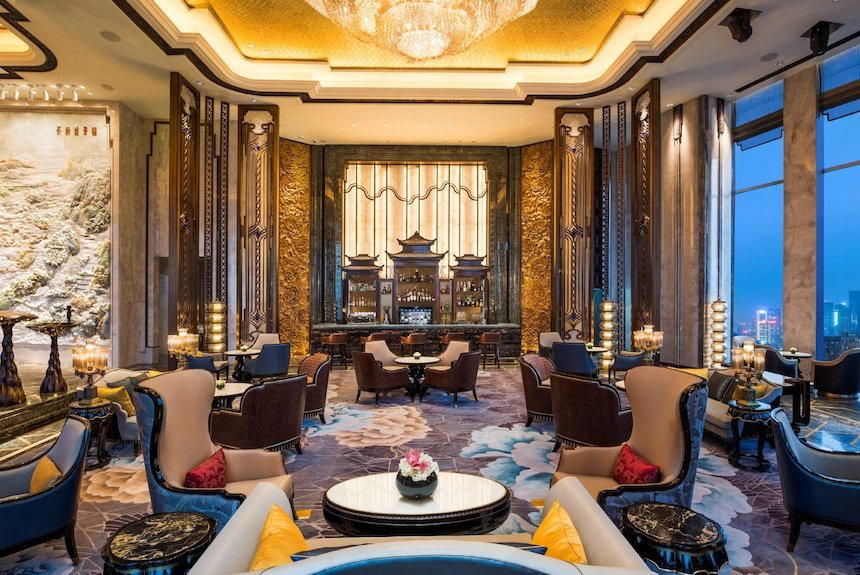
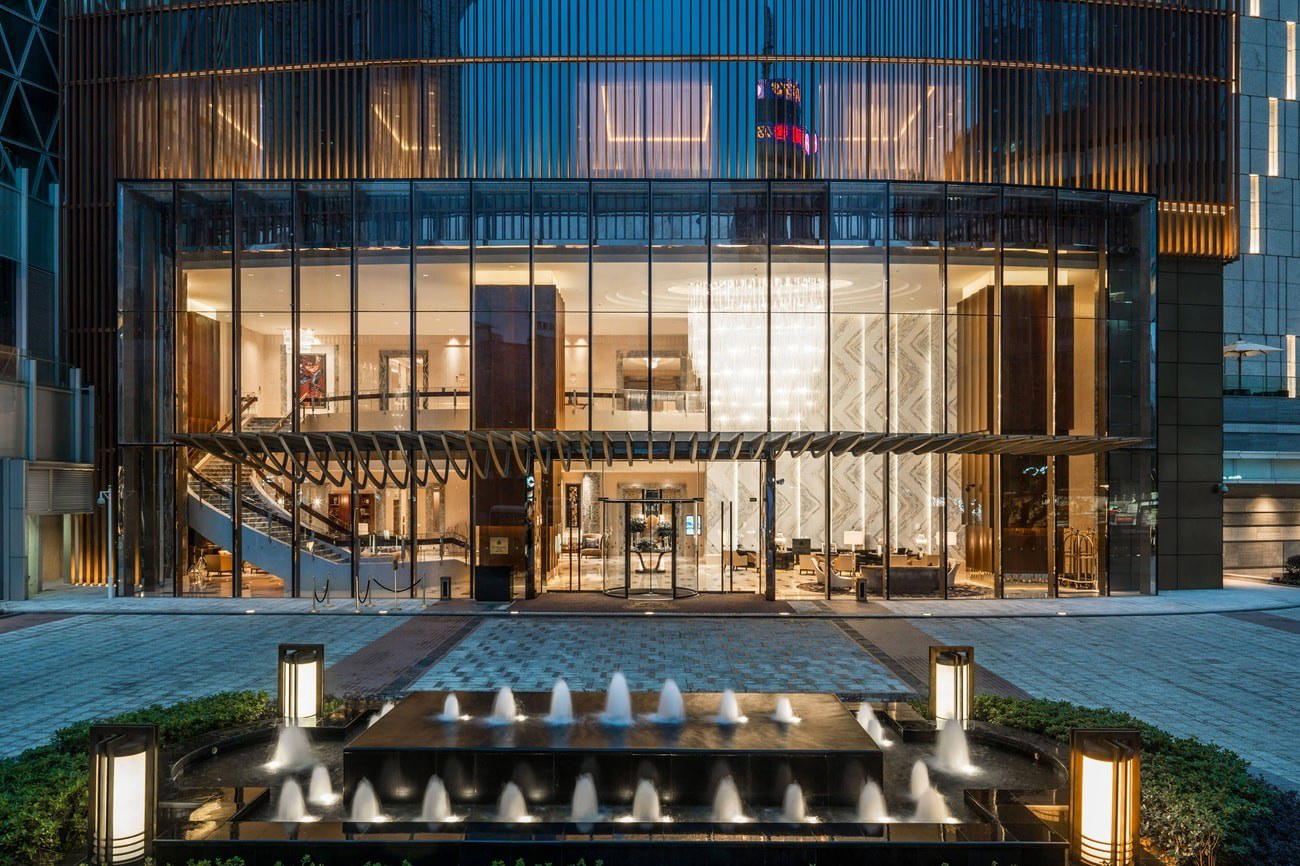
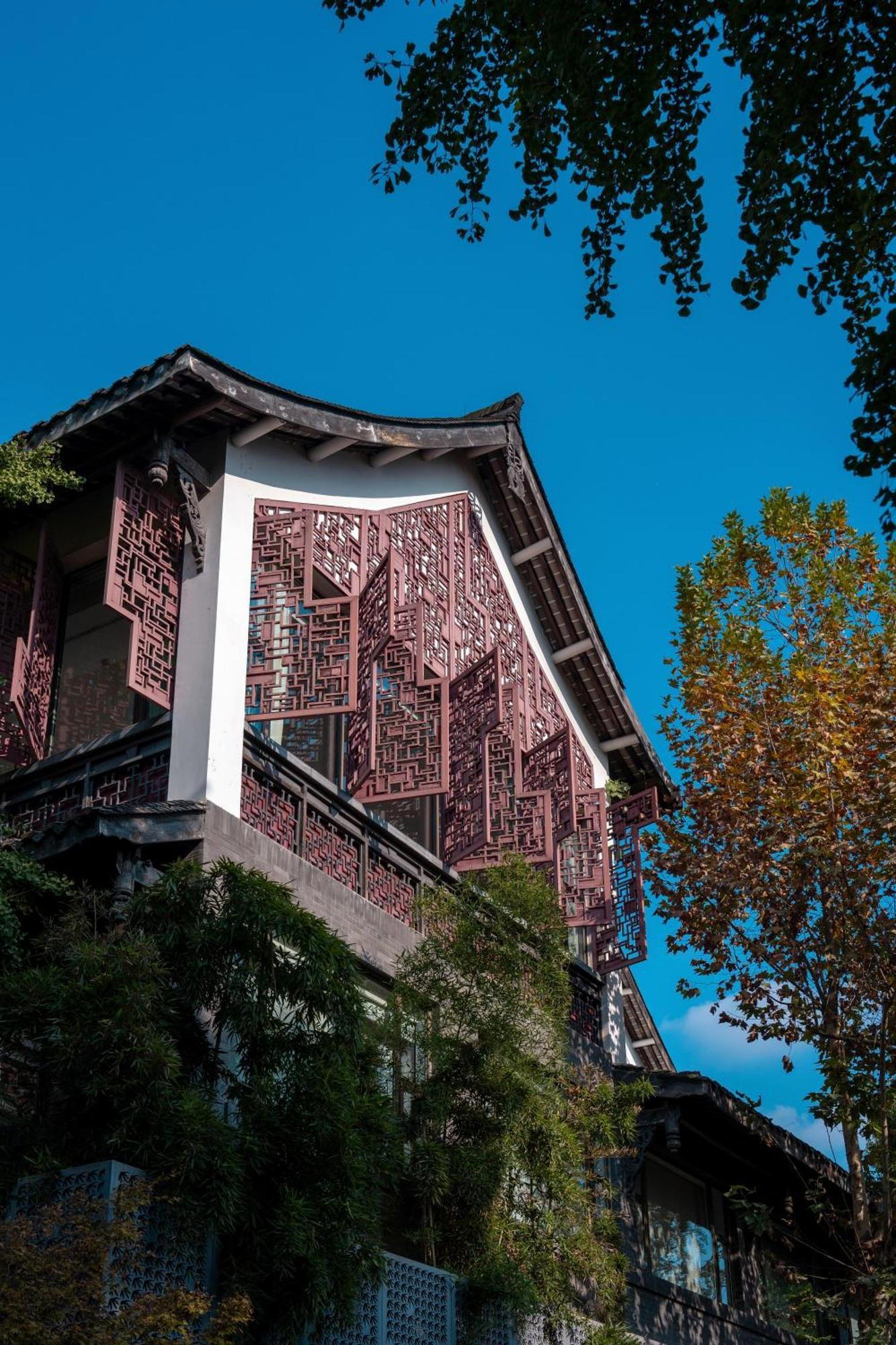
Sichuan restaurant culture has long favoured communal energy over quiet formality, but a parallel tradition of semi-private dining has persisted in older, more established houses. Fu Rong Huang reflects that tradition directly. Wooden slatted partitions divide the main dining room into separated table zones, softening the ambient noise and creating a degree of enclosure without full isolation. Private rooms are available for those who want complete separation, a format that remains popular for business meals and family gatherings in Chengdu. The atmosphere reads less as a designed concept and more as a considered operational choice: the room is built around the meal, not around the experience of being seen eating it. That restraint is itself a signal about where the kitchen's priorities lie.
A Kitchen Defined by Demanding Technique
Michelin's inspectors have consistently noted that one-star recognition in a regional Chinese context rewards precision and consistency in a defined culinary tradition rather than innovation for its own sake. The restaurant's award sits squarely in that framing. The kitchen team is experienced, meaning the execution of difficult preparations is routine rather than aspirational. Traditional Sichuan cooking involves a number of dishes that are technically unforgiving: offal cookery, precise heat management for organ meats, and the calibration of mala (numbing-spicy) balance across cold and hot preparations all require accumulated skill that is difficult to replicate in newer, less experienced kitchens.
The sautéed pork liver with chilli is a reference point here. Liver cooked incorrectly becomes either rubbery or grainy within seconds of leaving the wok; the margin between underdone and overdone is narrow. The dish's reputation at the restaurant rests on that margin being consistently hit, with the numbing heat calibrated rather than applied indiscriminately. Similarly, the fu qi fei pian, the cold appetiser of sliced beef offal in chili oil, is one of the canonical dishes of Chengdu's street and restaurant culture. In lesser kitchens it can arrive greasy, over-seasoned, or with offal that has been over-marinated to the point of losing structural integrity. The version here is described as springy and flavourful, which in practical terms means the offal has been handled with care at every stage from preparation through to plating.
These are not novelty dishes. Both the liver and the fu qi fei pian appear on menus across Chengdu. The distinction is in execution, and that is precisely where Michelin recognition at the one-star level in a traditional Chinese kitchen tends to land.
Positioning Within Chengdu's Starred Set
Chengdu's Michelin selection rewards range. At the summit of the market, two-star addresses like Yu Zhi Lan operate at ¥¥¥¥ pricing with tasting-menu formats and contemporary Sichuan framing. At the opposite end, single-star kitchens demonstrate that the guide's inspectors are willing to recognise traditional execution at accessible price points. The restaurant's ¥¥ positioning places it alongside venues like Ma's Kitchen and Fang Xiang Jing in the mid-market tier, where the competitive currency is depth of tradition rather than innovation or spectacle. Across China's broader Michelin geography, the same pattern holds: Xin Rong Ji (Xinyuan South Road) in Beijing and 102 House in Shanghai represent the kind of recognised regional tradition-focused dining that inspectors now actively include. Sichuan cuisine specifically has attracted attention beyond Chengdu: Five Foot Road in Macau and Song in Guangzhou both carry the regional cuisine into other Chinese cities, though the source material remains Chengdu.
The restaurant's distinction within that set is its price accessibility relative to its critical standing, and its concentration on classical Sichuan rather than any fusion or creative hybrid approach.
It also differs from Chengdu's higher-end addresses in a meaningful operational way. Xu's Cuisine and Silver Pot operate at higher price points with more elaborate service structures. The restaurant's model is closer to the traditional Chengdu dining house: focused, unpretentious, and oriented around what arrives at the table.
Planning Your Visit
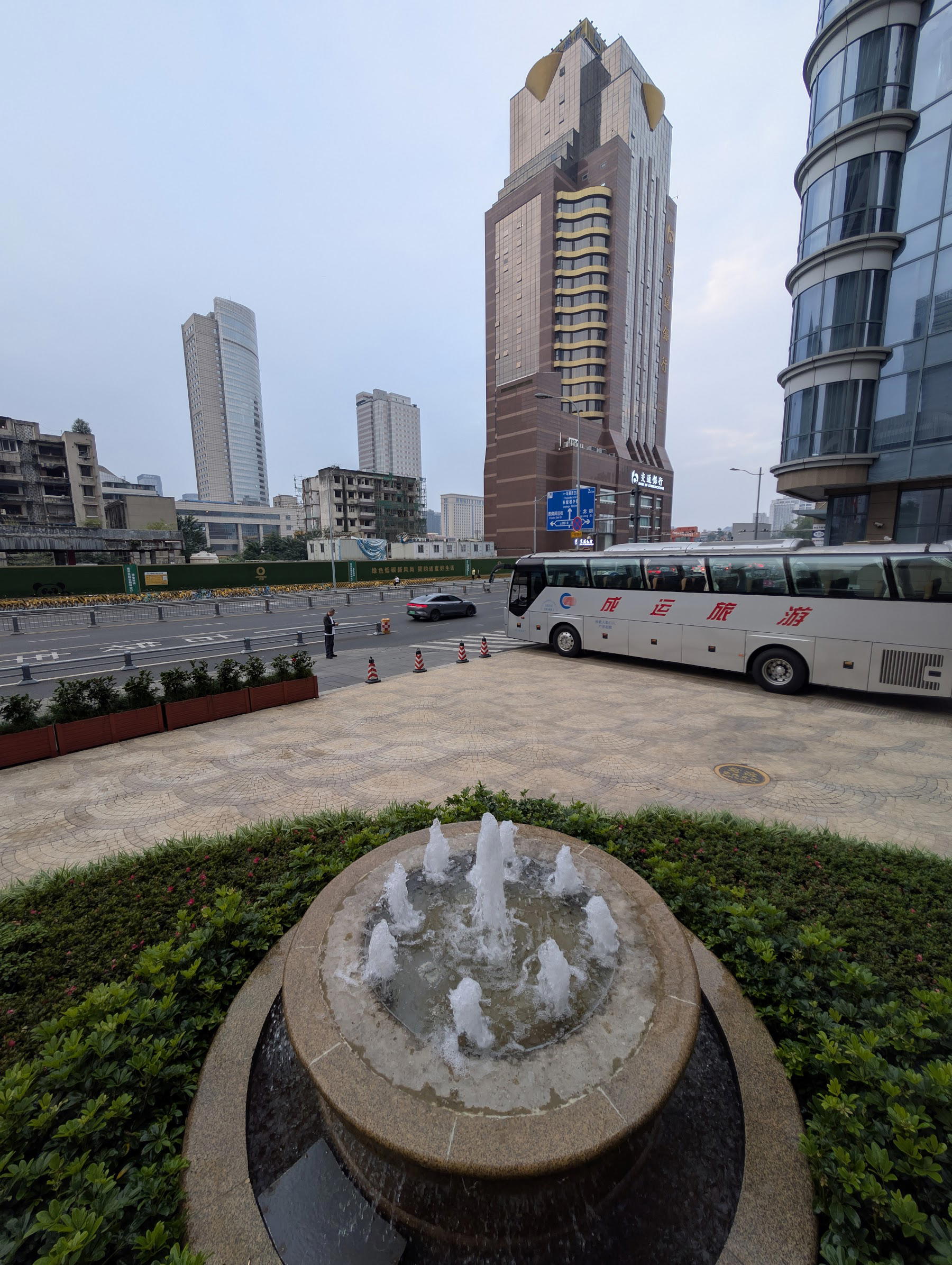
The restaurant sits in the Qingyang District, one of Chengdu's older urban areas with good metro connectivity from the city's central districts. The ¥¥ price tier means a full meal for two is accessible relative to most starred venues in any major Chinese city, making it a practical choice for diners who want to anchor a Chengdu itinerary around a verified kitchen rather than a high-spend marquee address. Given its Michelin recognition and the small dining room divided by partitions, reservations are advisable, particularly for evening sittings and weekend lunches when demand for private rooms tends to run high. Reservations are recommended.
Peers Worth Knowing
Comparable venues nearby, for context on price, style, and recognition.
| Venue | Cuisine | Price | Notes |
|---|---|---|---|
| Fu Rong HuangThis venue — the venue you are viewing | Traditional Sichuan | $$ | Not listed |
| S Kitchen | Sichuan | $$$ | Chengdushi |
| Fang Xiang Jing | Traditional Sichuan Cuisine | $$$$ | Chengdushi |
| Chaimen Hui | Creative Sichuan Cuisine | $$$ | Chengdushi |
| Hokkien Cuisine | Modern Fujian Cuisine | $$$ | Chengdushi |
| Young Art · Yong Ya He Xian (Tongzilin East Road) | Sichuan River Seafood | $$$ | Chengdushi |
Recognition history
Dated appearances from independent guides and award organizations, with the underlying list record or original source where available.
Michelin 1 Star
Michelin
Michelin 1 Star
Michelin
At a Glance
- Lively
- Classic
- Rustic
- Well Known
- Group Dining
- Celebration
- Casual Hangout
- Private Dining
Current opening hours
- Monday
- 10 AM–9 PM
- Tuesday
- 10 AM–9 PM
- Wednesday
- 10 AM–9 PM
- Thursday
- 10 AM–9 PM
- Friday
- 10 AM–9 PM
- Saturday
- 10 AM–9 PM
- Sunday
- 10 AM–9 PM
Hours can change for holidays and private events. Last verified .
Noisy, bustling banquet hall with sprawling tables separated by wooden slatted partitions for privacy; bold aromas fill the air with an unapologetic showcase of exuberant Sichuan cuisine; aging but authentic facilities reflect 18+ years of operation.