Situated in Chengdu's Qingyang District, çèå ° occupies a neighbourhood long associated with the city's older food traditions, where Sichuan cooking operates at both its most accessible and its most considered. The address places it within walking distance of cultural landmarks that give the area its particular character, making it a useful reference point for understanding how Chengdu's dining scene stratifies across price tiers and formats.
 Discover on Pearl
Pearl is the En Primeur Club membership app — saves, bookings, and concierge access live there. Same editors, same standards.
- Address
- Qingyang District, Chengdu, China, 610015
- Phone
- +862862491966
- Website
- zhihu.com
Qingyang District and the Logic of Chengdu's Older Food Quarter
Chengdu's food reputation tends to get compressed into a single image: the numbing heat of doubanjiang, the theatrical red of a mala hotpot, the sidewalk chaos of a skewer stall. Qingyang District, where çèå ° holds its address, complicates that picture. This part of central Chengdu, anchored by the Qingyang Palace Taoist temple complex and the Du Fu Thatched Cottage, carries a different density than the newer commercial corridors further east. The streets around it have historically supported a range of formats, from neighbourhood teahouses and street-food clusters to dining rooms that serve a more considered Sichuan repertoire. Understanding a venue here means understanding the neighbourhood first.
That neighbourhood context matters for how Chengdu's dining tiers are distributed. At the entry level, Qingyang operates much like the rest of the city: accessible, high-turnover, rooted in daily eating habits. The area around Jinli and Kuanzhai Alley draws tourists toward a curated version of those habits, but Qingyang's older residential pockets tend to keep the more local patterns intact. A venue holding an address in this district at postcode 610015 sits within that layered context, drawing on both the cultural weight of the area and its proximity to Chengdu's older commercial core.
Where çèå ° Sits in the Chengdu Picture
Chengdu's upper dining tier has grown considerably since the city received its UNESCO Creative City of Gastronomy designation in 2010. That recognition formalised what locals had long argued: that Sichuan cuisine, and Chengdu cooking specifically, deserved a place in the same conversation as the major Chinese culinary traditions. The years since have seen the emergence of structured tasting formats, chef-driven rooms, and multi-course Sichuan menus that translate the cuisine's technical depth for audiences expecting that kind of presentation.
Comparison venues at the top of that tier include Yu Zhi Lan, which holds a position at the ¥¥¥¥ level and represents the more refined end of Sichuan fine dining, and Xin Rong Ji, which brings a Taizhou-inflected Chinese fine dining sensibility into the Chengdu market, also at the ¥¥¥¥ tier. Both operate within a competitive set that looks less like the street-food circuit and more like the kind of destination dining that draws visitors from Shanghai and Beijing specifically for the meal. Further down the price spectrum, venues like Chen Mapo Tofu on Qinghua Road and the noodle formats across the city operate at ¥, anchoring the everyday end of the scale.
Within Chengdu's wider Sichuan restaurant scene, Fang Xiang Jing and Fu Rong Huang each represent different expressions of how Sichuan cuisine gets framed for different audiences, while Hokkien Cuisine introduces the Fujian tradition as a counterpoint to the dominant local register. The variety signals how much Chengdu's dining scene has matured beyond a single-cuisine identity.
The Sichuan Cooking Tradition This Address Belongs To
Sichuan cuisine's complexity is frequently reduced to the concept of málà, the numbing-spicy combination produced by Sichuan peppercorns and dried chilies working together. That is one layer of a cuisine that actually encompasses twenty-four recognised flavour profiles in classical Sichuan cooking theory, ranging from the fish-fragrant (yúxiāng) to the strange-flavour (guàiwèi) combinations that balance sweet, sour, spicy, and savoury simultaneously. The culinary tradition running through Qingyang District draws on all of these registers, not just the one most exported overseas.
The discipline of Sichuan home cooking, temple food traditions from venues connected to the Qingyang Palace, and the more elaborate banquet formats that developed through the Qing dynasty all leave traces in how the neighbourhood eats today. A room in this part of the city is implicitly in dialogue with that history, whether it positions itself explicitly or not. The more ambitious Sichuan fine dining operations elsewhere in Chengdu, including those at the ¥¥¥¥ tier, have drawn on classical technique as a foundation for contemporary presentations, a pattern visible across Chinese fine dining in cities from Shanghai to Hangzhou and as far as Macau.
Chengdu in the Broader Chinese Fine Dining Context
Fine dining in China has developed in ways that mirror but also diverge from the European model. In cities like Beijing and Shanghai, the infrastructure for international-standard restaurant programmes, wine lists, and service formats has been in place for longer. Chengdu's premium tier is younger in this format sense, but its culinary depth is not. The city's classification as a UNESCO gastronomy city reflects a food culture that extends from institutional cooking schools to street-level snack traditions, and that breadth gives Chengdu kitchens a different raw material to work with than those in cities where the culinary identity is less singular.
For visitors calibrating where Chengdu sits relative to other Chinese dining destinations, the reference points extend well beyond Sichuan. Imperial Treasure Fine Chinese Cuisine in Guangzhou, Dai Yuet Heen in Nanjing, and Shang Palace in Yangzhou each represent regional Chinese cooking at the structured end of the market. Internationally, the conversation about what rigorous cooking looks like has venues like Le Bernardin in New York and Atomix as reference points for how tasting format and cultural specificity can coexist. Chengdu's better kitchens are making versions of that same argument for Sichuan cooking.
Beyond the Sichuan-dominant venues, Chengdu now hosts dining rooms drawing on other Chinese regional traditions. Xin Rong Ji on Xinyuan South Road in Beijing shows how a Taizhou-originated brand can operate in different city contexts. Dingshan·Jiangyan in Suzhou, Fleurs Et Festin in Xiamen, and Jiangnan Wok·Rong in Fuzhou each map a different regional Chinese register at a similarly considered tier. The diversity of the broader landscape makes the Qingyang District address of çèå ° a specific, geographically grounded position rather than a generic one.
Planning a Visit
çèå ° is located in Qingyang District, Chengdu, at postcode 610015, an address that places it within the city's cultural core and accessible from the main metro network via the Qingyang Palace area stops.
The Essentials
Comparable venues nearby, for context on price, style, and recognition.
| Venue | Cuisine | Price | Notes |
|---|---|---|---|
| çèå °This venue — the venue you are viewing | Chengdushi, Sichuanese Restaurant | , | |
| Chuan Yang Guan Noodle Shop | $ | Qingyang District, Authentic Sichuan Noodles | |
| Bainian Fenzheng Beef | Chengdushi, Traditional Sichuan Beef | $ | |
| Chuanpu | Chengdushi, Fujian Live Seafood | $$ | |
| Silverbeach | $$$ | .null, Traditional Sichuan fine dining | |
| Chen's Mapo Doufu (陈麻婆豆腐) | Qingyang, Authentic Sichuan Mapo Tofu | $ |
At a Glance
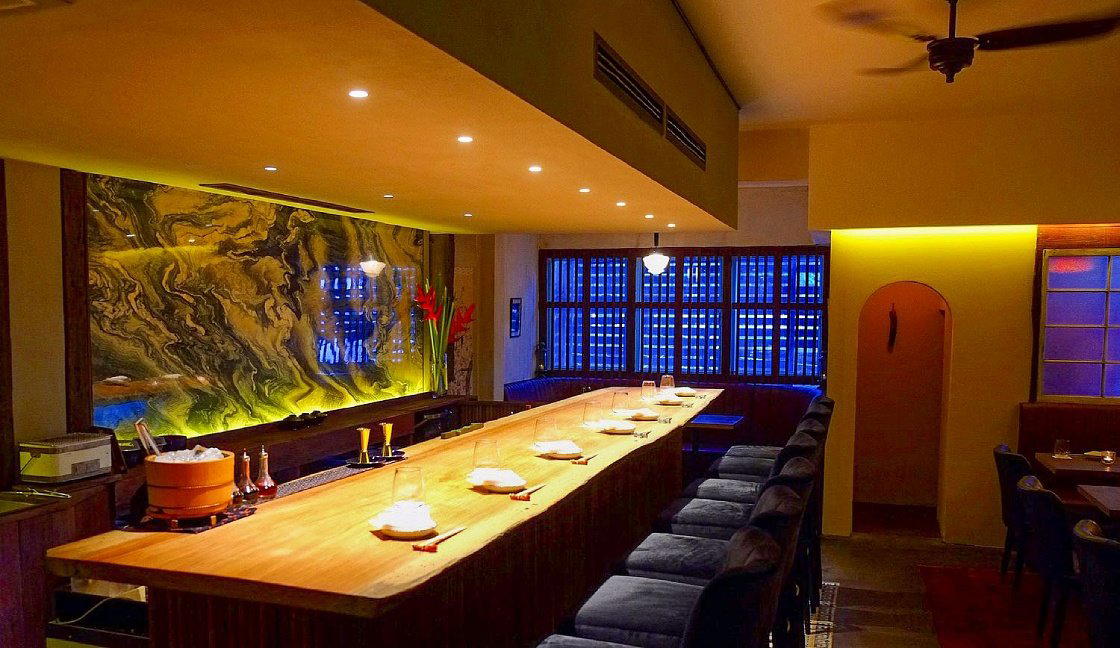
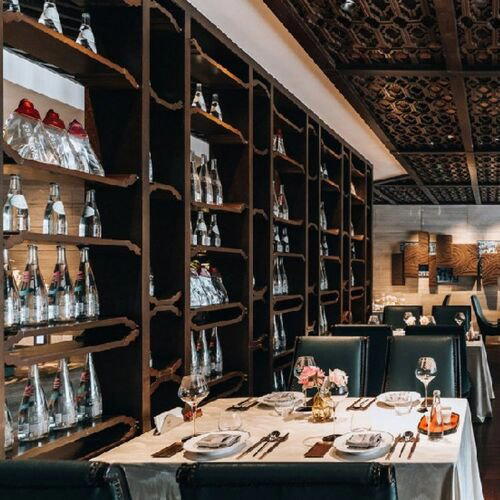
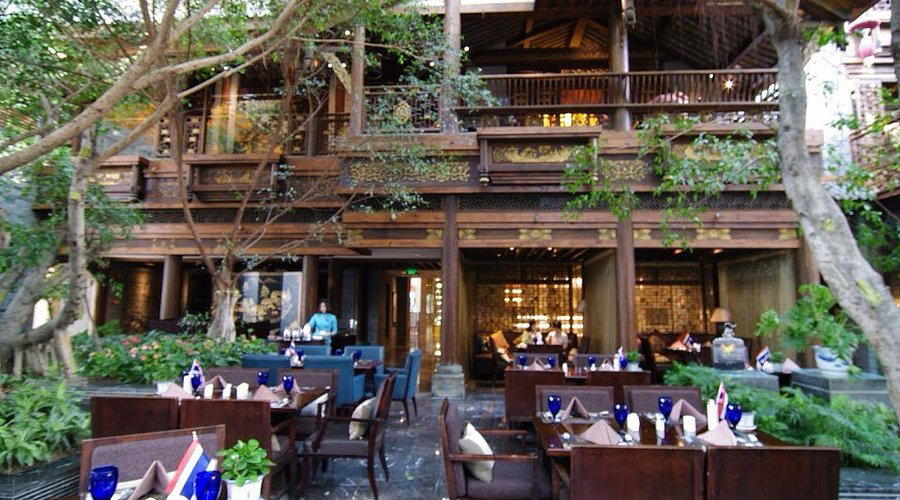
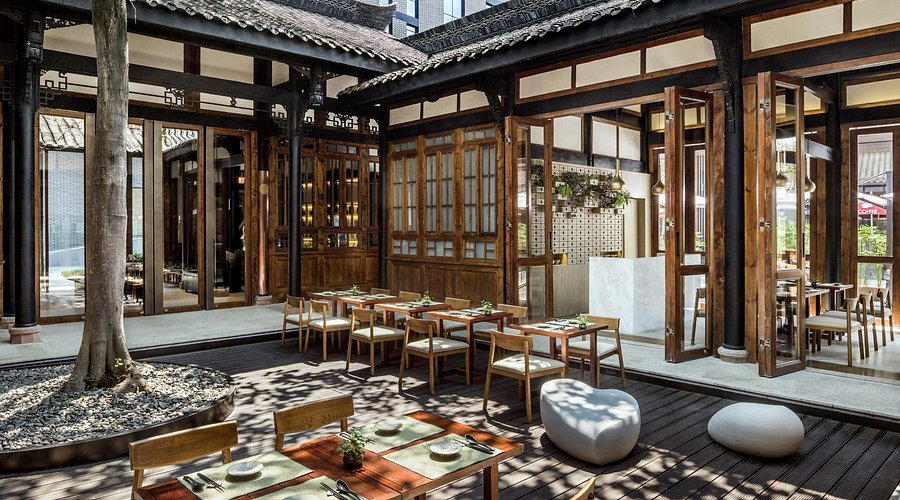
cozy and traditional