


2 Michelin Stars · La Liste Top Restaurants
Our verdict
Two-Michelin-starred Yu Zhi Lan in Chengdu elevates traditional Sichuan cuisine to haute gastronomy within an intimate 18-seat garden villa. Chef-owner Lan Guijun crafts seasonal tasting menus without shortcuts, serving dishes on his handmade ceramics in this unmarked culinary sanctuary.

Pearl is the En Primeur Club membership app, where members save venues, book tables and use the concierge.
The menu
What to order
- Golden Thread Noodles
- Lobster Dumplings
- Strange Flavor Noodles
- Zan Box Cold Appetizers
Where Sichuan Cuisine Earns Its Place at the High Table
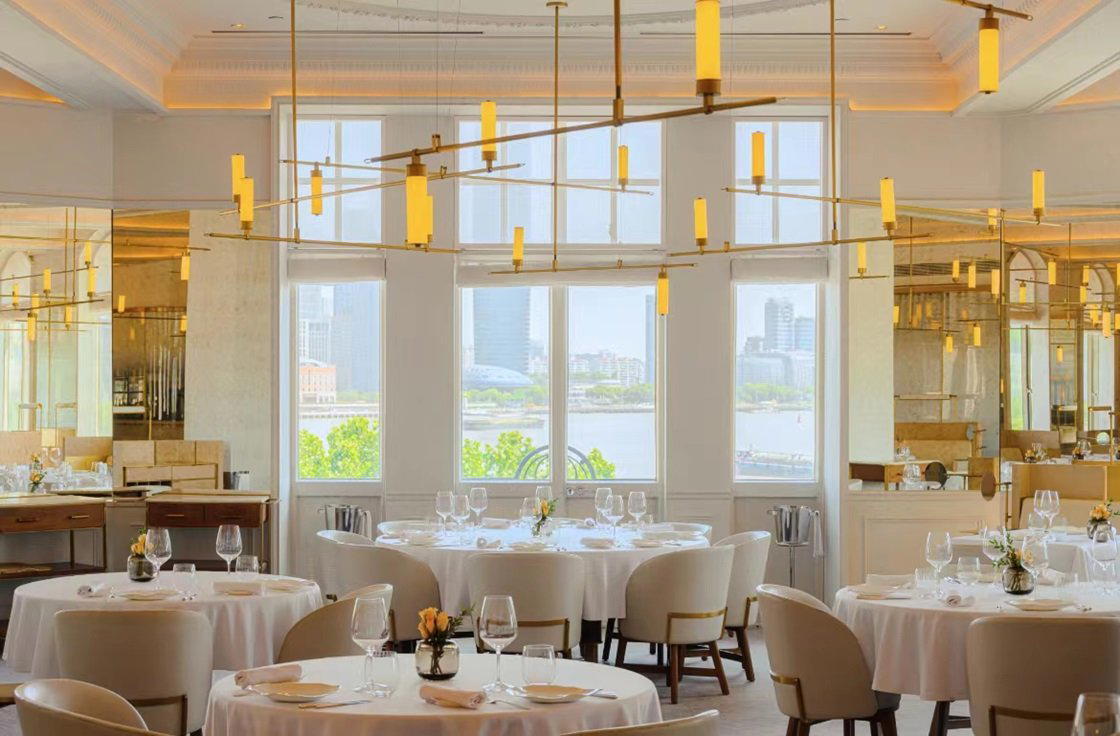
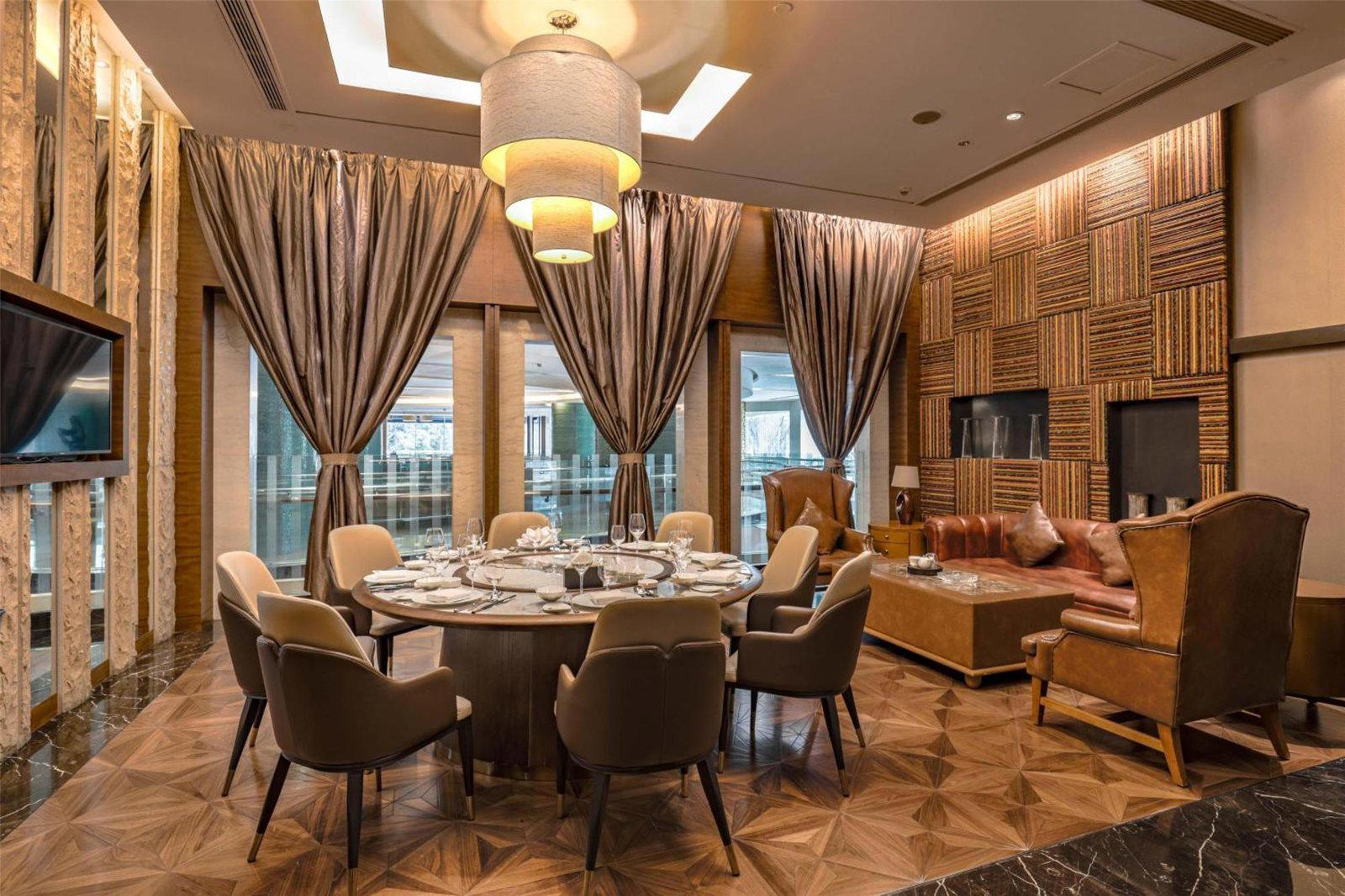
There is no sign on the building at Ximian Bridge East Second Street. The address in Wuhou District, Chengdu, gives little away, and that is precisely the point. The entrance to Yu Zhi Lan announces nothing, which is a studied posture rather than an oversight. In a city where Sichuan cooking exists on a spectrum from ¥10 street snacks to elaborate banquet halls, the rooms here communicate their register through ceramic art and pottery rather than marquee lighting or formal foyer theatrics. The effect is intimate and deliberate: a dining environment that reads more like a private collector's space than a restaurant, where the rustic materiality of the surroundings sets up the precision of what follows at the table.
What Haute Sichuan Cooking Actually Means in 2025
Sichuan cuisine's international reputation rests on the heat-forward, numbing intensity of mala seasoning, the thick red oils of mapo tofu, and the aggressive spice of dan dan noodles. That reputation is accurate for a large part of the canon, but it has never represented the full range. There has always existed a more restrained current within the tradition, one that emphasises the depth of fermented black beans, the sourness of aged vinegars, and the grassy sweetness of Sichuan peppercorns at lower intensity levels. Yu Zhi Lan sits at that end of the spectrum and, critically, operates at a price point and awards tier that formalises the case for taking it seriously on those terms.
The restaurant holds two Michelin stars as of 2024, a recognition that places it in a very small bracket of Chengdu restaurants operating at certified haute cuisine level. Opinionated About Dining, one of the more data-driven fine dining ranking systems, positioned Yu Zhi Lan at #55 in Asia in 2023, #101 in 2024, and #143 in 2025, a trajectory that reflects the natural gravitational pull of newer entries into a competitive field rather than any decline in the kitchen's output. La Liste, which aggregates critical opinion across publications and platforms, scored the restaurant at 82.5 points in 2025 and 79 points in 2026. Across those three independent ranking systems, the picture is consistent: this is a kitchen operating well above Chengdu's mid-range, and level with the more credentialed tasting-menu formats in Beijing and Shanghai. For comparison, the category of ambitious Chinese fine dining that draws similar critical attention includes venues like Xin Rong Ji (Xinyuan South Road) in Beijing, 102 House in Shanghai, and Ru Yuan in Hangzhou. Yu Zhi Lan earns its place in that conversation from a city that does not typically generate this tier of fine dining recognition.
The Value Argument for a ¥¥¥¥ Meal in Chengdu
At the ¥¥¥¥ price tier, Yu Zhi Lan is expensive by Chengdu standards, where a full and deeply satisfying Sichuan meal can be assembled for a fraction of the cost at neighbourhood spots. But the comparison point for a two-Michelin-star tasting menu format is not Chen Mapo Tofu on Qinghua Road or a dumpling house on Lanchao Road. A two-star tasting menu in Shanghai or Beijing at the same tier typically prices 30 to 50 percent higher in absolute terms, sometimes more. Arriving at Yu Zhi Lan with the right frame of reference, the price-to-credential ratio is among the stronger propositions in Chinese fine dining at this level.
The format itself is an elaborate, multi-course meal built around natural flavours and ingredient quality rather than heat accumulation. That is a significant distinction. In the broader Chengdu fine dining scene, which includes the likes of Silver Pot, Fu Rong Huang, and Fang Xiang Jing, the range of approaches to refined Sichuan cooking is wide. Yu Zhi Lan's particular position is one where restraint and technique are the lead arguments, with spice as one element among many rather than the defining register of every dish. Venues working comparable Sichuan territory in other cities, including Song in Guangzhou and Yong in Guangzhou, offer useful points of comparison for how the tradition travels and adapts outside its home province.
Chef Lan Guijun and the Kitchen's Standing
The kitchen is led by Lan Guijun, whose standing in Chengdu's food culture has passed from professional reputation into something closer to civic recognition. In the awards data, La Liste describes him as a chef who took Sichuanese cooking to the level of haute cuisine, a framing that captures the ambition accurately. The pottery and ceramics displayed in the dining rooms are his own work, a detail that speaks to a broader aesthetic investment in the environment rather than a separation of the cooking from its setting. The room and the plate are conceived as part of the same sensibility. That kind of integration is relatively rare even at the two-star level and contributes to the sense that a meal here is not an interchangeable fine dining experience that could be relocated to any city.
Getting to the Table
For visitors building a wider Chengdu itinerary around this calibre of dining, the city's options across categories are covered in our full Chengdu restaurants guide. Broader planning resources include our full Chengdu hotels guide, our full Chengdu bars guide, our full Chengdu experiences guide, and our full Chengdu wineries guide. For those whose Sichuan interests extend beyond restaurants, Ma's Kitchen and Xu's Cuisine offer strong points of reference at different price tiers within the same city.
For context on how this level of Chinese fine dining compares across the country, it is worth looking at what equivalent investment buys in other regions. Chef Tam's Seasons in Macau, Imperial Treasure Fine Chinese Cuisine in Guangzhou, and Dai Yuet Heen in Nanjing each represent the ¥¥¥¥ tier in their respective cities and help calibrate expectations for what this spend means across different culinary traditions within China.
Frequently asked questions
Is Yu Zhi Lan good for families?
At the ¥¥¥¥ price point and with a multi-course tasting menu format that requires a deposit to book, Yu Zhi Lan is structured for guests who want to engage fully with a formal, course-by-course meal. In Chengdu, where the range of Sichuan dining options is enormous across price tiers, families with younger children would typically find more suitable formats at lower-pressure venues. The experience here is calibrated for focused attention at the table rather than flexibility of pace or casual ordering.
How would you describe the vibe at Yu Zhi Lan?
The atmosphere is understated in a way that reads as confident rather than sparse. In a city with no shortage of visually elaborate dining rooms, the choice to communicate quality through handmade ceramics and an absence of exterior signage positions the space in a very specific register. It is quieter and more considered than the theatrical end of Chengdu's fine dining, and the awards profile, including two Michelin stars and consistent La Liste recognition, supports the case that the restraint is intentional and successful. Guests arriving expecting the bright intensity of a mainstream Sichuan restaurant will find something categorically different: a room calibrated to conversation and attention.
What's the signature dish at Yu Zhi Lan?
No specific dish from the current menu is confirmed in verified public records available to EP Club, and the tasting menu format means the kitchen's output shifts with season and ingredient availability. What the awards record does confirm, across Michelin, La Liste, and Opinionated About Dining, is that the cooking under Lan Guijun has earned sustained multi-year recognition for bringing out natural flavours through technically precise, multi-course Sichuan cuisine. The culinary emphasis is on the depth and range of the tradition rather than a single anchor dish. That the restaurant operates without a sign and requires a booking deposit suggests the kitchen leads with the overall experience rather than a marquee item built for recognition outside the room.
Just the Basics
| Venue | Cuisine | Price | Awards | Notes |
|---|---|---|---|---|
| Yu Zhi LanThis venue (the venue you are viewing) | Modern Sichuan Fine Dining | $200–300 | 2 Michelin Stars · La Liste Top Restaurants | Not listed |
| Xin Rong Ji | Taizhou | Not listed | Not listed | Not listed |
| Mi Xun Teahouse | Modern Vegetarian Sichuan Chinese | $30–50 | 1 Michelin Star | Vegetarian |
| Chen Mapo Tofu (Qinghua Road) | Authentic Sichuan Mapo Tofu | $10–20 | Michelin Bib Gourmand | Sichuan |
| Co- | Modern French Tasting Menu | $150–200 | 1 Michelin Star · World's 50 Best #69 | Innovative |
| Dumpling & Drinks (Lanchao Road) | Traditional Sichuan Dumplings | $1–10 | Michelin Bib Gourmand | Dumplings |
Recognition history
Dated appearances from independent guides and award organizations, with the underlying list record or original source where available.
Michelin 2 Stars
Michelin
La Liste Top Restaurants
La Liste
Opinionated About Dining Top Restaurants in Asia Highly Recommended
Opinionated About Dining
Full recognition history (8 entries)
La Liste Top Restaurants
La Liste
Opinionated About Dining Top Restaurants in Asia Ranked #143
Opinionated About Dining
Michelin 2 Stars
Michelin
Opinionated About Dining Top Restaurants in Asia Ranked #101
Opinionated About Dining
Opinionated About Dining Top Restaurants in Asia Ranked #55
Opinionated About Dining
Continue exploring
More in Chengdu
Restaurants in Chengdu
All restaurants in Chengdu →
Bars in Chengdu
All bars in Chengdu →
Details
- Intimate
- Rustic
- Elegant
- Cozy
- Special Occasion
- Business Dinner
- Celebration
- Date Night
- Private Dining
- Local Sourcing
- Garden
- Tasting Menu
- Vegetarian Friendly
- Gluten Free Options
Rustic charm in a quaint four-room garden villa with ceramic art and pottery handmade by the chef, creating a low-key, calm, and personal intimate atmosphere.