
1 Michelin Star
Our verdict
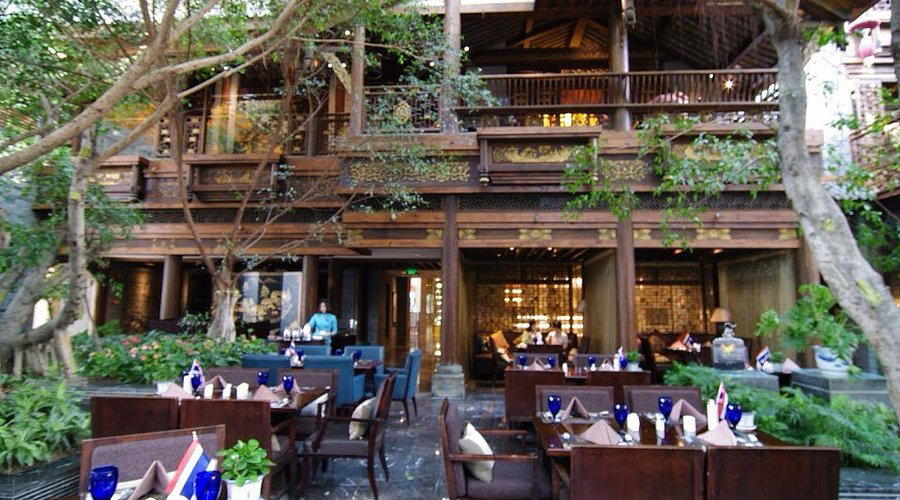
Set within a stone garden compound in Chengdu's Jinniu District, Fang Xiang Jing holds a 2024 Michelin star for its private-room-only format and methodical revival of nostalgic Sichuanese recipes. Dishes like cabbage in chicken consommé, prepared over hours for a clear, deep broth, demonstrate the kitchen's commitment to technique over spectacle. The price tier sits at ¥¥¥, positioning it between Chengdu's casual Sichuan institutions and its two-star flagships.

Pearl is the En Primeur Club membership app, where members save venues, book tables and use the concierge.
The menu
What to order
- Cabbage in chicken consommé
- Mapo tofu with diced beef and fish snout
- Kung Pao cashew foie gras
- Fish lip mapo tofu
Stone, Garden, and the Architecture of a Meal
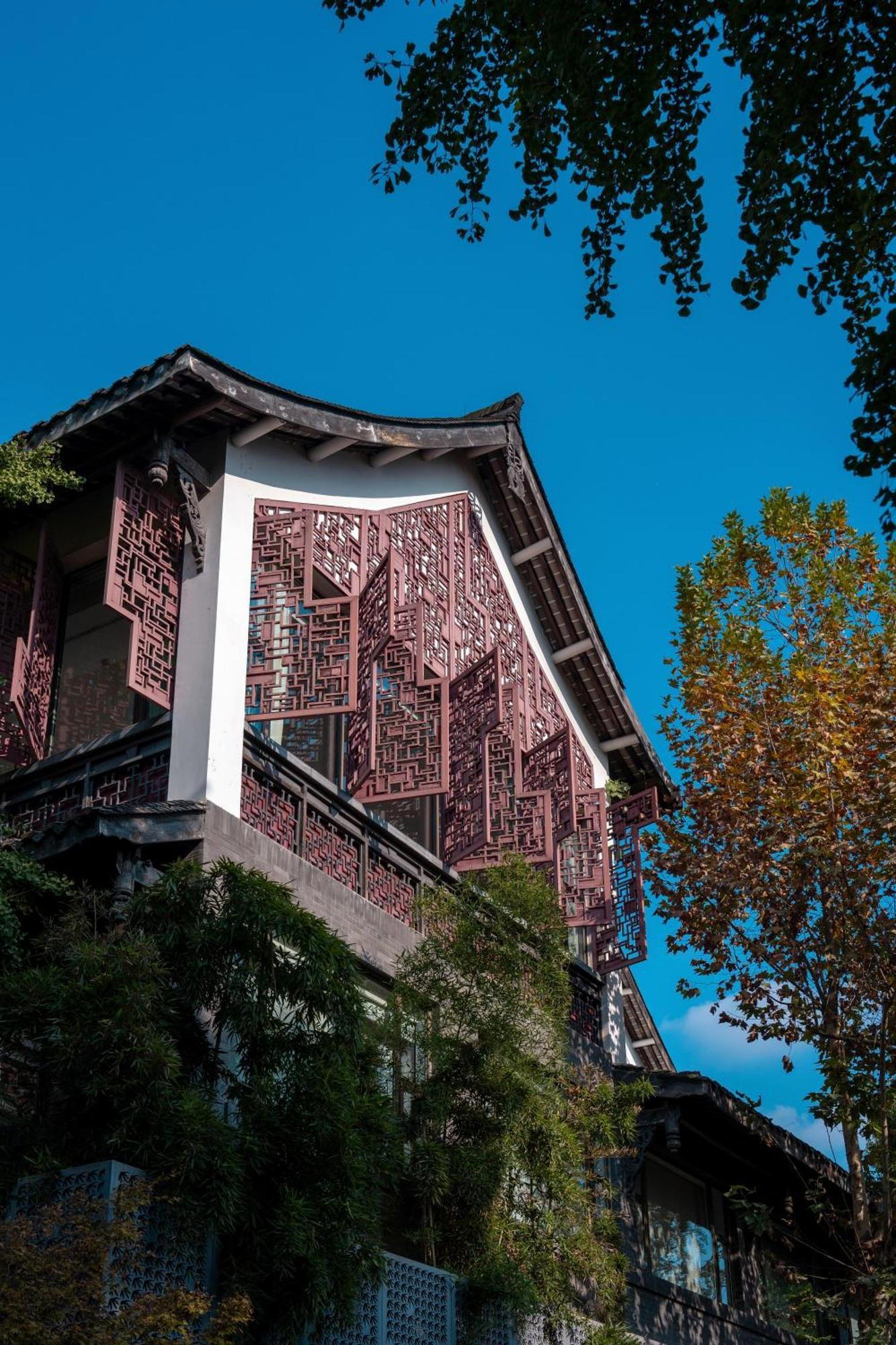
Chengdu's Michelin-recognised dining tier has expanded steadily since the guide's local debut, and within that tier a clear split has emerged: modernist tasting-menu restaurants on one side, and venues committed to classical Sichuanese cooking on the other. Fang Xiang Jing occupies the classical lane. The restaurant operates from a quaint building set within a delicate stone garden in the Jinniu District, a residential area northwest of the city centre, far from the tourist circuits of Kuanzhai Alley and the neon density of Chunxi Road. The physical approach matters here. A stone garden announces a particular philosophy before a single dish arrives: slowness, material restraint, the deliberate distance from urban noise.
The dining format reinforces this. Fang Xiang Jing operates exclusively through private dining rooms, which changes the social grammar of the meal entirely. In a private-room format, the pacing is negotiated between the kitchen and the table rather than managed across a busy floor. The room becomes the environment, and the garden visible beyond it becomes part of the sensory frame. This is a common format in high-end Chinese dining across major cities, you see it at 102 House in Shanghai and at Ru Yuan in Hangzhou, but in Chengdu it carries a specific cultural register, evoking the tea-house tradition of semi-private retreat that has defined the city's social life for centuries.
What the Kitchen Is Actually Doing
Michelin's 2024 citation for Fang Xiang Jing does not reference innovation or fusion. The language is deliberate: the kitchen team painstakingly and faithfully revives nostalgic Sichuanese recipes. That framing positions the restaurant within a growing category of fine-dining operations across China that treat archival cooking, forgotten techniques, labour-intensive preparations, pre-industrial ingredient combinations, as the primary intellectual project. It is a different proposition from the modernist Sichuan cooking at venues like Yu Zhi Lan, which holds two Michelin stars and works in a more overtly contemporary idiom.
The distinction matters for how you read the menu. At Fang Xiang Jing, the technical ambition is directed inward rather than outward, not toward novel combinations or dramatic presentations, but toward the extraction of depth from traditional forms. The cabbage in chicken consommé is the most documented example: a preparation that takes hours to produce a broth that is simultaneously crystal clear and carrying exceptional depth. That clarity is a technical achievement. Achieving a rich, deeply flavoured stock while maintaining perfect translucency requires precise skimming, controlled temperature, and patience that can't be shortcut. It is the kind of dish that reads modestly on a menu and announces itself entirely through the bowl.
The mapo tofu arrives in a contrasting register: diced beef and fish snout adding textural layering to the silken curd, the characteristic málà sensation, the numbing heat from Sichuan peppercorn combined with the burn of chilli, present but calibrated rather than aggressive. Sichuan peppercorn's distinctive tingle on the lips and tongue is one of the defining sensory signatures of the cuisine, and how a kitchen manages it separates thoughtful cooking from reflexive heat. Here, the Michelin citation describes it as a tingling sensation rather than an overpowering one, suggesting the kitchen is working with the spice rather than defaulting to volume.
Positioning Within Chengdu's Sichuan Dining Tier
At ¥¥¥, Fang Xiang Jing sits one tier below Chengdu's most expensive Sichuan restaurants. Yu Zhi Lan operates at ¥¥¥¥ with two Michelin stars; Fu Rong Huang and Silver Pot occupy adjacent positions in the premium tier. Fang Xiang Jing's one-star, ¥¥¥ positioning makes it an accessible entry point into Chengdu's Michelin-recognised Sichuan cooking, more accessible than the two-star flagships in price, and more formalised than the city's mid-range institutions.
For comparison, the Sichuan restaurant category extends well below this point: Chen Mapo Tofu on Qinghua Road operates at a single ¥, functioning as a living institution for the dish that Fang Xiang Jing also interprets. The gap between those two versions of the same preparation, one a high-volume canteen, one a slow private-room revival, captures something real about how Chengdu's dining scene is stratifying. Both are legitimate. They represent different relationships to the same culinary inheritance. Visitors who understand both contexts will read Fang Xiang Jing's version of mapo tofu more clearly for having encountered the other.
Sichuan cooking as a category now carries significant international recognition. Across China, Sichuan-rooted restaurants have earned Michelin recognition in cities well beyond the province: Five Foot Road in Macau and Song in Guangzhou both represent the cuisine's reach. Within Chengdu itself, Ma's Kitchen and Xu's Cuisine offer further reference points for how local kitchens are interpreting the tradition at different price levels and formats. The broader picture of fine Chinese dining at this tier can also be found at restaurants like Xin Rong Ji in Beijing, Chef Tam's Seasons in Macau, Imperial Treasure Fine Chinese Cuisine in Guangzhou, and Dai Yuet Heen in Nanjing, all working within the tradition of refined, technique-driven Chinese cooking.
Service and the Private Room Experience
Michelin's citation specifically notes delicate service as a contributing factor to the experience. In a private-room format, service is more exposed than on a restaurant floor: there is no ambient noise to absorb an awkward pause, no passing traffic to deflect attention. The service team is constantly present or always available, which demands a different kind of attentiveness. At this tier of Chinese dining, that attentiveness typically means reading the table's pace without prompting, managing the sequencing of dishes across multiple courses, and anticipating requests before they are made.
Planning a Visit
Fang Xiang Jing is located at 5号附1, Majiahuayuan Road, Jinniu District, Chengdu, a residential address that requires deliberate navigation rather than casual foot traffic. The private-dining-room format means the restaurant operates at a lower capacity than a conventional open-floor restaurant, and advance booking is advisable, particularly for evening sittings. No phone number or website appears in the current public record, which suggests reservations are typically handled through platforms such as Dianping or through the venue directly via WeChat. Visitors arriving from central Chengdu should allow additional time for navigation; the Jinniu District address is not adjacent to the major hotel clusters near Tianfu Square or the high-speed rail stations. For a full planning view of the city's dining options across all price tiers, our full Chengdu restaurants guide maps the broader picture. Accommodation options are covered in our full Chengdu hotels guide, and the city's bar and drinks scene is detailed in our full Chengdu bars guide. For a more complete view of the region's food and drink culture, our Chengdu wineries guide and our Chengdu experiences guide cover adjacent territory.
What Should I Eat at Fang Xiang Jing?
The two dishes documented in Michelin's citation represent the kitchen's range: the cabbage in chicken consommé for its technical restraint and depth of flavour, and the mapo tofu with diced beef and fish snout for its textural layering and controlled heat. The consommé demonstrates what hours of careful preparation can do to a fundamentally simple combination of ingredients. The mapo tofu sits within one of Sichuan's most recognisable preparations but shows the kitchen's calibration of the málà profile, numbing and spiced, but precise rather than overwhelming. Both dishes are grounded in classical Sichuanese cooking rather than modern reinterpretation, which is consistent with the kitchen's stated approach to nostalgic recipe revival. Visitors should approach the menu with that context: this is not a kitchen chasing novelty, and the rewards are in the depth of familiar forms rather than the surprise of unfamiliar ones.
Frequently asked questions
Has Fang Xiang Jing won any awards?
Fang Xiang Jing has received recognition including: Set in a delicate stone garden, this restaurant in a quaint building offers private dining rooms only. The kitchen team painstakingly and faithfully revives nostalgic Sichuanese recipes. For example, the cabbage in chicken consommé takes ho….
What's the address for Fang Xiang Jing?
Fang Xiang Jing is located at China, Sichuan, Chengdu, Jinniu District, Majiahuayuan Rd, 5号附1 邮政编码: 610032, Chengdu.
What should I eat at Fang Xiang Jing?
Michelin's 2024 citation singles out two dishes as representative of the kitchen's approach. The cabbage in chicken consommé, which takes hours to prepare, delivers a crystal-clear broth with considerable depth, a measure of technical restraint rarely seen at this price tier. The mapo tofu with diced beef and fish snout sits at the opposite end of the register: contrasting textures and the characteristic numbing heat of Sichuan peppercorn. Between the two, they map the full range of what this kitchen is reviving.
Reputation First
Comparable options at a glance, pulled from our tracked venues.
| Venue | Cuisine | Price | Awards | Notes |
|---|---|---|---|---|
| Fang Xiang JingThis venue (the venue you are viewing) | Traditional Sichuan Cuisine | $100–150 | 1 Michelin Star | Not listed |
| Xin Rong Ji | Taizhou | Not listed | Michelin 2 Star | Not listed |
| Yu Zhi Lan | Modern Sichuan Fine Dining | $200–300 | 2 Michelin Stars · La Liste Top Restaurants | Sichuan |
| Mi Xun Teahouse | Modern Vegetarian Sichuan Chinese | $30–50 | 1 Michelin Star | Vegetarian |
| Chen Mapo Tofu (Qinghua Road) | Authentic Sichuan Mapo Tofu | $10–20 | Michelin Bib Gourmand | Sichuan |
| Co- | Modern French Tasting Menu | $150–200 | 1 Michelin Star · World's 50 Best #69 | Innovative |
Recognition history
Dated appearances from independent guides and award organizations, with the underlying list record or original source where available.
Michelin 1 Star
Michelin
Full recognition history (2 entries)
Michelin 1 Star
Michelin
Continue exploring
More in Chengdu
Restaurants in Chengdu
All restaurants in Chengdu →
Bars in Chengdu
All bars in Chengdu →
Details
- Elegant
- Intimate
- Cozy
- Scenic
- Sophisticated
- Special Occasion
- Business Dinner
- Group Dining
- Family
- Private Dining
- Garden
- Historic Building
- Garden
- Set Menu
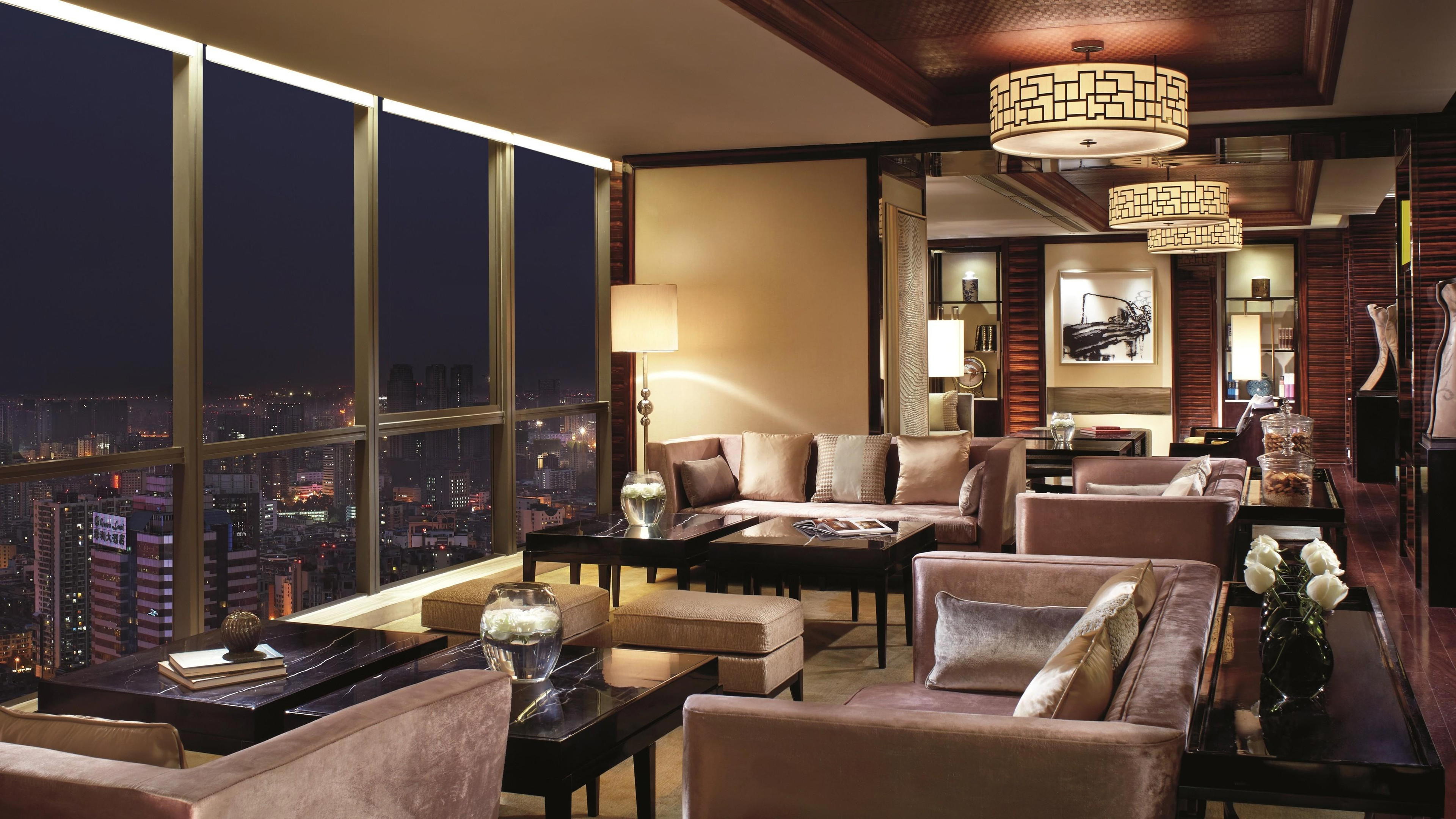
Serene courtyard with lush greenery, traditional Chinese decorations, soft lighting, and a tranquil, elegant atmosphere in private rooms.