Our verdict
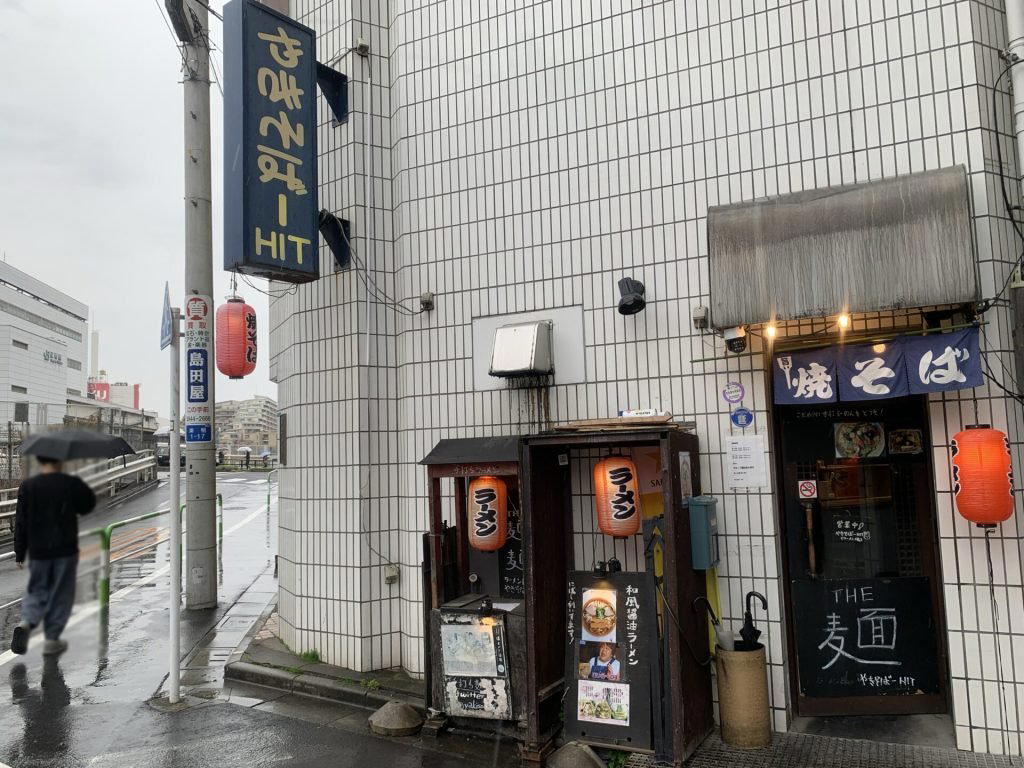
A Sugamo neighbourhood yakisoba counter at 巣鴨1-17-3, やきそばー HIT represents the enduring Tokyo tradition of the single-dish specialist: one format, executed with focus, in a working-class district that has resisted the gentrification reshaping much of the city. For travellers exploring Tokyo beyond the Michelin circuit, it offers a grounded counterpoint to the high-concept dining that dominates most editorial coverage.

Pearl is the En Primeur Club membership app, where members save venues, book tables and use the concierge.
The menu
What to order
- 焼きそば
Sugamo and the Single-Dish Specialist
Tokyo's dining spectrum runs from three-star kaiseki at RyuGin to the kind of counter that has served the same dish to the same neighbourhood for decades. Sugamo, on the Yamanote Line's northern arc, belongs firmly to the second category. The district has a long-standing identity as a neighbourhood for older residents, its shotengai shopping street drawing a demographic that most trend-tracking food media ignores. The result is a concentration of eating places with no interest in positioning themselves for international press, and no need to. やきそばー HIT, at 巣鴨1-17-3 in Toshima Ward, is part of that fabric.
Yakisoba as a category sits at the opposite end of the complexity axis from the tasting menus at L'Effervescence or Sézanne. The dish, wheat noodles stir-fried on an iron griddle with cabbage, pork, and sauce, is festival food refined to everyday ritual in Japan. What separates a focused specialist from a casual canteen is the control over heat, noodle texture, and the quality of the tare. In Tokyo, single-dish counters of this type tend to build followings quietly, through repeat customers rather than booking platforms or PR campaigns.
The Neighbourhood Frame
Sugamo is one of the few inner-Tokyo districts where the dining scene is shaped almost entirely by local demand rather than tourism or the expense-account circuit. That demographic pressure keeps prices accessible and formats direct. There is no wine programme to speak of at a yakisoba counter, and the absence is deliberate: the drink pairing here is canned beer or draft, consumed at speed, before or after navigating the shotengai.
For travellers oriented around Japan's broader dining geography, the contrast extends across the country. The kaiseki discipline at Gion Sasaki in Kyoto or the structured innovation at HAJIME in Osaka represents one axis of Japanese food culture. The neighbourhood specialist, the yakitori stand, the ramen counter, the yakisoba shop, represents another, and the two coexist without contradiction. Visiting only the former misses the logic of how Japanese people actually eat.
Wine, Drinks, and What This Counter Actually Serves
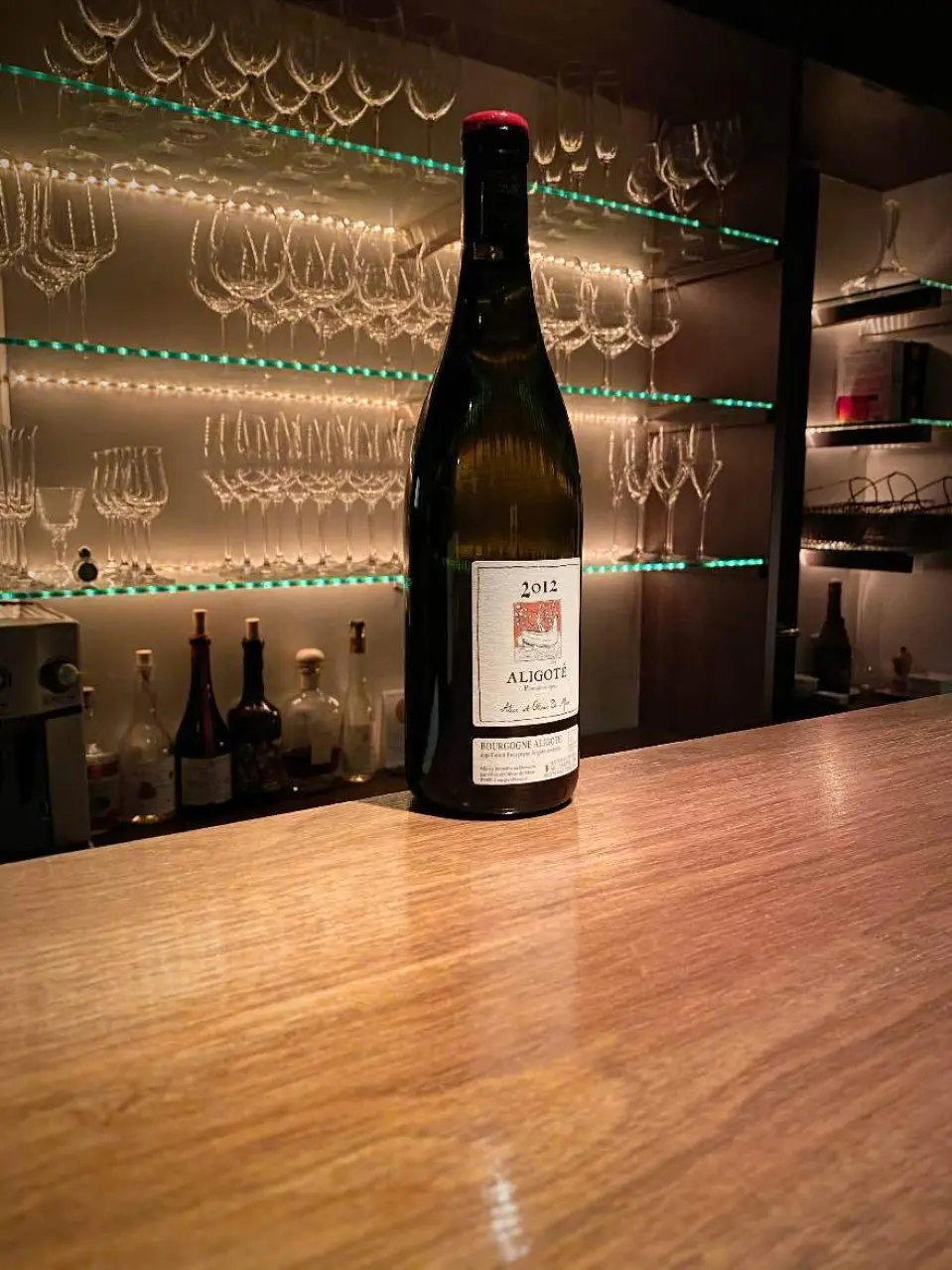
The assigned editorial angle is the wine list, and it is worth addressing honestly: at a yakisoba specialist in Sugamo, a wine list is not part of the format. This is not a shortcoming. The absence of a cellar programme reflects a deliberate category choice, not an oversight. Single-dish casual counters in Tokyo's working districts operate on a different hospitality model, one where speed, consistency, and price accessibility are the governing values. The drink offer typically runs to draft beer, canned options, and sometimes shochu. That is the appropriate pairing for stir-fried noodles at a counter with a griddle as its centrepiece.
For readers whose primary interest is cellar depth and sommelier curation, the relevant Tokyo comparison points are elsewhere. Crony operates in the innovative French register with a programme that reflects serious beverage thinking. L'Effervescence has long maintained a natural wine focus that has become a reference point for the city's more considered drinking culture. These are the venues where cellar philosophy is part of the editorial story. やきそばー HIT's value lies elsewhere, in what it represents about the texture of Tokyo's neighbourhood food culture rather than any formal programme.
Situating the Visit in a Broader Japan Trip
Travellers building an itinerary around Japan's full dining range often anchor in Tokyo for high-end restaurant meals before moving to Kyoto, Osaka, or further afield. Within that structure, a meal in Sugamo serves a specific purpose: it connects the experience of high-investment dining to the everyday food culture that surrounds it. The yakisoba counter and the three-star kaiseki room are products of the same culinary instinct, an attention to process and a resistance to sloppiness, expressed at radically different price points.
Regional alternatives that extend this logic include Goh in Fukuoka, operating in a city with an exceptionally strong street-food and casual dining culture, and akordu in Nara, which approaches local ingredients through a European lens. Further from the major cities, counters and regional specialists like 一本木 皆川制 in Nanao and 湖畔荘 in Takashima reflect how deeply Japan's food specificity extends into smaller towns. 夕あじ山乃 in Sapporo and 鶴羽屋 in Nishikawa Machi round out a picture of how local identity shapes what gets eaten and where.
For context outside Japan, the closest structural parallel in terms of single-dish specialist formats with serious local followings would be somewhere like Le Bernardin in New York City at one end of the formality spectrum, or Atomix representing the Korean fine dining register. Both illustrate how specialist focus, whether on French seafood or Korean tasting menus, generates a distinct kind of authority. The yakisoba counter operates on the same principle at a fraction of the price and none of the pageantry. Neighbourhood specialists like Birdland in Sakai and Bistro Ange in Toyohashi further illustrate how Japan's mid-tier and specialist dining operates in cities that rarely make international lists.
Planning Your Visit
やきそばー HIT is at Address: 巣鴨1-17-3, Toshima Ward, Tokyo 170-0002, accessible via Sugamo Station on the Yamanote Line or the Mita Line. Reservations: No booking data is available; counter-format yakisoba specialists in this district typically operate on a walk-in basis. Hours: Not confirmed; visiting during the lunch window or early evening is the standard approach for this format. Dress: No dress code; the format is casual by definition.
For the full picture of where やきそばー HIT sits within Tokyo's dining options across all price tiers and formats, see our full Tokyo restaurants guide.
Frequently asked questions
Where do I go for やきそばー HIT?
やきそばー HIT is located at 巣鴨1-17-3, 豊島区, 東京都, 170-0002, Tokyo.
What if I have allergies at やきとばー HIT?
Yakisoba as a dish category typically contains wheat, soy-based sauces, and frequently pork or seafood, so the baseline allergen load is meaningful. Visitors with serious dietary restrictions should account for the absence of a verified contact channel before planning a visit to 巣鴨1-17-3.
What do regulars order at やきそばー HIT?
The format is yakisoba: stir-fried wheat noodles cooked on an iron griddle. At a single-discipline counter of this kind in Sugamo, the menu is built around that one technique rather than spread across categories.
Should I book やきそばー HIT in advance?
Counter-format yakisoba specialists in Sugamo typically operate on a walk-in basis, with queues forming at peak lunch hours. Arriving early or outside the midday rush is the practical approach.
What do critics highlight about やきそばー HIT?
That absence is itself informative: やきとばー HIT operates in Sugamo as a neighbourhood counter serving local demand, not a destination chasing editorial attention. Its standing is rooted in repeat custom rather than external validation.
What if I have allergies at やきそばー HIT?
Dietary accommodations can vary. Flag restrictions in advance via the venue's official channels.
Is eating at やきそばー HIT worth the cost?
Neighbourhood yakisoba counters in Sugamo sit at the accessible end of Tokyo's eating spectrum, the district's dining scene is shaped by local working residents rather than expense-account meals or tourism pricing. By that framing, the cost-to-substance ratio at a specialist counter is generally favourable compared with comparable formats in higher-traffic Tokyo neighbourhoods.
Fast Comparison
Comparable venues nearby, for context on price, style, and recognition.
| Venue | Cuisine | Price | Awards | Notes |
|---|---|---|---|---|
| やきそばー HITThis venue (the venue you are viewing) | Japanese Yakisoba & Ramen Bar | $10–20 | Not listed | Not listed |
| Yashima | Traditional Unagi (eel) restaurant | $30–50 | Tabelog 100 #10 | Taitō |
| Katsu Pulipo | Tonkatsu & Pork Cutlet Bowls | $10–20 | Tabelog 100 #88 | Shinjuku |
| 甚六 | Shinjuku Private Room Izakaya | Not listed | Not listed | Shibuya |
| Horumon Jinsei Taro Chan | Yakiniku & horumon (offal) izakaya | $50–100 | Tabelog 100 #35 | Nakano |
| Chatei Hatou | Traditional Japanese Kissaten / Coffee Shop | $1–10 | Tabelog 100 | Shibuya |
Continue exploring
More in Tokyo
Restaurants in Tokyo
All restaurants in Tokyo →


Bars in Tokyo
All bars in Tokyo →





Details
- Cozy
- Casual Hangout
- Late Night
- Sake Program
- A La Carte
Intimate counter-only seating with a snack bar atmosphere, softly lit by neon lights opposite love hotels.