Tabelog 100
Our verdict
A Shibuya kissaten with Tabelog 100 - Kissaten recognition in 2021 and 2022, Chatei Hatou belongs to Tokyo’s older coffee-house tradition rather than the city’s quick-service cafe culture. The format is disciplined: coffee, cafe service and cake in a 50-seat room close to Shibuya Station, with counter seating for drinkers who treat preparation as part of the point.

Pearl is the En Primeur Club membership app — saves, bookings, and concierge access live there. Same editors, same standards.
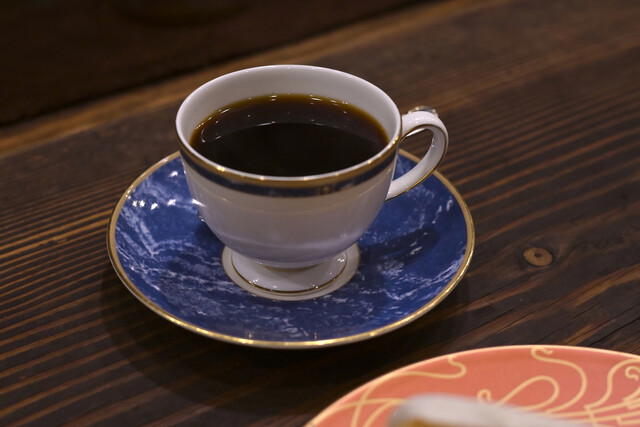
Shibuya is better known for motion than pause: station exits, department-store food halls, ramen queues, commuters folding into side streets. The kissaten tradition resists that tempo, asking for seated time, brewed coffee, cake, and a room where the counter matters as much as the cup. Chatei Hatou belongs to that older Tokyo grammar: the Japanese coffee shop as careful sourcing, slower service, and repeat ritual rather than lifestyle branding.
That distinction matters where coffee can mean several things. Around Shibuya, a bakery counter such as Le Pan de Joel Robuchon Shibuya hikarie ShinQs ten competes on pastry convenience at a similar JPY 1,000 - JPY 1,999 spend, while Paul Bassett Shibuya hikarie ShinQs toyoko norengai ten sits in a lower quick-coffee bracket. A kissaten sits elsewhere, judged less by novelty than by consistency: beans, brewing discipline, cup service, seating rhythm, and how well sweets support the drink rather than overwhelm it.
Shibuya's old coffee-house rhythm, measured against faster cafe culture
Tokyo’s kissaten culture carries a different social function from the international specialty-cafe model: less takeaway velocity, more compact theatre of preparation, often with counter seats close enough to make the work visible. Here the category is listed as kissa, cafe, and cake, which sets expectations without inventing a tasting menu that does not exist: coffee-house service with sweets, not a restaurant pretending to be a cafe.
The awards signal places the room. Selection for Tabelog 100 - Kissaten in 2021 and 2022 puts it inside a curated national conversation around Japanese coffee shops, a category with its own standards and loyalists. A Tabelog score of 3.76 also matters in Japan’s rating culture, where numbers above the mid-threes can mark a serious following. These are not Michelin-style luxury signals; they are category signals, and they fit the venue. The point is not rarefied dining, but a well-regarded kissaten in one of Tokyo’s busiest districts.
Ingredient sourcing is the useful lens because the kissaten form depends on restraint. The cup and cake carry the experience, so sourcing and handling have fewer places to hide. A modern cafe can lean on design, playlists, retail shelves, or seasonal specials. A traditional coffee shop is exposed by repetition: roast profile, brewing method, cream condition, sweetness balance, and service temperature. Specific beans and cakes are not publicly listed here, so order categorically rather than item by item: coffee first, then cake if the visit is long enough to sit properly.
The counter is the editorial seat
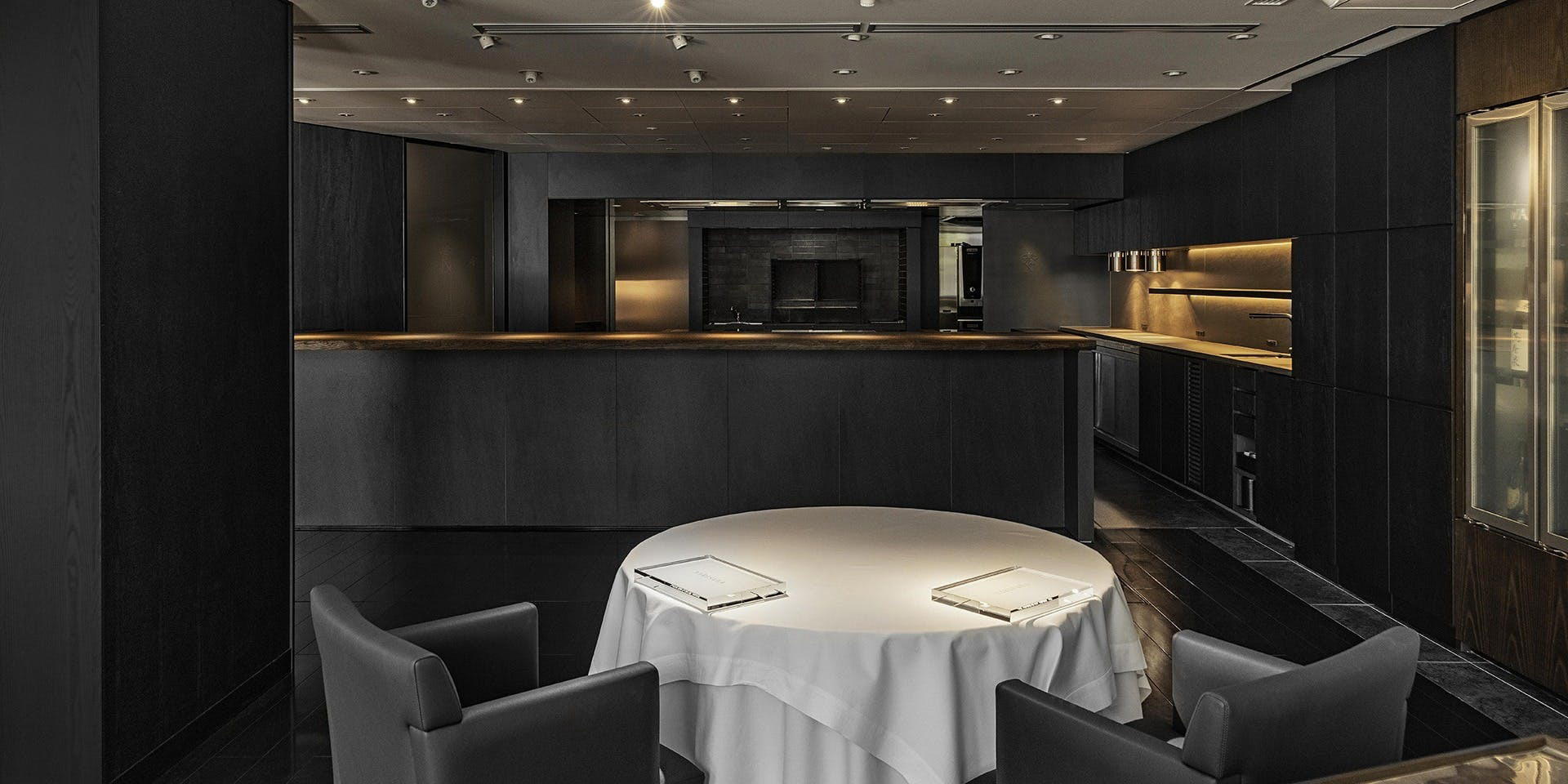
The room runs 50 seats: 10 counter seats and 40 table seats. That split explains the audience. Tables suit conversation and a longer Shibuya pause; the counter suits anyone interested in the craft mechanics of the kissaten format. In Tokyo, counter seating is not reserved for sushi and kappo. Coffee has its own bar grammar, and the better seats often face the work rather than the room.
Chatei Hatou sits in a useful middle tier on price. The listed lunch and dinner budget is JPY 1,000 - JPY 1,999, closer to nearby cafe spending than destination dining. The editorial value is clear: not a lavish check, but a category-specific experience with recognized standing. For travellers building a Shibuya day, it fills a different role from ramen at Ichiran, a more expensive dinner such as Oni Tei, or a sweets-and-tea stop such as Satei Zenkashoin Shibuya hikarie ShinQs ten. This is the coffee-house slot, strongest when treated as such.
The no-reservations format changes planning. It favours flexible timing over fixed itineraries, especially in a station district where foot traffic shifts quickly. The location is close to Shibuya Station’s east side, easy to pair with shopping, galleries, or a later bar plan, but the room should be approached with patience rather than a hard deadline. Payment is another practical filter: cards, electronic money, and QR code payments are not accepted, so assume cash.
Where it fits in a Tokyo eating day
Tokyo rewards category fluency. A visitor expecting every admired address to behave like a tasting-menu restaurant will misread half the city. Kissaten are not substitutes for omakase counters, tempura rooms, or cocktail bars; they are part of the city’s daily architecture, places where ingredients and technique are expressed through narrow focus. Coffee and cake can carry as much local meaning as a longer meal when the format is taken seriously.
For a broader itinerary, use the city by category rather than hype. EP Club’s Our full Tokyo restaurants guide gives the wider dining frame, while Our full Tokyo hotels guide, Our full Tokyo bars guide, Our full Tokyo wineries guide, and Our full Tokyo experiences guide help separate coffee pauses from dinner, drinking, and cultural time. Nearby or related restaurant references broaden the map: 鮪と炭火焼き うお炭 秋葉原店, 12/10 Shinjuku ten, 124. KAGURAZAKA (Yakitori), 2D Cafe, and 3 Chome no Curry Ya San each point to a different Tokyo dining register.
Readers extending the trip beyond central Tokyo can compare how casual Japanese formats travel across regions and diaspora contexts: -Grilled beef Sukiyaki- KAMAKURA TANUKIAN 鎌倉 たぬき庵 in Kamakura.cafe in Osaka.know in Kumamoto, (Shoku) Vietnam in Kawasaki, [Curry Senmon Ten] Maruyama Kyoju. in Sapporo, [ki:] in Kyoto, Jōdo Saké Bar in Los Angeles, and Onigiri Time in Pasadena. The useful comparison is format, not prestige for prestige’s sake: what each place asks the diner to notice.
Chatei Hatou is strongest for travellers who understand that Tokyo’s food culture is built from small, disciplined categories. Come for the coffee-house form, not novelty or a long meal. The evidence is practical and credible: Tabelog 100 - Kissaten selection, a 50-seat room with counter service, daily late hours, and a price bracket that keeps the focus on craft rather than ceremony.
Frequently asked questions
Is Chatei Hatou open every day?
Hours at Chatei Hatou: Mon: 11 AM–11 PM; Tue: 11 AM–11 PM; Wed: 11 AM–11 PM; Thu: 11 AM–11 PM; Fri: 11 AM–11 PM; Sat: 11 AM–11 PM; Sun: 11 AM–11 PM.
What does dinner at Chatei Hatou typically cost?
Pricing at Chatei Hatou is listed as JPY 1,000 - JPY 1,999 JPY 1,000 - JPY 1,999 View spending breakdown.
What part of town is Chatei Hatou in?
Chatei Hatou is located in Tokyo.
What's the signature at Chatei Hatou?
Those details are not published. Expect the coffee-shop and cake categories to define the visit rather than a single flagged dish. Check the venue's official channels for the latest details.
How does Chatei Hatou handle allergies?
The available venue data does not list a formal allergy policy. Chatei Hatou is a kissaten in Tokyo’s Shibuya district, open daily from 11 AM to 11 PM, so any allergy questions should be handled directly with the restaurant before ordering.
Is Chatei Hatou suitable for children?
Yes, the public record says children are welcome. That fits its 50-seat setup in Shibuya, with table seating alongside the 10-counter-seat area and a family-friendly note attached to the listing. Check the venue's official channels for the latest details.
Awards and Standing
Comparable venues at a glance for context.
| Venue | Cuisine | Price | Awards | Notes |
|---|---|---|---|---|
| Chatei HatouThis venue (the venue you are viewing) | Traditional Japanese Kissaten / Coffee Shop | $1–10 | Tabelog 100 | Not listed |
| Tengoku | Retro Japanese Cafe | $1–10 | Not listed | Asakusa |
| HIKINIKU TO COME (挽肉と米) | Hamburger steak set menu (Japanese-style) | $20–30 | Tabelog 100 #59 | Shibuya |
| Tonkatsu Maruichi (とんかつ丸一) | Tonkatsu Specialist | $20–30 | Tabelog 100 #44 | Fukagawa |
| Chacha no Ma | Japanese tea room & cafe | $20–30 | Tabelog 100 #28 | Shibuya |
| 豪龍 久保 | japanese | Not listed | Not listed | Minato |
Recognition history
Dated appearances from independent guides and award organizations, with the underlying list record or original source where available.
Tabelog 100
Tabelog · Tabelog 100 - Kissaten - 2026
Full recognition history (2 entries)
Tabelog 100 #39 · No. 39
Tabelog · Tabelog 100 - Kissaten - 2022