
Tabelog 100 #10
Our verdict
Yashima puts Tokyo’s unagi tradition into a compact Shin-Okachimachi setting: a house restaurant with tatami seating, take-out, sake focus, and prices in the JPY 5,000–5,999 range. Its selection for Tabelog 100 Unagi 2024 places it among a tightly judged category where repeat custom matters as much as ceremony.

Pearl is the En Primeur Club membership app, where members save venues, book tables and use the concierge.
The menu
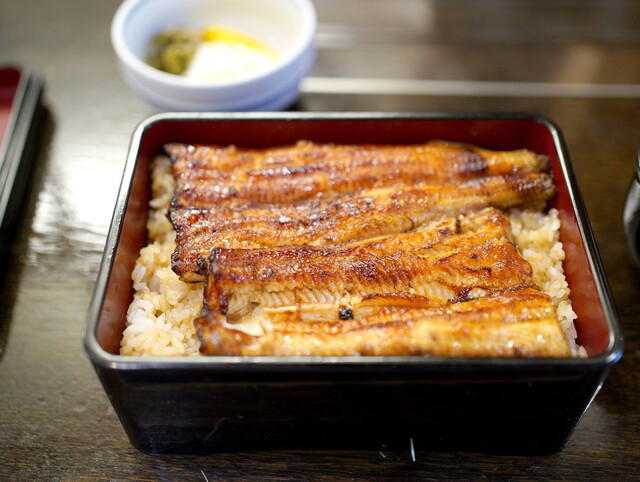
What to order
- Top-grade unagi donburi (unaju)
- Special top-grade unagi bowl
Approaching Yashima, Tokyo changes register. The city’s grand dining narratives often point toward high-profile counters and tasting menus, but unagi rewards another map: old commercial rhythms, station-adjacent streets, family tables, and rooms where regulars know the cadence before opening a menu. Yashima fits that register, reading as a focused Tokyo restaurant rather than a stage-managed destination.
That matters because unagi is not built on novelty. Its pleasure is repetition: eel, rice, tare, heat, timing, and confidence in a narrow format. Tokyo diners returning to eel houses are not chasing seasonal reinvention. They want a dependable reading of a dish with long local grammar, in a room that treats the meal as lunch, dinner, family outing, or quiet catch-up rather than theatre.
Tokyo unagi for diners who value continuity over spectacle
The current Tokyo conversation is split between high-price reservation counters and specialist houses that hold ground through category depth. Yashima’s inclusion in Tabelog Hyakumeiten 2024 for unagi places it in the second camp: not a luxury tasting-menu proposition, but a focused eel restaurant judged within a specific national subcategory. The listed Tabelog score of 3.69 gives the recognition a public reference point rather than leaving it as reputation alone.
The price band reinforces that position. At JPY 5,000–5,999, this is not entry-level casual dining, but it sits below the Tokyo tier where dinner becomes extended performance. The appeal is concentrated: the decision is focused, the hierarchy clear, and the meal anchored by the core dish rather than a broad parade of extras.
Unagi houses in Tokyo correct menu fatigue. Where a French room such as KOTARO Hasegawa DOWNTOWN CUISINE competes through composition and a tempura specialist such as Tempura Shimomura through frying discipline, eel restaurants ask a narrower question: how convincing is the house style when the diner already knows the format? Regulars notice doneness, sauce balance, rice handling, and service tempo, even when public language around the restaurant stays spare.
The category note also matters. Eel is direct, but it is not simple: sweetness, fat, char, rice, and pacing all need structure. A restaurant recognised within an unagi category is not automatically a destination for every diner, but it signals that the meal can be read beyond a quick bowl. For travellers, Yashima feels closer to a local specialist meal than a generic stop between appointments.
The room tells you how the meal is meant to be used
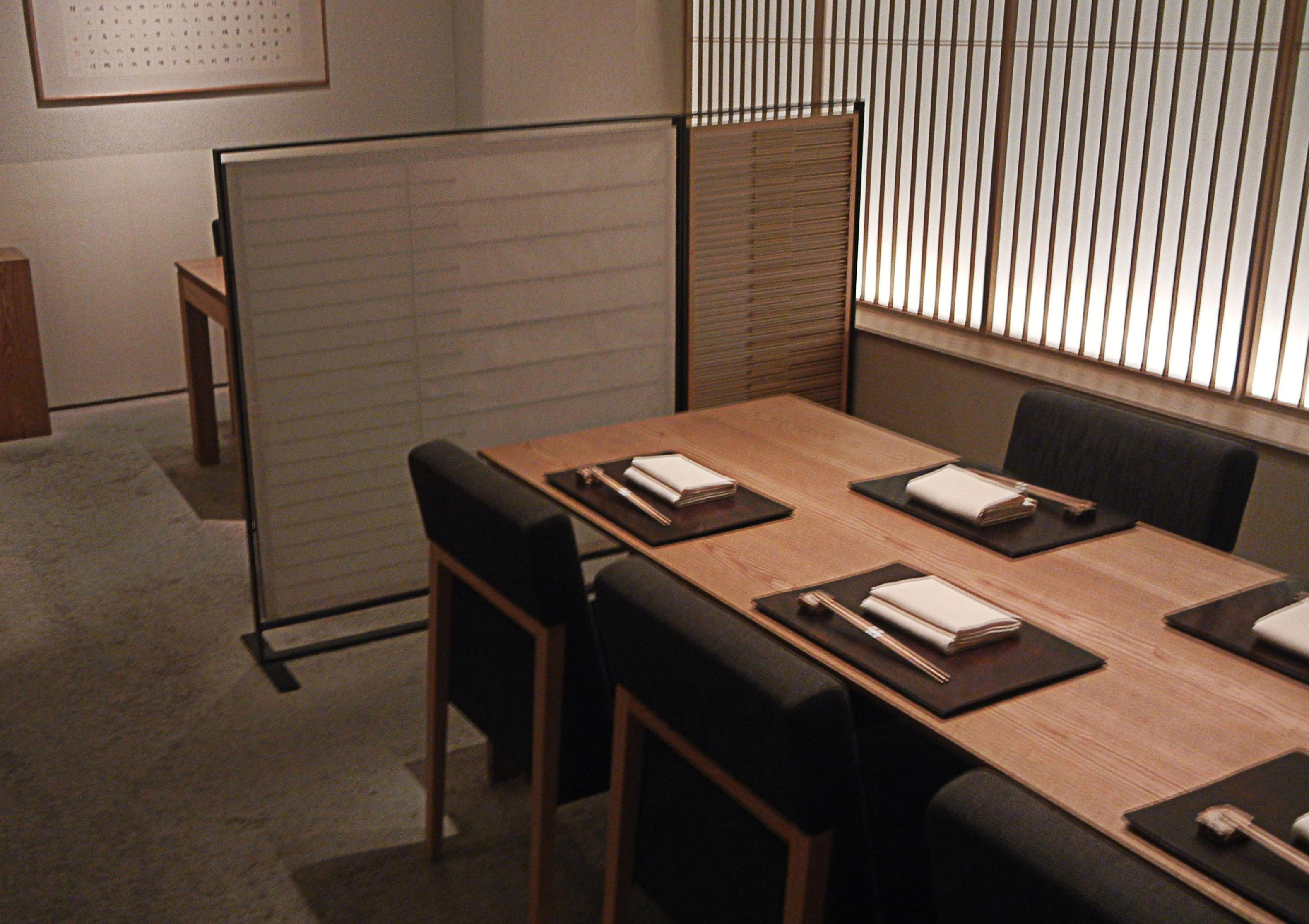
The setting is best understood as practical rather than ceremonial. Those details point to a Japanese dining category premium travellers can underestimate. The appeal is not rarity for its own sake, but the way a specialist restaurant fits ordinary life while maintaining enough discipline to earn category recognition.
Regulars’ perspective is the right lens. The unwritten menu at an eel house is rarely a secret dish. It is knowing the kind of occasion the table wants, how much ceremony the meal needs, and whether the pleasure lies in attention rather than display. This is a format for lunch, dinner with friends, or a solo eel craving without performed reverence, not hushed counter culture.
Location sharpens that point without needing a more precise address than Tokyo. An eel restaurant here does not need central luxury gloss. It benefits from being reachable, legible, and embedded in a city where repeat use is credible.
For a wider Tokyo itinerary, Yashima works better as a specialist anchor than a whole evening’s entertainment. Pair it with other Tokyo dining rather than crossing town purely for spectacle. For the capital’s broader range, use Our full Tokyo restaurants guide, then compare how casual formats, visual cafés, grill-led addresses, and yakitori specialists occupy different parts of the dining map.
Know Before You Go
- Category: Unagi, with a focused eel-house format rather than a broad dining-room brief.
- Recognition: Listed in Tabelog Hyakumeiten 2024 for unagi, with a public score of 3.69.
- Price signal:
- Location: Tokyo.
- Room: Best approached as a specialist Tokyo eel restaurant rather than a spectacle-driven destination.
- Useful constraints: Check the venue’s current channels for practical details before visiting.
- Contact: The listed phone number is +81-3-3851-2108.
Tokyo rewards diners who understand category before fame. A traveller chasing only tasting menus will miss how much food intelligence lives in narrow formats: eel, soba, curry, tempura, yakitori, tonkatsu. The useful comparison is not which restaurant is louder, but which answers its category with the fewest distractions. By that measure, Yashima’s appeal is clear: unagi recognition, defined pricing, and a Tokyo position that keeps the meal grounded.
For planning beyond one table, cross-reference broader Tokyo guides for hotels, bars, wineries, and experiences. Travellers building a Japan-wide food route can look beyond Tokyo to other dining rooms generically, but Yashima’s value is best understood on its own terms: a focused unagi address with a clear category identity and a price band that keeps the meal readable.
Frequently asked questions
What's the price range at Yashima?
Pricing at Yashima is listed as JPY 5,000 - JPY 5,999.
Where is Yashima in Tokyo?
Tokyo.
Is Yashima reservation-only?
Pricing is listed as JPY 5,000–JPY 5,999, with Tabelog Hyakumeiten 2024 recognition for unagi. Check the venue's official channels for the latest details.
What is Yashima known for?
Yashima is known as an unagi restaurant in Tokyo, with Tabelog Hyakumeiten 2024 recognition.
Cost Snapshot
Comparable venues to calibrate price, style, and recognition.
| Venue | Cuisine | Price | Awards | Notes |
|---|---|---|---|---|
| YashimaThis venue (the venue you are viewing) | Traditional Unagi (eel) restaurant | $30–50 | Tabelog 100 #10 | Not listed |
| Hirugao (ひるがお) | Shio Ramen Specialist | $10–20 | Not listed | Marunouchi, Shio Ramen Specialist |
| Coffee Tengoku | Asakusa, Retro Japanese Pancake Cafe | $10–20 | Tabelog 100 | Not listed |
| Shinsuke | Traditional Japanese Izakaya | $30–50 | Tabelog 100 #56 | Bunkyō, Traditional Japanese Izakaya |
| Sakanoue Cafe | Bunkyō, Japanese kakigori cafe | $20–30 | Tabelog 100 #73 | Not listed |
| Ochanomizu Ogawa Ken | Japanese Western / Yoshoku Cafe | $10–20 | Tabelog 100 #64 | Bunkyō, Japanese Western / Yoshoku Cafe |
Recognition history
Dated appearances from independent guides and award organizations, with the underlying list record or original source where available.
Tabelog 100 #10 · No. 10
Tabelog · Tabelog 100 - Unagi - 2024
Continue exploring
More in Tokyo
Restaurants in Tokyo
All restaurants in Tokyo →



Details
- Classic
- Cozy
- Quiet
- Family
- Casual Hangout
- Solo
- Standalone
- Sake Program
- A La Carte
- Set Menu
- Sake
- Beer
- Pescatarian Friendly
Traditional, nostalgic décor with tatami rooms and a relaxed, quietly bustling atmosphere, more like a classic neighborhood house‑restaurant than a modern design destination.