Hekkelun is a Tokyo restaurant operating in a city where dining ritual carries as much weight as the food itself. Its place in Tokyo's premium dining tier situates it alongside counters and tables where pacing, sequencing, and etiquette define the experience as much as any single dish. For visitors attuned to that tradition, it represents a considered entry point into the city's formal dining register.
 Request Booking on Pearl
Pearl is the En Primeur Club membership app — saves, bookings, and concierge access live there. Same editors, same standards.
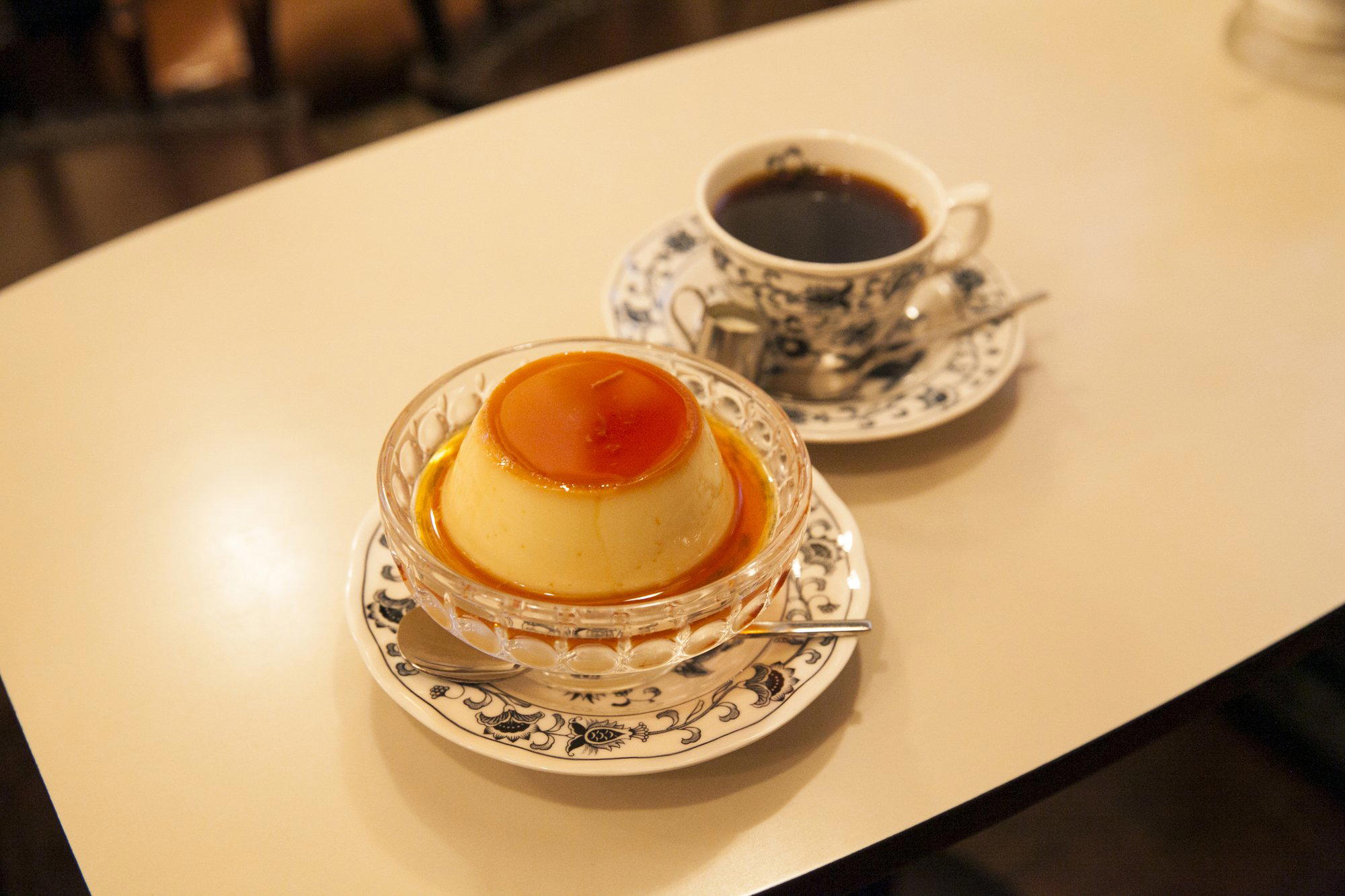
Where the Meal Has a Grammar
Tokyo's serious dining rooms do not simply serve food in a sequence, they impose a structure on time. The pacing of courses, the angle at which a dish is presented, the silence observed between bites of something important: these are not affectations but inherited conventions that go back generations of professional kitchen culture. In the upper tiers of the city's restaurant world, a meal is closer to a ceremony than a transaction, and knowing how to receive it is part of the experience. Hekkelun is a restaurant in Tokyo serving Classic Japanese Kissaten cuisine, with a Google rating of 4.0 and an average price of about $5 per person. Hekkelun sits within that tradition, in a city where the dining ritual itself is the primary subject.
Tokyo's premium dining scene has evolved considerably over the past decade, sorting itself into identifiable tiers. At the highest level, you find tasting-format counters and kaiseki rooms where the chef controls every variable of the meal, the tempo, the temperature of serving vessels, the ratio of silence to explanation. Below that, a larger tier of serious à la carte and fixed-menu restaurants maintains comparable technique without the theatrical compression of the counter format. Understanding where a venue sits within this structure matters for managing expectations.
The Ritual Logic of a Tokyo Meal
Japanese fine dining in any register operates on a principle that Western restaurant culture often misunderstands: restraint is not absence. A dish with three components has been edited, not unfinished. A server who does not hover is exercising a form of attentiveness, not neglect. The meal proceeds on the kitchen's terms, and the diner's role is to follow with attention rather than to direct. This dynamic reaches its most deliberate expression in kaiseki, the multi-course format descended from the tea ceremony, but it filters into premium dining rooms of all types across the city.
Counters like Harutaka in the sushi format and kaiseki destinations like RyuGin represent the pole of this tradition: meals where the chef's sequencing is the architecture of the evening, and deviation from it is not really on offer. French-influenced rooms such as L'Effervescence and Sézanne absorb some of this same discipline into a European framework, producing tasting menus that feel Japanese in their exactitude even when the ingredients and techniques are not. The throughline is an insistence on the meal as a shaped experience with a beginning, internal logic, and conclusion.
Entering the Room
The approach to a Tokyo dining room of serious intent tends to be deliberate. Facades are often minimal, no chalkboard menus in the window, no visible queue, because the clientele already knows what is inside. The entrance functions as a threshold, not an advertisement. Once seated, attention shifts inward: to the grain of the wood on the counter, the weight of the chopsticks, the temperature of the oshibori cloth. These details are not incidental; they are the opening movement of the meal's argument about care and precision.
This is the sensory grammar that frames dining at Hekkelun, a restaurant in Tokyo that prizes attentiveness to environmental detail. Whether the format is counter or table, the expectation of the diner is the same: arrive on time, allow the kitchen to lead, and pay close attention. Tokyo does not reward distracted dining in its serious rooms.
Tokyo in a Wider Japanese Context
Understanding Hekkelun also means understanding Tokyo's position within Japan's broader dining geography. Osaka's restaurants, including HAJIME, tend toward a more demonstrative generosity in portion and flavour, reflecting the city's commercial food culture. Kyoto, where Gion Sasaki operates within the traditional kaiseki heartland, emphasises seasonal ingredient sourcing and visual restraint rooted in court aesthetics. Tokyo synthesises both tendencies and adds its own metropolitan ambition: the city's premium restaurants draw on regional traditions while operating at a pace and scale that Kyoto and Osaka cannot match.
Further afield, venues like akordu in Nara and Goh in Fukuoka demonstrate how serious dining has distributed itself across Japan, no longer concentrated only in the major cities. In Nanao, 一本杉 川島 and in Nishikawa Machi, 鷹羽屋 illustrate how deeply embedded quality hospitality is in Japan's regional fabric. And yet Tokyo remains the city where international attention concentrates, and where the density of serious dining rooms per square kilometre has no equivalent in Japan. Even Sapporo's 古仁屋山乃, Takashima's 湖粼庵笹, and Sakai's Birdland operate in a national ecosystem that Tokyo anchors.
Comparisons Worth Making
For visitors arriving with experience of high-level dining in other markets, the Tokyo premium tier produces some useful recalibrations. The innovation-first approach at venues like Crony, where French technique meets a contemporary sensibility, shares more with the New York tasting menu format than with traditional kaiseki. By contrast, the counter discipline at sushi rooms and kaiseki tables has no close analogue in Western restaurant culture. The closest point of comparison for a Western diner may be the sustained technical focus of Le Bernardin in New York City, where the primacy of the ingredient over the technique is similarly enforced, or the Korean fine dining of Atomix, where tasting-card storytelling creates a parallel form of meal structure. Even Bistro Ange in Toyohashi demonstrates how French bistro conventions adapt to Japanese expectations around service pacing and kitchen discipline.
Planning Your Visit
Navigating Tokyo's dining scene requires planning, though Hekkelun is walk-in friendly. Arriving on time is not a courtesy but a functional requirement: counter and kaiseki formats do not absorb late arrivals without disrupting the entire room's pacing.
Reservations: Walk-ins are welcome. Budget: Hekkelun is in Tokyo's low-price tier, at about $5 per person.
Accolades, Compared
Comparable venues nearby, for context on price, style, and recognition.
| Venue | Cuisine | Price | Awards | Notes |
|---|---|---|---|---|
| HekkelunThis venue — the venue you are viewing | Classic Japanese Kissaten | $ | , | |
| Seijuken | Traditional Japanese wagashi & dorayaki shop | $ | , | Chūō |
| Shigekuniya 55 Bakery | Japanese neighborhood bakery | $ | , | Suginami |
| Ichigenya | Traditional Japanese Sweets (Wagashi) | $ | , | Chiyoda |
| Teuchi Udon Akau | Handmade Udon & Izakaya | $ | , | Arakawa |
| Ginza Kanra Ginza honten | Japanese wagashi & daifuku shop | $ | , | Chūō |






At a Glance
- Classic
- Cozy
- Iconic
- Hidden Gem
- Casual Hangout
- After Work
- Solo
- Historic Building
- Standalone
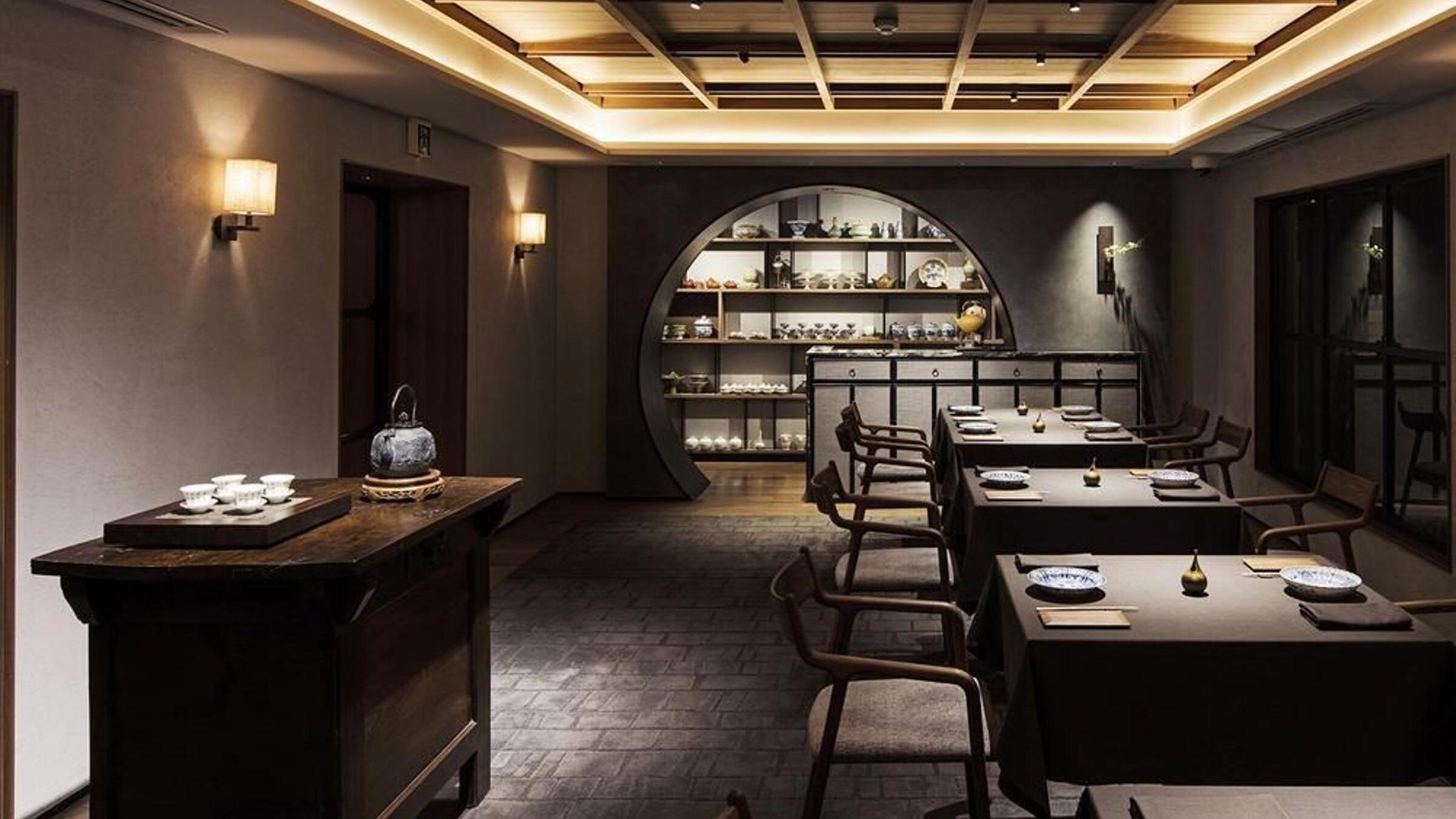
Nostalgic, intimate old-school Japanese coffee shop with counter seating and a few tables; warm, lived-in atmosphere with a strict but welcoming proprietor; smoking permitted throughout.