
Seijuken belongs to Tokyo’s old commercial sweet-shop tradition rather than the city’s dessert-as-spectacle circuit. Its reputation rests on Japanese traditional sweets and dorayaki, with Tabelog 100 selections for Tokyo wagashi in 2023 and sweets in 2022 and 2020, making it a serious stop for readers tracking everyday craft at modest spend.
Pearl is the En Primeur Club membership app — saves, bookings, and concierge access live there. Same editors, same standards.
- Address
- Japan, 〒103-0012 Tokyo, Chuo City, Nihonbashihoridomecho, 1 Chome−4−16 ピーコス日本橋ビル 1F
- Phone
- +81 3-3661-0940
- Website
- seijuken.com
 Saves & bookings on Pearl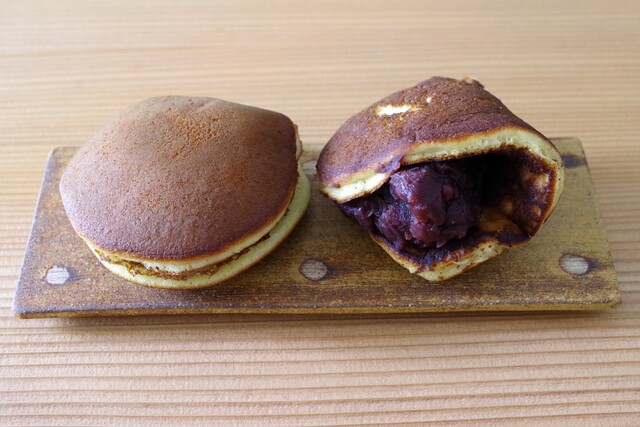
Approaching a Tokyo wagashi shop in an office district is unlike entering a tasting-menu room. The cues are quieter: small frontage, purposeful customers, sweets as daily craft rather than performance. Seijuken sits in that register in Nihonbashihoridomecho, where old mercantile Tokyo has not been fully overwritten by glass-tower dining. Its appeal is not ceremony, but the compressed discipline of a category Tokyo takes seriously: Japanese traditional sweets, especially dorayaki, bought more as an errand than an occasion.
That distinction matters. Tokyo dining is often read through sushi counters, kappo rooms, ramen queues and hotel restaurants, but wagashi has its own hierarchy, less tied to dinner theatre. Recognition comes from repetition, consistency and a public that knows a casual impulse sweet from one deliberately sought out. Seijuken’s inclusion in Tabelog’s Tokyo Japanese traditional sweets and Japanese sweets cafe 100 selection in 2023, after Tabelog Sweets Tokyo 100 selections in 2022 and 2020, places it in that exacting local conversation. Its Tabelog score of 3.77 is another signal: in Japan’s user-review culture, that number carries more weight than on looser platforms.
Tokyo wagashi without the theatre of a destination dessert room
Visitors can misread wagashi if they expect richness, plating and long table time. The Japanese tradition works through seasonality, tea culture, gifting, texture and restraint; in Tokyo, it is also everyday luxury below fine-dining scale. Seijuken belongs to that compact economy. Its category, Japanese traditional sweets and dorayaki, sets the frame: not a Paris-borrowing pastry salon or novelty cafe, but a specialist counter where a narrow sweet vocabulary carries the reputation.
The comparison with nearby restaurant spending is instructive. In the same broad Tokyo dining field, Yakiniku Akami Nikugatou Ningyouchou honten sits in a much higher dinner bracket, while Ino Cantonese Nihonbashi Takase occupies an even more expensive Chinese tier. Katsu Yoshi and Ogawa are more accessible, but remain meal formats. Seijuken’s sub-1,000 yen pricing makes it a different decision: short stop, gift purchase, or sweet course outside lunch or dinner. Wagashi shops let travelers read local taste without committing a night to a reservation.
Dorayaki carries cultural weight beyond its simplicity. Two pancake-like rounds around sweet bean filling expose balance fast: batter, bean paste, sweetness, moisture and timing have little room to hide. The form is democratic yet demanding enough to sustain specialists. For readers used to Tokyo’s premium counters, this is the recalibration: not every serious food stop is expensive, seated or visibly chef-led.
Why Nihonbashi and Ningyocho still matter for sweets
Nihonbashi and nearby districts have long been tied to commerce, craft shops and food businesses serving working Tokyo as much as visitors. That context suits wagashi. The customer base includes office workers, households, gift buyers and regulars judging by habit, not novelty. A sweets shop here cannot rely on one dramatic flourish; it has to fit into the day.
Seijuken’s 2017 move from a previous Horidomecho address to its current location is small but telling. Tokyo food institutions often survive through relocation rather than stasis; continuity is frequently practical, not picturesque. A shop can shift a few blocks and keep its identity because the audience follows the product and routine. For travelers, older Tokyo food culture is best read this way: the address matters, but the pattern of use matters more.
The take-out format shapes the encounter. There is less lingering, less staged hospitality, and more attention to the exchange and package. The room is not the whole experience; the city finishes it. A purchase can sit in a hotel room, train carriage, office visit, or on a park bench. That portability is central to wagashi’s urban role, especially where gifting and seasonality shape how food moves between people.
For a broader Tokyo food day, Seijuken works as counterpoint rather than meal replacement. Readers can pair traditional sweets with restaurants across the guide, from . 鮪と炭火焼き うお炭 秋葉原店 and 12/10 Shinjuku ten to 124. KAGURAZAKA (Yakitori), 2D Cafe and 3 Chome no Curry Ya San. The point is contrast: grilled fish, yakitori, curry and cafe culture explain Tokyo differently, while wagashi reveals the city’s shorter, more ritualized appetite.
A compact stop for readers who value category depth
The expectation should be precise: Seijuken is a specialist sweet stop with public recognition in Tokyo’s wagashi field, not a long-form restaurant. It is valuable for travelers who want to understand how a city eats between meals, not only chase high-spend reservations. The practical profile supports that reading: weekday daytime operation, take-out service, non-smoking status, children welcome, no private rooms and no parking. Payment is more flexible than at many older small shops, with major credit cards and several electronic money options accepted, though QR code payments are not listed.
Its best use is within a neighborhood food circuit. The nearest station context places it within reach of Kodemmacho, Ningyocho and Bakuroyokoyama, so it fits an east-side Tokyo plan without turning the day around one sweet purchase. The planning caveat is simple: traditional shops with limited daily production can be less forgiving than cafes replenishing all afternoon, so earlier timing is sensible.
For more planning, use Our full Tokyo restaurants guide for dining, Our full Tokyo hotels guide for where to stay, Our full Tokyo bars guide for drinking, Our full Tokyo wineries guide for wine-focused planning and Our full Tokyo experiences guide for cultural routing. Japan-focused readers can also compare regional and overseas Japanese-adjacent formats through -Grilled beef Sukiyaki- KAMAKURA TANUKIAN 鎌倉 たぬき庵 in Kamakura.cafe in Osaka.know in Kumamoto, (Shoku) Vietnam in Kawasaki, [Curry Senmon Ten] Maruyama Kyoju. in Sapporo, [ki:] in Kyoto, Jōdo Saké Bar in Los Angeles and Onigiri Time in Pasadena.
The editorial case is clear. Tokyo’s sweet culture is not a side note to its restaurant scene; it is how the city measures craft at daily scale. Seijuken earns attention by sitting in that modest but demanding lane, backed by Tabelog 100 recognition and a format that asks visitors to slow down for something small, structured and deeply local.
Comparable Spots, Quickly
Comparable venues by price and recognition.
| Venue | Cuisine | Price | Notes |
|---|---|---|---|
| SeijukenThis venue — the venue you are viewing | Traditional Japanese wagashi & dorayaki shop | $ | Not listed |
| Arry 8Bites | Japanese Small Bites | $ | Tokyo |
| Minna no Pan'ya | Traditional Japanese bakery | $ | Chiyoda |
| Habutae Dango Honten | Traditional Japanese dango & wagashi teahouse | $ | Arakawa |
| Jiman Kusamochi | Traditional Japanese wagashi & kusa mochi shop | $ | Sumida |
| Oniyanma Nakameguro ten | Udon noodle bar | $ | Meguro |
Recognition history
Dated appearances from independent guides and award organizations, with the underlying list record or original source where available.
Tabelog 100 #38 · No. 38
Tabelog · Tabelog 100 - Japanese traditional sweets / Japanese sweets cafe - TOKYO - 2023







At a Glance
- Classic
- Well Known
- Solo
- Casual Hangout
- After Work
- Historic Building
- Standalone
Current opening hours
- Monday
- 9 AM–5 PM
- Tuesday
- 9 AM–5 PM
- Wednesday
- 9 AM–5 PM
- Thursday
- 9 AM–5 PM
- Friday
- 9 AM–5 PM
- Saturday
- Closed
- Sunday
- Closed
Hours can change for holidays and private events. Last verified .
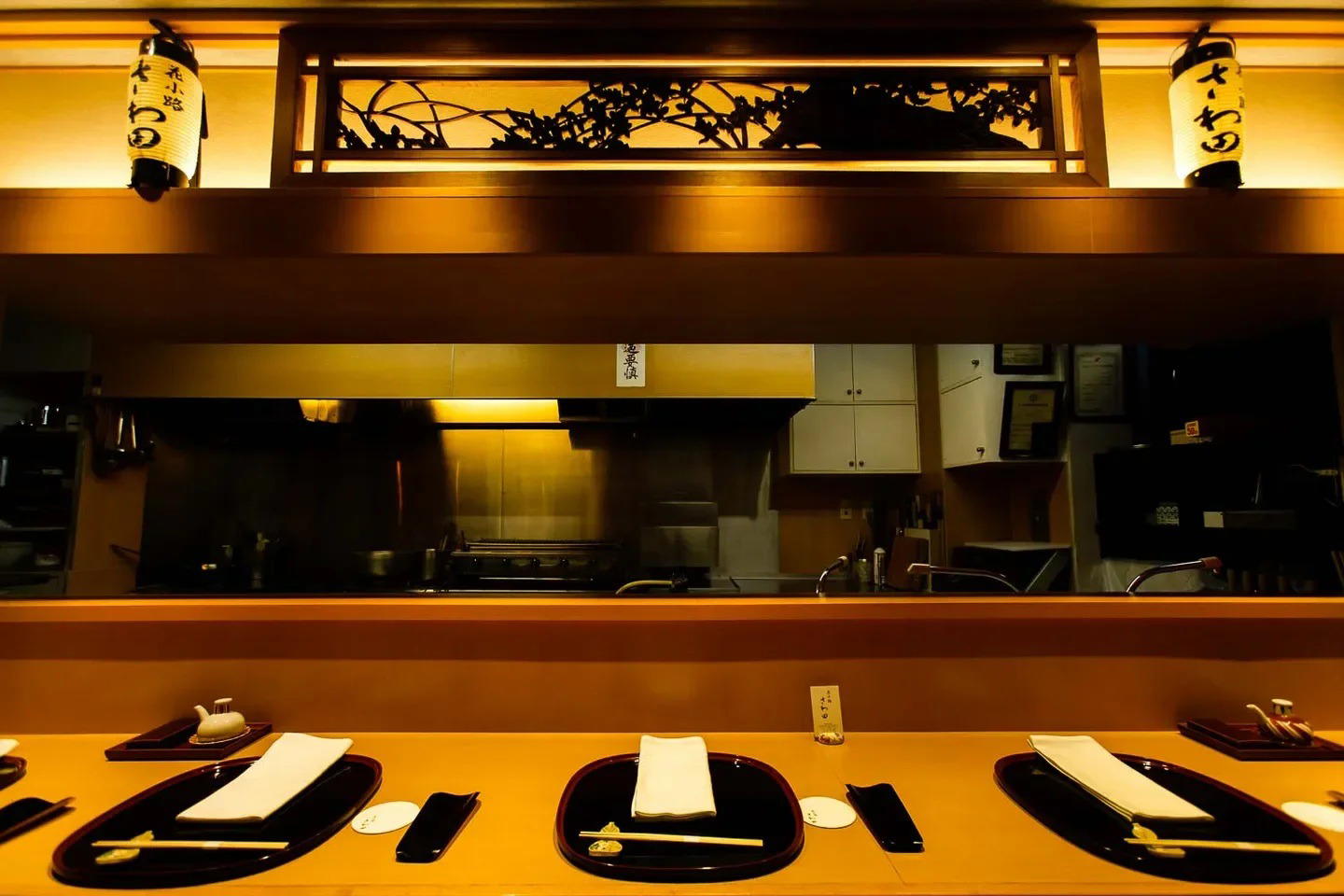
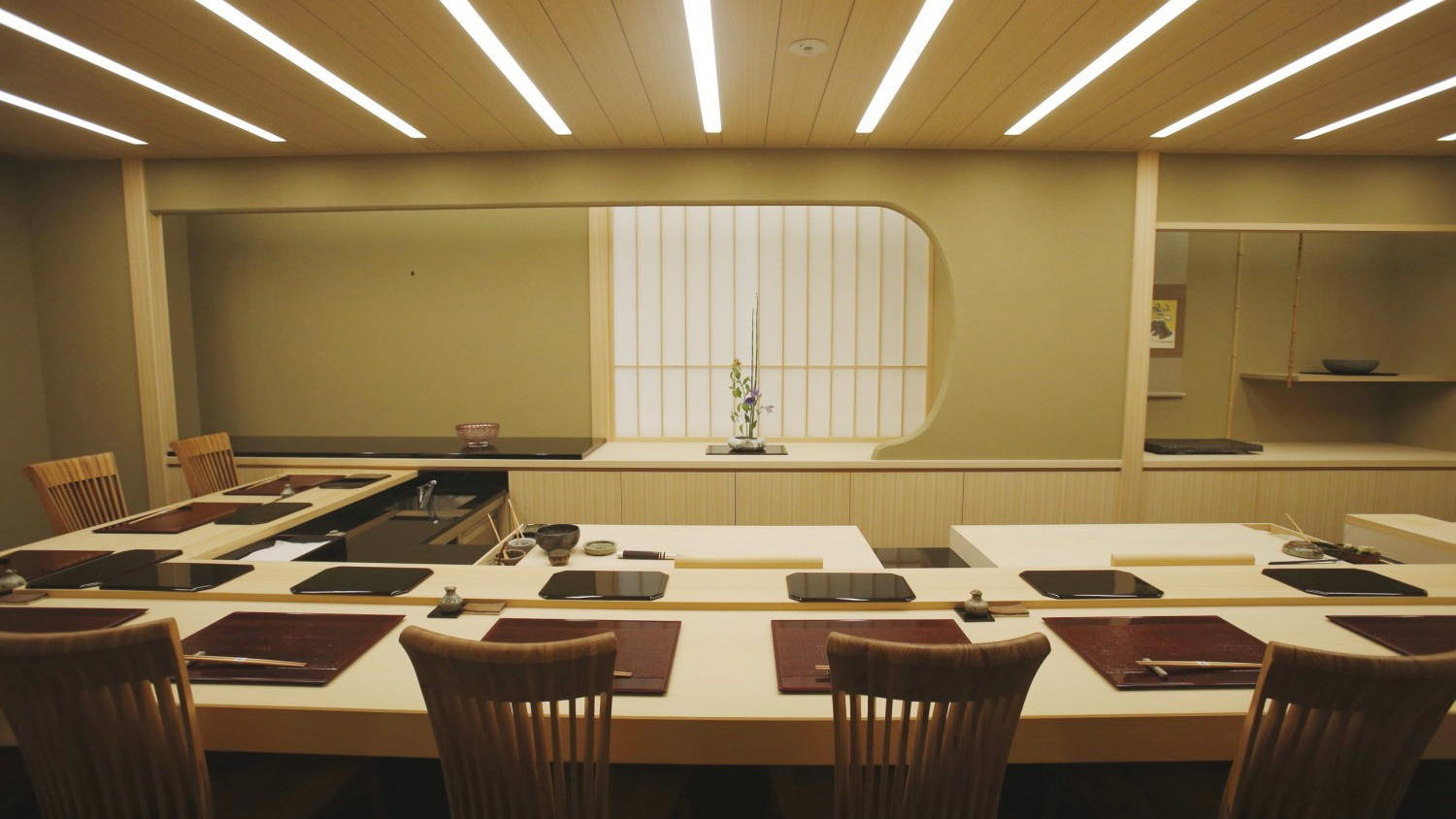
A small, traditional Japanese confectionery shop with a simple, no-frills interior focused on takeaway service, evoking an old-school Edo-era atmosphere rather than a sit-down café.