
Ginza’s sweet shops are part of the district’s daytime rhythm: gifts, train-ride purchases, office calls, and small counterpoint pleasures between larger meals. Ginza Kanra Ginza honten belongs to that tradition with Japanese sweets, daifuku, and dorayaki, backed by selection in Tabelog’s 2023 Tokyo 100 for Japanese traditional sweets and sweets cafes.
Pearl is the En Primeur Club membership app — saves, bookings, and concierge access live there. Same editors, same standards.
- Address
- 6 Chome-2-2 Ginza, Chuo City, Tokyo 104-0061, Japan
- Phone
- +81 3-3573-2225
- Website
- kanra.co.jp
 Saves & bookings on Pearl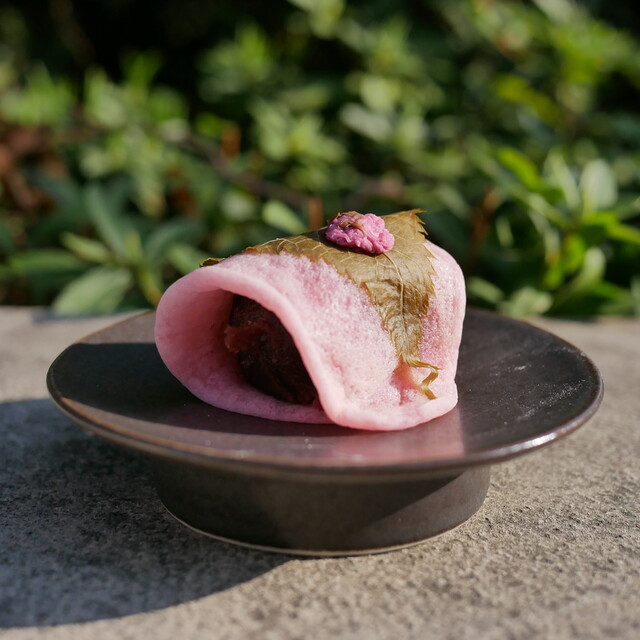
Corridor Street gives Ginza a different register from the department-store avenues: less ceremonial, more useful, with shoppers, office workers, and theatre-bound pedestrians moving between counters rather than settling in for long meals. In that setting, Japanese sweets work as social currency as much as dessert. A box can say thanks, mark a visit, or soften a business call; a single piece can reset an afternoon without turning into a restaurant appointment.
That is the right lens for Ginza Kanra Ginza honten. This is not Tokyo’s high-stakes sushi economy, where counters such as Kiyota compete on seat scarcity, nor the expense-account end of Ginza dining represented by places like Ginza Kazen. It belongs to a more everyday but exacting category: wagashi and sweets cafe culture, where rice cake texture, bean paste balance, packaging discipline, and speed of service matter because the purchase often has another destination.
Ginza's sweets culture is built for carrying, gifting, and quick decisions
Tokyo’s serious food culture is not confined to long tasting menus. Wagashi shops ask for a different kind of precision: consistent small-format production, clear seasonal cues when offered, and front-of-house pacing that can handle customers who know exactly what they want as well as visitors translating the category for the first time. Ginza’s retail geography sharpens that pressure. The neighbourhood rewards places that can serve as both a planned stop and an opportunistic purchase between appointments.
Ginza Kanra Ginza honten’s listed categories, Japanese traditional sweets, daifuku, and dorayaki, put it in a lane that is easy to misunderstand from abroad. Daifuku is not merely “mochi with filling”; at its better end, the pleasure lies in proportion, pliability, and how the sweetness sits against tea or coffee. Dorayaki carries a different expectation, closer to a soft pancake sandwich, but the same rule applies: restraint reads better than excess. The shop’s take-out format suits the category. Wagashi often travels better as a gift or hotel-room purchase than as a plated dessert eaten under restaurant lighting.
The Tabelog 100 selection for Tokyo Japanese traditional sweets and sweets cafes in 2023 gives the shop a useful quality signal. Tabelog’s Hyakumeiten lists are category-specific rather than a single hierarchy across all dining, which matters here: a sweet shop should be judged against other wagashi specialists, not against omakase counters, curry rooms, or yakitori houses. A 3.70 Tabelog score in this category also points to sustained local approval in a market where small differences in texture and sweetness can drive repeat custom.
The service model matters as much as the sweets
The assigned story for many restaurants begins with a chef. In a Ginza wagashi shop, the more relevant team dynamic sits between production consistency and counter service. The craft has to be stable before the customer arrives; the front counter then does the editorial work of guiding selection, packing cleanly, and moving the queue without turning a gift purchase into a drawn-out consultation. That collaboration is quieter than a chef-sommelier dining room, but it is central to why the format works in Tokyo.
This distinction also explains why Ginza sweets shops can be more useful to travellers than another formal reservation. A visitor can use them around a lunch at DELHI Ginza ten, a later dinner elsewhere, or an afternoon spent moving between galleries and retail floors. The purchase does not demand a full itinerary reset. For readers building a wider Tokyo food map, it pairs naturally with broader EP Club coverage such as Our full Tokyo restaurants guide, while hotel planning sits separately in Our full Tokyo hotels guide.
Ginza Kanra Ginza honten should also be read against Tokyo’s range rather than treated as a standalone trophy stop. Akihabara’s casual grill culture, represented in the guide by . 鮪と炭火焼き うお炭 秋葉原店, has a different energy from Shinjuku’s compact dining rooms such as 12/10 Shinjuku ten. Kagurazaka’s skewers at 124. KAGURAZAKA (Yakitori), the graphic cafe theatre of 2D Cafe, and the curry focus at 3 Chome no Curry Ya San all show how Tokyo rewards narrow formats executed with discipline. Wagashi belongs in that same city logic.
How to place it in a Tokyo itinerary
The strongest use case is a daytime Ginza stop built around errands, retail, or a meal elsewhere, not a full evening plan. The shop is listed as reservation-unavailable, which fits the counter-service logic of the category. It is also non-smoking, with card and major electronic-money payment options listed, while QR code payment is not listed. That combination makes it practical for travellers who want a controlled, low-commitment sweets purchase in a district where many dining decisions require more advance structure.
For a broader Japan itinerary, this kind of stop also helps balance regional meals with smaller-format food culture. EP Club’s restaurant coverage ranges from -Grilled beef Sukiyaki- KAMAKURA TANUKIAN 鎌倉 たぬき庵 in Kamakura to.cafe in Osaka.know in Kumamoto, (Shoku) Vietnam in Kawasaki, [Curry Senmon Ten] Maruyama Kyoju. in Sapporo, and [ki:] in Kyoto. Outside Japan, the same interest in focused casual formats appears in places such as Jōdo Saké Bar in Los Angeles and Onigiri Time in Pasadena.
The wider city guide can then fill in the rest of the day: Our full Tokyo bars guide for evening drinking, Our full Tokyo wineries guide for wine-focused planning, and Our full Tokyo experiences guide for cultural scheduling beyond restaurants. The restaurant earns attention because it captures a Tokyo habit that visitors often under-plan: the precise, portable sweet, bought in minutes and judged later by how well it holds its place after the city has moved on.
Same-City Peers
Comparable venues for cuisine and category context.
| Venue | Cuisine | Price | Notes |
|---|---|---|---|
| Ginza Kanra Ginza hontenThis venue — the venue you are viewing | Japanese wagashi & daifuku shop | $ | Not listed |
| Uogashi Nihon-ichi (魚がし日本一) | Standing Sushi Bar | $ | Shibuya |
| Nihonbashi Nishikihorin Karintou senmonten | Traditional Japanese Karintou Specialty Shop | $ | Chiyoda |
| Japanese Spice Curry wacca | Japanese spice curry | $ | Chūō |
| Asada Ya | Traditional Japanese wagashi & daifuku shop | $ | Minato |
| 福田家 | Japanese Conveyor Belt Sushi | $ | Chiyoda |
Recognition history
Dated appearances from independent guides and award organizations, with the underlying list record or original source where available.
Tabelog 100 #39 · No. 39
Tabelog · Tabelog 100 - Japanese traditional sweets / Japanese sweets cafe - TOKYO - 2023


At a Glance
- Quiet
- Classic
- Cozy
- Solo
- Casual Hangout
- After Work
- Standalone
- Design Destination
- Local Sourcing
- Street Scene
Current opening hours
- Monday
- 10 AM–8 PM
- Tuesday
- 10 AM–8 PM
- Wednesday
- 10 AM–8 PM
- Thursday
- 10 AM–8 PM
- Friday
- 10 AM–8 PM
- Saturday
- 10 AM–7 PM
- Sunday
- 10 AM–7 PM
Hours can change for holidays and private events. Last verified .
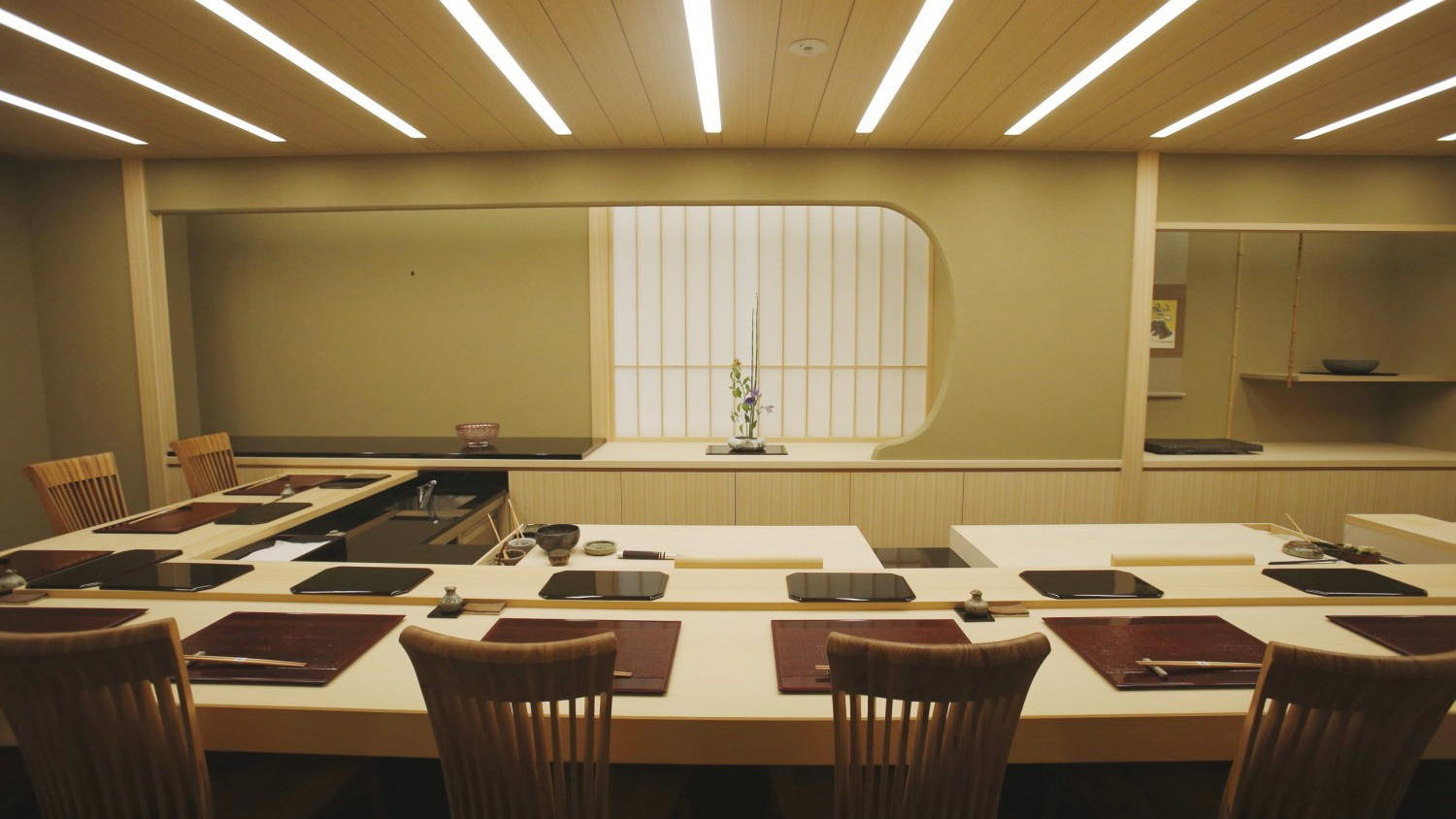
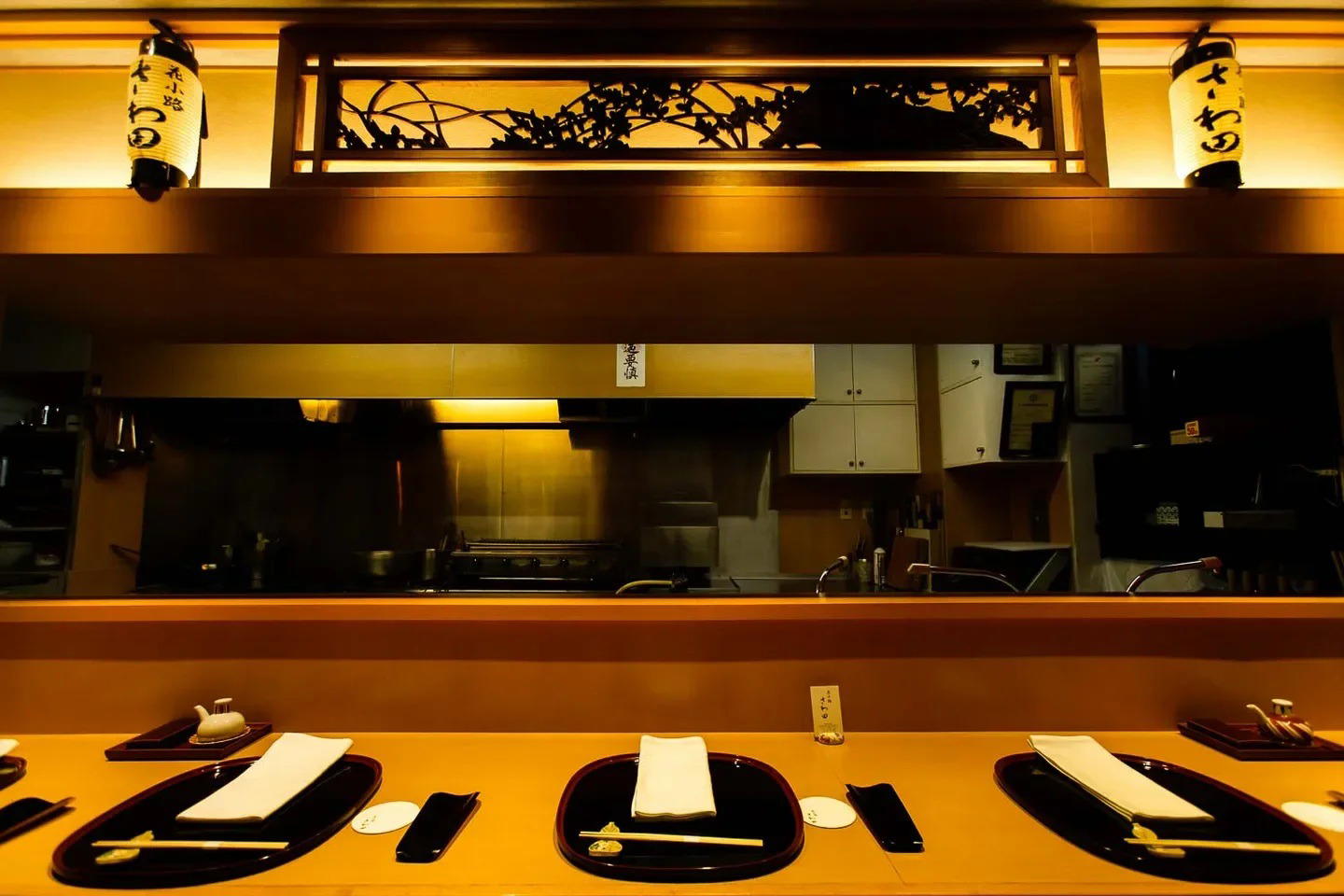
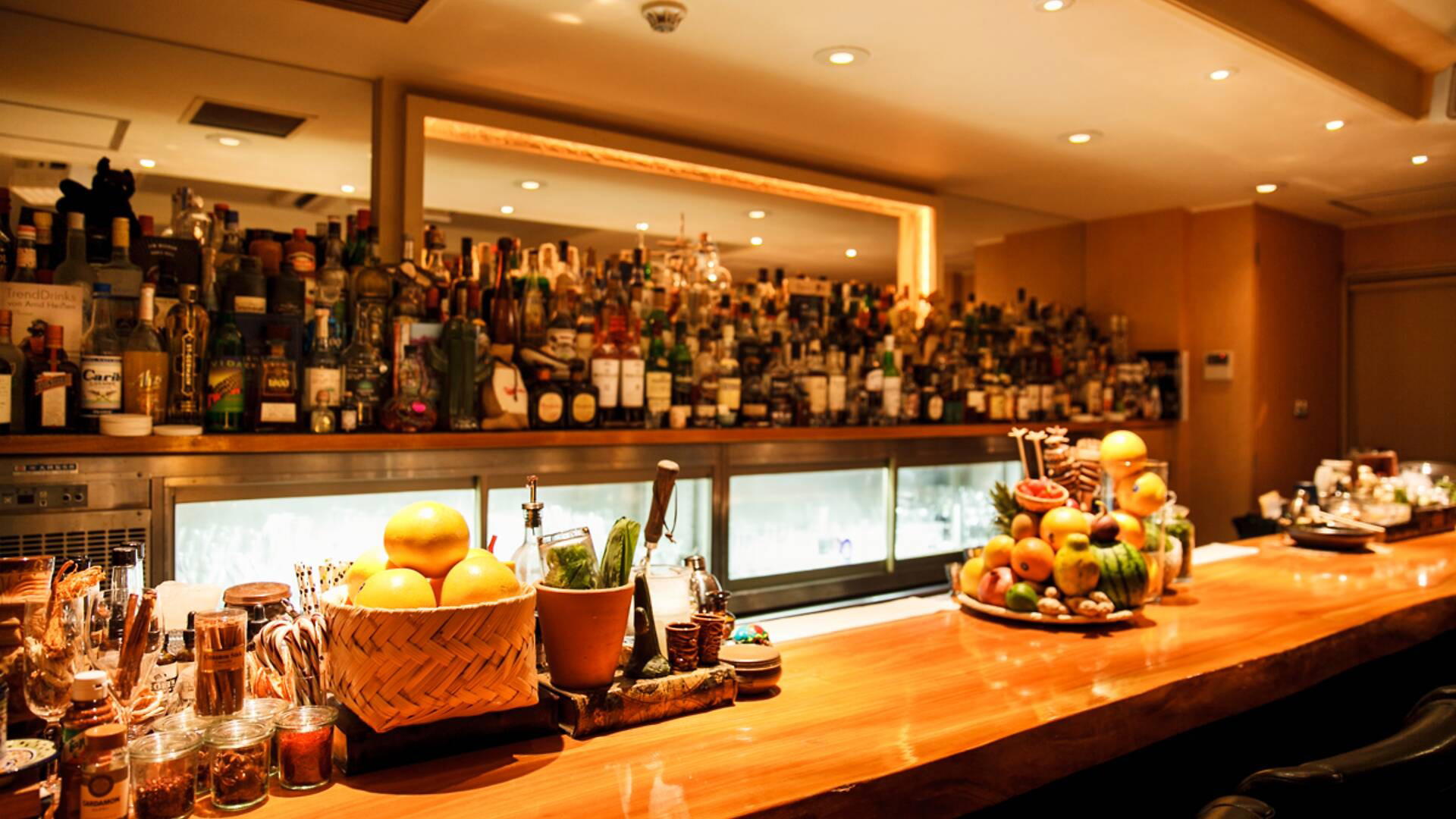
Calm and unpretentious with a simple, traditional wagashi-shop feel; bright display cases of sweets dominate the compact interior, creating a cozy, low-noise atmosphere more akin to a specialty confectionery than a sit-down café.