
A Michelin Plate-recognised omakase counter in Shinjuku's Arakicho neighbourhood, Sushi Teru serves structured set meals where the progression moves deliberately from delicate white-fleshed fish through tuna to richer conger eel. Named after the owner-chef's grandmother as a wish for longevity, the small counter operates with direct warmth at the ¥¥¥ price point, sitting a clear tier below Tokyo's top starred houses.
Pearl is the En Primeur Club membership app — saves, bookings, and concierge access live there. Same editors, same standards.
- Address
- 7 Arakicho, Shinjuku City, Tokyo 160-0007, Japan
- Phone
- +81 3-5379-8138
- Website
- arakicho.com
- Directions
- Get directions
 Saves & bookings on Pearl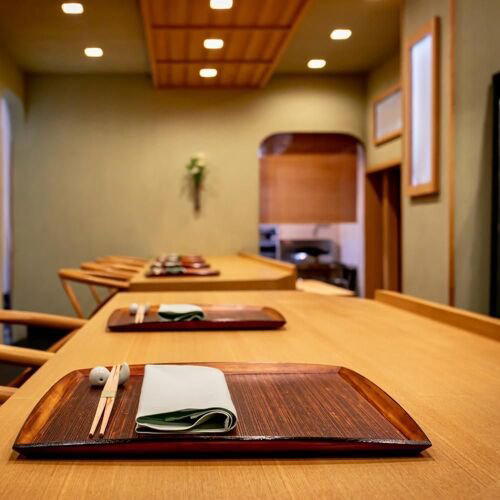
Arakicho and the Omakase Counter at the Accessible End of Serious
Tokyo's omakase ecosystem has stratified sharply over the past decade. At the apex sit the multi-starred counters in Ginza and Azabu, venues like Harutaka, Sukiyabashi Jiro Roppongiten, and Sushi Kanesaka, where a single seat can represent a months-long booking effort and a bill that runs well into the five-figure yen range. Below that tier, a quieter category operates, counters earning Michelin recognition without the starred overhead, often in residential or transitional neighbourhoods where the room is smaller, the prices are calibrated differently, and the cooking is no less disciplined. Sushi Teru in Arakicho sits squarely in that second group. It is an Edomae Sushi Omakase restaurant in Tokyo's Shinjuku City, priced at about ¥150 per person.
Arakicho occupies a compact corner of Shinjuku Ward that carries a distinctly different register from Shinjuku's main entertainment corridors. The area has historically drawn small izakayas, specialist counters, and owner-operated rooms, the kind of neighbourhood where serious cooking survives on repeat local custom rather than tourist volume. That context matters when reading what Sushi Teru is: a carefully run omakase operation earning consistent Michelin Plate recognition in both 2024 and 2025, in a spot that rewards the effort of finding it.
The Structure of the Meal: Edomae Logic at Work
The Edomae tradition, Tokyo-style sushi rooted in seasonal Tokyo Bay fish, curing techniques, and the specific use of aged rice vinegar and warm shari, has always been as much about sequence as about individual pieces. The meal at Sushi Teru follows this logic with deliberate clarity: lighter white-fleshed fish first, moving through tuna, and finishing with the weightier, more intensely flavoured conger eel. This is not arbitrary ordering. It mirrors the way a skilled counter chef manages the palate across a sitting, building cumulative richness rather than front-loading the prized fish. Venues like Edomae Sushi Hanabusa represent the same lineage of structural thinking, where the meal's architecture is itself a form of technique.
The broader omakase format globally, whether at Sushi Shikon in Hong Kong or Shoukouwa in Singapore, has increasingly imported the Edomae sequencing principle as the export format for Japanese sushi. What distinguishes a counter like Sushi Teru is that it applies this structure without the self-consciousness of an export operation. The meal is the tradition, not a demonstration of it.
Snacks preceding the sushi run to honest, direct preparations: seafood sashimi and grilled items rather than elaborate amuse-bouche courses. This restraint is a coherent editorial decision. In counters that lean toward the theatrical, pre-sushi courses can crowd the palate before the principal sequence begins. Here, the snacks function as preparation rather than performance.
Local Product, Classical Method
The intersection of indigenous Japanese product and classical Edomae technique is exactly what the Michelin Guide's Plate designation is built to recognise: sound cooking, clear identity, honest execution. Gizzard shad, kohada, is the test piece at many Edomae counters. It requires precise curing to balance its oiliness and natural acidity, and the vinegar-salt treatment must be timed specifically to the fish's size and season.
Tokyo's dining culture distributes technical seriousness across a wider range of physical formats and price points than almost any other city. Hiroo Ishizaka represents another example of specialist precision operating outside the headline tier. The city's broader food culture, explored fully in, rewards the visitor who understands that Michelin's starred and plate-level categories are equally credible, just differently positioned.
The Room and the Owner-Chef
The room signals its character before you sit down: a brightly plastered wall visible from the alley, followed by a cheerful welcome from the owner-chef who runs the counter. Small counter operations in Tokyo tend to project the personality of the person behind the fish. The name the restaurant refers to the owner-chef's grandmother, chosen as a wish for longevity, since she remained hale and healthy. This isn't sentiment for its own sake; naming conventions in Japanese restaurants often carry specific cultural weight, and a longevity name is a declaration of intent about how the venue sees itself: built to last through consistency, not built for a moment.
The owner-operated counter format, at the ¥¥¥ price tier, occupies a middle space in Tokyo's omakase spectrum. It sits below the allocation-list seriousness of ¥¥¥¥ operations and above the conveyor-belt and standing-sushi formats. For the visitor willing to engage with the booking process and find their way to Arakicho at 7 Arakicho, Shinjuku City, the format delivers structured Edomae sushi in a context that feels local rather than showcased.
Placing Sushi Teru in the Tokyo Dining Picture
Understanding the restaurant requires understanding its competitive tier. The ¥¥¥ omakase counter in Tokyo competes on consistency, sequence discipline, and the owner-chef relationship, not on luxury room design or headline chef biography. Against that comparable set, Michelin Plate recognition across consecutive years is a meaningful signal. The Guide's 2024 and 2025 Plates confirm what a 4.7 rating across 67 reviews suggests at ground level: a counter that delivers reliably against its own stated format.
Planning Your Visit
The restaurant operates on an omakase-only format in Arakicho, Shinjuku Ward, at the ¥¥¥ price tier. The venue has received Michelin Plate recognition in both 2024 and 2025. It holds. The restaurant is open Monday through Saturday from 5 to 11 p.m. and is closed on Sunday. Reservations are essential. The address is 7 Arakicho, Shinjuku City, Tokyo 160-0007.
Booking and Cost Snapshot
Comparable venues nearby, for context on price, style, and recognition.
| Venue | Cuisine | Price | Awards | Notes |
|---|---|---|---|---|
| Sushi TeruThis venue — the venue you are viewing | Shinjuku, Edomae Sushi Omakase | $$$ | Michelin Plate | Not listed |
| Tempura Nakagawa | Chūō, Edomae Tempura | $$$ | Michelin Plate | Not listed |
| Aoyama Ototo | Not listed | $$$ | Michelin Plate | Shibuya, Seasonal Japanese Kaiseki with Charcoal-Grilled Seafood |
| Kyuu | Not listed | $$$ | Michelin Plate | Minato, Modern Japanese Omakase and Robatayaki |
| Sushi Marufuku | Suginami, Aged Sushi Omakase | $$$ | Michelin Plate | Not listed |
| Kushiage Ryori Kawata | Minato, Modern Kushiage Omakase | $$$ | Michelin Plate | Not listed |
Recognition history
Dated appearances from independent guides and award organizations, with the underlying list record or original source where available.
Michelin Plate
Michelin
Michelin Plate
Michelin
Michelin Plate
Michelin












At a Glance
- Intimate
- Elegant
- Cozy
- Business Dinner
- Special Occasion
- Date Night
- Chefs Counter
- Sake Program
Current opening hours
- Monday
- 5–11 p.m.
- Tuesday
- 5–11 p.m.
- Wednesday
- 5–11 p.m.
- Thursday
- 5–11 p.m.
- Friday
- 5–11 p.m.
- Saturday
- 5–11 p.m.
- Sunday
- Closed
Hours can change for holidays and private events. Last verified .
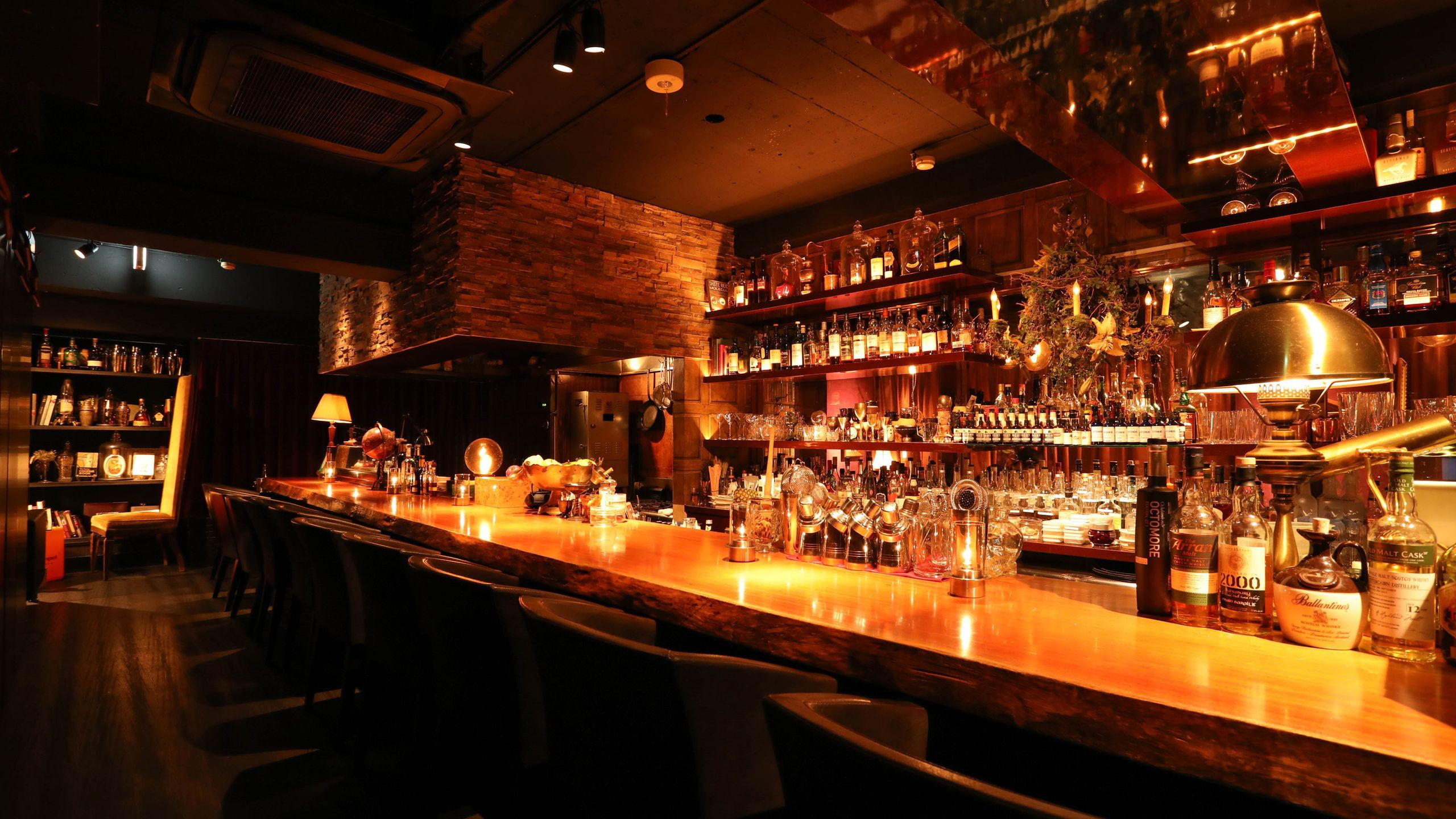
Relaxing and stylish space with counter seating in a quiet hideout location.