Hachikian Marutacho operates in the residential north of Kyoto's Sakyo-ku, away from the kaiseki corridors and lantern-lit alleys that define the city's international dining reputation. Its yakitori format, positioned well below the ¥¥¥¥ tier of Kyoto's formal restaurants, draws on the city's regional ingredient tradition while offering a counter-grill experience that fits the neighbourhood's everyday register.
 Discover on Pearl
Pearl is the En Primeur Club membership app — saves, bookings, and concierge access live there. Same editors, same standards.
Where Kyoto's Residential North Meets Yakitori Tradition
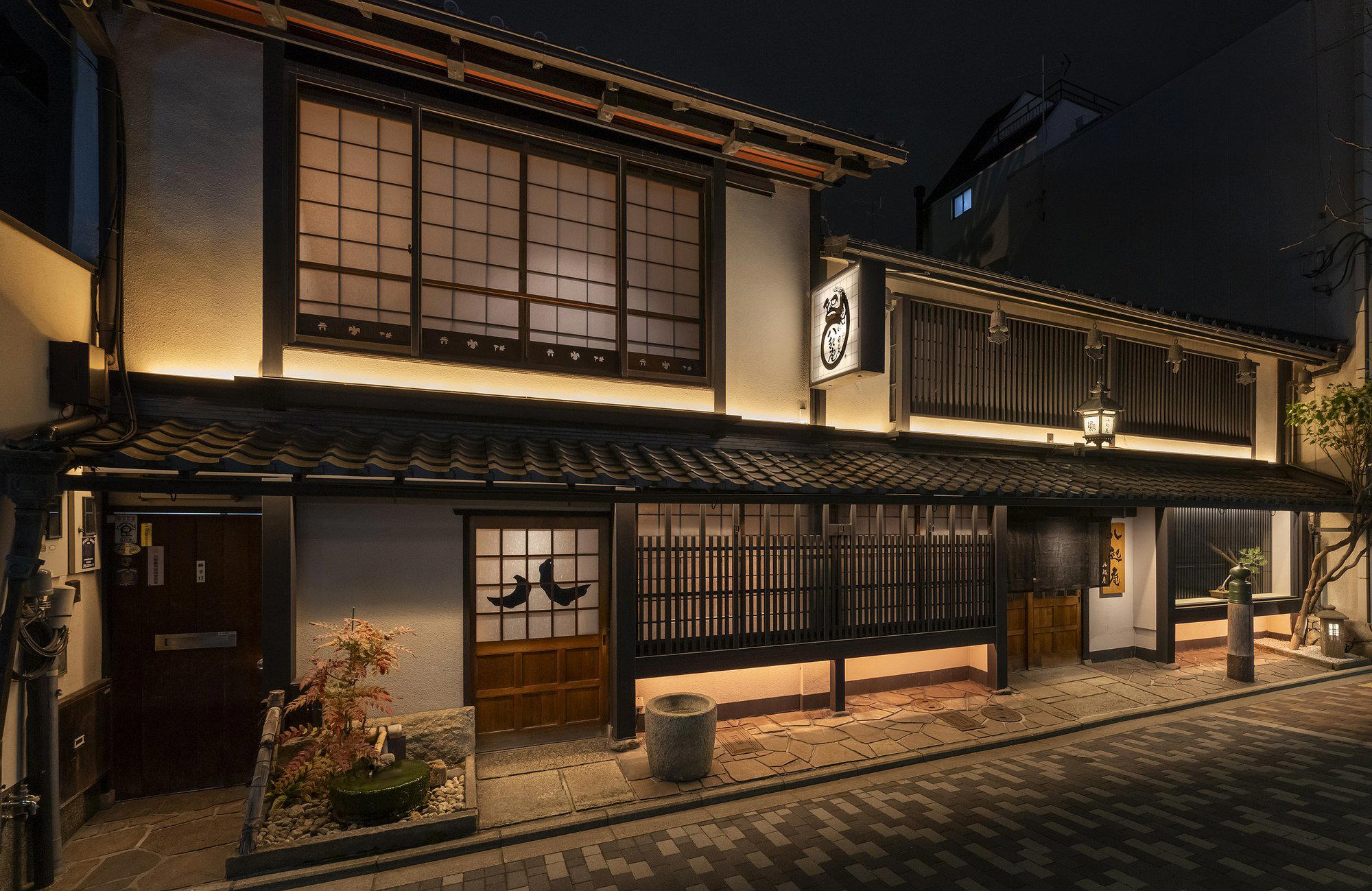
The stretch of Marutacho along the Kamo River's western bank is not the Kyoto that most visitors photograph. There are no temple gates here, no lantern-lit alleys engineered for the camera. What this part of Sakyo-ku offers instead is the working grain of the city: covered-bicycle parking outside modest townhouses, tofu shops that open at seven, neighbourhood restaurants where the same families have eaten for decades. Hachikian Marutacho sits squarely inside that residential register, occupying a position on Kawabata-dori that places it closer to the daily life of the city's north than to the polished kaiseki corridors of Higashiyama.
Yakitori in Kyoto occupies a different social register than it does in Tokyo. Where the capital's yakitori-ya culture is often tied to the salaryman izakaya circuit, loud, fast, beer-soaked, Kyoto's version has always been shaped by the city's appetite for restraint and ingredient specificity. The local preference for Tamba chicken, a free-range breed raised in the mountains to the city's northwest, runs through Kyoto's grilled-poultry tradition in the same way that Kamo eggplant or Kujo negi inflect the vegetable courses of a kaiseki meal. Hachikian operates inside that tradition, aligning with a Kyoto sensibility rather than the yakitori-ya mainstream.
The Physical Setting
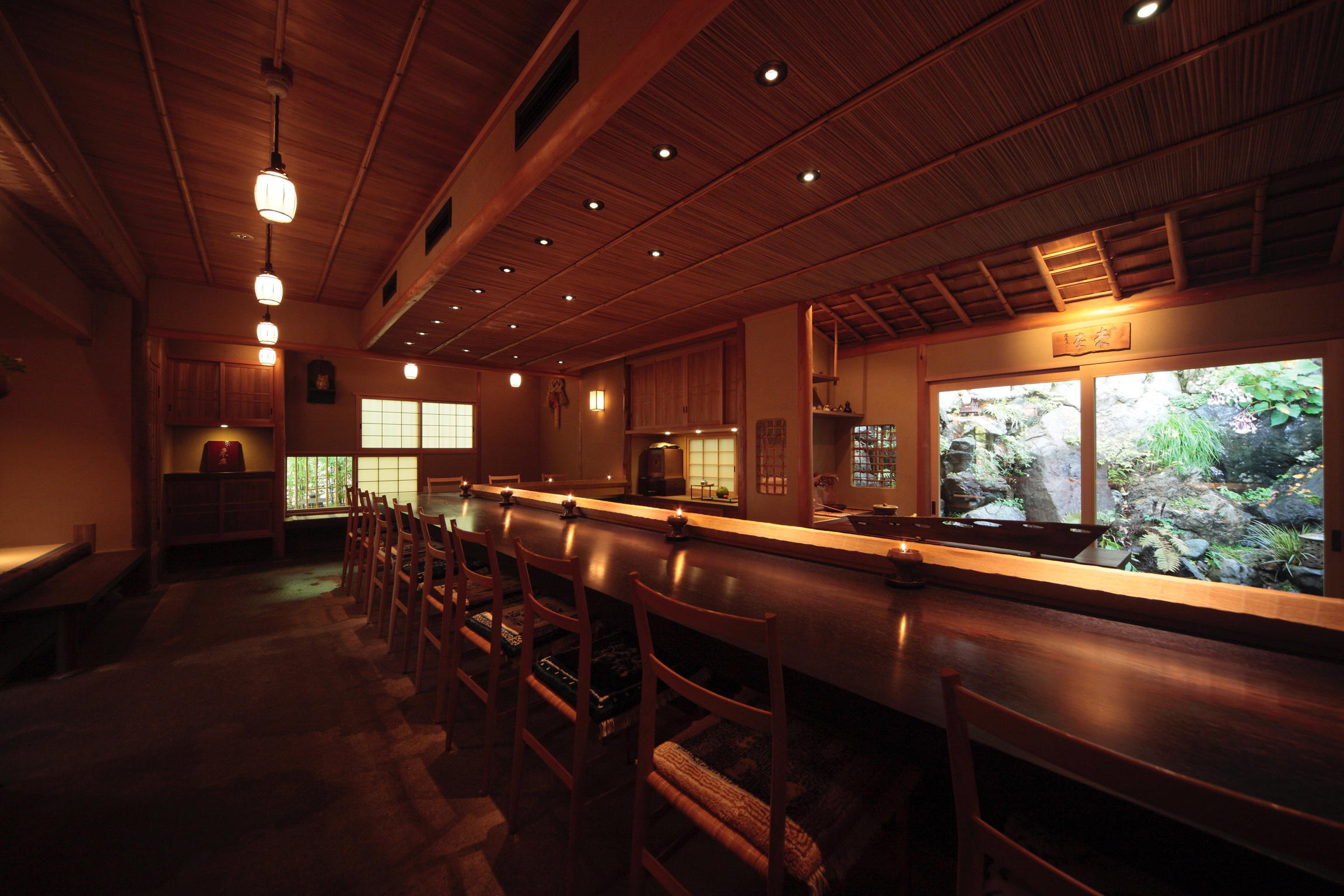
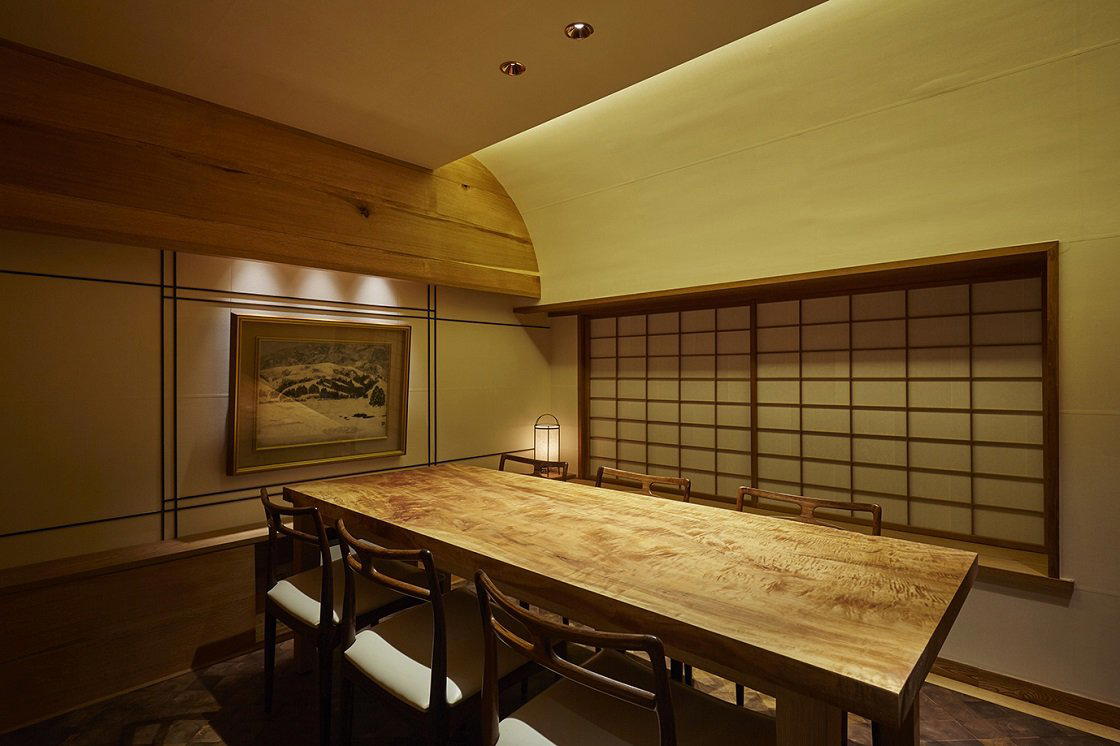
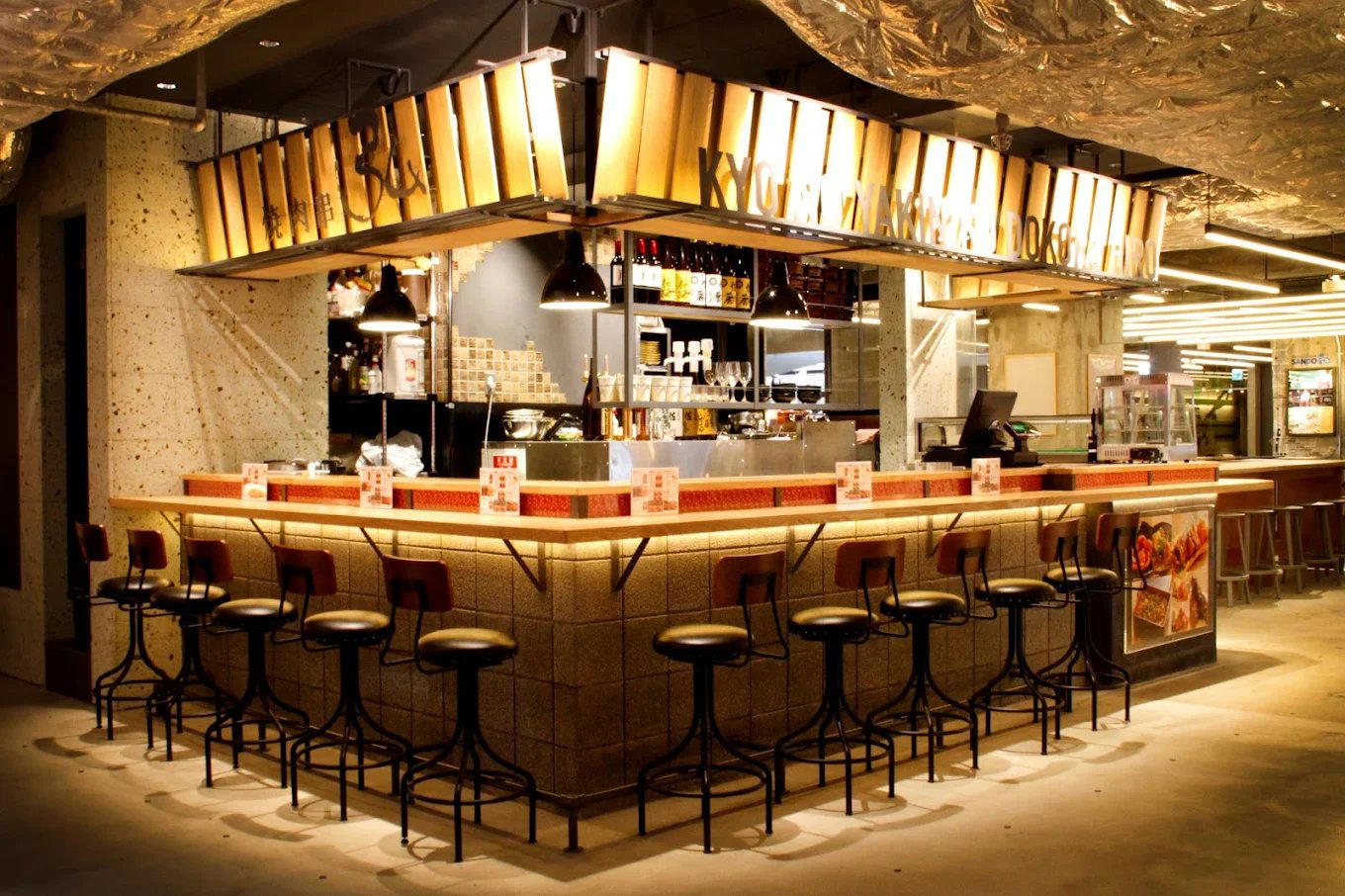
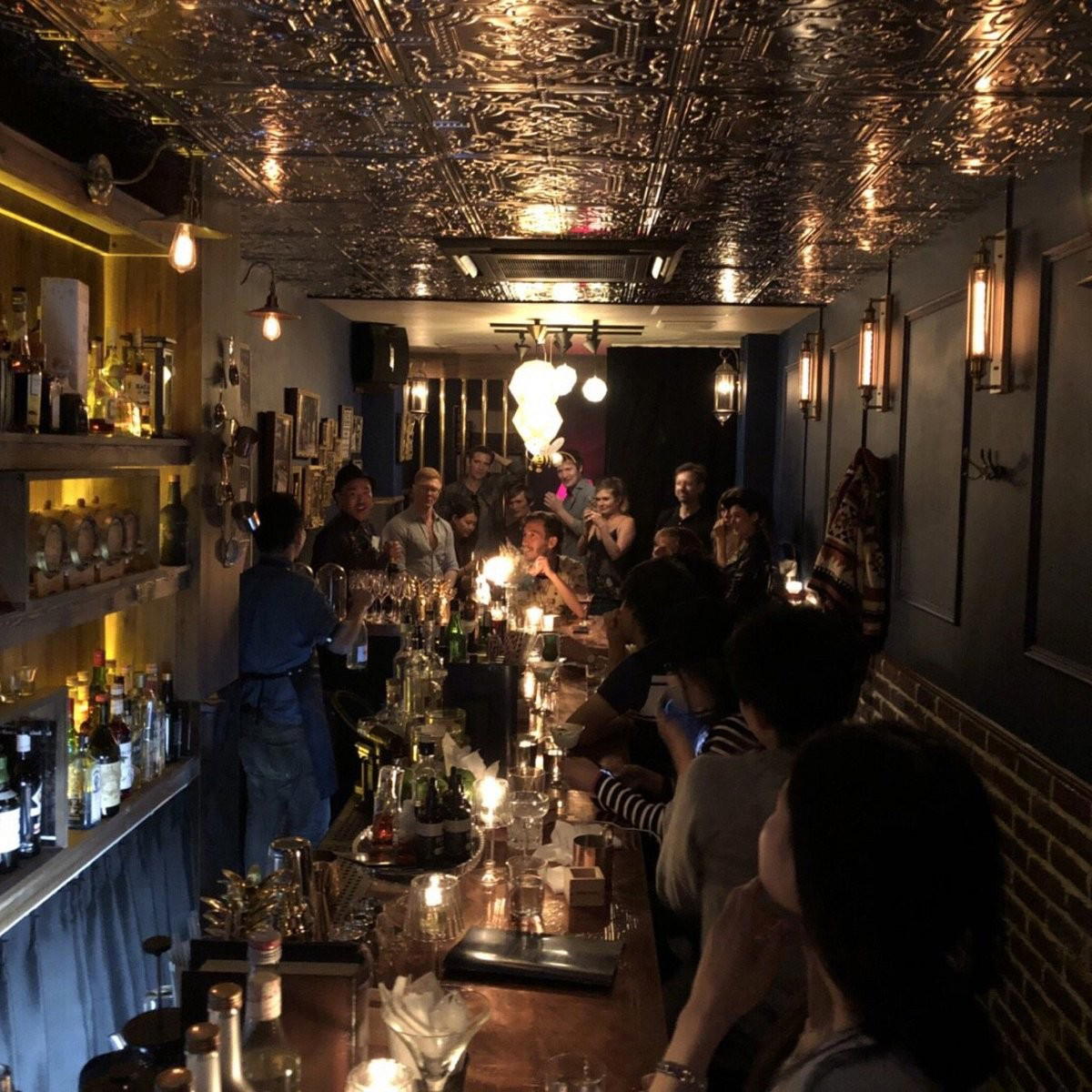
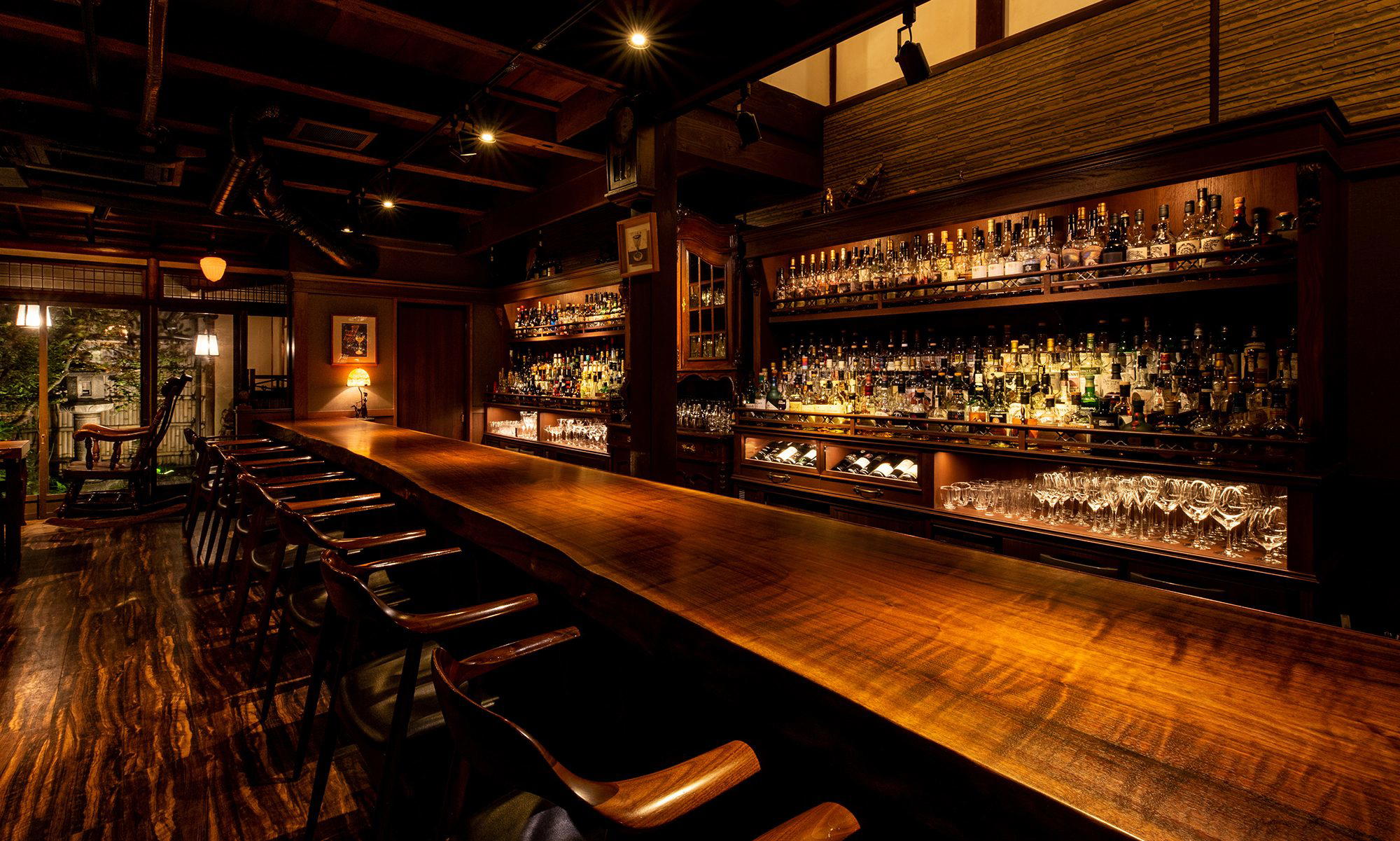
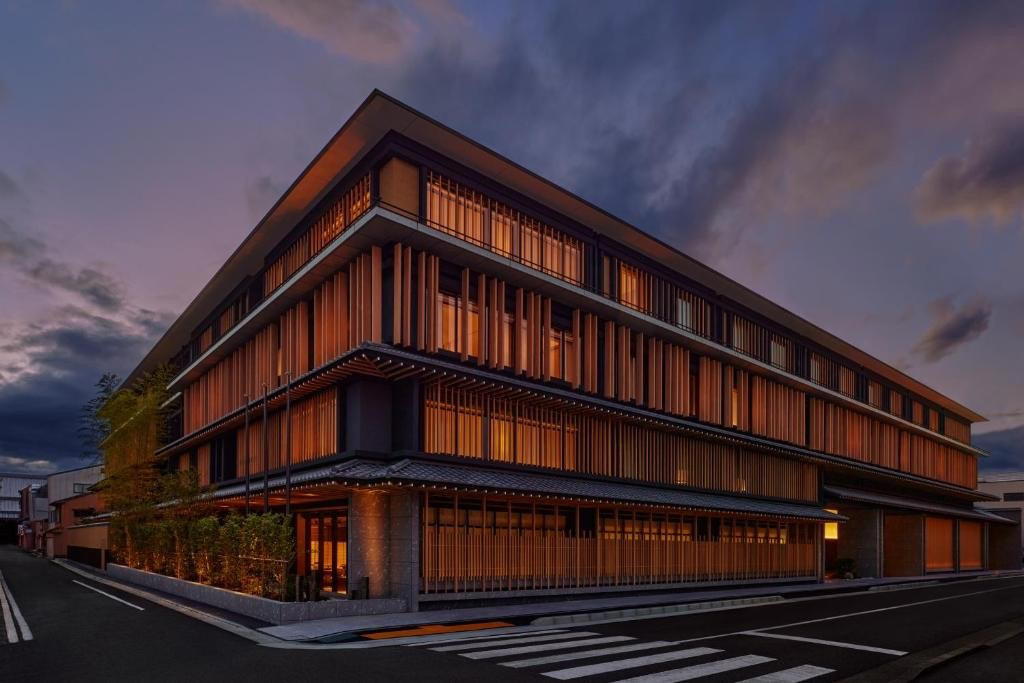
Approaching from the Kawabata-Marutacho intersection, the building reads as understated even by Kyoto standards. The exterior does not announce itself in the way that destination restaurants in Gion or Fuyacho tend to. There is no signage designed for passing tourists; the character is closer to a machiya restaurant that knows its regulars will find it. Inside, the format typical of Kyoto's mid-tier specialist restaurants applies: a counter that places guests close to the grill, and a room whose dimensions encourage attention to what is being cooked rather than to the performance of being seen.
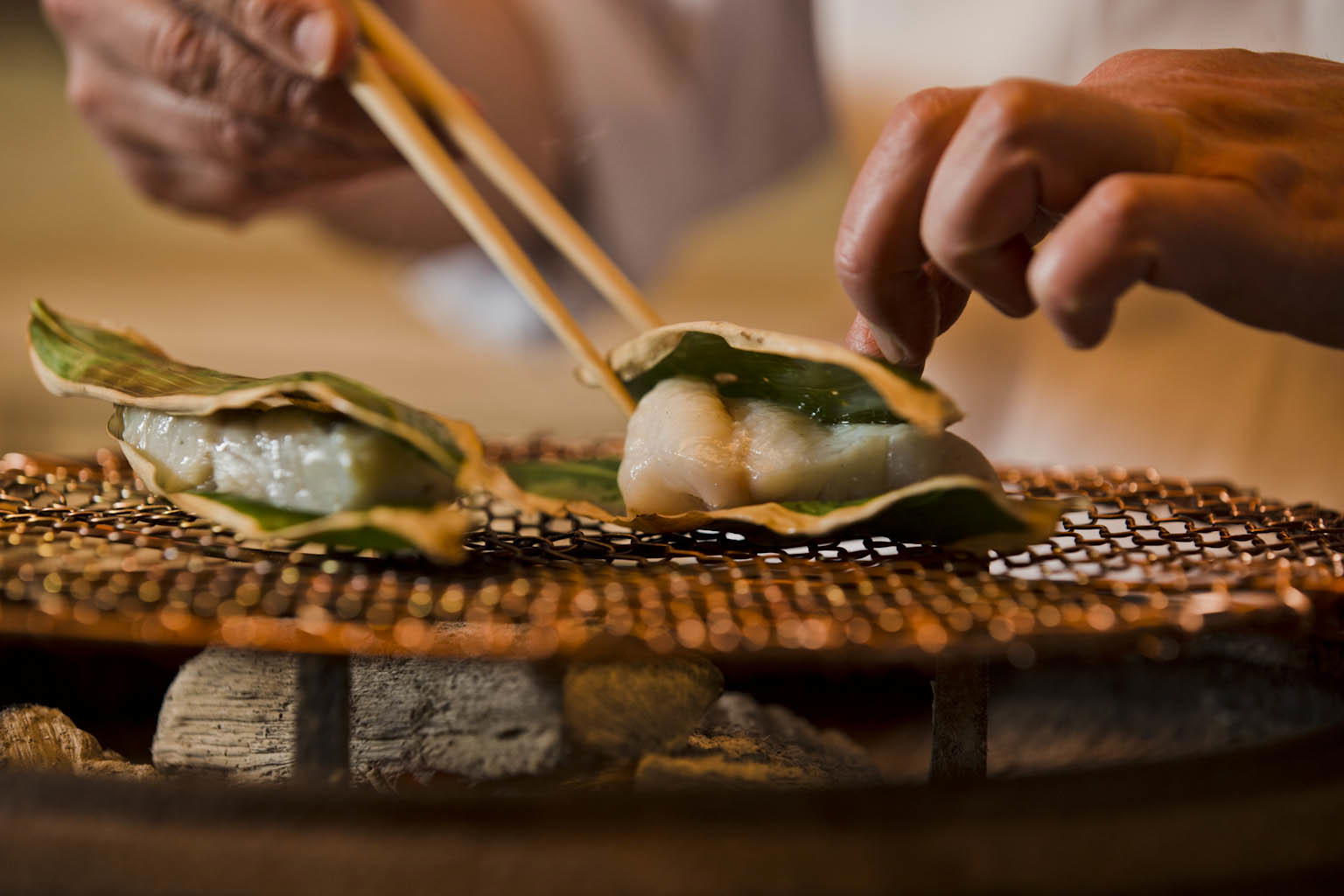
The smell of binchotan charcoal is one of the more specific sensory markers of serious yakitori. White oak charcoal from Wakayama prefecture burns at high heat with almost no smoke, producing a radiant, even surface temperature that separates it from the gas grills used at lower-tier operations. Kitchens that use it smell different from the moment you arrive, a clean, faintly mineral warmth rather than the acrid hint of gas combustion. That distinction, invisible in a menu description, communicates immediately to anyone who has eaten their way through Japan's grilled-food spectrum.
Yakitori in a City of Kaiseki
Kyoto's dining identity is so thoroughly associated with kaiseki that the city's specialist restaurants in other registers tend to be underread by visitors with limited time. The kaiseki houses along Kiyamachi or in the machiya corridors of Nakagyo-ku carry the international attention: venues like Gion Sasaki, Hyotei, Kikunoi Honten, Mizai, and Isshisoden Nakamura represent the tier of formal Japanese cooking that draws visitors from outside Japan specifically to sit at those tables. That tier is real and worth the effort it requires.
But Kyoto's non-kaiseki specialists carry their own seriousness. Yakitori operations that source regionally and work with binchotan occupy a different price register, considerably lower than the ¥¥¥¥ tier of Kyoto kaiseki, while maintaining the ingredient precision that the city's food culture demands. Hachikian Marutacho positions itself in that gap: serious enough in its sourcing and technique to interest a food-literate visitor, accessible enough in its format and price tier that it can serve as an anchor in a broader Kyoto eating itinerary rather than functioning as the single major dinner reservation of a trip.
For comparison, Kyoto's kaiseki at the ¥¥¥¥ tier requires advance planning of weeks to months, particularly for international visitors who may need English-language booking assistance. Yakitori specialists in the mid-tier operate on a different rhythm entirely, with walk-in culture more established and the overall commitment, in time, cost, and formality, proportionally lower. That makes them valuable in a different way: they fill the meals around the formal bookings, and they tend to be where a city's residents actually eat.
The Broader Japan Grilled-Food Context
Yakitori's standing in Japanese food culture has risen sharply over the past two decades. Venues in Tokyo and Osaka have accumulated Michelin recognition, moving the format's perception well beyond its izakaya roots. HAJIME in Osaka represents the opposite end of the formal dining spectrum in the Kansai region, while places like Goh in Fukuoka show how regional Japanese cities outside Kyoto and Tokyo are building their own serious dining identities. Even internationally, the influence of Japanese precision on grill-format restaurants shows up in recognised venues like Le Bernardin in New York City and Atomix in New York City, where the same emphasis on sourcing and technique over theatrical presentation has taken hold in different culinary languages. Within Japan, places like Harutaka in Tokyo illustrate how specialist counter dining at high precision operates in the capital, and smaller regional operations like those in Nanao, Sapporo, Takashima, and Nishikawa Machi demonstrate how Japan's food culture is distributed across its geography in ways that resist a Tokyo-centric reading. Closer to Kyoto, akordu in Nara shows how non-Japanese formats are finding serious footholds in the Kansai region's secondary cities. And outside the main restaurant categories, venues like Birdland in Sakai and Bistro Ange in Toyohashi indicate the depth of Japan's provincial food culture beyond the obvious urban centres.
Planning a Visit
Hachikian Marutacho sits at the address 左京区東丸太町8, at the Kawabata-Marutacho intersection in the city's Sakyo-ku district. The location is accessible from central Kyoto by bicycle, the neighbourhood infrastructure is built for it, or by bus from the main arteries. This is not a restaurant embedded in the tourist circuit, which means that timing a visit here fits most naturally into an evening when the heavier kaiseki or formal dining obligations of a Kyoto trip are already accounted for. Reservations are recommended.
Reputation First
Comparable venues nearby, for context on price, style, and recognition.
| Venue | Cuisine | Price | Awards | Notes |
|---|---|---|---|---|
| Hachikian Marutacho (八起庵 丸太町本店)This venue — the venue you are viewing | Traditional Kyoto Chicken Kaiseki | $$$ | , | |
| 食堂おがわ | Japanese Izakaya-Style Counter Dining | $$$ | , | 西木屋町 |
| 菊乃井 露庵 | Traditional Kaiseki Omakase | $$$ | , | Nakagyō |
| 前田 | Traditional Kyoto Saba Sushi | $$$ | , | Higashiyama |
| Sukiyaki Iroha Kita ten | Traditional Kyoto sukiyaki | $$$ | , | Nakagyō |
| 和食晴ル | Kyoto Kappo Izakaya | $$$ | , | Shinkyō-chō, Shimogyō-ku |

At a Glance
- Classic
- Elegant
- Intimate
- Cozy
- Special Occasion
- Business Dinner
- Historic Building
- Sake Program
- Local Sourcing
Elegant and traditional atmosphere in a 126-year-old machiya townhouse with attentive service.