
A Pontocho sukiyaki address for readers who care about Kyoto’s dining rituals as much as its famous temples. Sukiyaki Iroha Kita ten sits in the city’s hot-pot tradition, with Tabelog 100 Hot Pot 2024 recognition, private-room format, and a meal structure built around shared pacing rather than chef-counter performance.
Pearl is the En Primeur Club membership app — saves, bookings, and concierge access live there. Same editors, same standards.
- Address
- 京都府京都市中京区先斗町四条上ル鍋屋町215
- Phone
- +81752210403
- Website
- sukiyaki-iroha.com
 Saves & bookings on Pearl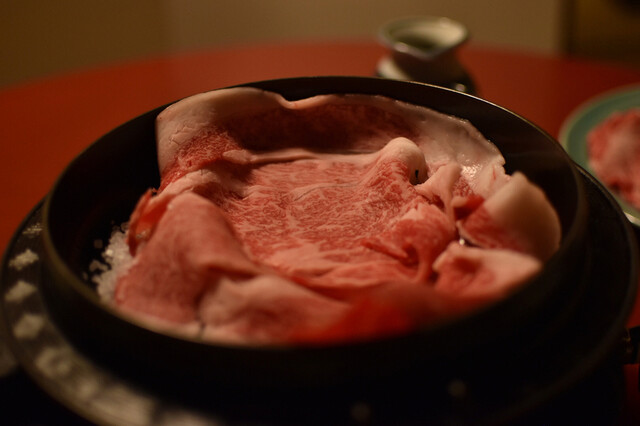
Pontocho changes character by the metre: lanterns, narrow entries, the pressure of the Kamo River nearby, then the quieter rhythm of rooms built for meals that unfold at table speed. Sukiyaki belongs naturally to this side of Kyoto. It is not a cuisine of quick turns or theatrical plating; it is a domestic ritual formalised for restaurant dining, with beef, warishita, vegetables, heat and timing doing the work. Sukiyaki Iroha Kita ten belongs in that tradition, less as a stage for novelty than as a place where the grammar of the meal remains legible.
Kyoto’s restaurant culture often rewards restraint, but sukiyaki asks for a different kind of attention. The diner watches the pan, the order of ingredients, the shift from first slices of beef to the vegetables and tofu that absorb the sauce. In a city where kaiseki and counter sushi can dominate luxury itineraries, a sukiyaki dinner reads as a slower, more social counterpoint. The recognition that matters here is category-specific: selection for Tabelog 100 Hot Pot 2024 places the restaurant within Japan’s serious sukiyaki and shabu-shabu conversation rather than the broader tourist-dining circuit.
Kyoto sukiyaki is a table ritual, not a tasting-menu race
The distinction matters because sukiyaki is often misunderstood by travellers as simply premium beef in a sweet soy broth. In practice, the appeal is sequence. Kansai-style sukiyaki has long placed emphasis on the pan as the centre of the meal, with seasoning, fat, vegetables and beef managed in view of the table. The pleasure is cumulative rather than episodic: each addition changes the next bite, and the meal makes more sense when approached as a shared progression.
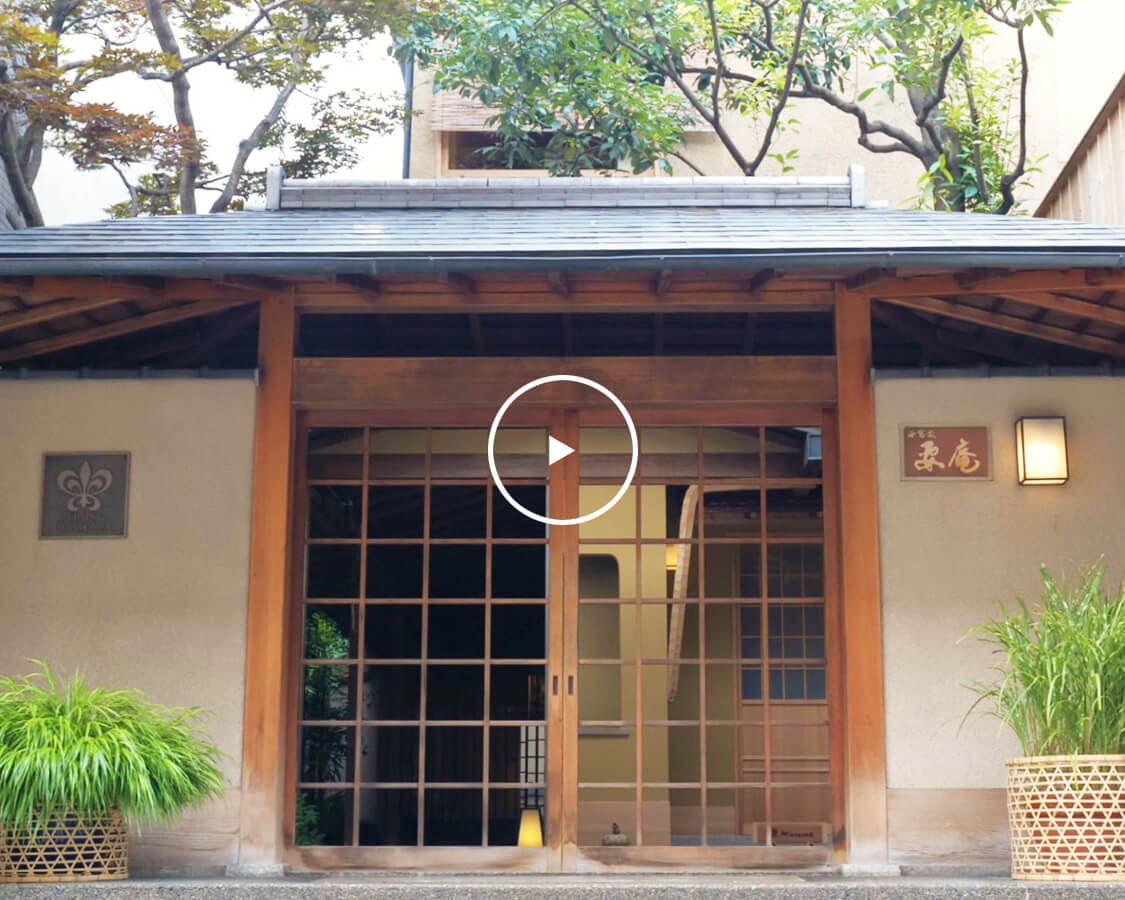
That pacing separates it from the city’s more exportable fine-dining formats. At a sushi counter, value often concentrates in sourcing, knife work and the chef’s tempo. At kaiseki rooms such as 菊乃井 露庵, the meal is tied to seasonality, course order and Kyoto’s formal culinary language. Sukiyaki sits elsewhere: less coded than kaiseki, more ceremonial than casual beef dining, and more dependent on the table’s collective patience than on a single plate. Within Pontocho and nearby Kiyamachi, that makes it a useful lens on Kyoto hospitality, where the room, the pace and the etiquette are part of the meal’s architecture.
The format also changes the social register. Tabelog lists private rooms for four people, tatami room elements, sunken seating and non-smoking service, which points to a dining mode built for conversation rather than spectacle. Children are welcomed, and the occasion tagging skews toward family and friends. That is not a minor operational detail; sukiyaki has always carried a household logic even when served in a restaurant, and the private-room structure keeps that logic intact.
Pontocho gives the meal its context
Pontocho can punish vague dining plans. Its lanes compress old Kyoto atmosphere and visitor demand into a small geography, and restaurants here often split between casual riverside energy, specialist counters and rooms that preserve older meal formats. A sukiyaki address in this neighbourhood gains from that tension. The approach is atmospheric, but the meal itself is controlled, seated and table-bound.
Sukiyaki Iroha Kita ten is 160 metres from Gion-Shijo Station, which makes it unusually easy to fold into an evening on the east side of central Kyoto. That proximity matters for travellers staying around Kawaramachi, Gion or the river; it avoids the long cross-town transfer that can make a formal dinner feel over-planned. Parking is unavailable, which is normal for this part of the city and another reason rail or taxi access is the sensible default.
Nearby comparisons clarify the choice. Pontocho Sushi Ishiya serves a different appetite, one centred on sushi and a lighter price tier. Isoyama keeps the conversation in Japanese dining but not in the same sukiyaki ritual. Niku Ryori Arakawa, priced higher, belongs to a beef-led bracket where meat itself becomes the main comparison point. Here, the stronger argument is not simply beef quality; it is the preservation of a hot-pot format that gives Kyoto dinner a slower, more domestic shape.
Where it fits in a Kyoto dining itinerary
A Kyoto trip can become overbalanced toward tasting menus and temple-adjacent lunches. Sukiyaki is the corrective: warm, structured, social and easier to read without specialist vocabulary. It works particularly well after a day that has already demanded cultural concentration. The table does not ask the diner to decode a dozen seasonal references; it asks for attention to heat, sauce, timing and shared pace.
For travellers building a broader Kyoto food map, the contrast is useful. 3TOKU6MI Shijo karasuma ten and Abbesses speak to other sides of the city’s dining range, while 551蓬莱 and Aburi Mochi Honke Nemoto Kazariya sit closer to the snack and sweets logic that punctuates Kyoto days. [ki:] offers another contemporary reference point. The broader city edit belongs in Our full Kyoto restaurants guide, with adjacent planning in Our full Kyoto hotels guide, Our full Kyoto bars guide, Our full Kyoto wineries guide and Our full Kyoto experiences guide.
For a national view of Japanese dining styles beyond Kyoto, compare the category drift: -Grilled beef Sukiyaki- KAMAKURA TANUKIAN 鎌倉 たぬき庵 in Kamakura frames sukiyaki through another city, while. 鮪と炭火焼き うお炭 秋葉原店 in Tokyo.cafe in Osaka.know in Kumamoto, (Shoku) Vietnam in Kawasaki, [Curry Senmon Ten] Maruyama Kyoju. in Sapporo, Jōdo Saké Bar in Los Angeles and Onigiri Time in Pasadena show how specific formats travel, adapt or stay rooted.
The critical case for Sukiyaki Iroha Kita ten is therefore precise. It is not the choice for diners chasing a chef biography or a procession of named signature dishes. It is the choice for understanding how Kyoto can turn a shared hot pot into a measured evening: category recognition, Pontocho setting, private-room suitability and a format that rewards diners who let the meal move at its own pace.
What It’s Closest To
Comparable venues by cuisine and price in the same metro.
| Venue | Cuisine | Price | Notes |
|---|---|---|---|
| Sukiyaki Iroha Kita tenThis venue — the venue you are viewing | Traditional Kyoto sukiyaki | $$$ | Not listed |
| Pass The Baton | Japanese Shaved Ice Salon de Thé | $$$ | Gion |
| Morita Ya Kiya machi ten | Traditional Japanese Sukiyaki & Shabu-Shabu | $$$ | Nakagyō |
| Yakiniku Yamachan | Premium Wagyu Yakiniku with Japanese Fusion | $$$ | Nakagyo-ku |
| Manbei | Kyoto-Style Unagi Rice | $$$ | Nakagyō |
| Hachikian Marutamachi honten | Traditional Kyoto poultry and sukiyaki cuisine | $$$ | Sakyō |
Recognition history
Dated appearances from independent guides and award organizations, with the underlying list record or original source where available.
Tabelog 100 #11 · No. 11
Tabelog · Tabelog 100 - Hot Pot - 2024
Continue exploring
More in Kyoto
Restaurants in Kyoto
Browse all →
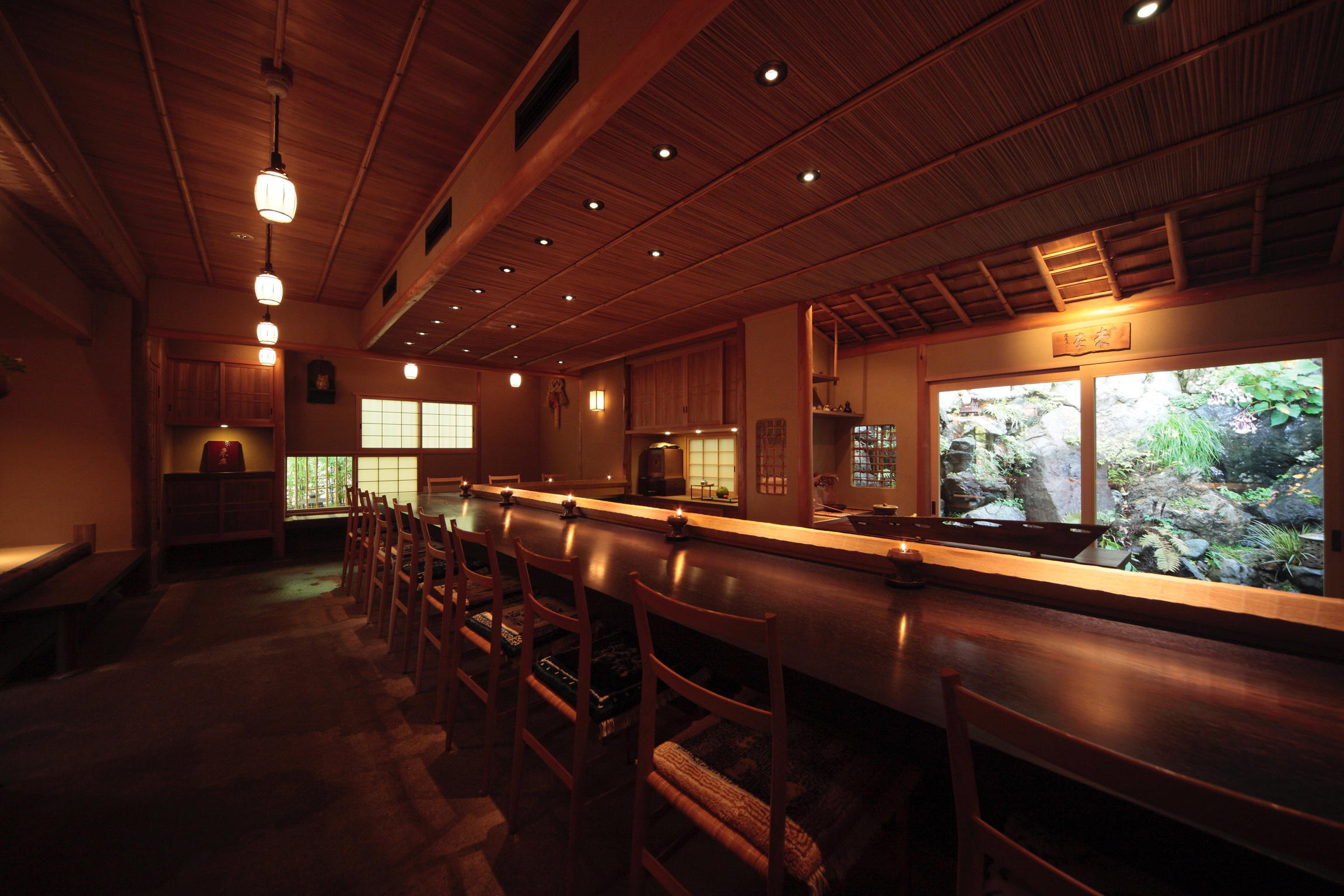
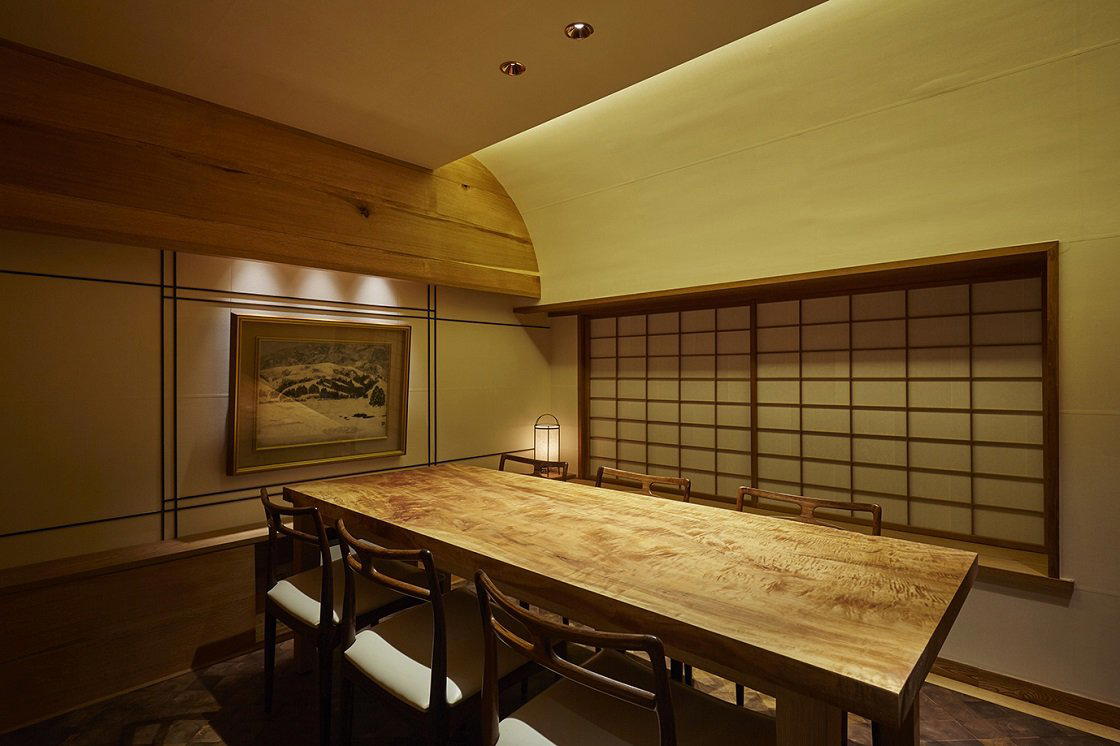
Bars in Kyoto
Browse all →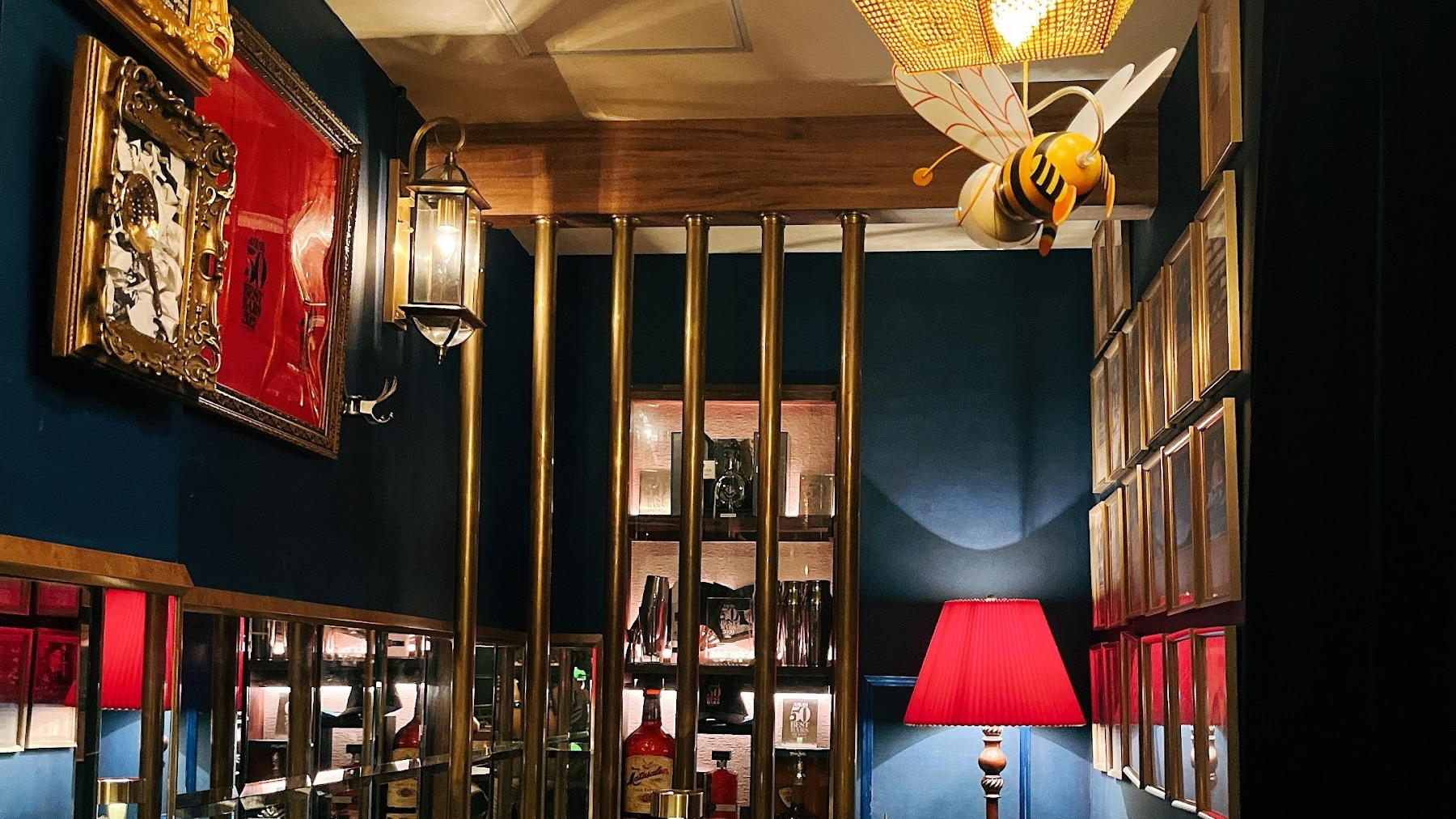
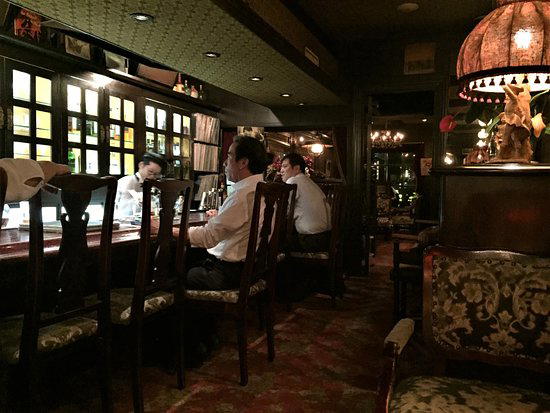
Hotels in Kyoto
Browse all →
Wineries in Kyoto
Browse all →
At a Glance
- Classic
- Cozy
- Romantic
- Intimate
- Scenic
- Well Known
- Date Night
- Business Dinner
- Group Dining
- Family
- Celebration
- Special Occasion
- Historic Building
- Private Dining
- Courtyard
- Standalone
- Design Destination
- Sake Program
- Street Scene
- Garden
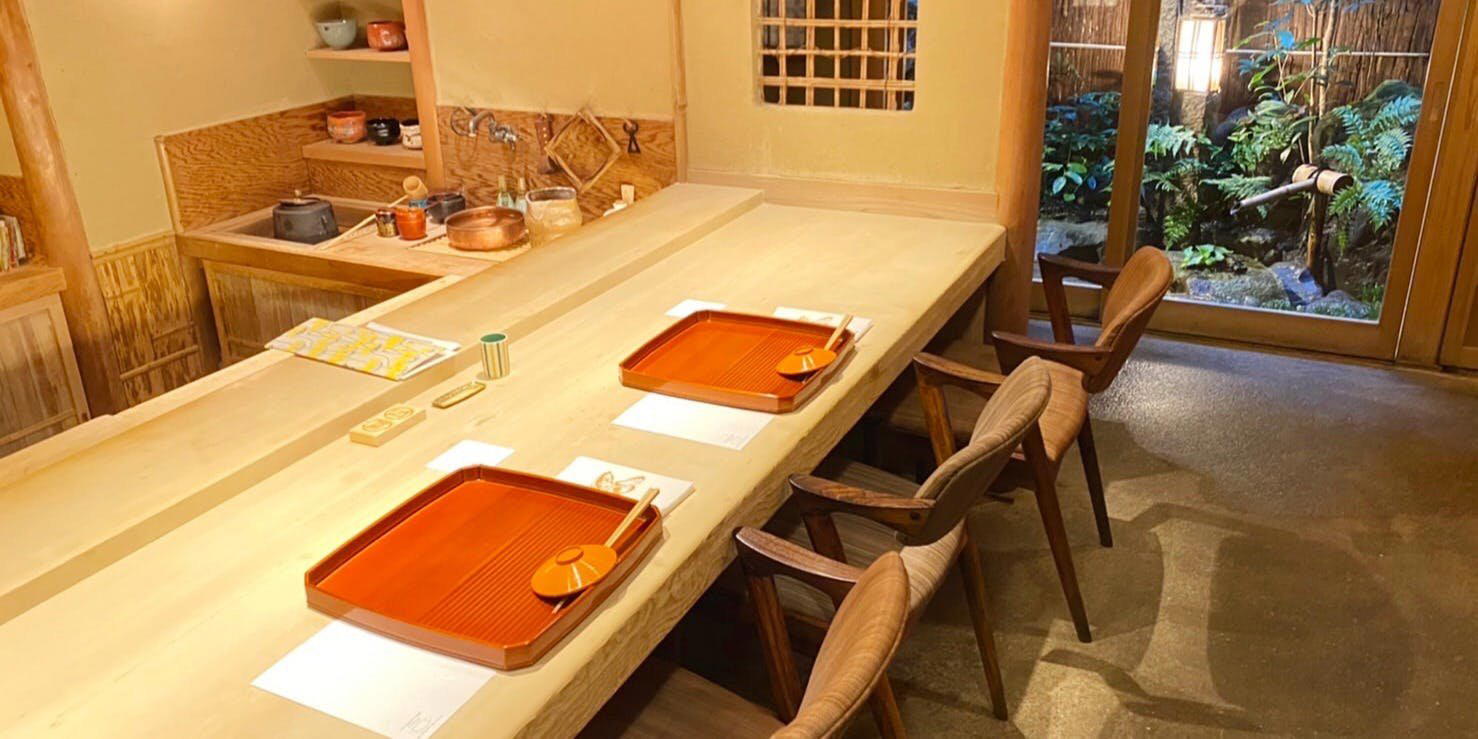
Traditional Kyoto oku-zashiki atmosphere in a late-Edo/Meiji-era teahouse, with tatami rooms, shoji, alcoves decorated with seasonal flowers, and a calm, intimate feel overlooking Pontocho and a small tsuboniwa courtyard.