Located on Gionmachi Minamigawa in Kyoto's Higashiyama Ward, åç° sits within one of Japan's most storied dining districts, where the density of serious kaiseki and traditional Japanese restaurants is higher than almost anywhere in the country.
 Discover on Pearl
Pearl is the En Primeur Club membership app — saves, bookings, and concierge access live there. Same editors, same standards.
- Address
- Japan, 〒605-0074 Kyoto, Higashiyama Ward, Gionmachi Minamigawa, 570-118 1F
- Phone
- +81755255577
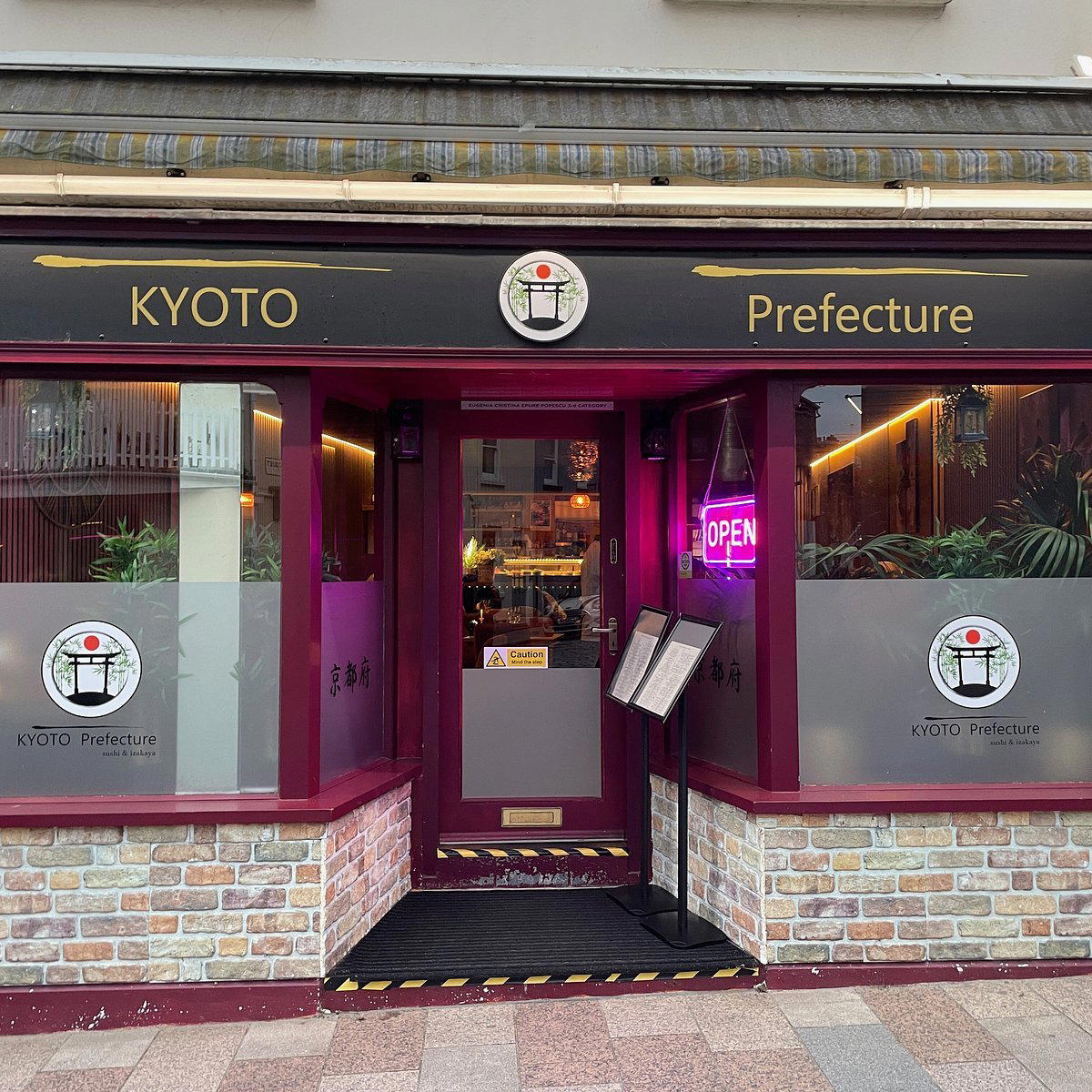
Gion's Quietest Block, Its Most Layered Address
The stretch of Gionmachi Minamigawa that runs south through Higashiyama Ward is not a street that rewards casual browsing. The machiya townhouses here are shuttered by design, their latticed facades offering almost no information to a passer-by. That opacity is itself a signal: in Gion, the absence of a sign, a menu board, or a visible price point is a form of credentialing. 前田 operates on those same terms, occupying a ground-floor space at 570-118 in a neighbourhood where the surrounding blocks contain some of the most formally structured dining in Japan.
Higashiyama Ward is the geographic anchor of Kyoto's traditional restaurant culture. The ward sits just east of the Kamo River and encompasses the approaches to Yasaka Shrine and Chion-in, a density of shrines and preserved streetscapes that has kept the area from the commercial drift that has reshaped other Kyoto districts. For restaurants, that context matters: the clientele that moves through Gionmachi Minamigawa tends to arrive with a specific kind of attentiveness, shaped by years of engagement with Japanese dining culture or a deliberate preparation for it.
What Menu Architecture Tells You About a Gion Kitchen
In Kyoto's most serious dining rooms, the structure of a menu is rarely accidental. The kaiseki tradition, the multi-course format that emerged from the tea ceremony and was codified across centuries of Kyoto cooking, places the sequencing of a meal above almost every other consideration. Courses are calibrated not just for flavour progression but for seasonal alignment, textural contrast, and the visual language of Japanese ceramics and lacquerware. A kitchen's philosophy becomes legible through the order in which it presents ingredients, the weight it gives to soup versus raw preparations, and the moment it chooses to introduce heat.
Gion addresses operating without a publicly accessible menu or price list are, in that context, making an architectural statement of their own. The omission signals a kitchen that works within a tightly controlled format, where the menu is determined by the chef's reading of the season rather than fixed customer selection. Peer venues in the same district, including Gion Sasaki and Mizai, operate on similarly structured formats where menu architecture is a primary expression of the kitchen's discipline. Kikunoi Honten and Hyotei offer useful reference points for how Kyoto's most established kitchens approach that same discipline across multiple generations.
For 前田, that broader context is the most useful frame. The address alone places it inside a competitive set where the expectation is a tightly sequenced, seasonally driven format. Departure from that expectation, in either direction, would register immediately in a neighbourhood this attuned to convention.
The Gion Premium and What It Implies
Restaurants in Gion operate within one of the most expensive culinary postcodes in Japan, a fact shaped less by real estate than by expectation. The clientele arriving on Gionmachi Minamigawa has typically already moved through Kyoto's mid-tier dining, through the excellent but more accessible kaiseki available in Nakagyo or Fushimi, and is looking for a format where every element of the meal, from the seasonal ceramics to the water temperature of the dashi, reflects a high degree of deliberate control.
That positioning aligns åç° with a comparable set that includes not just Kyoto addresses but restaurants across Japan's premium tier. HAJIME in Osaka and Harutaka in Tokyo represent two different expressions of that same discipline at the national level, one through the lens of French-influenced Japanese cuisine, the other through omakase counter sushi. The appetite for rigorously structured, reservation-only dining formats is consistent across Japanese cities, but Kyoto's version carries a specific historical weight: this is the city where many of those formats were originally codified.
Beyond Japan, the structural logic has international parallels. Le Bernardin in New York City and Lazy Bear in San Francisco both operate on the same foundational principle: that a fixed, chef-driven format, communicated sparingly to the guest in advance, produces a different quality of attention at the table than an open menu. The comparison is useful not because the cuisines share anything, but because the menu architecture serves an identical function.
Placing åç° in Kyoto's Wider Picture
Kyoto's dining scene has become increasingly stratified over the past decade. The upper tier, concentrated in Gion and Higashiyama, operates largely on reservation systems that favour repeat guests, direct relationships, or introductions. Venues in that bracket seldom market openly. Isshisoden Nakamura, one of the city's longest-established formal Japanese restaurants, demonstrates how a Kyoto address can sustain reputation over generations without significant public-facing promotion. That model, discretion reinforced by longevity and word of mouth, is the template against which Gion's newer and more opaque addresses are implicitly measured.
For visitors approaching Kyoto's dining scene without an existing network, the city's geography offers some orientation. The highest concentration of formal restaurant culture runs along the Kamo River's eastern bank, from Pontocho south through Gion and into Higashiyama.
Regional extensions of that same dining culture are worth tracking for comparison: akordu in Nara applies a European-Japanese hybrid format to a city with equally deep historical roots, while Goh in Fukuoka shows how innovative Japanese kitchens operate at serious level outside the Kyoto-Tokyo axis. Further afield, venues like Abon in Ashiya, affetto akita in Akita, Aji Arai in Oita, Ajidocoro in Yubari District, Akakichi in Imabari, and aki nagao in Sapporo collectively illustrate how Japan's most committed kitchens are distributed well beyond its two or three headline cities.
Planning a Visit
åç° is located at 570-118 Gionmachi Minamigawa, Higashiyama Ward, Kyoto, on the ground floor of a building in one of Gion's most formally composed streets. Reservations are recommended. Visitors without an established connection to the venue should approach the booking process with that expectation: Seasonal timing matters in this district; the months of March to May and October to November align with Kyoto's two primary tourist and dining peaks, when reservations at serious Gion addresses require the most forward planning.
Credentials Lens
Comparable venues nearby, for context on price, style, and recognition.
| Venue | Cuisine | Price | Awards | Notes |
|---|---|---|---|---|
| 前田This venue — the venue you are viewing | Traditional Kyoto Saba Sushi | $$$ | , | |
| Sukiyaki Iroha Kita ten | Traditional Kyoto sukiyaki | $$$ | , | Nakagyō |
| Tempura Tokoro Kyorynsen | Kyoto-style Tempura by Kyoyamato | $$$ | , | Shimogyō |
| Shokudo Miyazaki | Refined Kyoto Omakase | $$$ | , | Kiyamachi |
| Yakiniku Yamachan | Premium Wagyu Yakiniku with Japanese Fusion | $$$ | , | Nakagyo-ku |
| Muge Sanbo Salon de Muge | Traditional Japanese Kaiseki / Bentō | $$$ | , | Higashiyama |
Continue exploring
More in Kyoto
Restaurants in Kyoto
Browse all →
Bars in Kyoto
Browse all →
Hotels in Kyoto
Browse all →
Wineries in Kyoto
Browse all →
At a Glance
- Classic
- Elegant
- Intimate
- Family
- Casual Hangout
- Historic Building
- Local Sourcing
- Sustainable Seafood
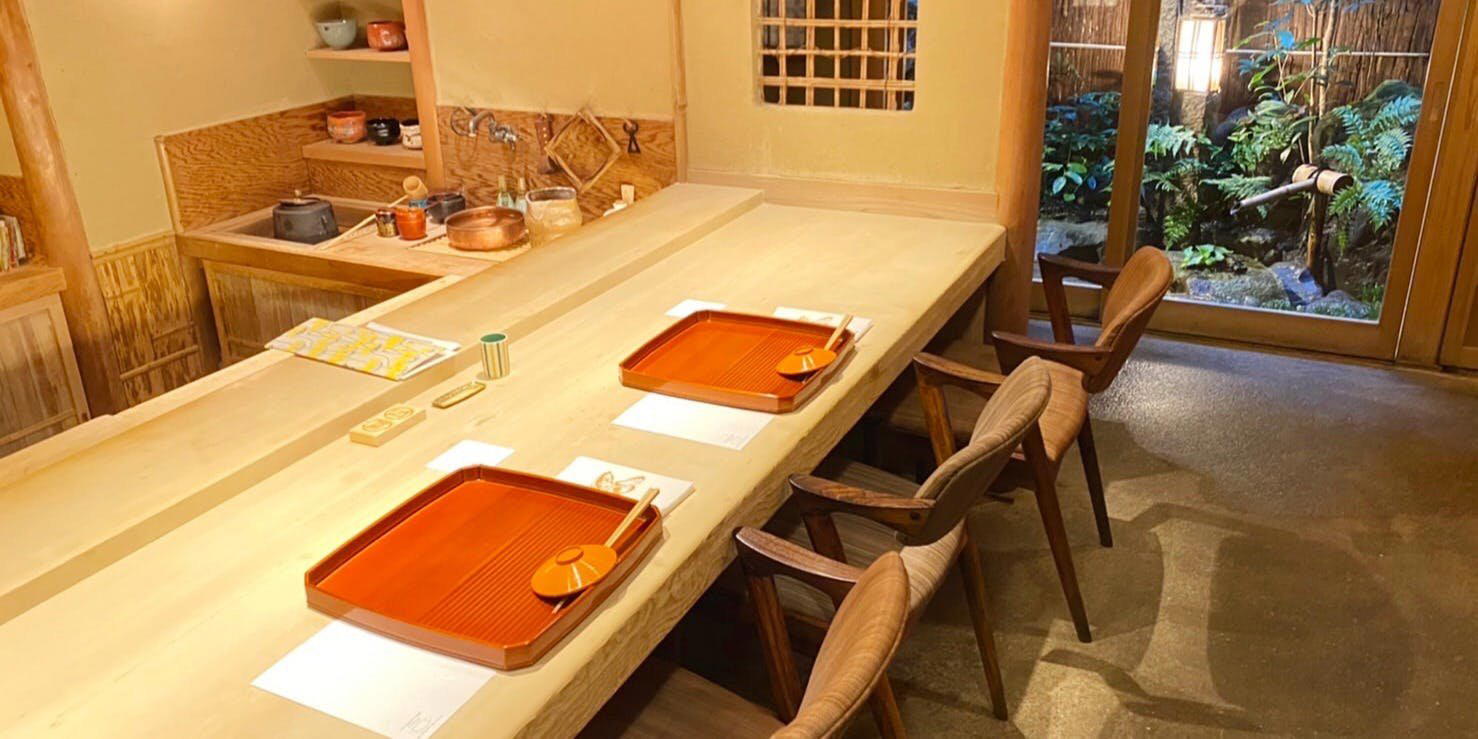
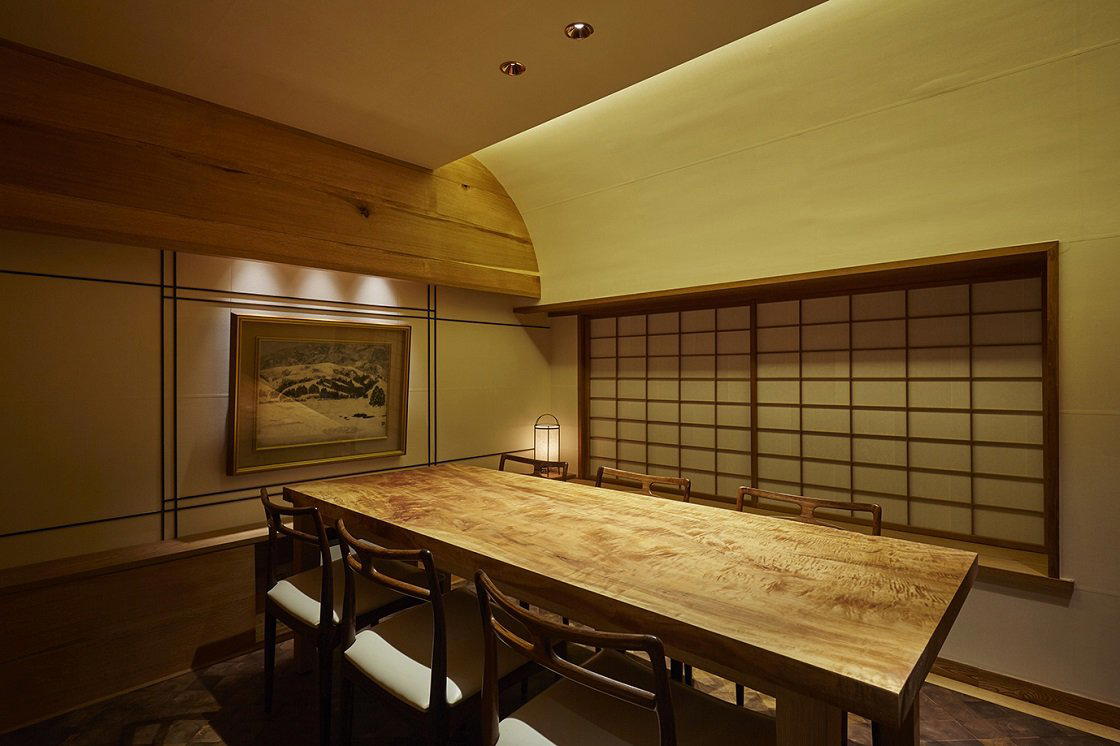
Traditional Japanese setting with warm, welcoming atmosphere that balances authenticity with accessibility for families.