
Sakaba Ikura Mokuzai brings Kyoto’s tachinomi tradition into a sharper, reservation-free bracket, with Tabelog 100 Tachinomi 2025 recognition and a spending range that places it above casual station drinking. The point is the format: counter-led, compact, social, and better suited to adults who understand that standing bars run on rhythm as much as appetite.
Pearl is the En Primeur Club membership app — saves, bookings, and concierge access live there. Same editors, same standards.
- Address
- 京都府京都市上京区薮之内町77-1
- Website
- tabelog.com
 Saves & bookings on Pearl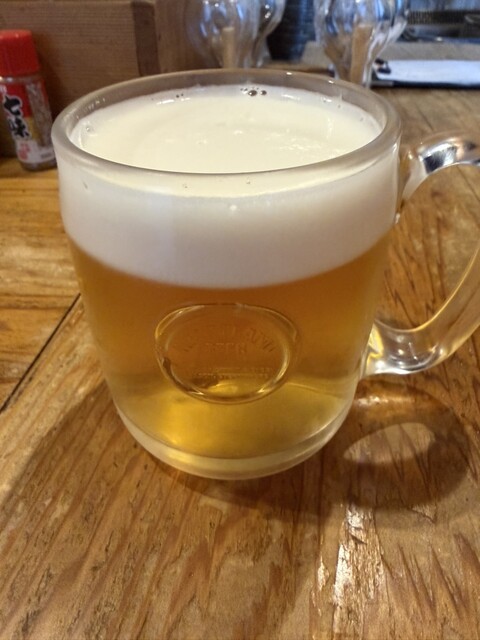
Approach Kyoto’s better tachinomi rooms and the mood shifts before the first order: fewer long menus, less ceremony, more attention to how fast a counter can move without turning blunt. The standing-bar format rewards compression. Food, drink, posture, conversation and timing must fit a narrower frame than a seated izakaya. Sakaba Ikura Mokuzai belongs to that tighter Kyoto category, where the draw is not excess but how a small drinking room turns a short evening into a structured sequence.
Kyoto is often read through kaiseki, temple meals and tea, but its drinking culture has another grammar. Tachinomi strips away formal dining’s slow procession and stresses order flow: a drink, a small plate, another drink, a second plate, then a choice to stay or yield the rail. Menu architecture matters. A standing bar cannot hide behind a sprawling book; the list must state the night it wants to host: snack-led, sake-led, grilled, fried, seafood-leaning, or built around what the counter can turn with confidence.
A standing-bar format judged by rhythm, not ceremony
The 2025 Tabelog 100 Tachinomi selection places Sakaba Ikura Mokuzai in a national conversation about Japan’s standing bars, not Kyoto’s temple-adjacent fine-dining lane. Tachinomi is not a budget consolation prize for diners shut out of formal counters; at its sharper end, it is pacing as discipline. The room must read casual while operating with enough control for a mixed group to drink, eat and move through the evening without dead air.
The format resets expectations. This is not the place to demand a tasting-menu arc or the privacy of a booked dining room. It is closer to a compact editorial edit of an izakaya evening: fewer signals, faster judgment, and a clearer relationship between drink and plate. In Kyoto, where many high-demand meals require advance planning, a no-reservations standing bar is a useful counterweight. It suits travelers seeking a serious local drinking stop without building the day around a table.
That adult, friends-oriented character separates it from Kyoto’s lighter daytime snack circuit. A visitor might place it opposite Aburi Mochi Honke Nemoto Kazariya, where the logic is heritage confection rather than evening drinking, or from quick, crowd-friendly comfort stops such as 551蓬莱. Kyoto dining works because those registers coexist: sweets near shrines, casual counters, French and Italian rooms, coffee shops, and serious bars, each with its own tempo.
What the menu structure says about Kyoto after dark
At a tachinomi counter, the menu is less catalogue than appetite map. The better versions keep food in small units so drinkers can adjust the evening as they go. That favors incremental ordering over commitment: a first round to settle in, something salty or grilled to focus the drink, then a second pass once the room’s pace is clear. The result is democratic, not loose. A standing room with weak sequencing feels chaotic; a good one makes small decisions feel natural.
Sakaba Ikura Mokuzai’s recognition in the tachinomi category tells readers how to classify the experience before arriving. This is not a Kyoto restaurant to bracket with Etto, where Italian cooking and a higher restaurant format set different expectations, nor with inexpensive daytime addresses such as OHAYO biscuit, cafe de corazon or Fuka Fuchomae honten. The comparison is about use case, not superiority. One format handles evening drinking and small plates; another handles coffee, sweets, lunch, or a longer seated meal. Mankamerou belongs to another Kyoto register, shaped by older dining traditions and a more formal occasion.
For travelers building a Kyoto food day, that matters more than another dish list. A standing bar works well after a structured cultural morning, lighter lunch and early evening walk through central Kyoto. It works less well as a catch-all family dinner or high-comfort choice for guests who need seats, predictable pacing and space. Tachinomi’s point is useful friction: physical immediacy, quick ordering, direct counter contact, and a room that encourages short decisions.
Kyoto’s broader dining map helps place it. For nearby restaurant planning, start with Our full Kyoto restaurants guide, then compare contemporary city dining through 3TOKU6MI Shijo karasuma ten, [ki:] and Abbesses. For a fuller trip structure, pair food planning with Our full Kyoto hotels guide, Our full Kyoto bars guide, Our full Kyoto wineries guide and Our full Kyoto experiences guide.
Who should put it on a Kyoto drinking route
The strongest case for the restaurant is for adults who want Kyoto’s evening food culture without a formal reservation’s insulation. The spending level, counter-centered standing format and Tabelog 100 Tachinomi 2025 citation point to a serious drinking stop, not a casual filler between temples. Treat it as one focused part of the night, not a universal dinner solution.
Travelers moving beyond Kyoto can read it against other Japanese dining formats rather than one genre. A standing bar in Kyoto shares little with -Grilled beef Sukiyaki- KAMAKURA TANUKIAN 鎌倉 たぬき庵 in Kamakura. 鮪と炭火焼き うお炭 秋葉原店 in Tokyo.cafe in Osaka.know in Kumamoto, (Shoku) Vietnam in Kawasaki or [Curry Senmon Ten] Maruyama Kyoju. in Sapporo. The contrast clarifies the appeal: Kyoto after dark often rewards smaller formats with sharper rules.
For readers interested in how Japanese drinking culture travels, compare the Kyoto tachinomi mindset with overseas Japanese-led casual formats such as Jōdo Saké Bar in Los Angeles or Onigiri Time in Pasadena. The setting changes, but the question stays similar: how much can a short menu, drink-led rhythm and compact room communicate without formal dining choreography? In Kyoto, the restaurant answers through standing-bar discipline rather than spectacle.
Peers You’d Cross-Shop
Comparable venues at the same tier.
| Venue | Cuisine | Price | Notes |
|---|---|---|---|
| Sakaba Ikura MokuzaiThis venue — the venue you are viewing | Japanese stand-up izakaya bar | $$$ | Not listed |
| Yakiniku Yazawa Kyoto | Premium Wagyu Yakiniku | $$$ | Shimogyō |
| Pass The Baton | Japanese Shaved Ice Salon de Thé | $$$ | Gion |
| Morita Ya Kiya machi ten | Traditional Japanese Sukiyaki & Shabu-Shabu | $$$ | Nakagyō |
| Sukiyaki Iroha Kita ten | Traditional Kyoto sukiyaki | $$$ | Nakagyō |
| Hatsuda | Kyoto-style Yakiniku & Wagyu Bento | $$$ | Sakyō |
Recognition history
Dated appearances from independent guides and award organizations, with the underlying list record or original source where available.
Tabelog 100 #57 · No. 57
Tabelog · Tabelog 100 - Tachinomi - 2025
Continue exploring
More in Kyoto
Restaurants in Kyoto
Browse all →
Bars in Kyoto
Browse all →
Hotels in Kyoto
Browse all →
Wineries in Kyoto
Browse all →
At a Glance
- Lively
- Energetic
- Rustic
- Casual Hangout
- After Work
- Solo
- Group Dining
- Standalone
- Design Destination
- Sake Program
- Beer Program
- Street Scene