Google: 4.5 · 146 reviews
.png)


A Gion Sasaki-affiliated izakaya on Gionmachi Minamigawa, Gion Rakumi operates without a printed menu. Guests select raw ingredients from a wooden box and discuss preparation with the kitchen — a format that places ingredient quality at the centre of every meal. The Michelin Plate recognition (2024) and a Google rating of 4.5 across 140 reviews confirm its standing among local gourmets.
 Discover on Pearl
Pearl is the En Primeur Club membership app — saves, bookings, and concierge access live there. Same editors, same standards.
Where Gion's Ingredient Culture Gets Its Most Direct Expression
Gion's dining strip on Minamigawa is one of Kyoto's most concentrated corridors of serious Japanese cooking. Within a short walk you'll find kaiseki rooms operating at ¥¥¥¥ tier — Isshisoden Nakamura, Gion Matayoshi, and Kenninji Gion Maruyama all occupy that upper bracket — where the ceremony of presentation is as considered as the sourcing of the produce. Gion Rakumi sits at ¥¥¥, one tier down in price and several degrees more informal in atmosphere, but the provenance standard it operates to is the same. That is not coincidental: Rakumi is an affiliate of Gion Sasaki, the three-Michelin-starred kaiseki house that has long been one of Kyoto's most demanding quality gatekeepers. The relationship functions as a kind of guarantee , the same ingredient networks that supply the flagship flow into this smaller, livelier room.
The Format: Ingredient Selection as the Menu
Most premium Japanese restaurants in Kyoto operate on a sequential logic: a chef composes a menu, the guest receives it. Gion Rakumi inverts that. There is no printed menu. Instead, a wooden box is presented to the table containing the evening's available ingredients, and the guest selects what they want before consulting with the kitchen on how each item should be prepared. It is à la carte in structure but improvised in practice , closer to a high-grade market stall conversation than a formal tasting sequence.
This format places a specific kind of pressure on the ingredient itself. Without a composed dish architecture to carry it, the raw material has nowhere to hide. A piece of fish that can sustain a kaiseki presentation may not necessarily hold up under the more direct scrutiny of a simple grill or a quick braise. The fact that Rakumi's kitchen operates confidently within this framework , and draws consistently high marks from repeat visitors, reflected in a Google rating of 4.5 from 140 reviews , speaks to the depth of the sourcing commitment inherited from the Gion Sasaki lineage.
Japan's ingredient-forward dining culture has deep roots in the concept of shun, the seasonal peak moment of a given produce item, and it is most faithfully expressed not in elaborate composed dishes but in formats where the cook's role is to step aside and let the material speak. Rakumi's wooden box ritual is a theatrical but practical enactment of that principle. Seasonal availability shapes what appears in the box; the guest's selection shapes the direction of the meal. The kitchen's job is to honour both.
Atmosphere and Room Character
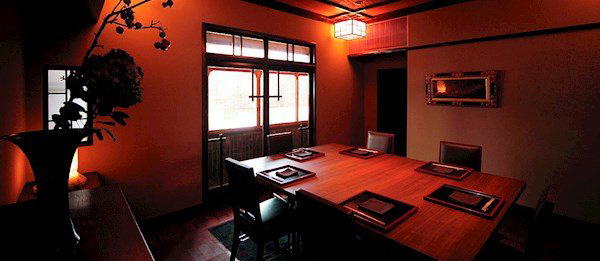
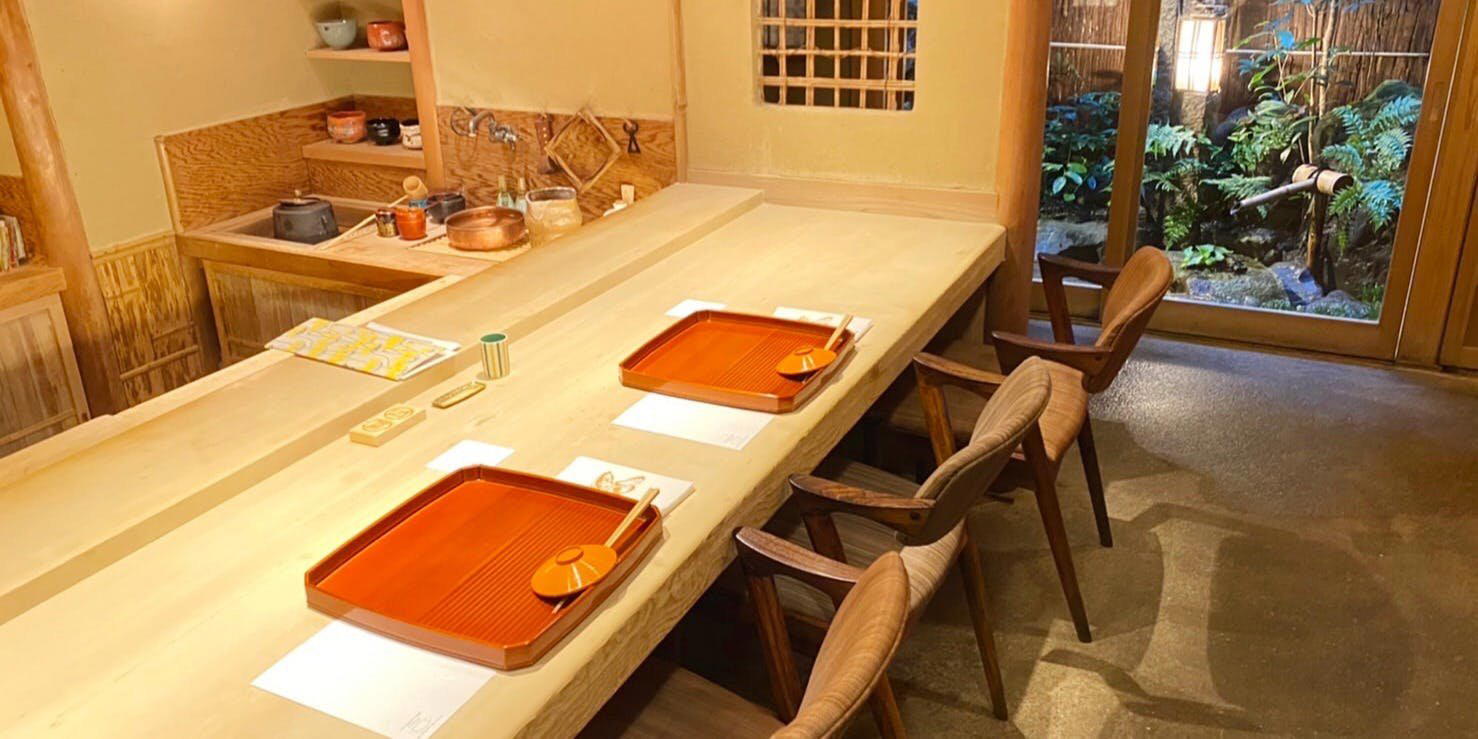
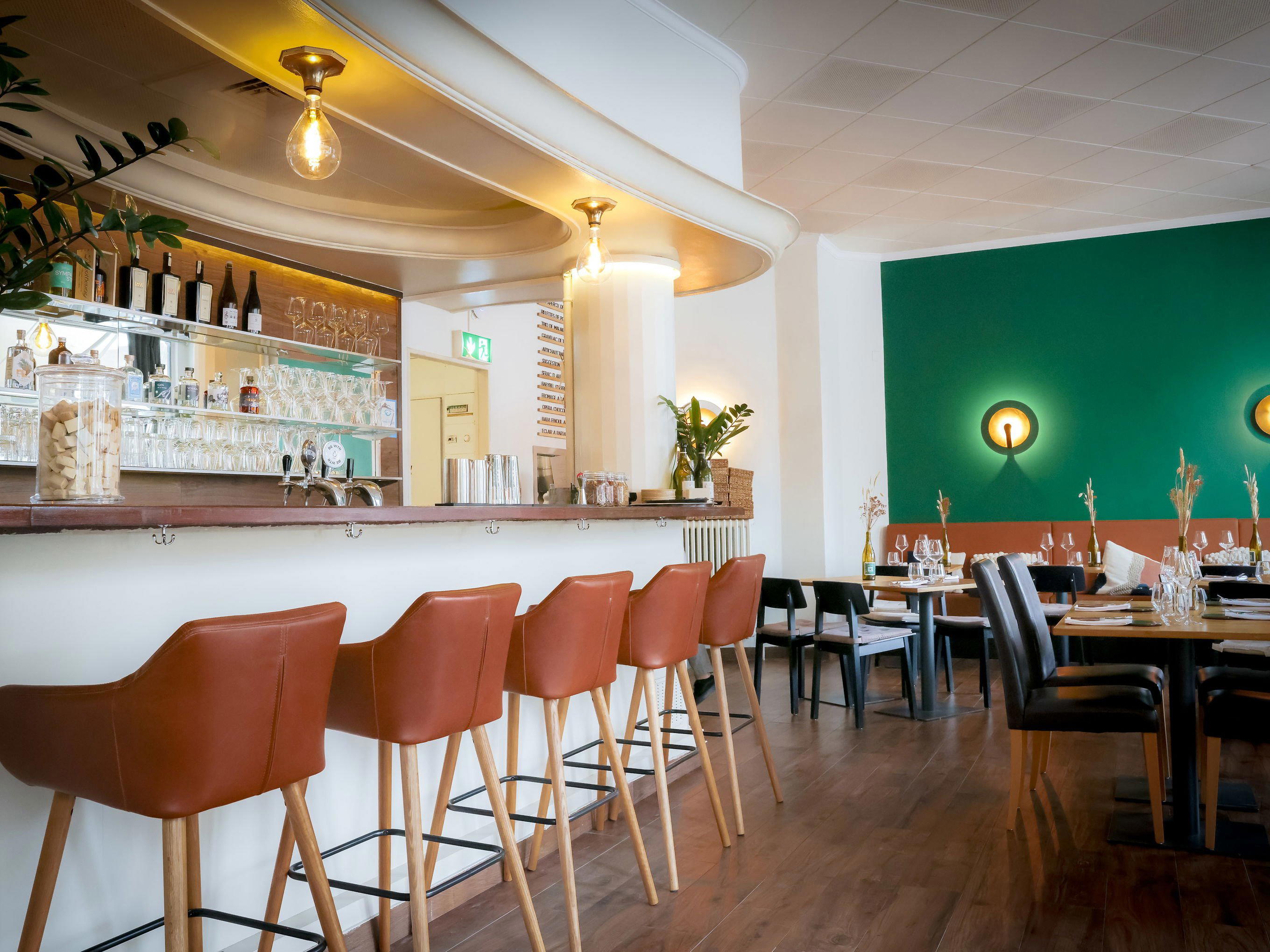
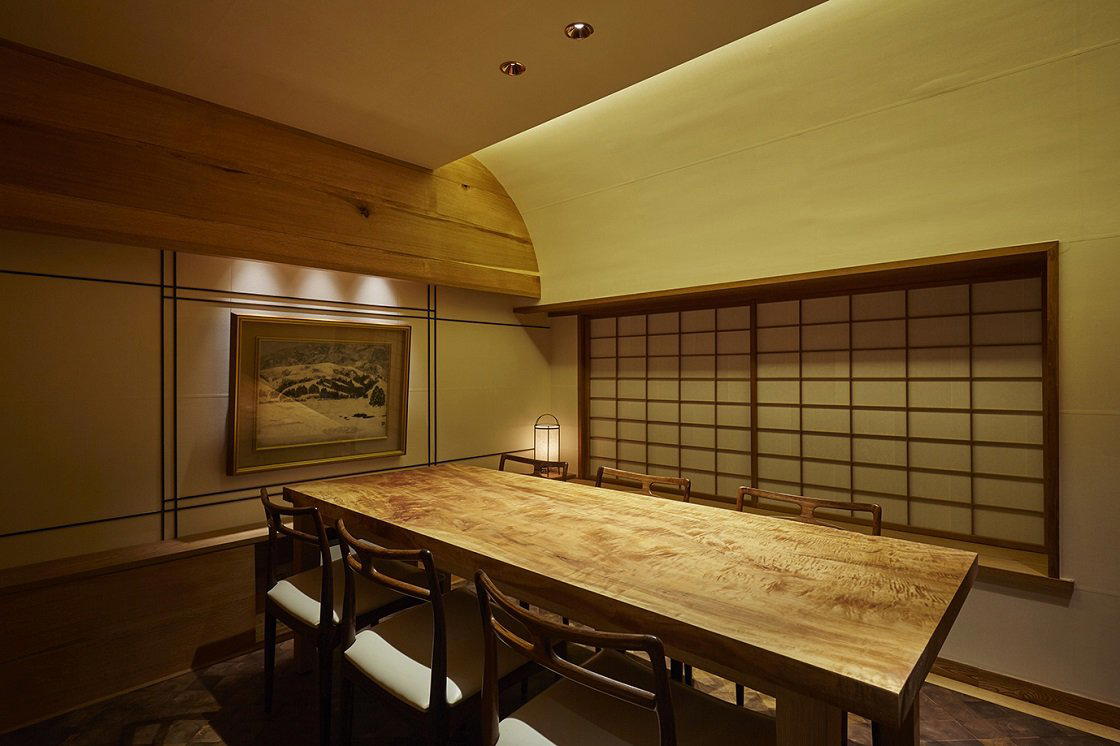
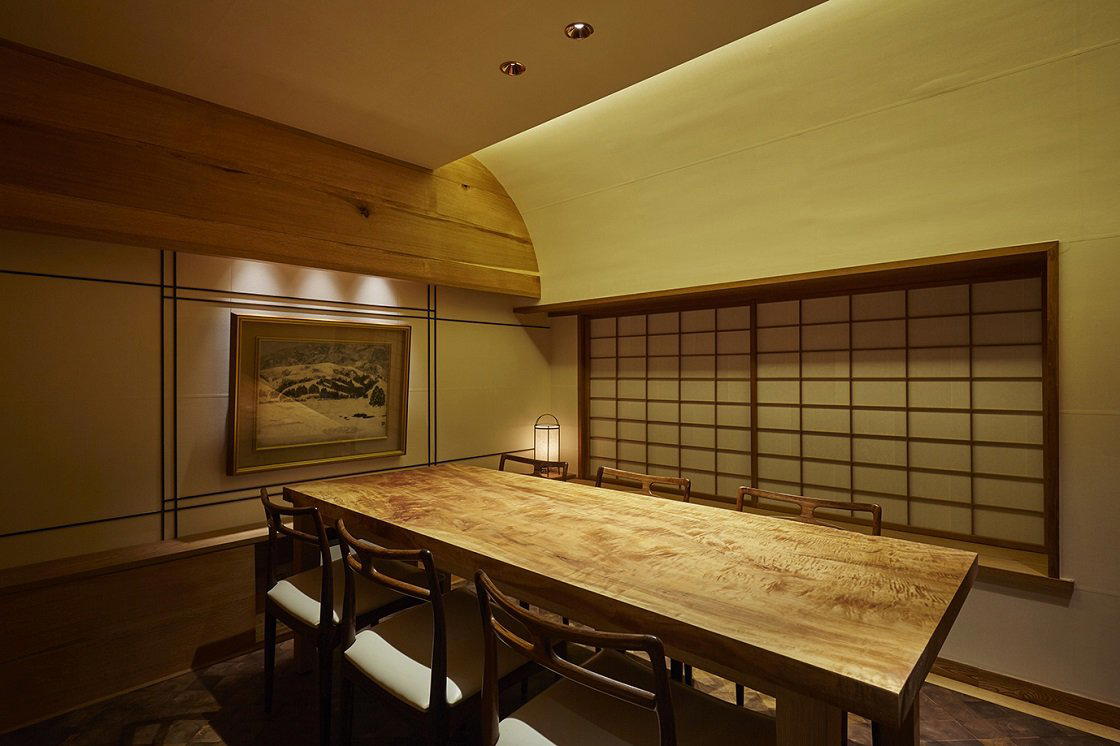
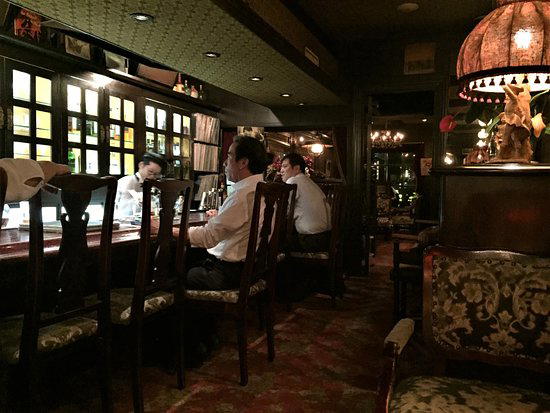
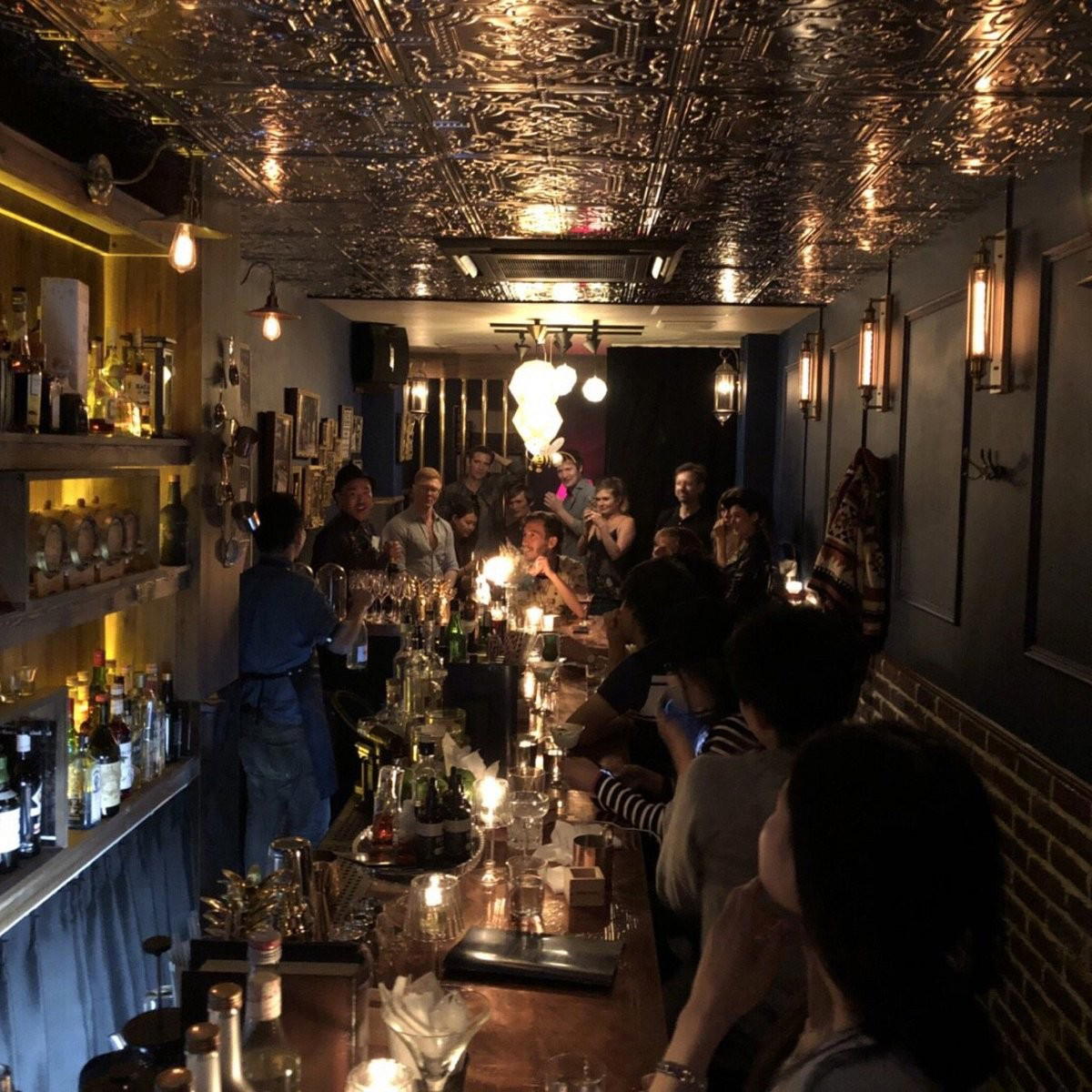
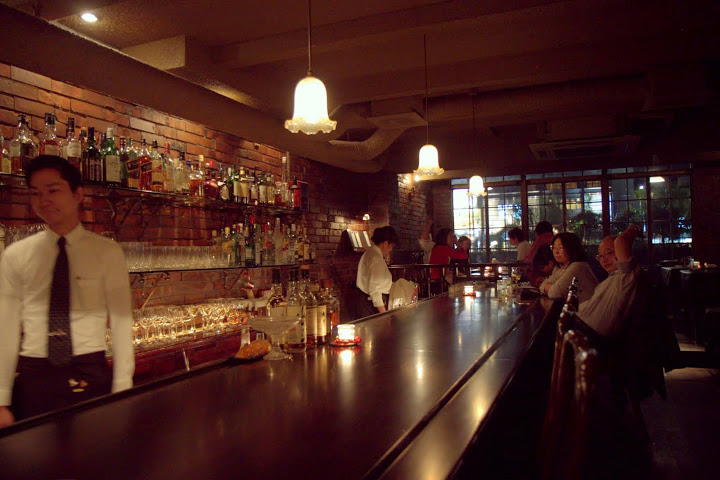
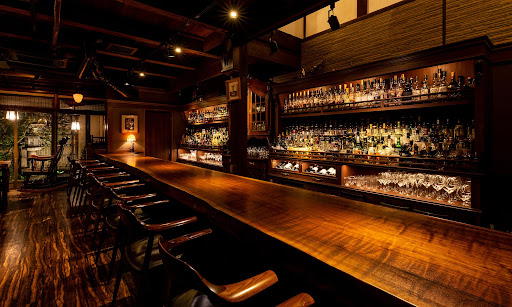
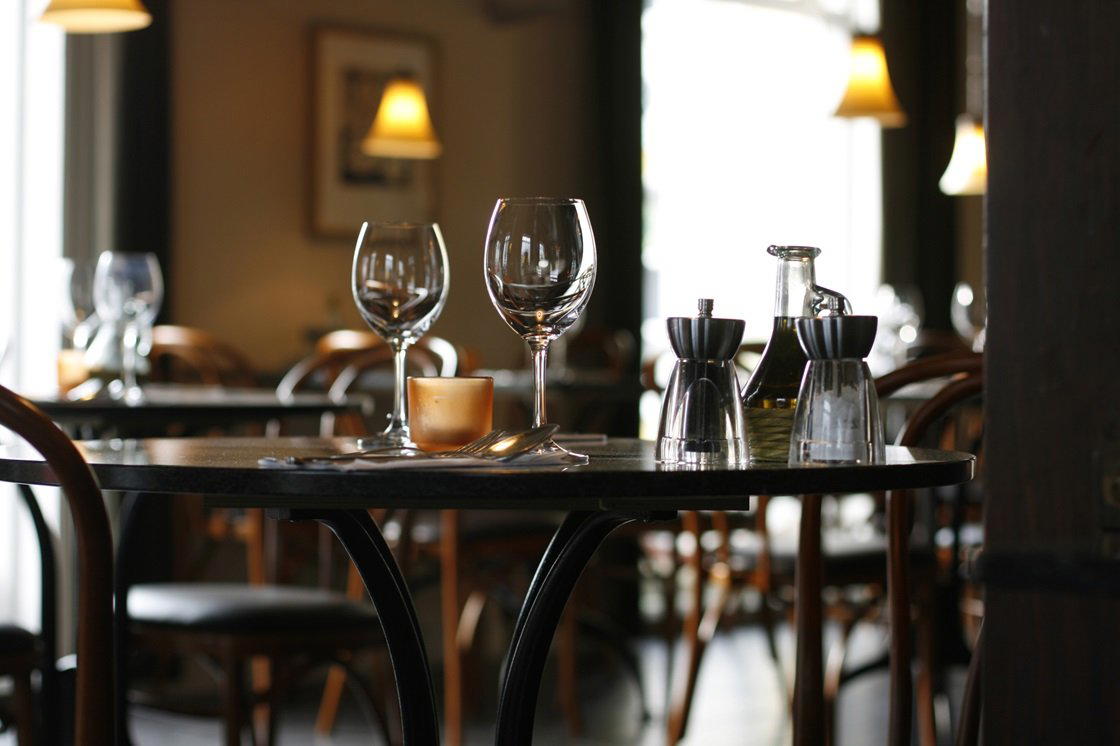
The physical environment reinforces the ethos. A wooden counter, warm lighting, and the visible energy of young cooks in an open kitchen create something closer to an upscale izakaya than a kaiseki dining room. The tone the room sets , pub-like joviality is the phrase the venue itself uses , is deliberate. In Kyoto's dining ecosystem, where ceremony and restraint are the default registers, a room that encourages guests to point at raw ingredients and discuss preparation with the chefs represents a meaningful tonal departure. Kikunoi Roan and Kodaiji Jugyuan represent the more structured, reverent end of the Gion dining spectrum; Rakumi operates at the other pole without sacrificing the sourcing rigour that defines the district.
The counter format is significant. Counter dining in Japan creates a different relational dynamic than table service , the guest is proximate to the work, can observe the handling of ingredients, and the exchange between kitchen and diner is ongoing rather than punctuated. In a venue where preparation is determined by conversation rather than a fixed menu, that spatial closeness is functional, not decorative.
Where It Sits in Kyoto's Broader Restaurant Picture
Kyoto's Michelin ecosystem skews heavily toward kaiseki. The city's identity as a dining destination is built largely on that format , its seasonality, its precision, its deference to restraint. Restaurants like Ifuki (two stars) and Kyokaiseki Kichisen (two stars) operate at the formal end of that tradition. Gion Rakumi holds a Michelin Plate recognition for 2024, which signals quality cooking worth noting without placing it in the starred tier. The Plate classification in the Michelin system is a marker of consistent, honest cooking rather than technical ambition, and in Rakumi's case that framing fits: the ambition here is directed at ingredient fidelity and convivial format, not architectural complexity.
For visitors cross-referencing against Japan's wider restaurant scene, the interactive ingredient-selection format has parallels with certain counter experiences in other cities , the gap between Rakumi and, say, Harutaka in Tokyo or Myojaku in Tokyo lies not in sourcing seriousness but in formality and sequence. Azabu Kadowaki represents a different register again , composed kaiseki at a starred level , while HAJIME in Osaka operates at the furthest extreme of conceptual ambition. Rakumi's position is deliberately different from all of them: accessible in format, serious in materials.
Beyond Kyoto, the ingredient-first counter format appears in various guises across Japan. Goh in Fukuoka and akordu in Nara each handle the relationship between produce and preparation from different angles, and a reader building a Japan itinerary around ingredient-driven dining will find that Rakumi occupies a specific and not-easily-replicated slot in that continuum. 1000 in Yokohama and 6 in Okinawa extend that map further.
Planning Your Visit
Gion Rakumi is located at 570-206 Gionmachi Minamigawa, Higashiyama Ward, in the heart of the Gion district. The ¥¥¥ price positioning places it below the starred kaiseki houses of the neighbourhood but above the city's casual dining tier , expect a spend consistent with a serious dinner rather than a quick meal. The venue sits on one of Gion's most active dining streets, making it direct to combine with pre- or post-dinner walking through the lantern-lit machiya blocks that define the district's evening character.
Given the Gion Sasaki affiliation and the no-menu format, advance reservation is advisable rather than optional. The wooden-box selection process works leading when the kitchen has time to source well; walk-ins risk missing both availability and the full range of seasonal ingredients. For a fuller picture of what Kyoto's restaurant scene offers across formats and price tiers, see our full Kyoto restaurants guide. Those building a wider trip itinerary should also consult our full Kyoto hotels guide, our full Kyoto bars guide, our full Kyoto wineries guide, and our full Kyoto experiences guide.
Budget Reality Check
A compact peer set to orient you in the local landscape.
| Venue | Price | Awards | Notes |
|---|---|---|---|
| Gion Rakumi | ¥¥¥ | Gion Rakumi is a Japanese restaurant located in the Gion area where famous resta… | This venue |
| Gion Sasaki | ¥¥¥¥ | Michelin 3 Star | Kaiseki, Japanese, ¥¥¥¥ |
| cenci | ¥¥¥ | Michelin 1 Star | Italian, ¥¥¥ |
| Ifuki | ¥¥¥¥ | Michelin 2 Star | Kaiseki, ¥¥¥¥ |
| Kyokaiseki Kichisen | ¥¥¥¥ | Michelin 2 Star | Japanese, ¥¥¥¥ |
| Kyo Seika | ¥¥¥ | Michelin 1 Star | Chinese, ¥¥¥ |
Continue exploring