Ginza Kagari occupies the ground floor of a low-profile building on Ginza 4-chome, where the ramen counter format meets the neighbourhood's appetite for precision and restraint. The kitchen works within a tightly defined register, rich chicken paitan broth, carefully sourced ingredients, placing it in a different tier than the district's omakase circuit while drawing from the same culture of obsessive craft.
 Discover on Pearl
Pearl is the En Primeur Club membership app — saves, bookings, and concierge access live there. Same editors, same standards.
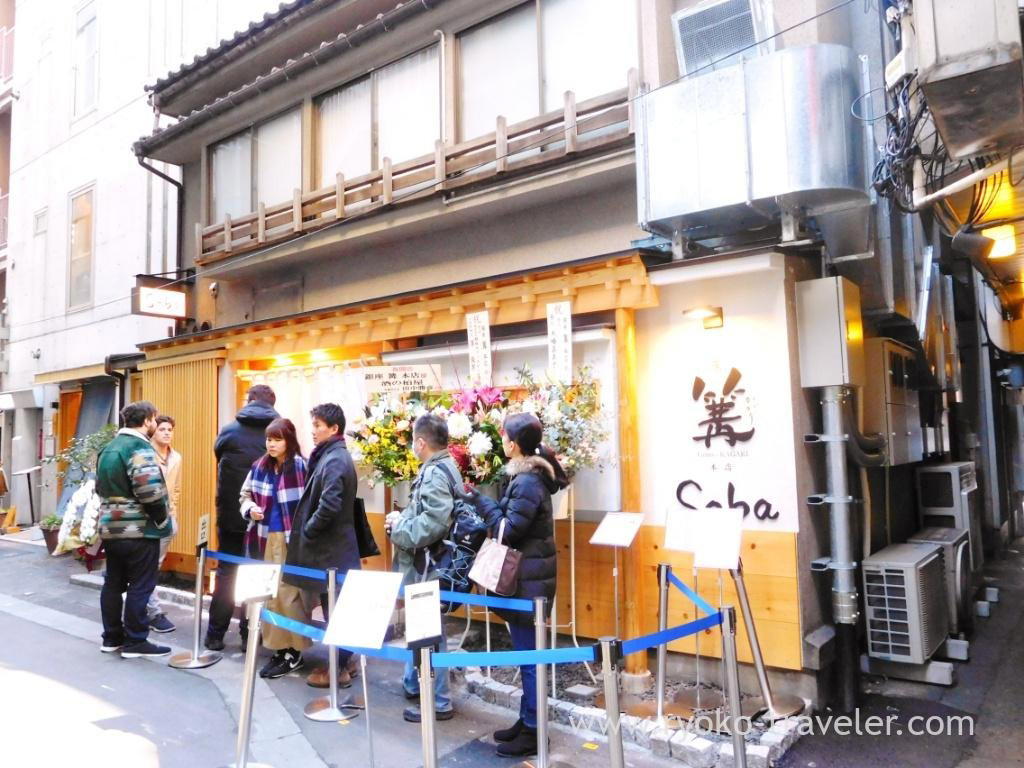
The Counter at Ginza 4-chome
Approaching from the Ginza 4-chome crossing, where the neighbourhood's dining rooms sit above street level in tower blocks and basement rooms, Ginza Kagari occupies a different register entirely. The queue forms on the pavement. The room is small, the turnover deliberate, and the format has none of the hushed formality that defines the district's kaiseki or omakase counters. What Ginza Kagari offers instead is something the surrounding blocks largely lack: a serious broth-based kitchen at ground level, operating without the apparatus of fine dining but with the same underlying insistence on sourcing discipline that the neighbourhood as a whole has built its reputation on.
Ginza has long been one of Tokyo's most expensive dining addresses. The district now anchors a tier of restaurants, including kaiseki institutions like RyuGin and French-influenced rooms like Sézanne and L'Effervescence, where the price-per-head is calibrated against international comparable venues. Kagari sits outside that bracket by format and price, but its address and its following place it in a different kind of conversation: what happens when a craft-focused kitchen operates inside one of the world's most competitive dining postcodes without defaulting to the omakase model.
Broth as a Sustainability Argument
The ramen format carries a sustainability logic that multi-course fine dining can obscure. A kitchen organised around a single broth, in Kagari's case, a chicken paitan built over extended cooking times, generates less waste per cover than a tasting menu kitchen cycling through many proteins and preparations. Every part of the bird contributes to the base. The vegetable trim goes back into the stock. The format is, by its nature, a closed-loop operation in a way that broader menus rarely achieve.
This is a pattern visible across Japan's leading ramen operations, where the constraint of a tight menu forces a deeper relationship with each ingredient. The sustainability story in Japanese ramen is less about certification or marketing language and more about the structural economics of the format itself: you cannot afford to waste when the menu has nowhere to hide underperforming produce. Kagari operates within that tradition, in a neighbourhood where the pressure to perform at a high level is imposed less by the kitchen's own ambitions than by the address on the door.
Japan's broader food culture has long operated on what might be described as embedded sustainability, seasonal calendars, regional sourcing, whole-ingredient use, without branding it as such. The same logic that runs through the kaiseki tradition at Gion Sasaki in Kyoto or the hyper-regional sourcing at akordu in Nara applies, at a different price point, to a counter kitchen built around one obsessively refined broth. Seasonal adjustments to toppings and supplementary elements track what is actually available, rather than what a fixed menu would demand.
What the Format Means in Context
The ramen counter is one of the few democratic formats in a city that has otherwise stratified its premium dining into tiers with increasingly steep entry costs. A meal at Harutaka or a kaiseki evening at Crony requires planning, reservation lead times measured in months, and expenditure at the ¥¥¥¥ tier. Kagari's format inverts that: the queue is the booking system, the price is a fraction of the surrounding options, and the craft is expressed through depth of flavour rather than breadth of course count.
That inversion matters editorially. Tokyo's dining culture is sophisticated enough to hold both registers simultaneously, the eight-seat omakase counter and the standing-queue ramen shop, without treating one as lesser than the other. The same food press writes seriously about ramen shops. The customer base overlaps more than outsiders might expect. A diner leaving a kaiseki dinner at RyuGin and stopping at a ramen counter later that week is not unusual in Tokyo; it is the norm among the city's serious eaters.
For the reader exploring Japan beyond Tokyo, the same craft-in-constraint logic plays out at places like Goh in Fukuoka, where regional identity shapes the kitchen's decisions, or at HAJIME in Osaka, where a different kind of precision governs a very different price tier. The thread connecting them is Japan's structural commitment to doing one thing at a very high level rather than spreading across multiple formats.
Planning Your Visit
The address, 銀座4-4-1, Ginza A Building, 1F, places Kagari within walking distance of Ginza station on the Ginza, Marunouchi, and Hibiya lines. The ground-floor position means the queue is visible from the street, and wait times vary significantly by time of day and day of the week. There is no reservation system reported for this format; arrival timing is the primary variable a visitor can control.
The comparison below situates Kagari within its immediate Ginza and Tokyo comparable set by format and price tier:
| Venue | Format | Price Tier | Booking |
|---|---|---|---|
| Ginza Kagari | Ramen counter | ¥ | Walk-in queue |
| Harutaka | Omakase sushi | ¥¥¥¥ | Advance reservation |
| RyuGin | Kaiseki | ¥¥¥¥ | Advance reservation |
| Sézanne | French tasting menu | ¥¥¥¥ | Advance reservation |
| L'Effervescence | French tasting menu | ¥¥¥¥ | Advance reservation |
For a broader view of where Kagari sits in Tokyo's dining map, see our full Tokyo restaurants guide. Readers exploring Japan's regional craft kitchens will also find reference points at affetto akita in Akita, Aji Arai in Oita, Ajidocoro in Yubari District, Akakichi in Imabari, aki nagao in Sapporo, and Abon in Ashiya, each operating within the same structural logic of regional commitment and format discipline. For international reference points where the same craft-in-constraint philosophy operates in different culinary traditions, Le Bernardin in New York City and Lazy Bear in San Francisco offer useful comparisons in their respective categories.
Pricing, Compared
Comparable venues nearby, for context on price, style, and recognition.
| Venue | Cuisine | Price | Awards | Notes |
|---|---|---|---|---|
| Ginza Kagari (銀座 篝)This venue — the venue you are viewing | Ginza, Chicken Paitan Ramen | $$ | , | |
| Tonkatsu Ouryu | Minato, Tonkatsu specialist | $$ | , | |
| Ogawa | Chūō, Traditional Yakitori | $$ | , | |
| DAIJU | Toshima, Yakiniku & Morioka cold noodles | $$ | , | |
| Hikiniku to Kome Shibuya | $$ | , | Shibuya, Hamburger steak set menu (Japanese-style) | |
| Itteki Hassenya Shinjuku honten | Shinjuku, Japanese Udon Izakaya | $$ | , |





At a Glance
- Cozy
- Intimate
- Hidden Gem
- Modern
- Solo
- Casual Hangout
- Open Kitchen
- Sake Program
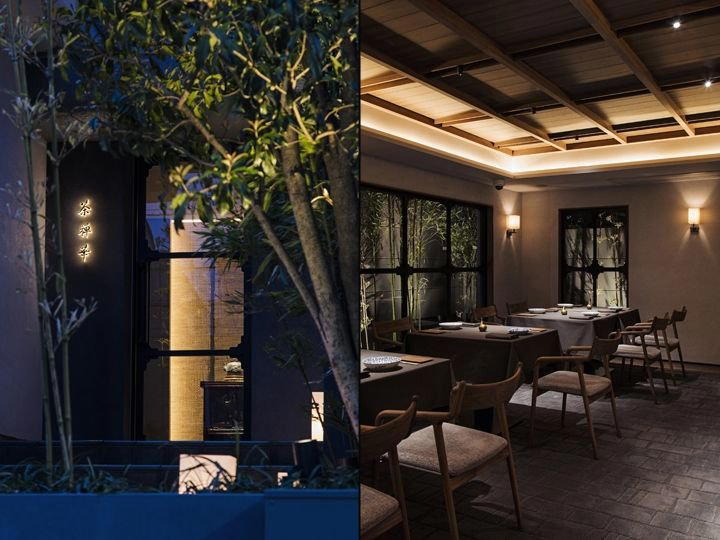
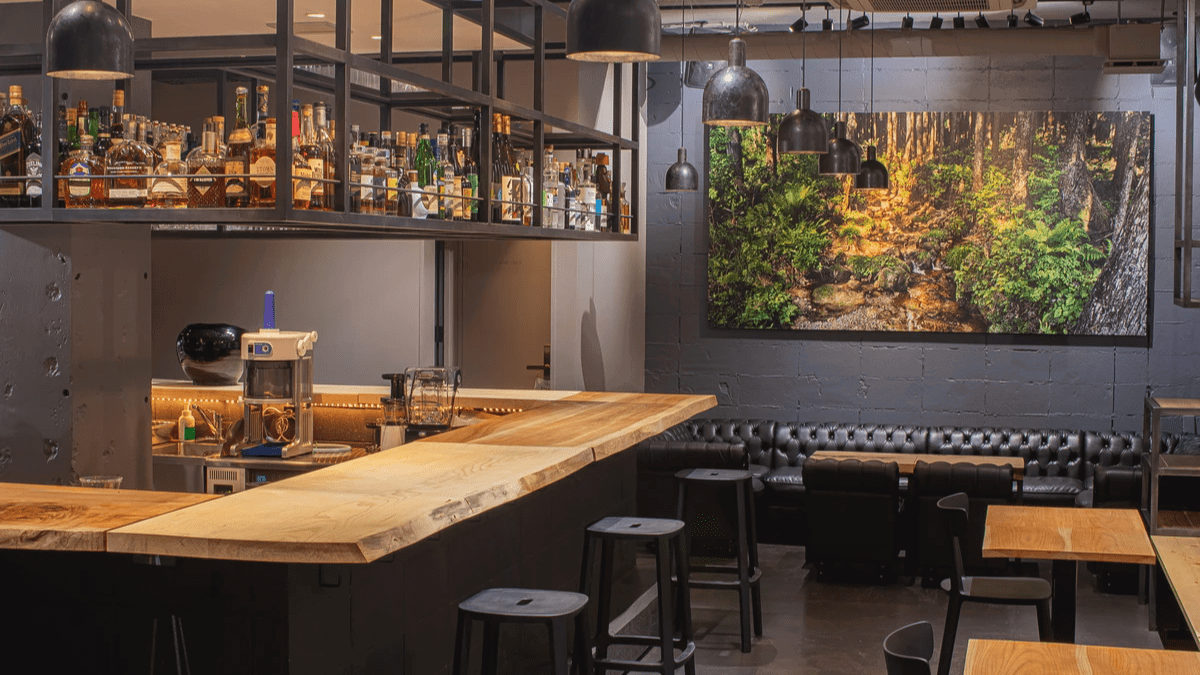
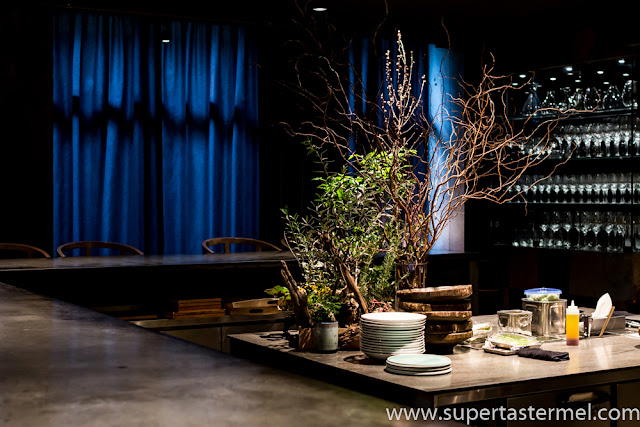
Cozy and intimate counter seating in a hidden Ginza alley with a welcoming, casual atmosphere.