
A Nishishinjuku udon address with izakaya range, oden, sake and shochu, Itteki Hassenya Shinjuku honten sits in Tokyo’s practical noodle culture rather than the city’s tasting-menu economy. Tabelog selected it for Udon EAST “Tabelog 100” in 2024, 2022 and Tokyo 2020, giving the room a clear credential in a category where everyday pricing and craft often overlap.
Pearl is the En Primeur Club membership app — saves, bookings, and concierge access live there. Same editors, same standards.
- Address
- Japan, 〒160-0023 Tokyo, Shinjuku City, Nishishinjuku, 1 Chome−15−9 Kcビル 2階
- Phone
- +81 3-3342-8889
- Website
- itteki.com
 Saves & bookings on Pearl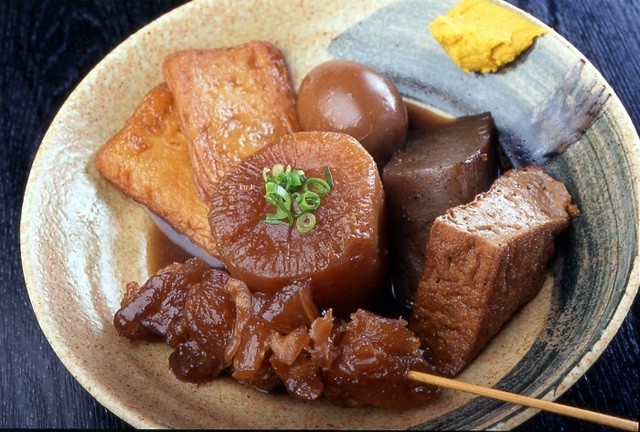
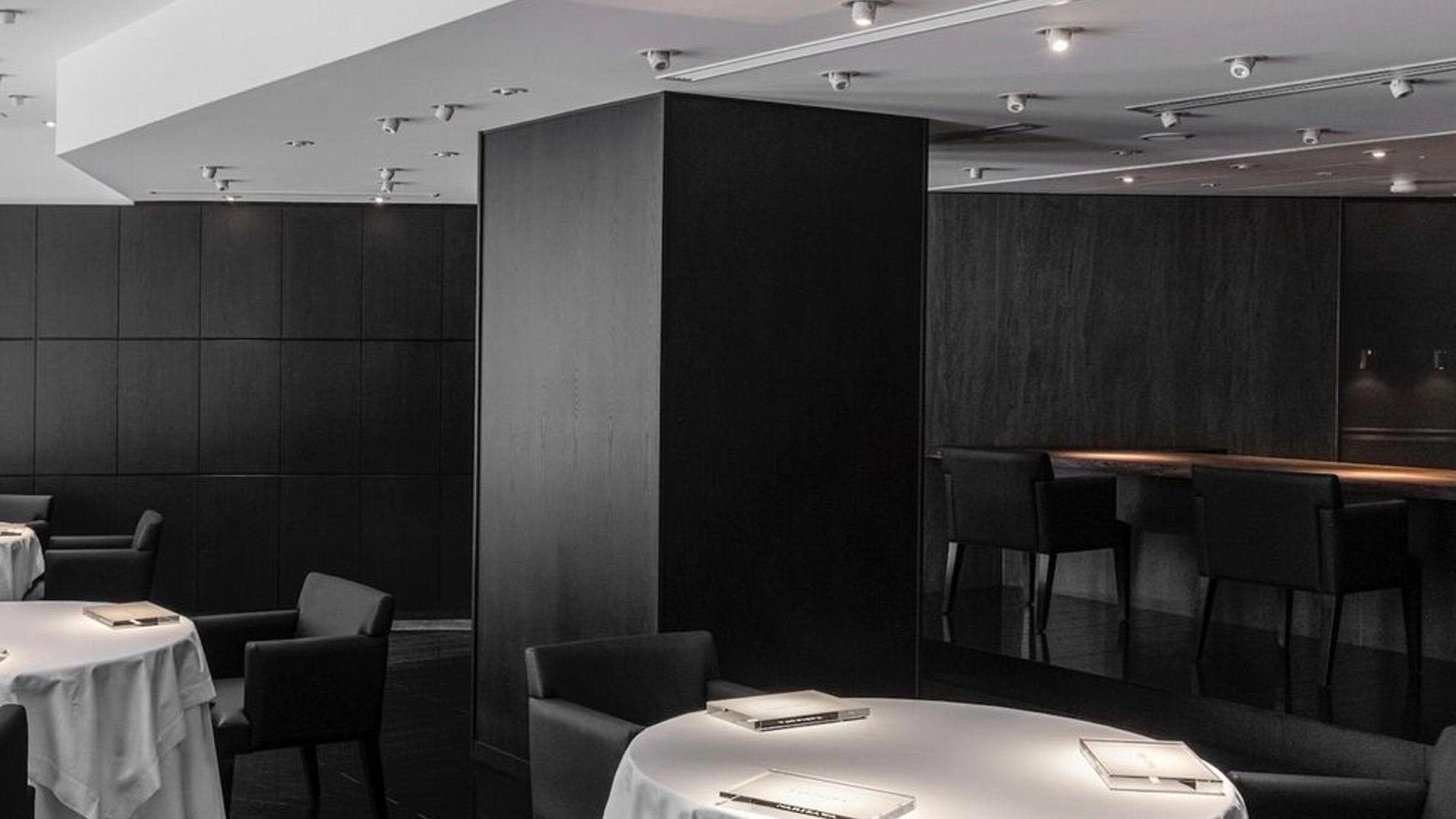
Upstairs in Nishishinjuku, the mood is closer to an after-work noodle room than a polished counter temple: counter seats, tables, tatami space and sunken seating give the place the mixed-use rhythm Tokyo does well. Udon in the city is rarely only about noodles. It often doubles as a quick lunch, a sake-led evening, a family-friendly fallback and a small-room gathering, all without the ceremony attached to sushi or kappo.
That is the useful frame for Itteki Hassenya Shinjuku honten. The cooking sits at the intersection of wheat-noodle craft, izakaya drinking culture and oden, a combination that explains why the room can read differently at midday and after dark. Lunch keeps the category democratic; dinner moves into the zone where udon becomes part of a broader Japanese tavern meal, with sake, shochu and wine listed alongside the food.
Udon as Shinjuku tavern food, not a quick-station compromise
Tokyo’s station districts are full of fast noodle counters, but Nishishinjuku has a separate strand: restaurants that serve office workers, small groups and visitors who want Japanese food without entering the reservation-heavy fine-dining circuit. In that setting, udon carries more weight than its price suggests. The noodle is familiar, inexpensive at lunch by Tokyo standards, and adaptable enough to support fish-focused cooking, oden and drinks after work.
Itteki Hassenya Shinjuku honten’s Tabelog Udon EAST “Tabelog 100” selection in 2024, with prior selections in 2022 and Tokyo 2020, matters because the category is crowded and local. A Tabelog score of 3.63 is a stronger signal in Japan than it may look to readers used to inflated five-star platforms; Tabelog’s scoring culture tends to compress ratings, especially for everyday restaurants. Here, recognition points less to luxury than to consistency inside a noodle genre with serious local scrutiny.
The format also separates it from Shinjuku’s more tourist-facing food stops. Nearby comparison is useful: 12/10 Shinjuku ten and Cha no Ikedaya sit in the sub-JPY 999 bracket, while Ibuki moves higher at dinner. Itteki Hassenya occupies a middle ground: lunch remains light on the wallet, while dinner pricing belongs to a casual izakaya meal rather than a snack stop. That makes it a more flexible choice for travelers building an evening around noodles, oden and drinks instead of a single bowl.
Local ingredients meet a broader Japanese drinking grammar
The assigned category tells the story cleanly: udon, izakaya and oden under one roof. Udon is indigenous comfort food in Japan, but the modern Tokyo expression often borrows from a wider technical vocabulary: temperature contrast, broth management, small-plate pacing and alcohol pairing. The presence of sake, shochu and wine signals a kitchen designed for more than throughput. It also places the restaurant in a familiar Tokyo pattern, where regional food traditions are absorbed into the city’s evening-drinking structure.
Oden is important in this context because it shifts the meal away from noodle-shop minimalism. As a category, oden relies on simmering, broth absorption and texture rather than spectacle. Paired with udon, it gives the table a slow-and-fast rhythm: a bowl can anchor the meal, while small dishes and drinks extend it. That is a Tokyo dining habit worth understanding. The city’s informal restaurants often deliver their strongest value when the meal is assembled across categories rather than ordered as a fixed progression.
The room’s 44-seat layout, including counter seating and a larger sunken kotatsu area, supports that dual identity. Counter seats suit solo diners and pairs; semi-private spaces and larger room configurations make sense for groups. Children are welcome, and the non-smoking policy makes it more accessible than older izakaya models. This is not the hushed end of Tokyo dining, but it is also not disposable station food. It sits in the middle, where practical design and craft repetition do the work.
Where it fits in a Tokyo itinerary
Shinjuku rewards careful calibration. The district can absorb almost any budget, from department-store counters to cocktail rooms at the price of a meal. Ben Fiddich, also in Tokyo, belongs to a much higher spend bracket, while noodle and tea rooms nearby can stay under JPY 999. Against that spread, Itteki Hassenya is useful when the plan calls for Japanese specificity without handing over the whole evening to a tasting menu.
For a broader Tokyo food map, compare it with seafood and grill-driven rooms such as . 鮪と炭火焼き うお炭 秋葉原店, yakitori-focused addresses like 124. KAGURAZAKA (Yakitori), or more visually playful stops such as 2D Cafe. Curry specialists such as 3 Chome no Curry Ya San show another side of the same city logic: narrow formats, close attention, and prices that do not need luxury cues to feel deliberate.
Travelers extending the route beyond Tokyo can read the same casual-specialist pattern across Japan, from -Grilled beef Sukiyaki- KAMAKURA TANUKIAN 鎌倉 たぬき庵 in Kamakura to.cafe in Osaka.know in Kumamoto, (Shoku) Vietnam in Kawasaki, [Curry Senmon Ten] Maruyama Kyoju. in Sapporo and [ki:] in Kyoto. Japanese drinking culture also travels well: Jōdo Saké Bar in Los Angeles and Onigiri Time in Pasadena show how sake, rice and casual formats translate abroad, though Tokyo’s version remains tied to station life and neighborhood repetition.
Use this restaurant when Shinjuku is already on the day’s route and the meal needs structure without stiffness. Lunch works for value and speed; dinner makes more sense for udon with oden, drinks and a longer table.
Credentials Lens
Comparable venues for context, by category and price tier.
| Venue | Cuisine | Price | Notes |
|---|---|---|---|
| Itteki Hassenya Shinjuku hontenThis venue — the venue you are viewing | Japanese Udon Izakaya | $$ | Not listed |
| Hana Goori Kakigori | Japanese Kakigori (Shaved Ice) | $$ | Roppongi |
| Kaneko Hannosuke (金子半之助) | Edo-style Tempura Rice Bowls (Tendon) | $$ | Nihonbashi |
| Masudaya | Traditional Sukiyaki & Shabu-Shabu | $$ | Shinjuku |
| fragment 麻布十番 | japanese | Not listed | Minato |
| Nichinan | Traditional Japanese Izakaya | $$ | Shinagawa |
Recognition history
Dated appearances from independent guides and award organizations, with the underlying list record or original source where available.
Tabelog 100 #86 · No. 86
Tabelog · Tabelog 100 - Udon - EAST - 2024













At a Glance
- Cozy
- Classic
- Lively
- Casual Hangout
- Group Dining
- After Work
- Standalone
- Sake Program
- Beer Program
- Local Sourcing
- Street Scene
Current opening hours
- Monday
- 11 AM–2:30 PM, 5:30–9:30 PM
- Tuesday
- 11 AM–2:30 PM, 5:30–9:30 PM
- Wednesday
- 11 AM–2:30 PM, 5:30–9:30 PM
- Thursday
- 11 AM–2:30 PM, 5:30–9:30 PM
- Friday
- 11 AM–2:30 PM, 5:30–9:30 PM
- Saturday
- 11 AM–2:30 PM, 5–9:30 PM
- Sunday
- 11 AM–2:30 PM, 5–9:30 PM
Hours can change for holidays and private events. Last verified .
Bustling and casual with a classic Japanese tavern feel; the venue is described as a place where diners line up on the stairs to the second floor and enjoy a luxurious lunch and a broad, sensory dining experience.