
Ogawa sits in Ningyocho’s older commercial fabric, where yakitori reads less as nightlife spectacle than as a compact Tokyo craft. Its Tabelog 100 Yakitori EAST 2025 selection, counter-and-tatami format, and take-out component place it in a practical, local register rather than the high-theatre grill rooms found elsewhere in the city.
Pearl is the En Primeur Club membership app — saves, bookings, and concierge access live there. Same editors, same standards.
- Address
- 3 Chome-11-2 Nihonbashiningyocho, Chuo City, Tokyo 103-0013, Japan
- Phone
- +81 3-3661-8711
- Website
- tabelog.com
 Saves & bookings on Pearl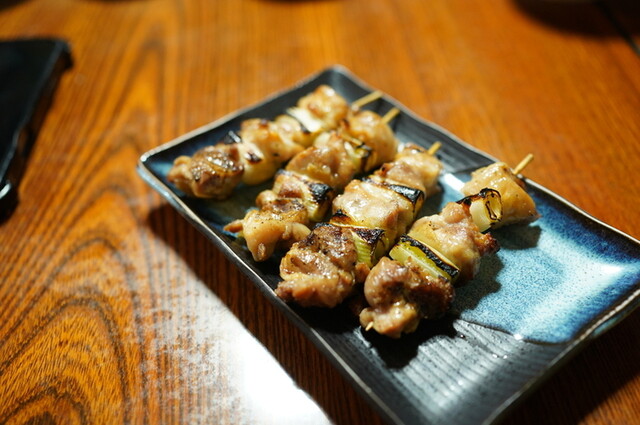
Ningyocho moves at a different tempo from the glossy dining corridors of Ginza or Roppongi: mercantile rather than theatrical, with narrow streets, office workers cutting through side lanes, and older shopfronts that make dinner feel closer to habit than occasion. Here, yakitori carries its Tokyo meaning clearly. It is not just chicken over charcoal, but portion control, heat management, timing, and the city’s talent for turning repetition into craft.
Ogawa fits that compact grammar. Its recognition in Tabelog 100 Yakitori EAST 2025 gives it a visible marker in a category where many serious counters remain modest in scale and presentation. More telling is what that recognition says about the level: Tokyo yakitori is broad enough for casual after-work skewers, specialist counters, family-usable rooms, and take-out routines, yet the addresses that hold attention treat the grill as a disciplined instrument, not a decorative backdrop.
Ningyocho yakitori, measured by craft rather than theatre
Tokyo yakitori has absorbed outside expectations from tasting-menu culture without losing its native logic. Imported fine-dining habits, timed courses, close counter observation, and tighter pacing now appear across the city’s grill rooms. The core remains local and direct: chicken, tare or salt, offal cuts, rice, soup, pickles, and the small calibrations that separate a routine skewer from a serious one. Stronger addresses need no elaborate plating to make the point.
That intersection matters in Ningyocho. The neighbourhood has long traded on Edo-period memory, small restaurants, confectioners, and lunch businesses serving nearby offices. A yakitori house here is judged differently from a destination counter built for culinary tourism: it must work as neighbourhood utility and specialist address at once. Ogawa’s place on a 2025 yakitori list puts it in the latter conversation, while its format keeps it grounded in the former.
The comparison with nearby dining is useful. UNISON TAILOR Coffee and Beer NINGYOCHO sits in the casual café-bar lane; Hamadaya and 玄冶店 濱田家 point to soba and older Japanese dining customs; Ino Cantonese Nihonbashi Takase occupies a higher-price Cantonese bracket; 川田 fills another local slot. Against that mix, yakitori gives Ningyocho a charcoal-led register that is neither formal kaiseki nor quick-service lunch, but a middle scale with serious technique.
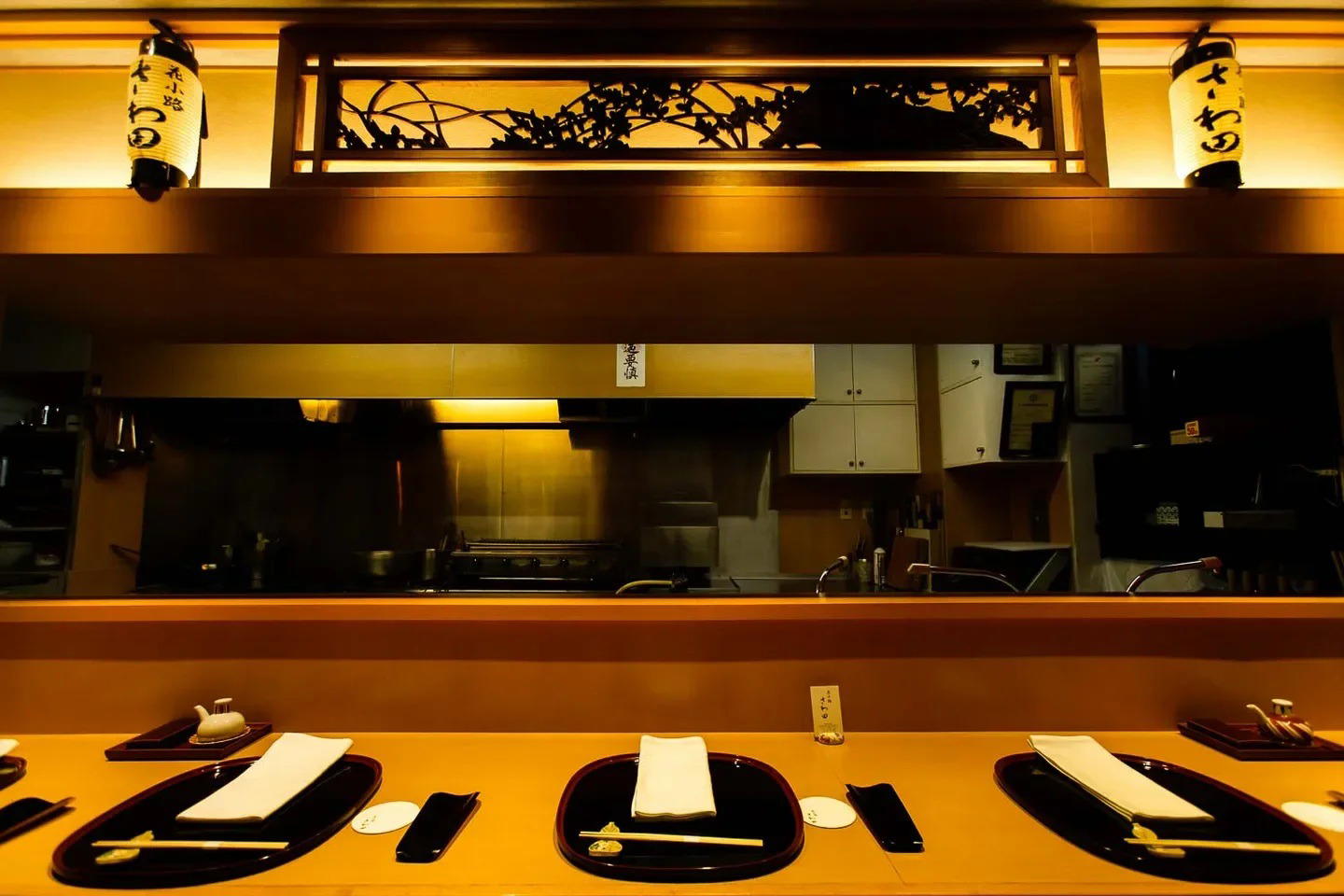
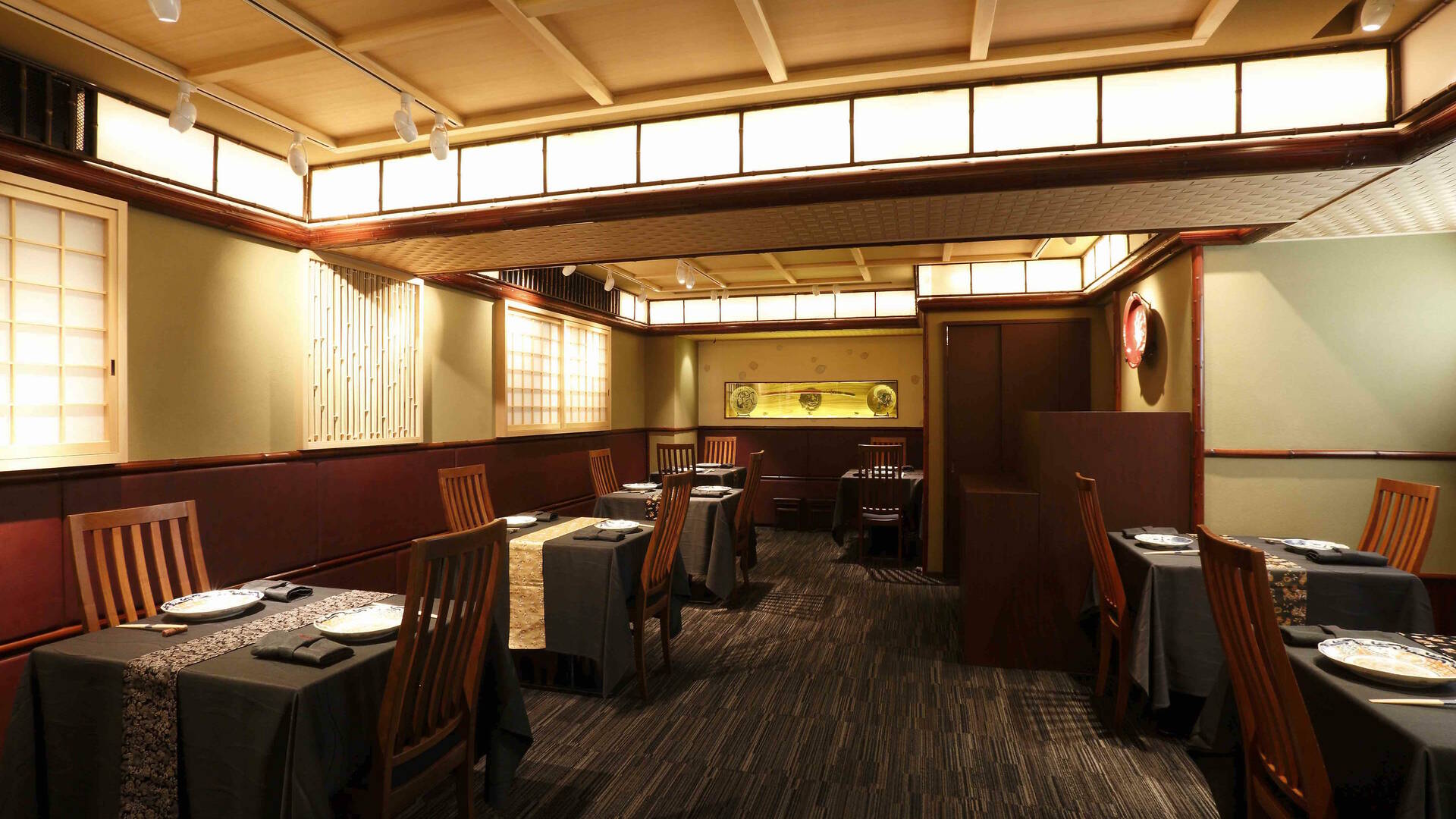
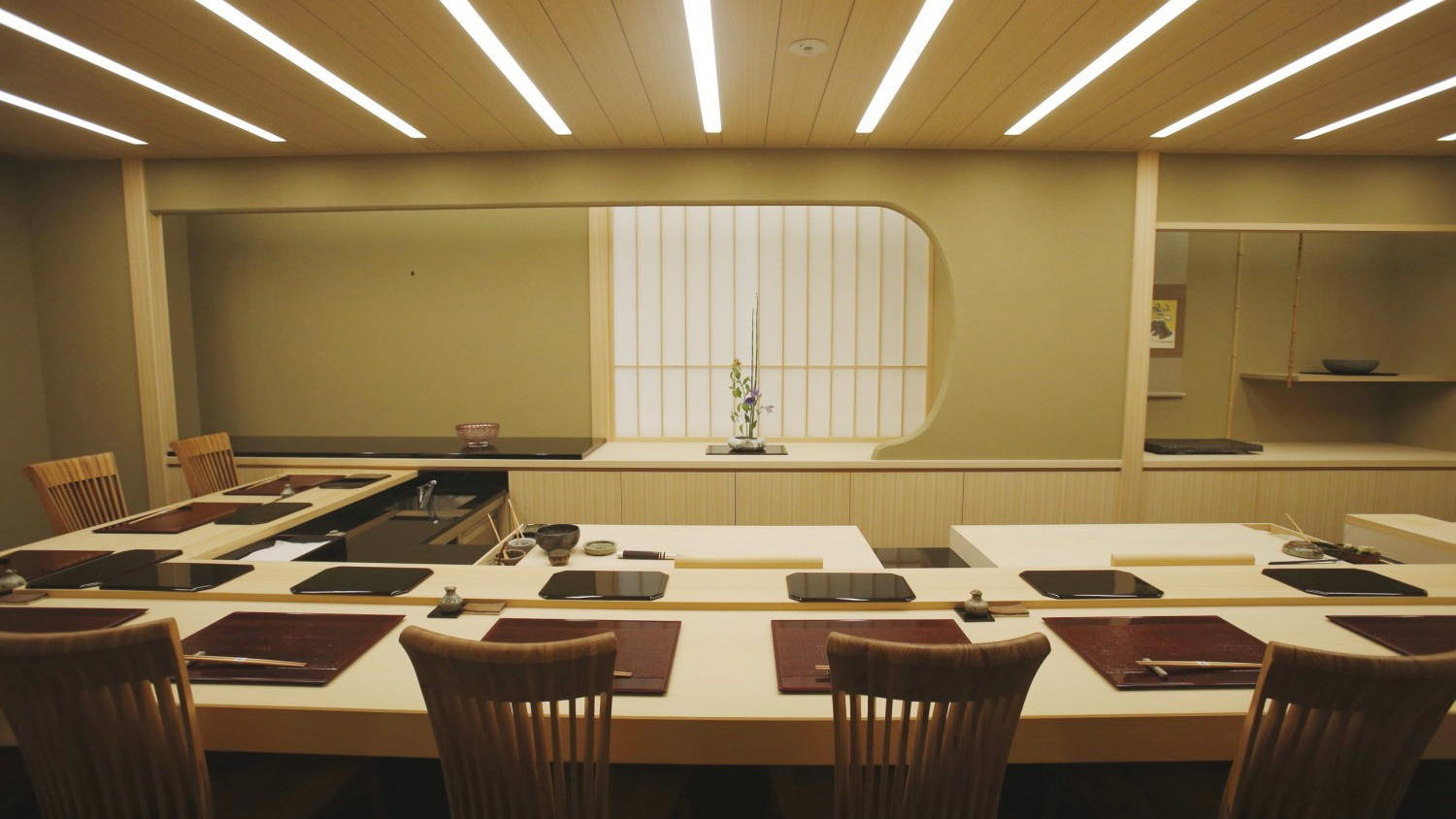
Ogawa’s arrangement, counter seating with tatami space, reflects a Tokyo pattern international diners sometimes miss. The counter makes heat, slicing, saucing, and handoff visible; the tatami room suits group use and older modes of Japanese dining. That split broadens the audience beyond the tiny chef-counter model without turning the restaurant into banquet-hall anonymity.
The value of a small-format grill address in Tokyo
Yakitori’s global reputation often leans on omakase language, but the tradition predates that luxury framing. Its discipline comes from using the bird fully, cooking each cut according to fat, texture, and moisture, and letting charcoal create contrast without masking the ingredient. In Tokyo, imported technique enters through precision: service rhythm, temperature control, portion sequence, and a sharper sense of how a meal reads from the counter. The indigenous product remains the point.
Ogawa is better understood as part of a Tokyo craft category than as a personality-driven restaurant. No chef mythology is required. The useful facts are structural: a house-restaurant setting, a counter component, private rooms for mid-sized groups, non-smoking rules with a narrow exception tied to exclusive tatami-room dinner use, and a take-out system with a small daily limit. These details define the experience more honestly than grand narrative.
The take-out element is especially telling. Serious yakitori in Tokyo does not always divide neatly into restaurant and retail. Some addresses serve office workers at midday, regulars at night, and households through packaged portions. That range keeps the cuisine tied to daily eating, even when awards push names into a more competitive dining category. Here, the small take-out quota and registration cutoff make the lunch rhythm feel local rather than ornamental.
For travellers mapping Tokyo dining, the key decision is category fit. This is not for a multilingual luxury production or encyclopedic beverage program. It is stronger for readers who want to see how a neighbourhood yakitori address can enter an awards conversation while retaining practical Tokyo habits. Diners building a wider itinerary can set it against broader city coverage in Our full Tokyo restaurants guide, then balance the trip with Our full Tokyo hotels guide, Our full Tokyo bars guide, Our full Tokyo wineries guide, and Our full Tokyo experiences guide.
How it fits a wider Tokyo and Japan itinerary
Tokyo’s restaurant culture rewards narrow comparisons. A Ningyocho yakitori meal should not be weighed against curry, cafés, or sukiyaki as if they answer the same question. It belongs beside other small-format Japanese addresses where specialization drives the meal. Nearby, 124. KAGURAZAKA (Yakitori) offers another yakitori reference, while. 鮪と炭火焼き うお炭 秋葉原店 moves the charcoal conversation toward seafood and tuna.
Other Tokyo stops define the city’s range without pretending to be direct peers. 12/10 Shinjuku ten places the itinerary in Shinjuku’s denser dining traffic; 2D Cafe shows themed cafés in another register; 3 Chome no Curry Ya San points to the city’s deep comfort-food lane. None competes with a Ningyocho yakitori counter on technique, but each helps a traveller read Tokyo as precise formats rather than a single dining scene.
Beyond the capital, the same format-led thinking applies across Japan and its diaspora. -Grilled beef Sukiyaki- KAMAKURA TANUKIAN 鎌倉 たぬき庵 in Kamakura shifts focus to beef and hot-pan tradition;.cafe in Osaka and.know in Kumamoto widen the map of casual Japanese eating; (Shoku) Vietnam in Kawasaki, [Curry Senmon Ten] Maruyama Kyoju. in Sapporo, and [ki:] in Kyoto show how regional context changes the meal. Across the Pacific, Jōdo Saké Bar in Los Angeles and Onigiri Time in Pasadena show how Japanese formats travel, often separating technique from the neighbourhood routines that shaped them.
That is why Ogawa is useful to understand. It needs no spectacle to explain Tokyo yakitori. Its value lies in how a small grill address can carry local ingredients, borrowed precision, daily utility, and awards recognition in the same modest frame.
Compact Comparison
Side-by-side context: comparable cuisine and price.
| Venue | Cuisine | Price | Notes |
|---|---|---|---|
| OgawaThis venue — the venue you are viewing | Chūō, Traditional Yakitori | $$ | Not listed |
| Kaneko Hannosuke (金子半之助) | Not listed | $$ | Nihonbashi, Edo-style Tempura Rice Bowls (Tendon) |
| Ginza Kagari (銀座 篝) | Ginza, Chicken Paitan Ramen | $$ | Not listed |
| Ginza Hachigo | Chūō, Modern French-inspired Ramen | $$ | Not listed |
| Ishigama Bake Bread Sabo Tamutamu | Chiyoda, Japanese Bakery Cafe | $$ | Not listed |
| Takeno | Not listed | $$ | Chūō, Traditional Tsukiji seafood shokudo / izakaya |
Recognition history
Dated appearances from independent guides and award organizations, with the underlying list record or original source where available.
Tabelog 100 #9 · No. 9
Tabelog · Tabelog 100 - Yakitori - EAST - 2025





At a Glance
- Classic
- Cozy
- Intimate
- Solo
- Family
- Casual Hangout
- After Work
- Group Dining
- Chefs Counter
- Private Dining
- Standalone
- Beer Program
- Sake Program
Current opening hours
- Monday
- 11:25 AM–1:30 PM, 5:30–9:30 PM
- Tuesday
- 11:25 AM–1:30 PM, 5:30–9:30 PM
- Wednesday
- 11:25 AM–1:30 PM, 5:30–9:30 PM
- Thursday
- 11:25 AM–1:30 PM, 5:30–9:30 PM
- Friday
- 11:25 AM–1:30 PM, 5:30–9:30 PM
- Saturday
- Closed
- Sunday
- Closed
Hours can change for holidays and private events. Last verified .