
A Michelin Plate-recognised kaiseki address in Ginza, Ginza Asami draws on Rishiri kombu dashi and seasonal ingredients to produce a light-flavoured, precisely seasoned menu. Both lunch and dinner conclude with the restaurant's seabream chazuke, served with a sesame dipping sauce blended from sesame paste, walnuts and cashew nuts.
Pearl is the En Primeur Club membership app — saves, bookings, and concierge access live there. Same editors, same standards.
- Address
- Ginza Asami, Tokyo, Japan
- Phone
- +81 3-5565-1606
- Website
- ginza-asami.co.jp
- Directions
- Get directions
 Saves & bookings on Pearl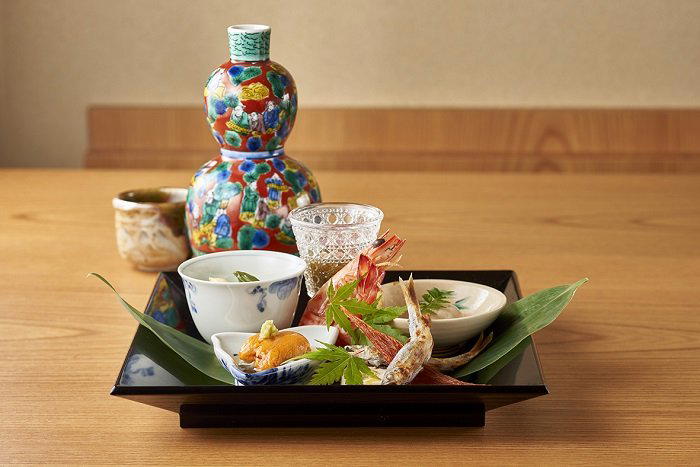
A Ginza Counter in the Metropolitan Mode
Ginza sets a particular register for Japanese dining: formal without being austere, attentive to season without the theatrical distance that sometimes characterises Kyoto kaiseki. The neighbourhood's restaurants occupy expensive real estate and price accordingly, which pushes operators toward precision over abundance. Ginza Fukuju and Myojaku represent that pressure differently, the former leaning into ingredient provenance, the latter into technique, but both reflect the same metropolitan logic: a clientele that dines frequently and expects discernible craft at every sitting.
Ginza Asami is a restaurant in Tokyo, Japan, serving Traditional Japanese Kaiseki. It is priced at about $25 per person and holds a Michelin Plate (2025). That middle position is, in many ways, one instructive tier to watch in Tokyo right now: it is where serious technique meets accessible pricing, and where the city's dining character is most honestly on display.
Tokyo vs. Kyoto: Two Philosophies of Restraint
The contrast between Tokyo and Kyoto kaiseki is frequently overstated but not imaginary. Kyoto's tradition, exemplified by addresses like Isshisoden Nakamura and Gion Sasaki, tends to prioritise a ceremonial pace and ingredient lineage traceable through centuries of court and temple cooking. Tokyo's version of the same discipline is quicker to absorb external influence, more comfortable with condensed formats, and less beholden to seasonal codes that predate refrigeration.
Ginza Asami lands clearly on the Tokyo side of that divide. The kitchen works with the light-flavoured dashi approach that defines honzen-ryori and kaiseki at their most restrained, but the execution carries the metropolitan directness of a restaurant serving a lunch crowd with limited time and a dinner crowd with high expectations. The dashi stock is built from Rishiri kombu kelp, among the more prized kombu varieties in Japanese cooking, drawn from the cold waters off Hokkaido. The resulting stock is clean-tasting rather than assertive, designed to carry seasonal vegetables and tofu without competing with them.
This is meaningful context. In Kyoto, a kitchen using Rishiri kombu would likely signal it prominently, placing it within a named seasonal narrative. In Ginza, the same ingredient functions as a baseline professional standard rather than a talking point. Both approaches have merit; they simply reflect different relationships between the cook and the diner.
The Menu: Sequence and Signature
Both the lunch and dinner menus at Ginza Asami follow a structure that moves from lighter preparations toward a defined closing course. Sesame tofu, blended with vegetables according to the season, appears early in the sequence. The takiawase, a simmered dish of separately cooked ingredients brought together in a single bowl, is kept deliberately light-flavoured, consistent with the kitchen's approach to dashi.
The meal ends with the restaurant's seabream chazuke, a course that has become the defining reference point for the address. The seabream is cut thick rather than thin, a choice that prioritises texture over surface area, letting the fish's natural springiness register before the broth softens it. The sesame dipping sauce accompanying the dish is built from sesame paste, walnuts and cashew nuts: a layered combination that brings fat, depth and a roasted aroma to a preparation that might otherwise read as austere.
Chazuke as a closing course is an interesting structural decision. In much of Tokyo's high-end Japanese dining, the meal closes with rice and pickles as a neutral palate reset. Using chazuke, broth poured over rice with a seasoned topping, as the signature ending positions the meal's conclusion as its most memorable moment rather than its most functional one. It is a format choice that reflects confidence.
Where Asami Sits in the Ginza Tier
The ¥¥ price tier in Ginza is a competitive position, not a discount one. At this level, the comparison set includes Azabu Kadowaki and Kagurazaka Ishikawa, both of which carry Michelin recognition and operate kaiseki or Japanese-style menus at comparable price points. Den, the two-star innovative Japanese address in Jimbocho, also sits at ¥¥¥, offering a useful reference: Den leans into playful technique and contemporary presentation, while Asami stays within a more classical flavour framework.
The Michelin Plate distinction, awarded in 2025, indicates that the restaurant has been assessed and found to meet the guide's threshold for good cooking. For the diner, this functions as a useful quality signal: the kitchen has been through scrutiny and passed it, without the booking difficulty or price premium that accompanies starred status in this neighbourhood.
For broader context on how Tokyo's Japanese dining tier compares with other Japanese cities, Kashiwaya Osaka Senriyama and HAJIME in Osaka represent Osaka's approach to the same culinary register, while akordu in Nara and Goh in Fukuoka show how the format adapts outside the main urban centres. Within greater Tokyo, 1000 in Yokohama and 6 in Okinawa extend the picture further. Jingumae Higuchi rounds out the intra-Tokyo set worth considering alongside Asami.
Planning Your Visit
Budget and Context
Comparable venues nearby, for context on price, style, and recognition.
| Venue | Cuisine | Price | Awards | Notes |
|---|---|---|---|---|
| Ginza AsamiThis venue — the venue you are viewing | Chūō, Traditional Japanese Kaiseki | $$ | Michelin Plate | Not listed |
| Ramen Nagi | Shinjuku, Niboshi Ramen | $$ | Not listed | Not listed |
| Hayashi | Not listed | $$ | Not listed | Suginami, Traditional Tonkotsu-Gyokai Ramen |
| Mitaka | Minato, Japanese Izakaya | $ | Not listed | Not listed |
| Koshita | Chiyoda, Japanese Fine Dining | $$$ | Michelin Plate | Not listed |
| Itto | Katsushika, Tsukemen Ramen | $$ | Not listed | Not listed |
Recognition history
Dated appearances from independent guides and award organizations, with the underlying list record or original source where available.
Michelin Plate
Michelin
Michelin Plate
Michelin

At a Glance
- Elegant
- Quiet
- Intimate
- Sophisticated
- Business Dinner
- Special Occasion
- Private Dining
- Sake Program
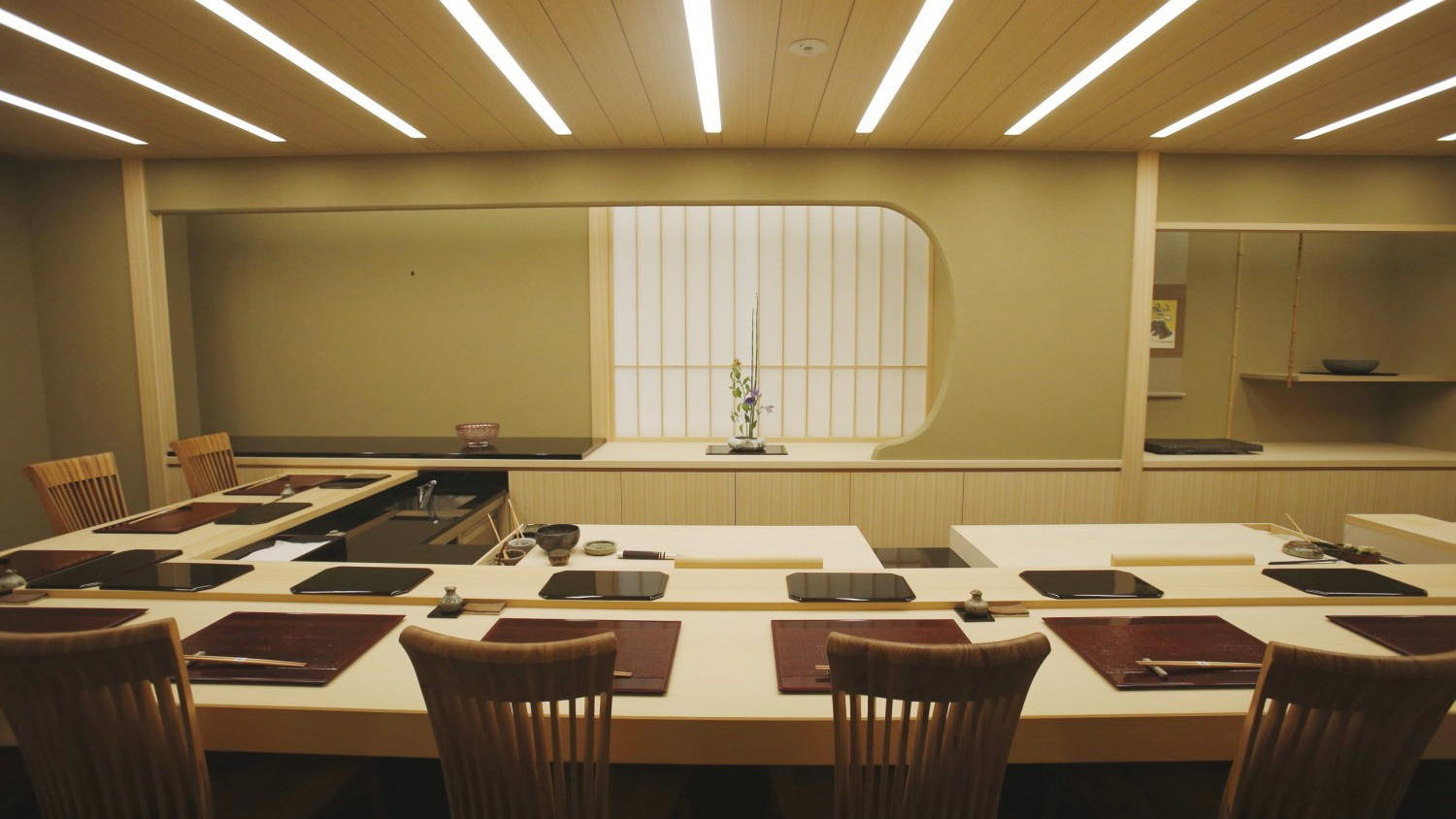
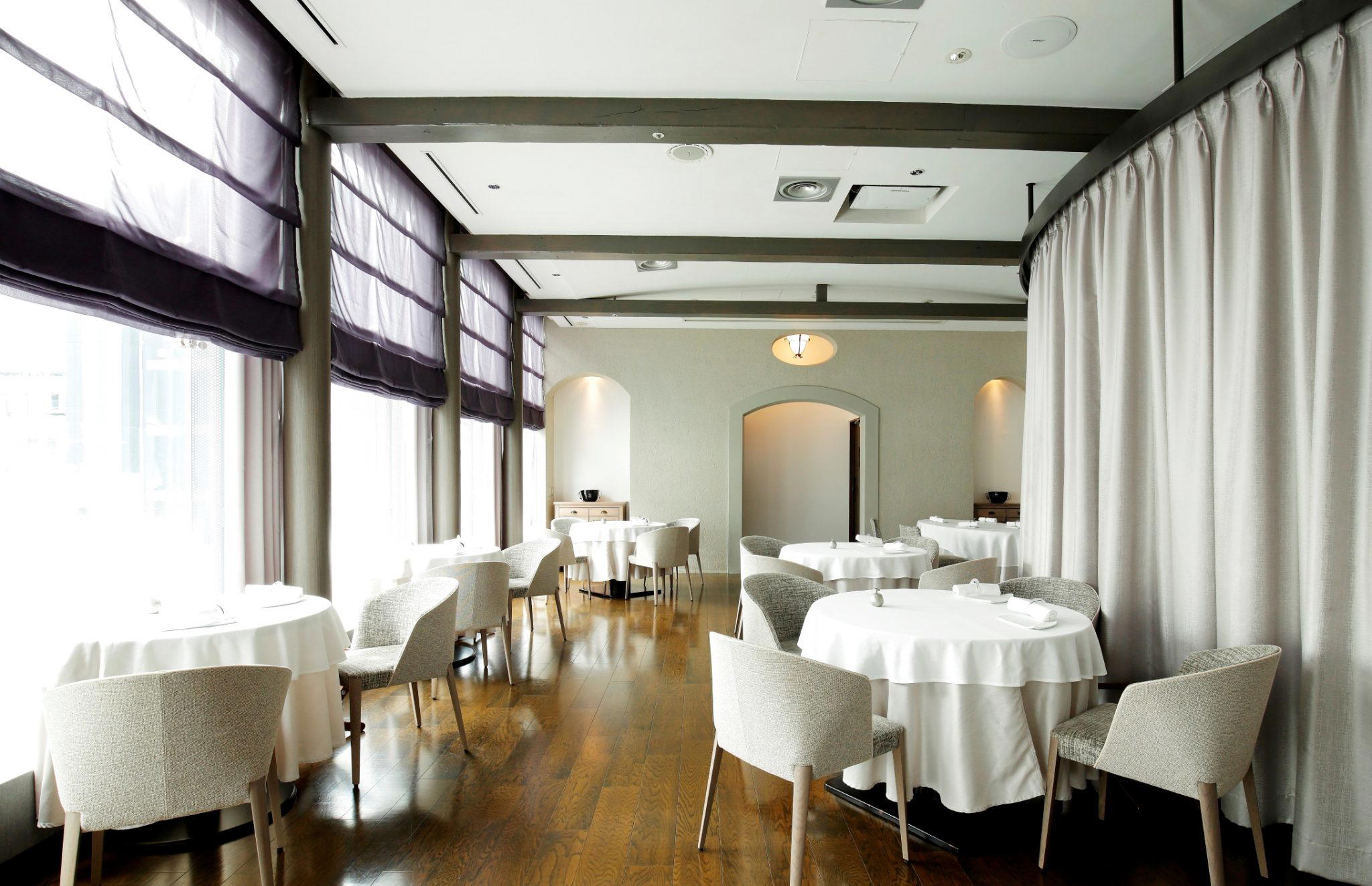
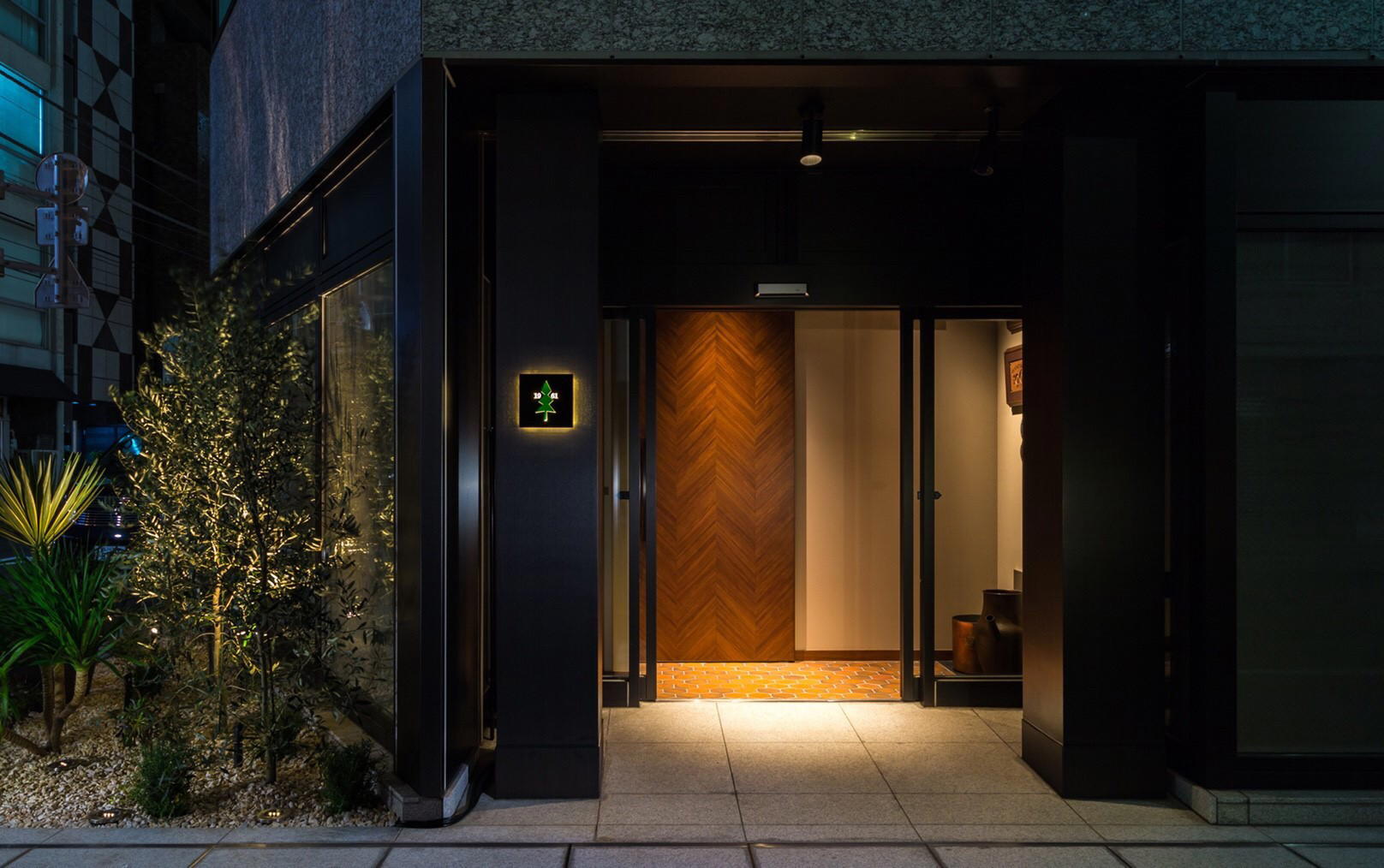
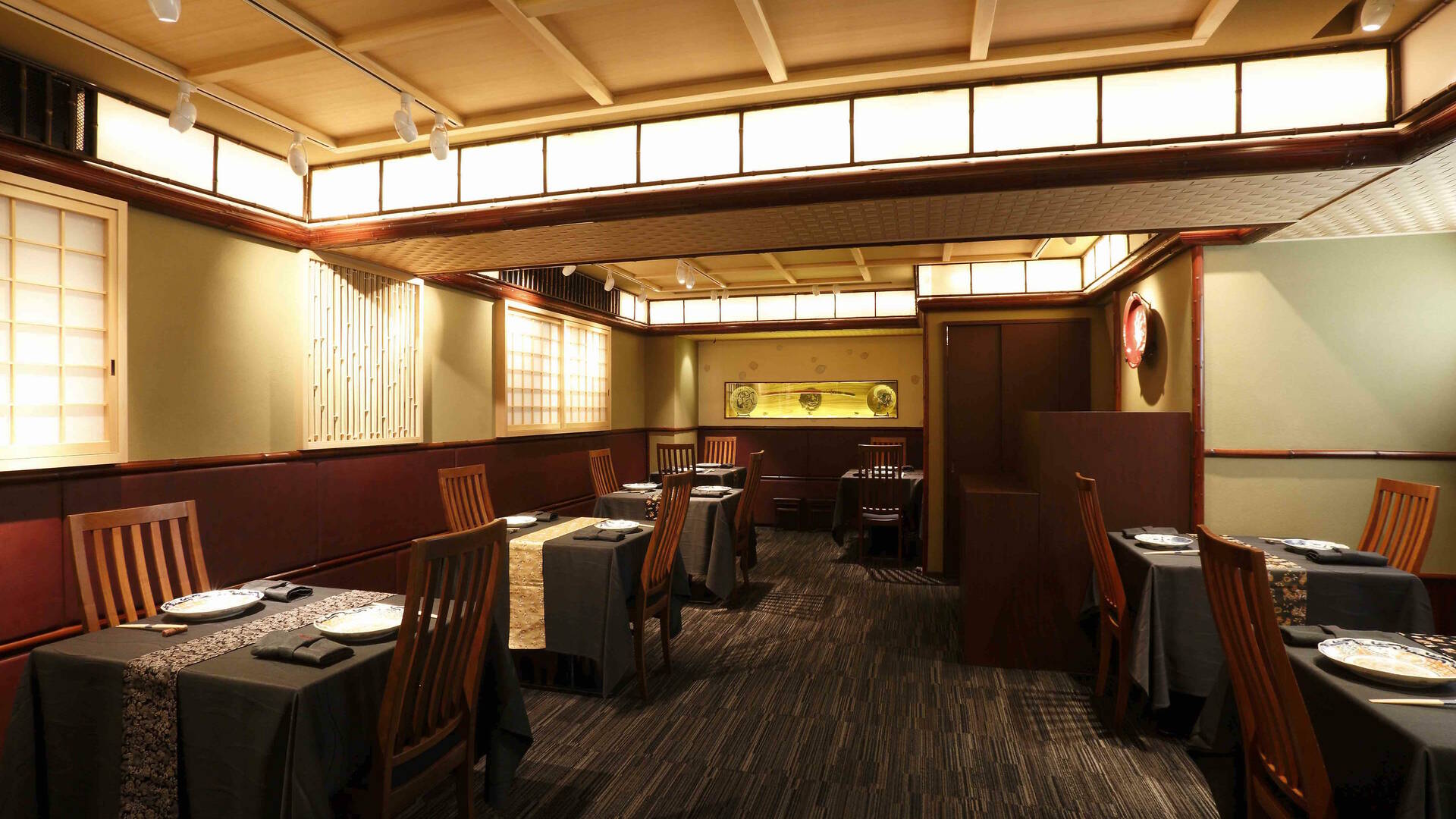
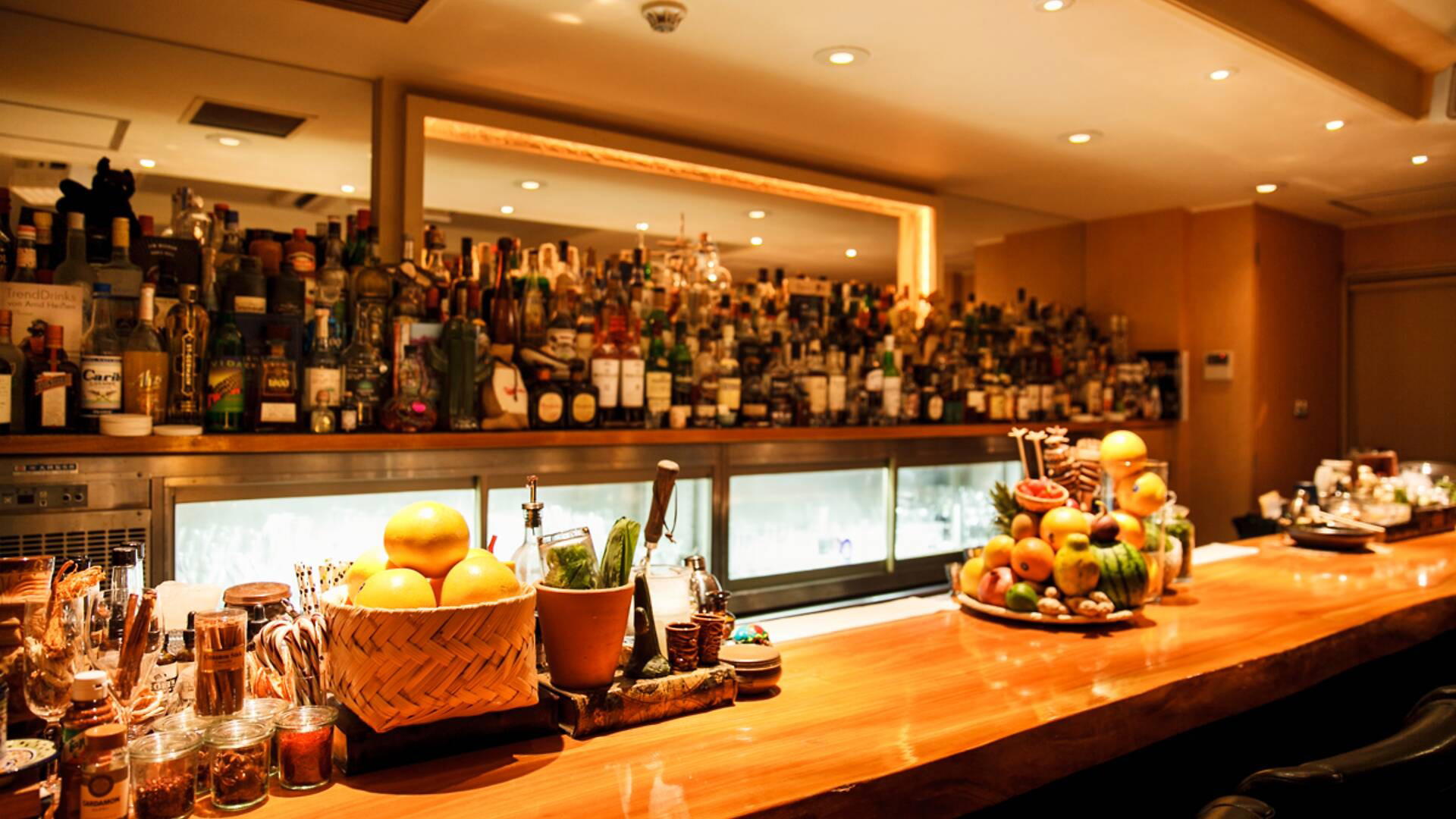
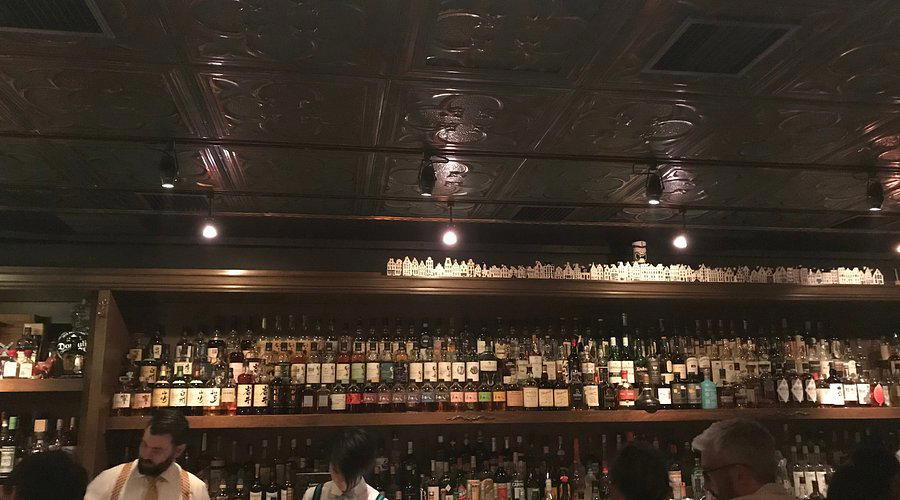
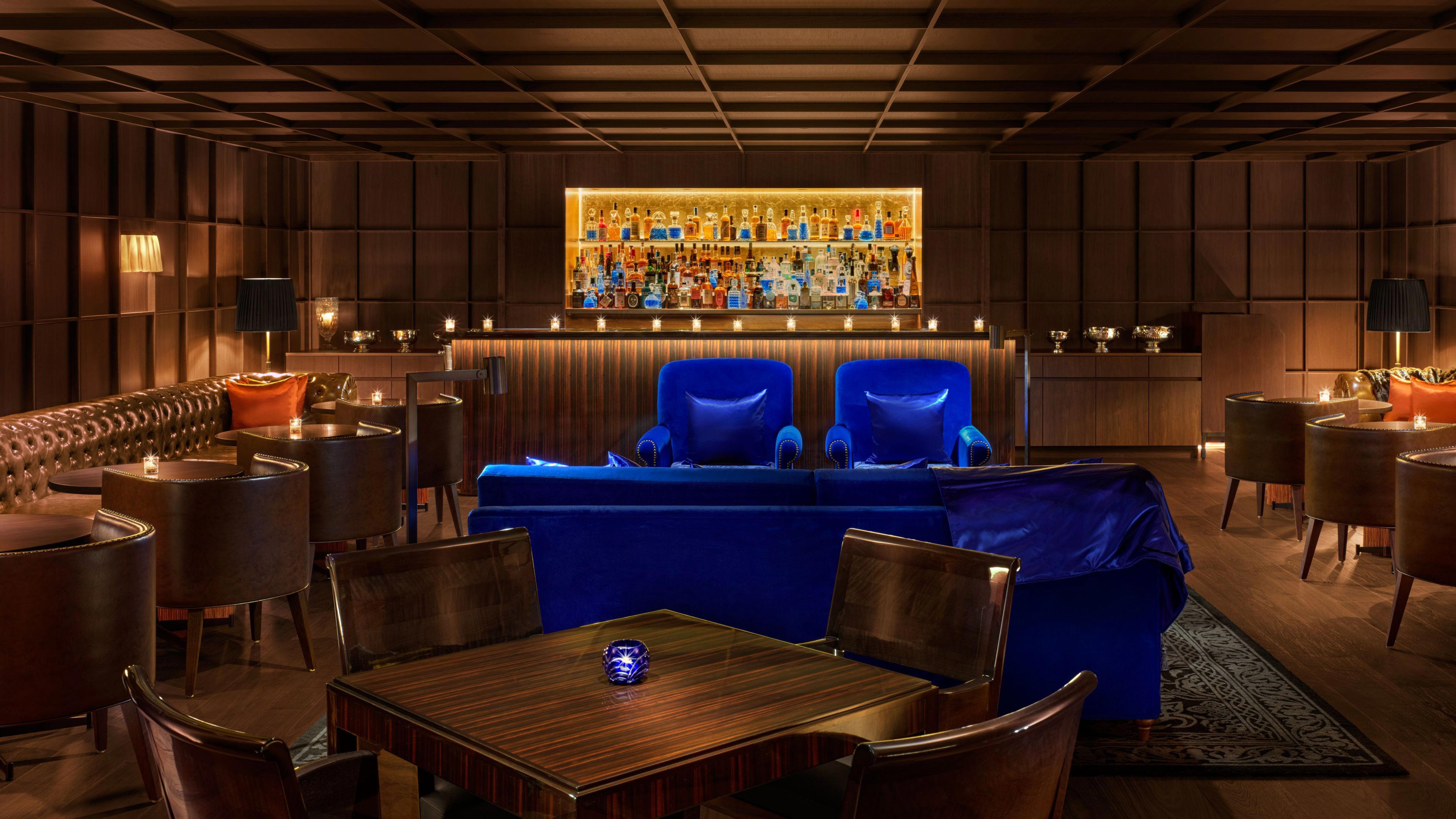
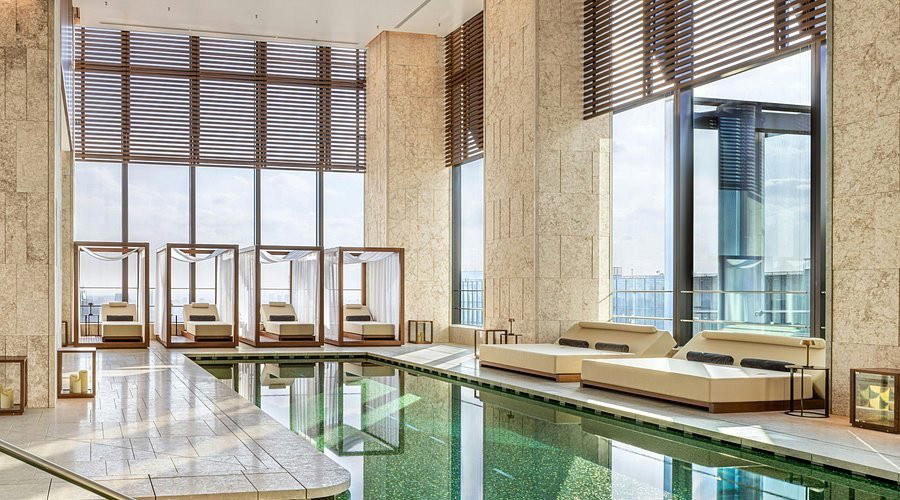
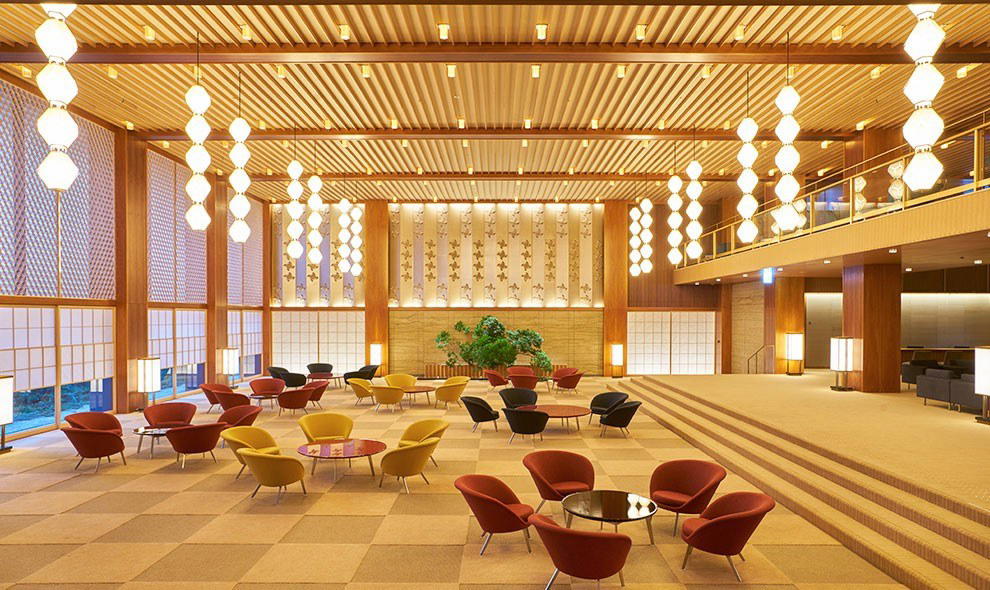
Calm and composed atmosphere with counter seating and three private rooms in Japanese and Western styles.